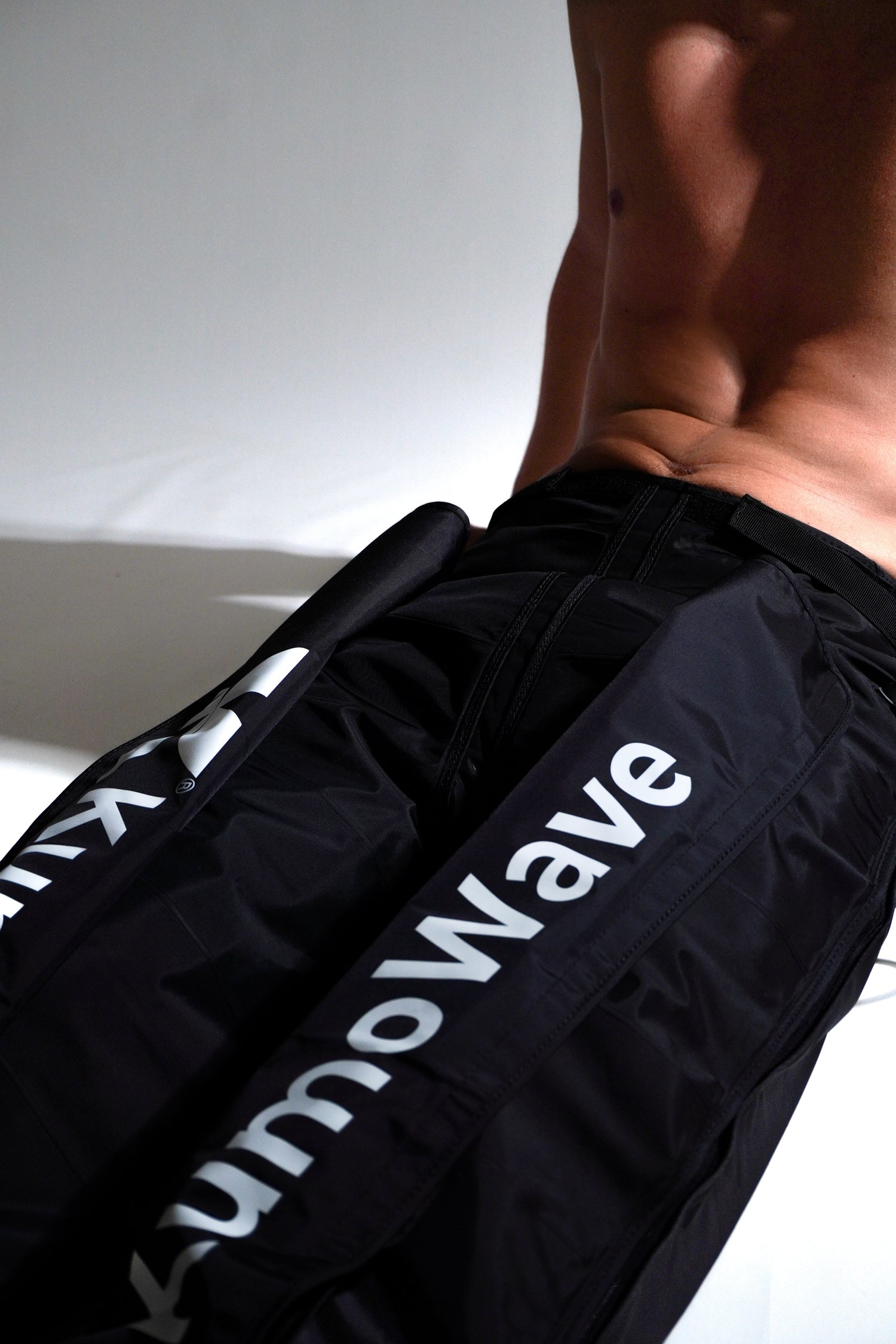
Compression therapy boots for better recovery and relief of the legs, with evidence updated to 2025. If you're looking for what they are, how they work, and what science says, you're in the right place.
Intermittent pneumatic compression boots are sleeves that inflate and deflate in programmed sequences to boost venous and lymphatic return. They are used to relieve heavy legs, manage edema, and support sports recovery. Below, we review the most reliable scientific evidence, usage protocols, and key precautions.
Pressotherapy at home
End the day with light legs
★★★★★ 4,8/5 · rated by verified customers
KumoWave pressotherapy boosts circulation and helps drain fluid with sequential compression, in 20-minute sessions at home.
- Boosts circulation and helps drain fluid
- Chamber-based compression, adjustable to you
- Sequential compression that mimics manual drainage
€799,00€999,00
−10% on your 1st order when you subscribe to the newsletter

In a little while
- They increase venous return and lymphatic drainage mechanically and non-invasively.
- The evidence is strong in vascular/lymphatic pathologies; in sports, the benefits are modest but useful (pain, feeling of recovery).
- They improve symptoms of heaviness and edema in venous insufficiency; they are an adjunct option in lymphedema under supervision.
- Use them after exercise or during periods of sitting/standing for many hours; prioritize comfort and progression.
- Contraindications: active venous thrombosis, decompensated heart failure, skin infections; consultation in pregnancy or chronic pathologies.
What they are and how they work
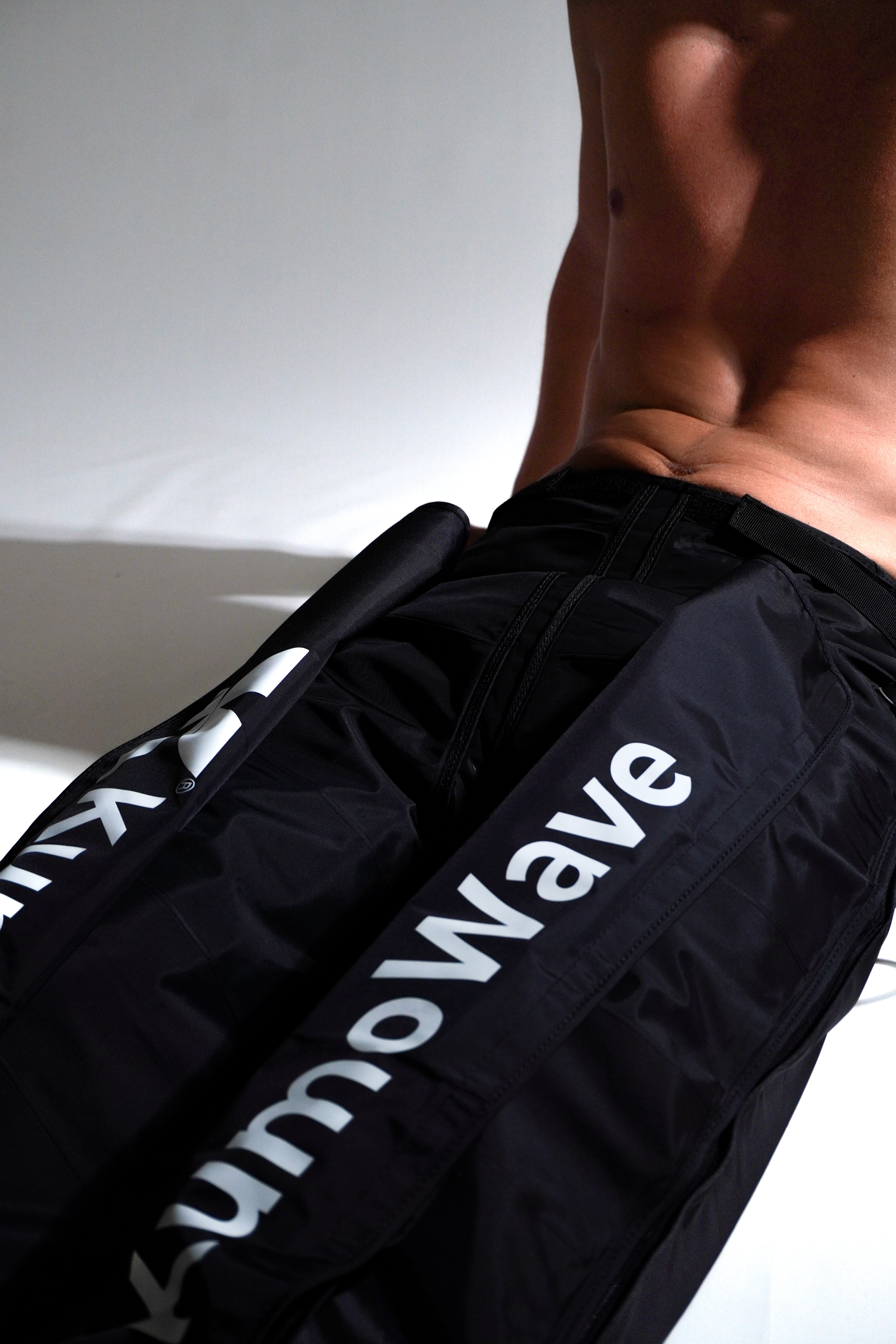
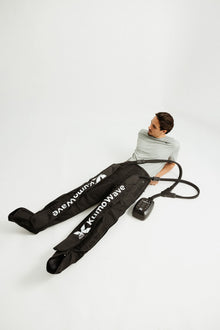
Compression therapy boots apply sequential pneumatic pressure from the foot to the thigh. This pattern promotes the emptying of veins and lymphatic vessels, reduces stasis, and improves venous return to the heart. The mechanism is similar to compression massage, but with consistent and repeatable parameters.
- Acute effects: increased blood flow to extremities, reduced accumulation of interstitial fluid.
- Perceived effects: relief from heaviness, less post-exercise stiffness, greater feeling of "light" legs.
- Physiological basis: External compression modulates transmural pressures and promotes the venous-lymphatic gradient, especially during periods of inactivity or muscle fatigue. Technical introduction in StatPearls (NCBI Bookshelf) .
Potential benefits and evidence in 2025
Sports recovery: pain, stiffness, and performance
In athletes, intermittent pneumatic compression (IPC) is used after intense training sessions to reduce delayed onset muscle soreness (DOMS) and accelerate the perception of recovery. Most controlled studies show subjective improvements in pain and fatigue, and sometimes small short-term functional improvements, while indicators of muscle damage (such as creatine kinase [CK]) and objective performance change little or inconsistently. Overview of post-exercise recovery in Sports Medicine.
Personalized protocol · included with your purchase
Want us to tell you how to use it in your case?
With your purchase, our experts prepare a personalized usage protocol for your case: sport, circulation, fluid retention, pregnancy or lipedema.
Message us on WhatsAppOur experts reply · no obligation
Practical summary: in sports, boots help you "feel" better beforehand, rather than causing big immediate performance gains.
Venous health: heaviness, edema, and chronic insufficiency
In chronic venous insufficiency, compression is a cornerstone of therapy. Although stockings/bandaging are the first-line treatment, non-invasive compression (NIC) can relieve edema and symptoms in selected patients as an adjunct. Review of compression in chronic venous disease: PubMed .
- Mechanism: venous emptying, reduction of distal venous pressure.
- Benefit: symptomatic relief (heaviness, bloating) and support during periods of prolonged sedentary behavior, travel, or long shifts.
Lymphedema and post-operative period
Lymphedema (primary or secondary) is managed with decongestive therapy (manual drainage, bandaging, exercises). Pneumatic compression can be integrated as an adjunct, in individualized protocols and under specialized supervision. Consensus of the International Society of Lymphology (2020): PubMed . The NHS details its use within the multimodal approach: NHS – Lymphoedema treatment .
on your first order when you join the newsletter
We send you the code instantly. No spam.
Prevention of thrombosis in hospital and surgery
In clinical settings, CNI is part of deep vein thrombosis (DVT) prevention, especially when medications are contraindicated. Evidence of efficacy in hospitalized patients (e.g., stroke or surgery) is strong. See Cochrane/Stroke reviews – CNI in hospitalized stroke patients .
Blood flow and overall well-being
Sequential inflation acutely increases blood flow to the lower extremities and can relieve the sensation of tired legs after prolonged standing or sitting. These improvements in perfusion have been documented in the vascular and physiological literature, although effect sizes vary depending on the protocol and user profile. General Clinical Introduction: Cleveland Clinic – SCD.
Evidence map 2025: compression therapy boots
| Indication/Context | Main expected benefit | What the evidence says | Approximate quality | Sources |
|---|---|---|---|---|
| Post-exercise sports recovery | Less pain/stiffness; better perception of recovery | Consistent subjective benefits; small effects on performance | Moderate (heterogeneous) | Sports Med |
| Chronic venous insufficiency | Relief from edema and heaviness | Useful as a complement to conventional compression | Moderate | Venous review |
| Lymphedema (adjuvant) | Volume reduction and maintenance | Recommended in individualized protocols | Moderate | ISL 2020 , NHS |
| DVT prevention in hospital | Fewer thrombotic events | Strong evidence in hospitalized patients | High | Cochrane/Stroke |
| Prolonged sedentary lifestyle/travel | Less tired legs, improved flow | Favorable physiology; limited direct clinical evidence | Low-Moderate | StatPearls , Cleveland Clinic |
How to use them properly: a practical protocol
When to use them?
- After demanding training or competitions, especially if you have DOMS.
- On days with many hours spent standing or sitting to relieve heaviness.
- As a complement to edema management programs indicated by professionals.
Parameters and progression
- Duration: short to moderate sessions; adjust according to your response and tolerance.
- Pressure: Start with low/medium levels and gradually increase if you are looking for more "compression" without pain or numbness.
- Frequency: moderate regularity (several days a week) is usually preferable to very long sporadic sessions.
- Position: lying down or semi-seated, legs relaxed; hydrate before and after.
If you have a medical condition (venous, lymphatic, cardiovascular, metabolic), follow your specialist's recommendations. The multimodal approach to lymphedema/venous disease is detailed by organizations such as the NHS: Lymphedema Treatment .
Safety, contraindications and side effects
Pressotherapy is generally safe for healthy individuals when used responsibly. However, there are situations in which you should avoid it or consult a doctor first:
- Common contraindications: active deep vein thrombosis or pulmonary embolism, decompensated heart failure, skin infections in the area, open wounds, severe uncontrolled neuropathy, pain or numbness with compression.
- Caution: pregnancy, diabetes with peripheral neuropathy, uncontrolled hypertension, renal insufficiency, history of DVT.
- Possible side effects: pressure discomfort, transient paresthesia, skin marks; if pain, persistent tingling or changes in color appear, stop and consult.
Clinical guidelines and safety explanations: Cleveland Clinic – SCD, StatPearls IPC .
How to choose quality boots
- Design and chambers: more segments allow for a more uniform “sweep”; appreciate the rapid deflation between cycles.
- Fit and sizes: a good seal without excessive pressure points.
- Parameter control: clear programs and adjustable pressure.
- Materials and maintenance: durable, easy-to-clean covers; robust hoses and connectors.
- Silence and ergonomics: for use while reading, working or resting.
- Support and warranty: reliable after-sales service and user guides.
If you're looking to integrate recovery as a habit with technology and careful aesthetics, discover KUMO 's philosophy and solutions.
Common myths
- “They are only for elite athletes.” False: they also help with everyday discomfort from leg fatigue or a sedentary lifestyle.
- “They replace training or sleep.” No: they optimize recovery, but they don’t replace pillars like sleep and good nutrition.
- “More pressure is always better.” Not necessarily; comfort and individual response guide the fit.
- “They work equally well for all types of edema.” No: edema has multiple causes; the approach must be personalized by professionals.
Frequently Asked Questions
How long does it take for the effects to be noticeable?
The most common acute effects are a feeling of "lighter" legs and reduced stiffness, usually noticeable after the first session. In sports recovery, many users report less pain the following day, although improvements in objective markers are not always observed. In chronic edema, consistency is key: symptomatic relief can be consolidated after several weekly sessions, integrated into a comprehensive plan (movement, elevation, compression). The response varies; adjust duration and pressure to your tolerance.
Can they replace compression stockings?
No. They serve complementary functions. Compression stockings offer sustained compression during daily activity, while compression boots apply sequential compression during specific sessions. If you have venous insufficiency or lymphedema, compression stockings/bandages are usually the first line of defense, and boots provide additional support. In healthy individuals, boots can relieve fatigue after intense days or workouts. If you are on prescribed medication, consult a doctor before changing it.
Do they help reduce cellulite?
Direct evidence is limited. Pneumatic compression can temporarily reduce edema and improve the feeling of firmness by promoting fluid drainage, but cellulite involves structural factors of the skin and subcutaneous tissue that are not resolved by compression alone. It can be a complement to healthy habits (physical activity, nutrition, rest), but should not be expected to produce drastic changes on its own. Avoid uncomfortable or painful pressure.
Are they safe to use during pregnancy?
Pregnancy alters venous and lymphatic flow, and some women experience edema or heaviness in their legs. Even so, before using compression boots during pregnancy, consult your obstetrician or midwife. Generally, conservative strategies such as leg elevation, regular movement, and hydration are prioritized; graduated elastic compression may be indicated in some cases. Compression therapy should be assessed individually and, if authorized, used with gentle parameters.
How many times a week is ideal?
There is no universal "magic number." For sports recovery, many people find it helpful to use them after demanding sessions or 3–5 times per week during periods of high training load. For discomfort from a sedentary lifestyle, short, regular sessions at the end of the day may be sufficient. In cases of venous or lymphatic disorders, the frequency should be determined based on clinical goals and individual response. The practical guide: start with moderate sessions, monitor how you feel, and adjust accordingly.
To take you
- Pressotherapy improves venous and lymphatic return; by 2025, its evidence is solid in clinical practice and useful (although moderate) in sports.
- In athletes, the most notable benefits are pain relief and the perception of faster recovery.
- In venous insufficiency and lymphedema, it acts as a complement within personalized plans.
- Safety is high in healthy people; it respects contraindications and prioritizes comfort.
- Choose adjustable, ergonomic equipment with good support to maintain consistency.
Want to turn recovery into a smart habit? Get inspired and discover more at KUMO .
KumoWave pressotherapy
Choose your at-home pressotherapy
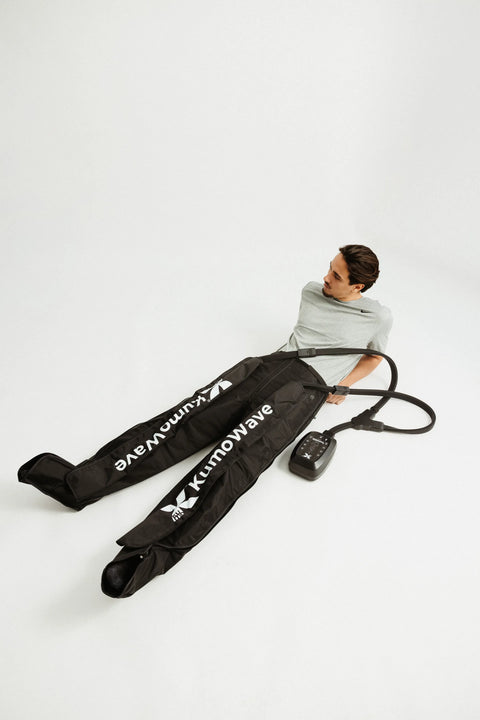
KumoWave Elite – Pressotherapy Pants
Full-coverage trousers. Ideal for lipedema, fluid retention and intensive use.
€799,00 €999,00
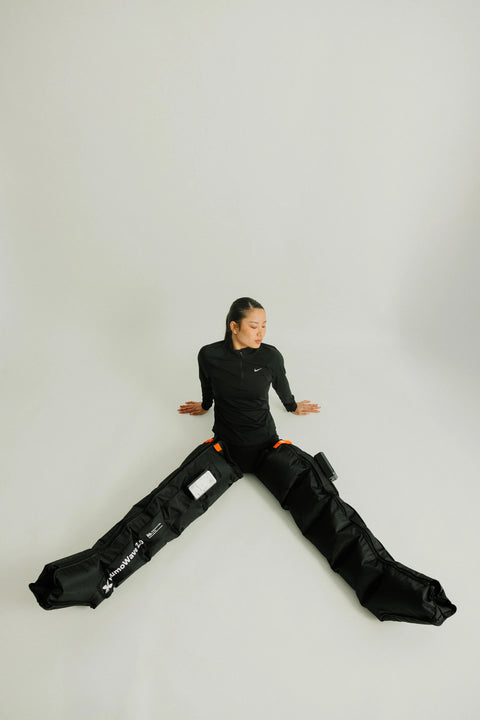
KumoWave 2.0 - Wireless Pressotherapy
Wireless, lightweight boots. Perfect for daily use and recovery.
€499,00 €599,00