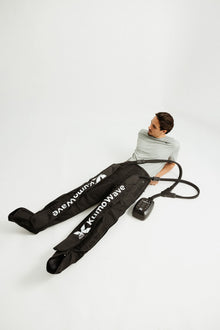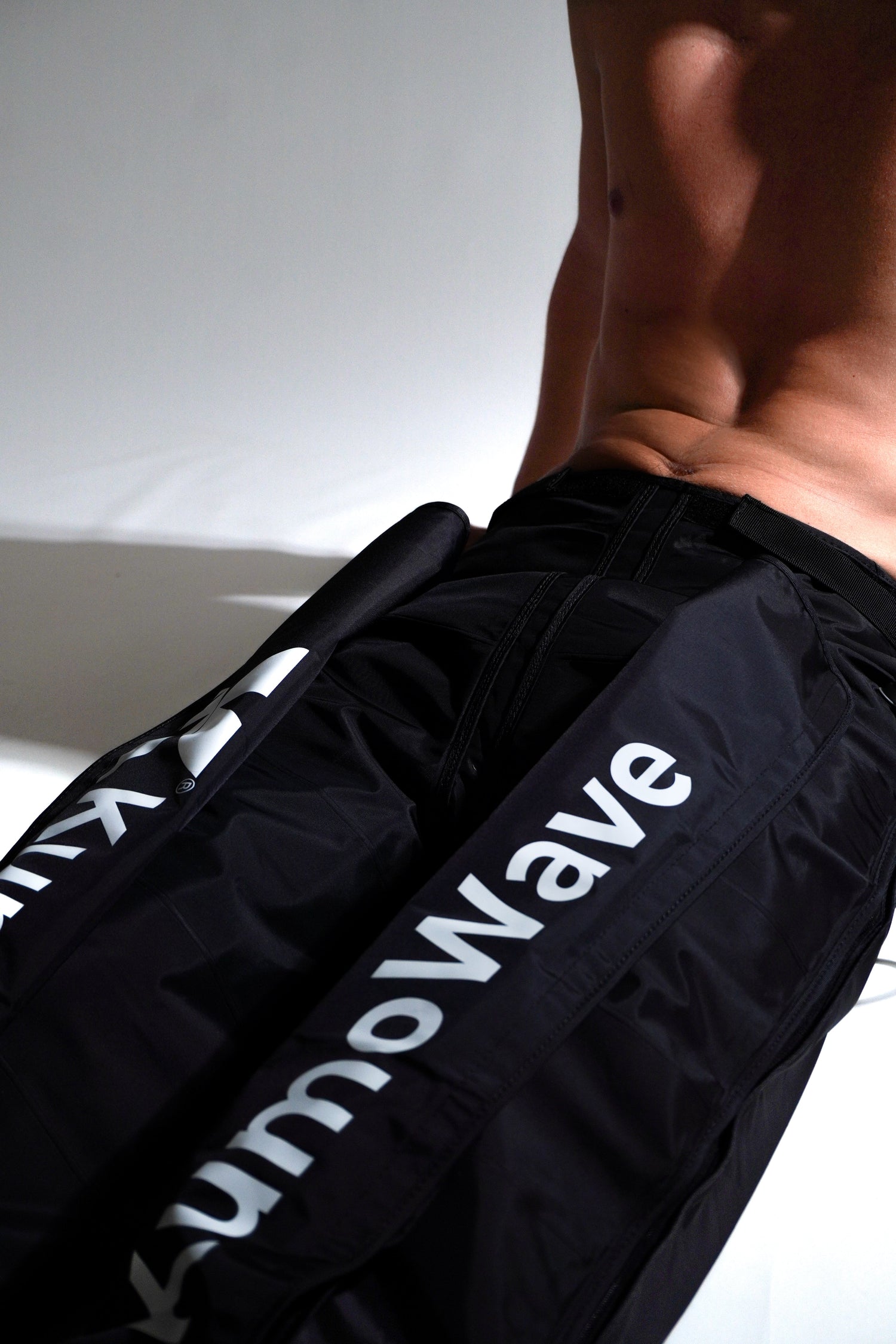
Post-operative lymphatic drainage: the essentials for a safe recovery in 2025. If you've just had surgery or are planning one, this guide explains what it is, when it's appropriate, how it's performed, and what benefits you can expect, with practical, evidence-based advice.
In a little while
- Reduce swelling and the feeling of heaviness after surgery with gentle, targeted maneuvers.
- Ideally, it begins when the surgeon authorizes it; often between the 1st and 2nd week, depending on the procedure.
- 1–3 sessions per week for 3–6 weeks is a typical scheme, adjusted to the case.
- Avoid strong pressure and areas with acute pain, infection, or recent stitches.
- It combines drainage with early mobilization, breathing, hydration, and medical compression when indicated.
What is lymphatic drainage and why does it matter after surgery?
Manual lymphatic drainage (MLD) is a gentle massage technique that stimulates the flow of lymph toward the lymph nodes, helping to eliminate fluid and cellular waste. After surgery, it is common to experience swelling, bruising, and a feeling of tightness due to inflammation and immobility. MLD, as part of a supervised postoperative plan, can promote a more comfortable and functional recovery.
Pressotherapy at home
End the day with light legs
★★★★★ 4,8/5 · rated by verified customers
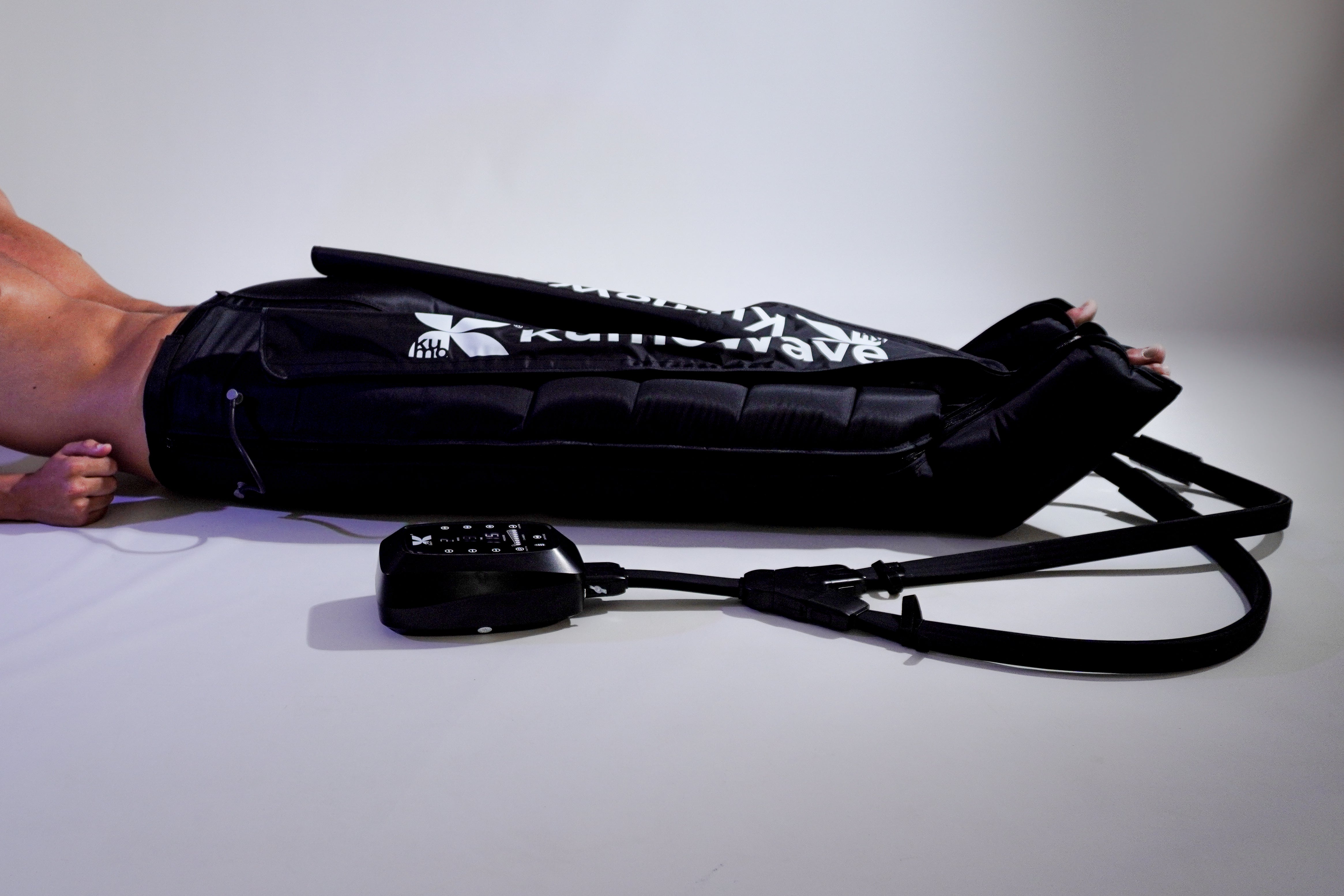
KumoWave pressotherapy boosts circulation and helps drain fluid with sequential compression, in 20-minute sessions at home.
- Boosts circulation and helps drain fluid
- Chamber-based compression, adjustable to you
- Sequential compression that mimics manual drainage
€799,00€999,00
−10% on your 1st order when you subscribe to the newsletter

- The lymphatic system is key in controlling edema and the immune response. Understanding its role helps explain why swelling is normal after surgery and how to manage it safely. You can find more information about lymphedema and its management in NHS and NCI clinical resources: NHS: Lymphoedema , NCI: Lymphedema (PDQ) .
How it works on a practical level
- Very gentle rhythmic maneuvers direct fluid from congested areas towards collectors and functional lymph nodes.
- The priority is to "open" proximal areas first (neck, armpits, groin) and then peripheral areas, following lymphatic pathways.
- It can be combined with prescribed compression bandages or garments, gentle exercise and diaphragmatic breathing, components of complex decongestive therapy endorsed by international consensuses such as the ISL 2020 (ISL Consensus 2020, PubMed).
Frequent options and add-ons
- Manual lymphatic drainage (MLD) by trained physiotherapists.
- Guided self-massage at home when authorized by the medical team.
- Medical compression (bandages or garments) if indicated by the specialist.
- Pressotherapy/intermittent pneumatic compression (when recommended by the healthcare team) as support in specific phases, reference in frameworks such as the International Lymphoedema Framework .
- Education in scar care, mobility, and breathing.
To better understand the technique and its indications, consult a clear clinical explanation at the Cleveland Clinic.
Benefits and limitations in the postoperative period
What you can reasonably expect:
Personalized protocol · included with your purchase
Want us to tell you how to use it in your case?
With your purchase, our experts prepare a personalized usage protocol for your case: sport, circulation, fluid retention, pregnancy or lipedema.
Message us on WhatsAppOur experts reply · no obligation
- Reduced feeling of swelling and tightness.
- Reduction of mild pain associated with edema.
- Improved mobility and comfort to resume activities.
What you should know:
- The evidence varies depending on the type of surgery and the timing of application: there is sound physiological rationale and clinical experience, but outcomes can differ between patients. Drainage is most effective when integrated into a multimodal plan (mobility, indicated compression, scar care) and under supervision. For a comprehensive and prudent overview, review the 2020 ISL consensus (PubMed) and NHS resources.
Key tip: Excessive pressure does not speed up the reduction of swelling. In lymphatic drainage, less is more.
When to start and how often?
- Timing of initiation: This depends on the surgery and the surgeon. In procedures involving drains, recent sutures, or very sensitive areas, it is common to wait until the 1st–2nd week. In other surgeries, some breathing maneuvers and proximal drainage may be initiated earlier, if approved by the physician.
- Usual frequency and duration: 30–60 minutes per session, 1–3 times per week, for 3–6 weeks, adjusting according to clinical evolution and tolerance.
- Signs to postpone: severe pain, fever, marked redness, abnormal wound drainage, dizziness, or worsening edema.
Early mobilization and ERAS protocols help reduce complications and improve recovery; more information at the ERAS Society .
on your first order when you join the newsletter
We send you the code instantly. No spam.
Safety, contraindications and warning signs
Absolute contraindications (require medical evaluation):
- Active infection in the area (cellulitis), acute venous thrombosis, decompensated heart failure, uncontrolled renal/hepatic edema.
- Intense pain or active bleeding in the operated area.
- Wounds that have not healed or show signs of infection.
Precautions:
- Active cancer, coagulation disorders, uncontrolled hypertension. In these cases, drainage may require adaptation or be temporarily contraindicated. Review general massage safety recommendations on the NCCIH website and NCI clinical guidelines.
Warning signs to stop and check:
- Sudden increase in unilateral swelling, sharp pain, progressive redness, fever, dizziness, or shortness of breath.
How a typical session unfolds
- Initial assessment: medical history, type of surgery, wound condition, pain, edema, sensitivity.
- “Opening” of proximal areas: neck, trunk or root of the limb to facilitate drainage.
- Gentle and superficial (non-painful) maneuvers in the direction of functional ganglia.
- Education for self-care: breathing, authorized self-massage, hydration, postures.
- If appropriate, medical compression (garments or bandages) adapted to the case.
Self-care at home (when authorized by your team)
- Diaphragmatic breathing 5–10 minutes, 2–3 times a day.
- Gentle movement and elevation of the operated limb (if indicated) to promote lymphatic return.
- Perform very superficial self-massage around, not directly on, the incision until the scar has healed and you are cleared to do so.
- Hydration, adequate sleep, and protein-rich nutrition for tissue repair.
- Scar care according to your surgeon's guidelines.
Support technologies for your recovery routine
In addition to physiotherapy, some wellness-oriented technologies can complement your routine, always with medical approval:
- Pressotherapy for tired legs and to activate circulation during periods of low activity (never on operated areas without medical clearance).
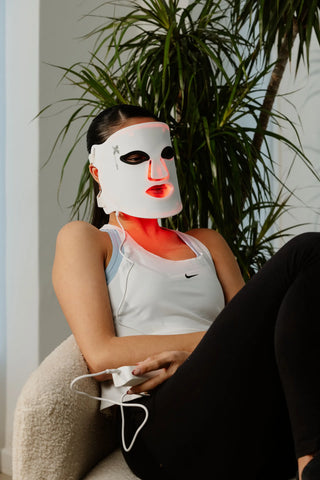
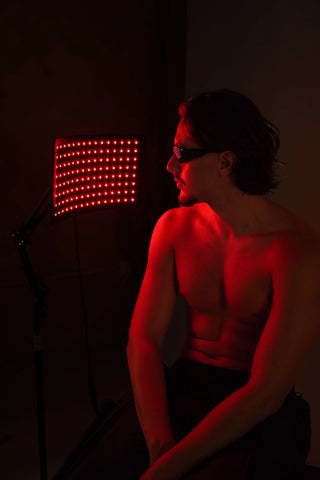
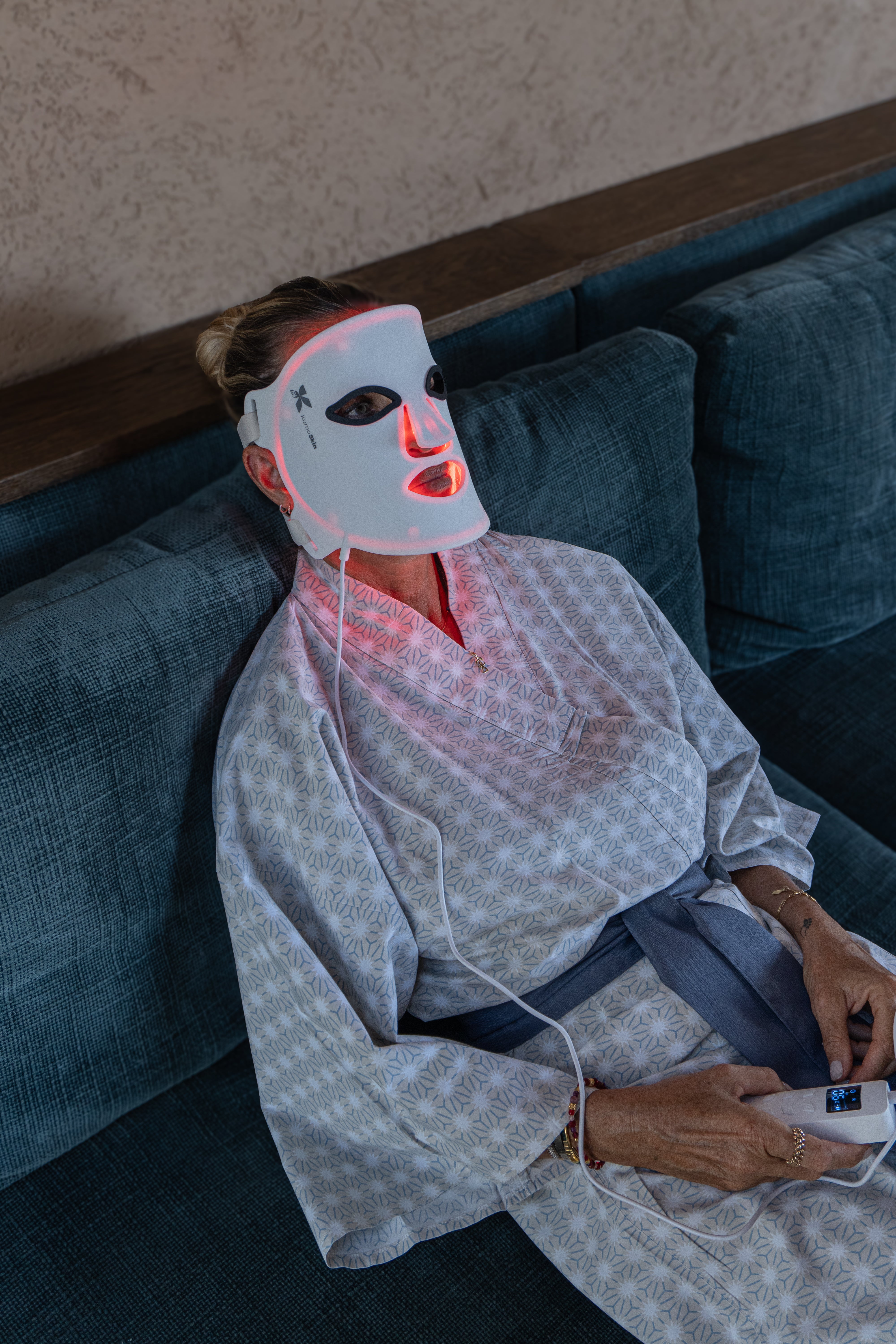
- Red light therapy to promote relaxation, rest and general muscle recovery.
- Percussive massage for tense muscles away from the surgical area, once permitted.
Discover how to integrate recovery as a lifestyle habit at KUMO .
Common myths that should be dispelled
- “The more pressure, the better”: false. Lymph moves at very low pressures; excessive force can irritate tissues.
- “Drainage hurts”: It shouldn’t; it’s a gentle technique. If it hurts, stop and tell the professional.
- “It only works after liposuction”: it can be useful after various surgeries (plastic, oncological, orthopedic) if the team indicates it.
- “It replaces compression”: no. They are complementary tools when compression is indicated.
- “It can be done at any time”: no. Respect healing times and the surgeon's approval.
Indicative phased plan (adjusted to your surgery)
| Phase | Goals | What can you do? | Avoid | Professionals involved |
|---|---|---|---|---|
| Days 1–3 | Control of initial pain and inflammation | Gentle mobility allowed, diaphragmatic breathing, elevation if appropriate | Maneuvers over the incision, strong pressures | Surgeon, nursing team |
| Week 1–2 | Promotes drainage and comfort | Initiate authorized DLM, guided peripheral self-massage, hydration | Direct heat, friction on a recent scar | Physiotherapist, surgeon |
| Weeks 3–6 | Restore mobility and function | DLM 1–3/week, compression as indicated, progressive exercise | Unauthorized loads or impacts | Physiotherapy, rehabilitation |
| Weeks 6–12 | Consolidate results | Reduce frequency, maintain self-care, scar work | Skipping checks or warning signs | Physiotherapy, medical check-up |
Note: Always consult with your surgeon and physical therapist. For clinical fundamentals of lymphedema and phased management, see NCBI Bookshelf: Lymphedema .
Evidence and resources for further study
- International consensus on the diagnosis and treatment of lymphedema (ISL 2020): a framework for manual lymphatic drainage, compression, and multimodal approaches (PubMed).
- Practical vision and safety of the technique: Cleveland Clinic.
- Information for patients about lymphedema: NHS , NCI PDQ .
- Resources and guidelines from the International Lymphoedema Framework: ILF .
- Multimodal recovery after surgery (ERAS): ERAS Society .
- General safety of massage: NCCIH .
Frequently Asked Questions (FAQ)
When is the best time to start lymphatic drainage after surgery?
It depends on the procedure and your recovery. In surgeries with large incisions or drains, many teams recommend waiting until the first or second week to begin manual lymphatic drainage (MLD) in peripheral and proximal areas, avoiding the wound. In other cases, diaphragmatic breathing and very gentle maneuvers can be started earlier if the surgeon advises it. The golden rule: do not begin without medical authorization, observe your tolerance, and adjust the frequency according to the tissue response and your comfort.
How many sessions do I need and for how long?
A common regimen is 1–3 sessions per week of 30–60 minutes for 3–6 weeks, with a gradual reduction as edema subsides. However, the optimal dosage varies depending on the type of surgery (e.g., abdominoplasty, liposuction, mastectomy), the presence of hematomas, sensitivity, and the use of compression. Ideally, your physical therapist will develop a weekly plan in coordination with your surgeon and adjust it based on objective measurements of circumference, photographs, and your perception of comfort and mobility.
Does lymphatic drainage help with scars and fibrosis?
It can support the tissue environment by improving fluid management and mobility of adjacent tissues, facilitating subsequent scar work once it has healed. It does not replace specific scar management techniques or medical compression if indicated. The combination of manual lymphatic drainage (MLD), wound care, skin hydration, mobility, and, later, gentle release techniques usually yields better results. Always wait for approval before intervening directly on the scar.
Is it safe to use pressotherapy or devices in the postoperative period?
Pressotherapy and other devices can be helpful in specific phases and away from the operated area, but they should not be used without medical approval. They are contraindicated on recent wounds, infections, acute pain, or thrombosis. On the lower limbs, for example, they could be used when there is no vascular risk and the doctor recommends it. Prioritize professional advice and follow parameters of low pressure and moderate duration, evaluating your tissue response in each session.
Can lymphatic drainage prevent lymphedema?
In some oncology contexts, manual lymphatic drainage (MLD) is part of the established approach to lymphedema, but the ability to "prevent" it after surgeries with lymphatic risk is variable and depends on multiple factors (extent of surgery, radiotherapy, BMI, genetics). The most important aspects are education, monitoring for early signs, mobility, weight management, and compression when indicated. If you are at high risk, consult clinical resources such as the NCI PDQ and follow a personalized plan.
To remember
- Lymphatic drainage is gentle, specific, and should be integrated into an individualized post-operative plan.
- Avoid strong pressure and sensitive areas; respect healing times.
- The combination with mobility, breathing and, if appropriate, compression, improves results.
- Warning signs (acute pain, fever, redness) require stopping and consulting.
- Consistency for 3–6 weeks usually makes all the difference.
- Take a step further towards conscious and intelligent recovery: learn how to make recovery a habit with KUMO .
KumoWave pressotherapy
Choose your at-home pressotherapy
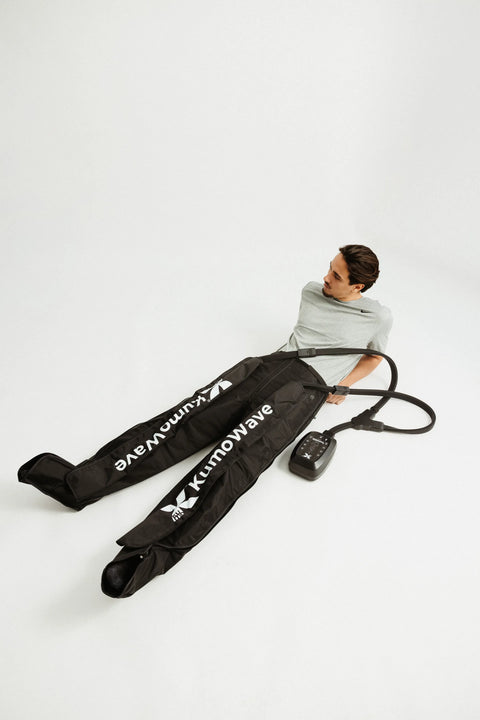
KumoWave Elite – Pressotherapy Pants
Full-coverage trousers. Ideal for lipedema, fluid retention and intensive use.
€799,00 €999,00
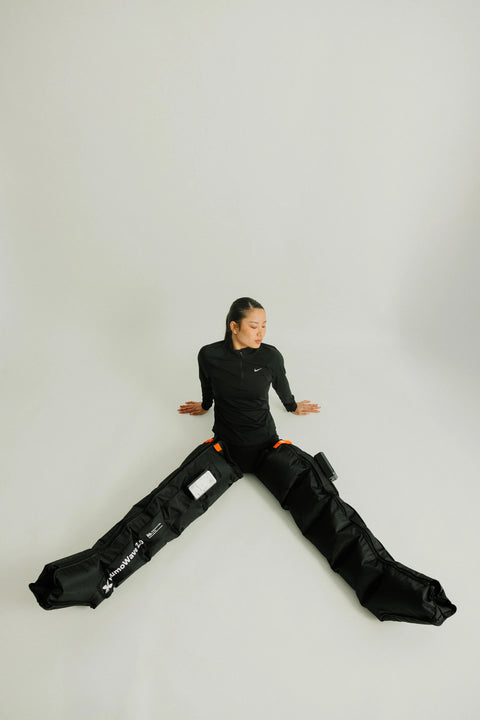
KumoWave 2.0 - Wireless Pressotherapy
Wireless, lightweight boots. Perfect for daily use and recovery.
€499,00 €599,00