Lymphatic drainage for cellulite: what it can and can't do. This article explains, with evidence and practical steps, how lymphatic drainage can help improve the appearance of cellulite and when it's not the best tool.
In short
- It reduces swelling and improves microcirculation, which can temporarily smooth "orange peel" skin.
- It works best combined with habits (movement, hydration) and non-invasive recovery technologies.
- The evidence for eliminating cellulite is limited; the results are gradual and require consistency.
- Choosing the right method (manual, pressotherapy, self-massage) and respecting contraindications is key.
- Measure progress with photos and measurements, not just with the scale.
What is lymphatic drainage and how is it related to cellulite?
The lymphatic system, in 2 minutes
The lymphatic system is the network that collects fluids, waste products, and proteins from the tissues and returns them to the bloodstream. When it is sluggish or overloaded, fluid retention, a feeling of heaviness, and sometimes increased skin texture can occur. Techniques such as manual lymphatic drainage (MLD) or pneumatic compression aim to facilitate this return. The priority is not to "squash fat," but rather to reduce tissue inflammation and improve fluid exchange.
Pressotherapy at home
End the day with light legs
★★★★★ 4,8/5 · rated by verified customers
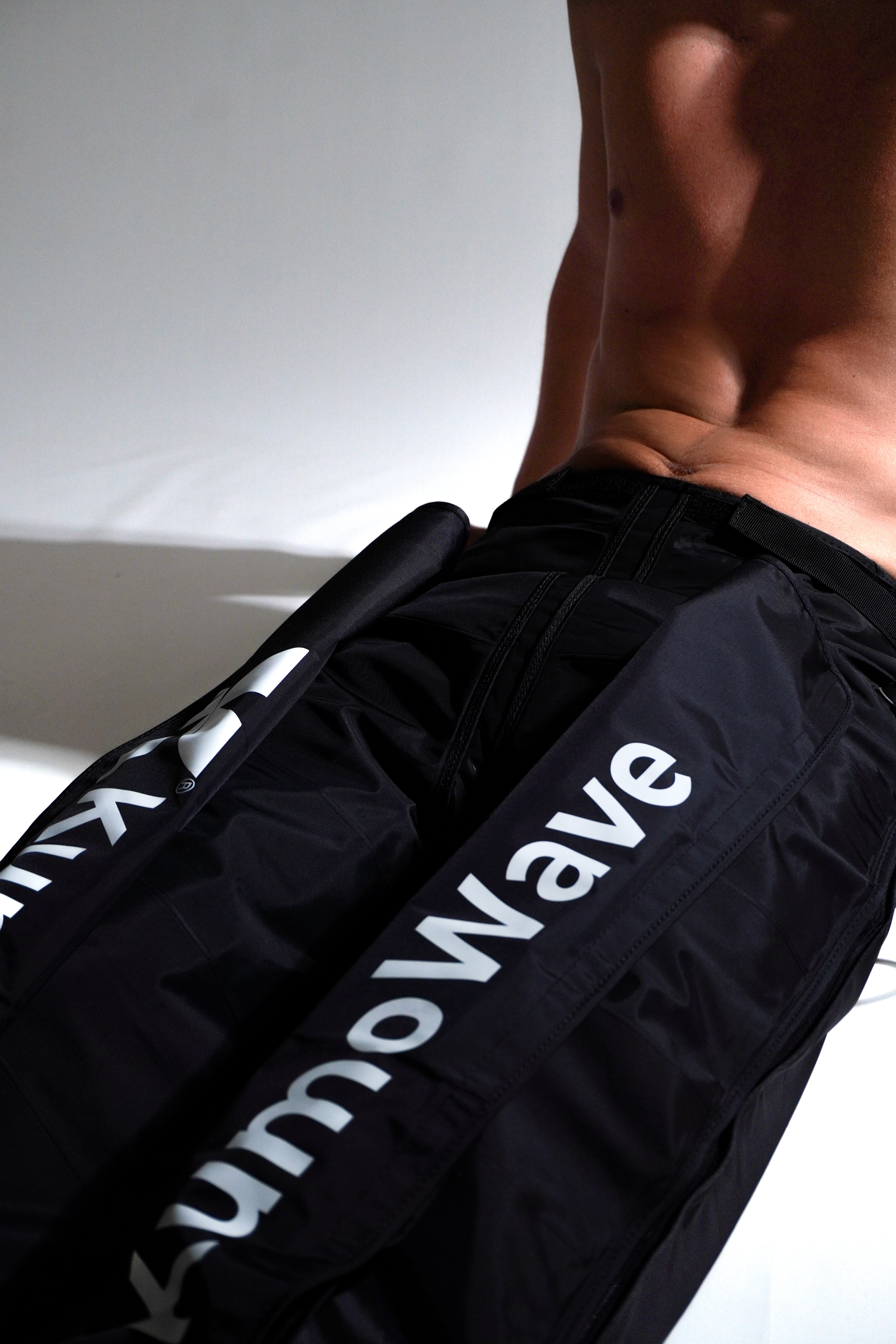
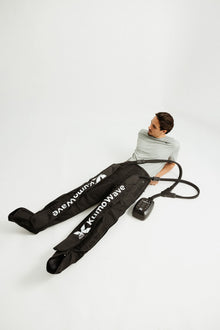
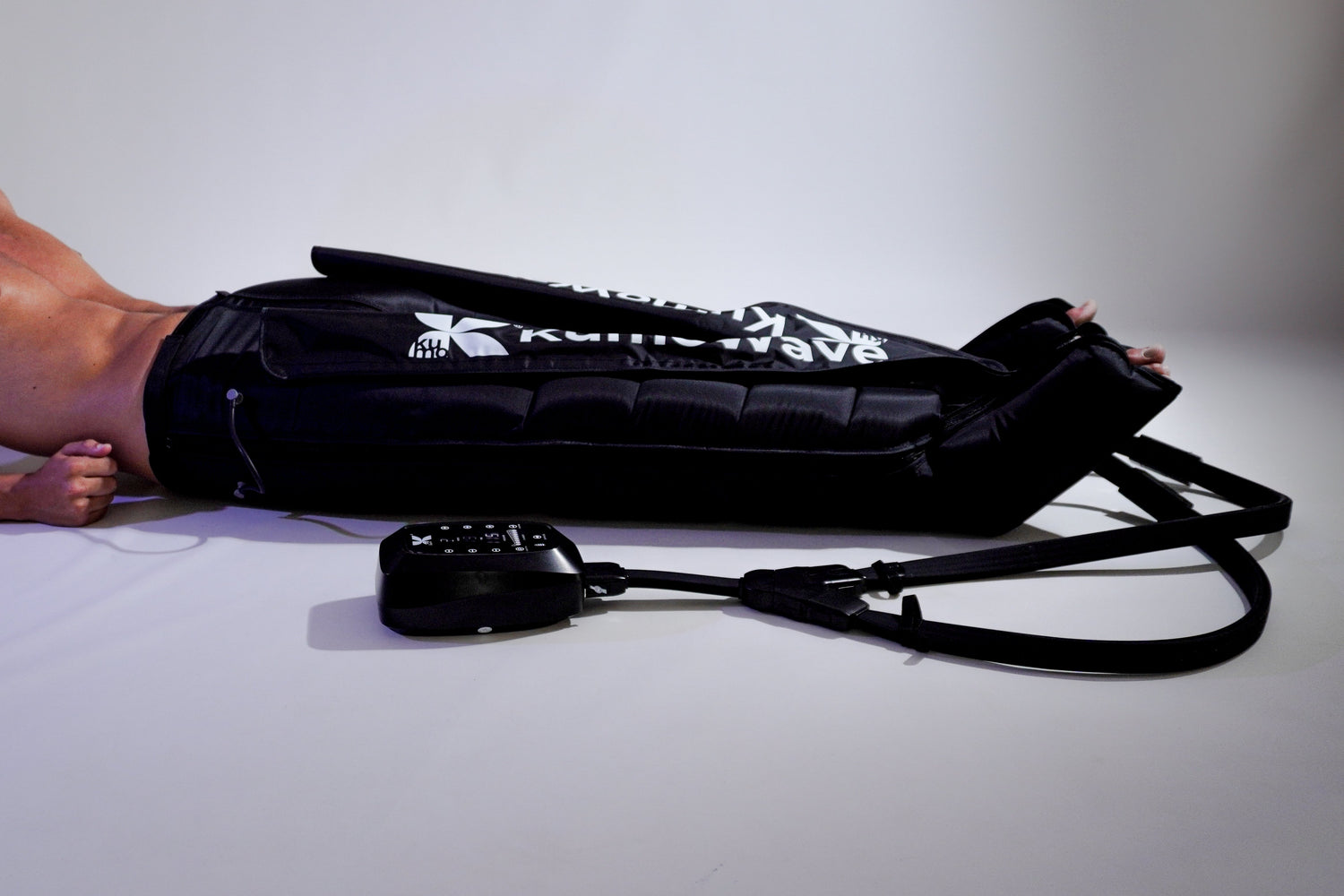
KumoWave pressotherapy boosts circulation and helps drain fluid with sequential compression, in 20-minute sessions at home.
- Boosts circulation and helps drain fluid
- Chamber-based compression, adjustable to you
- Sequential compression that mimics manual drainage
€799,00€999,00
−10% on your 1st order when you subscribe to the newsletter

“Cellulite is not a disease, but a multifactorial aesthetic condition that involves skin, connective tissue, microcirculation, and subcutaneous fat.”
Cellulite: what it is and why it appears
Cellulite affects 80–90% of adult women, regardless of weight, according to leading clinical centers such as the Cleveland Clinic (2022). The architecture of connective tissue and hormonal factors explain its high prevalence in women. Genetics, lifestyle, sedentary behavior, and collagen quality all play a role. Lymphatic drainage does not change the structure of the fibrous septum, but it can modulate fluids and local congestion, making the skin appear smoother in the short term. Learn more about the nature of cellulite.
Personalized protocol · included with your purchase
Want us to tell you how to use it in your case?
With your purchase, our experts prepare a personalized usage protocol for your case: sport, circulation, fluid retention, pregnancy or lipedema.
Message us on WhatsAppOur experts reply · no obligation
Can lymphatic drainage improve cellulite?
What does the scientific evidence say?
Strong evidence for lymphatic drainage comes primarily from the treatment of lymphedema, where it has shown modest benefits when combined with compression and exercise, according to a 2015 Cochrane review in women following breast cancer treatment. This suggests that manual lymphatic drainage (MLD) helps mobilize fluid and reduce tissue volume in edematous conditions. In cellulite, the quality of studies is inconsistent: some small studies describe temporary improvements in contour and skin texture, but no permanent changes in the structure of fibrous fat. See the Cochrane abstract: Manual lymph drainage after breast cancer and the 2020 consensus statement from the International Society of Lymphology.
What benefits can you expect?
- Less edema and feeling of heavy legs, better "unblocking" of fluids.
- Less tight skin, with a smoother appearance for days or weeks, especially if there is water retention.
- Improved comfort and recovery after exercise by optimizing fluid return.
- Subtle, cumulative results that depend on consistency and lifestyle. In short: useful as part of a comprehensive plan, not as a standalone solution. Regarding manual lymphatic drainage in a clinical setting and its safety: NHS – Lymphoedema treatment .
Drainage methods: manual, pressotherapy and habits
Manual lymphatic drainage (MLD)
Manual Lymphatic Drainage (MLD) uses gentle, rhythmic, and directional movements to guide lymph toward decongested lymph nodes. It is painless and focuses on specific sequences (supraclavicular, axillary, inguinal, etc.). It is recommended when there is visible lymphatic retention or a feeling of swelling. Trained practitioners (Vodder method and others) personalize the sequence and identify any contraindications. Professional reference: APTA – Manual Lymphatic Drainage.
Pneumatic pressotherapy (compression boots)
The air chambers inflate and deflate sequentially to promote venous and lymphatic return. Suitable for tired legs and home use, with 20–30 minute sessions. Robust evidence supports its effectiveness in reducing edema and venous return; it may also provide indirect improvement in cellulite by reducing fluid congestion. General clinical information: Intermittent Pneumatic Compression – Cleveland Clinic.
on your first order when you join the newsletter
We send you the code instantly. No spam.
Self-massage and habits that enhance drainage
- Daily movement: walking, climbing stairs and calf exercises activate the “venous pump”.
- Diaphragmatic breathing: 5 minutes 2–3 times a day to boost central lymphatic flow.
- Adequate hydration and moderate salt: less interstitial retention.
- Contrast shower and leg elevation: simple circulatory support.
- Skin care and gentle massage with oil or cream: useful for superficial "peeling" without aggression.
To delve deeper into the pathophysiology and management options, review this open access summary: Cellulite: A Review (2019) .
Practical 4-week protocol
Weeks 1–2: Decompression and Base
- 2–3 MLD or pressotherapy sessions per week, low pressure and moderate duration (20–30 min).
- Self-massage 10 min/day with gentle strokes towards the groin and popliteal fossa.
- Walk 30–40 min/day + diaphragmatic breathing.
- Measure thigh circumference and take photos in the same light to objectively track changes.
Weeks 3–4: Maintenance and tone
- 2 drainage sessions/week + 2 lower body strength sessions (twice a week, 30–40 min).
- Add hip and ankle mobility to improve return.
- Adjust pressures and times if using pressotherapy: less is more if there is sensitivity.
- Re-evaluate skin and circumferences; if there are no changes, review sedentary and sleep habits.
“Consistency beats intensity: small, regular doses of drainage and movement usually overcome occasional 'attacks'.”
Safety and contraindications
Avoid drainage or compression if you have an active infection (bacterial cellulitis), deep vein thrombosis, decompensated heart failure, active cancer without medical authorization, uncontrolled hypertension, or unexplained pain. If you are pregnant, consult a doctor before applying pressure to your abdomen or sensitive areas. If you experience pain, numbness, marked redness, or dizziness, stop and consult a doctor. The 2020 ISL Clinical Consensus and NHS guidelines support caution and individualized treatment (ISL 2020, NHS ).
Quick guide to techniques and their role in cellulite
| Technique | What are you doing | Evidence in cellulite | Indicative frequency | Precautions |
|---|---|---|---|---|
| Manual lymphatic drainage (MLD) | Facilitates lymphatic return and reduces edema | Temporary contour improvement in cases with retention; limited evidence | 1–3/week at the beginning; then maintenance | Avoid in cases of infection, thrombosis, or active cancer without authorization. |
| Pneumatic pressotherapy | Sequential compression for venous/lymphatic return | Indirect benefit from reduced congestion; specific evidence in variable cellulite | 2–4/week, 20–30 min | Vascular and cardiac precautions; adjust pressure |
| Gentle self-massage | Surface drainage support and comfort | Useful as a complement, low cost | 5–10 min/day | No pain, always directed towards lymph nodes |
| Strength training | Improves tone and return; increases metabolic expenditure | Strong support for the overall appearance of the skin | 2–3/week | Correct technique, gradual progression |
| Photobiomodulation/LED | Stimulates collagen/elasticity in healthy skin | Emerging evidence on skin quality; it does not "cure" cellulite | 2–4/week depending on device | Follow eye safety and usage guidelines |
Also see this informative and clinical summary: Cleveland Clinic – Cellulite.
Common myths and realities
- "Drainage eliminates cellulite fat": false. It helps with fluids and microcirculation, it doesn't dissolve fat.
- “If it doesn’t hurt, it’s not working”: false. Drainage is gentle by design; excessive pressure can worsen edema.
- “One session is enough”: unrealistic. Changes are incremental and require maintenance.
- “Cellulite is caused by toxins”: myth. It is an alteration of the connective tissue and subcutaneous fat, not “poisoning”.
- “It doesn’t work if you do sports”: on the contrary, sports and drainage are synergistic.
FAQ
How long does it take for lymphatic drainage to show results in cellulite?
If fluid retention is present, some people notice lighter legs and less tight skin after 1–3 sessions. The visual improvement in cellulite is usually subtle and temporary, and depends on habits such as exercise, sleep, and nutrition. For objective evaluation, use comparable photos and measure circumferences every 2 weeks. If you don't see changes after 4–6 weeks, review your plan (strength, daily steps, hydration) and consult a professional to adjust technique and intensity.
How many sessions per week are recommended?
As a general guideline, 2–3 sessions per week for 2–4 weeks help to kick-start the process, followed by 1 maintenance session. If you use pressotherapy at home, 20–30 minutes per session, 2–4 times per week, is usually sufficient. Listen to your body: your skin should not become excessively red or painful. In the case of diagnosed vascular or lymphatic conditions, always follow clinical guidelines such as those provided by the NHS/ISL.
Does lymphatic drainage permanently slim you down or reduce inches?
It doesn't make you lose weight on its own. It can reduce measurements when there's fluid retention, but that change doesn't equate to fat loss and can fluctuate. For more stable results in contour and texture, combine lymphatic drainage with strength training, daily steps, and a balanced diet. Scientific literature supports lymphatic drainage primarily for managing edema; in cases of cellulite, the effects are mainly cosmetic and temporary.
Is manual lymphatic drainage better than compression boots?
These are complementary tools. Manual lymphatic drainage allows for personalized techniques and targeted areas, which is useful if there are sensitive areas or scars. Pressotherapy offers convenience and regularity at home, with sequential programs for legs. The choice depends on your goals, budget, and response to treatment. In many cases, combining 1–2 manual lymphatic drainage sessions per month with 2–3 pressotherapy sessions per week and exercise provides a practical and sustainable balance.
To remember
- Lymphatic drainage improves fluids and comfort; in cellulite, the effects are subtle and require consistency.
- Maximum benefit when combined with strength training, daily steps, breathing exercises, and good rest.
- Prioritize safety: know your contraindications and adjust pressures/times.
- Measure progress with photos and perimeters, not just feelings.
- Think of drainage as a recovery habit within an active lifestyle.
If you want to integrate technological recovery into your wellness routine, explore KUMO's solutions here: KUMO Balance .
Useful sources and readings:
- Cochrane – Manual lymph drainage after breast cancer (2015)
- International Society of Lymphology – 2020 Consensus
- NHS – Lymphedema Treatment
- Cleveland Clinic – Intermittent Pneumatic Compression
- Cleveland Clinic – Cellulite
- NCBI – Cellulite: A Review (2019)
- APTA – Manual Lymphatic Drainage
KumoWave pressotherapy
Choose your at-home pressotherapy
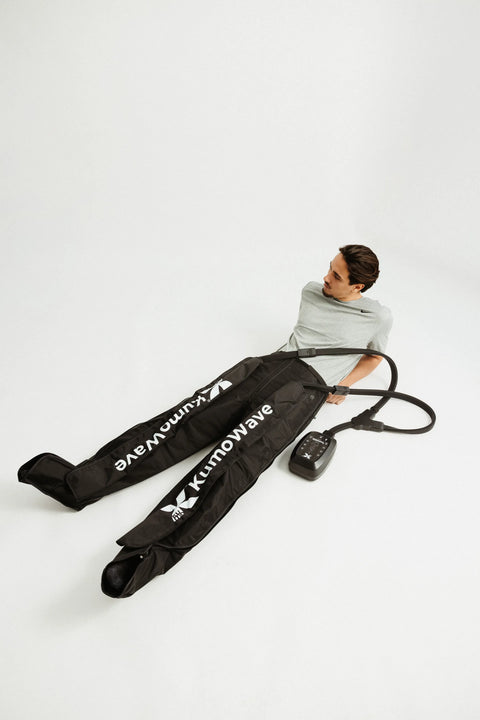
KumoWave Elite – Pressotherapy Pants
Full-coverage trousers. Ideal for lipedema, fluid retention and intensive use.
€799,00 €999,00
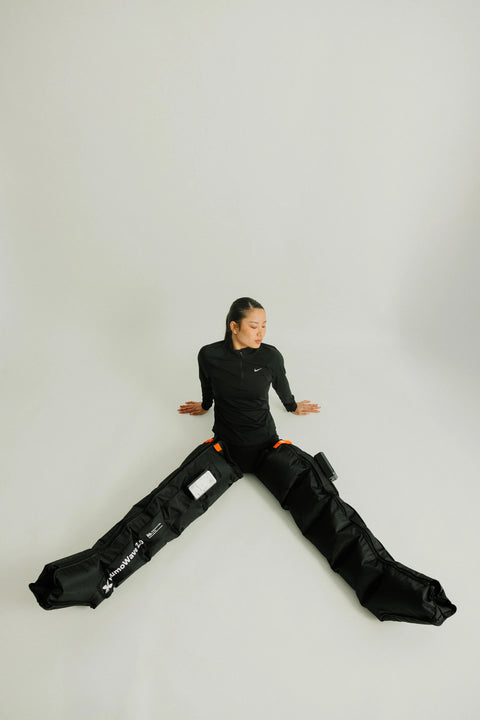
KumoWave 2.0 - Wireless Pressotherapy
Wireless, lightweight boots. Perfect for daily use and recovery.
€499,00 €599,00