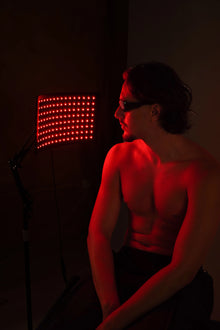

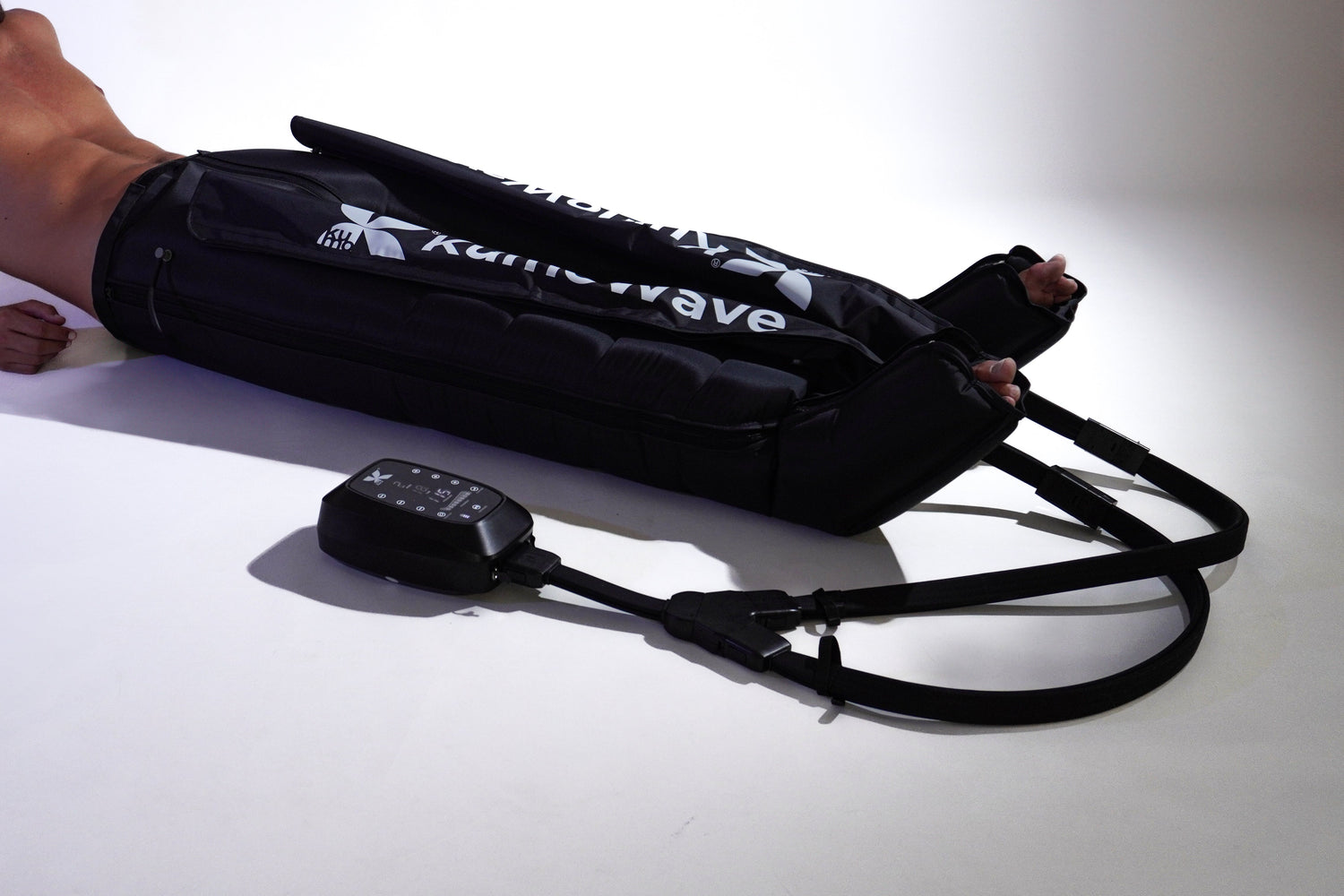
Compression therapy boots to activate circulation and improve recovery. Here's how they work, their real benefits, and when not to use them.
Compression therapy boots (intermittent pneumatic compression) apply rhythmic, graduated pressure to the legs to boost venous and lymphatic return. When properly programmed, they help relieve heavy legs, promote muscle recovery after exercise, and reduce mild swelling from fluid retention. They also have clear contraindications. Below is a practical, evidence-based guide to help you decide if they are right for you and how to use them safely.
Pressotherapy at home
End the day with light legs
★★★★★ 4,8/5 · rated by verified customers
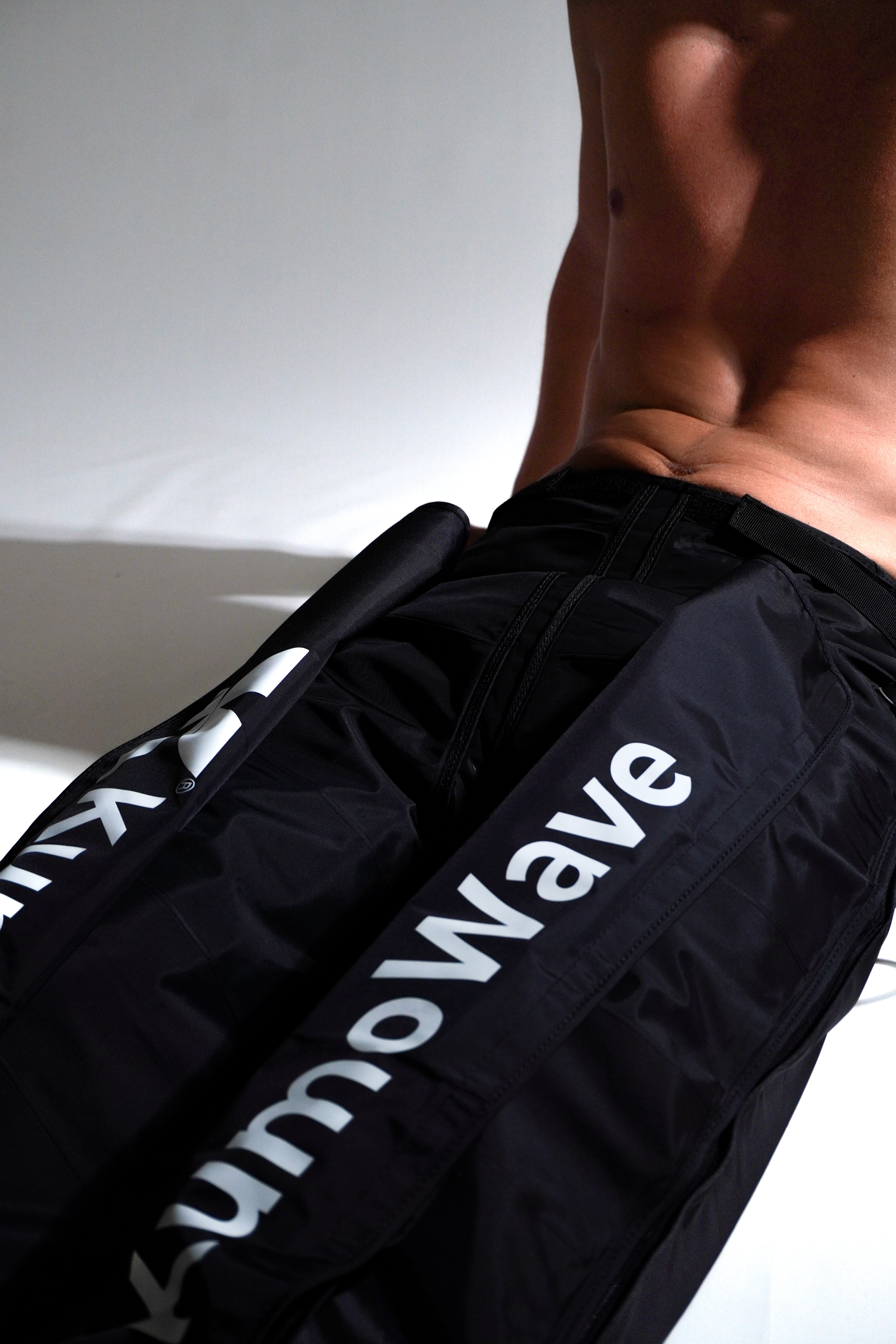
KumoWave pressotherapy boosts circulation and helps drain fluid with sequential compression, in 20-minute sessions at home.
- Boosts circulation and helps drain fluid
- Chamber-based compression, adjustable to you
- Sequential compression that mimics manual drainage
€799,00€999,00
−10% on your 1st order when you subscribe to the newsletter

In a little while
- They improve venous return and lymphatic drainage, relieving tired legs and mild swelling.
- Useful after training to accelerate the feeling of muscle recovery.
- Typical sessions: 15–30 minutes, moderate and progressive pressure, 3–5 days/week.
- Do not use with active venous thrombosis, decompensated heart failure, infections or wounds in the area.
- For vascular conditions, pregnancy, or lymphedema, consult a healthcare professional first.
What are compression boots and how do they work?
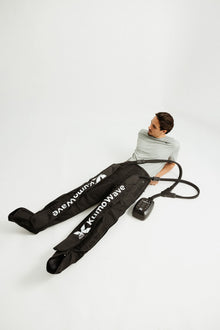
Compression therapy boots are sleeves with air chambers that inflate and deflate in a sequential pattern. This "pneumatic massage" applies external pressure, pushing venous blood and lymph from the feet toward the heart.
- Key mechanism: intermittent and gradual compression (from distal to proximal) to promote venous return and lymphatic drainage.
- Sensation: progressive pressure, without pain. It should not cut off circulation or cause excessive numbness.
- At home or in a clinic: its use has expanded from the hospital to wellness and sports recovery thanks to safe and programmable equipment.
Learn more about pneumatic compression therapy in a clear clinical explanation from the Cleveland Clinic: Intermittent Pneumatic Compression Therapy.
Personalized protocol · included with your purchase
Want us to tell you how to use it in your case?
With your purchase, our experts prepare a personalized usage protocol for your case: sport, circulation, fluid retention, pregnancy or lipedema.
Message us on WhatsAppOur experts reply · no obligation
Main benefits (and what the evidence says)
Relief from tired legs and improved venous return
Intermittent pneumatic compression increases venous flow and can reduce the sensation of heaviness and mild edema caused by venous stasis, prolonged standing, or travel. Clinical evidence supports its role in managing venous problems and reducing thrombotic risk in medical settings, under professional supervision.
- Cochrane review on thrombosis prevention: Intermittent pneumatic compression for preventing DVT .
- NICE (UK) guideline for venous thromboembolism prophylaxis: NICE NG89 .
Although these guidelines focus on clinical settings, the underlying mechanism (better venous return) is the same as that sought in home use for comfort and recovery.
Lymphatic drainage support and mild edema control
In the field of lymphedema, compression (including pneumatic compression) is part of management protocols when indicated by a specialist. Reference resources:
on your first order when you join the newsletter
We send you the code instantly. No spam.
- International Lymphoedema Framework: Best Practice for the Management of Lymphoedema .
- NHS (National Health Service, UK): Treatment of lymphedema .
In terms of overall well-being, many people notice less swelling at the end of the day and lighter legs after regular sessions.
Sports recovery and less perceived muscle pain
After exercise, external compression can help eliminate metabolites and fluids, reducing feelings of fatigue and stiffness. Sports medicine literature indicates subjective improvements in recovery and comfort; the effects on physiological markers vary depending on the protocol and population. See a practical summary in physiotherapy: Physiopedia – Intermittent Pneumatic Compression .
Tip: Combine pressotherapy with hydration, adequate sleep, and gentle movement. Recovery is multifactorial.
Support in specific venous care (clinical setting)
In the management of venous ulcers, pneumatic compression can be considered as a complement to elastic compression in certain clinical cases:
- Cochrane Review: Intermittent pneumatic compression for venous leg ulcers .
Important: These clinical applications require assessment and monitoring by healthcare professionals.
How to use boots safely and effectively
Indicative duration, frequency and pressure
- Duration: 15–30 minutes per session for wellness/recovery. Increase to 45 minutes if well tolerated.
- Frequency: 3–5 times per week; daily during periods of high-intensity sports activity, adjusting the pressure.
- Pressure: moderate and progressive range. As a general guideline, many people feel comfortable between 30–70 mmHg for recovery and comfort. Avoid high pressures unless medically indicated.
- Sequence: from feet to thigh, with intermittent cycles and deflation pauses.
If at any time you experience sharp pain, intense numbness, extreme paleness, or dizziness, stop the session.
Before, during and after
- Before: Hydrate and elevate your legs slightly for 3–5 minutes. Check your skin (for any active wounds).
- During: lying down or semi-reclining position, without crossing your legs. Adjust the device for a comfortable closure, without creases that cause "cuts".
- Afterwards: walk for a few minutes or perform gentle ankle and hip mobility exercises to maintain circulatory return.
Signs of correct adjustment
- You feel firm but not painful compression.
- The fingers maintain normal color and temperature.
- The sensation after the session is one of lightness/pleasant warmth, without persistent tingling.
Contraindications and precautions
Avoid pressotherapy in the following cases, unless expressly indicated by a doctor:
- Deep vein thrombosis (DVT) or pulmonary embolism, actual or suspected. General information: CDC – DVT .
- Decompensated heart failure or edema due to cardiac cause.
- Active skin infections, cellulitis, open wounds in the application area.
- Severe arterial ischemia, pain at rest, ischemic ulcers.
- Unstabilized recent fractures or trauma.
Precautions (consult your doctor beforehand):
- Pregnancy (may be permitted with gentle pressure for venous comfort, but requires assessment).
- Lymphedema, significant varicose veins or diagnosed vascular pathologies (individual pressure adjustment and protocol).
- Peripheral neuropathies with reduced sensitivity.
- History of DVT, coagulation disorders, or use of anticoagulants.
Who can benefit
- Athletes and active people looking for a perceived faster recovery between training sessions.
- Professionals who spend many hours standing or sitting (hospitality, retail, offices).
- Frequent travelers who want to relieve the feeling of swollen legs after long journeys.
- People with a feeling of heaviness in the evening and mild fluid retention, without serious vascular pathology.
In the case of diagnosed medical conditions, pressotherapy should be integrated into a plan supervised by healthcare professionals.
Practical guide to choosing and using at home
- Fit and sizing: Choose boots that cover from foot to thigh if you're looking for optimal venous return. Ensure a secure closure without creases or pressure points.
- Programs and cameras: More cameras allow for smoother and more uniform compression. Programs with gradual sequences are the most versatile.
- Hygiene: Wear thin, clean clothing. Disinfect the inside after use if you sweat.
- Integration with your routine: after intense workouts, 20–30 minute sessions at moderate pressure, preferably in the first hour post-exercise; on office days or while traveling, shorter sessions upon arrival home.
Golden rule: prioritize comfort and consistency over extreme pressure. The body's response improves with regularity and good tolerance.
Table of indicative parameters
Title: Quick guide to parameters for compression boots (non-clinical use)
| Aim | Indicative pressure (mmHg) | Duration per session | Weekly frequency | Safety Notes |
|---|---|---|---|---|
| Recovery after exercise | 30–60 | 20–30 min | 3–5 | Avoid high blood pressure if there is very intense muscle pain or acute injury. |
| Relief from tired legs | 30–50 | 15–25 min | 3–7 | Best in the afternoon/evening; hydrate before and after |
| Mild swelling due to sedentary lifestyle/travel | 30–50 | 20–30 min | 3–5 | Combines with ankle mobility and leg lifts |
| Support for mild lymphatic drainage | 30–45 | 20–30 min | 4–7 | If you have been diagnosed with lymphedema, follow your specialist's guidelines. |
| Sensitive users or first-time users | 20–35 | 10–20 min | 23 | Increase gradually according to tolerance. |
Note: These ranges are guidelines for overall well-being. In cases of vascular disease or lymphedema, the dosage should be individualized by a healthcare professional.
How it fits into a modern recovery routine
Effective recovery combines sleep, nutrition, movement, compression, and strategies such as red light therapy for rest and tissue massage. At KUMO, we integrate aesthetics, technology, and performance to help you create a sustainable recovery routine at home. Discover our philosophy and solutions at KUMO Balance .
FAQ
How many times a week should I use compression boots?
For well-being and recovery, many people benefit from 3–5 weekly sessions of 15–30 minutes. During periods of high-intensity training or particularly demanding workouts, it can be used daily with moderate pressure, provided no discomfort arises. Start with 2–3 sessions the first week, observe your response (lightness, less swelling, improved sleep), and adjust accordingly. If you have a medical condition (advanced varicose veins, lymphedema, heart disease), seek a personalized treatment plan from your doctor or physiotherapist.
What pressure is suitable for me if I am a beginner?
Start low and gradually increase the pressure. A range of 20–35 mmHg is usually comfortable to begin with; if well tolerated and there are no contraindications, increase to 30–50 mmHg depending on your goal and how you feel. Avoid compression that causes pain, significant numbness, or discoloration of the fingers. Remember: more pressure doesn't always equal better results; the key is consistent, sequential, and well-tolerated compression.
Is it useful after strength training or running?
Yes, as part of an overall recovery strategy. Many people report reduced stiffness and a faster feeling of recovery after 20–30 minutes of sequential compression in the first hour post-workout. Combine this with hydration, sufficient protein, and sleep. If there is acute pain, suspected injury, or significant swelling, prioritize relative rest and professional evaluation before applying compression.
Can I use pressotherapy if I'm pregnant?
Pregnancy causes venous changes and can increase the sensation of heavy legs. Some women find relief with gentle pressure and short sessions. However, every case is different: consult your obstetrician beforehand, especially if there are risk factors for thrombosis, gestational hypertension, significant varicose veins, or significant edema. If you experience any unusual symptoms (pain, redness, leg asymmetry), discontinue use and seek medical attention.
When is it not advisable to use these boots?
Avoid them if you have current or suspected deep vein thrombosis, decompensated heart failure, active skin infections or wounds in the area, or severe arterial disease. Special caution is advised with lymphedema, pregnancy, neuropathies, and anticoagulation: professional assessment is required. For information on the clinical context and risks of DVT, you can consult reliable resources such as CDC – DVT and guidelines such as NICE NG89 .
To go
- Pressotherapy promotes venous return and drainage, relieving tired legs and mild swelling.
- Use it for 15–30 minutes, 3–5 days/week, with moderate and progressive pressure.
- Stop the session if there is sharp pain, intense numbness, or changes in skin color.
- Contraindicated in active DVT, local infections, decompensated heart failure, and severe arterial ischemia.
- If you are pregnant or have vascular/lymphatic conditions, consult your doctor first.
- Take the next step towards smart, aesthetic recovery with KUMO Balance .
KumoWave pressotherapy
Choose your at-home pressotherapy
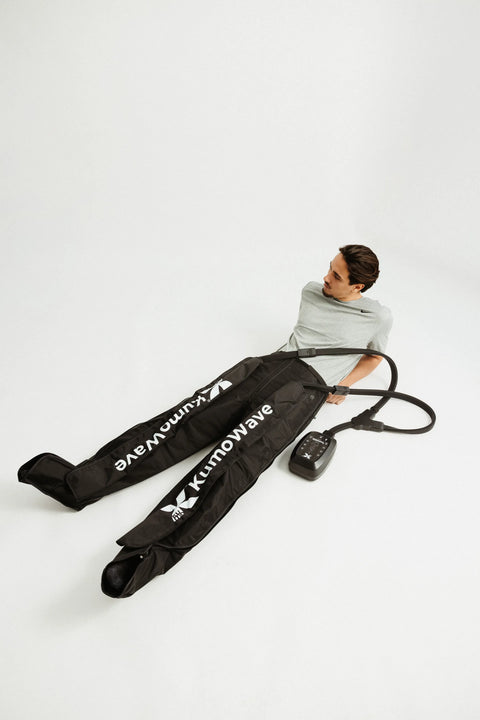
KumoWave Elite – Pressotherapy Pants
Full-coverage trousers. Ideal for lipedema, fluid retention and intensive use.
€799,00 €999,00
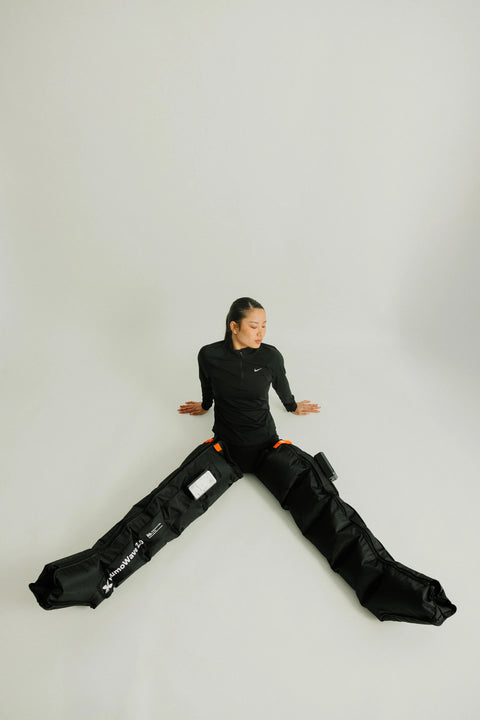
KumoWave 2.0 - Wireless Pressotherapy
Wireless, lightweight boots. Perfect for daily use and recovery.
€499,00 €599,00