
Compression boots: easy cleaning and maintenance. In this practical guide, you'll discover how to sanitize your pneumatic compression boots, keep them in perfect condition, and extend their lifespan, whether you use them at home or in a professional setting. We provide a clear method, recommended materials, and care routines based on best practices for disinfection.
In a little while
- Clean after each use: microfiber cloth with warm water and neutral soap; dry and air dry.
- Disinfect non-porous surfaces with 70% isopropyl alcohol or approved wipes.
- Avoid submerging, using bleach without checking compatibility, or applying direct heat.
- Check zippers, Velcro, hoses, and connections weekly.
- Store in a dry place, without bending the air chambers sharply.
Why cleanliness matters
Keeping compression boots clean prevents the buildup of sweat, oils, and microorganisms that can degrade materials and cause unpleasant odors. Proper hygiene also reduces the risk of cross-contamination when sharing accessories. Disinfection guidelines for non-critical surfaces recommend approved agents and appropriate contact times to ensure effectiveness without damaging equipment, as highlighted by the CDC in its (periodically updated) disinfection guidelines and by the WHO in its recommendations on surface cleaning and disinfection.
Pressotherapy at home
End the day with light legs
★★★★★ 4,8/5 · rated by verified customers
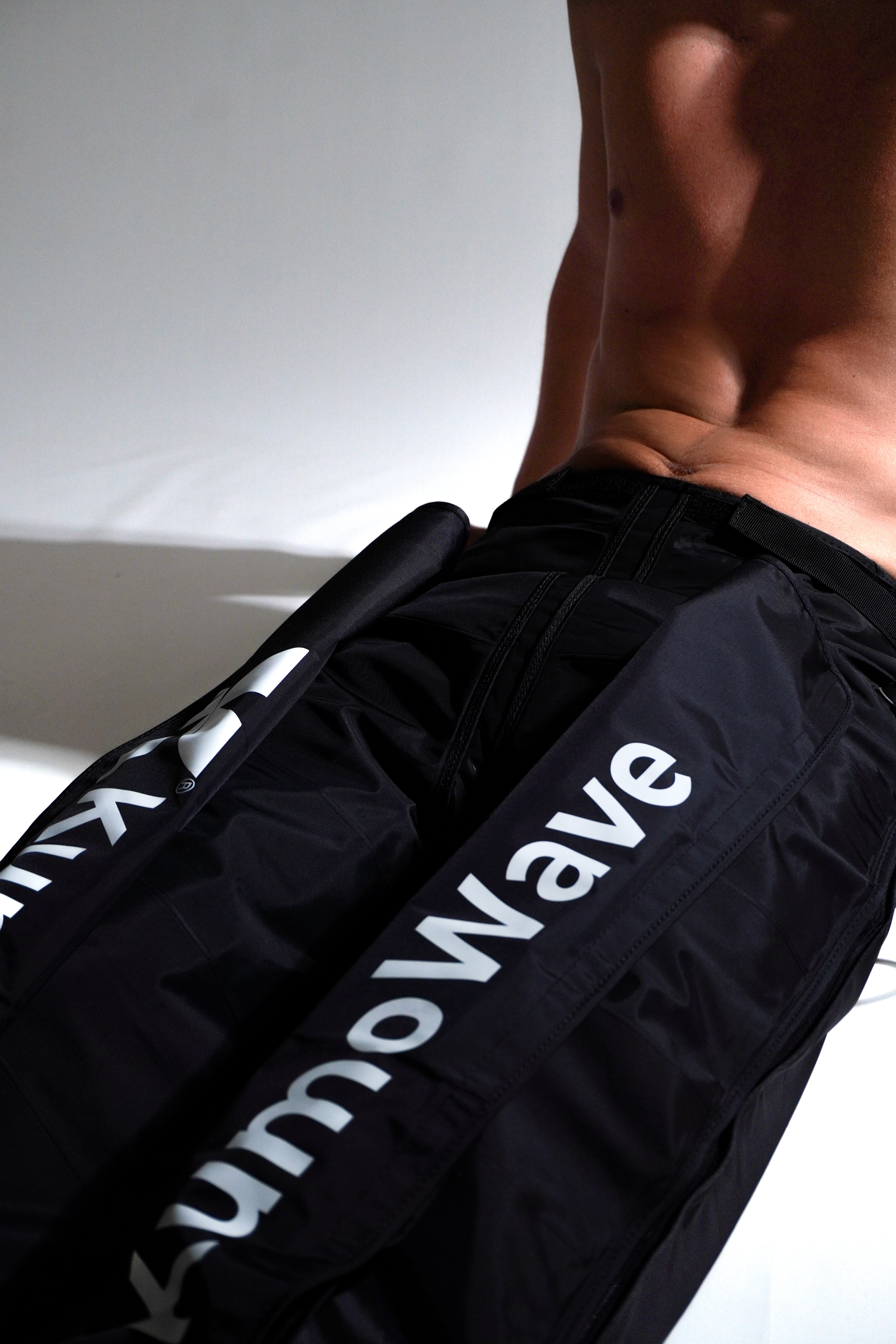
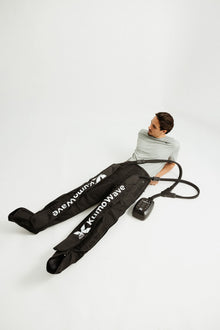
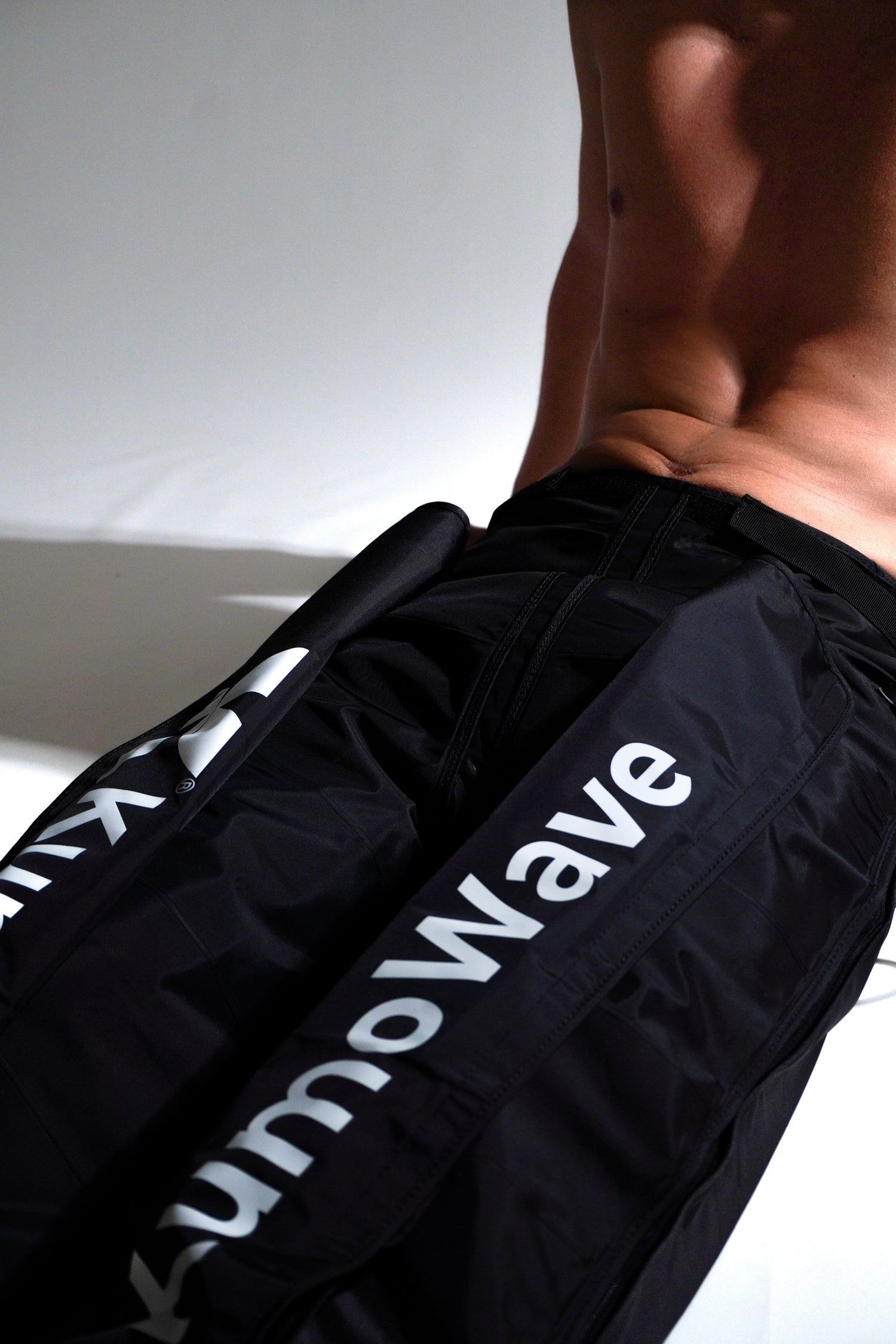
KumoWave pressotherapy boosts circulation and helps drain fluid with sequential compression, in 20-minute sessions at home.
- Boosts circulation and helps drain fluid
- Chamber-based compression, adjustable to you
- Sequential compression that mimics manual drainage
€799,00€999,00
−10% on your 1st order when you subscribe to the newsletter

Recommended materials and products
- Soft microfiber cloths (avoid abrasives).
- Neutral soap or mild detergent (pH balanced).
- 70% isopropyl alcohol or disinfectant wipes approved by authorities (see EPA's "List N").
- Spray bottle for aqueous solutions.
- Disposable gloves for handling disinfectants.
- Soft bristle brush for seam/velcro areas.
- Low pressure compressed air (optional) to expel dust from connections.
Tip: Before using any chemical, test it on an inconspicuous area and check the manufacturer's manual to verify compatibility with fabrics, sealants, and plastics.
Step-by-step cleaning
After each use (5-minute routine)
- Disconnect the compressor and unplug the equipment.
- Gently shake off any visible debris (dust, lint).
- Wipe the outside and inside of the leg warmers with a damp cloth in warm water with a few drops of neutral soap; avoid excessively wetting the valves and connections.
- Remove the soap with a cloth barely dampened with clean water.
- Dry with a dry cloth and leave to air dry in a flat position, away from direct sunlight.
Weekly cleaning (deep and preventative)
- Disinfect non-porous surfaces by applying 70% isopropyl alcohol or registered disinfectant wipes. Respect the contact time indicated by the disinfectant manufacturer (according to CDC/WHO, effectiveness depends on the product and the surface).
- Gently brush the Velcro fasteners to remove lint and maintain their hold.
- Visually inspect zippers, seams, hoses, and gaskets; check for microcracks or looseness.
- Clean the connection ports with slightly moistened cotton swabs (not too much).
Useful references: CDC – Surface disinfection, ECDC – Environmental surface cleaning.
Personalized protocol · included with your purchase
Want us to tell you how to use it in your case?
With your purchase, our experts prepare a personalized usage protocol for your case: sport, circulation, fluid retention, pregnancy or lipedema.
Message us on WhatsAppOur experts reply · no obligation
Disinfection when shared
In homes with multiple occupants or in facilities, disinfect between uses. Use disinfectants listed by health authorities and compatible with the material. Since 2020, the EPA has maintained the “ List N” of products for emerging viruses, useful as a reference for efficacy on hard, non-porous surfaces. In the EU, verify compliance with the Biocidal Products Regulation (ECHA-BPR ).
Drying and ventilation
- Fully extend the boots to allow air to circulate through the chambers.
- Avoid direct heat sources (radiators, dryers) that can deform seals.
- Do not store the equipment if you notice residual moisture.
Preventive maintenance
Care of materials and closures
- Use a microfiber cloth and neutral soap to maintain the finish and prevent micro-abrasions.
- Velcro fasteners are best preserved if they are closed before storing, preventing them from trapping fibers.
- Lightly lubricate the zippers with compatible products if recommended by the manufacturer.
Hoses, valves and compressor
- Inspect hoses for pronounced bends or cracks; straighten them and avoid tightly coiled hoses.
- Remove dust from compressor grilles with low-pressure air or a soft brush to promote ventilation.
- Check that the connections fit snugly; if you hear air escaping, check O-rings and adapters.
Secure storage
- Store in a breathable cover, in a cool, dry place.
- Avoid stacking weight on top of the air chambers.
- If you won't be using them for weeks, check and clean them before storing them and before using them again.
Safety: Do not mix bleach with ammonia or other cleaners. Ensure ventilation and wear gloves when handling disinfectants, as recommended by occupational health agencies OSHA EU – Hazardous Substances .
Recommended maintenance chart
Title: Practical Cleaning and Maintenance Plan for Compression Boots
on your first order when you join the newsletter
We send you the code instantly. No spam.
| Task | Frequency | Product/Note | Risk if omitted |
|---|---|---|---|
| Surface cleaning with neutral soap | After each use | Microfiber cloth + warm water | Odors, stains, fabric deterioration |
| Surface disinfection | 1–2 times/week or when sharing | 70% alcohol / approved wipe (respect contact) | Cross-contamination, microbial colonization |
| Velcro brushing | Weekly | Soft brush | Loss of grip and poor closure |
| Inspection of hoses and valves | Weekly | Visual inspection and adjustment | Air leaks, reduced compression efficiency |
| Cleaning compressor grilles | Monthly | Low pressure air/brush | Overheating, excessive noise |
| ventilated storage | Always | Complete drying, breathable cover | Mold, deformities, bad smells |
Common mistakes and how to avoid them
- Submerging boots or hoses: can damage seals and electrical components.
- Using bleach or strong solvents without confirming compatibility: discolors, cracks and degrades plastics.
- Drying with direct heat: deforms materials and reduces lifespan.
- Coiling hoses too tightly creates folds that cause leaks.
- Forgetting the contact time of the disinfectant: reduces microbicidal effectiveness.
Responsible hygiene: products and regulations
Choose registered disinfectants that are compatible with non-porous surfaces. The WHO and CDC recommend 70% alcohol for many surfaces; check the label and directions for use (WHO – Surface Cleaning, CDC – Guide). In the US, consult the EPA's List N. In Europe, follow the Biocidal Products Regulation (ECHA) .
Safe use and performance
Pneumatic compression boots are part of rehabilitation programs and, in clinical settings, of prevention strategies in combination with other NICE measures – Thromboembolic prophylaxis . Keeping the equipment clean and in good condition ensures consistent pressure in the chambers, user comfort, and reliability session after session.
Frequently Asked Questions
Can I wash the covers in the washing machine?
It depends on the design. Most leg warmers incorporate air chambers, valves, and technical fabrics that should not be submerged or tumble dried. If your model has removable fabric covers, check the label: some are machine washable and can be air dried. When the cover is not removable, limit cleaning to surface cleaning with mild soap and compatible disinfectant. Always follow the manufacturer's instructions to avoid damaging seals, zippers, and inner layers.
Which disinfectant is safest for my boots?
For non-porous surfaces, 70% isopropyl alcohol and registered wipes are generally safe and effective options, according to CDC/WHO guidelines. Avoid chlorine/bleach unless explicitly confirmed as compatible, and never mix chemicals. Respect the contact time indicated on the label. Before applying to the entire surface, test on an inconspicuous area. If you have any doubts, contact the manufacturer's technical service and check local regulations on biocides (e.g., ECHA in the EU).
How to get rid of a persistent bad smell?
First, clean with mild soap and dry completely. Apply a compatible disinfectant (70% alcohol or an approved wipe) and ventilate in a shaded, well-ventilated area. Check for trapped moisture in folds or Velcro and ensure there is no condensation on the hoses. If the odor persists, repeat the cleaning cycle and consider using a compatible, specific fabric deodorizer. Recurring odors may indicate microbial colonization or improper storage; adjust your routine and, if necessary, consult the manufacturer.
How often should I check hoses and connections?
A weekly inspection is a good practice for frequent use. Look for sharp bends, cracks, looseness, or hissing noises that indicate leaks. Ensure connectors are tight and seals are intact. Clean dust from compressor ports and vents monthly to promote ventilation. If you notice pressure drops, irregular cycling, or unusual noises, stop use and check before resuming. Replacements depend on wear and model; follow the manufacturer's maintenance schedule.
Is it safe to share compression boots?
Yes, provided you follow a cleaning and disinfection protocol between users, using products compatible with and approved by health authorities (EPA/EU), and respecting contact times. Use intermediate covers if the manufacturer offers them and maintain good ventilation between sessions. In professional settings, document hygiene practices and frequently check closures and connections. If any surface shows signs of deterioration or cannot be properly disinfected, remove it until it is replaced.
The essentials
- Clean after each session with neutral soap; disinfect weekly or when sharing.
- Avoid immersion and direct heat; prioritize drying and thorough ventilation.
- Check Velcro, zippers, hoses, and connections to prevent leaks.
- Use approved and compatible disinfectants; respect the contact time.
- Store in a dry place, without forced folds or weight on top.
- Looking to integrate recovery into your routine? Discover more about wellness and technology at KUMO .
KumoWave pressotherapy
Choose your at-home pressotherapy
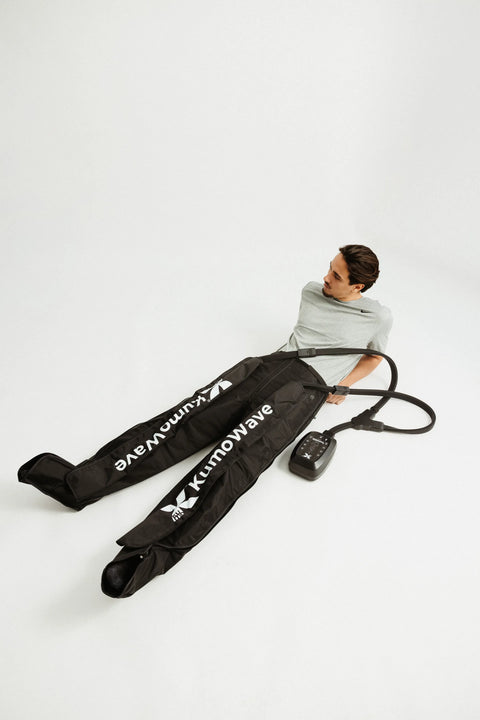
KumoWave Elite – Pressotherapy Pants
Full-coverage trousers. Ideal for lipedema, fluid retention and intensive use.
€799,00 €999,00
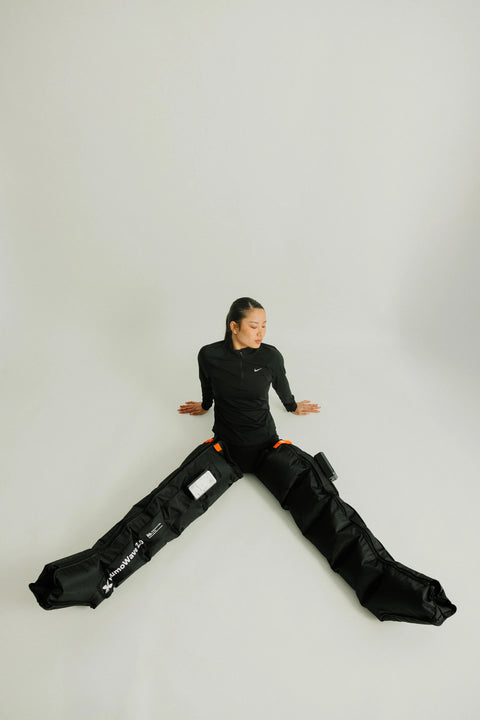
KumoWave 2.0 - Wireless Pressotherapy
Wireless, lightweight boots. Perfect for daily use and recovery.
€499,00 €599,00