Altitude really does change recovery. Lower oxygen availability disrupts sleep, increases the sense of fatigue, and can make your body take longer to feel fresh again after a demanding session. (wwwnc.cdc.gov)
It is not only a matter of heavy legs. As altitude rises, the margin for holding fast paces shrinks, and it makes sense to adjust rest, hydration, and workload so you do not pile up too much fatigue. (pmc.ncbi.nlm.nih.gov)
Pressotherapy at home
End the day with light legs
★★★★★ 4,8/5 · rated by verified customers
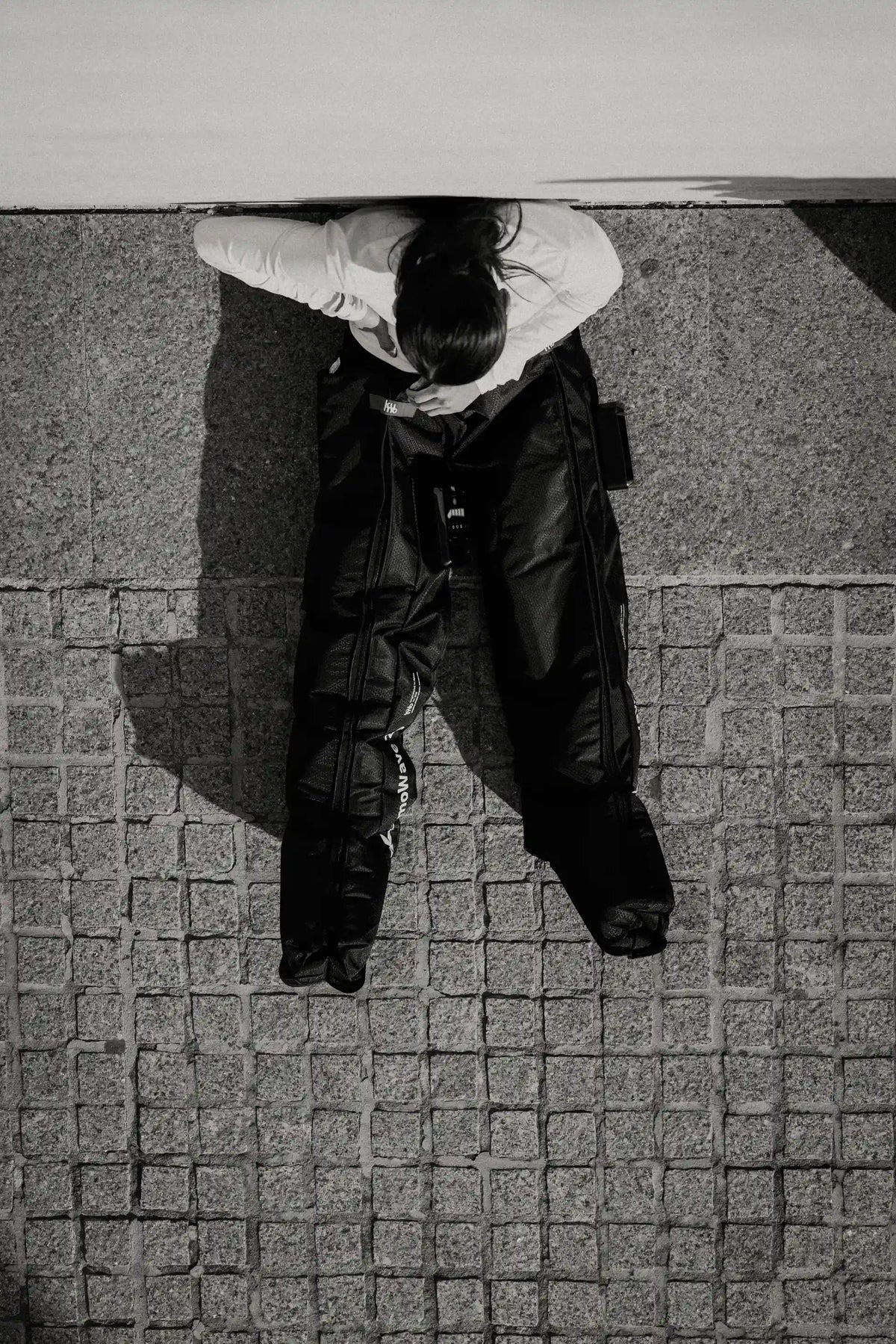
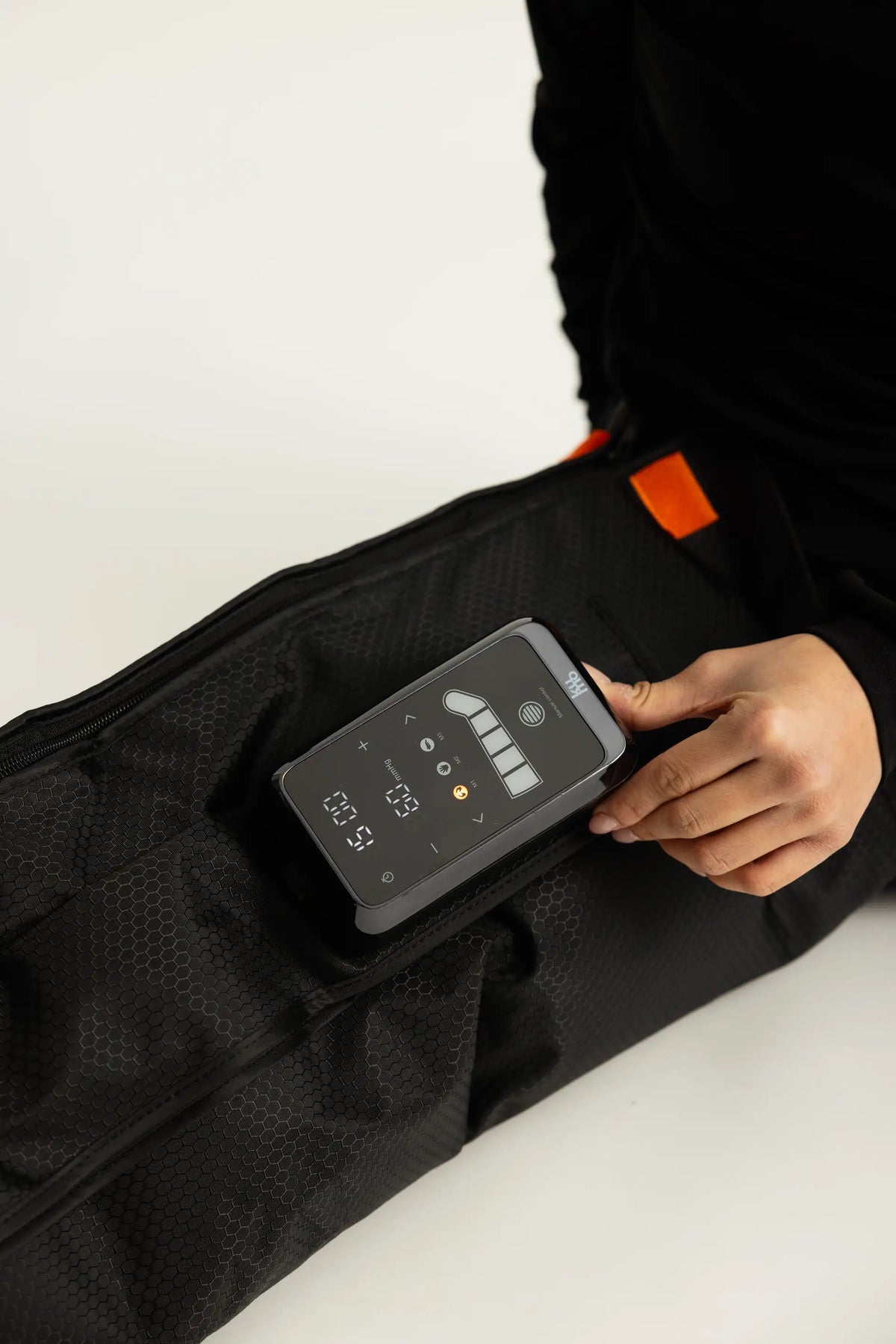
KumoWave pressotherapy boosts circulation and helps drain fluid with sequential compression, in 20-minute sessions at home.
- Boosts circulation and helps drain fluid
- Chamber-based compression, adjustable to you
- Sequential compression that mimics manual drainage
€799,00€999,00
−10% on your 1st order when you subscribe to the newsletter

What changes in recovery when you train at altitude
Under hypoxia, the body activates respiratory, cardiovascular, and autonomic responses that raise the physiological cost of effort. At the same time, recovery is shaped by sleep, hydration, and your ability to tolerate intense sessions without tipping into overload.
At altitude, recovery depends far more on sleep, because hypoxia can affect nighttime breathing and deep sleep.
Personalized protocol · included with your purchase
Want us to tell you how to use it in your case?
With your purchase, our experts prepare a personalized usage protocol for your case: sport, circulation, fluid retention, pregnancy or lipedema.
Message us on WhatsAppOur experts reply · no obligation
Adaptation is also not the same for everyone. The response to altitude depends on the dose of exposure, your fitness level, the quality of your rest, and how sessions are periodized across the stay. (pmc.ncbi.nlm.nih.gov)
Common changes and a practical response
| Common change | What you usually notice | Useful adjustment |
|---|---|---|
| Lighter sleep | More awakenings and less freshness when you get up. | Keep regular hours, cut screens at night, and avoid stacking hard sessions back to back. |
| Higher hydration load | The body loses water more easily and the margin for error narrows. | Drink proactively, track your body weight, and do not wait until you are thirsty. (pmc.ncbi.nlm.nih.gov) |
| Lower tolerance to intensity | Fast paces cost more and recovery between reps takes longer. | Extend your rest periods and save the most demanding sets for better planned moments. (usaclimbing.org) |
| More overall stress | You will feel fatigue sooner if you add up volume, altitude, and little rest. | Lower the total load if tiredness does not ease off from one day to the next. |
How to adjust training to recover better
The best known approach is living high and training low, because it lets you use part of the acclimatization without giving up intensity altogether. Recent reviews place this logic within moderate altitude living ranges, while the fastest work is kept at lower elevations so recovery is not punished as much.
- If altitude is taking its toll, cut the number of demanding sessions and keep only the most valuable ones in the week.
- If you can go down for the most powerful work, the quality stimulus holds up better and day to day recovery is usually more manageable.
- If you cannot go down, use longer recoveries between sets and make sure the session does not turn into a constant fight for breath.
Progression matters too. Going up too fast raises the risk of altitude sickness and worsens nighttime recovery, so gradual adaptation is still the most sensible option. (medlineplus.gov)
on your first order when you join the newsletter
We send you the code instantly. No spam.
Nutrition and hydration: the quiet foundation of recovery
At altitude, nutrition carries more weight than it seems. Review papers point to greater attention to hydration, energy availability, and carbohydrate intake, especially when training is intense or prolonged. (gssiweb.org)
It is also worth checking your iron status if you have persistent fatigue, a history of anemia, or the feeling that recovery never quite gets going. Altitude does not replace a poor nutritional base, it simply makes it more obvious.
- Spread carbohydrates around your hardest sessions to support glycogen replenishment. (pmc.ncbi.nlm.nih.gov)
- Track your hydration with simple routines, such as checking your body weight and not waiting until you end the day dehydrated.
- If your appetite drops, plan simpler and more frequent meals so you do not fall short on energy.
Wellness support to feel light again
If you want to add noninvasive tools to your routine, you can look at the technology behind Kumo Balance, where pneumatic compression, LED photobiomodulation, and percussive massage are explained within a wellness approach. You can also check pressotherapy at home as support for organizing your rest time better after a demanding day.
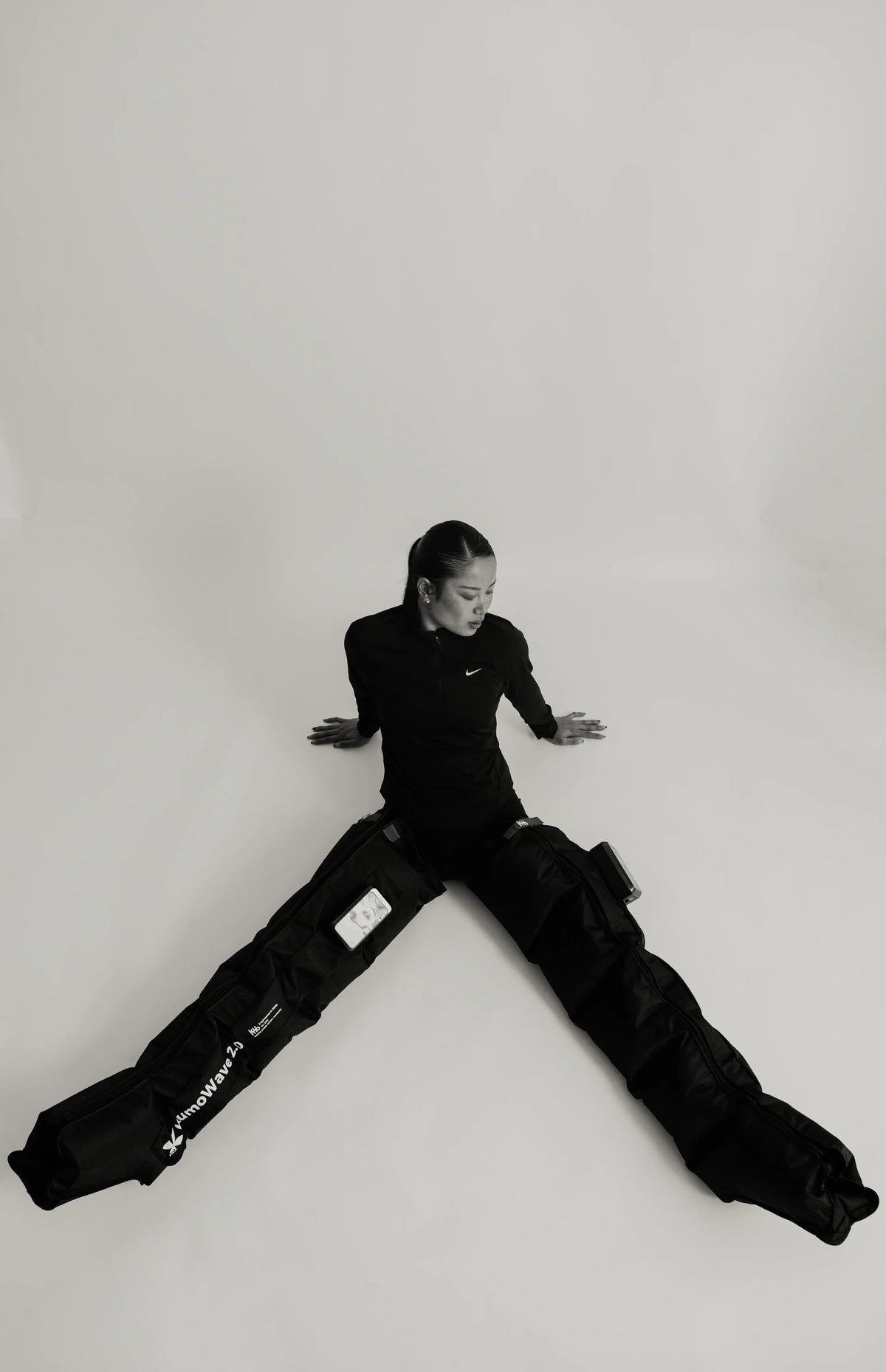
These resources do not replace sleep, hydration, or a good training load plan, but they can help you structure daily recovery when you spend many hours training or living at altitude. If you prefer a specific sequential compression system, the KumoWave 2.0 for sequential compression is one option to review within that same self-care logic.
When to seek care: the signs that call for medical assessment
If headache, nausea, dizziness, loss of appetite, fatigue, or trouble sleeping appear after going up to altitude, think of altitude sickness and stop the session. If confusion, shortness of breath at rest, cough, bluish skin color, or difficulty walking straight also show up, urgent medical assessment is needed.
Before exposing yourself to altitude, people with heart or lung disease, prior hypoxemia, sleep apnea, or anemia should consult a professional familiar with altitude medicine. Gradual ascent lowers the risk of altitude illness and improves the body's tolerance.
If you use pressotherapy as wellness support, do not use it unsupervised if you have decompensated heart failure or severe peripheral arterial disease. Clinical references on compression insist on respecting contraindications and individualizing the indication. (ncbi.nlm.nih.gov)
Frequently asked questions
How does altitude affect recovery during high intensity training?
Altitude usually worsens tolerance to intense effort because less oxygen is available and the physiological cost goes up. That makes fast sets, pace changes, and long efforts bite sooner and demand more rest between reps. Sleep can also get worse, and nighttime recovery becomes less effective. So if you train hard at altitude, it is wise to lower volume, extend rest periods, and avoid stacking too many high load days in a row.
Which physiological changes at altitude influence muscle recovery processes?
Hypoxia modifies ventilation, the cardiovascular response, and autonomic balance. At the muscle level, adaptation depends on the dose of exposure and the training context, so not everyone recovers the same way. In practice, that shows up as more perceived fatigue, worse sleep in some cases, and a greater need to manage load, fluids, and energy. Muscle recovery does not fail because of the muscle alone, but because of the whole stress load altitude creates.
Is recovery slower at altitude compared with sea level, and why?
Often yes, because altitude adds a second stressor on top of the training itself. Hypoxia can disrupt sleep, raise cardiovascular load, and make the body take longer to return to its normal state. On top of that, if you sleep worse, drink less than you need, or keep too many hard sessions, the sense of recovery stretches out even further. It is not an absolute rule, but it is a fairly common pattern when exposure is not well planned.
Which training and nutrition strategies optimize recovery when training at altitude?
The most useful approach is usually combining a well dosed load with more careful nutrition. That includes sleeping as well as possible, drinking proactively, securing enough energy, and prioritizing carbohydrates around the most demanding sessions. If you can, keeping part of the intense work away from altitude helps avoid degrading recovery so much. And if signs of persistent fatigue appear, it is better to ease off before pushing further.
What are the differences between Live High-Train Low and Live High-Sleep Low protocols in terms of recovery?
The logic is similar, but the load on recovery is not the same. With Live High-Train Low, you keep the altitude exposure to acclimatize, but you do the most intense part of training lower down, which tends to protect quality performance better. With Live High-Sleep Low, nighttime living can stay at altitude while training is adjusted so rest is not punished too much. In both cases, the goal is to balance adaptation and recovery.
What now?
If you are planning an altitude stay or want to improve your recovery routine, start with the basics, sleep, hydration, and training load. Then, if you want to add noninvasive support at home, you can review the Kumo Balance homepage and go back to its technological approach to recovery to see what fits your daily routine best.
KumoWave pressotherapy
Choose your at-home pressotherapy
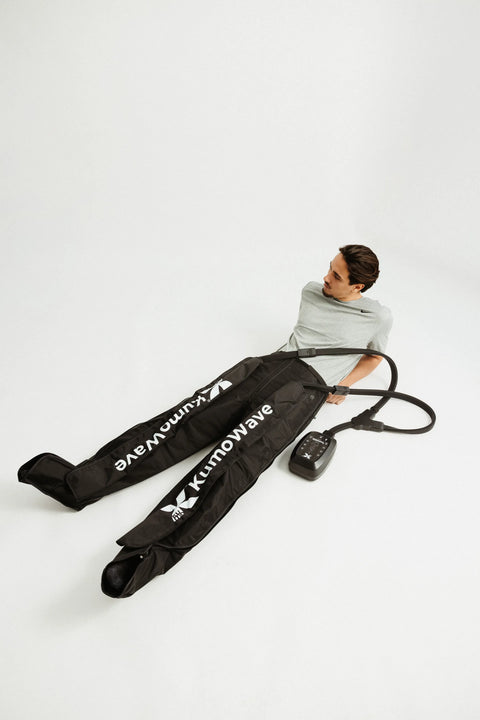
KumoWave Elite – Pressotherapy Pants
Full-coverage trousers. Ideal for lipedema, fluid retention and intensive use.
€799,00 €999,00
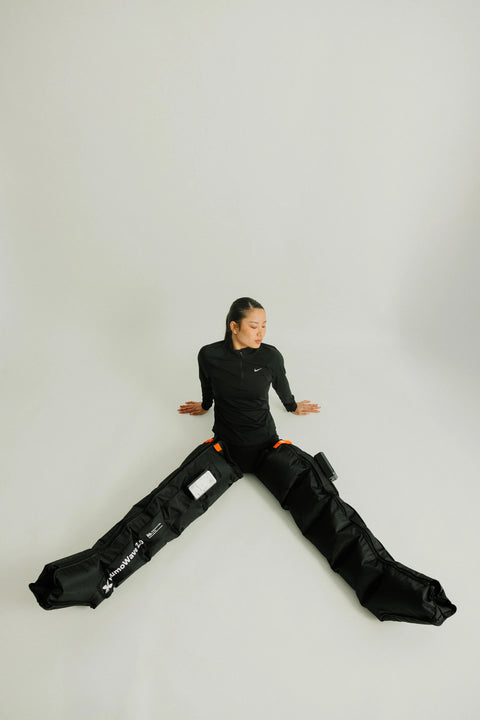
KumoWave 2.0 - Wireless Pressotherapy
Wireless, lightweight boots. Perfect for daily use and recovery.
€499,00 €599,00