Recovery can also be trained.
If you want to progress in 2026 without getting injured, you need a sports recovery strategy as carefully crafted as your training plan. In this article, you'll find the scientific principles, practical routines, and current technologies (such as red light therapy, compression therapy, and percussion massage) to help your body repair tissue, reduce fatigue, and get back to performing faster—without magic promises or dangerous shortcuts.
Pressotherapy at home
End the day with light legs
★★★★★ 4,8/5 · rated by verified customers
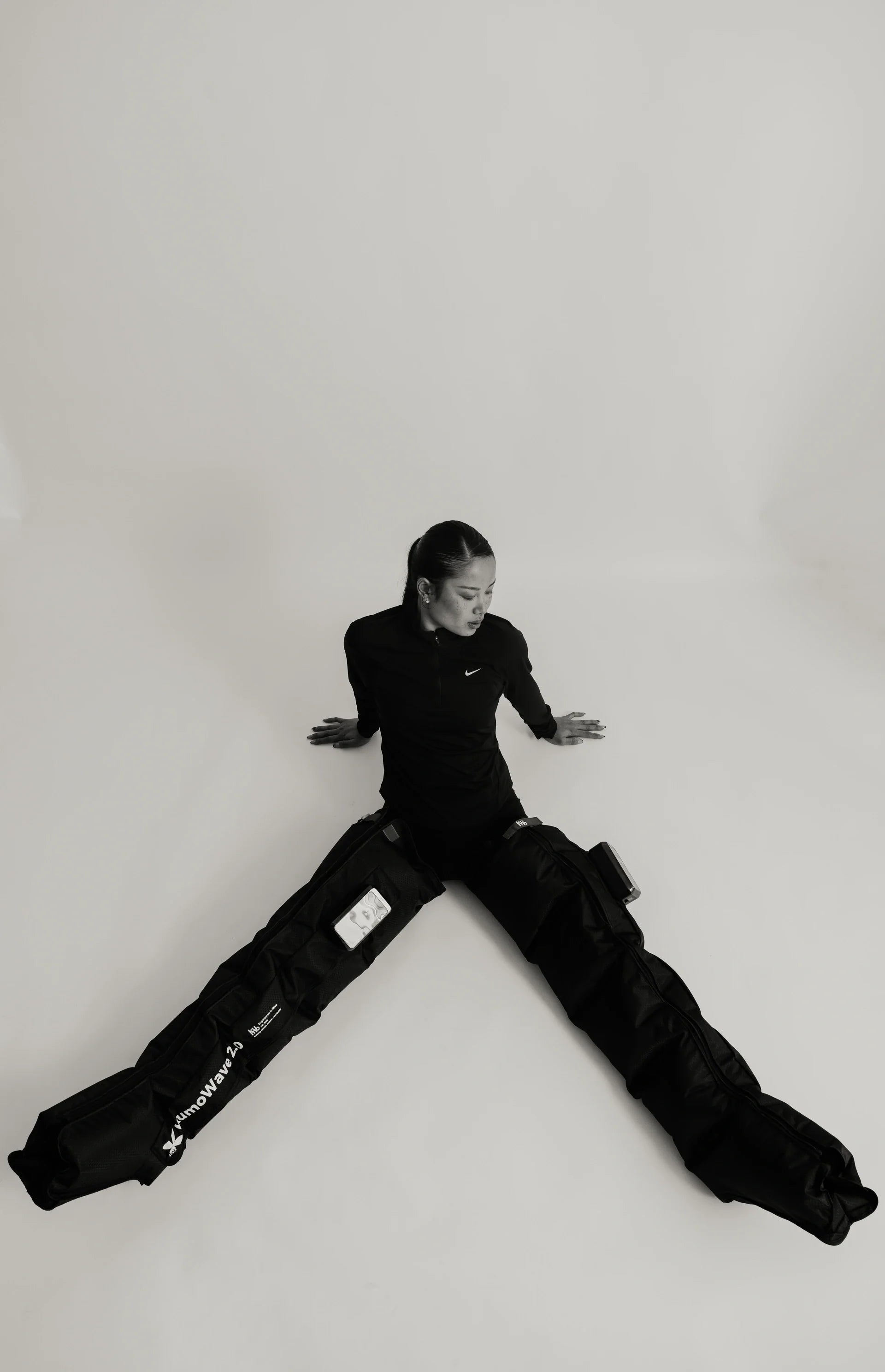
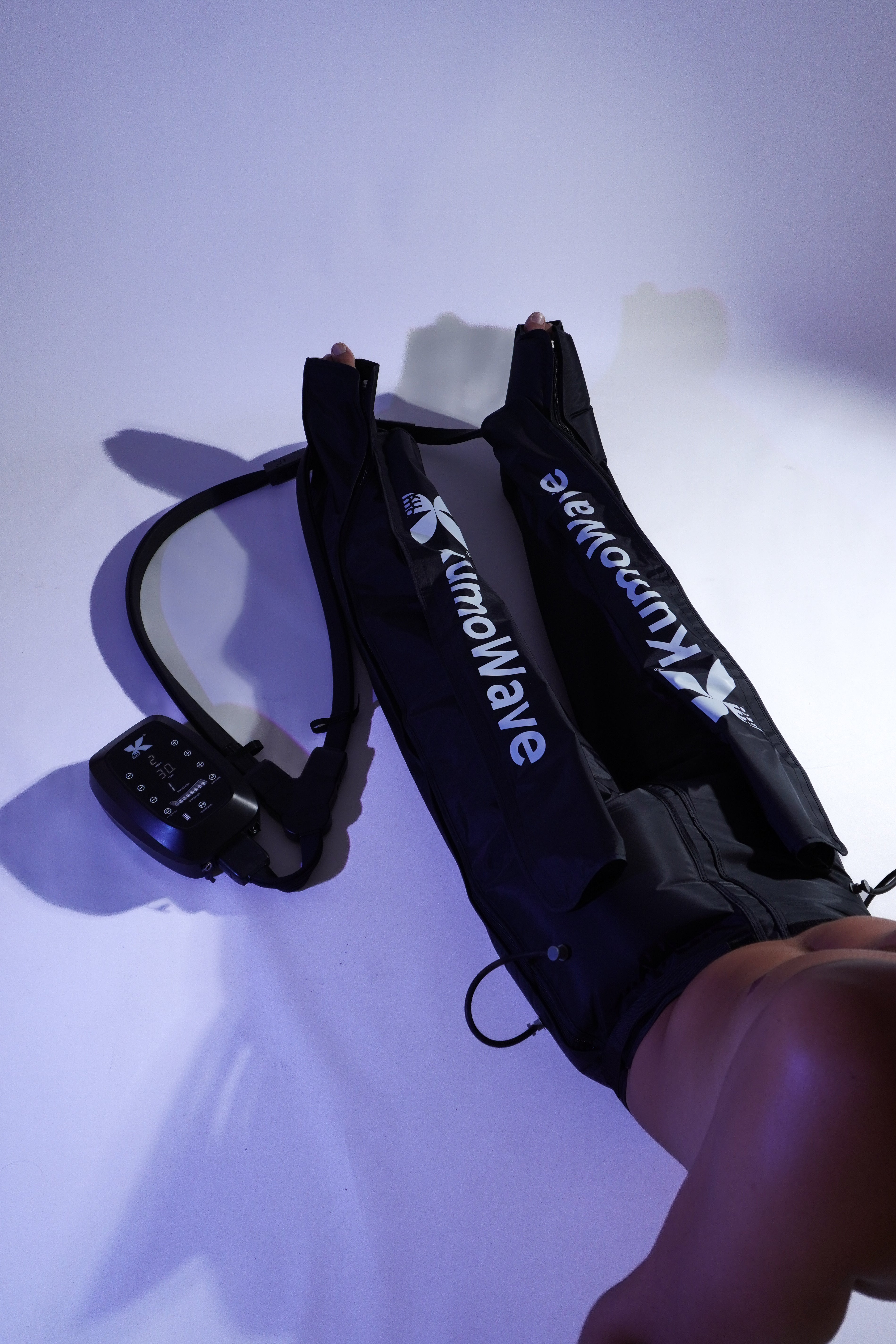
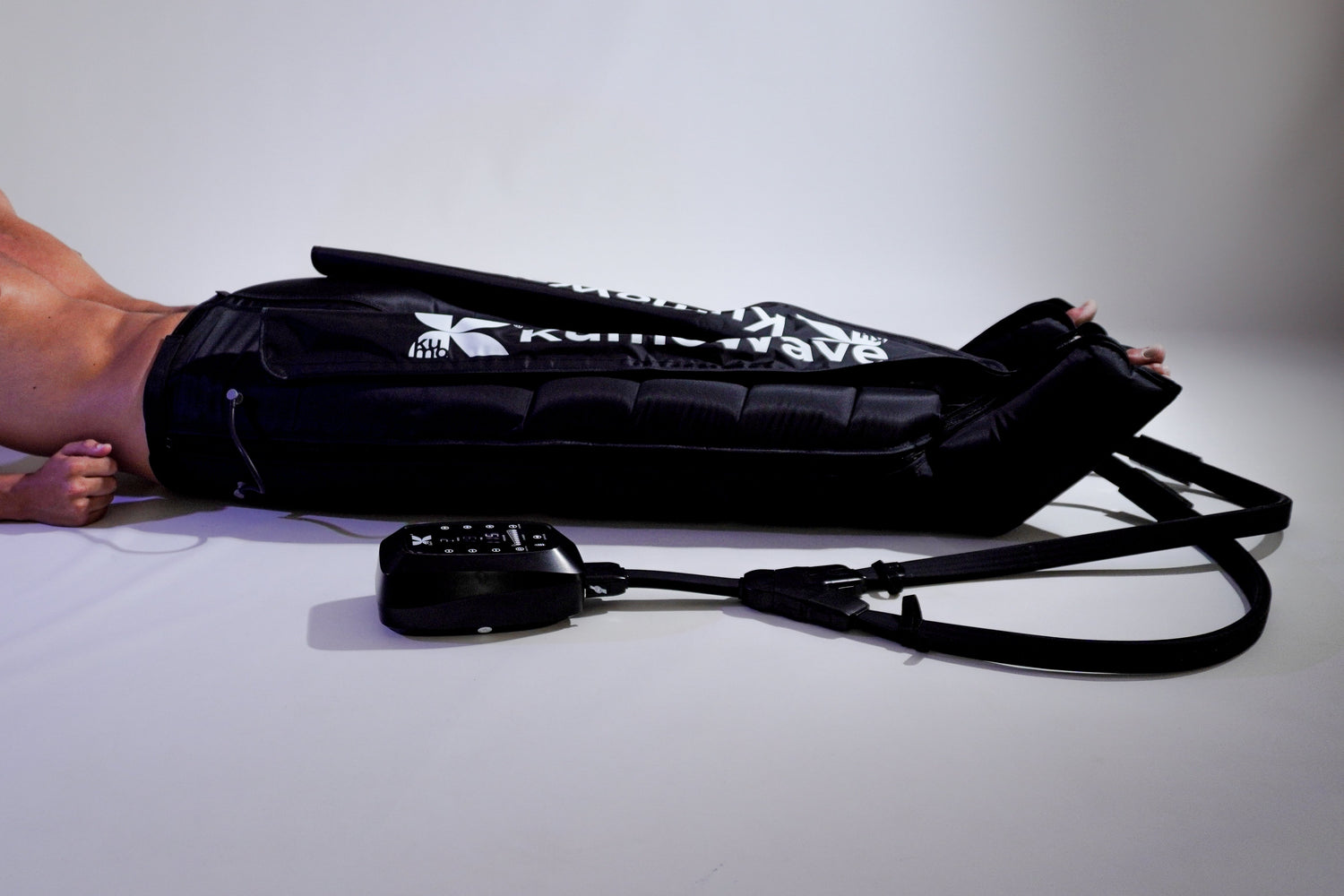
KumoWave pressotherapy boosts circulation and helps drain fluid with sequential compression, in 20-minute sessions at home.
- Boosts circulation and helps drain fluid
- Chamber-based compression, adjustable to you
- Sequential compression that mimics manual drainage
€799,00€999,00
−10% on your 1st order when you subscribe to the newsletter

We'll see how to combine rest, sleep, nutrition, and recovery devices to build an effective and sustainable system, whether you're an amateur athlete or a high-level competitor.
What is sports recovery really (and why it's key in 2026)
It's not "doing nothing": what happens to your body after training
Each intense session causes micro-tears in the muscles , joint stress, and a temporary increase in inflammation. Recovery is the set of physiological processes (fiber repair, glycogen replenishment, hormonal and nervous system rebalancing) that return your body to an optimal state and, with sufficient stimulation, lead to supercompensation : you come back stronger.
Personalized protocol · included with your purchase
Want us to tell you how to use it in your case?
With your purchase, our experts prepare a personalized usage protocol for your case: sport, circulation, fluid retention, pregnancy or lipedema.
Message us on WhatsAppOur experts reply · no obligation
If recovery is insufficient or poorly managed, fatigue accumulates, delayed onset muscle soreness (DOMS) increases, performance declines, and the risk of overuse injury rises. Therefore, in a context of increasingly demanding training and busier schedules, proper recovery has become a competitive advantage .
Types of recovery: immediate, short-term, and long-term
- Immediate recovery : occurs during the training itself (rests between sets, between interval sections).
- Short-term recovery : from minutes to 72 hours later; this includes cooling, sleep, nutrition and tools such as massage or pressotherapy.
- Long-term recovery : weeks or months; includes volume off, sports holidays, and season management.
A good sports recovery strategy in 2026 integrates these three levels in a planned, not improvised, way.
Scientific basis for faster healing
Manage the workload: without stimulation there is no improvement, but without rest there is no adaptation
Performance improves when you alternate periods of stress (training) with periods of sufficient recovery . Simple tools such as RPE (rhythmic perception of exertion) monitoring, sleep tracking, and weekly volume variation (no more than a 10–15% increase from one week to the next) help prevent overtraining and ensure that recovery techniques are truly effective.
on your first order when you join the newsletter
We send you the code instantly. No spam.
Sleep: the most underrated “supplement”
Most guidelines recommend between 7 and 9 hours of sleep for physically active adults, because growth hormone is released and much of the tissue repair occurs during deep sleep. Insufficient sleep reduces strength, impairs coordination, and increases the risk of injury. Before investing in any technology, ensure you have good sleep hygiene: a regular sleep schedule, minimal blue light at night, and a cool, dark bedroom.
Nutrition and hydration in service of recovery
The classic combination still works: sufficient protein (at least 20–25 g of high-quality protein in the hours following exercise) to repair muscle, and carbohydrates to replenish glycogen, especially if you train several times a week. Drinking water and, in long sessions or in hot weather, including electrolytes helps maintain plasma volume and accelerate the return to balance.
Nervous system and stress: the forgotten factor
Recovery isn't just muscular; it's also neural . Strategies such as diaphragmatic breathing, gentle stretching, or a brief meditation after training stimulate the parasympathetic nervous system (the "rest and digest" mode), promoting a lower heart rate, digestion, and the subjective feeling of recovery.
Practical keys for effective sports recovery in 2026
Before training: also prepare for recovery
- Plan the entire week with days of higher workload and days of lower workload.
- Make sure you arrive at the session well hydrated and fed , so as not to overtax your reserves.
- It includes a progressive warm-up of 10–15 minutes, which reduces muscle damage and facilitates better subsequent recovery.
Right after training: the first 2 hours
- Do an active cool-down of 5–10 minutes (gentle walking, light cycling).
- Introduce a meal or snack with quality protein and carbohydrates.
- Start your recovery routines : warm shower, breathing, gentle stretching and, if desired, devices such as massage or red light following the manufacturer's instructions.
Between sessions: recovery as a daily habit
Beyond "post-workout", sports recovery in 2026 is understood as a lifestyle :
- Include one or two days of active rest (walking, mobility, gentle yoga) per week.
- Avoid spending many hours sitting down; get up and move around for a few minutes every hour.
- Use selected recovery technologies (percussion massage, pressotherapy, light therapy) on a scheduled basis, not just when pain occurs.
Modern sports recovery technologies: what the evidence says
Summary of recovery tools and when to use them
| Tool | When to use it | Approximate duration | Main benefit | Level of evidence* |
|---|---|---|---|---|
| Sleep (7–9 h) | Every day, especially after demanding sessions | Continuous night | Global, hormonal and neuromuscular recovery | Very high |
| Gentle active recovery | Day after intense training | 20–40 min | Reduces stiffness, improves light circulation | High |
| Massage / massage gun | After intense training or when muscle soreness appears | 5–15 min per zone | Reduces DOMS, improves range of motion | High for manual massage; high for percussion |
| Pressotherapy / compression | After high-volume leg sessions | 20–30 min | Promotes venous return and a feeling of light legs | Moderate |
| Red light therapy / LED | Before or after exercise, according to protocol | 10–20 min depending on the area | Modulates inflammation and muscle fatigue (according to parameters) | Moderate, growing |
*Level of evidence summarized from current systematic reviews and clinical trials; does not replace the individual assessment of a health professional.
Red light and LED therapy for muscle recovery
Photobiomodulation (PBM) with red and near-infrared light uses LEDs or lasers to irradiate superficial tissues. A 2021 systematic review with meta-analysis found that PBM can improve muscle strength and reduce muscle soreness compared to cryotherapy when applied with specific dose and wavelength parameters. ( pubmed.ncbi.nlm.nih.gov ) Another whole-body review (published with data up to 2024) indicates promising results in performance and recovery, although still with few studies and small sample sizes. ( pubmed.ncbi.nlm.nih.gov )
In practice, LED light therapy devices allow for 10–20 minute sessions on key muscle groups or at a more global level, always following the times and frequencies indicated by the manufacturer and respecting protective eyewear when necessary.
LED masks and skin regeneration for athletes
Training and factors such as sweat, sun exposure, or prolonged use of helmets or glasses can irritate the skin. LED masks apply specific wavelengths to support skin regeneration processes and improve the appearance of tired skin or skin showing signs of environmental stress. Integrating an LED mask into your post-workout routine, while practicing relaxing breathing, can combine aesthetic benefits with a sense of well-being , reinforcing the feeling of overall recovery.
It is important to remember that these devices do not replace dermatological medical treatments; if there are lesions or skin conditions, it is advisable to consult a specialist.
Pressotherapy and compression: lighter legs
Pressotherapy and other forms of external compression are used to promote venous return and relieve the feeling of heaviness in the legs. Studies with compression stockings have shown improvements in blood flow markers and certain recovery indices after exercise, beyond the placebo effect. ( pubmed.ncbi.nlm.nih.gov )
Compression therapy boots apply intermittent pneumatic pressure from the foot to the hip, which can be especially beneficial after running, cycling, or sports with frequent changes of direction. Evidence regarding direct performance improvements in the following session is mixed, but many athletes report less fatigue and fresher legs .
As always, if there are vascular problems, previous thrombosis or circulatory diseases, it is essential to consult a healthcare professional beforehand.
Percussion massage guns and classic massage guns
Massage is one of the most studied recovery tools. A systematic review with meta-analysis that included 11 trials and 504 participants concluded that massage significantly reduces the intensity of delayed onset muscle soreness (DOMS) for at least 72 hours after intense exercise. ( pubmed.ncbi.nlm.nih.gov )
More recently, randomized controlled trials have specifically analyzed percussion massage therapy (massage guns) and found better recovery of strength, jump height, and pain compared to static stretching, especially when somewhat longer protocols are applied (e.g., two 40-minute sessions spread over 48 hours). ( pmc.ncbi.nlm.nih.gov )
Devices like the KumoPulse Air massage gun allow you to apply focused vibration to tense muscle groups. General recommendations:
- Start with low intensities and gradually increase them.
- Avoid joints, spine, and areas with acute pain or visible inflammation.
- Limit to 1–2 minutes per point and 10–15 minutes per large muscle group, unless otherwise indicated.
Common mistakes that hinder your athletic recovery
Relying solely on “gadgets” without taking care of the basics
Recovery technology can enhance results, but it doesn't compensate for lack of sleep, poor diet, or overtraining . A common mistake is investing in advanced devices while continuing to sleep only 5–6 hours and without adequate rest days. The priority should always be:
- Sleep and stress management.
- Training load planning.
- Nutrition and hydration.
- Only then, recovery support technologies.
Ignoring persistent or unilateral pain
Sports recovery tools are designed for functional fatigue and minor discomfort . If you experience acute, localized pain that worsens with movement or doesn't improve within a few days, it's not a good idea to mask the symptom with intense massage, compression therapy, or increased workload. In these cases, it's advisable to consult a healthcare professional (physiotherapist, sports medicine doctor) before proceeding.
Ignoring the contraindications
Each technology has situations in which it is not recommended: circulatory disorders for pressotherapy, certain skin conditions for LED light therapy, pregnancy or specific pathologies for some types of massage, etc. Always read the instructions for each device and, if in doubt, seek the opinion of a specialist.
Frequently asked questions about sports recovery
How much time should I leave between intense workouts to recover properly?
It depends on your fitness level, the type of activity, and the total workload, but as a general rule, many athletes need between 24 and 72 hours to recover from a truly intense session targeting the same muscle group. Alternating high- and low-load days (for example, leg strength one day and upper body or technical work the next) is a good strategy. Signs that you haven't recovered include a clear drop in performance, poor sleep quality, persistent pain, or a feeling of disproportionate exhaustion.
Is active recovery better than complete rest?
In most cases, gentle active recovery (walking, very light cycling, mobility exercises) is preferable to complete rest because it improves circulation and helps reduce stiffness without adding significant stress. Complete rest can be useful after very demanding competitions, acute injuries, or extreme fatigue, but it shouldn't become the norm after every training session. The key is to adjust the intensity: active recovery should feel easy (3–4 out of 10 effort at most).
What can I do to recover faster from delayed onset muscle soreness (DOMS)?
Muscle soreness is a normal process after unfamiliar or very intense exertion, and it usually peaks between 24 and 48 hours. To alleviate its impact, evidence supports massage (manual or with a massage gun) as an effective tool for reducing perceived pain and improving range of motion. ( pubmed.ncbi.nlm.nih.gov ) Gentle active recovery, sufficient sleep, good hydration, and maintaining adequate protein intake also help. Most importantly, it is essential to progress gradually in training so that the muscles adapt and muscle soreness diminishes over time.
Are compression therapy boots only for professional athletes?
Not necessarily. Although they became popular in high-performance sports, today they are accessible to amateur athletes who train frequently and often experience heaviness or congestion in their legs after running, cycling, or playing team sports. Pressotherapy can be a useful tool for these individuals, provided it is used sensibly, respecting recommended times and pressures, and without replacing rest and planning. If there is a history of venous problems or thrombosis, it is essential to consult a doctor first.
Is red light therapy safe for daily use during recovery?
Recent studies describe photobiomodulation with red and near-infrared light as a non-invasive and generally well-tolerated technique when using certified devices and appropriate protocols for dose, time, and distance. ( pubmed.ncbi.nlm.nih.gov ) However, the response may vary depending on the individual and their specific condition. For home use aimed at wellness and sports recovery, it is advisable to always follow the manufacturer's instructions, protect the eyes when appropriate, and avoid use on areas with undiagnosed skin lesions. If you have any questions, consulting a healthcare professional is the best course of action.
What now? Take the next step in your recovery
Effective sports recovery in 2026 combines science, daily habits, and well-chosen technologies. If you already take care of your sleep, nutrition, and training plan, you can take it a step further by incorporating specific solutions like LED therapy , pressotherapy , or percussion massage into a consistent routine.
At Kumo, you'll find a selection of devices designed to make recovery a true lifestyle: from red light therapy equipment and LED masks to compression boots and massage guns . If you need guidance in choosing the solution that best suits your sport and routine, you can contact the team through the contact page and design a recovery strategy tailored to you.
KumoWave pressotherapy
Choose your at-home pressotherapy
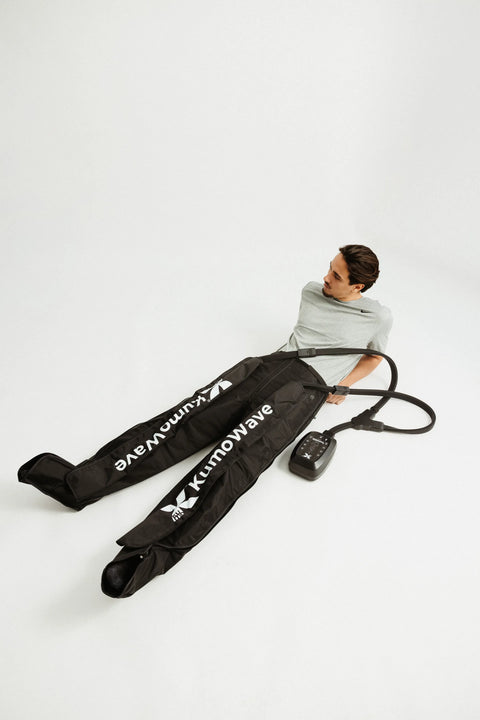
KumoWave Elite – Pressotherapy Pants
Full-coverage trousers. Ideal for lipedema, fluid retention and intensive use.
€799,00 €999,00
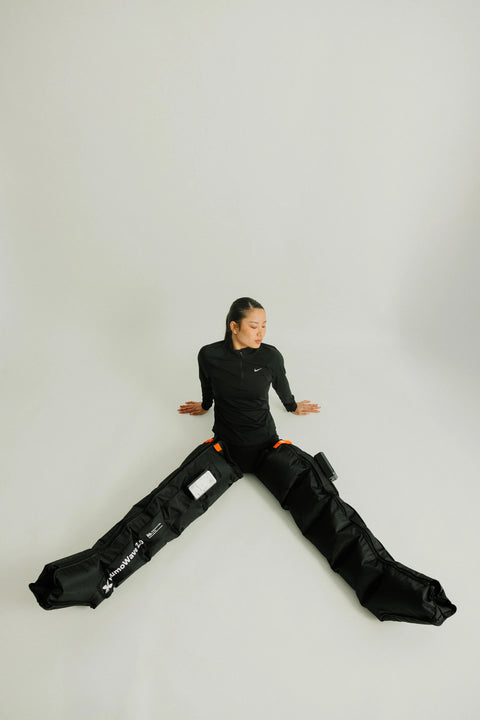
KumoWave 2.0 - Wireless Pressotherapy
Wireless, lightweight boots. Perfect for daily use and recovery.
€499,00 €599,00