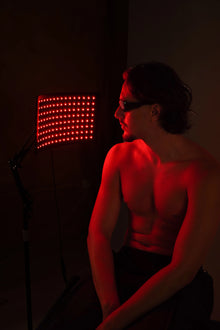


Before a light session, review your medication.
Some medications can increase the skin's sensitivity and trigger reactions such as redness, a rash, or a sunburn-like irritation. The useful check is to identify the active ingredient, read the package insert, and ask before exposing yourself to intense visible light, photobiomodulation, or medical phototherapy, because the FDA warns about photosensitivity with various drugs and recommends consulting a professional if you have doubts. (fda.gov)
Red & infrared light
Recover faster, at home
★★★★★ 4,8/5 · rated by verified customers
The KumoLux panel supports muscle recovery with full-body red and infrared light.
- 660 nm red + 850 nm infrared light
- Full-body muscle recovery
- Clinically validated biohacking protocols
€399,00€499,00
−10% on your 1st order when you subscribe to the newsletter

Why medication changes a light session
Drug-induced photosensitivity is not one single thing. It can be phototoxicity, which is more common and faster, or photoallergy, which may take longer to appear. The FDA explains that both have been described after exposure to UV light, whether natural or artificial, and that the reaction can begin anywhere from a few hours to several days later.
If your session uses red light or LED, that does not automatically make it harmless. The FDA notes that photobiomodulation uses very low intensity visible light with no meaningful heat, but it does not recommend it for people taking photosensitizing medication, who have a photosensitivity disorder, an open wound, or an active implant in the area. (fda.gov)
Personalized protocol · included with your purchase
Want us to tell you how to use it in your case?
With your purchase, our experts set up your red and infrared light sessions for your sport and goal.
Message us on WhatsAppOur experts reply · no obligation
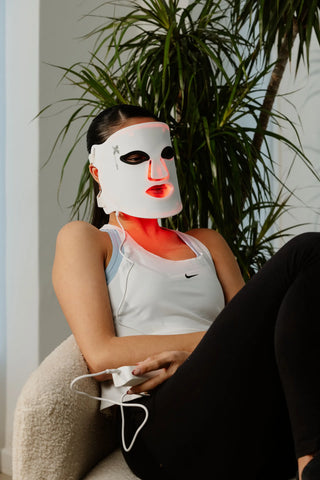
If you want to better understand the context of an at home session, it may help to read what red light therapy is and how it works and, if you plan to use a facial device, to review the contraindications and safety of the LED mask.
The check you should do before you start
The 4 practical steps
- Make a complete list of everything you take, including prescription medications, pharmacy products, creams, supplements, and herbal preparations. The FDA reminds us that photosensitivity can come from medications taken by mouth, injected, or applied to the skin, and MedlinePlus advises bringing a list of your medication to review with the professional.
- Look for the active ingredient, not just the brand name. If the package insert mentions avoiding the sun, artificial light, or skin reactions, treat that warning as a signal to ask before the session. (medlineplus.gov)
- Ask whether the session uses red light, LED, UV phototherapy, or photodynamic therapy, because they do not all carry the same risk. In photodynamic therapy, light sensitivity can last up to 6 weeks when the drug is given systemically, and the skin or eyes can also react to intense indoor lighting. (nhs.uk)
- Do not change or stop your medication on your own. MedlinePlus warns that doing so without discussing it with your professional can be dangerous, and that if you have doubts about side effects or instructions you should ask before making decisions. (medlineplus.gov)
Medications worth reviewing as a priority
The list is not closed. The FDA itself points out that not everyone reacts and that a previous reaction does not guarantee it will happen again. Even so, these groups deserve a particularly careful review before any light session.
| Group | Examples cited by official sources | What to check before the session |
|---|---|---|
| Antibiotics | Ciprofloxacin, doxycycline, levofloxacin, ofloxacin, tetracycline, and trimethoprim. The NHS also notes that tetracyclines can increase sensitivity to natural and artificial light. | If you are on treatment, ask whether it is better to postpone the session or reduce exposure to intense light. |
| Thiazide diuretics and some antihypertensives | Hydrochlorothiazide, chlorthalidone, and chlorothiazide. MedlinePlus indicates that chlorothiazide can make the skin sensitive to sunlight. | Check with your doctor or pharmacist whether your blood pressure treatment fits with a light session. |
| NSAIDs | Ibuprofen, naproxen, celecoxib, piroxicam, and ketoprofen. The FDA includes them among the groups that can cause photosensitivity. | Check whether they are occasional or ongoing, and have the plan validated before exposing yourself to light. |
| Retinoids | Acitretin and isotretinoin. The FDA places them among the medications with a risk of light sensitivity. | If you are using them, the session should be reviewed with particular caution. |
| Sulfonamides and psoralens | Sulfamethoxazole, sulfasalazine, methoxsalen, and trioxsalen. | Ask about the precautionary period and the exact type of light that will be used. |
If the goal is an at home session, a guide to the safety and contraindications of red light therapy can serve as a practical checklist before you switch the device on.
on your first order when you join the newsletter
We send you the code instantly. No spam.
What to do if you take NSAIDs or antihypertensives
There is no universal adjustment. If the drug is an NSAID or a diuretic antihypertensive, the decision has to be validated by your doctor or pharmacist, because the FDA includes them among the groups that can increase sensitivity to light and MedlinePlus reminds us that you should not stop a medication without discussing it with your professional. The specific approach depends on the active ingredient, the dose, how often it is used, and the type of light.
In practice, the most sensible move is usually to reconsider the timing of the session, not to improvise with the medication. If there are doubts, the reasonable recommendation is to wait for clear guidance before exposing yourself to a session with LED, red light, or any other light therapy.
Light sessions at home, in a studio, or in a clinic
An at home LED mask is not the same as a medical procedure such as photodynamic therapy. In PDT, the drug and the light work together, and sensitivity to sunlight or intense indoor lighting can persist for weeks depending on how it is administered.
In photobiomodulation, the energy is very low and the light is usually visible, but the FDA still recommends protective eyewear and advises avoiding the procedure if there is photosensitivity or photosensitizing medication. The fact that the technology is gentle does not remove the need to review your history and your medication.
If you are going to use a facial device, it is also worth reviewing how an LED face mask works to better frame the type of exposure we are talking about.
When to seek advice and the signs that require medical assessment
If you notice a reaction after a session, do not play it down. The signs that require medical assessment include sunburn-like redness, a rash, persistent itching, blisters, peeling, eye pain, blurred vision, or light sensitivity that is severe or does not improve within a day or two.
- Seek urgent care if the redness comes with swelling of the lips, face, or throat, difficulty breathing, or a widespread rash, because the NHS frames it as a possible serious reaction. (nhs.uk)
- Ask for a medical assessment if eye pain, a red eye, blurred vision, or discomfort in low light persist or get worse. (medlineplus.gov)
- Do not repeat the session until you have clarified what happened, especially if the symptom appeared after starting a new medication or changing the dose.
Frequently asked questions
Which medications can cause photosensitivity and how does it affect a light session in dermatology?
The FDA includes antibiotics such as ciprofloxacin or doxycycline, thiazide diuretics, NSAIDs such as ibuprofen or naproxen, retinoids, sulfonamides, psoralens, and some antihistamines among the groups that can sensitize the skin. That does not mean everyone reacts, but it does mean a session with visible light, UV, or phototherapy deserves a prior review. In dermatology, the practical consequence is usually to postpone, adjust, or choose a different approach depending on the type of light and the medication.
What tests or checks should I do before a phototherapy session if I take photosensitizing medications?
The key check is to review the complete list of medications and supplements, identify the active ingredient, and read the package insert, and also to tell the professional if you have recently started something new. MedlinePlus recommends bringing a list of what you take and asking your doctor or pharmacist about any doubts, and the FDA asks you to consult if you have questions about photosensitivity. There is no single rule for every case, because what matters is the specific drug and the type of light.
How should I adjust my medication if I use nonsteroidal anti-inflammatory drugs or certain antihypertensives?
Do not adjust it on your own. The FDA places NSAIDs and thiazide diuretics among the drugs that can increase sensitivity to light, and MedlinePlus reminds us that you should not stop a medication without discussing it with your professional. If you take ibuprofen, naproxen, celecoxib, or a thiazide diuretic such as chlorothiazide, the right move is usually to reconsider the session, not to improvise with the regimen.
How long should I avoid sun exposure or intense light after taking a photosensitizing medication, before a light treatment session?
There is no universal time frame. In photodynamic therapy, the NHS indicates that the skin or eyes can stay sensitive to sunlight and intense indoor lighting for up to 6 weeks when the drug has been given systemically. For common medications, the window changes depending on the active ingredient, the dose, and the package insert, so the safe reference is clinical guidance, not a generic number.
What signs of photosensitivity should I watch for after a light therapy session and what should I do if irritation or burns appear?
Watch for sunburn-like redness, a rash, itching, blisters, peeling, eye pain, blurred vision, or light sensitivity that is severe or does not improve within a day or two. MedlinePlus recommends seeking advice if the sensitivity is severe or painful, and the NHS adds that a rash with swelling or difficulty breathing can indicate a serious reaction. If any of these signs appear, seek a medical assessment and do not repeat the session until it has been clarified.
What now?
If you are considering a light session at home, start by reviewing your medication and by reading the safety and contraindications of red light therapy and the contraindications of the LED mask. Then go back to the Kumo Balance home page to get your bearings on the recovery options that suit you best.

Red & infrared light
KumoLux Panel – Red and Infrared LED Panel
★★★★★ 4,8/5 · rated by verified customers
- 660 nm red + 850 nm infrared light
- Full-body muscle recovery
- Clinically validated biohacking protocols
€399,00€499,00· pay in installments with seQura or Klarna