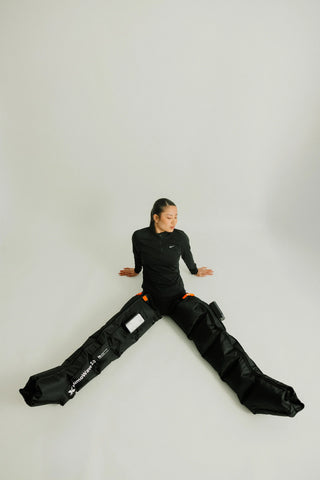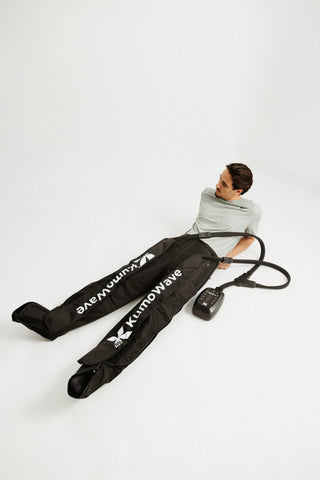
Recovering well changes how you end the day. After a day of manual handling, the body builds up fatigue from lifting, pushing, carrying and holding weight, along with awkward postures and repetition. The way out is not to stay still, but to bring the tension down with gentle movement and short breaks. (hse.gov.uk)
Shoulders, forearms, wrists and back usually feel the overload first. If tingling, weakness, intense stiffness or worsening pain appear, stop pushing and get it checked, because those symptoms no longer fit simple passing tiredness. (nhs.uk)
Red & infrared light
Recover faster, at home
★★★★★ 4,8/5 · rated by verified customers
The KumoLux panel supports muscle recovery with full-body red and infrared light.
- 660 nm red + 850 nm infrared light
- Full-body muscle recovery
- Clinically validated biohacking protocols
€399,00€499,00
−10% on your 1st order when you subscribe to the newsletter

What happens to the body after handling loads
Manual handling of loads includes lifting, lowering, pushing, pulling, carrying or moving loads. The risk depends on the task, individual capacity, the load and the environment; that is why two people can end the same day feeling very differently.
When the grip is repeated and the posture never changes, the upper back, the forearm and the wrist can stay tense for hours. In the NHS description of repetitive strain injury, the most common symptoms are pain, stiffness, weakness, tingling, numbness and cramps.
Personalized protocol · included with your purchase
Want us to tell you how to use it in your case?
With your purchase, our experts set up your red and infrared light sessions for your sport and goal.
Message us on WhatsAppOur experts reply · no obligation
The key is not only stretching. NIOSH points out that short breaks, task rotation and shorter exposure to exertion help more than training on its own, and that stretching should be part of a broader ergonomic approach. (cdc.gov)
What to do when you get home
The first few minutes make the difference. You will improve more by shifting from effort mode to recovery mode with a short, gentle and consistent sequence than by lying down without moving for hours. The NHS recommends staying active and building activity back up gradually when dealing with pain or muscle overload.
Ten-minute express plan
- Walk for 3 to 5 minutes at an easy pace to release the general stiffness. (nhs.uk)
- Take 3 slow, deep breaths, releasing your shoulders and jaw with every exhale.
- Spend 2 minutes on your shoulders and upper back with pain-free mobility.
- Spend 2 minutes on your forearms and wrists with gentle flexion and controlled movements.
- Set aside 2 or 3 minutes for the lower back with easy stretches, no bouncing and no forcing. (whittington.nhs.uk)
Quick routine table to close out the day
This proposal sums up a short sequence designed to bring stiffness down without forcing. It is based on the NHS gentle activity approach, on the shoulder, wrist and back exercises in its clinical guides, and on the NIOSH recommendation to combine short breaks with work inside a comfortable range.
on your first order when you join the newsletter
We send you the code instantly. No spam.
| Area | What to do | Duration | Goal | When to stop |
|---|---|---|---|---|
| Shoulders and shoulder blades | Pendulum and gentle arm raise | 2 min | Release the upper body | If sharp pain or a twinge appears |
| Forearms and wrists | Gentle flexion and extension, elbow tucked to the body | 2 min | Regain grip mobility | If tingling or discomfort increases |
| Lower back | Knees to chest and controlled rocking | 3 min | Bring lumbar stiffness down | If you cannot breathe normally |
| General unloading | Easy walking and slow breathing | 3 min | Leave effort mode behind | If you feel dizzy or worse |
It does not have to be perfect. What matters is repeating a short, comfortable and regular routine over several days, because stiffness usually improves better with consistency than with long, aggressive sessions.
If your workday mixes physical load with sedentary stretches, you can track how your body is doing with practical recovery metrics to compare how you feel from one day to the next.
Specific exercises for shoulders, forearms and back
Shoulders and upper back
The shoulder blade area usually appreciates gentle, wide movements without bouncing. The goal is to regain glide, not to gain flexibility through pain.
- Do the pendulum exercise: lean forward slightly, let the arm hang and draw small, slow circles.
- Raise your arm forward and out to the side only as far as it feels comfortable, without arching your back.
- Gently squeeze your shoulder blades together and release them again to unload the tension in the trapezius.
If a movement makes the pain rise or a sharp twinge appears, reduce the range or stop. The exercises should stay comfortable and progressive.
Forearms and wrists
When you have been holding boxes, sacks or tools, the forearm stays on guard. Small, repeated movements without maximum tension work better here.
- Bend your elbow and straighten it gently to undo the stiffness in the arm.
- Flex your wrist forward and backward with the forearm supported.
- Turn your palm up and down slowly, keeping the elbow still.
This is not only for injuries. Repetitive work can also build up accumulated fatigue even if it looks like simple tiredness at first. The useful criterion is how it evolves, not how tough you are.
Lower back and back extensors
The lower back appreciates flexion, rotation and gentle extension movements, always within a comfortable range. Do not look for an intense stretch; look for consistency.
- Do the knees-to-chest stretch lying face up. (nhs.uk)
- Try the hands-and-knees position to sit back toward your heels and lengthen your back.
- Do gentle knee rocks from side to side to mobilize the trunk.
If the pain sits between your shoulder blades rather than in the lumbar area, or if it stops you from breathing deeply as usual, do not force the routine and review the warning signs below.
Habits that speed up recovery
Recovery improves when the way you work changes too. Keeping the load close to the body, avoiding sudden twists and alternating demanding tasks with lighter ones reduces the tension building up in shoulders, forearms and back.
- Try to move the load with your body close to the object, not with your arms extended.
- Build in short, regular breaks, even brief ones, so the effort does not turn into one continuous chain.
- Alternate heavier tasks with less demanding ones whenever you can.
- If you work with gloves, mind the fit. NIOSH warns that one layer of heat-resistant gloves can reduce grip strength by up to 40%, and two or more layers by up to 60%.
- Do not extend rest longer than necessary. For repetitive strain injury, the NHS recommends staying active and building activity back up gradually.
If it is easier for you to follow a set structure, a massage gun guide by muscle group can help you avoid working the same area longer than you should. (hss.edu)
When to seek medical advice for warning signs
Most overload discomfort improves with adapted activity and time, but some situations should not be treated as normal. If you notice any of these signs, seek medical advice.
- If the pain does not improve after a few days or a few weeks of self-care, get it checked.
- If the pain is severe, comes on suddenly or gets worse quickly, seek urgent care.
- If you notice weakness, tingling or numbness in both legs, go to the emergency department.
- If bladder or bowel control changes, or you lose sensation in the genital or anal area, get help immediately.
- If there was a serious accident, fever, general malaise, unintended weight loss, a lump, swelling or night pain, do not let it slide.
In short, typical muscle discomfort should be easing off. If the pattern changes, worsens or limits your day to day, it is time to review the problem with a professional.
Precautions if you use a massage gun
Percussive massage can work as occasional support when you feel tension at the end of a shift, but it is worth using sensibly. If you apply it too long on the same spot, the tissue can get more irritated and bruising can appear. It is also better to avoid it over an area with significant pain, swelling, cuts, recent bruises, fractures or an injury that is still very reactive.
If you want to fine-tune how you use it by area, the massage gun guide by muscle group can help you choose better and avoid working the same spot longer than you should.
Frequently asked questions
How do you recover your shoulders, forearms and back after a day of manual handling at work?
The most useful combination is gentle activity, pain-free mobility and active rest. Start with a few minutes of walking, follow with short exercises for shoulders, wrists and the lumbar area, and avoid staying still for long. If the discomfort eases when you move and there are no alarm signs, it usually fits overload. If tingling or weakness appears, or the pain does not improve within a few weeks, it is worth seeking medical advice.
Which specific exercises help the back recover after manual handling of loads at work?
The most practical are usually the knees-to-chest stretch, controlled knee rocking from side to side and the hands-and-knees position sitting back toward your heels to lengthen the back. Do them slowly, without bouncing and without pushing into pain. The NHS also recommends staying active and adding walking, yoga or pilates if they feel comfortable. What matters is repeating a little and regularly, not chasing maximum range on day one.
How can you reduce forearm and shoulder fatigue at the end of a day of lifting and handling heavy objects at work?
Do shoulder and arm movements with very little resistance, such as the pendulum, the gentle arm raise and elbow and wrist flexion and extension. Keep your elbow close to your body and avoid gripping any tool or device tightly. It also helps to break the momentum of the day with short breaks, slow breathing and a brief walk. If you use percussive massage, keep it limited and do not apply it over a swollen or very painful area.
How long does recovery of the back and shoulders usually take after a day of manual handling and repetitive movements?
It depends on the intensity and on how your body responds. The NHS notes that back pain usually improves within a few weeks, and that repetitive strain injury can also improve on its own with adapted activity. If the discomfort stays the same, worsens or stops you from moving normally, waiting indefinitely is not the answer. The sensible approach is to watch how it evolves, adjust the load and ask for help if you do not see clear improvement within a reasonable time.
What warning signs mean I should see a professional after a day of manual handling at work?
Seek advice if the pain does not improve after days or a few weeks, if it worsens very quickly, if you notice weakness or numbness in both legs, or if changes appear in bladder or bowel function. It is also worth consulting if there is fever, general malaise, unintended weight loss, night pain, a lump, swelling or pain that started after a serious accident. These are signs that no longer fit simple muscle overload.
What now?
Keep it simple: pick a short routine, repeat it several days in a row and adjust only what you need to. If you want to keep refining your approach, start with the Kumo Balance website and take a look at our clinical technology and functional design to see how a more organized recovery fits into your day to day.

Red & infrared light
KumoLux Panel – Red and Infrared LED Panel
★★★★★ 4,8/5 · rated by verified customers
- 660 nm red + 850 nm infrared light
- Full-body muscle recovery
- Clinically validated biohacking protocols
€399,00€499,00· pay in installments with seQura or Klarna