

Menopause can make your legs feel heavier. During the menopausal transition, hormonal changes are associated with vascular changes, greater arterial stiffness, and a stronger tendency to notice water retention or edema in the legs and ankles.
It does not always mean something serious, but it should not be treated as normal either. Swelling and heaviness can be linked to long hours standing or sitting, to venous insufficiency, to certain medications, or to other causes that need medical assessment. If the swelling appears suddenly, affects only one leg, or comes with pain and shortness of breath, see a professional as soon as possible. (mayoclinic.org)
Pressotherapy at home
End the day with light legs
★★★★★ 4,8/5 · rated by verified customers
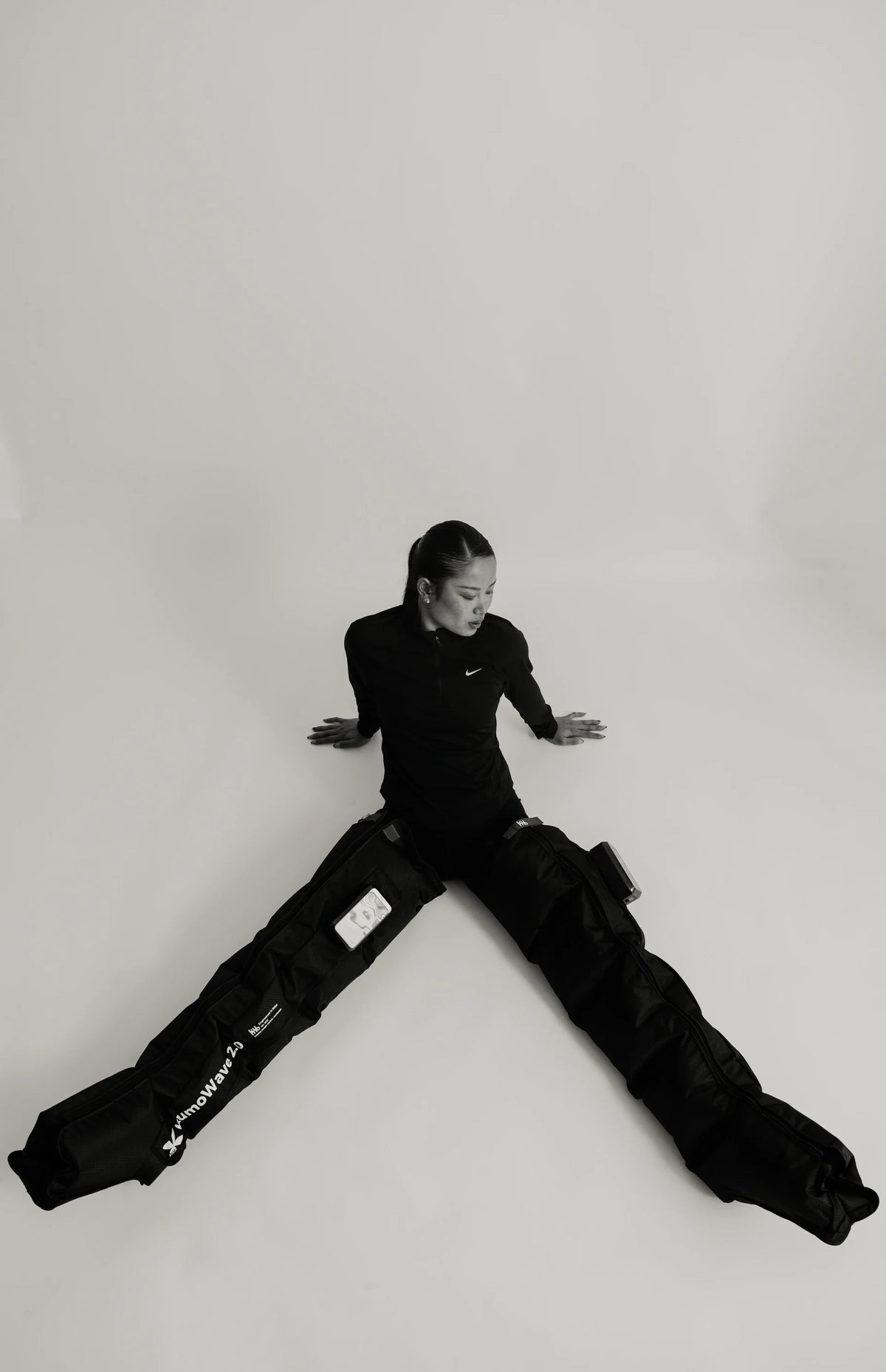
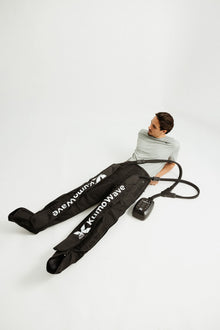
KumoWave pressotherapy boosts circulation and helps drain fluid with sequential compression, in 20-minute sessions at home.
- Boosts circulation and helps drain fluid
- Chamber-based compression, adjustable to you
- Sequential compression that mimics manual drainage
€799,00€999,00
−10% on your 1st order when you subscribe to the newsletter

What changes in circulation during menopause
Put simply, estrogen helps keep blood vessels more flexible and the endothelium healthy. When levels drop, vasodilation, blood pressure, and the vascular response to everyday effort can change. That is why, in some women, the sensation of tired, heavy legs becomes more noticeable at exactly this stage. (newsnetwork.mayoclinic.org)
The menopausal transition does not act alone, either. Heat, a sedentary routine, the lack of breaks when you spend many hours on your feet, weight gain, or existing varicose veins can all add up. A practical Mayo Clinic review points out that leg swelling can come from something relatively simple or from a more serious cause, so it is worth looking at the context before drawing conclusions.
Personalized protocol · included with your purchase
Want us to tell you how to use it in your case?
With your purchase, our experts prepare a personalized usage protocol for your case: sport, circulation, fluid retention, pregnancy or lipedema.
Message us on WhatsAppOur experts reply · no obligation
If you already recognize several of those factors, it may help to review the most common causes of heavy legs and their everyday solutions.
How to tell what is common from what you should not ignore
The key is the pattern. Mild heaviness that shows up at the end of the day usually fits better with fluid buildup, slow venous return, or long hours without moving. Sudden, painful swelling, or swelling in only one leg, calls for a different reading. The table below sums up the usual signs and the ones that need attention.
Common patterns and warning signs
| Situation | What it may suggest | What to do about it |
|---|---|---|
| Both legs heavy at the end of the day | This may fit with water retention, heat, a sedentary routine, or slow venous return. (medlineplus.gov) | Walk for a few minutes, elevate your legs, and review your daily habits. |
| One leg swollen, red, or painful | This may require ruling out deep vein thrombosis or another urgent cause. | Ask for a medical assessment the same day. |
| Heaviness with very visible veins or more swollen ankles | This may be linked to venous insufficiency or to many hours standing or sitting. (medlineplus.gov) | Add breaks and movement and, if appropriate, a professional assessment. |
What you can do day to day to support your legs
The basics stay very simple: move, unload, and do not let fluid sit still for hours. MedlinePlus and the NHS recommend walking, activating the calf muscles, elevating the legs, and avoiding long stretches without movement. They also point out that regular exercise improves blood flow and cardiovascular health.
on your first order when you join the newsletter
We send you the code instantly. No spam.
- Walk or move your ankles often, because muscle contraction helps push blood and fluid upward.
- Elevate your legs for a few minutes when you rest and, if you can, above heart level.
- Break up long stretches of sitting or standing with short pauses and changes of posture. (nhs.uk)
- Prioritize regular exercise, including walking and gentle strength work, because it supports blood flow and functional capacity. (nhs.uk)
- Watch whether heat, salt, or very tight clothing makes the swelling worse. (medlineplus.gov)
If you want a more concrete idea of how to fit compression into an end-of-day routine, you can read about pressotherapy and venous return and about a pressotherapy routine for heavy legs at the end of the day.
Pressotherapy as wellness support
Pressotherapy uses sequential or intermittent pneumatic compression to encourage fluid movement and support venous and lymphatic circulation. In a wellness context, it can help legs feel lighter after a long day, but it does not replace a medical assessment and should not be presented as the solution to a medical condition. The literature on compression also notes that the most common adverse events are irritation, discomfort, or pain when the pressure is not well adjusted.
If you want to understand the mechanism better, you can read here about what pressotherapy is and how it works. The right way to see it is as one more support within an overall routine that includes movement, breaks, rest, and tracking your symptoms.
For people who spend many hours on their feet, who travel often, or who feel the heaviness mostly at the end of the day, this sequential compression can fit in as a recovery break. Even so, if the pattern changes, if the edema progresses, or if pain appears, the starting point should not be the device but the clinical assessment.
When to see a professional, signs that call for medical assessment
Signs that call for medical assessment
Heavy legs in menopause deserve a faster review if the pattern changes, if it becomes intense, or if it comes with signs that do not fit simple fluid buildup. Mayo Clinic, the NHS, and the American Heart Association recommend not waiting when symptoms consistent with thrombosis, heart problems, or another relevant cause appear.
- Sudden swelling in only one leg, especially with pain or tenderness, because it may suggest deep vein thrombosis.
- Chest pain or shortness of breath, because it calls for urgent assessment.
- Persistent heaviness that keeps getting worse, skin changes, or edema that does not settle with the usual measures.
- Symmetrical increase in volume, with pain on touch and the feet relatively spared, because it may fit a picture consistent with lipedema. (sth.nhs.uk)
If that last pattern sounds familiar, it will help to read more in lipedema and menopause, why it can get worse and how to manage it.
Contraindications and precautions for pressotherapy
Before using pressotherapy, it is worth remembering that compression is not right for everyone. Guidelines and reviews on medical compression insist on assessing arterial status and the cardiac situation, and on considering the possible adverse effects if the pressure is not well adjusted.
- Do not use it if you have significant peripheral artery disease or suspected poor arterial circulation in the leg.
- Avoid it if you have decompensated heart failure.
- If pain, tingling, irritation, or uncomfortable pressure appears, stop the session and check the settings.
- If you suspect deep vein thrombosis, seek a medical assessment before using any compression.
Frequently asked questions
Can menopause cause heavy legs and water retention?
Yes, it can contribute to them feeling heavier, especially if there is already a tendency toward venous insufficiency, a sedentary routine, or many hours on your feet. During the menopausal transition, estrogens and vascular function change, and that can make edema more obvious. Even so, not every case of heavy legs is explained by menopause. If the swelling is sudden, one-sided, or painful, other causes should be ruled out.
How does falling estrogen affect circulation in the legs during menopause?
Falling estrogen is associated with changes in the function of the endothelium, the inner lining of blood vessels, and with less vascular flexibility. Put simply, blood and fluid can return less easily from the legs when the venous system is already slower because of age, heat, or immobility. That is why some women notice more heaviness, swollen ankles, or more visible veins. It is not a universal rule, but it is a fairly common pattern.
Which exercises help improve circulation in the legs during perimenopause?
The most useful ones are usually those that activate the calf and leg muscle pump without overloading the joints. Walking, heel raises, ankle flexion, swimming, or cycling are all very reasonable options. The NHS also recommends combining aerobic exercise with gentle strength work during menopause. Start slowly and keep it regular, because what matters is not a perfect session but adding movement every day.
What are the signs of circulation problems in the legs during menopause?
The most telling signs are swelling that gets worse at the end of the day, sock marks, varicose veins, a feeling of weight after long spells sitting or standing, and in some cases skin changes. What should not go unnoticed is swelling in only one leg, calf pain, redness, shortness of breath, or chest pain. Those symptoms need a prompt medical assessment.
What options exist to relieve the feeling of tired legs in menopause?
The approach depends on the cause. In many cases, regular movement, elevating the legs, managing heat, cutting back on salt, and frequent breaks if you work standing or sitting all help. If there is venous insufficiency, a professional can assess suitable compression. Pressotherapy can be a wellness support when there are no contraindications, but it does not replace a diagnosis when symptoms change or are intense. If you suspect another cause, the right move is to look into it instead of carrying on by guesswork.
What now?
If you want to keep addressing this sensation from a wellness angle, start at the Kumo Balance home page and continue with the guide on how to support venous return with pressotherapy. If your case looks more like a lipedema pattern, it can also help to read how it can get worse in menopause.
KumoWave pressotherapy
Choose your at-home pressotherapy
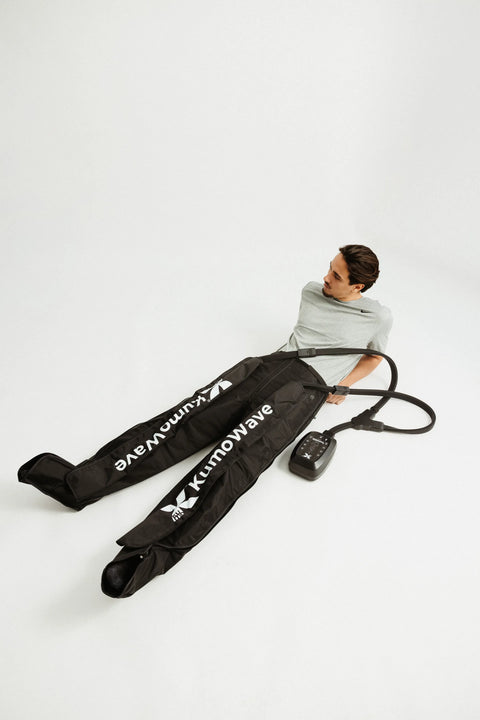
KumoWave Elite – Pressotherapy Pants
Full-coverage trousers. Ideal for lipedema, fluid retention and intensive use.
€799,00 €999,00
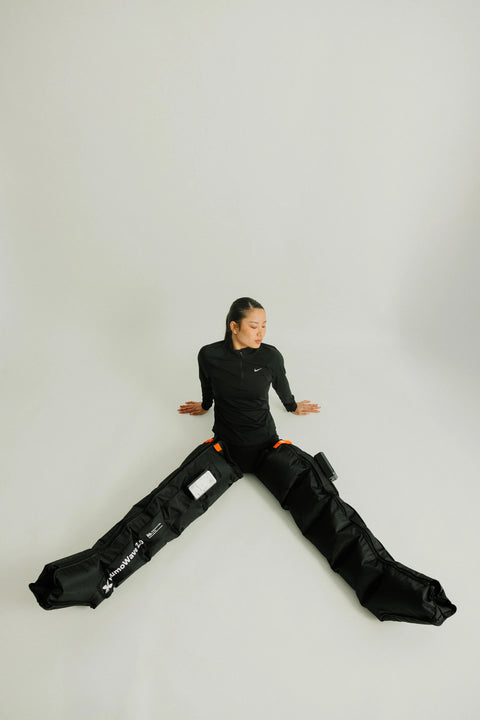
KumoWave 2.0 - Wireless Pressotherapy
Wireless, lightweight boots. Perfect for daily use and recovery.
€499,00 €599,00