
Menopause can intensify lipedema.
During the menopausal transition, estrogen and progesterone levels drop, which can translate into more pain, heaviness, swelling, and worse pressure tolerance; it usually doesn't mean that lipedema appears from scratch, but that it becomes more visible or harder to manage. (medlineplus.gov)
Pressotherapy at home
End the day with light legs
★★★★★ 4,8/5 · rated by verified customers
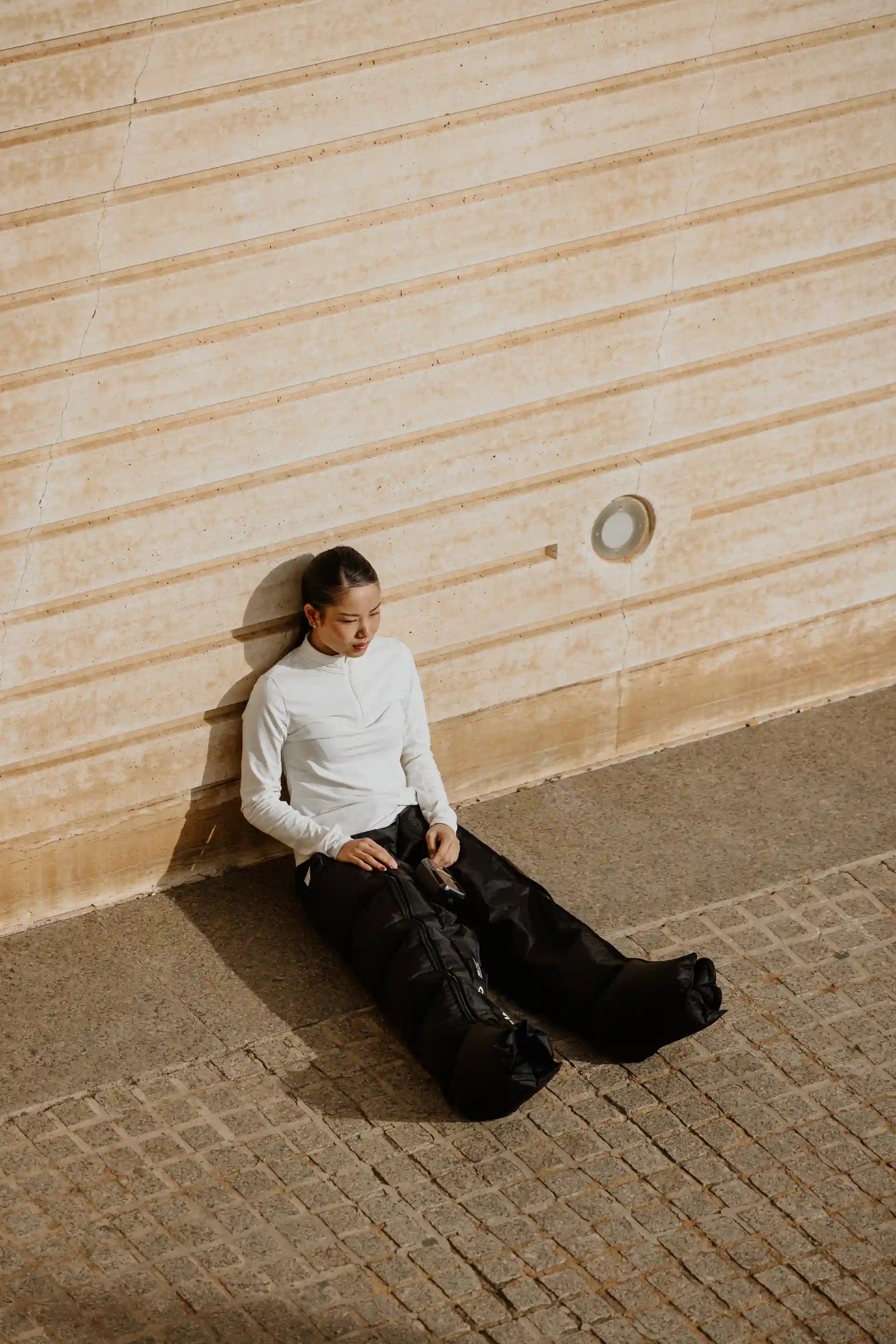
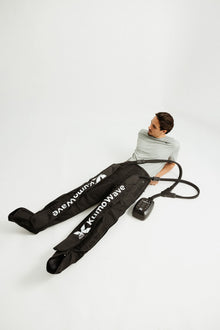
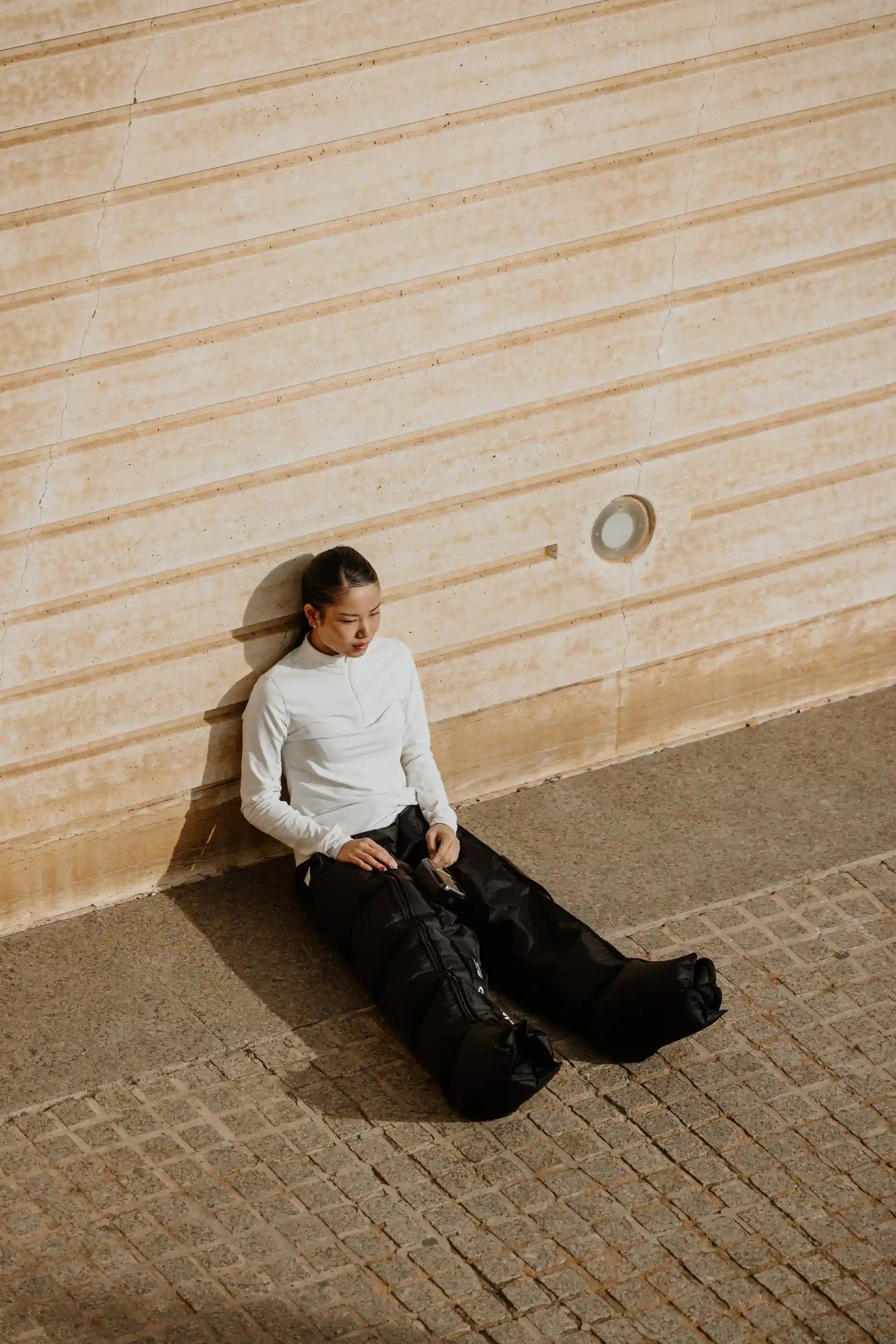
KumoWave pressotherapy boosts circulation and helps drain fluid with sequential compression, in 20-minute sessions at home.
- Boosts circulation and helps drain fluid
- Chamber-based compression, adjustable to you
- Sequential compression that mimics manual drainage
€799,00€999,00
−10% on your 1st order when you subscribe to the newsletter

The good news is that there is room for action. The most useful evidence still comes from reviews, consensuses, and observational studies, so the sensible approach is to combine realistic expectations with a practical plan to alleviate symptoms and follow the progression with discernment. (pubmed.ncbi.nlm.nih.gov)
Why lipedema can worsen with menopause
Hormonal changes that do matter
During the menopausal transition, the ovaries produce less estrogen and progesterone, and this hormonal drop explains many typical menopausal symptoms, from hot flashes to irregular sleep. In lipedema, it can also worsen the sensation of edema and the tissue's response to pressure. For a general physiological basis, MedlinePlus's Spanish fact sheet on menopause summarizes it clearly.
Personalized protocol · included with your purchase
Want us to tell you how to use it in your case?
With your purchase, our experts prepare a personalized usage protocol for your case: sport, circulation, fluid retention, pregnancy or lipedema.
Message us on WhatsAppOur experts reply · no obligation
A tissue sensitive to hormonal transition
A 2025 narrative review proposes that menopause acts as a biological turning point: the adipose tissue of lipedema would transition to an environment with poorer estrogen signaling, more inflammation, and less ability to mobilize fat. This is a useful hypothesis for understanding the phenomenon, but it is not yet definitive causal proof. You can review it in the 2025 narrative model on menopause and lipedema.
Additionally, other recent reviews remind us that lipedema often appears or worsens during times of hormonal change, such as puberty, pregnancy, or menopause, which reinforces the modulating role of hormones without making them the sole cause. (pubmed.ncbi.nlm.nih.gov)
Signs that hormonal changes are amplifying your symptoms
Not all women notice the same thing, but there is a recurring pattern: more pain, more heaviness, and more swelling sensation when perimenopause begins or during postmenopause. In a recent sample of 62 women, 35.5% reported more pain after menopause. This is not a universal percentage, but it is a clue that hormonal changes can be felt in clinical practice. (pmc.ncbi.nlm.nih.gov)
on your first order when you join the newsletter
We send you the code instantly. No spam.
How to distinguish a hormonal worsening from lipedema progression
| Sign | What it might suggest | What to do |
|---|---|---|
| More pain or tenderness to the touch | The tissue may be reacting worse to pressure and congestion. | Record it daily and observe if it improves with compression, rest, or elevation. |
| Swelling and heaviness at the end of the day | There may be worse drainage and more fluid retention in the hormonal context. | Notice if it worsens with heat, immobility, or long days spent standing. |
| Easy bruising | This is consistent with capillary fragility and more sensitive tissue. | Avoid aggressive massages and seek a clinical evaluation if it becomes frequent. (pmc.ncbi.nlm.nih.gov) |
| Disproportionate volume in legs or arms, with relatively spared feet and hands | Fits the typical lipedema pattern. (pmc.ncbi.nlm.nih.gov) | Seek a specific evaluation and do not attribute it solely to body weight. |
| Sudden or unilateral change | Not the classic pattern and requires ruling out other causes of edema. | Consult to evaluate for lymphedema, venous insufficiency, or other diagnoses. |
If you recognize yourself in this pattern, it's worth revisiting how to recognize lipedema early and comparing what changed right when you entered menopause.
And if your case mainly affects your lower limbs, it may also help to review the symptoms, stages, and ways to relieve lipedema in the legs to better organize your doubts.
What to do before the consultation
- For 2 to 3 weeks, note the pain, swelling, and bruising you experience.
- Take photos or measure perimeters always at the same time to see the actual pattern of evolution.
- Request a clinical evaluation to rule out lymphedema, venous insufficiency, or other causes of edema.
How to manage it without falling for false promises
The realistic goal is not to “erase” lipedema with a quick trick, but to reduce pain, heaviness, edema, and functional limitation. The 2021 US consensus describes conservative management based on case-oriented nutrition, manual therapy, compression, pneumatic compression pump, and home exercise; in selected cases, liposuction is also part of the approach. You can read the US consensus on lipedema management.
Compression, pressotherapy, and drainage
Well-fitting compression remains a central piece: it helps control the sensation of heaviness, edema, and pain, especially when used consistently. A recent review on lipedema treatment emphasizes that compression therapy can be useful even from early stages because lymphatic dysfunction also exists. To learn more, you can read the updated review on conservative therapy and compression.
If you already use compression garments or devices, it's worth reviewing how to choose compression stockings for lipedema correctly so that the help is truly useful and not a source of discomfort.
Adapted movement and low-impact exercise
Exercise does not "cure" lipedema, but it can improve function, mobility, and symptom control. The most recent systematic review on exercise in women with lipedema found that physical activity is promising, and the effects seem greater when combined with compression. This is why low-impact activities and gentle progression are often preferred. (pubmed.ncbi.nlm.nih.gov)
If you want a practical guide on what to do and what to avoid, you have a useful reference in exercise for lipedema: activities that do help.
Sustainable eating and habits
There is no single diet with proven efficacy for all women with lipedema. The most recent nutritional review concludes that, although ketogenic, low-carbohydrate, or modified Mediterranean diets have been explored, there is still no nutritional treatment or supplement with consistently proven efficacy. The sensible approach is to prioritize a sustainable, anti-inflammatory pattern compatible with your real energy. (pubmed.ncbi.nlm.nih.gov)
Consensus literature also reminds us that lipedema tissue is difficult to reduce with diet or exercise alone, so the goal should be to improve symptoms and function, not to pursue a miracle solution. (journals.sagepub.com)
Sleep, fatigue, and mental health
Menopause can worsen sleep, which increases fatigue, pain perception, and the sensation of inflammation. Additionally, living with a poorly understood disease is very draining; that's why psychological support is also part of the management. If you need it, complement your reading with coping with diagnosis from a mental health perspective.
What options are usually part of a realistic plan
| Option | What it is for | What to expect |
|---|---|---|
| Compression and pressotherapy | Help reduce the sensation of heaviness and edema when used regularly. | They are useful as a maintenance base, not as a sole solution. |
| Manual therapy and drainage | Can complement compression and promote symptom relief. | They work best within a comprehensive and well-individualized plan. |
| Adapted exercise | Improves mobility and function, especially when combined with compression. | It is advisable to prioritize low impact and consistency over intensity. |
| Personalized nutrition | Supports metabolic control and daily energy, although there is no single proven diet. | The key is sustainability, not extreme restrictions. |
| Tumescent liposuction | It is the option with the best evidence of sustained improvement in selected cases. | It should be evaluated by an expert team and only when the case is well characterized. |
In the 2026 systematic review, most studies were still observational or clinical series, with few randomized trials. This does not invalidate conservative management; it simply explains why there is still no single recipe for everyone.
Frequently asked questions
Why does lipedema worsen during menopause and what hormonal changes affect it?
During the menopausal transition, estrogen and progesterone levels drop, and these changes can increase swelling, disrupt sleep, and make pain feel more intense. In addition, a 2025 review proposes that lipedema responds to less favorable estrogen signaling at this stage, which would help explain the worsening. This is a plausible explanation, but not yet an absolute certainty.
Is lipedema related to hormonal changes in menopause and how do these effects manifest?
Yes, there is a relationship, but not in the form of a single cause. Studies describe that lipedema can appear or worsen during times of hormonal change such as puberty, pregnancy, and menopause. In a recent sample of 62 women, 35.5% reported more pain after menopause. Even so, not all women worsen equally or at the same rate.
What specific treatments exist for lipedema during menopause and what options are most effective?
The most useful options are usually compression, manual therapy, adapted exercise, and individualized nutrition. In selected cases, tumescent liposuction offers the best evidence of sustained improvement. The important thing is to understand that the goal is not a quick cure, but to reduce symptoms, improve mobility, and prevent the disease from diminishing your quality of life.
Does lipedema appear or worsen after menopause and what are the warning signs?
It can worsen after menopause, and some women first notice that something is wrong precisely at that stage. Warning signs include increased pain, heaviness, easy bruising, and disproportionate volume in the legs or arms. If the change is sudden, unilateral, or very different from your usual pattern, other causes of edema must be ruled out and a clinical evaluation sought.
How to manage lipedema in menopause with diet, exercise, and complementary therapies to reduce symptoms and progression?
The most sensible combination is usually compression, low-impact exercise, sufficient rest, and a sustainable diet, without pursuing extreme solutions. The most recent nutritional review notes that there is still no diet or supplement with consistently proven efficacy, although some approaches are promising. Complementary therapies, such as manual drainage or pressotherapy, can help, but do not replace the basic plan.
What now?
If you notice that your symptoms have intensified with menopause, do not minimize them or try to compensate with more effort alone. Start by reviewing the real options for lipedema treatment and return to the Kumo Balance home page to better orient yourself and decide the next step with more clarity.
KumoWave pressotherapy
Choose your at-home pressotherapy
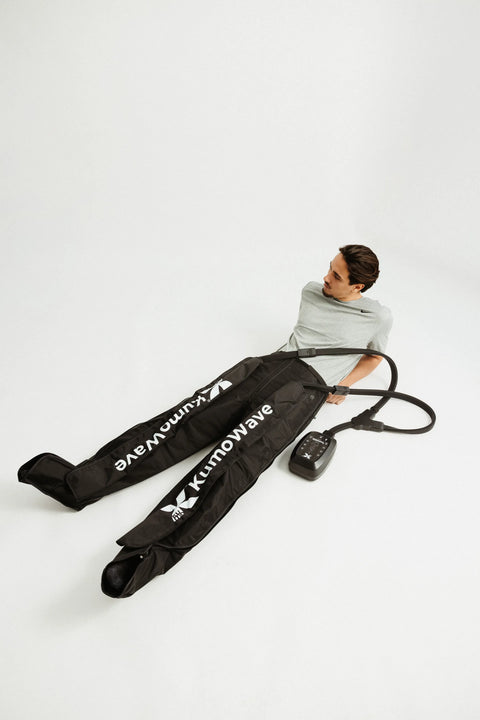
KumoWave Elite – Pressotherapy Pants
Full-coverage trousers. Ideal for lipedema, fluid retention and intensive use.
€799,00 €999,00
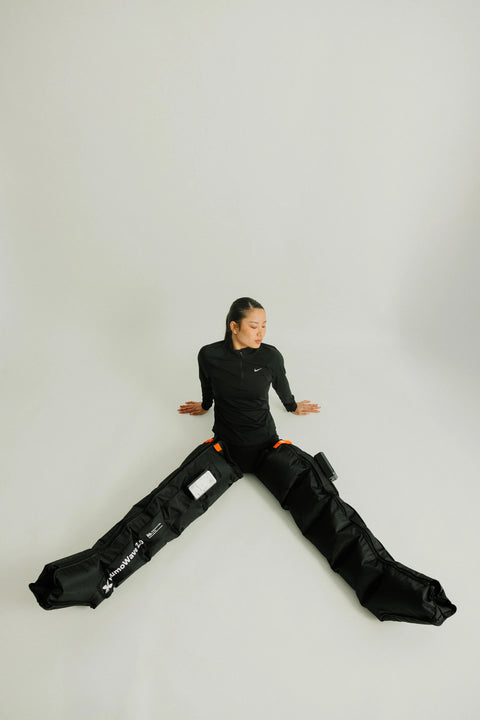
KumoWave 2.0 - Wireless Pressotherapy
Wireless, lightweight boots. Perfect for daily use and recovery.
€499,00 €599,00