


Lipedema can complicate pregnancy.
It doesn't always worsen, but pregnancy can intensify heaviness, pain, and swelling in some women. Additionally, normal pregnancy also causes fluid retention, especially in the legs, ankles, and feet, so the key is to distinguish what is expected from what warrants medical review. (nhs.uk)
Pressotherapy at home
End the day with light legs
★★★★★ 4,8/5 · rated by verified customers
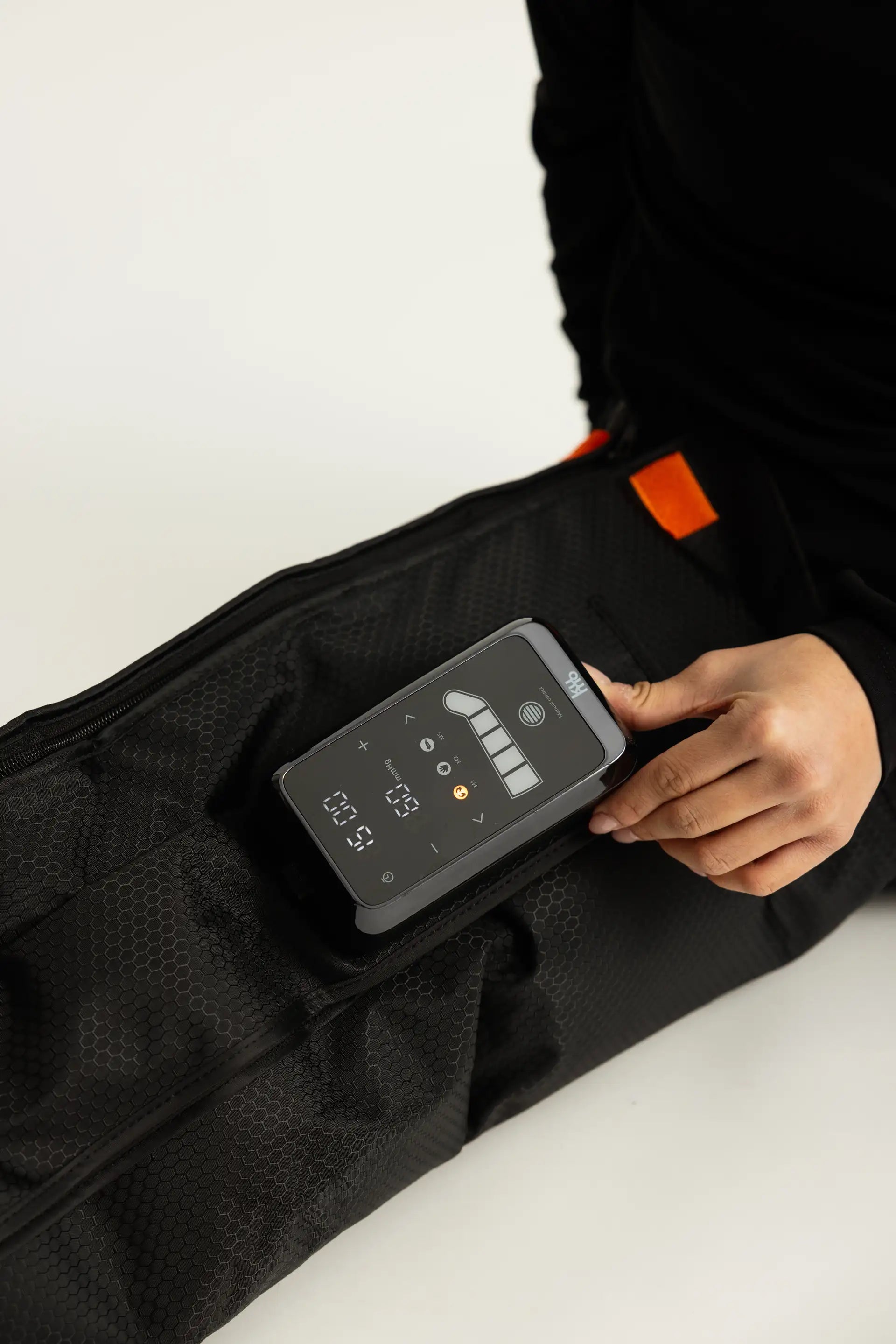
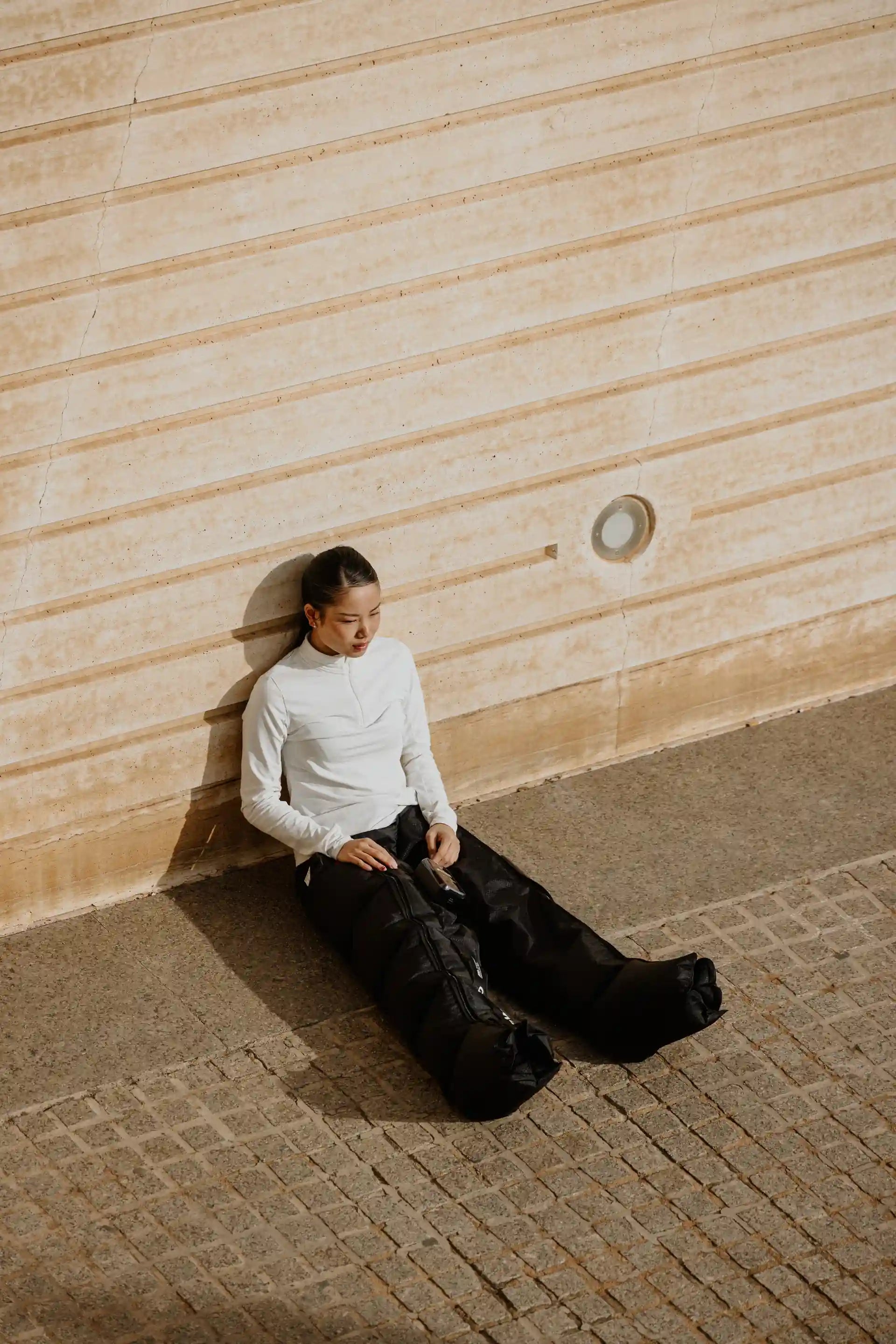
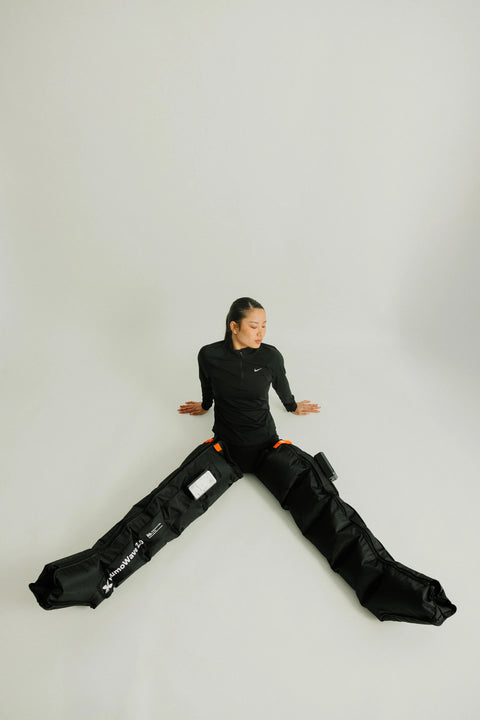
KumoWave pressotherapy boosts circulation and helps drain fluid with sequential compression, in 20-minute sessions at home.
- Boosts circulation and helps drain fluid
- Chamber-based compression, adjustable to you
- Sequential compression that mimics manual drainage
€799,00€999,00
−10% on your 1st order when you subscribe to the newsletter

What changes when lipedema coincides with pregnancy
The clinical consensus on lipedema and hormonal changes describes that this alteration usually becomes visible at times such as puberty, pregnancy, and menopause. Recent reviews also present it as a progressive condition, with still limited evidence and much variability among patients.
If you are still trying to confirm whether what you are experiencing fits with lipedema, reviewing the basic signs in what is lipedema and how to recognize it early may help you. It is also worth remembering that lipedema and obesity can coexist but are not the same, so weight gain alone does not explain all discomfort. (pubmed.ncbi.nlm.nih.gov)
Personalized protocol · included with your purchase
Want us to tell you how to use it in your case?
With your purchase, our experts prepare a personalized usage protocol for your case: sport, circulation, fluid retention, pregnancy or lipedema.
Message us on WhatsAppOur experts reply · no obligation
Specific care during pregnancy
1. Medical monitoring and correct interpretation of symptoms
During pregnancy, it is most prudent to agree on a follow-up plan with your obstetrician and, if you already have a diagnosis of lipedema, with a professional who understands the lymphatic or vascular component. The available literature is still based primarily on reviews, observational studies, and consensus, so the approach must be individualized.
An important point is not to normalize sudden changes. Swelling that appears gradually can be compatible with pregnancy, but a sudden increase, especially in the face, hands, or both feet, requires review because it can be a sign of preeclampsia or another complication.
2. Movement, rest, and daily habits that provide relief
Staying active usually helps more than staying still. The CDC recommends 150 minutes per week of moderate aerobic activity during pregnancy and postpartum for people without medical complications, and the NHS advises regular walking, avoiding standing for long periods, and doing ankle exercises to improve circulation.
on your first order when you join the newsletter
We send you the code instantly. No spam.
In practice, this can translate into short walks several times a day, breaks to elevate the legs, loose clothing, and a body-friendly routine. If you want a step-by-step guide for daily relief, tired legs in pregnancy: effective care and relief step-by-step may be helpful.
3. Compression, drainage, and other conservative measures
Compression is often one of the most useful tools for lipedema. The 2026 systematic review of lipedema treatments found an association between compression and reduced pain and swelling, and the American consensus includes compression, manual lymphatic drainage, and physical activity within conservative management. In pregnancy, the key is to adjust size, pressure, and duration with professional judgment.
The Cleveland Clinic's explanation of compression therapy indicates that low-compression garments can be an option during pregnancy, but that the choice should be personalized and higher pressures usually require medical indication. If you are considering tools like compression boots, also review pregnancy and pressotherapy boots: safe home use and medical recommendations before deciding with your healthcare team.
Regarding manual lymphatic drainage, a study in pregnant women observed less leg volume during the day, but evidence is still scarce, so it should not replace obstetric evaluation or be done without adequate supervision. If you are interested in this approach, you can learn more with lymphatic drainage in pregnancy: safety and care. (pmc.ncbi.nlm.nih.gov)
Practical table of signs and useful measures
| Situation | What usually helps | When to consult |
|---|---|---|
| Gradual swelling at the end of the day | Walking at intervals, elevating legs, and using compression if indicated by your professional. | Usually fits with gestational edema, but if it starts to increase rapidly, it should be mentioned. |
| Sudden swelling in face, hands, or feet | Assess blood pressure and other warning signs without delay. | Can be a sign of preeclampsia and requires immediate review. |
| One leg more swollen, hot, or painful | Do not massage intensely and seek medical evaluation. | May suggest deep vein thrombosis; pregnancy increases the risk of clots. (cdc.gov) |
| Heaviness, pain, and tightness without other warning signs | Review compression, rest, moderate activity, and daily habits. | If discomfort limits your routine or worsens rapidly, the plan should be adjusted. |
Common mistakes to avoid
- Do not assume all swelling is "normal" if it changes abruptly, is accompanied by unilateral pain, or appears in the face and hands.
- Starting to use strong compression without assessing size, pressure, and tolerance, because an ill-fitting garment can be uncomfortable or ineffective.
- Reducing movement for fear of fatigue. In uncomplicated pregnancy, moderate activity is usually beneficial and can help with circulation.
- Confusing lipedema with mere excess weight. The disorder can coexist with obesity, but requires a distinct clinical interpretation.
Frequently asked questions
Does lipedema worsen during pregnancy?
It can worsen in some women, but it doesn't happen the same in all cases. Clinical consensus on lipedema places it among the hormonal stages that can make it more visible, and a 2026 retrospective study with 62 participants found that 45.2% reported more pain after pregnancy. This does not mean it is inevitable; it means it deserves monitoring and a personalized plan.
What specific care should be taken for lipedema during pregnancy?
The most useful approach is usually to combine medical control, moderate movement, breaks to elevate the legs, and adapted compression if approved by your professional. It is also advisable to record when symptoms worsen, because swelling at the end of the day is not the same as sudden or unilateral inflammation. Conservative measures are the basis of management at this stage.
Does lipedema affect fertility, fetal development, or the ability to carry a pregnancy to term?
Available evidence does not strongly show that lipedema alone causes infertility or alters fetal development, but this conclusion should be read with caution because studies are still limited. What reviews do describe is a relationship with hormonal stages and with other hormone-sensitive gynecological conditions. In other words: there is no automatic alarm, but there is reason to individualize control. (pubmed.ncbi.nlm.nih.gov)
Is it advisable to continue decongestive and compression therapy during pregnancy for lipedema?
Often yes, but always with professional adaptation. Compression and manual lymphatic drainage are part of the conservative treatment of lipedema, and in pregnancy, the choice of pressure and format must be adjusted to each case. There are even studies in pregnant women that show relief of leg volume with drainage, although the evidence is still limited.
Can pregnancy trigger a worsening of lipedema due to hormonal changes?
Yes, it can in some women. Lipedema is considered a condition sensitive to hormonal changes, and recent reviews relate it to reproductive stages such as pregnancy, puberty, and menopause. Even so, the intensity of the change is highly variable: some people notice a great exacerbation and others perceive hardly any differences. Therefore, symptoms should be interpreted on a case-by-case basis.
What now?
If you are experiencing pregnancy with lipedema, prioritize a medical evaluation and a simple routine that helps you move better, rest more, and detect any warning signs early. To delve deeper, you can read the guide on the use of pressotherapy boots during pregnancy and return to the Kumo Balance home page to explore more recovery and wellness resources.
KumoWave pressotherapy
Choose your at-home pressotherapy
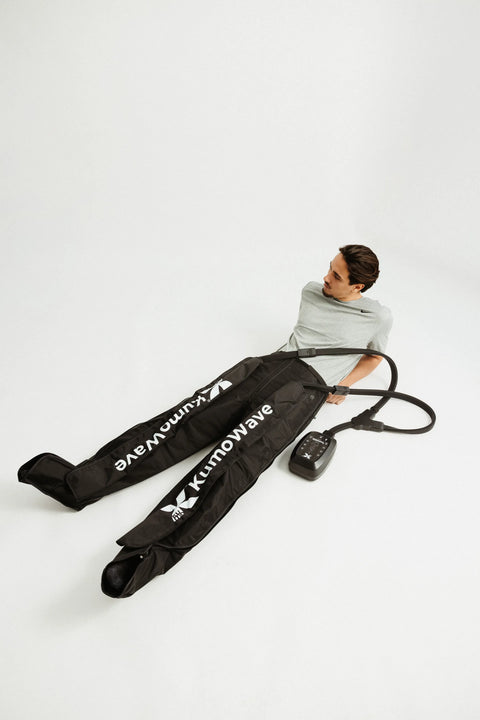
KumoWave Elite – Pressotherapy Pants
Full-coverage trousers. Ideal for lipedema, fluid retention and intensive use.
€799,00 €999,00
KumoWave 2.0 - Wireless Pressotherapy
Wireless, lightweight boots. Perfect for daily use and recovery.
€499,00 €599,00