
Pregnancy and pressotherapy boots: a combination that raises many questions.
If you're pregnant and already using compression boots at home—or are thinking about buying them—it's normal to wonder if they're safe for you and your baby. In this article, we'll review what's known today, how aesthetic compression differs from medical compression, and what criteria to follow to make a decision, always in consultation with your gynecologist.
Pressotherapy at home
End the day with light legs
★★★★★ 4,8/5 · rated by verified customers
KumoWave pressotherapy boosts circulation and helps drain fluid with sequential compression, in 20-minute sessions at home.
- Boosts circulation and helps drain fluid
- Chamber-based compression, adjustable to you
- Sequential compression that mimics manual drainage
€799,00€999,00
−10% on your 1st order when you subscribe to the newsletter

Can compression boots be used during pregnancy?
During pregnancy, your blood and fluid volume can increase by up to 50%, which can lead to swelling in the legs and ankles and the development of varicose veins. ( mayoclinic.org ) At the same time, pregnancy is a "hypercoagulable" state: there is a higher risk of deep vein thrombosis (DVT) and pulmonary embolism. ( hopkinsmedicine.org )
In hospitals, intermittent pneumatic compression (IPC) devices are used on the legs to prevent blood clots after surgery, including cesarean delivery, following strict medical protocols. ( publications.smfm.org ) However, this does not automatically mean that home compression boots are safe for any pregnant woman, or at any pressure or duration.
Personalized protocol · included with your purchase
Want us to tell you how to use it in your case?
With your purchase, our experts prepare a personalized usage protocol for your case: sport, circulation, fluid retention, pregnancy or lipedema.
Message us on WhatsAppOur experts reply · no obligation
Many beauty guides and manufacturers of pressotherapy equipment list pregnancy as a relative or absolute contraindication , especially if the massage includes the abdomen, pelvis, or high pressures, always recommending consulting a doctor beforehand. ( wikbeauty.com )
Practical conclusion: there is no one-size-fits-all answer. In a healthy pregnancy, some women may benefit from gentle, localized compression on the legs, but the decision should be made on a case-by-case basis with your gynecologist or obstetrician . If there are any risk factors (hypertension, preeclampsia, history of blood clots, complicated varicose veins, bleeding, placenta previa, etc.), it is prudent to avoid compression therapy at home unless specifically advised.
Potential benefits and limitations of pressotherapy during pregnancy
Circulatory changes and heavy legs
Up to 40% of pregnant women develop some degree of varicose veins, especially in the third trimester, due to increased blood volume, hormonal changes, and compression of the pelvic veins by the uterus. ( parents.com ) Fluid retention and swelling of the ankles and feet are also very common and, in most cases, benign.
on your first order when you join the newsletter
We send you the code instantly. No spam.
Leading centers such as Mayo Clinic and UT Southwestern recommend conservative measures to alleviate these discomforts, such as:
- Avoid standing or sitting for long periods without moving.
- Elevate your legs several times a day.
- Sleeping on your left side can relieve pressure on the inferior vena cava.
- Wear graduated compression stockings or socks if your healthcare professional recommends it.
These strategies help improve venous return without the need for advanced devices and are the first line of treatment. ( mayoclinic.org )
What can compression therapy boots offer (to the general population)
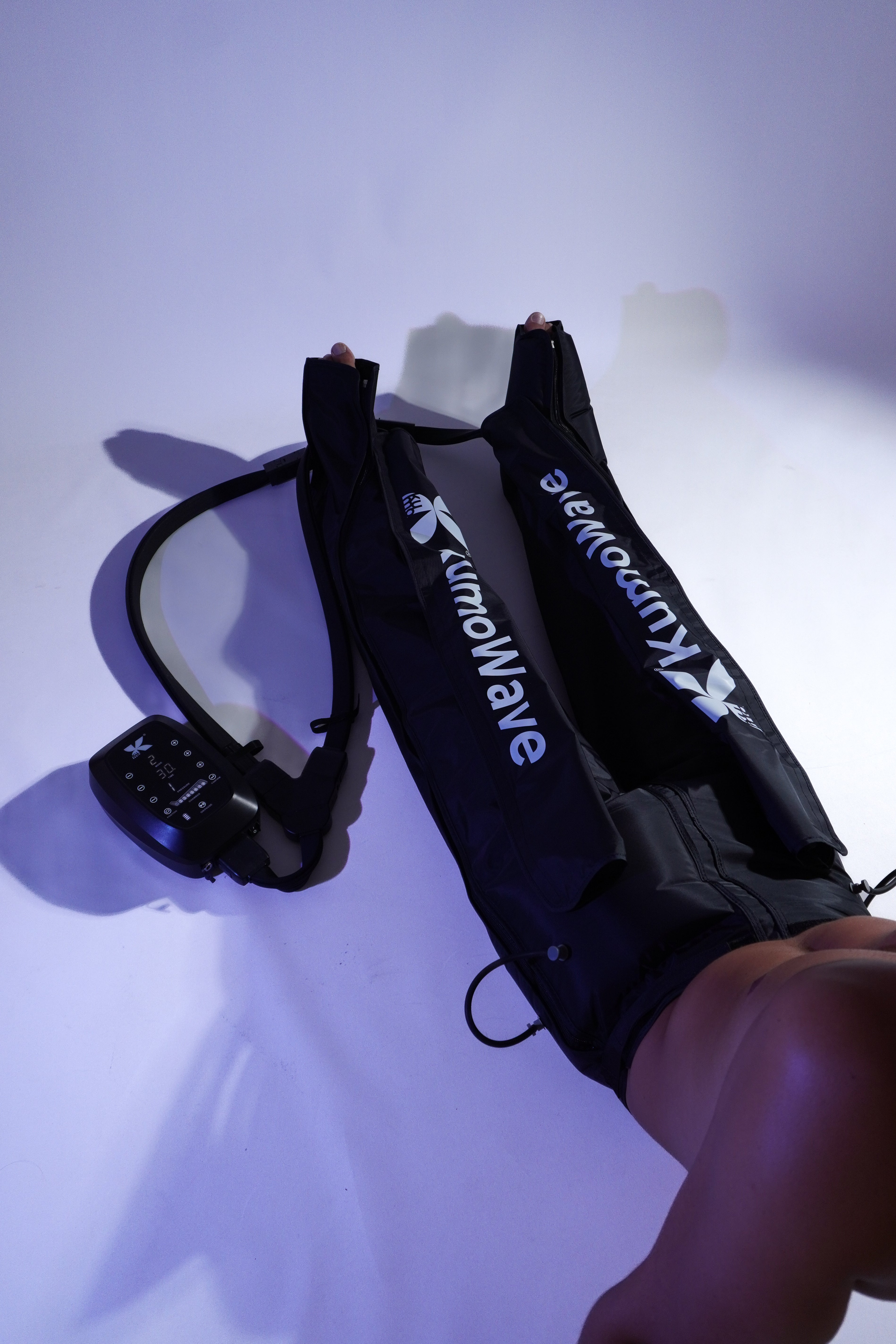
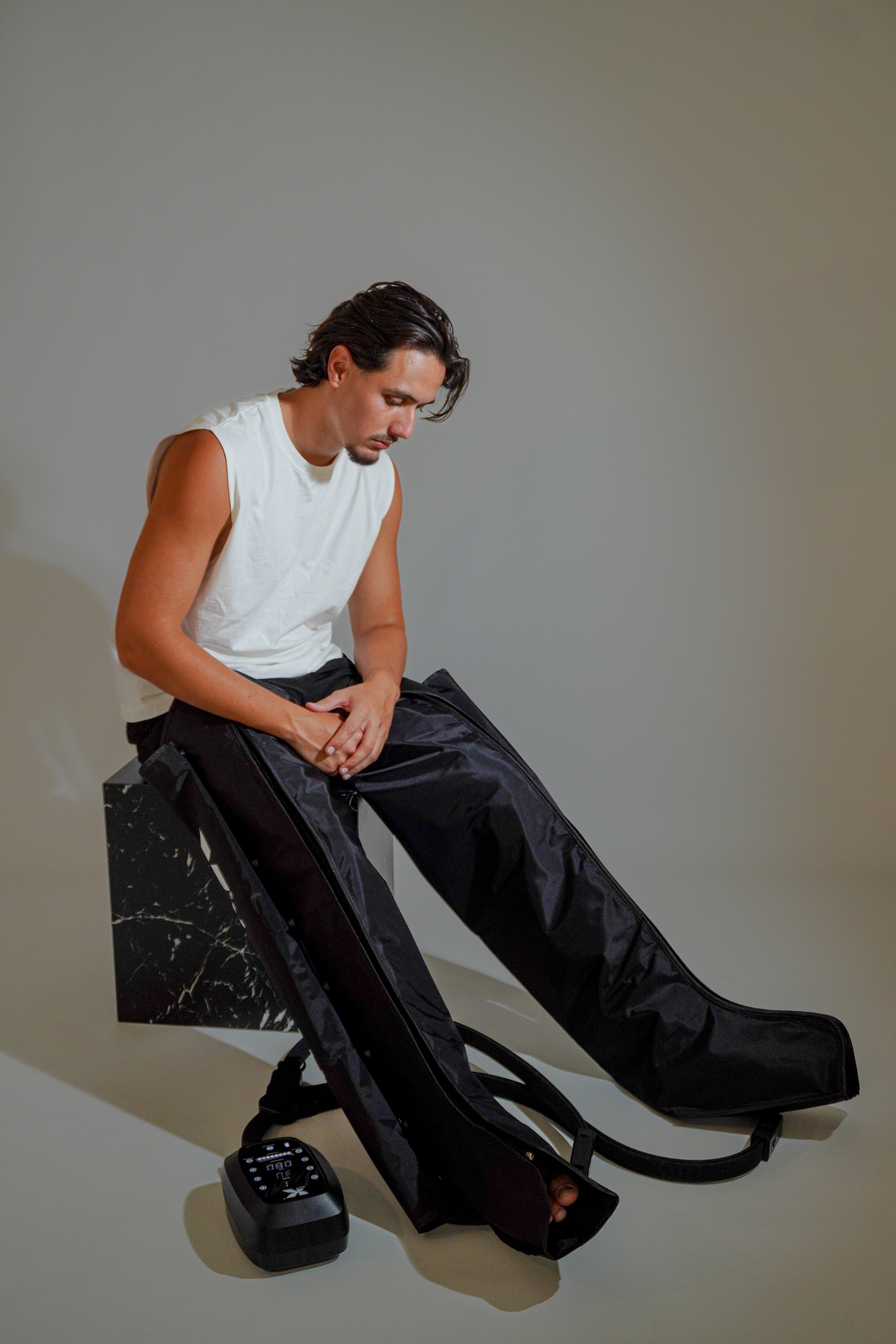
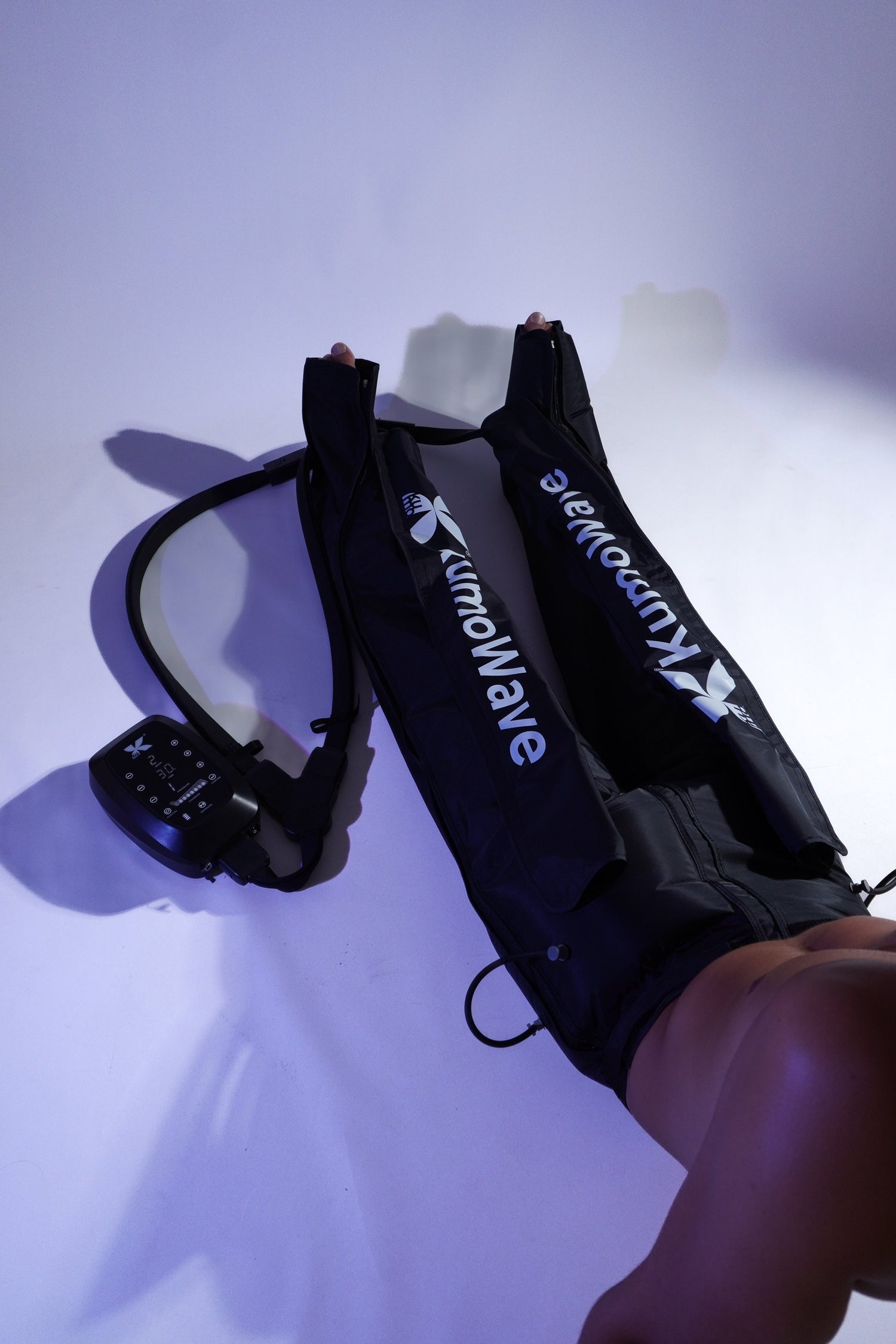
Home compression boots are devices that encircle the legs with air chambers that inflate and deflate sequentially, from the foot to the thigh. This rhythmic compression is designed to:
- Promote venous return.
- Boost lymphatic drainage.
- Reduce the feeling of heaviness and muscle fatigue.
In non-pregnant individuals, intermittent pneumatic compression has been shown to improve venous flow and reduce the incidence of thrombosis in certain post-surgical contexts. ( jamanetwork.com ) Furthermore, in the field of performance and muscle recovery, brands like KUMO Balance have popularized the use of these technologies to relieve tired legs and optimize recovery after exercise. ( kumobalance.com )
However, specific studies on aesthetic compression boots in pregnant women are very scarce or nonexistent . Therefore, any potential benefits must be carefully weighed against the theoretical risks.
Key risks and contraindications
Potential risks of using pneumatic compression during pregnancy include:
- Undiagnosed DVT: Pregnancy increases the risk of blood clots; intense or poorly adjusted compression could, in theory, dislodge an existing clot. ( hopkinsmedicine.org )
- Excessive pressure: High pressures can cause pain, tingling, worsening of varicose veins, or skin lesions.
- Pre-existing conditions: In cases of heart failure, active DVT, skin infections, open wounds, or peripheral arterial disease, pneumatic compression is usually contraindicated. ( wikibeauty.com )
- Obstetric complications: In cases such as preeclampsia, severe hypertension, vaginal bleeding, placenta previa, or fetal growth restriction, non-essential treatments are generally avoided without specific medical approval. ( snuggymom.com )
Therefore, the golden rule is clear: if you are pregnant, do not use compression boots without a prior assessment by your healthcare professional .
How to decide: checklist for talking to your gynecologist
Before turning on your compression boots during pregnancy, it may help to follow this short outline and discuss it during your consultation:
- 1. Your medical history: Have you had blood clots, complicated varicose veins, hypertension, heart problems, diabetes, clotting disorders, or other vascular diseases?
- 2. Current pregnancy status: Is the pregnancy progressing normally or are there any risk factors (preeclampsia, threat of premature labor, bleeding, prolonged bed rest, etc.)?
- 3. Features of your device: What are the maximum pressures it reaches? Does it only treat legs or also hips and lower back? Does it have gentle programs?
- 4. Real goal: Are you looking to relieve heaviness, recover after light workouts, or intense fluid drainage? The more “aggressive” the goal, the more caution you should exercise.
- 5. Agreed plan: duration, frequency, maximum pressures, warning signs and when to stop.
Bringing this information in writing—and even photos of your compression boots—helps your gynecologist to assess more accurately.
Guide table: common situations and general recommendation
| Situation | General recommendation (does not replace medical advice) | Who to consult |
|---|---|---|
| Uncomplicated pregnancy, mild leg discomfort | Prioritize conservative measures (gentle exercise, leg elevation, compression stockings if indicated). Consider pressotherapy only with medical authorization, at low pressure, and only on the legs. | Gynecologist / Midwife |
| Marked varicose veins, significant edema but no prior diagnosis | Do not start compression therapy on your own. First, assess the cause of the edema and the condition of your venous system. Lifestyle changes and compression garments will likely be recommended. | Gynecologist + vascular doctor if necessary |
| History of DVT, thrombophilia, preeclampsia, or other serious complications | Avoid using compression boots at home unless very specifically indicated. Prevention is usually pharmacological and/or involves medically supervised compression. | High-risk gynecologist / hematology |
| Immediate postpartum period (first 6 weeks) | High risk of blood clots. Prioritize early ambulation, compression stockings/intramural compression as prescribed by the hospital. Home compression therapy only if approved and prescribed by your healthcare team. | Obstetric team / midwife |
| Postpartum period settled, without complications, desire to improve leg recovery | Wellness pressotherapy (legs) can be considered if there are no vascular contraindications and your doctor deems it appropriate. Adjust parameters gradually. | Gynecologist / Family Doctor |
Responsible use of compression boots at home (if your doctor allows it)
Before the session
If, after assessing your case, your professional authorizes limited use of pressotherapy during pregnancy or postpartum, keep in mind these general guidelines inspired by KUMO's home use guides: ( kumobalance.com )
- Hydrate well and empty your bladder before starting.
- Check that the skin on your legs has no wounds, intense redness, or hot or very painful areas.
- Use thin garments (technical socks) to improve hygiene inside the boot.
- Position yourself in a semi-reclined position, with your legs slightly raised.
- Never place compression chambers on the abdomen or pelvis during pregnancy.
Pressure, duration, and frequency settings
In the general population, many home pressotherapy guidelines recommend sessions of 20–30 minutes, 3–5 times per week, with moderate pressure, increasing only if the sensation is comfortable. ( kumobalance.com ) In pregnant women, even with medical authorization, it is prudent to be more conservative:
- Start with shorter times (10–15 minutes) and low pressures.
- Use gentle sequential programs focused only on the legs.
- Do not perform multiple sessions in a row on the same day without express instruction.
- Stop if discomfort, persistent tingling, pain, or a feeling of excessive pressure occurs.
Remember that the goal is to improve comfort, not to push the lymphatic system to its limits. More intensity doesn't always mean more benefit.
Warning signs: when to stop and seek medical advice
Stop the session and consult your professional or emergency services immediately if you notice:
- Intense pain, especially in one leg.
- Sudden and asymmetrical swelling.
- Redness, localized heat or hardening of a vein.
- Shortness of breath, chest pain, dizziness, or palpitations.
- Vaginal bleeding, regular painful contractions, or decreased fetal movement.
These signs may suggest complications such as DVT, pulmonary embolism, or other obstetric problems that require urgent evaluation. ( hopkinsmedicine.org )
Safe alternatives to relieve leg pain during pregnancy
If your healthcare professional prefers that you do not use compression boots at the moment, there are other tools with better specific support during pregnancy:
- Graduated compression stockings or socks: These are usually recommended in mild ranges (15–20 mmHg) to relieve edema and leg pain, always adjusting the size and compression under medical supervision. ( healthline.com )
- Moderate exercise: walking, joint mobility and short active breaks if you work sitting or standing for long periods.
- Postural hygiene: elevate legs at the end of the day, sleep on your left side, avoid tight clothing on thighs and calves. ( mayoclinic.org )
- Gentle hydrotherapy: walking in a shallow pool can help to compress the leg tissues evenly.
Once pregnancy and postpartum are stable, and provided your vascular health is in order, you can consider integrating home recovery technologies such as:
- KUMO compression boots for legs, designed for well-being, muscle recovery and relief from heaviness after exercise or long days on your feet.
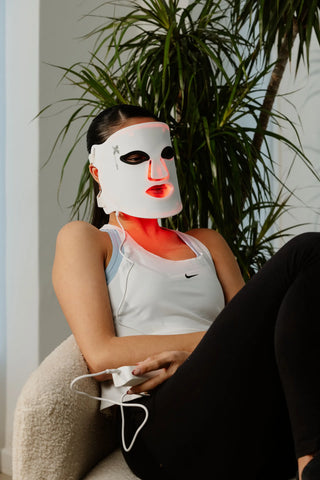
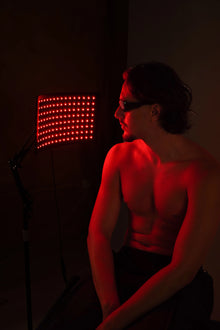
- Red and LED light therapy devices for skin care and relaxation, which can complement your sleep routines once your doctor deems it appropriate.
- Gentle myofascial work with specific tools, such as the KUMOPULSE Air massage gun , especially useful for releasing tension in the back, buttocks or shoulders outside of areas with vascular problems.
In all cases, these KUMO technologies are intended to support daily well-being and recovery, never as a substitute for medical assessment or treatment.
Frequently asked questions about compression boots and pregnancy
Is it safe to use compression boots during the first trimester of pregnancy?
During the first trimester, the baby's organs are developing, and many women have not yet had a complete assessment of risk factors (thrombophilias, history of DVT, hypertension, etc.). Since evidence on aesthetic pressotherapy at this stage is very limited, and pregnancy itself increases the risk of blood clots, the usual recommendation is to be very cautious and not start using pressotherapy boots without first speaking to your gynecologist. In most cases, measures such as walking daily, staying hydrated, and avoiding a sedentary lifestyle will be sufficient to relieve mild discomfort.
Can I have lymphatic drainage with pressotherapy if I have a lot of fluid retention while pregnant?
Fluid retention and the sensation of "padded" legs are very common, especially from the second and third trimesters onward. Although manual lymphatic drainage and gentle compression can help relieve symptoms, many manufacturers of compression therapy equipment advise against its automatic use during pregnancy or require a prior medical evaluation. ( wikbeauty.com ) Before resorting to machines, it's advisable to exhaust other options with better support during pregnancy: graduated compression stockings, leg elevations, moderate exercise, and a review of diet and hydration.
From what month could I consider leg pressotherapy while pregnant?
There is no universally recognized "safe month." The risk of thrombosis increases as pregnancy progresses and is especially high in the immediate postpartum period. ( publications.smfm.org ) Therefore, more important than the week of gestation is your individual risk profile: history of blood clots, significant varicose veins, prolonged immobility, being overweight, hypertension, etc. If your pregnancy is considered low-risk and you have already tried conservative measures, your gynecologist can assess whether it makes sense to add very gentle compression therapy to your legs, with clearly limited durations and pressures, and always monitoring your sensations.
Can compression boots be used postpartum and during breastfeeding?
The risk of blood clots remains elevated for approximately the first six weeks postpartum, especially if there was a cesarean section, complications, or immobility. ( publications.smfm.org ) During this period, prevention relies primarily on early mobilization, hydration, medical compression, and, if necessary, anticoagulant medications prescribed by the obstetric team. Compression boots may be considered later, once your doctor confirms that your blood clotting and venous system are stable. Breastfeeding itself is not usually a problem, but it should always be considered within a comprehensive view of your overall health.
What is the difference between compression stockings and compression boots during pregnancy?
Compression stockings or socks apply static, graduated pressure along the leg and have considerable evidence and specific recommendations for relieving edema and reducing the risk of varicose veins and deep vein thrombosis (DVT) in selected pregnant women. ( healthline.com ) Compression boots , on the other hand, exert dynamic, sequential compression using air chambers, designed for muscle recovery and intensive drainage. Although they share physical principles, their use during pregnancy is less studied and usually requires more caution and supervision. Therefore, in most cases, treatment begins with compression garments and lifestyle changes before considering pneumatic devices.
So what now?
If you're pregnant and interested in incorporating pressotherapy into your routine, the next step is to discuss your concerns—and the information from your team—with your gynecologist to make a safe and informed decision together. If you'd like to learn more about KUMO's approach to at-home recovery, you can explore their pressotherapy collection , their range of LED and red light therapy devices, or tools like the KUMOPULSE Air massage gun . And if you need guidance on which wellness technology best suits your current stage of life, you can contact the team through the contact form at kumobalance.com . Remember: your health and your baby's health always come first.
KumoWave pressotherapy
Choose your at-home pressotherapy
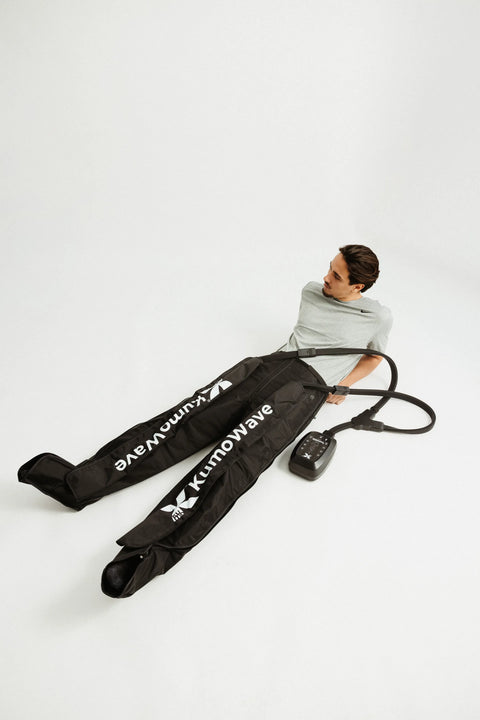
KumoWave Elite – Pressotherapy Pants
Full-coverage trousers. Ideal for lipedema, fluid retention and intensive use.
€799,00 €999,00
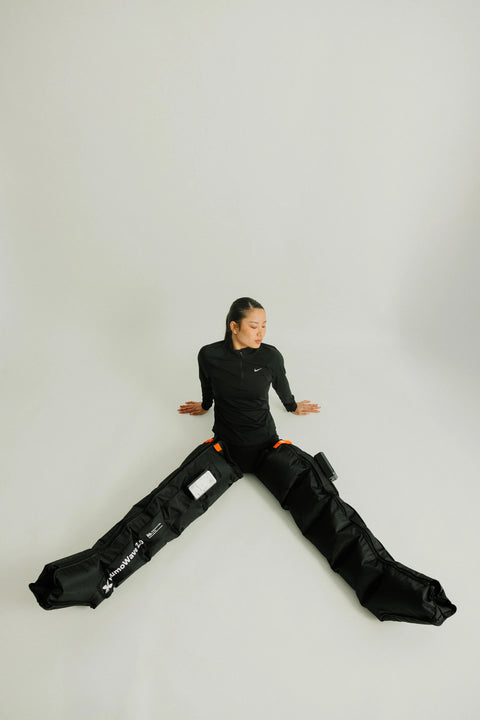
KumoWave 2.0 - Wireless Pressotherapy
Wireless, lightweight boots. Perfect for daily use and recovery.
€499,00 €599,00