
Tired legs during pregnancy: you are not alone.
The feeling of heaviness, swelling, and fatigue in the legs is one of the most common symptoms of pregnancy, especially from the second trimester onward. In this article, you'll find clear explanations of why this happens, how to take care of yourself daily, and what strategies—from simple habits to recovery technologies—can help you safely relieve tired legs during pregnancy.
Pressotherapy at home
End the day with light legs
★★★★★ 4,8/5 · rated by verified customers
KumoWave pressotherapy boosts circulation and helps drain fluid with sequential compression, in 20-minute sessions at home.
- Boosts circulation and helps drain fluid
- Chamber-based compression, adjustable to you
- Sequential compression that mimics manual drainage
€799,00€999,00
−10% on your 1st order when you subscribe to the newsletter

Why do tired legs appear during pregnancy?
Pregnancy completely transforms your circulatory system. Blood volume increases, hormones change, and the uterus presses on the veins in your pelvis. All of this contributes to fluid retention and the appearance of swelling, tired legs, and, in many women, varicose veins or a feeling of "heavy legs." ( mayoclinic.org )
Circulatory and hormonal changes
Several key changes occur during pregnancy:
Personalized protocol · included with your purchase
Want us to tell you how to use it in your case?
With your purchase, our experts prepare a personalized usage protocol for your case: sport, circulation, fluid retention, pregnancy or lipedema.
Message us on WhatsAppOur experts reply · no obligation
- Increased blood volume: Blood volume can increase by up to 30–50%, which overloads the veins in the legs. ( healthpartners.com )
- Progesterone and other hormones: relax the walls of the blood vessels and the venous valves, causing the blood to stagnate.
- Pressure from the uterus: The growing uterus compresses the inferior vena cava and other pelvic veins, making it difficult for blood to return from the legs to the heart. ( mayoclinic.org )
- Water retention: the body “stores” more fluids, which tend to accumulate in the ankles, feet and calves, especially at the end of the day. ( nhs.uk )
The result is that combination of heaviness, swelling, and tired legs so characteristic of pregnancy.
Factors that increase the risk of tired legs and varicose veins
Not all women experience their legs the same way during pregnancy. Some factors increase the risk of developing dilated veins, pain, or swelling:
- Family history of varicose veins or venous insufficiency.
- Multiple pregnancies or having had several births.
- More than 35 years.
- Overweight or obesity.
- Standing or sitting for many hours without moving.
- Excessive salt in the diet and little movement.
Various studies estimate that between 15% and almost 40% of pregnant women develop visible varicose veins, especially in the second and third trimesters. ( journals.lww.com ) This venous disorder is associated with a poorer quality of life, more pain and a feeling of heaviness in the legs.
on your first order when you join the newsletter
We send you the code instantly. No spam.
Common symptoms and warning signs in the legs
Frequent and generally benign discomforts
Most pregnant women experience mild or moderate symptoms that, although bothersome, are usually normal:
- Swelling (edema) of the ankles, feet and sometimes calves, worse at the end of the day or in hot weather. ( nhs.uk )
- Feeling of tired or heavy legs, as if they "don't pull".
- Nighttime cramps in calves or feet.
- Tingling or numbness after sitting or standing for a long time.
- Prominent veins or varicose veins that can cause tightness or dull discomfort. ( nhs.uk )
If these symptoms are symmetrical and progressive, they usually improve after childbirth. However, it's advisable to monitor them because they can affect rest, energy levels, and daily mobility.
When to consult a healthcare professional immediately
Some signs require medical evaluation as soon as possible, as they could indicate complications such as deep vein thrombosis or preeclampsia:
- Sudden and significant swelling, especially if it only affects one leg.
- Intense, localized pain in the leg, with redness or warmth. ( nhs.uk )
- Very hard, hot, or extremely painful veins.
- Shortness of breath, chest pain, or coughing up blood (life-threatening emergency). ( nhs.uk )
- Sudden swelling associated with severe headache, visual disturbances, or general malaise (possible preeclampsia). ( nhs.uk )
If you experience any of these symptoms, go to the emergency room or consult your gynecologist or midwife. The information in this article is general and does not replace a personalized medical evaluation.
Daily habits to care for your tired legs during pregnancy
The first step to relieving heavy legs is to adjust your daily routine. Small changes add up to a lot over the months of pregnancy.
Safe movement: physical activity adapted to pregnancy
Current World Health Organization guidelines recommend that pregnant women without contraindications perform at least 150 minutes of moderate-intensity aerobic activity per week , spread throughout the week. ( who-dev5.prgsdev.com ) This activity may include:
- Walk at a comfortable pace for 20–30 minutes several days a week.
- Gentle swimming or aquagym for pregnant women.
- Prenatal yoga or adapted pilates.
- Stationary bike with low resistance, if your professional approves it.
Moderate exercise improves circulation, helps control weight gain, and reduces the risk of gestational hypertension and diabetes, as well as relieving the feeling of heavy legs. ( ncbi.nlm.nih.gov ) You should always discuss your exercise plans with your gynecologist, especially if you have multiple pregnancies, a history of premature birth, or any complications.
Smart postures to promote venous return
How you sit, walk, or sleep directly influences how your legs feel:
- Avoid standing or sitting still for long periods . Get up, walk around, or do ankle exercises every 45–60 minutes.
- Don't cross your legs when you sit; it hinders blood flow.
- Elevate your legs whenever possible (on a stool, cushion or wall).
- Sleep preferably on your left side to reduce pressure from the uterus on the inferior vena cava. ( mayoclinic.org )
- If heat worsens swelling, avoid prolonged exposure to the sun or direct heat sources on your legs.
Nutrition, hydration, and salt control
Nutrition also influences fluid retention and vascular health:
- Drink water regularly (unless otherwise advised by your healthcare team). The usual target during pregnancy is around 2–2.3 liters per day. ( mayoclinic.org )
- Moderate your salt intake and avoid ultra-processed foods high in sodium, which promote bloating.
- Increase your intake of fruits and vegetables rich in potassium (banana, kiwi, avocado, leafy green vegetables) and fiber, which help regulate fluids and intestinal transit.
- Keep your weight gain within the ranges recommended by your healthcare professional, as excess weight worsens leg discomfort. ( my.clevelandclinic.org )
Techniques and tools to relieve tired legs
In addition to daily habits, there are specific strategies to relieve the feeling of tired legs and improve your well-being during pregnancy. Some are purely home remedies, while others incorporate recovery technologies such as pressotherapy or massage and light devices.
Home care: gentle cold, light massage, and medical compression
Simple measures you can apply at home (always validate them first with your health professional):
- Gentle contrast baths: alternating warm and slightly cool water on feet and calves can relieve the feeling of heaviness (avoid very hot water).
- Very light massages from the foot to the thigh with neutral oil, without pressing on very prominent veins or painful areas.
- Medical compression stockings or socks: frequently recommended in guidelines such as those from the NHS to improve symptoms of varicose veins and edema in pregnancy. ( nhs.uk ) They should be the correct size and pressure, ideally prescribed.
- Ankle and foot exercises: Flexing, extending and making circles with the feet several times a day activates the calf muscle pump. ( nhs.uk )
Pressotherapy and circulation activation: when it can help
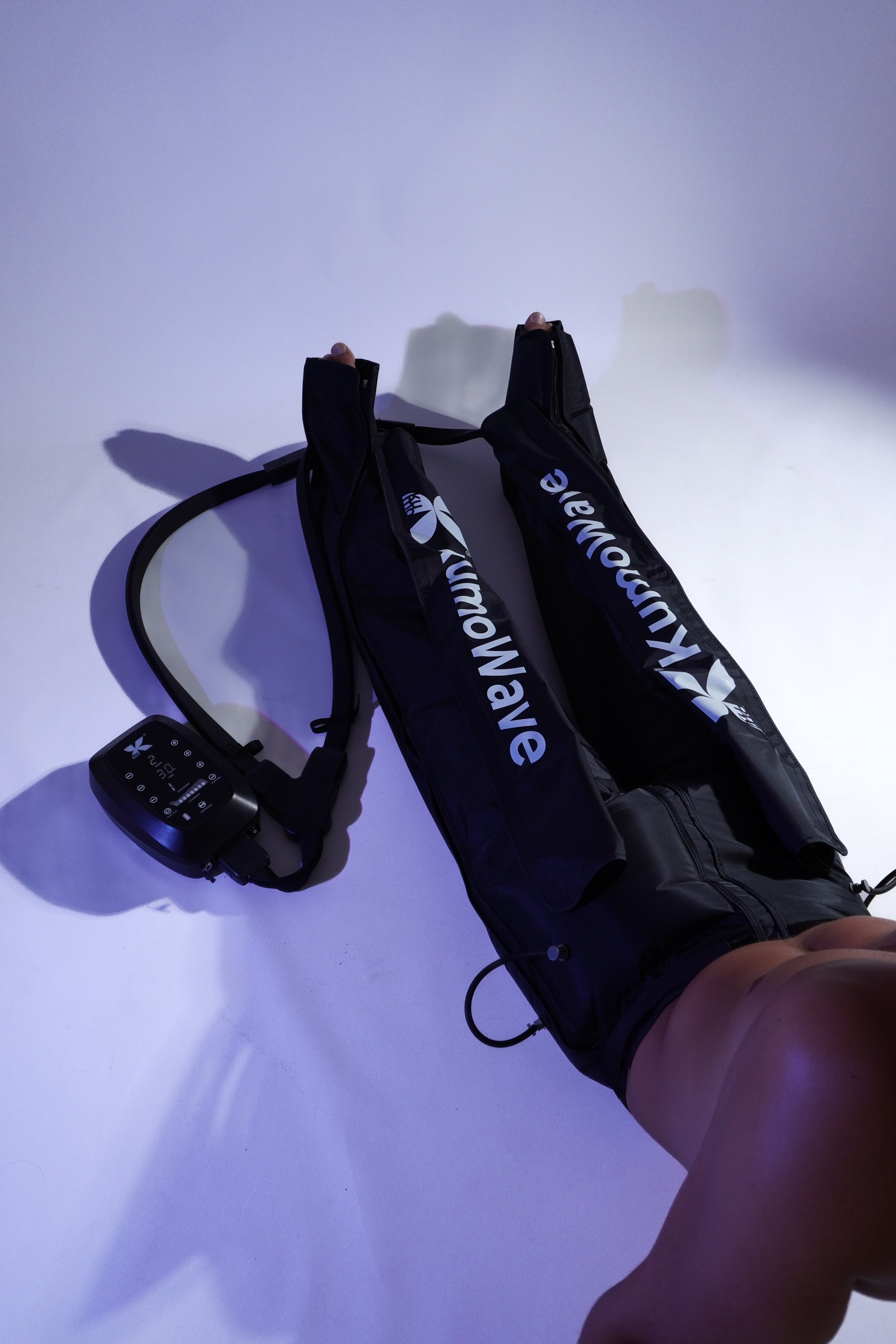
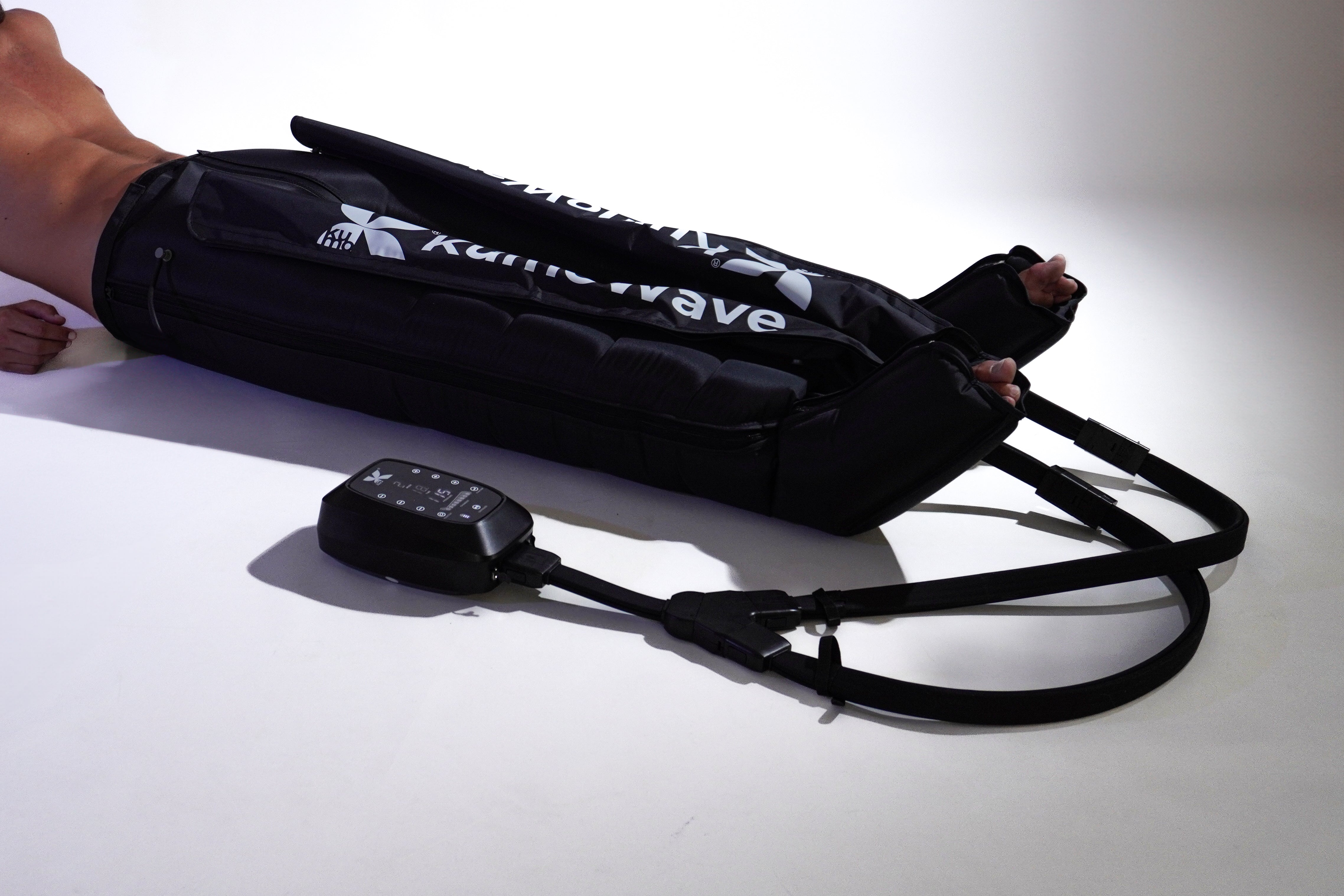
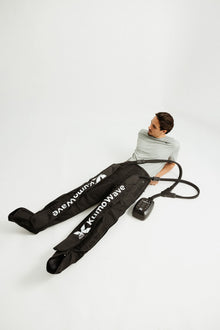
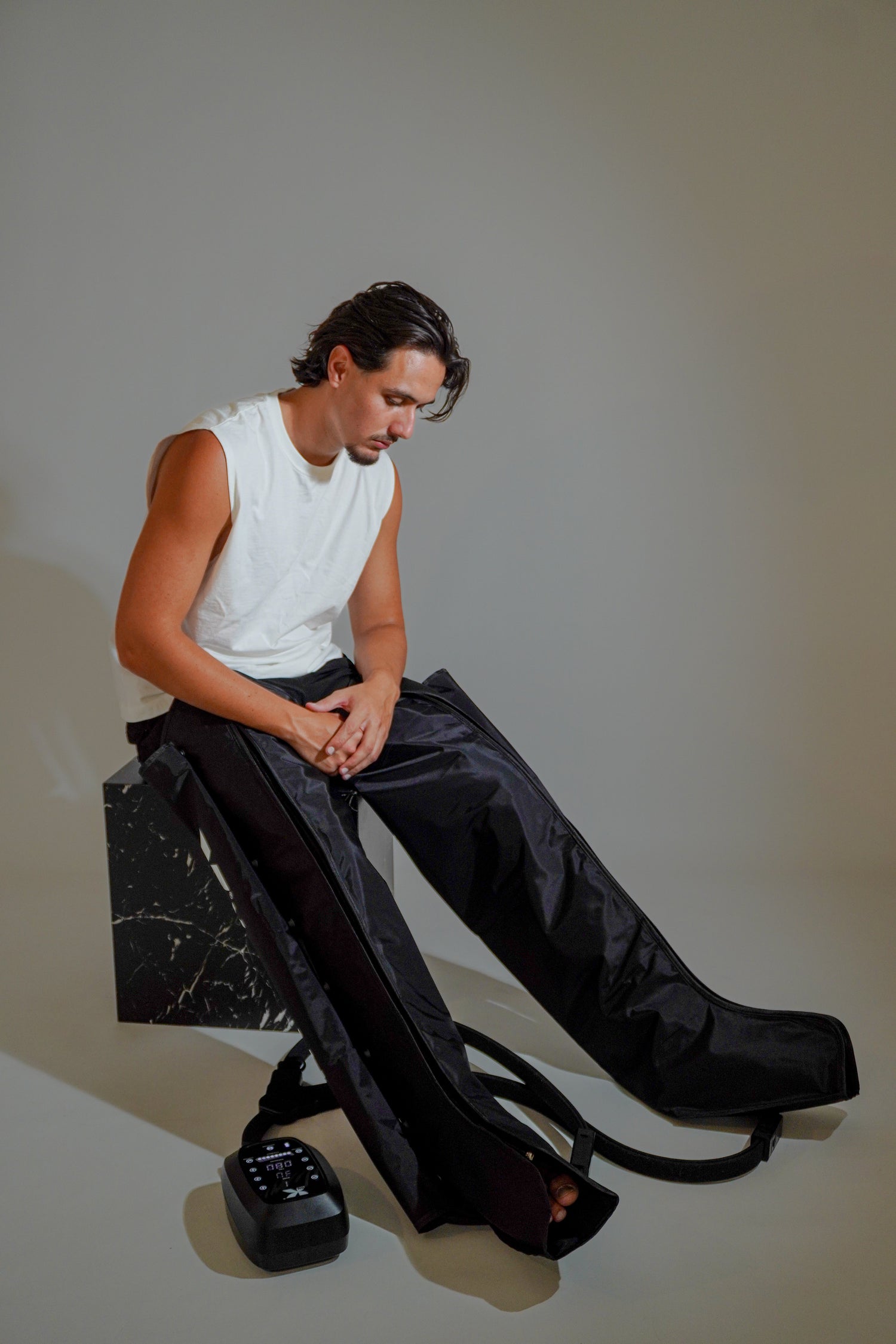
Compression therapy uses boots that inflate and deflate sequentially, applying intermittent pneumatic compression to the legs. This technology is used in the medical field to improve venous return and reduce the risk of thrombosis in immobilized patients, including some hospitalized pregnant women. ( my.clevelandclinic.org )
A classic study in healthy pregnant women showed that external pneumatic compression could significantly reduce leg volume with pregnancy-dependent edema. ( pubmed.ncbi.nlm.nih.gov ) Although this is limited and older evidence, it suggests that intermittent compression may be useful as an adjunct to relieve swelling.
New-generation compression boots allow you to replicate this type of compression at home, promoting well-being and recovery. In the context of pregnancy, this is essential:
- ALWAYS discuss its use with your gynecologist or midwife before starting.
- Avoid unsupervised pressotherapy if you have preeclampsia, thrombosis, serious vascular problems, or other complications.
- Use gentle programs and moderate times, listening to your body's sensations.
Pressotherapy does not replace exercise, healthy eating, or medical control, but it can become a convenient tool to relieve the feeling of heavy legs when properly indicated.
Deep muscle massage and massage guns: use with caution during pregnancy
Massage guns apply quick, controlled percussion to muscles to promote relaxation and recovery. They can help reduce stiffness in the calves, thighs, and lower back after a long day or walk.
If you are considering using a tool like the KumoPulse Air massage gun during pregnancy, keep these general guidelines in mind (in addition to prior approval from your healthcare professional):
- Avoid using it on the abdomen, the lower back directly on the spine, or on dilated veins.
- Always start with low intensity and short sessions on feet, calves or glutes.
- Do not apply it to areas with acute pain, heat, redness, or bruising.
- Listen to your feelings: the massage should be pleasant, never painful.
In many women, combining gentle massage with stretching and leg elevation significantly reduces the perception of muscle fatigue.
Skin care and relaxation with red and LED light
The skin also undergoes changes during pregnancy: increased dryness, tightness, stretch marks, pigmentation changes… ( nhs.uk ) Integrating a skincare ritual into your legs can provide comfort and a feeling of lightness.
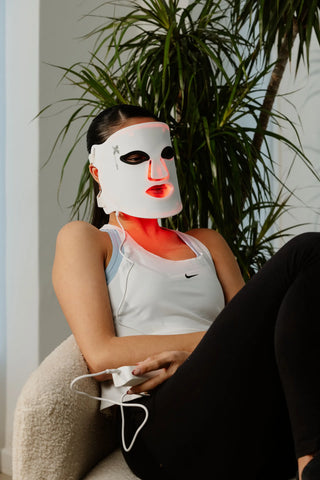
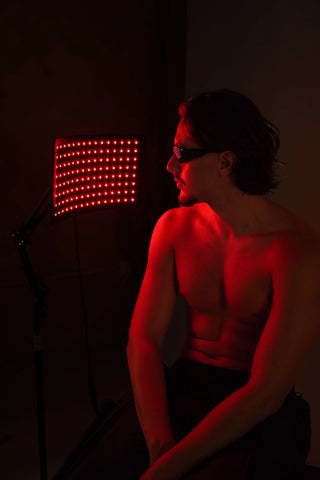
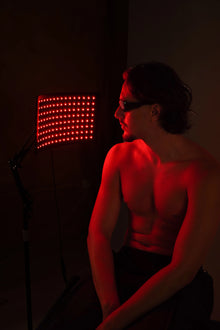
LED light therapy , especially at red and near-infrared wavelengths, has been studied in recent years as a support for skin regeneration and muscle recovery, with promising results in improving skin appearance and perceived comfort after exercise. ( who.int )
Products like KUMO's LED light therapy devices are designed to be integrated into daily wellness and recovery routines. During pregnancy, they can be used as a beauty and relaxation aid (for example, during a short nighttime self-care session), always following the manufacturer's recommendations and those of your medical team.
Quick daily routine to relieve tired legs
You don't need to set aside an hour every day to take care of your legs. A short routine of 10–15 minutes spread throughout the day can make all the difference.
Example of a daily routine to relieve tired legs
| Time of day | Approximate duration | Action for your legs | Comment |
|---|---|---|---|
| Upon waking | 3–5 minutes | Ankle mobilization in bed (flexion, extension and circles) and gentle calf stretching. | Activate your circulation before you stand up. ( nhs.uk ) |
| During the day | 3–5 minutes every 1–2 hours | Stand up, walk around a bit, and do 20–30 heel raises while leaning on a chair. | The contraction of the calf muscle acts as a natural venous "pump". ( nhs.uk ) |
| When I got home | 5–10 minutes | Elevate legs on cushions or wall; optionally, gentle pressotherapy or light massage on feet and calves. | It promotes the return of fluids accumulated during the day. ( pubmed.ncbi.nlm.nih.gov ) |
| Before going to sleep | 5–10 minutes | Warm-cold foot bath, gentle massage and a brief breathing routine or relaxing light to facilitate sleep. | It improves the feeling of heaviness and helps you fall asleep. |
Adjust your routine to your energy level, your week of pregnancy, and your healthcare provider's recommendations. Consistency and listening to your body are key.
Frequently asked questions about tired legs during pregnancy
Is it normal to have very tired legs in the third trimester?
Yes, it's very common to notice heavier, more swollen legs as pregnancy progresses, especially in the third trimester. At this stage, the uterus is larger, blood volume is at its peak, and circulation back from the legs is more difficult, which contributes to edema and muscle fatigue. ( mayoclinic.org ) As long as the swelling is gradual and relatively symmetrical, it's usually considered a physiological change. However, if it appears suddenly, is accompanied by severe pain, shortness of breath, or other general symptoms, you should consult a doctor immediately.
What can I do at night if tired legs keep me from sleeping?
Many women find that heaviness and cramps worsen at night. To improve sleep, try slightly elevating the foot of the bed (for example, with books under the legs or cushions under the ankles), sleeping on your left side, and doing a few minutes of gentle ankle exercises and stretches before bed. ( nhs.uk ) You can also apply a very light massage with moisturizing cream or, if approved by your healthcare professional, use gentle recovery technologies such as low-intensity compression therapy or soothing light devices. Avoid very salty meals and stimulating drinks close to bedtime.
Can I exercise if my legs feel heavy?
In most healthy pregnancies, moderate exercise is not only safe but recommended, even if you experience leg fatigue. Guidelines from the WHO and other organizations suggest at least 150 minutes of moderate-intensity aerobic physical activity per week for pregnant women without contraindications, as it is associated with fewer complications and improved physical and emotional well-being. ( who-dev5.prgsdev.com ) However, be sure to adjust the type and intensity of exercise, avoid high-impact activities or those with a risk of falling, and always consult your gynecologist before starting or modifying your routine.
When should I worry about varicose veins or leg pain during pregnancy?
Mild varicose veins, a bluish appearance in some veins, and dull aches or heaviness are common but not serious discomforts during pregnancy. However, there are warning signs: intense, localized pain in one leg, with redness and warmth; marked swelling on one side; veins that are very hard or tender to the touch; or the sudden onset of edema with headache or visual disturbances. ( nhs.uk ) In these cases, you should go to your emergency department immediately or contact your healthcare provider, as it could be thrombosis or preeclampsia, which require urgent attention.
Are compression boots and other devices safe during pregnancy?
Intermittent pneumatic compression is used in hospital settings, including for some high-risk pregnancies, to improve circulation and prevent thrombosis ( my.clevelandclinic.org ). However, the use of compression therapy devices, massage guns, or light technologies at home should be individualized. Before incorporating compression boots or other equipment into your routine, always consult your gynecologist or midwife, especially if you have significant varicose veins, clotting disorders, preeclampsia, hypertension, or any other complications. When properly indicated and fitted, they can be helpful in relieving the sensation of tired legs, but they never replace medical follow-up or healthy lifestyle habits.
So what now?
If tired legs are a common problem during your pregnancy, the next step is to put theory into practice: review your daily habits, discuss with your healthcare provider what type of exercise and recovery tools are right for you, and design a short, sustainable routine. At KUMO, you'll find recovery technologies such as compression boots , LED devices , and the KumoPulse Air massage gun , designed to integrate well-being into your daily life. If you're unsure which option is best for you, you can contact the KUMO team for guidance on how to make your pregnancy feel lighter and more comfortable.
KumoWave pressotherapy
Choose your at-home pressotherapy
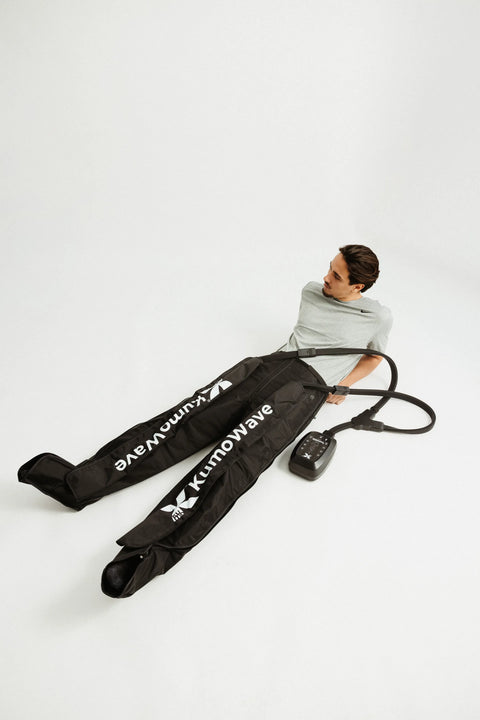
KumoWave Elite – Pressotherapy Pants
Full-coverage trousers. Ideal for lipedema, fluid retention and intensive use.
€799,00 €999,00
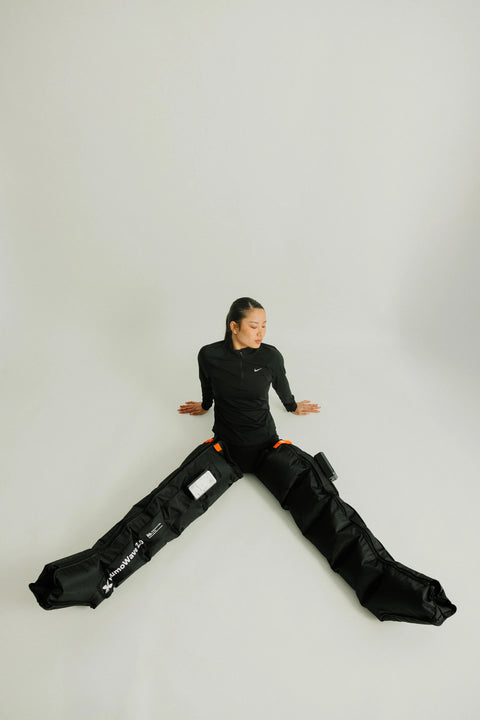
KumoWave 2.0 - Wireless Pressotherapy
Wireless, lightweight boots. Perfect for daily use and recovery.
€499,00 €599,00