
What is a muscle contracture and why does it worry athletes so much?
Muscle contractures are the hidden toll of sport.
A muscle contracture is an involuntary and persistent contraction of a muscle or muscle group, causing pain, stiffness, and loss of mobility. Unlike a cramp (which is sudden and brief) or a muscle strain (where there is structural damage to the fibers), a contracture is a "blockage" of the muscle fibers, which remain partially shortened and tense.
Pressotherapy at home
End the day with light legs
★★★★★ 4,8/5 · rated by verified customers
KumoWave pressotherapy boosts circulation and helps drain fluid with sequential compression, in 20-minute sessions at home.
- Boosts circulation and helps drain fluid
- Chamber-based compression, adjustable to you
- Sequential compression that mimics manual drainage
€799,00€999,00
−10% on your 1st order when you subscribe to the newsletter

In athletes, these discomforts are especially problematic because they limit performance, alter movement technique, and increase the risk of more serious injuries if ignored and training continues beyond the point of pain.
Why do muscle contractures occur in sports?
Main causes in athletes
Muscle contractures in the sports context are usually the result of a combination of factors:
Personalized protocol · included with your purchase
Want us to tell you how to use it in your case?
With your purchase, our experts prepare a personalized usage protocol for your case: sport, circulation, fluid retention, pregnancy or lipedema.
Message us on WhatsAppOur experts reply · no obligation
- Overload and fatigue : training beyond recovery capacity, accumulating too many intense days, or competing without adequate rest.
- Lack of warm-up and mobility : cold or stiff muscles tolerate sudden changes in intensity less well.
- Poor technique or imbalances : small errors in movement or imbalances between muscle chains (for example, very strong quadriceps and weak hamstrings).
- Dehydration and electrolyte deficiency : promote neuromuscular fatigue and spasms.
- Stress and sustained postures : many neck and back contractures combine sports load with many hours sitting or with emotional tension.
Several epidemiological studies show that muscle injuries represent a significant proportion of sports injuries. For example, in European professional football, muscle injuries account for approximately 31% of all injuries and about 27% of injury-related absence time. ( pubmed.ncbi.nlm.nih.gov ) Although not all are muscle strains, they do reflect the importance of muscle development as a "weak point" in sports.
Most affected body areas
Although any muscle can contract, certain patterns tend to be repeated in sports practice:
- Neck and shoulder girdle : sports with high postural stress (cycling, swimming, weightlifting, upper body strength training).
- Lumbar and paravertebral : very common in runners, crossfitters and team sports due to impacts and loads.
- Hamstrings and glutes : sprints, changes of pace, jumps.
- Gastrocnemius and soleus : running, impact sports, racket sports.
- Forearms and hands : climbing, racket sports, grip sports.
How to differentiate a muscle contracture from other muscle injuries
Identifying what is happening in the muscle is key to choosing the right treatment and not aggravating the injury.
on your first order when you join the newsletter
We send you the code instantly. No spam.
- Contracture : localized pain, a "knot" sensation, increased tone when palpated, discomfort that worsens with use but without a clear initial snap or significant bruising.
- Delayed onset muscle soreness (DOMS) : diffuse pain, with delayed onset (24–48 h after exercise), usually on both sides of the body and which improves upon warming up.
- Muscle strain or rupture : sharp, whiplash-like pain, sometimes with an audible snap, clear difficulty continuing, possible bruising, and marked weakness.
- Cramp : a sudden, intense contraction, lasting seconds or minutes, which usually resolves spontaneously.
Some more serious conditions, such as chronic exercise-induced compartment syndrome, also present with pain, tightness, and weakness in the affected limb. In these cases, the pain occurs repeatedly with exertion and is accompanied by swelling or changes in sensation, requiring specialized medical evaluation. ( mayoclinic.org )
Warning signs: when to see a doctor
Although many muscle contractures resolve with self-care measures, it is important to consult a healthcare professional if they occur:
- Sudden, intense pain, associated with a snapping or tearing sensation.
- Marked swelling, extensive bruising, or visible muscle deformity.
- Noticeable loss of strength or inability to support or move the area.
- Pain that does not improve in 5–7 days despite relative rest and basic measures.
- Neurological symptoms (tingling, loss of sensation) or fever.
Effective recovery from muscle contractures in athletes
First 48 hours: Protect the tissue and soothe the pain
In a very early stage, the goal is to prevent further damage and control symptoms:
- Relative rest : reduce or pause the sporting movement that causes the pain, without resorting to total immobilization if it is not necessary.
- Local cold therapy : In the first few hours, it can help reduce pain and perceived inflammation (if present). Apply for 10–15 minutes, with a cloth between the skin and the cold.
- Unloading postures : look for positions in which the muscle is slightly shortened and relaxed.
- Medication : only under the guidance of a doctor or physiotherapist, especially in the case of anti-inflammatories or muscle relaxants.
After 48-72 hours: reactivate traffic and mobility
After the first phase, the muscle usually benefits from a more active approach:
- Gentle heat : warm showers, thermal blankets or heat patches can help relax the muscles.
- Gentle and progressive stretching : without bouncing and without reaching intense pain (scale 3–4 out of 10).
- Joint mobility : small ranges of motion, initially without load or with very light load.
- Light self-massage : with hands, foam roller or specific tools, always tolerating the sensation.
- Gradual reintroduction of exercise : start with low-intensity aerobic and strength work, increasing according to tolerance.
Table of recovery strategies and when to use them
| Strategy | Right moment | Main objective | Precautions |
|---|---|---|---|
| Relative rest | First 1–3 days | Avoid aggravating the injured muscle | Do not prolong inactivity longer than necessary |
| Local cold | First hours after acute pain | Relieve perceived pain and inflammation | Protect the skin; avoid in cases of severe vascular problems. |
| Gentle heat | From 48–72 h | Relax and increase blood flow | Do not use if there is significant swelling or a large bruise. |
| Controlled stretching | Subacute phase and return to training | Regain muscle length and mobility | Avoid intense pain or sudden rebounds |
| Deep tissue massage / massage gun | After the acute phase, in non-inflamed tissue | Releasing trigger points and myofascial stiffness | Do not apply to breaks, fractures, or suspected thrombosis. |
| Pneumatic pressotherapy | Recovery after intense lower body sessions | Promote venous return and reduce the feeling of heaviness | Consult in cases of significant circulatory problems |
| Photobiomodulation (red light/IR) | Before or after demanding training | Support recovery and modulate pain | Follow safe parameters and available evidence |
| Sleep and nutrition | Continuously | Optimize muscle repair processes | Avoid prolonged energy and protein deficiencies |
Technological tools to support muscle recovery
Recovery technology doesn't replace the foundation of proper training (well-planned workouts, rest, and good technique), but it can be a powerful ally when used judiciously. Brands like KUMO specialize in high-level solutions that combine design, comfort, and effectiveness, always complementing the recommendations of your medical team and trainers.
Deep tissue massage and massage guns
Deep tissue massage and myofascial release can help reduce stiffness, improve the perception of recovery, and prepare muscles for renewed training. Massage guns allow you to apply targeted vibration and percussion to specific areas for 30–90 seconds, with adjustable intensity.
General usage recommendations:
- Start with low intensities and increase only if the sensation is tolerable.
- Avoid passing directly over joints, bones, or areas with acute inflammation.
- Prioritize muscle groups that are fatigued after the session (for example, quadriceps and calves after running or cycling).
If you are interested in incorporating a tool of this type, you can check out a percussion massage gun like the KUMOPULSE Air , designed for comfortable use in your daily recovery routine.
Pressotherapy: relief for tired and overworked legs
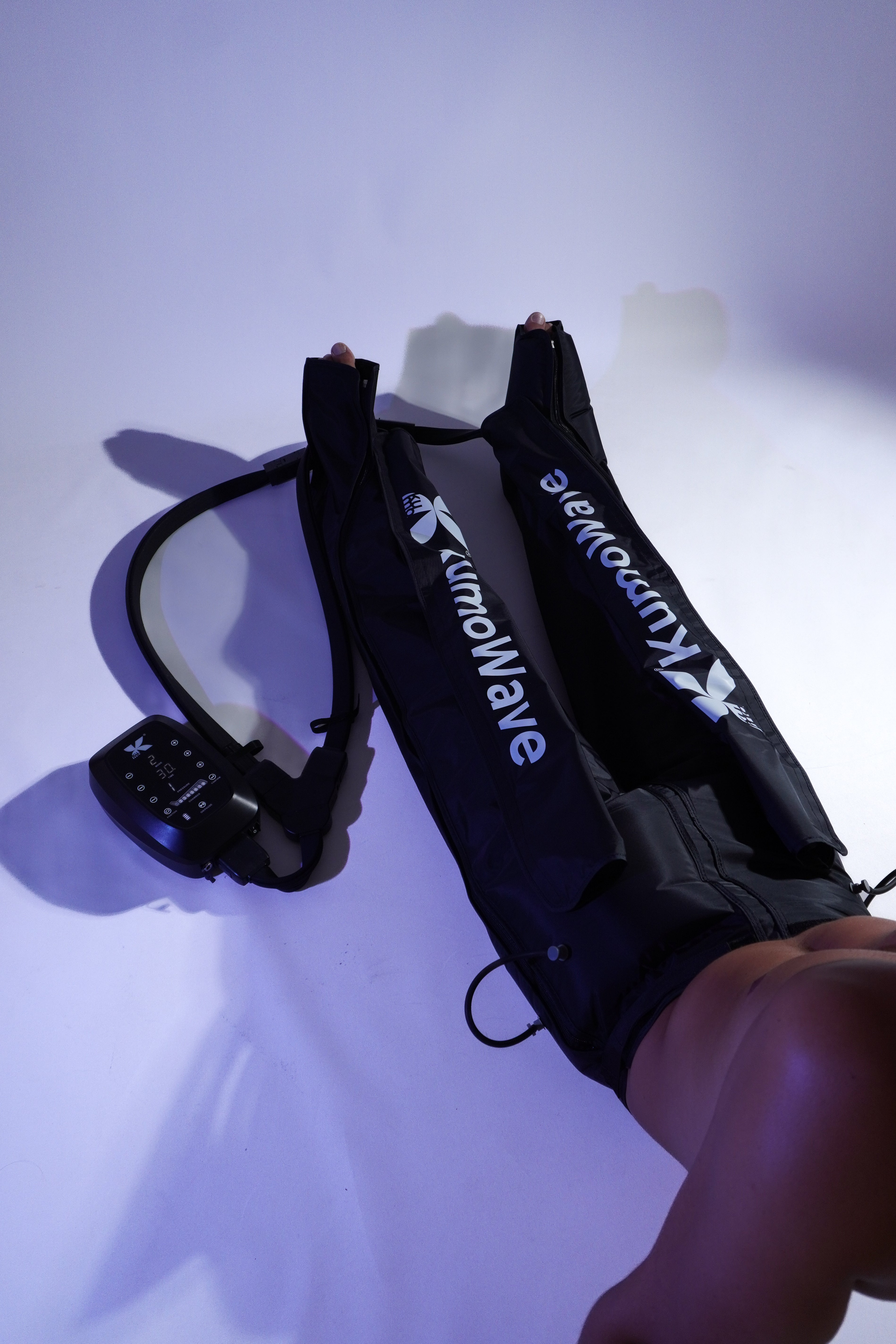
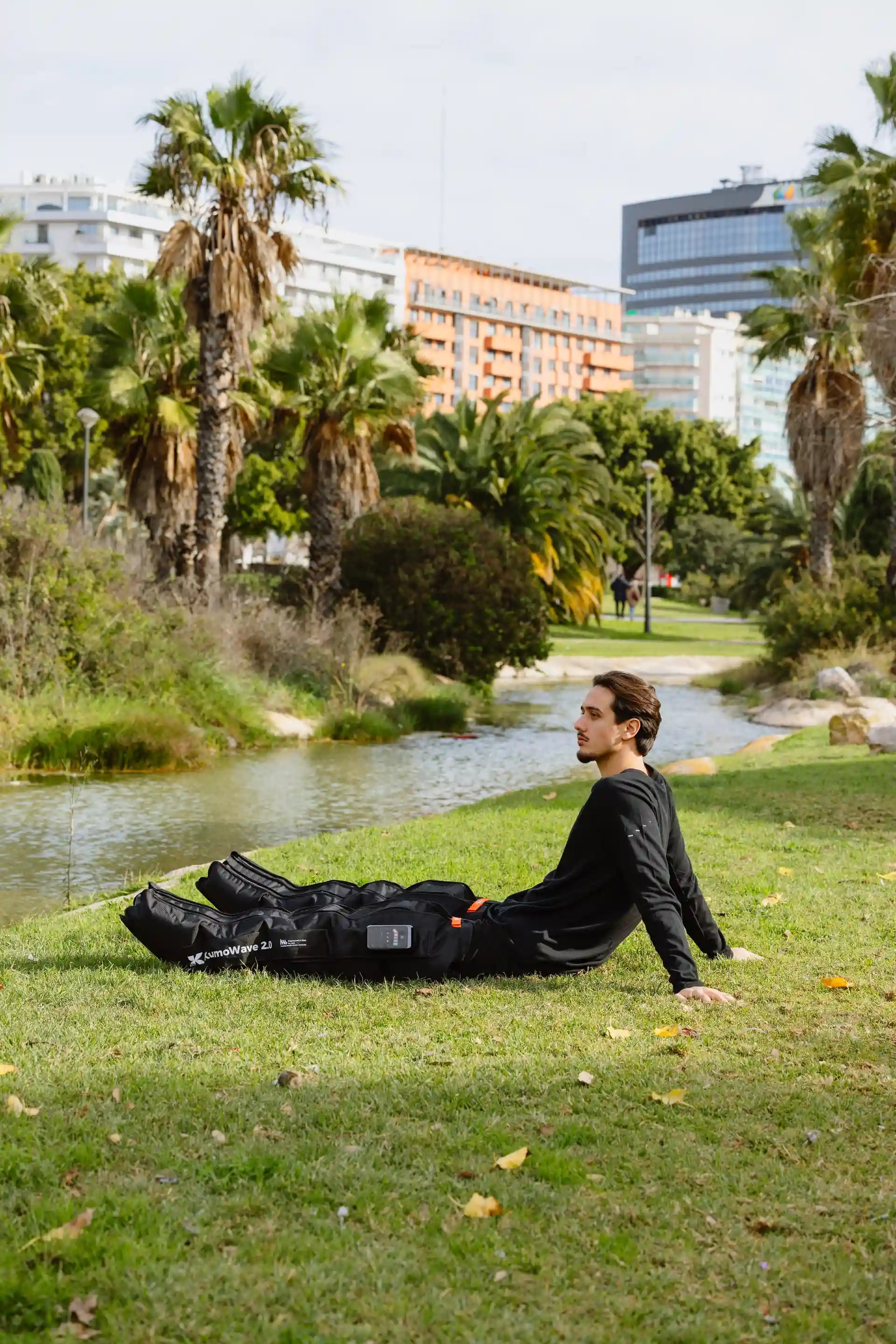
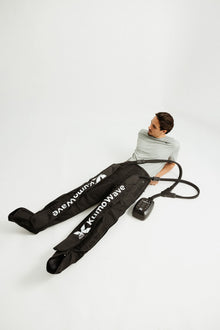
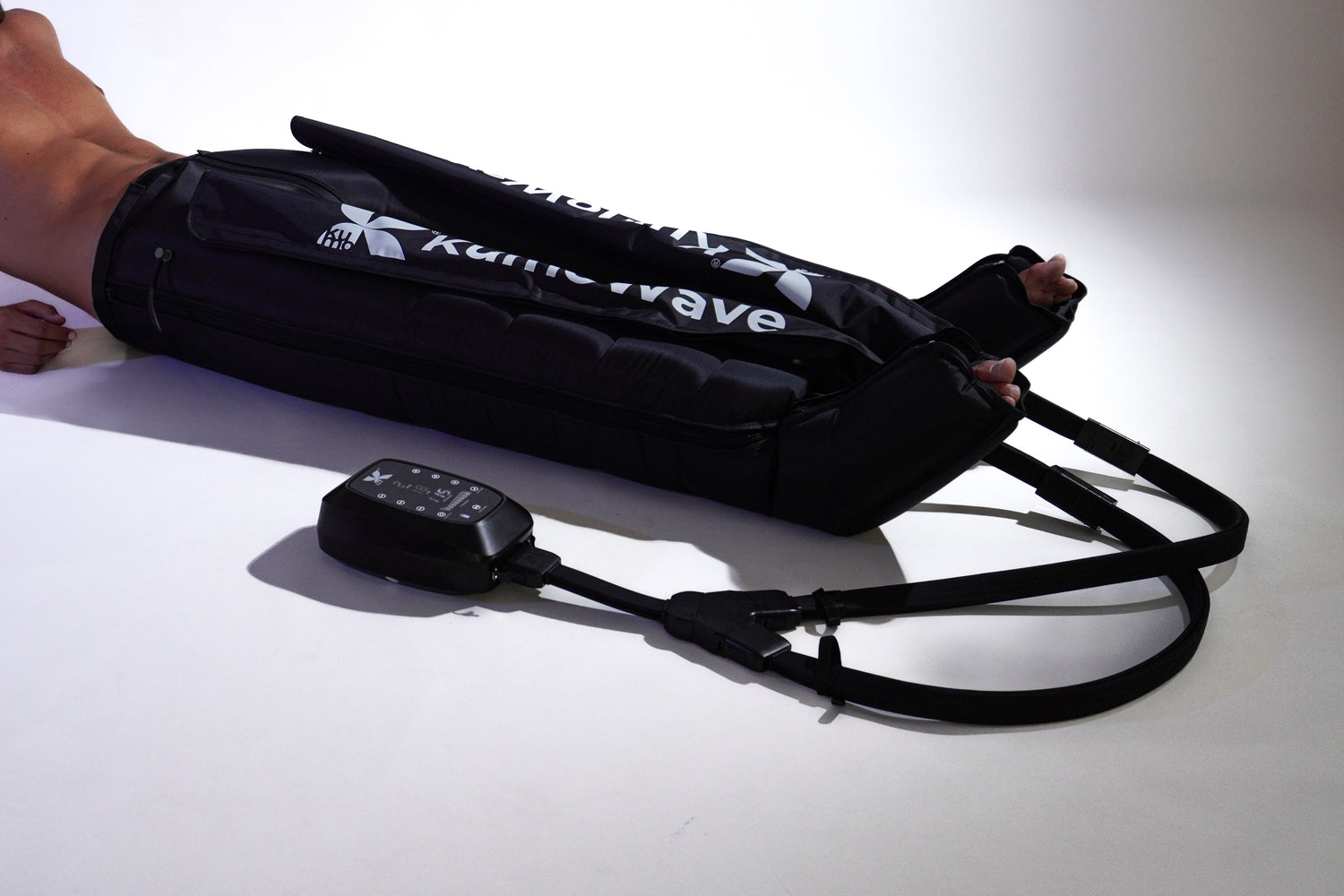
Intermittent pneumatic compression therapy uses boots that inflate and deflate sequentially to apply controlled pressure to the legs. In athletes, it is primarily used after intense training sessions to relieve the sensation of heavy legs and promote venous return.
A 2024 systematic review and meta-analysis on intermittent pneumatic compression in sports recovery found small but potentially relevant benefits in reducing perceived muscle soreness and a slight improvement in muscle function after exercise, although with great variability between studies. ( pubmed.ncbi.nlm.nih.gov )
If you want to explore this technology, you can discover the boots and systems available in thepressotherapy for recovery section.
Photobiomodulation: red and infrared light for muscle recovery
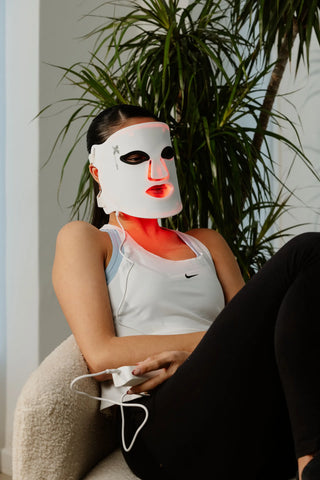
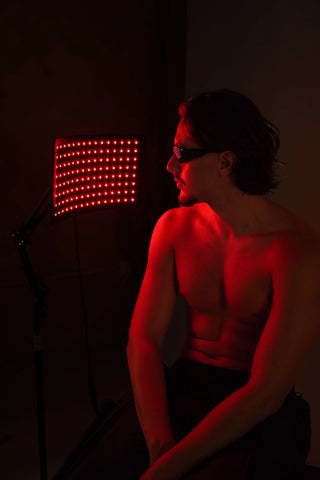
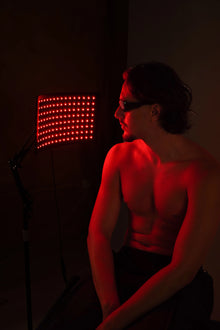
Photobiomodulation (PBMT) uses red and/or near-infrared light (via LEDs or low-power lasers) to stimulate cellular processes involved in tissue repair and pain management. At the muscular level, several studies have analyzed its effect on muscle soreness, strength, and recovery after intense exercise.
A 2015 meta-analysis of low-intensity phototherapy in people undergoing exercise protocols found, overall, moderate reductions in delayed onset pain and some improvement in muscle function, although with high methodological heterogeneity. ( pubmed.ncbi.nlm.nih.gov ) Some studies in athletes, such as trials with rugby players or strength training studies, suggest improvements in performance and markers of muscle damage when specific dose and wavelength parameters are applied. ( pubmed.ncbi.nlm.nih.gov )
The evidence, in any case, is not uniform and depends heavily on the protocol applied (power, duration, timing relative to exercise, and treated area). Therefore, LED light therapy devices should be understood as a supportive tool within a comprehensive recovery plan, and not as an isolated or "magic" solution.
Sleep, circadian rhythm and light
Sleep quality is one of the most underestimated factors in muscle recovery. Insufficient or poor-quality sleep increases fatigue, disrupts hormones involved in tissue repair, and is associated with a higher risk of injury in athletes. Although the role of red light on sleep is still being researched, some studies suggest that reducing exposure to intense blue light at night and prioritizing environments with warm lighting can help to better synchronize the body's biological clock.
In this context, carefully designed light therapy tools can be integrated into a sleep hygiene routine that includes regular schedules, reduced screen time before bed, and a suitable sleep environment.
Preventing muscle contractures in your sports routine
Specific warm-up and mobility
Good prevention begins before the session:
- General warm-up of 5–10 minutes (gentle jogging, cycling, skipping rope).
- Dynamic mobility for the joints involved (hips, ankles, shoulders, spine).
- Progressive technical movements : for example, submaximal sprints before fast sets or repetitions with light weights before lifting heavy loads.
Training load planning
Many muscle contractures are the expression of poor load management:
- Avoid sudden increases in volume or intensity (more than 10–15% weekly).
- Enter periodic download days.
- Balance strength, endurance, and technique training.
- Respect real rest days, especially after competitions or very demanding sessions.
In a cross-sectional study of 627 athletes from rugby, soccer, combat sports, handball, and water polo, the prevalence of musculoskeletal injuries (including muscular injuries) reached 76%, with a clear increase in risk in those over 30 years of age. ( pubmed.ncbi.nlm.nih.gov ) This reinforces the importance of adjusting the workload to age, injury history, and training level.
Hydration, nutrition and stress management
Some lifestyle factors that influence muscle contractures:
- Adequate hydration : adjust fluid and electrolyte intake to the duration and intensity of exercise, as well as to environmental conditions.
- Sufficient protein and energy : very low-calorie diets or diets with low protein intake hinder muscle repair.
- Stress management : breathing techniques, meditation or active breaks help reduce baseline muscle tension, especially in the neck and back.
Frequently asked questions about muscle contractures in sports
How long does it take for a muscle strain to heal?
The duration of a muscle strain depends on the severity of the injury, the affected area, and how quickly a proper recovery strategy is implemented. In mild cases, significant improvement is usually seen within 3 to 7 days, while deep strains or those associated with chronic overuse may require 2–3 weeks. If the pain does not clearly improve within a week, if it worsens, or if it significantly limits your daily activities, it is advisable to consult a physiotherapist or sports medicine physician to rule out a more serious injury and adjust the treatment plan.
Is it good to exercise with a muscle strain?
It depends on the stage and intensity of the pain. In the first 24–48 hours, it's usually recommended to reduce or avoid the movement causing the discomfort to prevent aggravating the injury. However, maintaining some gentle, pain-free activity (walking, very light cycling, joint mobility exercises) can be beneficial for circulation and recovery. As the muscle strain improves, specific strength and mobility exercises are introduced, always respecting tolerable pain levels. If the pain significantly increases during or after exercise, it's a sign that you're overtaxing the muscle.
What's better for a muscle strain: cold or heat?
Cold and heat serve different purposes. Cold is primarily used in the very early stages, when there is acute pain and possible inflammation; it can help reduce the perception of pain and superficial swelling. Gentle heat is more useful after 48–72 hours, when the main goal is to relax the muscles and improve local blood flow. In many chronic neck or back muscle spasms, heat is often more comfortable. If you have any doubts about the type of injury or if there is a large bruise, it is best to consult a healthcare professional first.
Does pressotherapy help with muscle contractures and leg fatigue?
Intermittent pneumatic compression therapy is primarily used to improve venous and lymphatic return and reduce the sensation of heaviness and fatigue following intense lower body exertion. Scientific evidence suggests that it may provide a slight reduction in perceived muscle pain and a somewhat faster recovery of function in some protocols, although the effects are modest and do not replace rest, mobility, or physical therapy when necessary. ( pubmed.ncbi.nlm.nih.gov ) It should not be considered a sole treatment for contractures, but rather a complement within a comprehensive sports recovery strategy.
Does red light therapy help with muscle contractures?
Photobiomodulation with red or infrared light has been studied in the context of muscle soreness, performance, and recovery after intense exercise. Some meta-analyses and clinical trials have found reductions in delayed onset muscle soreness and improvements in certain markers of function when appropriate dosage parameters are used before or after exercise, although the results are not consistent and the optimal protocol is still being investigated. ( pubmed.ncbi.nlm.nih.gov ) Therefore, red light can be a supportive tool, but it should always be integrated into a plan that includes well-designed training, physical therapy when needed, and healthy lifestyle habits.
What now? Build your recovery routine
Properly managing muscle tension is key to enjoying sports in the long run: detecting overload early, respecting recovery time, and using effective tools makes all the difference between progress and a string of injuries. If you want to take your wellness routine to the next level, at KUMO you'll find technologies designed to integrate recovery into your daily life: frompressotherapy systems for tired legs to LED therapy devices and tools like percussion massage guns .
If you have specific questions about your case or want advice on choosing the most suitable solution for your sports and recovery routine, you can contact the team through the contact page, and always complement these tools with the guidance of your trusted physiotherapist or sports doctor.
KumoWave pressotherapy
Choose your at-home pressotherapy
KumoWave Elite – Pressotherapy Pants
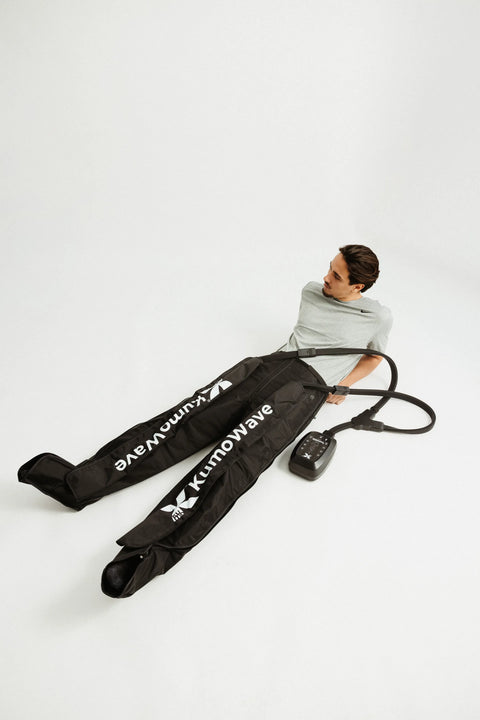
Full-coverage trousers. Ideal for lipedema, fluid retention and intensive use.
€799,00 €999,00
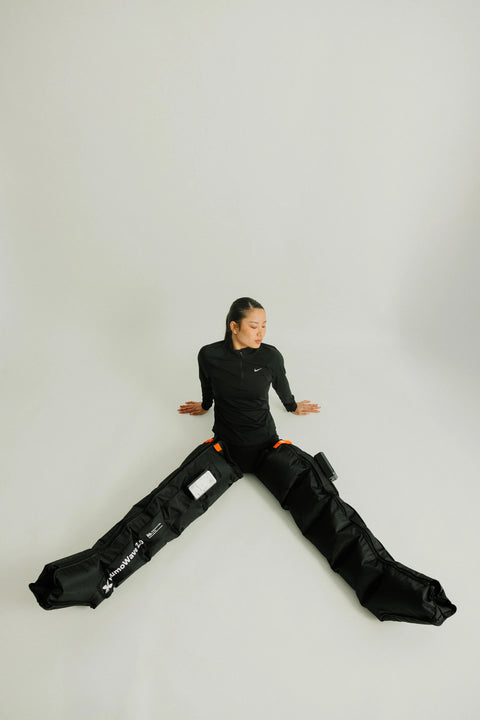
KumoWave 2.0 - Wireless Pressotherapy
Wireless, lightweight boots. Perfect for daily use and recovery.
€499,00 €599,00