
Tired and heavy legs: there are gentle and effective solutions.
If you find your legs feeling swollen, tingly, or heavy at the end of the day, a gentle exercise routine and regular movement can make a big difference. This guide explains why these symptoms occur, how to relieve them with low-intensity exercises, and what recovery habits and technologies can help you care for your legs in the long run.
Pressotherapy at home
End the day with light legs
★★★★★ 4,8/5 · rated by verified customers
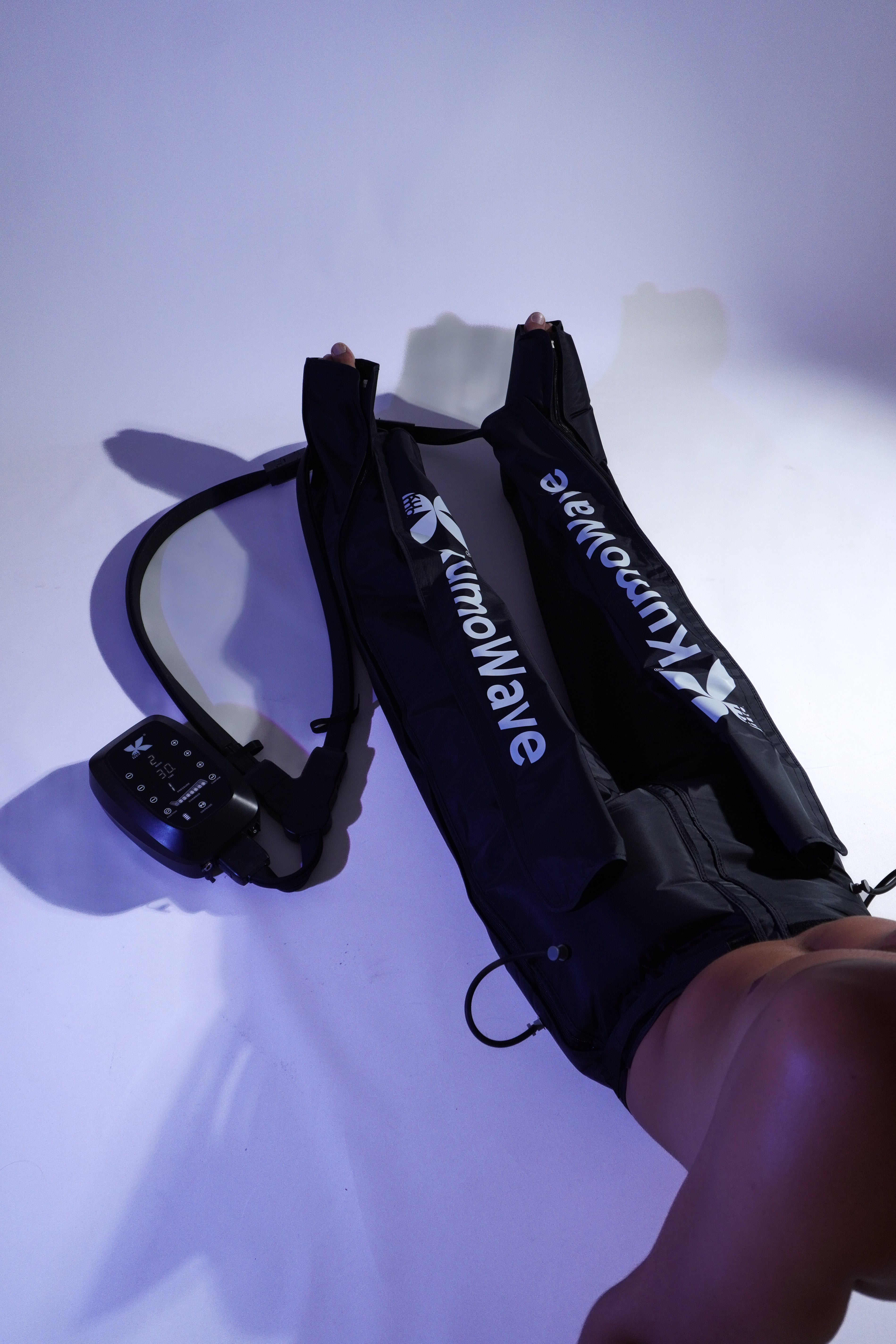
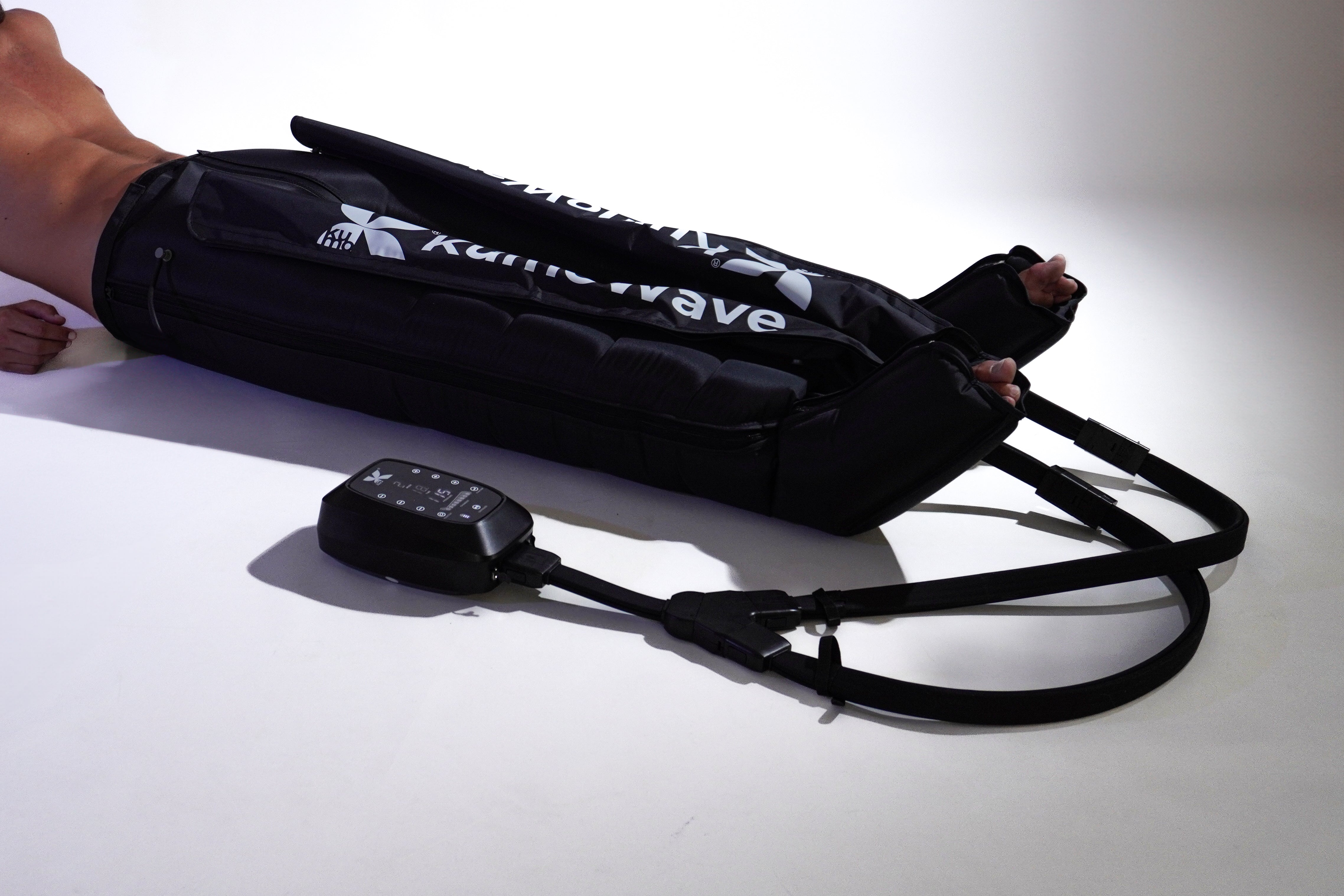
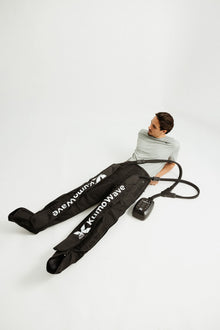
KumoWave pressotherapy boosts circulation and helps drain fluid with sequential compression, in 20-minute sessions at home.
- Boosts circulation and helps drain fluid
- Chamber-based compression, adjustable to you
- Sequential compression that mimics manual drainage
€799,00€999,00
−10% on your 1st order when you subscribe to the newsletter

This article is for informational purposes only and is not a substitute for medical advice. If the pain is severe, asymmetrical, or comes on suddenly, always consult a healthcare professional.
Why do legs feel tired and heavy?
Common causes of heavy legs
The sensation of tired legs is usually the result of a combination of factors that affect venous circulation and the muscles of the lower limbs:
Personalized protocol · included with your purchase
Want us to tell you how to use it in your case?
With your purchase, our experts prepare a personalized usage protocol for your case: sport, circulation, fluid retention, pregnancy or lipedema.
Message us on WhatsAppOur experts reply · no obligation
- Spending many hours standing or sitting (office, checkout, hairdresser, transport…): promotes blood stagnation in the veins of the legs.
- Sedentary lifestyle : inactive muscles pump blood back to the heart less efficiently.
- Overweight or obesity : increases pressure on the venous system and joints.
- Heat (summer, high heating, very hot baths): dilates the veins and worsens the feeling of heaviness.
- Pregnancy and hormonal changes : increase blood volume and laxity of the venous walls.
- Family predisposition and chronic venous disease (varicose veins, venous insufficiency…): damage the valves of the veins and facilitate swelling.
- Tight shoes or clothing : hinder venous and lymphatic return.
A large international study in eight countries found that around one in five adults had signs or symptoms of chronic venous disease , with leg heaviness and fatigue being among the most common. These problems increased with age, sedentary lifestyles, and being overweight.
When do tired legs require medical consultation?
Heavy legs due to mild poor circulation or prolonged standing often improve with gentle exercise, elevation, and self-care . However, it's important to consult a healthcare professional if the following occur:
- Sudden, intense, and localized pain in one leg.
- Marked swelling of one leg, especially if accompanied by redness or heat.
- Veins that are very dilated, hardened, or that change rapidly.
- Dark spots, changes in coloration, or wounds that do not heal on the ankle or calf.
- Shortness of breath, chest pain or dizziness along with symptoms in the legs.
These signs may indicate problems such as deep vein thrombosis or other pathologies that require urgent evaluation.
on your first order when you join the newsletter
We send you the code instantly. No spam.
Before you begin: tips for safely exercising tired legs
Basic principles of gentle exercises
When your legs feel heavy, the goal isn't to "force" them, but to gradually activate the muscle pump to facilitate venous return. Keep these guidelines in mind:
- Low intensity, high frequency : better short exercises spread throughout the day than one very intense session.
- Rhythmic movements of ankles, knees and hips: improve circulation without overloading the joints.
- Listen to your body : if sharp pain, dizziness or shortness of breath occurs, stop exercising.
- Smooth breathing : avoid holding your breath; rhythmic breathing helps venous return.
- Progression : Start with a few repetitions and gradually increase according to your tolerance.
People who should consult before following a routine
If you have a history of thrombosis, heart disease, advanced venous insufficiency, poorly controlled diabetes, or another relevant chronic condition, seek personalized guidance from your doctor or physical therapist before starting any new routine, even a gentle one. The same applies if you are pregnant or postpartum and notice a sudden increase in swelling.
Gentle exercise routine for tired and heavy legs
Below you will find a selection of simple, low-impact exercises suitable for most people. You can do them barefoot or in comfortable shoes, and adapt them to your fitness level.
1. Exercises on the sofa or bed (ideal for beginners or if you are very fatigued)
These exercises are performed lying on your back or sitting with your legs outstretched. They are especially useful if you spend many hours sitting or have reduced mobility.
-
Ankle pumps
Lie down or sit with your legs extended. Flex your ankle by bringing your toes towards you (dorsiflexion) and then push them away (plantarflexion), as if you were pressing an accelerator.
Repetitions: 20–30 movements per foot, 2–3 sets, several times a day.
Studies using Doppler ultrasound have shown that these movements significantly increase the speed of venous flow in the popliteal vein, effectively activating the calf muscle pump . -
Ankle circles
With your leg outstretched, draw wide circles with your toes, first in one direction and then in the opposite direction.
Repetitions: 10 circles in each direction per foot, 2 sets. -
Heel slippage
Lying on your back, slide your heel towards your buttocks by bending your knee, and then straighten your leg again.
Repetitions: 10–15 per leg, 2 sets.
This exercise mobilizes the knee and hip without impact, promoting venous return and joint mobility. -
Alternating leg raises
Lying down, raise one leg about 20–30 cm off the ground, hold for 3 seconds and lower slowly. Alternate legs.
Repetitions: 8–12 per leg.
It gently works the thigh and abdominal muscles, improving circulation.
2. Standing exercises to activate the calf muscle pump
Strong, active calf muscles are key to avoiding that heavy feeling. These exercises can be done while supported by a chair or a wall if you need stability.
-
Heel raises
Stand with your feet hip-width apart and your hands resting on a chair or wall. Raise your heels, coming up onto the balls of your feet, hold for 2 seconds, and lower slowly.
Repetitions: 15–20, 2–3 sets.
It intensely activates the gastrocnemius and soleus muscles, considered the "second heart" because of their role in venous return. -
Toe-heel rocking
Standing, shift your weight onto the balls of your feet (heels slightly raised) and then back to your heels (toes raised). Do this in a smooth, rocking motion.
Duration: 1–2 continuous minutes.
Excellent for people who spend a lot of time on their feet, as it can be done even while you work. -
Supported mini squats
With your hands on the back of a chair, slightly bend your knees and hips (as if you were going to sit down but only a little) and return to the starting position.
Repetitions: 10–15, 2 sets.
It strengthens quadriceps and glutes, which reduces the load on the knees and improves stability.
3. Gentle stretches to release tension
-
Calf stretch against a wall
Place your hands against the wall. One leg forward (knee bent) and the other back (knee straight, heel on the ground). Lean your body towards the wall until you feel a stretch in the calf of your back leg.
Duration: 20–30 seconds per side, 2 repetitions. -
Seated hamstring stretch
Sitting on the edge of a chair, extend one leg with your heel on the floor and your toes pointing upwards. Lean your torso slightly forwards, keeping your back straight, until you feel a stretch in the back of your thigh.
Duration: 20–30 seconds per leg.
4. Active micro-breaks: your hidden ally against tired legs
In addition to a specific routine, active micro-breaks (1–3 minutes of movement every hour) are essential. Some ideas:
- Get up from your desk and do 20–30 ankle pumps and 10 heel raises.
- Walk down the hallway or go up and down a flight of stairs at a comfortable pace.
- If you are standing for a long time, alternate your weight from one leg to the other and perform toe-heel rocking motions.
The World Health Organization 's international guidelines recommend accumulating between 150 and 300 minutes of moderate-intensity aerobic physical activity per week for adults, emphasizing that "every move counts." Even short active breaks help reduce the impact of sedentary behavior.
Sample daily routine chart to relieve tired legs
| Time of day | Exercise | Duration / Repetitions | Main objective |
|---|---|---|---|
| Tomorrow (when you wake up) | Ankle pumps lying down + ankle circles | 20–30 repetitions per foot / 2 sets | Activate circulation after the night and reduce stiffness |
| Mid-morning (micro-break) | Heel raises + toe-heel rocking | 15–20 lifts / 1–2 minutes of swinging | Stimulate the calf muscle pump during working hours |
| Noon | Light walking | 10–15 minutes | Break the sedentary lifestyle and improve overall circulation |
| Late | Supported mini squats + heel slide | 10–15 repetitions of each exercise | Strengthen legs without impact and improve stability |
| Evening | Calf and hamstring stretches + leg raises | 20–30 seconds per stretch + 10–15 minutes with legs elevated | Relieve tension and promote venous return before sleeping |
Daily habits that enhance exercises for tired legs
Walking: the simplest exercise to improve circulation
Walking at a comfortable pace is one of the best remedies for heavy legs: it activates the muscles in the feet, calves, and thighs, improves cardiovascular function, and helps control weight. Reviews of studies have observed that walking at least 30 minutes a day is associated with improved venous return and a significant reduction in the risk of cardiovascular disease.
If 30 minutes straight seems too much, you can break it up into three 10-minute walks throughout the day. The important thing is consistency .
Elevate your legs intelligently
Leg elevation is a simple and effective strategy to reduce venous stasis:
- Place your legs on a cushion or bench so that your ankles are slightly above heart level .
- Hold the position for 10–15 minutes, breathing calmly.
- Pair it with soft ankle pumps to multiply the effect.
Many specialists recommend elevating the legs several times a day and, if possible, slightly raising the foot of the bed (about 10–15 cm) to reduce nighttime venous stasis.
Avoid direct heat and compressive clothing
Intense heat dilates superficial veins and can worsen the feeling of heaviness. Several varicose vein guides recommend:
- Avoid saunas, very hot baths, and prolonged direct sunlight on your legs.
- Prefer showers with lukewarm water that ends in a rather cool jet on the legs to promote venous tone.
- Wear comfortable clothing, avoiding very tight garments in the groin, thighs and calves, as well as narrow shoes or shoes with excessive heels.
Hydration, healthy weight, and rest
Proper hydration keeps blood less viscous, and maintaining a healthy weight reduces pressure on veins and joints. Getting enough sleep is also associated with better muscle recovery and a reduced perception of fatigue. Integrating these three pillars enhances the effects of exercise on tired legs.
Technological support and complementary therapies for your legs
In addition to exercise and healthy habits, there are recovery technologies that can complement your routine and help you maintain lighter legs. Kumo specializes in these types of solutions, which should always be understood as support , not as substitutes for movement or medical advice.
Compression and pressotherapy to support venous return
External compression is a classic tool to help veins return blood to the heart. Therapies such as compression stockings and intermittent pneumatic compression therapy exert controlled pressure that:
- It reduces the diameter of dilated veins, increasing the speed of blood flow.
- It reduces edema (swelling) in people with poor mobility or venous disease.
- It can improve the feeling of heaviness and tension in the legs in certain patient profiles.
Clinical trials have shown that intermittent pneumatic compression therapy can significantly reduce edema and improve the quality of life in people with lower limb swelling or venous ulcers, especially when combined with other measures indicated by the specialist.
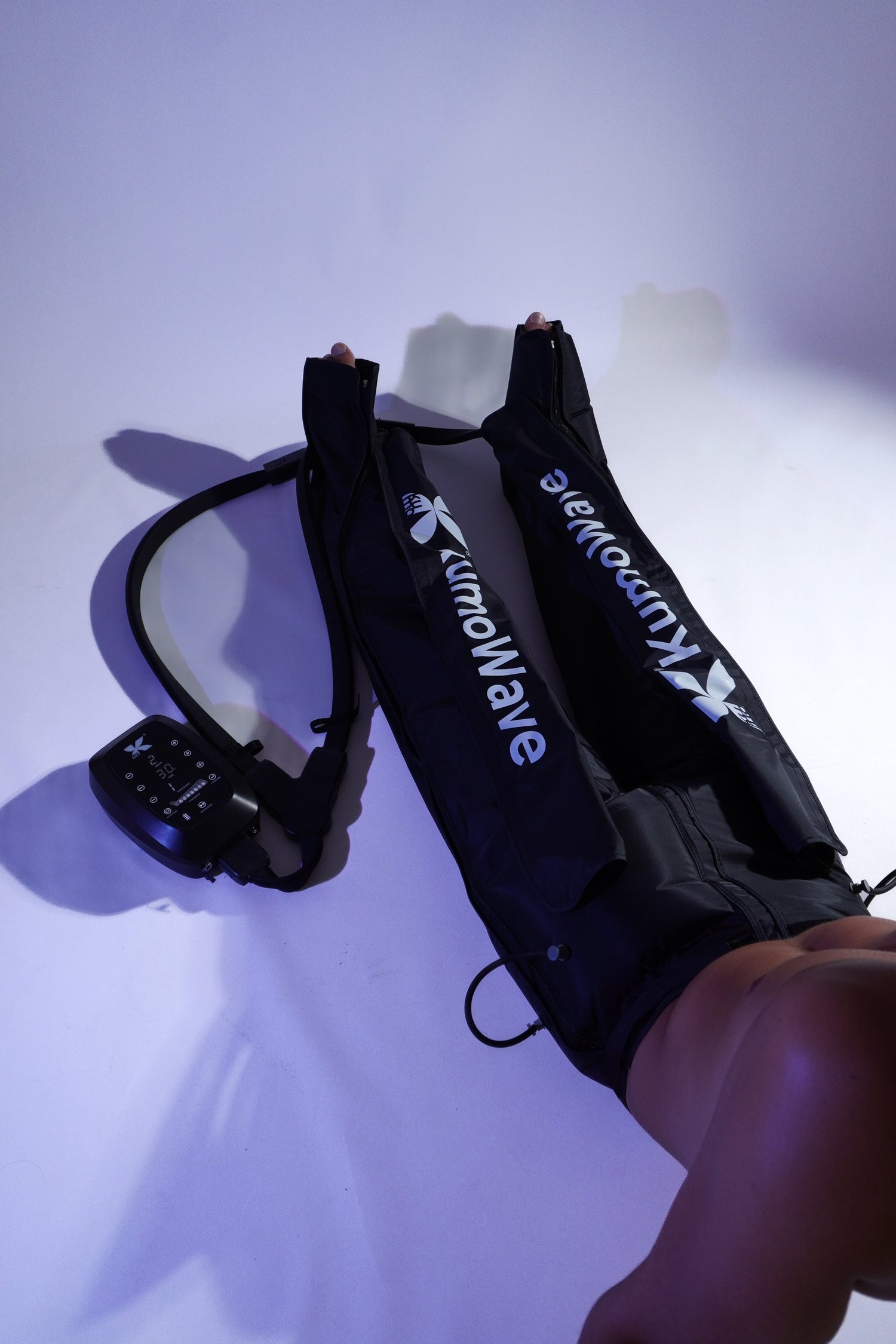
At home,Kumo compression boots are designed to provide graduated compression sessions that easily integrate into a recovery routine after a long day of standing or sitting. It is advisable to consult a healthcare professional before starting use if you have significant circulatory problems or heart conditions.
Deep tissue massage and massage guns to relieve muscle tension
Leg massage, performed from the feet to the thighs with gentle, progressive pressure, has traditionally been used to relieve swelling and heaviness . By mobilizing the soft tissues, the massage can:
- Relax tense muscles after many hours of standing or exercise.
- Promote superficial venous and lymphatic drainage.
- Increase the perception of lightness and well-being in the legs.
Modern massage guns allow for the application of controlled vibration and percussion to specific muscle groups (calves, quadriceps, hamstrings), complementing stretching and exercise. The Kumopulse Air device from Kumo, for example, is designed to target these areas of tension and promote relaxation after demanding days or workouts.
If you have very prominent varicose veins, wounds, recent bruising, or specific vascular diagnoses, avoid applying direct massage to those areas without prior approval from your doctor.
Red light and LED therapy: recovery and overall well-being
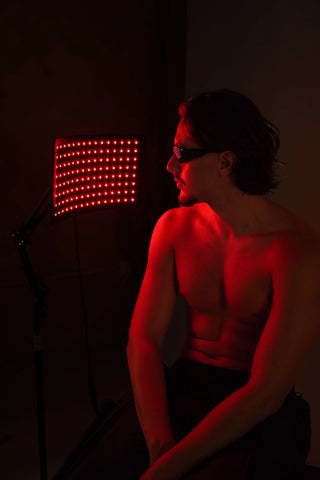
Photobiomodulation (therapy with red and near-infrared light) is a technology that has gained popularity in recent years. Some studies suggest that, with appropriate parameters, it can:
- To help moderately reduce delayed onset muscle soreness following intense exercise.
- Contribute to skin health (elasticity, texture, fine wrinkles), with good tolerance and few adverse effects described in well-designed protocols.
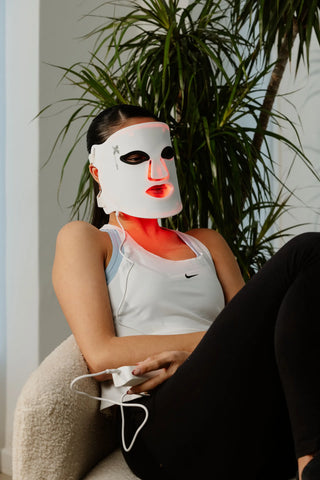
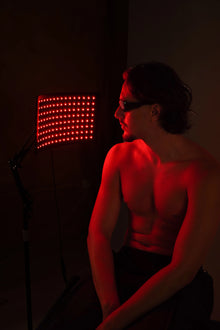
Kumo's LED therapy devices and face masks allow you to incorporate short red light sessions at the end of the day as part of a comprehensive recovery routine that includes muscle and skin care. While evidence regarding athletic performance and sleep is still developing, many people use them to help them relax before bed and improve their sense of rest.
It is important to always respect the manufacturer's instructions for use (time, distance, frequency) and consult a professional if you have photosensitizing diseases or treatments.
Integrate recovery technologies into your daily life
Practical rule: first movement, then passive recovery.
A good strategy is:
- Perform your gentle exercise routine for tired legs (ankle pumps, heel raises, light walking).
- Finish with stretching and a few minutes of leg raises.
- If you wish and there are no contraindications, you can add a pressotherapy session, gun massage or red light therapy as a complement.
This way you respect the central role of movement in vascular health and use technology to enhance recovery and well-being.
Frequently asked questions about tired and heavy legs
What causes the feeling of tired and heavy legs at the end of the day?
Heavy legs are usually due to a combination of poor venous circulation , muscle fatigue, and mechanical factors. Prolonged standing or sitting promotes blood pooling in the leg veins. Heat, excess weight, a sedentary lifestyle, and family history also play a role. Some people also have chronic venous disease (varicose veins, venous insufficiency), where the valves in the veins don't function properly and blood return is less efficient. Gentle exercise, leg elevation, and certain lifestyle habits often alleviate these symptoms, but if they are very intense or worsen, it's advisable to consult a doctor.
What exercises are best for improving circulation in the legs?
The most effective exercises are those that rhythmically activate the ankles, knees, and hips without impact. Ankle pumps (repeated flexion and extension), heel raises , and toe-heel rolls have been shown to significantly increase venous flow by stimulating the calf muscle pump. Walking at a comfortable pace for 20–30 minutes a day is also very beneficial. Ideally, combine exercises performed at rest (lying down or sitting) with standing movements and active micro-breaks throughout the workday. Start with a few repetitions and gradually increase them according to your tolerance.
Is it normal to have very tired legs if I spend many hours standing at work?
It's quite common for professionals who work on their feet (healthcare workers, shop assistants, hairdressers, teachers, etc.) to experience heavy, swollen, or tingling legs at the end of the day. Prolonged standing hinders venous return and contributes to the development of venous symptoms. Several studies have observed a higher prevalence of chronic venous disease in these types of occupations. To minimize the problem, the following are recommended: active breaks (walking for a few minutes or moving ankles and knees), comfortable shoes with low heels, elevating legs during breaks, and, if your doctor advises it, the use of graduated compression garments or pressotherapy.
How to relieve tired legs during pregnancy?
During pregnancy, it's very common to experience swollen and heavy legs due to increased blood volume, hormonal changes, and the pressure of the uterus on the pelvic veins. Gentle exercises like ankle pumps, supported heel raises, and short walks are generally safe, but it's advisable to have your gynecologist or midwife confirm they are appropriate for your specific case. Elevating your legs, avoiding intense heat, and wearing loose clothing and comfortable shoes also helps. In some cases, medical compression stockings are recommended; their use should always be supervised by a healthcare professional, especially if there is a history of significant varicose veins or thrombosis.
When should I worry and see a doctor about tired legs?
You should seek medical attention as a priority if the heaviness is accompanied by sudden, intense pain in one leg, marked unilateral swelling, redness or localized heat, or if you experience shortness of breath and chest pain. Also, seek medical attention if ulcers or wounds appear on the ankle that do not heal, if there are persistent changes in skin color, or if the veins are very dilated and painful. Even without alarming symptoms, if your tired legs limit your daily life or do not improve with gentle exercise and self-care measures, a medical evaluation is recommended to rule out significant venous disease or other causes (neurological, joint, metabolic, etc.).
So what now?
If you've made it this far, you already know that tired, heavy legs aren't something you should resign yourself to. Start today with a gentle exercise routine, incorporate short active breaks, and take care of your daily habits. If you want to go a step further, you can discover how to integrate recovery technologies likepressotherapy , LED light therapy , or devices like Kumopulse Air into your wellness routine.
You can find more information about our recovery solutions on the Kumo website . And if you need further guidance, you can contact the team through the contact section so we can help you design a recovery strategy tailored to your daily needs.
KumoWave pressotherapy
Choose your at-home pressotherapy
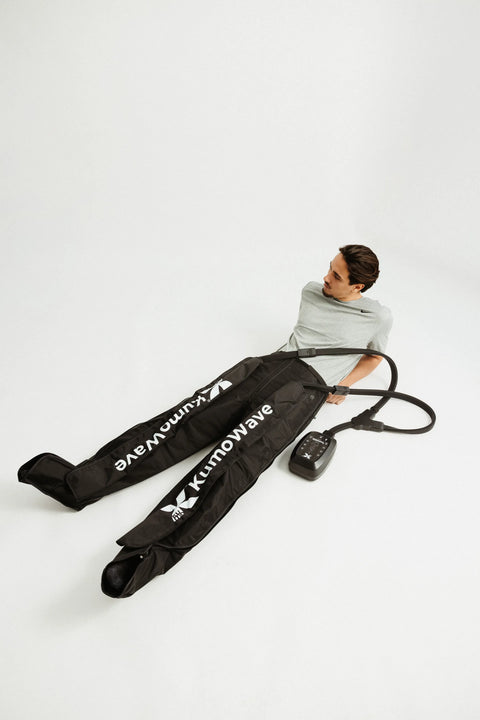
KumoWave Elite – Pressotherapy Pants
Full-coverage trousers. Ideal for lipedema, fluid retention and intensive use.
€799,00 €999,00
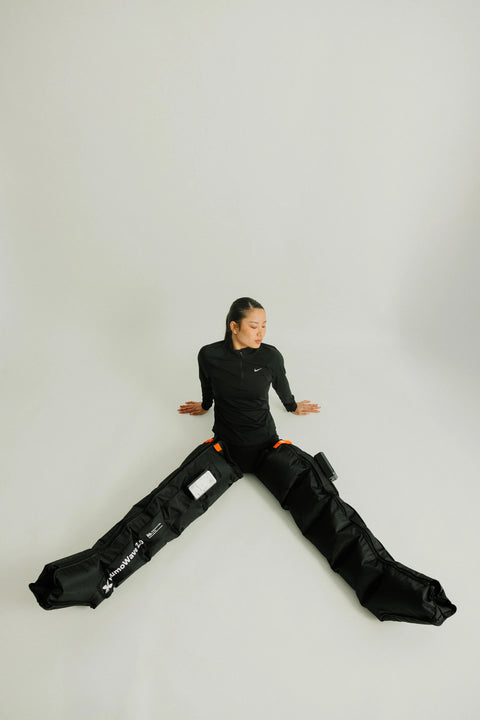
KumoWave 2.0 - Wireless Pressotherapy
Wireless, lightweight boots. Perfect for daily use and recovery.
€499,00 €599,00