
Taking care of your physical well-being doesn't have to be complicated.
In this guide you will learn what physical well-being really is, why it is key to your health and daily performance, and how to start improving it today with simple steps: more movement, better rest, balanced nutrition and smart recovery supported, where it makes sense, by modern technologies.
Red & infrared light
Recover faster, at home
★★★★★ 4,8/5 · rated by verified customers
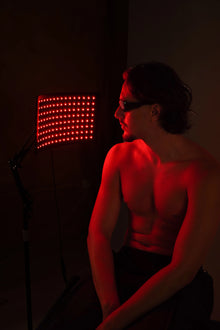
The KumoLux panel supports muscle recovery with full-body red and infrared light.
- 660 nm red + 850 nm infrared light
- Full-body muscle recovery
- Clinically validated biohacking protocols
€399,00€499,00
−10% on your 1st order when you subscribe to the newsletter

What is physical well-being?
Physical well-being is much more than "being fit" or not having illnesses. It's the state in which your body has the energy, strength, and ability to recover to respond well to the demands of daily life, from climbing stairs without getting winded to concentrating at work or sleeping soundly.
It includes components such as:
Personalized protocol · included with your purchase
Want us to tell you how to use it in your case?
With your purchase, our experts set up your red and infrared light sessions for your sport and goal.
Message us on WhatsAppOur experts reply · no obligation
- Cardiovascular fitness : how efficient your heart and respiratory system are.
- Muscle strength and endurance : ability to move loads and sustain effort.
- Mobility and flexibility : comfortable and pain-free range of motion.
- Body composition : a healthy balance between muscle mass and fat.
- Sleep quality and feeling of rest upon waking.
- Stable energy levels throughout the day.
When one of these pillars fails (for example, chronic sedentary behavior or poor sleep), your physical well-being suffers and health risks increase.
Why physical well-being matters today more than ever.
Modern life pushes us to sit for hours, with little movement and a high mental workload. The World Health Organization estimates that nearly 31% of adults worldwide do not meet the minimum recommended levels of physical activity , which equates to about 1.8 billion people in 2022. ( who.int )
This inactivity is associated with an increased risk of cardiovascular disease, type 2 diabetes, certain types of cancer, dementia, and mental health problems such as depression and anxiety. ( who.int ) At the same time, in 2022, an estimated 2.5 billion adults were overweight, 890 million of them obese —figures driven largely by the combination of sedentary behavior and poor diet. ( who.int )
on your first order when you join the newsletter
We send you the code instantly. No spam.
Taking care of your physical well-being is not just about "living longer", but about living better : with less pain, more energy, better concentration and more restful sleep.
The pillars of physical well-being
1. Daily movement and structured exercise
Physical activity includes any movement that uses energy: walking to work, climbing stairs, doing housework, or playing with your children. Exercise is planned physical activity, such as running, swimming, or strength training.
The WHO recommends that adults engage in at least 150 to 300 minutes of moderate-intensity physical activity (e.g., brisk walking) or 75 to 150 minutes of vigorous-intensity activity (such as running) per week , or a combination of both. ( who.int )
Some examples of how to achieve these recommendations without complicating things:
- Walk briskly for 30 minutes a day, 5 days a week.
- Do 3 weekly strength training sessions of 20–30 minutes (at home or in a gym).
- Use the bicycle to get around several times a week.
- Break up long periods of sitting with active breaks of 3–5 minutes every hour.
Regular physical activity helps reduce the risk of mortality and non-communicable diseases, improves mood, brain health and overall well-being. ( who.int )
2. Sleep and restorative rest
Sleep is the body's "recovery lab." During the night, memories are consolidated, tissues are repaired, and key hormones for appetite, stress, and the immune system are regulated. ( cdc.gov )
For most adults, leading sleep organizations recommend at least 7 hours of sleep per night for optimal health. ( cdc.gov ) Chronically sleeping less is associated with an increased risk of obesity, diabetes, high blood pressure, cardiovascular disease, and depression. ( mayoclinic.org )
Some key habits to take care of your sleep:
- Going to bed and waking up at similar times, even on weekends.
- Avoid bright screens at least 60 minutes before going to sleep.
- Create a relaxing ritual: light reading, gentle stretching, deep breathing.
- Keep the room dark, cool, and quiet.
- Avoid heavy meals, alcohol, or caffeine in the hours beforehand.
In addition to sleep hygiene, some technologies (such as certain red or infrared light phototherapy devices) are being investigated for their potential effects on subjective sleep quality and mood, although evidence is still limited and further studies are needed to define clear dosages and protocols. ( pubmed.ncbi.nlm.nih.gov )
3. Simple and sustainable nutrition
There is no physical well-being without a diet that supports your energy and recovery needs. The global rise in overweight and obesity reflects a chronic imbalance between calories consumed and expended, but also the abundance of ultra-processed foods, high in sugars and low-quality fats. ( who.int )
Some basic principles, without extreme diets:
- Prioritize minimally processed foods : fruits, vegetables, legumes, nuts, whole grains, olive oil, fish, eggs.
- Include enough protein in each meal (animal or plant source) to preserve muscle mass.
- Choose quality carbohydrates (whole grains) and limit added sugars and sugary drinks.
- Stay hydrated: start your day with water and always carry a bottle with you.
- Avoid the "all or nothing" approach: small, sustainable changes are better than large, temporary restrictions.
If you have any medical conditions (diabetes, cardiovascular disease, digestive disorders, etc.), always consult a healthcare professional or registered dietitian nutritionist before making any major changes.
4. Intelligent recovery and stress management
Training more doesn't always mean being healthier: recovery is where the body adapts and improves . Without rest periods, the risk of injury, chronic fatigue, and demotivation increases.
Simple recovery strategies:
- Days of light activity (walking, mobility, gentle yoga) between intense sessions.
- Diaphragmatic breathing or relaxation exercises to reduce stress.
- Gentle stretching and joint mobility routines.
- Massages, self-massage with foam roller or balls.
In recent years, recovery technologies such as photobiomodulation (red and infrared light) , intermittent pneumatic compression , and percussive massage guns have become popular. Some studies suggest that photobiomodulation applied before exercise can reduce muscle soreness and improve short-term performance parameters, although the quality of evidence is variable and many conclusions are considered to be of low or moderate certainty. ( pubmed.ncbi.nlm.nih.gov )
In the case of pneumatic compression, evidence suggests that it may not significantly reduce muscle pain compared to the control group in the first 24 hours after exercise, although it may offer a subjective feeling of relief and lightness in the legs. ( pubmed.ncbi.nlm.nih.gov )
Most importantly: no technology can replace rest, sleep and daily movement , but it can be an interesting complement when used judiciously and following the recommendations of the manufacturer and your health professional.
Table of key habits for your physical well-being
| Pillar | Basic objective | Examples of everyday actions |
|---|---|---|
| Motion | At least 150 min/week of moderate activity | Walk briskly, cycle, climb stairs, do strength training 2–3 times |
| Dream | 7–9 hours of quality nighttime sleep | Fixed schedule routine, limited screen time, dark and cool environment in the bedroom |
| Nutrition | A base of fresh foods and sufficient protein | Eat vegetables at every meal, drink water as your main beverage, and avoid ultra-processed foods. |
| Recovery | Balancing effort and rest | Gentle active days, stretching, massage, and well-used recovery tools |
| Stress | Regulate the nervous system | Deep breathing, screen-free breaks, walks in nature, short meditation |
How to get started today: a basic 4-week plan
You don't need to change your entire life at once. A gradual approach is usually more realistic and sustainable.
Week 1: Awareness and non-negotiable minimums
- For 3-4 days, write down how much you move (approximate steps), how many hours you sleep, and how you eat.
- Define your daily “minims”:
- 10–15 minute walk.
- Set bedtime.
- At least one serving of vegetables or fruit at each main meal.
Week 2: More movement without adding stress
- Increase your walks to 20–30 minutes a day.
- Introduce 2 short bodyweight strength training sessions (squats, incline push-ups, plank, glute bridge).
- Add a brief 5-minute stretching or mobility routine before bed.
Week 3: Improved sleep and recovery
- Strengthen your nighttime routine: no screens 60 minutes before, warm light and relaxing activities.
- Identify factors that worsen your sleep (late caffeine, very heavy dinners, working right before bed) and reduce their impact.
- Try simple recovery tools: leg self-massage, warm bath, slow breathing (4 seconds inhale, 6–8 exhale).
Week 4: Consolidation and, if you wish, assistive technology
- Review your progress: Do you have more energy? Are you sleeping better? Is it easier for you to move?
- Adjust goals: perhaps increase from 150 to 180–200 minutes of weekly activity, or add an extra strength day.
- If you have already established basic habits, you can consider incorporating recovery technologies such as:
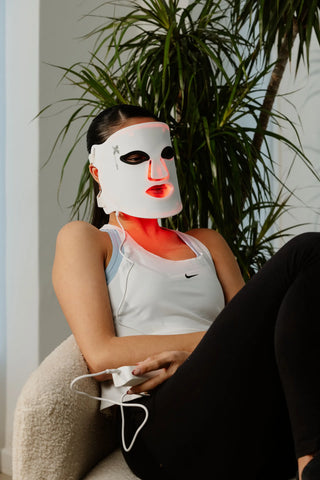
- Red light / LED therapy as support for muscle recovery and relaxation before sleep.
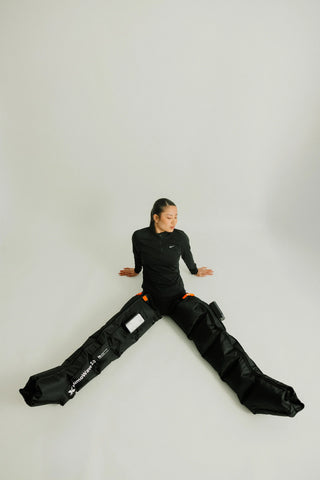
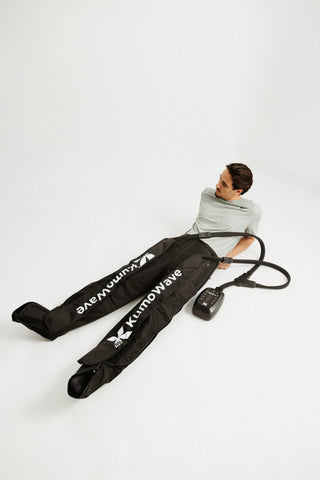
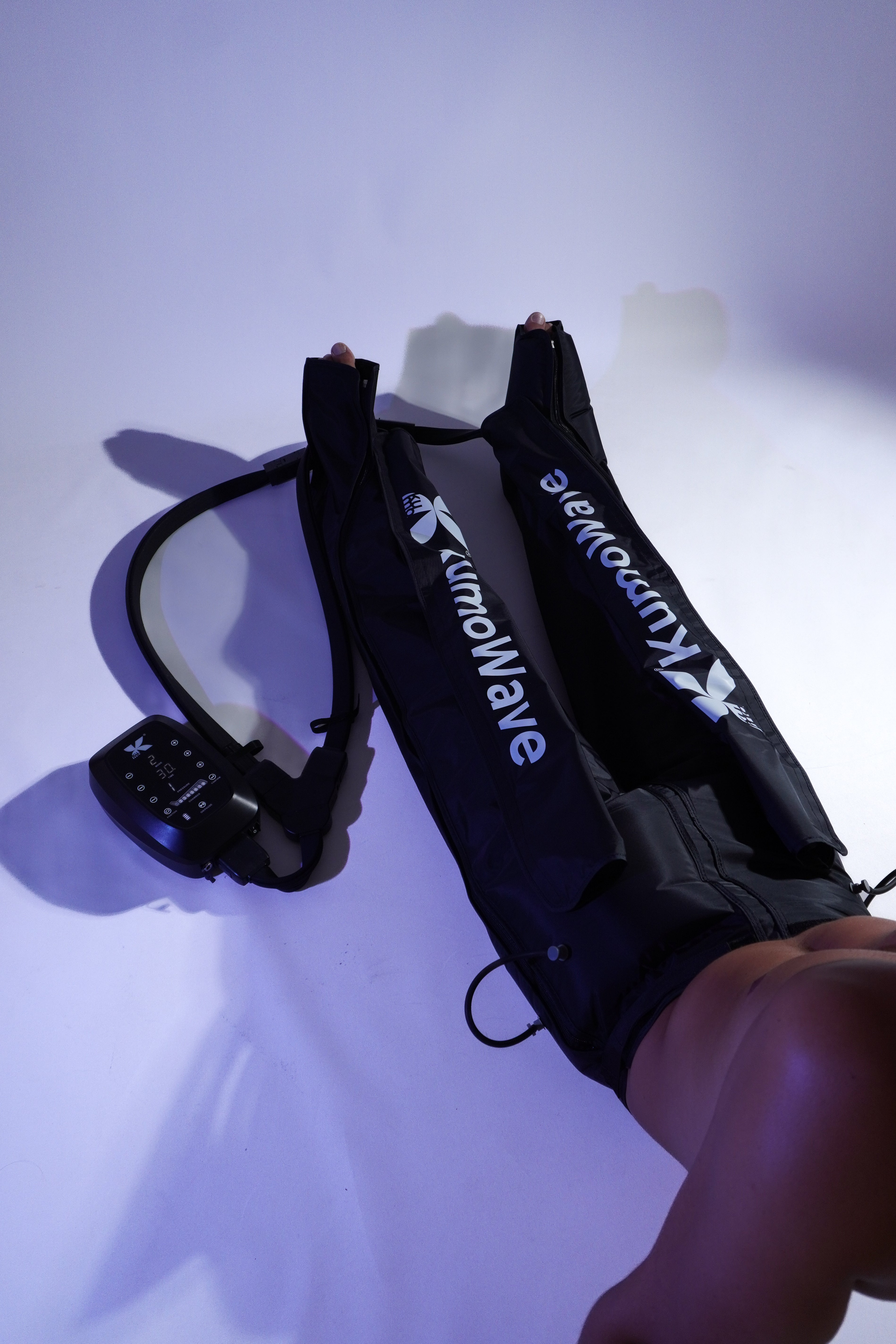
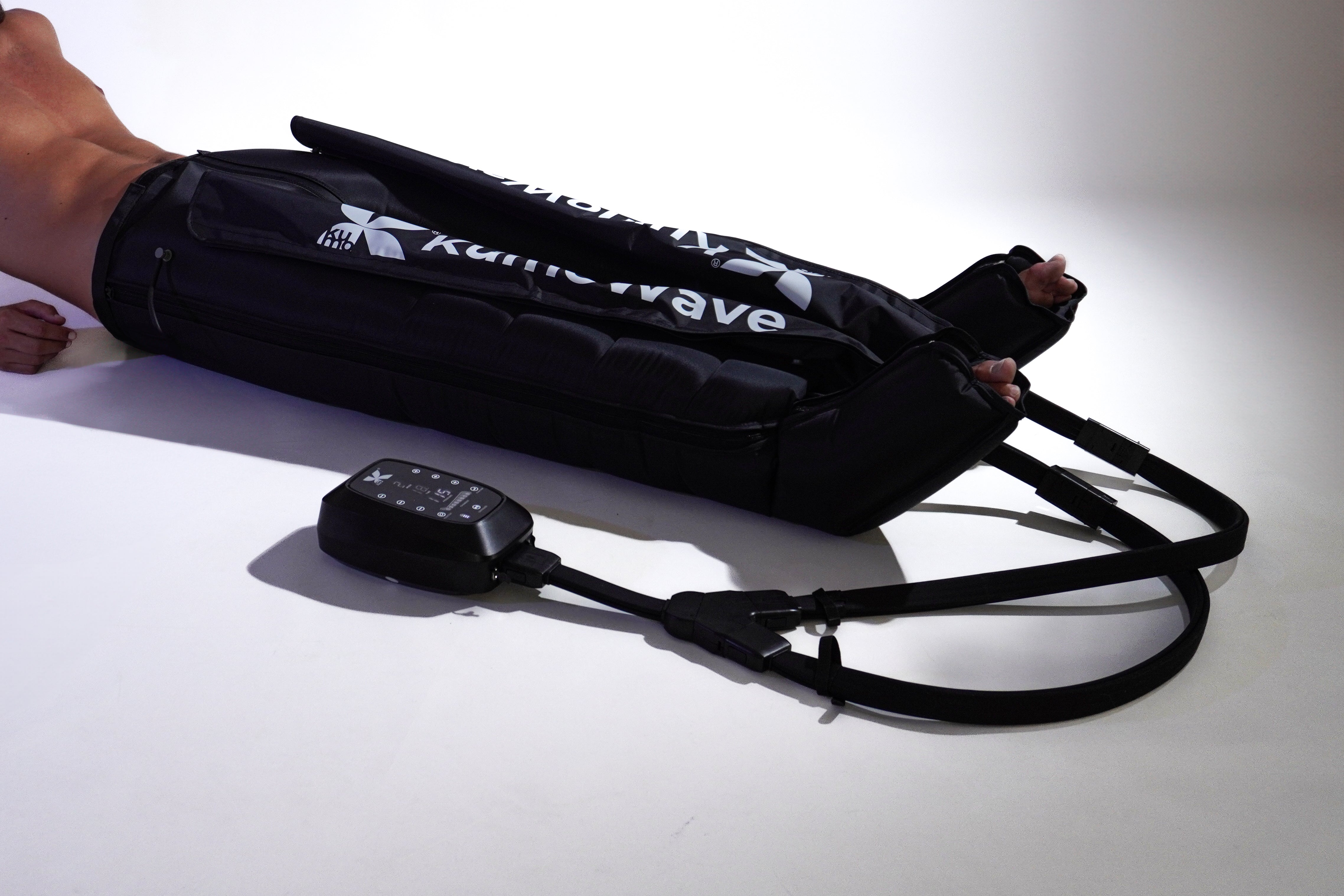
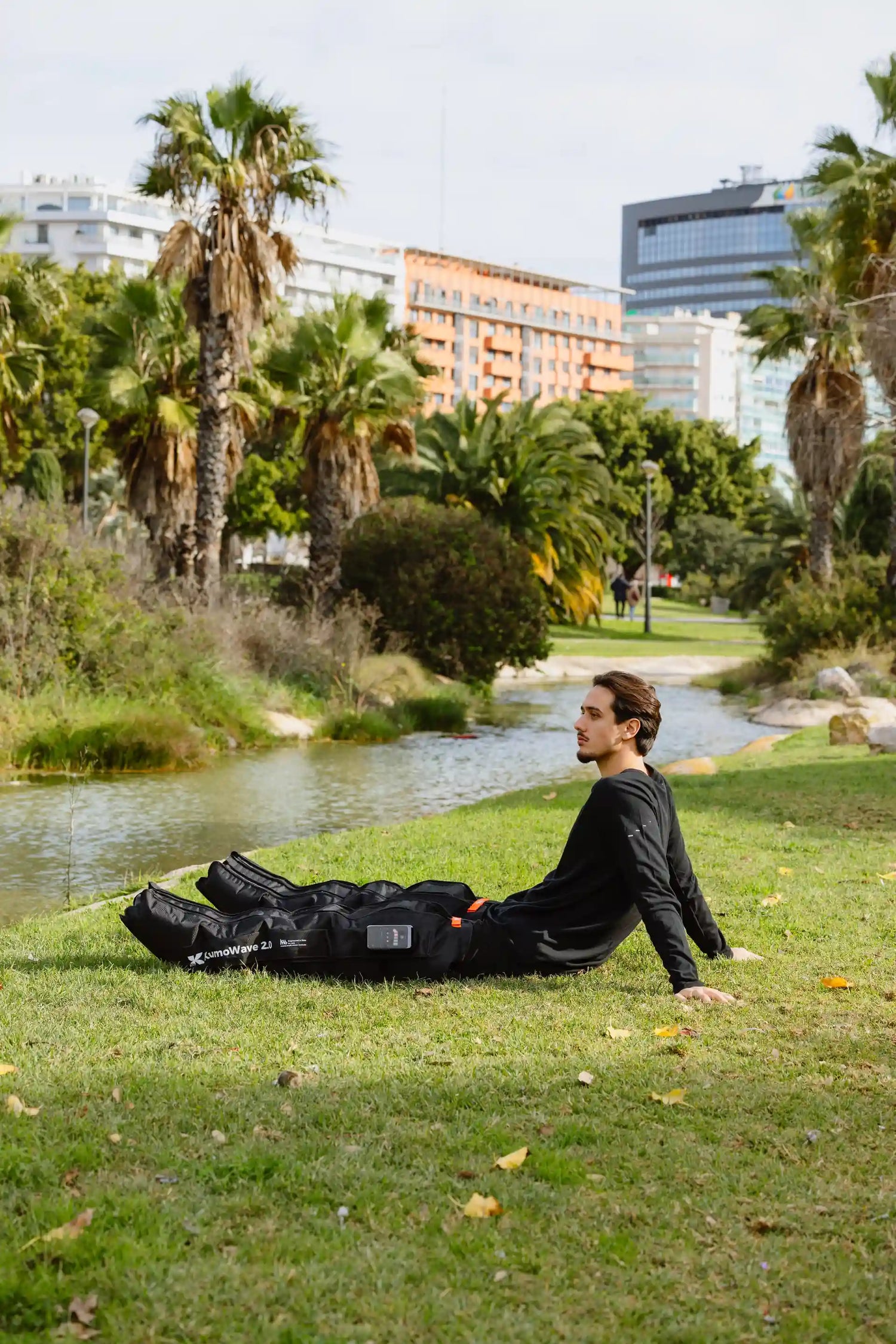
- Pressotherapy boots to promote venous return and relieve the feeling of heavy legs after long periods of standing or sitting.
- Massage guns to work on muscle areas that are tense after training or work.
Remember: If you have a medical condition, are pregnant, or are taking medication, always consult your doctor before making significant changes to physical activity or using recovery devices.
The role of recovery technology in physical well-being
Technology can help you make recovery a pleasant and easy-to-maintain habit. Brands like KUMO , for example, focus on integrating aesthetics, technology, and performance to bring these kinds of tools into your daily wellness routine. You can discover more about their approach on the brand's homepage: kumobalance.com .
Some examples of how to fit these technologies into your daily life:
- Use an LED light therapy device during a quiet time in the afternoon or evening, as part of your unwinding ritual.
- Schedule sessions with compression boots after long days on your feet or after demanding leg workouts.
- Apply a massage gun to very tense muscle groups (back, buttocks, calves) for a few minutes, always respecting the instructions for use.
The key is that these solutions build upon a solid foundation of movement, sleep, nutrition, and stress management, not that they attempt to compensate for its absence.
Frequently asked questions about physical well-being
How can I start improving my physical well-being if I lead a very sedentary life?
If you've been sitting for long periods for years, the most important thing is to start very slowly . Instead of thinking about "exercising," think about "moving more": walk for 5–10 minutes after each meal, take the stairs instead of always using the elevator, or get up for 3–5 minutes every hour at work. Once this becomes second nature, you can add two days of simple bodyweight exercises. If you have pre-existing medical conditions or are significantly overweight, consult your doctor first for personalized and safe guidelines.
How many minutes of exercise do I need per week to take care of my health?
International recommendations suggest 150 to 300 minutes of moderate-intensity activity (such as brisk walking) or 75 to 150 minutes of vigorous-intensity activity (such as running) per week, combined with strength training on two or more days per week. ( who.int ) If you're currently doing much less, don't worry: every increase counts. Going from 0 to 60–90 minutes per week can already provide benefits. Ideally, you should gradually approach the recommendations, adjusting the intensity to your age, fitness level, and any existing health conditions, always with professional supervision if needed.
What role does sleep play in physical well-being?
Sleep is as important as exercise or nutrition. Sleeping less than 7 hours regularly has been linked to a higher risk of obesity, diabetes, high blood pressure, cardiovascular disease, and poorer mental health ( mayoclinic.org ). While you sleep, your body repairs muscle tissue, regulates appetite and stress hormones, and consolidates learning. If you train hard but sleep poorly, your ability to recover and improve will be limited. Therefore, before seeking advanced solutions, make sure you ensure you get enough sleep and improve your sleep hygiene.
Is it necessary to use recovery technology to have good physical well-being?
It's not essential. Many people achieve an excellent level of physical well-being simply through basic habits: regular activity, a healthy diet, quality sleep, and stress management. Recovery technologies—such as red light therapy, pressotherapy, or massage guns—can be useful complements for those who train frequently, spend many hours standing or sitting, or seek enjoyable self-care rituals. If you decide to incorporate them, prioritize quality products, thoroughly research their indications and contraindications, and consult a healthcare professional if you have any medical concerns.
How often is it recommended to use massage or pressotherapy to recover muscles?
There is no single frequency that works for everyone. It depends on your activity level, your health, and how your body responds. Many people use targeted massages or massage guns several times a week after intense workouts, while pressotherapy is usually used in occasional sessions after prolonged exertion (such as a long run) or very long days on your feet. The key is to follow the manufacturer's instructions, not to use these tools on injured areas without professional evaluation, and to stop the session if you experience intense pain, dizziness, or other unusual discomfort.
So what now?
The next step isn't about making everything perfect, but about choosing a small change and doing it today : an extra walk, a set bedtime, or one more meal based on fresh foods. If you want to take your recovery a step further, you can explore KUMO's technological solutions—such as LED light therapy , pressotherapy , or the KumoPulse Air massage gun —always as a complement to your basic habits. And if you have any more specific questions, you can contact the team through the contact page.

Red & infrared light
KumoLux Panel – Red and Infrared LED Panel
★★★★★ 4,8/5 · rated by verified customers
- 660 nm red + 850 nm infrared light
- Full-body muscle recovery
- Clinically validated biohacking protocols
€399,00€499,00· pay in installments with seQura or Klarna