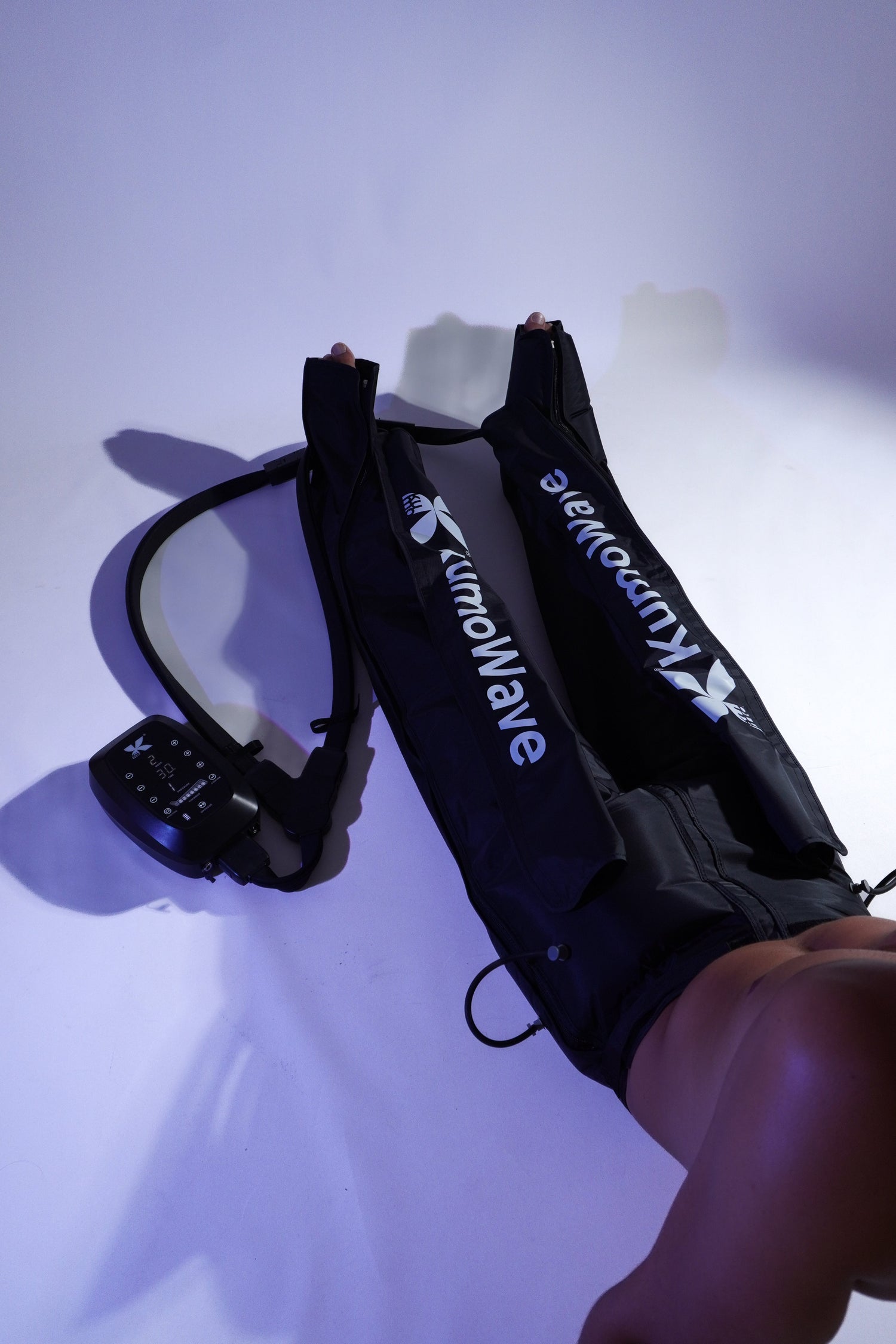
What is lymphatic drainage and why should you include it in your week?
Lymphatic drainage is a set of techniques and habits that help mobilize lymph, reduce fluid retention, and support the elimination of toxins through the lymphatic system.
This system plays a key role in immunity , fluid balance, and muscle recovery. When it slows down (due to a sedentary lifestyle, stress, lack of sleep, or dehydration), it can lead to heavy legs, swelling, chronic fatigue, and even a decline in sleep quality.
Pressotherapy at home
End the day with light legs
★★★★★ 4,8/5 · rated by verified customers
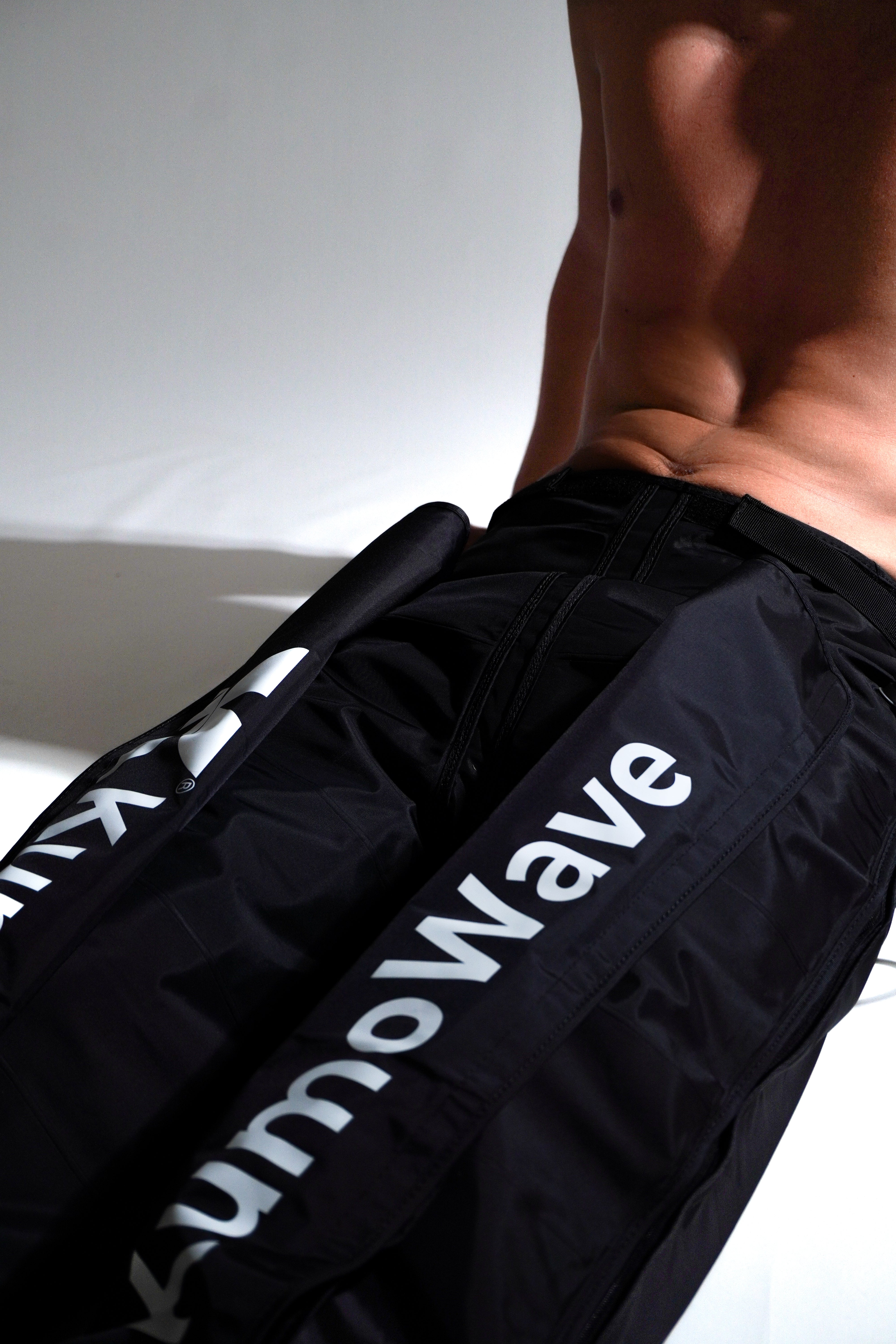
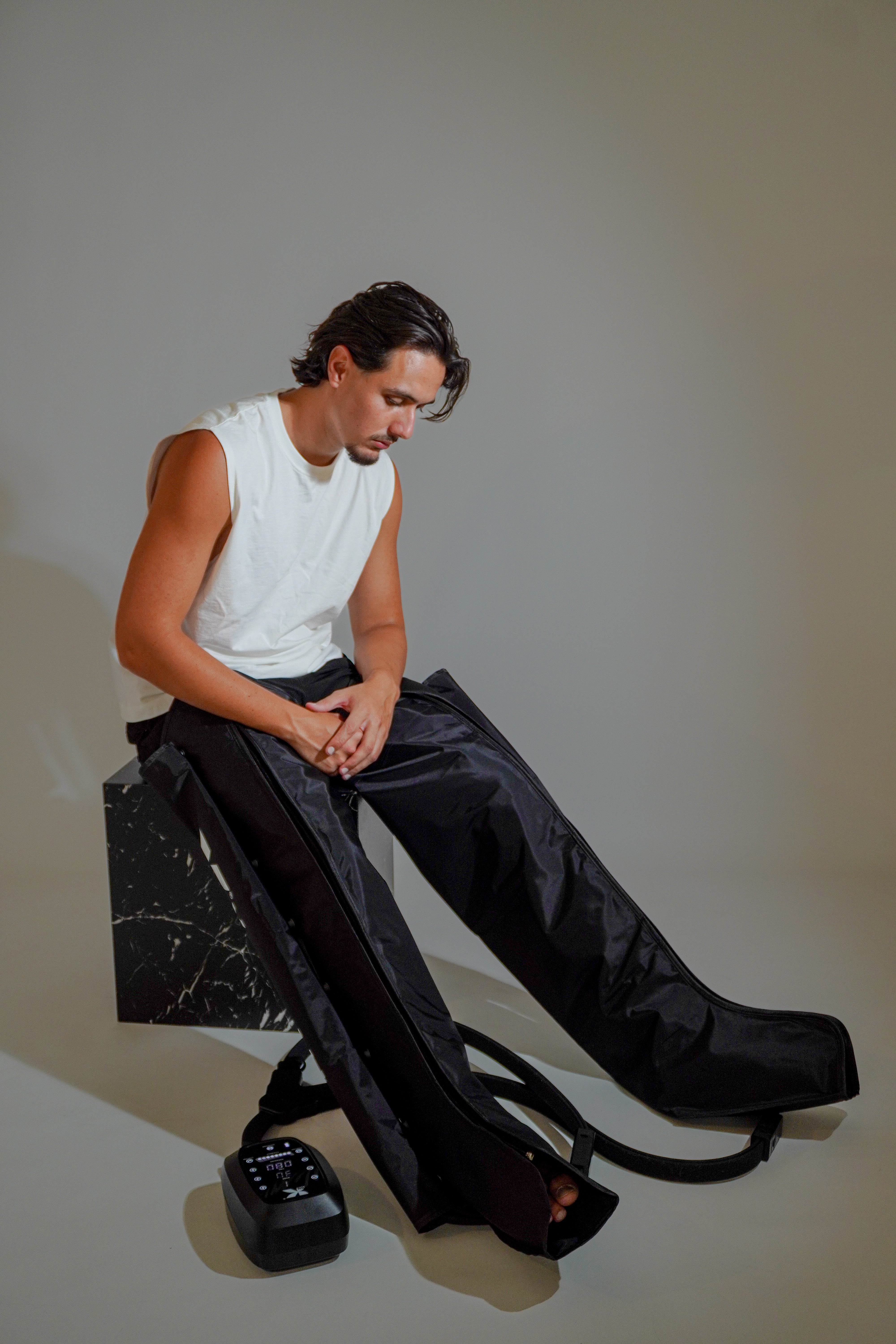
KumoWave pressotherapy boosts circulation and helps drain fluid with sequential compression, in 20-minute sessions at home.
- Boosts circulation and helps drain fluid
- Chamber-based compression, adjustable to you
- Sequential compression that mimics manual drainage
€799,00€999,00
−10% on your 1st order when you subscribe to the newsletter

A well-structured weekly routine is not a substitute for physiotherapy or medical treatment, but it can be a powerful ally for:
- Reduce the feeling of swelling and heaviness in legs and arms.
- Improve circulation and venous return.
- Support recovery after intense exercise.
- To contribute to overall well-being and better sleep at night.
Before you begin, remember: if you have cardiovascular disease, lymphedema, active cancer, thrombosis, or any other relevant condition, consult a healthcare professional.
Personalized protocol · included with your purchase
Want us to tell you how to use it in your case?
With your purchase, our experts prepare a personalized usage protocol for your case: sport, circulation, fluid retention, pregnancy or lipedema.
Message us on WhatsAppOur experts reply · no obligation
Fundamentals: how the lymphatic system works
The lymphatic system is a network of vessels and nodes that transports lymph, a clear fluid that collects waste products, proteins, fats, and immune cells. Unlike blood, it does not have a central "pump" like the heart: its movement depends largely on respiration, muscle contraction, and gentle external pressure on the tissues.
Therefore, an effective weekly lymphatic drainage routine combines three pillars:
- Movement : walking, gentle exercises, stretching.
- Breathing and relaxation : activate the diaphragm and reduce stress.
- Targeted stimulation : massage, pneumatic compression, drainage positions and recovery technologies.
Organizing these elements into a simple, realistic, and repeatable schedule is key to making detox a habit rather than a one-off effort.
on your first order when you join the newsletter
We send you the code instantly. No spam.
Weekly lymphatic drainage routine: general outline
This program is designed for healthy adults with active lifestyles or recreational athletes. Adapt it to your fitness level, available time, and medical recommendations.
- Ideal frequency : 4–6 days per week with specific drainage actions.
- Duration : between 15 and 45 minutes a day, spread out if necessary.
- Key moments : after work, after training, and before going to sleep.
Summary table: suggested weekly planning
| Day | Approximate duration | Main objective | Recommended tools or techniques |
|---|---|---|---|
| Monday | 30 min | Reactivate after the weekend | Light walking + breathing exercises + stretching |
| Tuesday | 20–30 min | Relieve heavy legs | Legs elevated position + compression boots or self-massage |
| Wednesday | 15–25 min | Muscle recovery | Massage gun on large muscle groups + deep breathing |
| Thursday | 20–30 min | Stimulate venous return | Gentle walk/bike + lymphatic drainage self-massage sequence |
| Friday | 25–35 min | Recover after the work week | Pressotherapy boots + guided relaxation or diaphragmatic breathing |
| Saturday | 15–20 min | Reduce inflammation after training or intense activity | Warm bath + gentle massage + red light therapy for recovery |
| Sunday | Optional 20 min | Reset and deep rest | Breathing exercises, gentle stretching, and a relaxing LED mask. |
Step by step: 30-minute daily lymphatic drainage routine
1. Gentle activation (5–10 minutes)
Start by moving your body to "awaken" your circulation:
- Walk at a comfortable pace (5–10 minutes), preferably outdoors.
- If you can't go outside: march in place, go up and down stairs carefully, or use a very gentle stationary bike.
The goal is not to tire you out, but to generate rhythmic muscle contractions that help move the lymph.
2. Diaphragmatic breathing to pump lymph (5 minutes)
The diaphragm acts as a "pump" that promotes venous and lymphatic return from the legs and abdomen to the chest. Set aside 3–5 minutes:
- Lie on your back with your knees bent or sit with your back straight.
- Place one hand on your chest and the other on your abdomen.
- Inhale through your nose counting to 4, bringing the air to your abdomen (lower hand rises slightly).
- Exhale through your mouth counting 6-8, letting your abdomen go down.
- Repeat 15–20 cycles, without forcing.
This practice also helps to reduce stress, a factor that can alter both the immune response and the perception of pain and fatigue.
3. Draining positions (5–10 minutes)
Postures with limbs raised above the heart facilitate the return of lymph and blood:
- Legs up the wall : Lie on your back and rest your legs straight up against the wall, forming a comfortable angle. Hold for 5–10 minutes, breathing calmly.
- Arms raised : Lying down or sitting, raise your arms above your head, resting them on the wall or a cushion for 3–5 minutes.
Avoid these positions if your doctor has advised you to restrict them due to blood pressure problems or heart disease.
4. Basic lymphatic drainage self-massage (5–10 minutes)
Manual lymphatic massage performed by professionals follows very specific protocols, especially for conditions like lymphedema. At home, you can apply a gentle, general version:
- Always with light pressure , more superficial than a muscle massage.
- Direction: from distal to proximal (from feet to thighs, from hands to shoulders), always towards the large groups of lymph nodes (groin, armpit, neck).
- Slow, circular or undulating movements, without aggressive friction.
If you have any doubts, request an educational session with a specialized physiotherapist before starting your self-massage routine.
5. Targeted muscle recovery with technology (5–15 minutes)
For athletes or people with high physical demands, combining drainage with recovery technologies can enhance the effect:
- Compression therapy boots : useful for promoting venous return and the feeling of light legs after workouts or long days on your feet. You can explore options in the section on Kumo pressotherapy boots .
- Massage guns : applied to large muscle groups (quadriceps, hamstrings, calves, glutes), they help reduce stiffness and improve the perception of recovery when used moderately. See the KumoPulse Air massage gun .
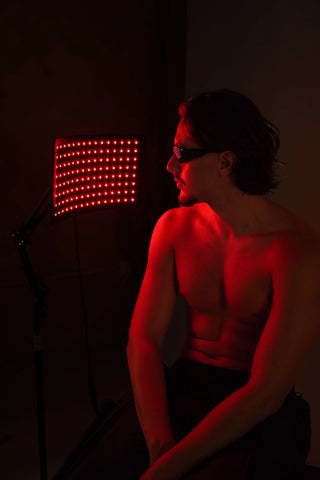
- Red light and LED therapy : Photobiomodulation with red and near-infrared light has been researched for years in the context of muscle recovery and tissue repair. You can see examples of devices at Kumo LED light therapy .
The key is to use them as a complement, always maintaining priority on movement, breathing, and rest.
How to adapt your lymphatic drainage routine to your profile
If you spend many hours sitting
Prolonged inactivity promotes fluid retention in the legs. Incorporate these adjustments:
- Active break of 3–5 minutes every hour: walking, climbing stairs or performing ankle dorsiflexion exercises.
- When you get home, do 10–15 minutes of elevated legs + diaphragmatic breathing.
- 2-3 days a week, short session of pressotherapy or self-massage on legs.
If you train hard (strength training, running, cycling)
Organize your drainage around your loading days:
- After training : 5–10 minutes of very gentle walking + light stretching.
- High load days : pressotherapy or massage gun focused on key muscle groups, avoiding inflamed areas or areas with acute pain.
- Rest days : more emphasis on breathing, red light and restorative sleep.
If you're mainly looking to reduce inflammation and feel less bloated
In addition to your movement and massage routine, pay attention to:
- Hydration : Lymph is mostly water; drinking enough facilitates its flow.
- Reducing salt and ultra-processed foods , which tend to increase fluid retention in many people.
- Sleep quality : a bad night affects the regulation of hormones involved in inflammation and fluid balance.
The role of technology in modern lymphatic drainage
By 2025, lymphatic drainage will be more than just manual massage. The combination of technology and healthy habits will allow for the creation of more comprehensive and personalized routines, always as a complement to medical supervision when necessary.
Pressotherapy for circulation and light legs
Intermittent pneumatic compression boots have been used for years in clinical and sports settings to promote blood and lymphatic return from the extremities. Today, they are being incorporated into home routines to relieve the feeling of heavy legs after intense days or demanding workouts.
Used correctly (moderate pressure, controlled duration, and without any contraindicating medical conditions), they can be a valuable addition to your weekly routine. Discover more about these solutions in the section on Kumo pressotherapy .
Massage guns for tension release
Percussive massage guns apply controlled vibrations to muscle tissue. Their main purpose is to reduce stiffness, improve mobility, and aid recovery after physical activity. By relaxing the muscles, they also promote a more favorable environment for venous and lymphatic return.
It is important to avoid using it on inflamed areas, with prominent varicose veins, wounds, or in people with coagulation disorders without professional supervision.
Red light therapy and LED masks
Photobiomodulation with red and near-infrared light has been studied in recent decades in relation to tissue repair, muscle pain reduction, and sleep quality. Although not strictly a lymphatic drainage technique, it can be integrated into a comprehensive recovery routine: less pain, better sleep, and a body better prepared to regenerate.
LED facial masks also focus on skin quality, which also benefits from improved local circulation. You can explore Kumo's options at LED light therapy .
Common mistakes when trying to do lymphatic drainage at home
- Excessive pressure : The lymphatic system is superficial. Squeezing too much can be counterproductive and painful.
- Very long sessions without progression : starting with moderate times and gradually increasing them is safer.
- Ignoring warning signs : intense pain, localized heat, redness, shortness of breath or sudden swelling require immediate medical consultation.
- Relying on just one tool : the combination of movement, breathing, rest and technology is what makes the difference.
The most effective lymphatic drainage is the one you can maintain week after week: simple, realistic, and adapted to your life.
Frequently Asked Questions about Lymphatic Drainage (FAQ)
How many times a week is it recommended to do lymphatic drainage?
For a healthy person seeking relief from heaviness or improved recovery, incorporating lymphatic drainage techniques 4 to 6 days per week is reasonable. This doesn't mean a full hour-long session every day, but rather accumulating moments of gentle movement, diaphragmatic breathing, drainage positions, and, if used, short sessions with compression therapy or massage guns. If you have a specific condition (lymphedema, heart problems, venous disease), the frequency and type of drainage should be prescribed by a healthcare professional.
Does lymphatic drainage help with weight loss?
Lymphatic drainage is not a weight-loss method in itself. Its main effect is on fluid balance and reducing bloating. In people with significant fluid retention, it can produce a slight decrease in measurements, but it is not a substitute for a balanced diet or physical exercise. What it can provide is a greater feeling of lightness and comfort, which in turn makes it easier to maintain a regular exercise routine. To speak of fat loss solely through lymphatic drainage would be neither realistic nor responsible.
Is it safe to do lymphatic drainage at home without a physiotherapist?
In healthy individuals, a basic routine of gentle movements, breathing exercises, and very light self-massage is generally safe, provided that painful, inflamed, or injured areas are avoided. The key is not to attempt to replicate complex clinical techniques without proper training. If you have a history of cancer, lymph node removal surgery, thrombosis, heart failure, or another relevant condition, you should first consult your doctor or a physiotherapist specializing in lymphedema. They will be able to advise you on the appropriate techniques for your specific situation.
How long does it take to see the effects of lymphatic drainage?
Many people experience relief from heaviness or some reduction in swelling from the first few sessions, especially when these include leg elevation, deep breathing, and gentle external compression. However, the greatest benefit comes with consistency : after 2–4 weeks of a regular routine, the perception of lightness, mobility, and sleep quality usually improve. In cases of underlying medical conditions, the timeframes are more variable and should be evaluated by the healthcare professional managing your treatment.
Can I combine lymphatic drainage with other recovery techniques?
Yes, it actually makes a lot of sense to integrate it into a comprehensive recovery strategy. You can combine it with gentle stretching, joint mobility exercises, warm baths, relaxation techniques or meditation, and technologies such as pressotherapy, massage guns, or red light therapy. The important thing is to respect rest periods between intense stimuli and avoid overloading already irritated tissues. If you have any doubts or notice a worsening of symptoms, stop the technique and consult a healthcare professional.
So what now? How to move from theory to your real routine
The next step is to choose 2–3 simple practices (walking, breathing exercises, leg elevations, gentle massage, compression therapy, or red light therapy) and schedule them into your weekly routine as a date with yourself. If you want to integrate recovery technologies in an aesthetically pleasing, effective, and comfortable way, you can discover all of Kumo's solutions in the Kumo homepage or directly explore the sections of pressotherapy and massage gun . If you have specific questions, please contact us through the Contact page to receive personalized guidance within our scope of action.
KumoWave pressotherapy
Choose your at-home pressotherapy
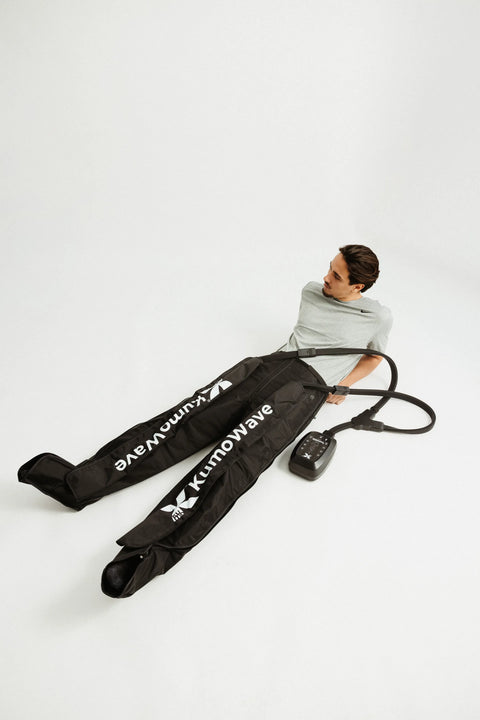
KumoWave Elite – Pressotherapy Pants
Full-coverage trousers. Ideal for lipedema, fluid retention and intensive use.
€799,00 €999,00
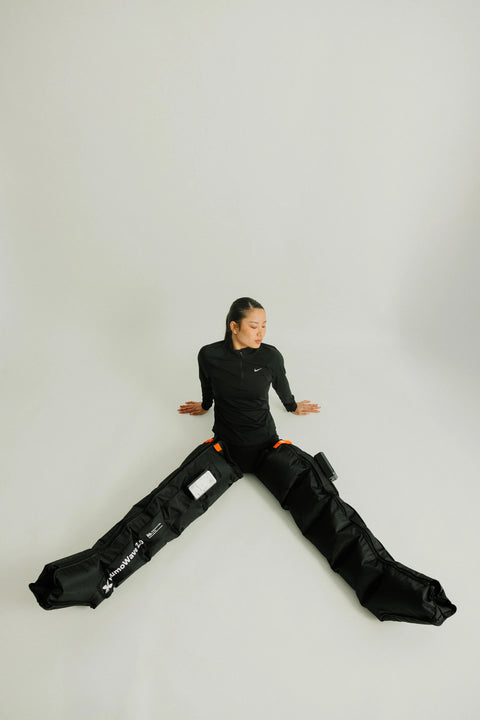
KumoWave 2.0 - Wireless Pressotherapy
Wireless, lightweight boots. Perfect for daily use and recovery.
€499,00 €599,00