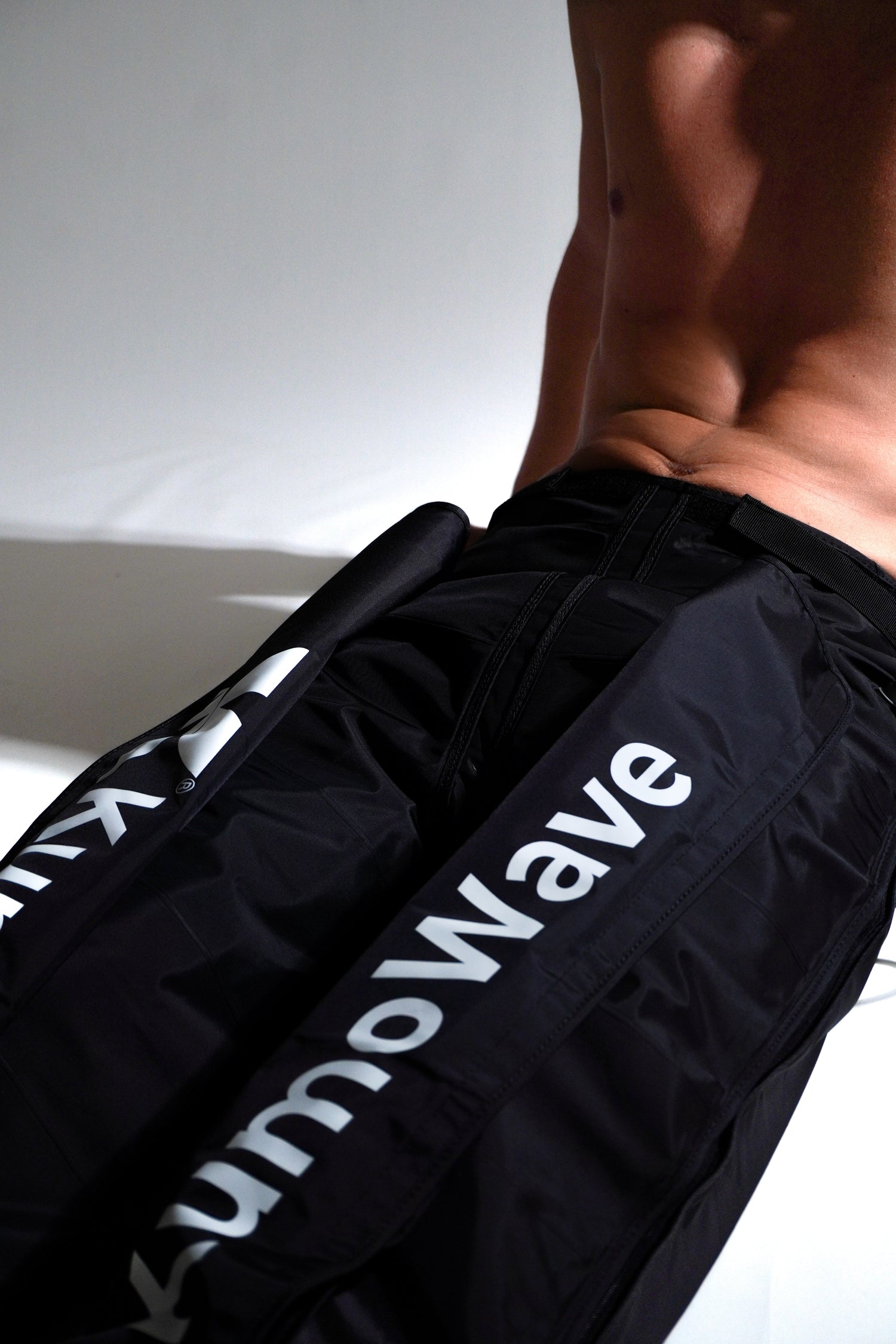
Introduction: Why home pressotherapy is of interest to those who spend the day sitting down
Pressotherapy at home can be your best ally if you spend the day sitting down.
If you work long hours in front of a computer, you're likely to suffer from tired legs, swollen ankles, and a feeling of heaviness at the end of the day. Prolonged sedentary behavior is already considered one of the main health risks at work: a 2024 European survey indicates that 64% of workplaces identify prolonged sitting as a key risk factor . ( osha.europa.eu )
Pressotherapy at home
End the day with light legs
★★★★★ 4,8/5 · rated by verified customers
KumoWave pressotherapy boosts circulation and helps drain fluid with sequential compression, in 20-minute sessions at home.
- Boosts circulation and helps drain fluid
- Chamber-based compression, adjustable to you
- Sequential compression that mimics manual drainage
€799,00€999,00
−10% on your 1st order when you subscribe to the newsletter

In this context, home pressotherapy —through pneumatic compression boots— has become a very interesting recovery tool to improve circulation, relieve swelling and promote a feeling of lightness in the legs, always as a complement to an active lifestyle.
In this guide you will learn exactly what pressotherapy is, how it works, what benefits it can provide if you work sitting down, and how to safely and effectively integrate it into your daily routine at home.
Personalized protocol · included with your purchase
Want us to tell you how to use it in your case?
With your purchase, our experts prepare a personalized usage protocol for your case: sport, circulation, fluid retention, pregnancy or lipedema.
Message us on WhatsAppOur experts reply · no obligation
What is pressotherapy and how does it work?
Simple definition: a sequential pressure “massage”
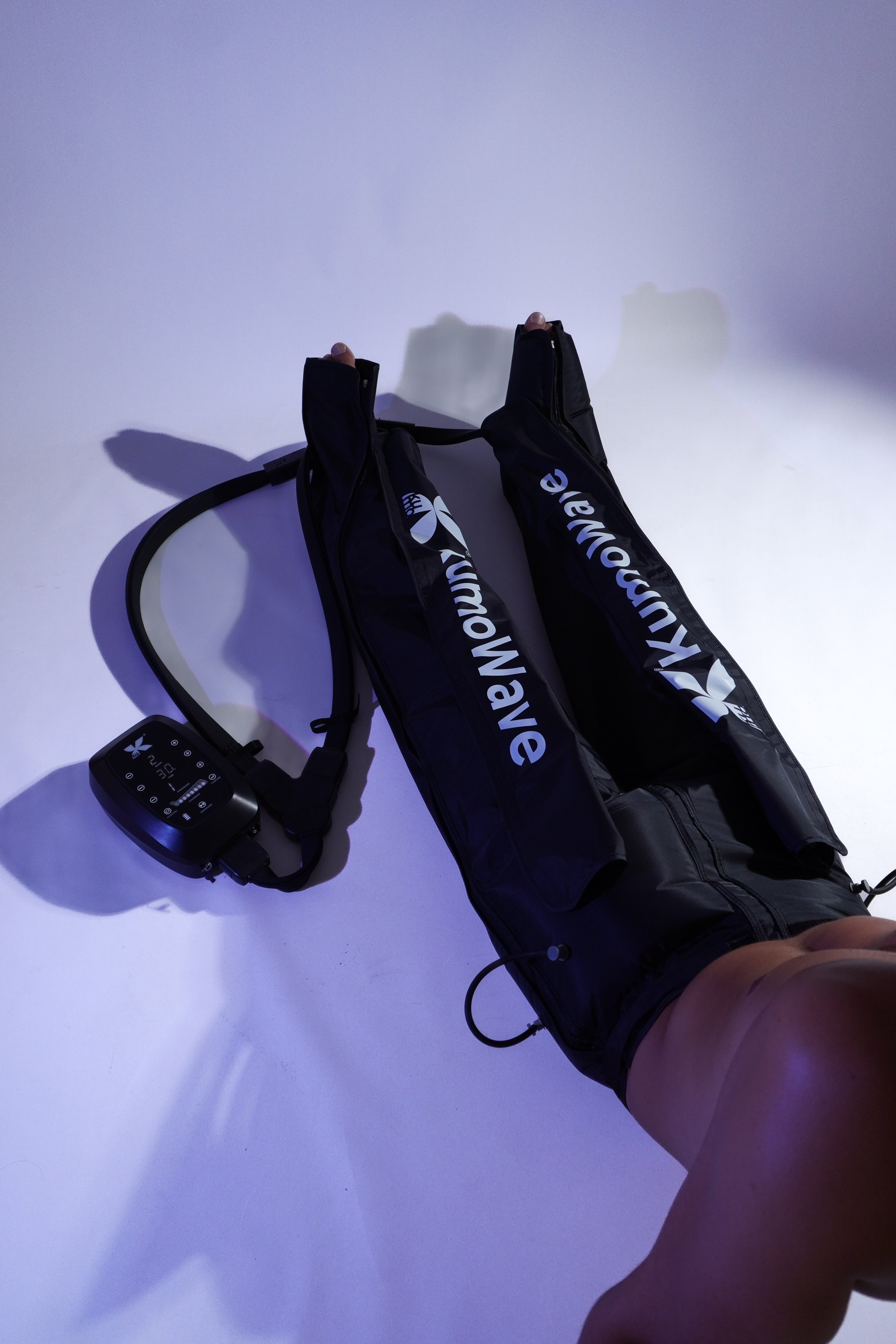
Pressotherapy is a technique based on intermittent pneumatic compression . It consists of sleeves (boots or leg sleeves) that are placed on the legs and inflated and deflated sequentially by an air pump. This pressure cycle simulates the effect of a massage that pushes blood and lymph from the feet towards the heart.
Medical institutions such as Northwestern Medicine describe these devices as tools that help increase venous circulation and reduce the risk of clot formation by keeping blood moving in the deep veins. ( encyclopedia.nm.org ) Although that use is clinical and hospital-based, the physical principle is the same in recovery systems for home use.
Mechanism of action: venous circulation and lymphatic drainage
When you sit for many hours, the leg muscle pump (gastrocnemius, soleus, etc.) is less active, and blood tends to pool in the lower body. Intermittent pneumatic compression:
on your first order when you join the newsletter
We send you the code instantly. No spam.
- It increases the speed of venous flow and facilitates the return of blood to the heart.
- It promotes lymphatic drainage , helping to mobilize fluids and toxins accumulated in the tissues.
- It produces a deep massage effect that can reduce the feeling of tension and muscle stiffness.
Systematic reviews on intermittent pneumatic compression have shown improvements in edema reduction and venous ulcer healing in patients, supporting the role of this technology in mobilizing fluids and improving local hemodynamics. ( pubmed.ncbi.nlm.nih.gov ) Again, these studies are clinical, but they help to understand why many people notice less swelling and more lightness when using compression boots in wellness and recovery settings at home.
Working while seated: what really happens to your legs
Sedentary work and leg health
Office work or computer work often involves sitting for 7–9 hours a day , frequently with few breaks. According to the European Agency for Safety and Health at Work, prolonged sedentary behavior and repetitive arm and hand movements are the most frequently cited risks in European workplaces . ( osha.europa.eu )
This pattern of sustained inactivity is associated with:
- Fluid retention in ankles and feet.
- Tired, heavy legs with a feeling of heat or tingling.
- Increased risk of musculoskeletal disorders and lower back pain.
- Poor venous return, which can aggravate pre-existing circulatory problems in predisposed individuals.
Typical symptoms in those who spend many hours sitting
If you recognize yourself in several of these signs, your legs are probably showing the effects of a sedentary lifestyle:
- Ankles marked when you take off your socks.
- Feeling bloated at the end of the day , even if you look fine in the morning.
- Need to constantly move or stretch the legs.
- Tiredness and "burning" in the calves after long days.
In these cases, home pressotherapy does not replace exercise or medical recommendations, but it can be a very useful piece in your leg recovery and daily well-being strategy, along with regular movement and good ergonomics.
Benefits of home pressotherapy for those who work sitting down
1. Feeling of lighter and less swollen legs
One of the most frequently mentioned advantages for those who use sequential compression boots is the reduction of heaviness and the relief of swollen legs. Clinics specializing in aesthetic medicine and physiotherapy indicate that, by stimulating venous return and lymphatic drainage, pressotherapy helps reduce fluid retention and swelling in the legs and ankles. ( clinicasacher.com )
For sedentary workers, this translates into arriving at night with less strain on the lower limbs and a more pleasant sensation when walking or climbing stairs.
2. Support for circulation after many hours of sitting
Intermittent pneumatic compression devices are well described in the medical field as tools to improve venous blood flow in the legs and prevent stasis, especially in immobilized people or after surgery. ( merckmanuals.com ) Although the clinical context is different, the principle is extrapolated: to increase blood movement in those who have spent the day with inactive muscles.
After a day of sitting at work, a pressotherapy session at home can help "awaken" circulation in the legs and complement other strategies such as walking, climbing stairs, or performing mobility exercises.
3. Muscle recovery and general well-being
Sequential compression applied to the legs is also increasingly used in sports to promote muscle recovery after intense training, by helping to eliminate metabolites and reducing the feeling of fatigue. ( fisiolab.mx )
For those who work sitting down, the muscle load is different, but the perceived benefit can be similar: a feeling of deep relaxation , less stiff muscles, and greater comfort at the end of the day. Furthermore, the very ritual of lying down or reclining for 20–30 minutes in the boots can serve as a moment of mental disconnection and stress management .
4. Complement to other healthy habits (not a substitute)
It's important to emphasize this: at-home pressotherapy does not replace physical exercise , walking, or following your doctor's instructions. It should be understood as a complement within a broader approach that includes:
- Active breaks every 45–60 minutes.
- Simple ankle and knee mobility exercises.
- Good hydration and a balanced diet.
- Proper ergonomics in your workplace.
When integrated into an active lifestyle, pressotherapy can amplify that feeling of care and recovery that many people seek at the end of the day.
How to integrate pressotherapy at home into your routine if you work sitting down
Choosing the time of day: before, during, or after work?
In practice, most users opt for pressotherapy after the workday , when their legs are most tired. The reasons are simple:
- It's easier to dedicate 20–30 continuous minutes without interruptions.
- The contrast between accumulated fatigue and the subsequent feeling of lightness is more evident.
- It can be integrated into a nightly disconnection routine , before dinner or before going to sleep.
However, nothing prevents you from having short sessions in the mid-afternoon, as long as you have a comfortable space and can lie down or recline safely with your boots on.
Indicative duration and frequency
Protocols vary depending on the device and the manufacturer's or healthcare professional's recommendations. As a general reference in a wellness (non-medical) context:
- Typical duration: 20–40 minutes per session.
- Recommended frequency for sedentary workers: 2–5 times per week, depending on how you feel and rest.
- Pressure intensity: comfortable, never painful; it is preferable to start with moderate levels and adjust accordingly.
In any case, it is important to follow the manufacturer's instructions for the pressotherapy equipment you use and consult a healthcare professional if you have any pre-existing conditions.
Example of a weekly routine combining seated work and pressotherapy
Table: Example of a weekly plan with pressotherapy at home
| Day | Approximate seated time | Minimal active breaks | Suggested pressotherapy session |
|---|---|---|---|
| Monday | 8 a.m. office | 5 min every 60 min (walking + ankle exercises) | 30 min after work (medium pressure) |
| Tuesday | 7 hours office + 1 hour car | 5 min every 60 min + 10 min walk at midday | 20 min afternoon/evening (gentle recovery program) |
| Wednesday | 8 a.m. office | Calf raises on a step twice a day | Break from pressotherapy (mobility and stretching only) |
| Thursday | 9 a.m. office | 5 min every 45–60 min (walking + gentle squats) | 30–40 min late (focus on tired legs) |
| Friday | 7 a.m. office | Walk 15–20 min after lunch | 20–30 minutes at night to close out the week |
This plan is just a guideline. The key is to combine regular movement throughout the day with at-home pressotherapy sessions tailored to your needs and schedule.
Combining pressotherapy with other recovery technologies
If you want to build a more complete recovery routine around your sedentary days, you can combine pressotherapy with other wellness technologies. For example:
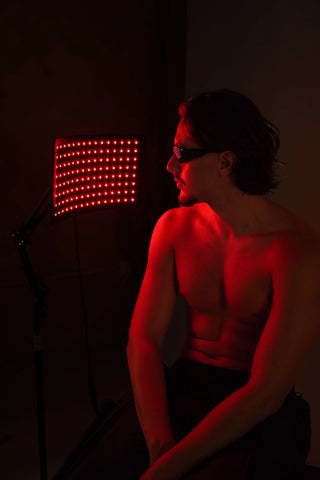
- Use LED light therapy devices to promote relaxation and overall muscle recovery.
- Add the KUMOPULSE Air massage gun to very tense areas (lower back, buttocks, calves) on specific days.
- Implement breathing routines and gentle stretching at the end of the pressotherapy session.
KUMO's philosophy is to make recovery a new way of life , integrating different technologies in a coherent and sustainable way in the long term.
Safety, contraindications, and when to consult a professional
For whom is home pressotherapy NOT suitable?
Although pressotherapy is widespread in physiotherapy, aesthetic medicine, and hospital settings, it is not suitable for everyone. Specialized sources point out clear contraindications such as: ( egeafisioterapia.es )
- Deep vein thrombosis (DVT) or active thrombophlebitis.
- Severe or decompensated heart failure .
- Skin infections , open wounds or ulcers in the application area (unless specifically indicated by a doctor).
- Active cancer without oncologist authorization.
- severe kidney problems or pulmonary edema.
- Recent fractures or significant trauma to the legs.
Precautionary situations are also considered (on a case-by-case basis): very advanced varicose veins, high-risk pregnancy, poorly controlled diabetes, or untreated hypertension. In these cases, the general recommendation is to always consult a healthcare professional before using pressotherapy devices at home.
Warning signs during a session
During any pressotherapy session, immediately discontinue use and consult a professional if you notice:
- Intense or sharp pain in the leg.
- Sudden reddening, excessive heat, or a noticeable change in skin color.
- Difficulty breathing, severe dizziness, or sudden general malaise.
The pressure should never be painful . A basic rule: more isn't always better. Moderate, comfortable pressure is preferable, allowing you to fully relax during the session.
Pressotherapy, the venous system and scientific evidence (with nuances)
Numerous studies on intermittent pneumatic compression have demonstrated benefits in very specific medical contexts, such as the improvement of symptoms in chronic venous insufficiency or support for the healing of difficult venous ulcers. ( pubmed.ncbi.nlm.nih.gov )
However, these results refer to patients with specific pathologies, under clinical supervision. In the area of wellness and performance , the scientific basis rests primarily on the mechanism of action (improved venous and lymphatic flow, edema reduction) and the practical experience of physiotherapists and athletes. Therefore, it is important to maintain a realistic perspective: pressotherapy helps you feel better , but it is not a substitute for medical treatment.
Frequently asked questions about home pressotherapy
How many times a week can I use pressotherapy at home if I work sitting down?
In a wellness context, many people who work sitting down use pressotherapy between 2 and 5 times a week , with sessions lasting 20 to 40 minutes. A reasonable frequency could be every other day, observing how your legs react: if you feel lightness without discomfort, you can maintain the pace; if you feel too fatigued, reduce the frequency or pressure. It is important to always follow the equipment manufacturer's instructions, and if you have diagnosed circulatory problems, consult your doctor or physiotherapist before establishing a fixed routine.
Is it better to do pressotherapy before or after the workday?
For most people who work sitting down, pressotherapy after work is usually the most practical and pleasant option: their legs are already fatigued, and the difference is more noticeable. However, using it first thing in the morning can help you start the day feeling lighter if you wake up with morning swelling. You can also combine sessions: a short one in the morning and a longer one on a specific day after a particularly intense day. The key is that the chosen time doesn't create a sense of urgency, but rather allows you to relax and turn the session into a true recovery ritual.
Does at-home pressotherapy replace physical exercise?
No. Home compression therapy is not a substitute for movement or exercise . Think of it as a complement that supports your circulatory system and overall well-being, but it cannot replace the metabolic, cardiovascular, and muscular benefits of exercise and walking. Even the best compression system will be much more effective when combined with active breaks, daily 20–30 minute walks, and basic strength exercises. If you spend many hours sitting, the priority remains breaking the sedentary habit; compression therapy comes into play to boost your recovery and relieve the feeling of tired legs.
Can I use compression boots at home if I have varicose veins or poor circulation?
It depends on the severity of your varicose veins and the type of circulatory problem. In mild cases, some professionals allow compression therapy as a complement, but in very advanced varicose veins, deep vein thrombosis, or severe venous insufficiency, it may be contraindicated or require strict prescription and supervision. ( egeafisioterapia.es ) If you know or suspect you have poor circulation (pain when walking, significant changes in skin color, history of blood clots), it is best to consult a vascular physician or a specialized physiotherapist before using any compression device at home.
What does it feel like during a pressotherapy session at home?
Most users describe the sensation as a rhythmic pressure massage that envelops the leg from the foot to the thigh. The air chambers inflate progressively, exerting a firm but pleasant pressure, and then deflate to begin a new cycle. It shouldn't hurt or cause intense tingling. You'll typically notice a gentle warmth, relief, and relaxation as the session progresses. If the pressure bothers you, it's important to reduce the intensity or stop using it and check that the boots are properly fitted, or consult a professional.
So what now?
If you spend long hours sitting down and notice heaviness, swelling, and fatigue in your legs at the end of the day, at-home pressotherapy can be a powerful tool for your well-being and recovery. At KUMO, we're committed to technologies that combine design, performance, and ease of use , making recovery a natural part of your daily routine.
You can explore our compression boots and other recovery solutions on the KUMO homepage . If you have any questions about which technology best suits your lifestyle or work style, please don't hesitate to contact the KUMO team for personalized guidance.
KumoWave pressotherapy
Choose your at-home pressotherapy
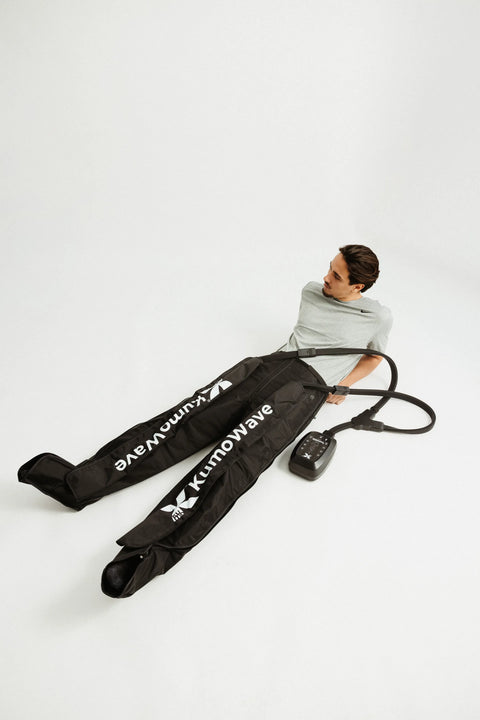
KumoWave Elite – Pressotherapy Pants
Full-coverage trousers. Ideal for lipedema, fluid retention and intensive use.
€799,00 €999,00
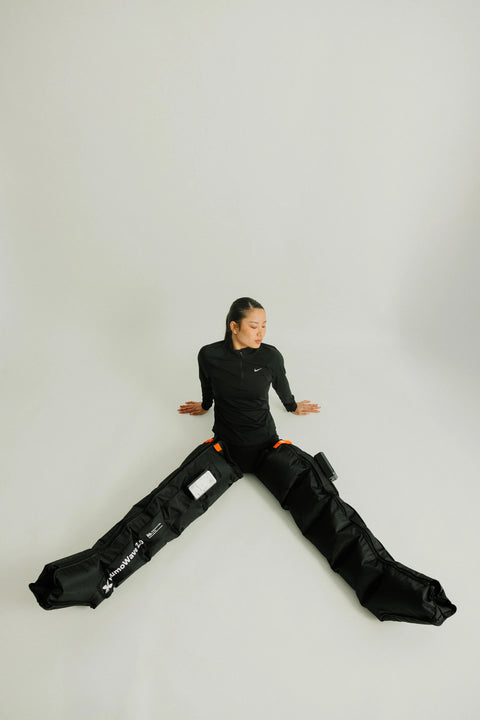
KumoWave 2.0 - Wireless Pressotherapy
Wireless, lightweight boots. Perfect for daily use and recovery.
€499,00 €599,00