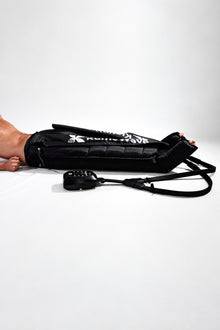

Relieving tired feet and ankles at home is possible with pressotherapy.
If you end the day with swollen feet, stiff ankles, or the feeling of heavy legs, at-home compression therapy can become a key tool for your daily well-being. In this article, you'll see exactly what it is, how it works on leg circulation, what benefits it can offer, how to safely integrate it into your routine, and when it makes sense to combine it with other recovery technologies.
Pressotherapy at home
End the day with light legs
★★★★★ 4,8/5 · rated by verified customers
KumoWave pressotherapy boosts circulation and helps drain fluid with sequential compression, in 20-minute sessions at home.
- Boosts circulation and helps drain fluid
- Chamber-based compression, adjustable to you
- Sequential compression that mimics manual drainage
€799,00€999,00
−10% on your 1st order when you subscribe to the newsletter

The idea is simple: to bring to your home a technology that has been used for years in medical and recovery environments, adapted for domestic use and designed so that taking care of your legs is as routine as training or sleeping well.
What is pressotherapy and how does it work on feet and ankles?
A simple explanation of pressotherapy
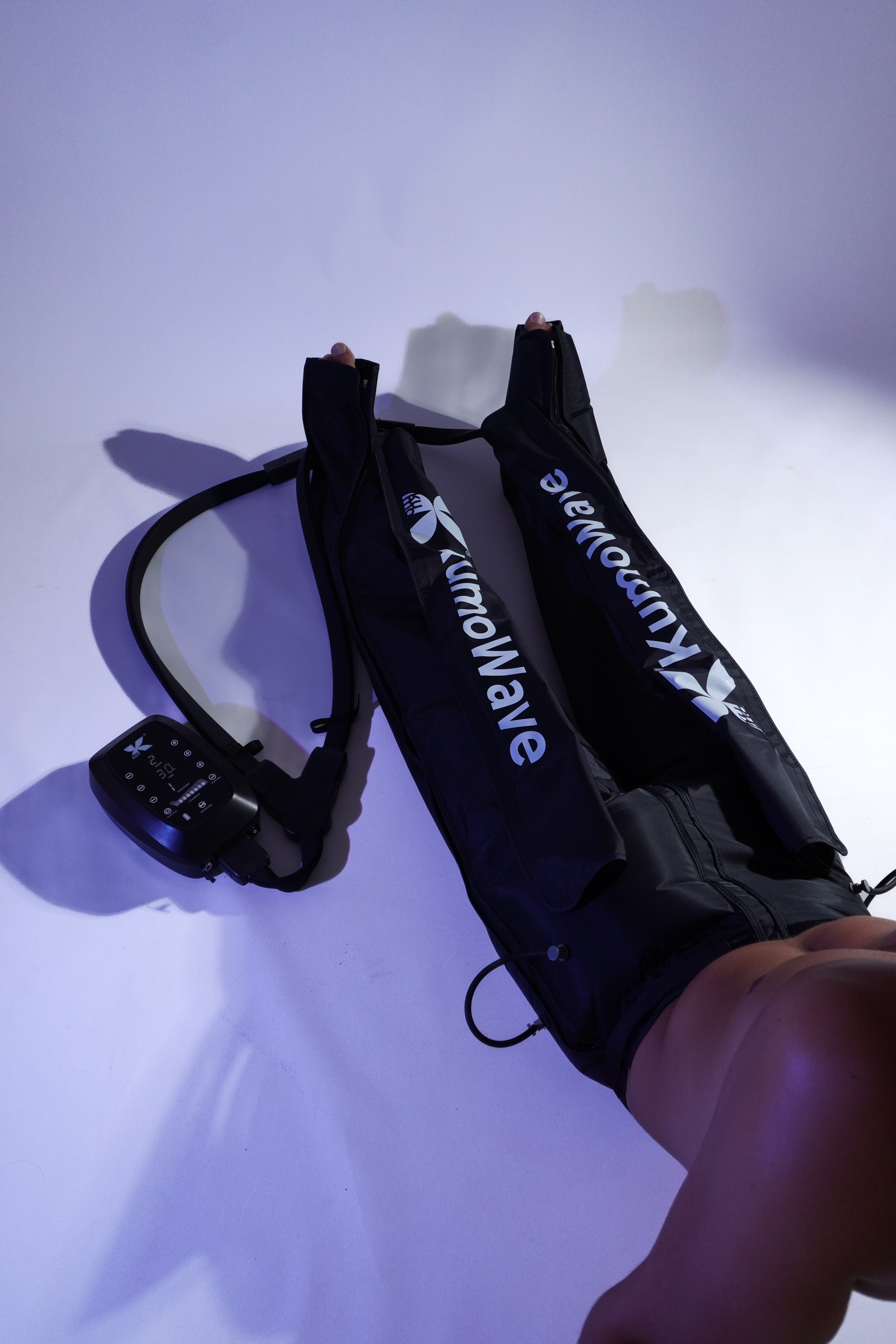
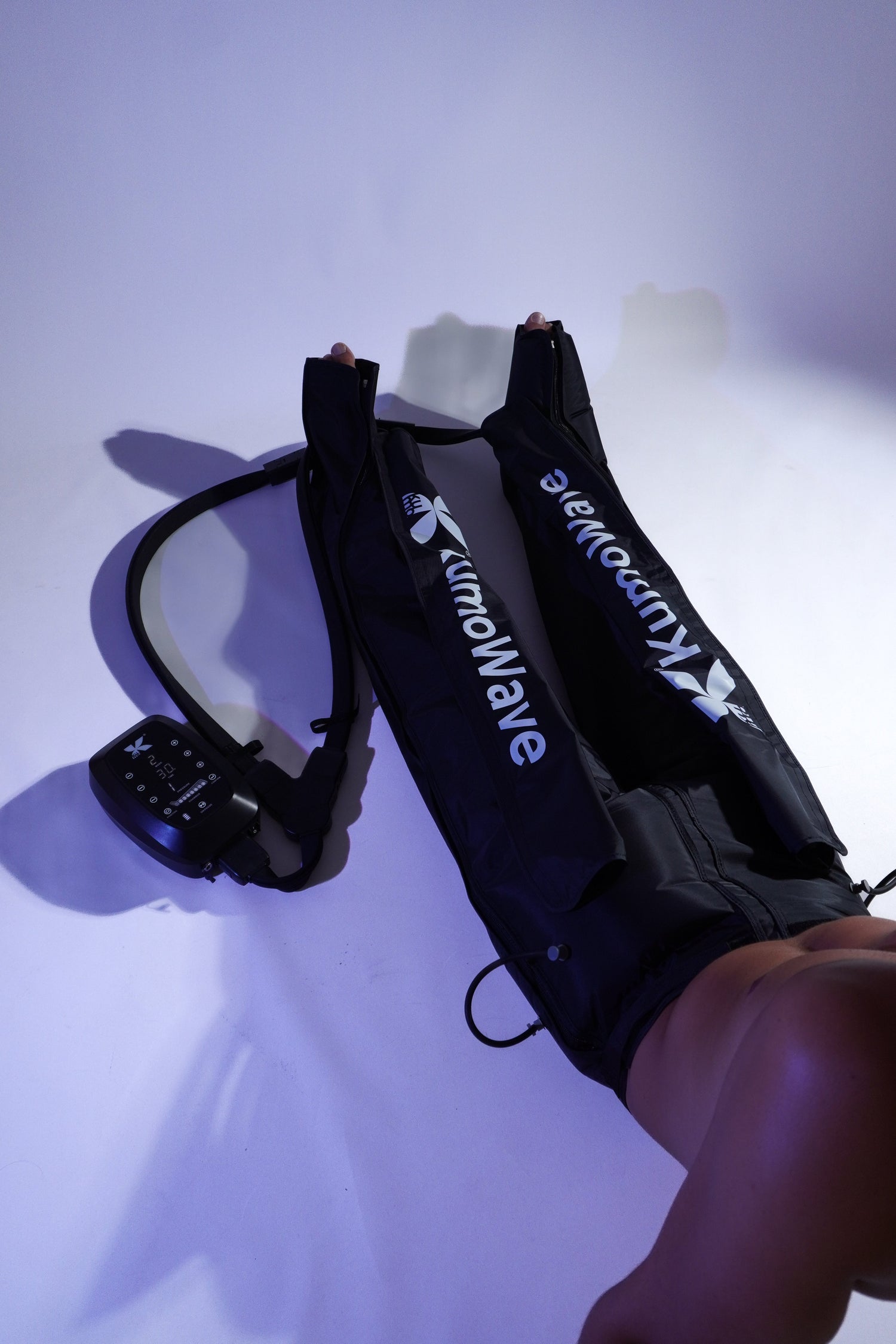
Pressotherapy is an intermittent pneumatic compression technique: boots or sleeves are sequentially inflated and deflated around the feet, ankles, and legs. This rhythmic movement exerts controlled pressure that helps to propel blood and lymph upwards, mimicking the effect of a muscle pump.
Personalized protocol · included with your purchase
Want us to tell you how to use it in your case?
With your purchase, our experts prepare a personalized usage protocol for your case: sport, circulation, fluid retention, pregnancy or lipedema.
Message us on WhatsAppOur experts reply · no obligation
Medical centers and hospitals use pneumatic compression devices to improve circulation in the lower extremities and reduce the risk of complications associated with immobility, such as deep vein thrombosis. Cleveland Clinic describes how these devices inflate and deflate cyclically to improve venous return and prevent blood clots. ( my.clevelandclinic.org )
Potential benefits for feet and ankles
When applied locally to the lower legs, pressotherapy can:
- Helps reduce mild swelling of the feet and ankles associated with sedentary lifestyles or long periods of standing.
- Reduce the feeling of heaviness, tightness, or tiredness in the area.
- Promote venous and lymphatic return, supporting fluid drainage.
- Contribute to muscle recovery after exercise by improving fluid movement.
- To provide a pleasant massage and relaxation sensation.
Studies on intermittent pneumatic compression in chronic venous disorders indicate improvements in symptoms such as pain and edema, as well as increased venous flow and good patient tolerance, although the evidence is still heterogeneous and focuses primarily on clinical settings, not exclusively on home wellness. ( pubmed.ncbi.nlm.nih.gov )
on your first order when you join the newsletter
We send you the code instantly. No spam.
Why do we suffer more from swelling in our feet and ankles today?
Our current lifestyle combines long periods of sitting (office, car, sofa) with periods of standing with little movement (shops, hospitality, healthcare). Several studies have shown that remaining in the same position for extended periods promotes fluid retention in the lower legs, increasing calf circumference and the sensation of swelling. ( pubmed.ncbi.nlm.nih.gov )
In addition to this, there are other factors:
- Frequent use of unfriendly footwear (high heels, very narrow toe boxes).
- Intense training without adequate subsequent recovery.
- Long journeys by plane, train or car with limited mobility.
- Heat and humidity, which dilate the blood vessels and accentuate the heaviness.
In this context, having pressotherapy at home can help you "reset" your feet and ankles at the end of the day, as part of a comprehensive strategy that includes movement, hydration, and quality rest.
How a home pressotherapy session works
Before you begin: general safety and contraindications
Home pressotherapy is designed for healthy individuals or those with minor ailments who wish to improve their well-being and recovery. It does not replace medical diagnosis or treatment. It is always advisable to consult your healthcare professional, especially if you have a history of:
- Deep vein thrombosis or pulmonary embolism.
- Heart failure, serious heart problems, or major respiratory problems.
- Severe peripheral arterial disease.
- Active infections, open wounds, or leg ulcers.
- Diagnosed lymphedema or edema of unknown cause.
- Pregnancy with risk factors (always consult your gynecologist).
Devices used at home usually work with pressures and cycles designed for the non-medical user, but it is still key to respect the manufacturer's instructions and your doctor's recommendations.
Step by step of a typical session
- Preparing the space : find a comfortable place where you can lie down or recline, with your legs slightly elevated.
- Putting on the boots : insert your feet, ankles and legs into the compression boots, making sure that the zippers or closures are snug but not uncomfortable.
- Program settings : Select a gentle program, especially if it's your first time. Many people start with low pressures and shorter cycles.
- Start of session : allow the air chambers to inflate and deflate sequentially. The sensation should be one of firm but tolerable compression, never painful.
- End and withdrawal : After the programmed time, the device stops. Slowly unfasten your boots, gently move your feet and ankles, and remain seated or lying down for a few minutes before getting up.
Scientific reviews on intermittent pneumatic compression indicate that there is still no single, universal protocol; the optimal duration and frequency depend on each person's situation and the desired outcome. ( cochrane.org )
Table: Objectives and guidelines for home pressotherapy
| Main objective | Priority zone | Indicative intensity | Approximate duration | Comments |
|---|---|---|---|---|
| Relieve mild swelling of feet and ankles after a sedentary day | Feet, ankles and lower leg | Low to medium | 15–25 minutes | Ideal at the end of the day, combined with leg elevation. |
| Recovery after training (running, gym) | Calves, ankles and feet | Average | 20–30 minutes | Use 1–2 hours after exercise, along with hydration and gentle stretching. |
| Reduce the feeling of heavy legs from standing for long periods. | From feet to thighs (depending on the model) | Average | 20–30 minutes | It can be alternated with short walks throughout the day. |
| General relaxation and well-being | Feet and legs complete | Low | 15–20 minutes | Before going to sleep, with soft lights or combined with low-intensity light therapy. |
These figures are for guidance only and do not replace the individual recommendations of your healthcare professional or the specific instructions for use of your compression boots.
Advantages of using pressotherapy at home for feet and ankles
Comfort and consistency
The key to recovery is usually not a single, isolated treatment, but consistency. Having a home pressotherapy device allows you to:
- Conduct short sessions several times a week without travel or appointments.
- Take advantage of "dead" moments of the day (for example, while reading, watching a series or meditating).
- Integrate leg care as a wellness habit, just like skin care or sleep hygiene.
Brands like KUMO have opted for recovery devices that combine aesthetics, technology and ease of use, so that pressotherapy integrates naturally into your daily life, without a medical aspect or complications.
Complement to other healthy habits
Home pressotherapy works best when combined with simple lifestyle changes:
- Interrupting periods of sitting with short walks or sit-to-stand transitions is a strategy that has been shown to reduce lower leg swelling in healthy adults. ( mdpi.com )
- Walk daily for at least a few minutes at a time, moving your ankles and feet.
- Elevate your legs for about 15–20 minutes at the end of the day.
- Pay attention to hydration and salt balance in your diet.
- Wear comfortable shoes with a good base and enough room for your toes.
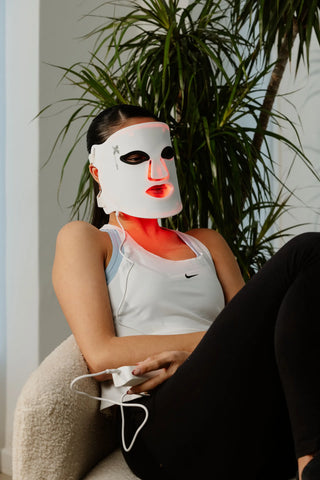
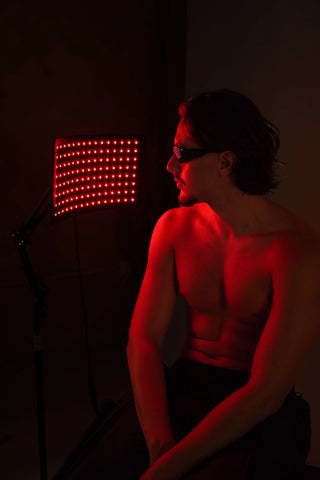
In addition, you can combine pressotherapy with other KUMO recovery technologies, such as LED light therapy to promote tissue regeneration or with a massage gun to relax the calf muscles.
Who can benefit from home pressotherapy?
Provided there are no medical contraindications, home pressotherapy can be beneficial for:
- People with sedentary jobs (office, teleworking) who notice bloating or tiredness at the end of the day.
- Professionals who spend many hours on their feet (healthcare, hospitality, retail) end up with very tired feet and ankles.
- Recreational athletes looking to improve recovery after running, cycling or gym workouts.
- People who travel frequently and remain seated for many hours at a time.
If you have venous, lymphatic, or heart disease, it is essential that a doctor assess whether compression therapy is appropriate for you and, if so, under what parameters. Review after review, experts indicate that pneumatic compression can be helpful in some cases, but they emphasize the need for personalized protocols and medical supervision. ( pubmed.ncbi.nlm.nih.gov )
Integrate pressotherapy into your recovery routine
Example of a routine for sedentary days
Imagine a day of working from home: you spend many hours in front of the computer, and at the end of the day your feet and ankles feel "cushioned." A possible routine could be:
- During the day: take 3–5 minute breaks every hour to get up and walk around.
- After finishing work: 10–15 minutes of gentle leg stretches.
- Next: 20 minutes of at-home pressotherapy focused on feet and calves.
- Before going to sleep: 5–10 minutes with your legs slightly elevated.
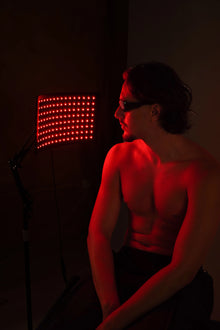
If you want to enhance the relaxing effect, you can accompany the pressotherapy session with dim light or even with a low-intensity red light therapy device, which helps prepare the body for rest.
Example of a routine for training days
In the case of a race day or intense leg training, you could:
- After exercise: active cool-down (walk 5–10 minutes) and gentle stretching.
- Afterwards: myofascial release work or massage with a pistol like KumoPulse Air , focusing on the calves and soleus muscles.
- After 1–2 hours: 20–30 minutes of medium-intensity pressotherapy to promote the drainage of metabolites and a feeling of lightness.
This approach combines pneumatic pressure, percussive massage, and movement—three complementary stimuli to improve the comfort of feet and ankles after exertion.
Frequently asked questions about home pressotherapy
How long should I use pressotherapy at home to notice relief in my feet and ankles?
Many people experience a feeling of lightness and reduced swelling from the very first sessions, especially when pressotherapy is performed at the end of the day, after hours of sitting or standing. As a general guideline, sessions of 15 to 30 minutes are typically used, 2 to 5 times per week. However, the response is individual: some people prefer shorter but daily sessions, while others prefer slightly longer but less frequent ones. It is best to start with low durations and intensities, observe how your body responds, and adjust gradually, following the manufacturer's instructions and those of your healthcare professional.
Is home pressotherapy safe for everyone?
No. Although home pneumatic compression devices are generally designed with safe pressure ranges, there are situations in which they may not be appropriate. People with a history of deep vein thrombosis, embolism, decompensated heart failure, severe arterial disease, active leg infections, or advanced lymphedema should always consult their doctor before using any compression therapy system. Referral centers such as the Cleveland Clinic recommend that the use of pneumatic compression be supervised in patients with vascular disease or a high risk of blood clots, carefully adjusting the duration and pressure level. ( my.clevelandclinic.org )
Does at-home pressotherapy replace compression stockings or a physiotherapist?
No, home compression therapy should be understood as a complement to, not a substitute for, other prescribed therapies. Systematic reviews on intermittent pneumatic compression show that, in some cases, it can provide additional benefits to conventional treatment (for example, in the healing of certain venous ulcers), but the results are variable and depend heavily on the clinical picture and the protocol applied. ( cochrane.org ) If your doctor has recommended compression stockings, specific exercises, or sessions with a physiotherapist, be sure to follow those instructions. You can use home compression therapy as a support to relieve mild symptoms and improve daily comfort, always with their approval.
Can I use pressotherapy after exercising?
Yes, provided there is no serious acute injury (such as a recent muscle tear or a significant sprain) and your healthcare professional has not advised against it. Many recreational athletes use compression therapy after intense workouts to promote recovery in their feet, ankles, and calves. It is generally recommended to wait at least 1–2 hours after exercise, following a good active cool-down and gentle stretching. Start with moderate pressure and observe how your body responds: the goal is to relieve stress, not create more discomfort. If you experience severe pain, persistent tingling, or increased swelling, stop the session and consult a specialist.
How often is it recommended to do pressotherapy sessions at home?
For wellness and recovery, many people find it helpful to have between 2 and 5 sessions per week, adjusting the frequency according to workload, activity level, and the presence of symptoms. On very sedentary days or after intense workouts, it may make sense to use it more often, while on less demanding days, 1–2 sessions may suffice. The important thing is that pressotherapy is integrated into your routine sustainably: moderate and consistent sessions are better than very intensive and sporadic use. If you have vascular, cardiac, or lymphatic conditions, always follow the frequency and protocol recommended by your doctor.
So what now?
If you want to start taking care of your feet and ankles at home, pressotherapy can be a powerful ally in reducing swelling, relieving heaviness, and improving your overall well-being. AtKUMO, you'll find pressotherapy boots designed for home use, created to integrate seamlessly into your routine, just like a skincare ritual or a red light therapy session with our LED devices. If you have any questions about which solution is best suited to your needs or how to combine it with other recovery tools like KumoPulse Air , you can contact our team through the contact page for personalized guidance.
KumoWave pressotherapy
Choose your at-home pressotherapy
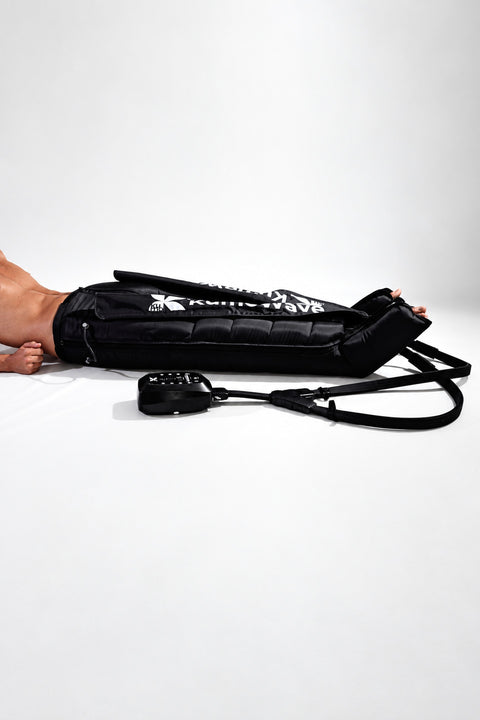
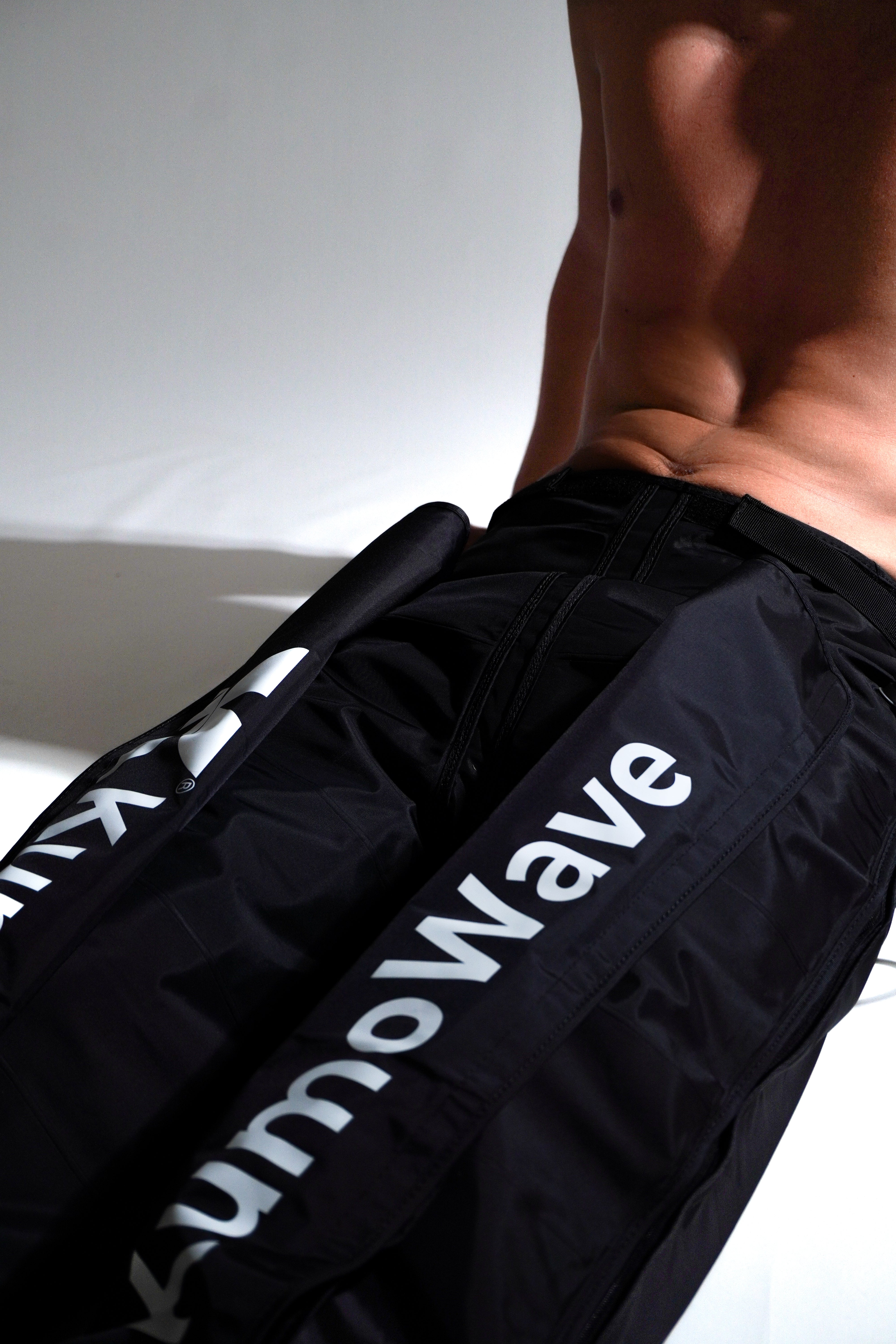
KumoWave Elite – Pressotherapy Pants
Full-coverage trousers. Ideal for lipedema, fluid retention and intensive use.
€799,00 €999,00
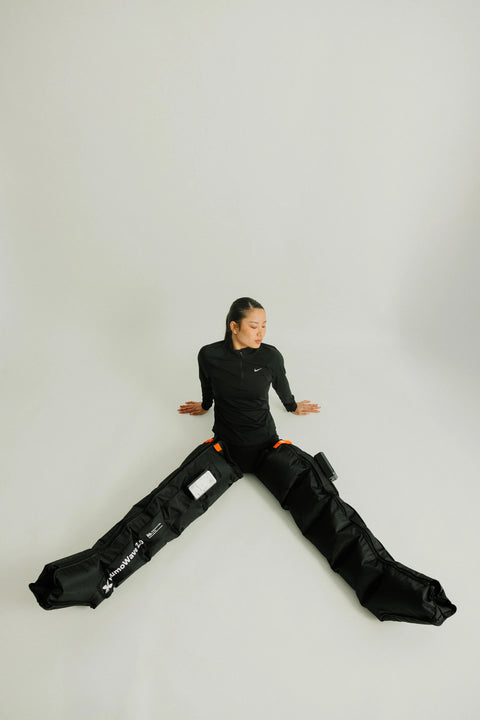
KumoWave 2.0 - Wireless Pressotherapy
Wireless, lightweight boots. Perfect for daily use and recovery.
€499,00 €599,00