

What do we mean by “tired legs”?
Heavy, swollen, and tired legs. That feeling, very common at the end of the day, is what we usually call "tired legs." It's not a medical diagnosis in itself, but rather a set of discomforts that can include heaviness, tingling, nighttime cramps, a burning sensation, or tightness in the skin.
In many cases, it is related to poor venous return in the legs (chronic venous insufficiency), where the venous valves do not function properly and blood tends to pool in the lower extremities. ( medlineplus.gov ) This results in swelling, varicose veins, and, over time, increased fatigue and pain.
Pressotherapy at home
End the day with light legs
★★★★★ 4,8/5 · rated by verified customers
KumoWave pressotherapy boosts circulation and helps drain fluid with sequential compression, in 20-minute sessions at home.
- Boosts circulation and helps drain fluid
- Chamber-based compression, adjustable to you
- Sequential compression that mimics manual drainage
€799,00€999,00
−10% on your 1st order when you subscribe to the newsletter

The good news is that, except in advanced cases that require medical treatment, improving lifestyle and recovery habits can make a big difference in how your legs feel every day.
Common causes of tired legs
Venous insufficiency and blood return
Under normal conditions, the veins in the legs return blood to the heart thanks to small internal valves and the action of the muscles (the so-called "calf muscle pump"). When these valves weaken or become damaged, chronic venous insufficiency develops: blood pools in the legs, venous pressure increases, and heaviness, swelling, and varicose veins occur. ( medlineplus.gov )
Personalized protocol · included with your purchase
Want us to tell you how to use it in your case?
With your purchase, our experts prepare a personalized usage protocol for your case: sport, circulation, fluid retention, pregnancy or lipedema.
Message us on WhatsAppOur experts reply · no obligation
Studies in Primary Care indicate that around 67% of patients present some symptom compatible with this pathology (varicose veins, heaviness, cramps, edema), making it a very common problem. ( cinfa.com )
Sedentary lifestyle and many hours spent sitting or standing
Spending many hours sitting in front of a computer or standing at work without moving much hinders venous return. The lack of movement makes the muscle pump function less effectively, so blood has more difficulty ascending.
The World Health Organization recommends that adults engage in at least 150–300 minutes of moderate-intensity physical activity per week , not only for overall cardiovascular health but also to improve peripheral circulation. ( pmc.ncbi.nlm.nih.gov ) However, it is estimated that one in four adults worldwide does not meet these minimum activity levels. ( paho.org )
on your first order when you join the newsletter
We send you the code instantly. No spam.
Other factors that contribute to heaviness in the legs
- Heat : dilates the veins and can worsen the feeling of swelling.
- Pregnancy and hormonal changes : increase blood volume and pressure on the pelvic and leg veins.
- Overweight or obesity : these put an extra burden on the venous system.
- Tight clothing and inappropriate footwear : hinder venous and lymphatic return.
- Genetic predisposition and age : vein walls can weaken over time.
If your symptoms are severe, appear suddenly, or are accompanied by redness, localized heat, intense pain, or difficulty breathing, it is essential to consult a healthcare professional immediately.
Best habits to improve circulation and relieve tired legs
Quick summary of recommended habits
| Habit | Recommended frequency | Main benefit for the legs |
|---|---|---|
| Get up and move around for a few minutes | Every 45–60 minutes of sitting or standing | It activates the muscle pump and improves venous return |
| Specific exercises for ankles and calves | 5–10 minutes, 1–2 times a day | It stimulates peripheral circulation and reduces stiffness |
| Raise your legs above your heart | 10–20 minutes, 1–2 times a day | It promotes fluid drainage and reduces inflammation. |
| Walk briskly | 30 minutes a day or more | Improves overall circulation and strengthens veins |
| Warm-cool showers on the legs | Daily, at the end of the shower | It tones the blood vessels and relieves the feeling of heaviness. |
| Massage and recovery techniques | Several times a week | It relaxes the muscles and enhances well-being |
Move every hour: break the sedentary lifestyle
The first step to improving circulation in your legs is to avoid being immobile for long periods. You don't need to do intense exercise: simply get up every 45–60 minutes, walk a few steps, make circles with your ankles, or go up and down a flight of stairs.
Adding these small movements throughout the day helps you meet weekly physical activity recommendations and reduces the total time you spend sitting, which is key to your vascular health. ( pmc.ncbi.nlm.nih.gov )
Simple exercises to activate circulation in the legs
The following exercises are easy, can be done at home or in the office, and require very little equipment:
- Ankle flexion and extension : Sitting or lying down, extend one leg and move your foot towards you and forward alternately for 1–2 minutes per side. This promotes peripheral circulation. ( lensa.es )
- Ankle rotations : While seated, lift one foot and draw wide circles with your ankle for 30 seconds in each direction; repeat with the other foot. Improves joint mobility and blood flow. ( lensa.es )
- Standing on your toes : Stand up and lower yourself on your toes 10–15 times, rest, and repeat for 2–3 sets. This exercise effectively activates the calf muscles.
- Marching in place : alternate lifting your knees and legs for 2–3 minutes. Increases overall circulation without impact.
Start with a few repetitions and always listen to your body. If you experience intense pain or worsening symptoms, consult a professional.
Elevate your legs and be mindful of your resting postures
When you get home, take a few minutes to elevate your legs above heart level by resting them against a wall or on cushions. This simple posture helps blood and lymph flow back to the torso, reducing swelling.
Practical tips:
- Avoid sitting with your legs crossed for long periods.
- If you work sitting down, make sure your feet are flat on the floor and your knees are not too bent.
- At night, you can place the mattress slightly inclined (a few centimeters) at the foot of the bed.
Take care of your weight, diet, and hydration
Being overweight increases pressure on the venous system and worsens the feeling of tired legs. Maintaining a healthy weight through a balanced diet and regular physical activity helps both circulation and overall well-being. ( pmc.ncbi.nlm.nih.gov )
Some helpful guidelines:
- Prioritize fruits, vegetables, legumes, whole grains and healthy fats (olive oil, nuts).
- Moderate your salt intake to avoid fluid retention.
- Drink water regularly throughout the day, adjusting the amount to your needs.
Control the temperature: take cool showers and avoid excessive heat
Heat dilates the veins and can increase swelling. Therefore, it is recommended to:
- Finish the shower with warm to cool water from your feet to your knees, using upward movements.
- Avoid very hot baths, prolonged saunas, or exposing your legs to intense sunlight for many hours.
- In summer, cooling your legs with cold water or cooling gels can provide a temporary feeling of relief.
Massage, self-massage and breathing
A gentle, upward massage , from the ankles to the thighs, helps to mobilize fluids and relax the muscles, especially at the end of the day. You can do this with your hands or with specific massage tools, always avoiding direct pressure on prominent varicose veins or painful areas without supervision.
Combining massage with deep, slow breathing enhances relaxation of the nervous system, which also has a positive impact on the perception of heaviness and pain.
Recovery technologies that can support your legs
In addition to movement and rest habits, recovery technologies are now available to make it easier to care for your legs at home. At Kumo , recovery is part of a lifestyle: aesthetics, technology, and performance combine to make regenerating body and mind an everyday practice.
Pressotherapy: sequential compression to stimulate venous return
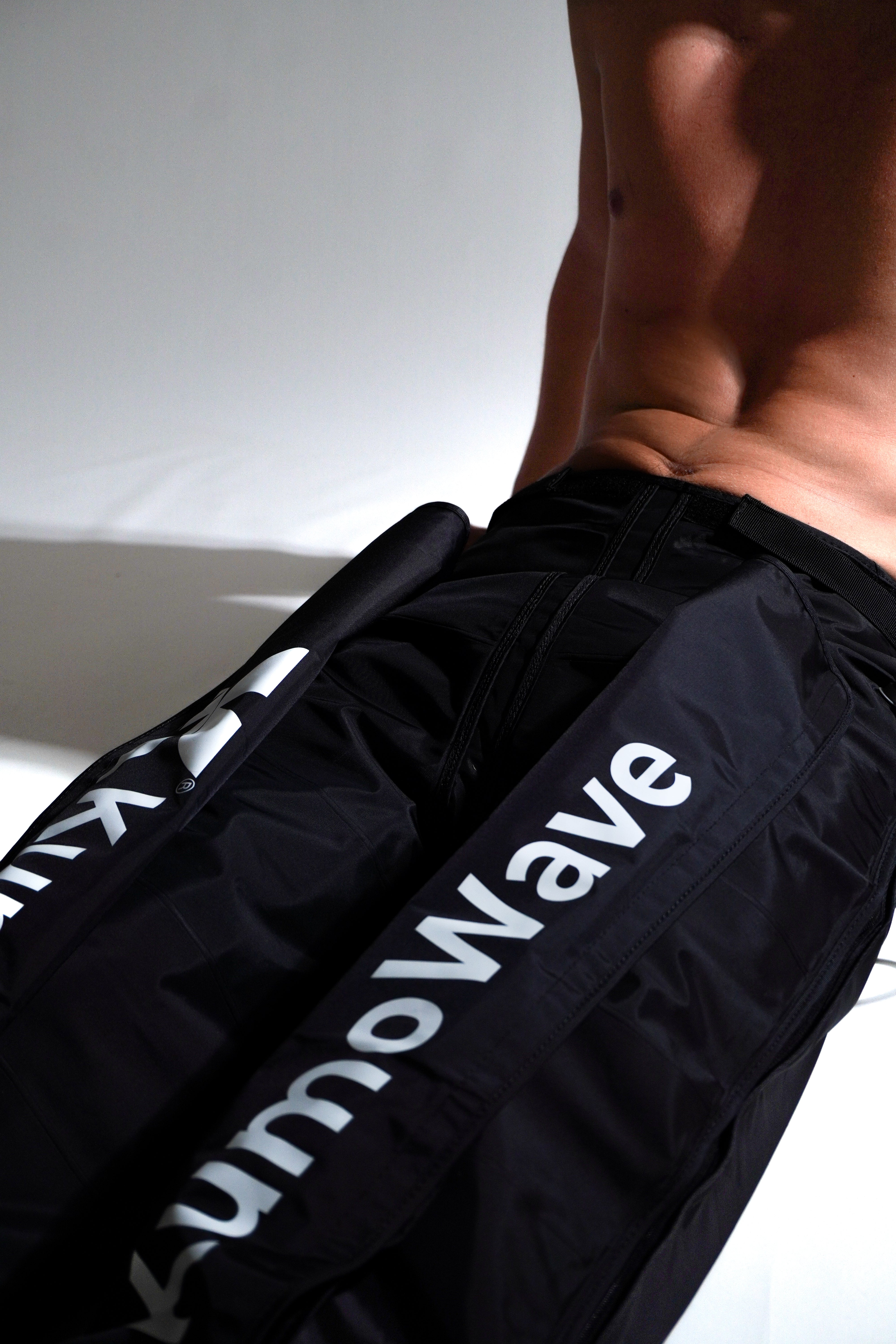
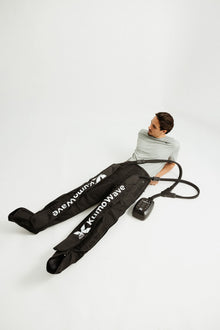
Pneumatic compression therapy uses boots or sleeves that inflate and deflate sequentially from the foot to the thigh. This dynamic compression mimics the effect of a deep massage, promoting venous and lymphatic return and helping to reduce swelling and the feeling of heavy legs.
Compression therapy is widely used in pathologies such as lymphedema and venous ulcers, where different studies have shown reductions in leg volume and improvements in symptoms such as tightness and edema. ( pubmed.ncbi.nlm.nih.gov )
If you're looking to incorporate this technology into your wellness routine, you can explore Kumo's compression boots , designed to activate circulation and soothe your legs after work or exercise. If you have a diagnosed venous condition, always consult your doctor before using any compression device.
Red light and LED therapy for more relaxed muscles
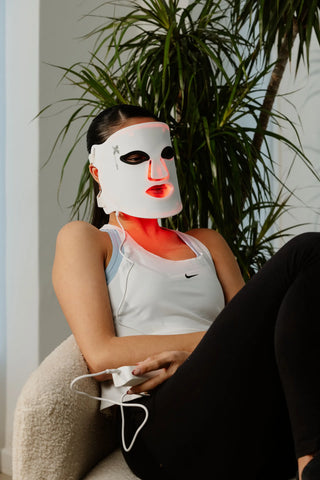
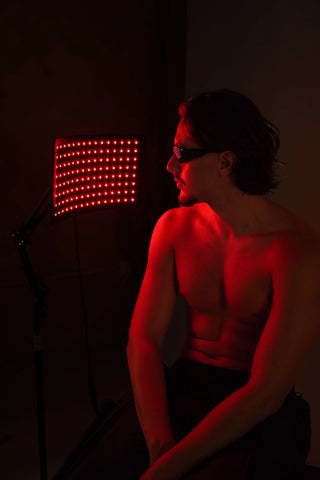
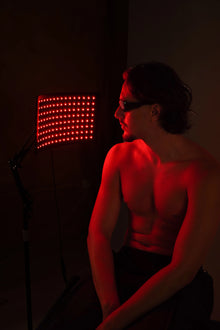
Red light therapy, or photobiomodulation, exposes the body to specific wavelengths of red and near-infrared light. Several studies have observed that certain LED light protocols can improve microcirculation and support tissue repair processes in contexts such as chronic wounds and microvascular problems. ( pubmed.ncbi.nlm.nih.gov )
Furthermore, recent reviews suggest that photobiomodulation may contribute to better recovery after exercise in active individuals, although the evidence is still evolving and it does not replace medical treatment. ( pubmed.ncbi.nlm.nih.gov ) If you are interested in incorporating this technology, you can discover Kumo's LED light therapy devices , designed for skin regeneration and muscle recovery.
Massage guns: deep muscle release
Massage guns apply rapid, controlled percussion to the muscles, helping to release tension points, improve stiffness, and promote local blood flow. They are especially useful after intense workouts or long periods of standing.
Used judiciously (avoiding direct application to prominent varicose veins or painful areas without professional evaluation), they can be a very effective self-care tool. The Kumo KUMOPULSE Air massage gun is designed to offer a deep and precise massage, easily integrating into your at-home recovery routine.
When to consult a healthcare professional
Although recovery habits and technologies can significantly improve the feeling of tired legs, there are situations in which you should not delay seeking medical advice :
- Sudden swelling of a leg, with pain, heat or redness.
- Intense pain that worsens when walking or putting weight on something.
- Appearance of ulcers, significant changes in skin color, or marked hardening.
- Difficulty breathing, chest pain or shortness of breath (medical emergency).
This content is for informational purposes only and does not replace the individual assessment of a healthcare professional. If you have a diagnosed vascular disease or significant risk factors (previous thrombosis, arterial disease, heart problems), always consult a healthcare professional before making significant changes to your physical activity or using compression devices.
Frequently asked questions about tired legs
What illness could be behind constantly tired legs?
The most common cause is chronic venous insufficiency , in which the valves in the veins of the legs don't function properly and blood pools in the lower extremities, causing swelling, varicose veins, and heaviness. ( medlineplus.gov ) However, other conditions can also contribute, such as heart or kidney problems, hormonal imbalances, diabetes, or side effects of certain medications. If the feeling of fatigue is constant, accompanied by pain, or changes in the skin, it's important to consult your doctor to rule out underlying conditions and receive appropriate treatment.
How to quickly relieve tired legs at home?
For quick relief, you can combine several simple measures: elevate your legs above your heart for 10–20 minutes, apply warm showers or cool compresses with upward motions, perform ankle and toe raises to activate the muscle pump, and gently massage yourself from your ankles to your thighs. Avoid intense heat (very hot baths, direct heat from heaters) and tight clothing during this time. These strategies can reduce swelling and the feeling of heaviness, but if symptoms are frequent, it's advisable to review your habits and consult a professional.
Is it normal to have very tired legs during pregnancy?
During pregnancy, it's common to experience increased heaviness, swelling, and cramps in the legs, especially at the end of the day. Increased blood volume, hormonal changes, and the pressure of the uterus on the pelvic veins can hinder venous return. While this is usually a physiological phenomenon, pregnancy also increases the risk of varicose veins and thrombosis, so it's important not to minimize the symptoms. Staying active, avoiding prolonged standing or sitting, wearing compression stockings if your doctor recommends it, and elevating your legs can help. If you experience severe pain, localized redness, or asymmetrical swelling, see your gynecologist or go to the emergency room immediately.
What type of exercise is best for improving circulation in the legs?
Gentle, regular aerobic exercise is highly recommended: brisk walking, swimming, cycling, or using a stationary bike . These activities activate the leg muscles without putting excessive stress on the joints and help you meet the 150–300 minutes of moderate-intensity physical activity per week recommended by the WHO ( pmc.ncbi.nlm.nih.gov ). They can be complemented with specific ankle and calf exercises, yoga, or Pilates. Ideally, start slowly and gradually increase the duration and intensity, adapting the routine to your fitness level and, if necessary, with guidance from a professional.
Are compression boots safe for everyone?
In healthy individuals, and when used according to the manufacturer's instructions, compression boots are generally well-tolerated as a tool for well-being and muscle recovery. However, there are important contraindications : current or recent deep vein thrombosis, severe peripheral arterial disease, decompensated heart failure, skin infections, open wounds, or high-risk pregnancy, among others. In these cases, compression could be harmful. Before using compression boots, if you have diagnosed cardiovascular or venous conditions, a history of thrombosis, complicated diabetes, or are pregnant, it is essential to consult your doctor.
So what now?
If your legs feel heavy at the end of the day, the best time to start taking care of them is today. Choose one or two habits from this article (moving around every hour, elevating your legs, including a short exercise routine) and make them part of your daily routine. If you want to take it a step further and support your well-being with recovery technology, you can explore our pressotherapy , LED therapy , and massage solutions at Kumo. And if you're unsure which option is best for you, contact us through our contact page for personalized guidance.
KumoWave pressotherapy
Choose your at-home pressotherapy
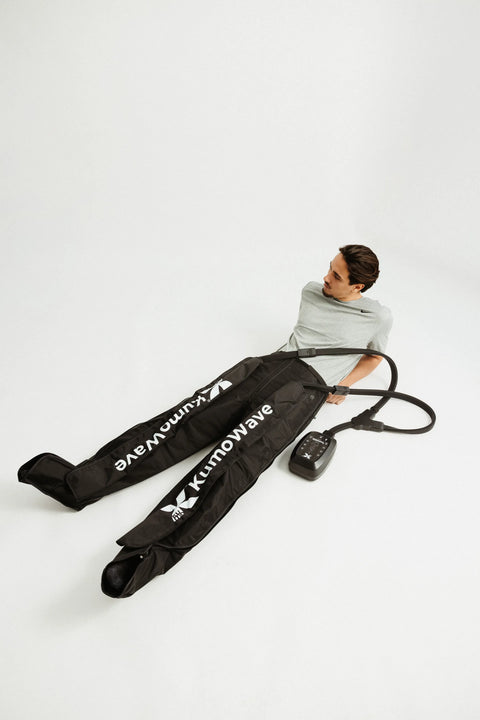
KumoWave Elite – Pressotherapy Pants
Full-coverage trousers. Ideal for lipedema, fluid retention and intensive use.
€799,00 €999,00
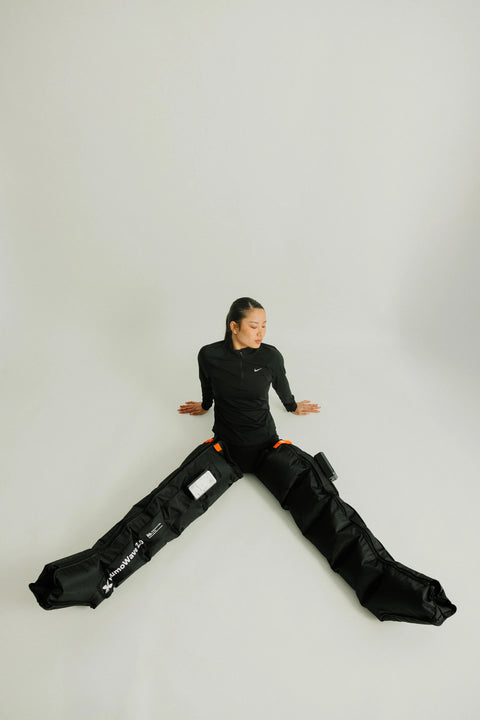
KumoWave 2.0 - Wireless Pressotherapy
Wireless, lightweight boots. Perfect for daily use and recovery.
€499,00 €599,00