Introduction: Why is lymphatic drainage so much talked about?
Lymphatic drainage has become one of the most sought-after allies against fluid retention.
In 2025, many people will be living with swollen legs, inflamed ankles, or a feeling of heaviness due to excess fluid in the tissues. This problem, known as edema or fluid retention, can be caused by lifestyle habits (sedentary lifestyle, spending many hours sitting, long trips) as well as heart, kidney, or liver diseases, or lymphatic system disorders. ( mayoclinic.org )
Pressotherapy at home
End the day with light legs
★★★★★ 4,8/5 · rated by verified customers
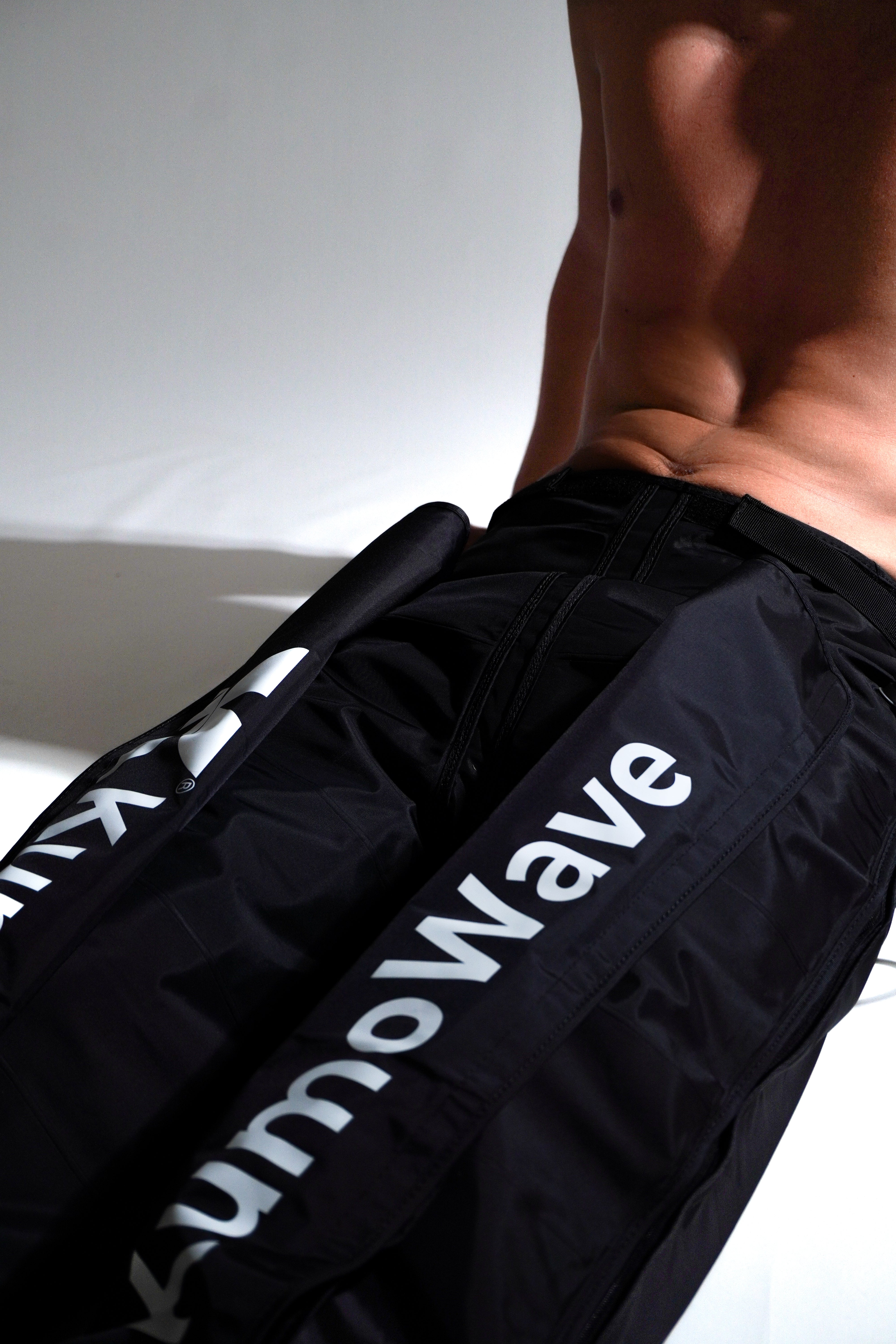
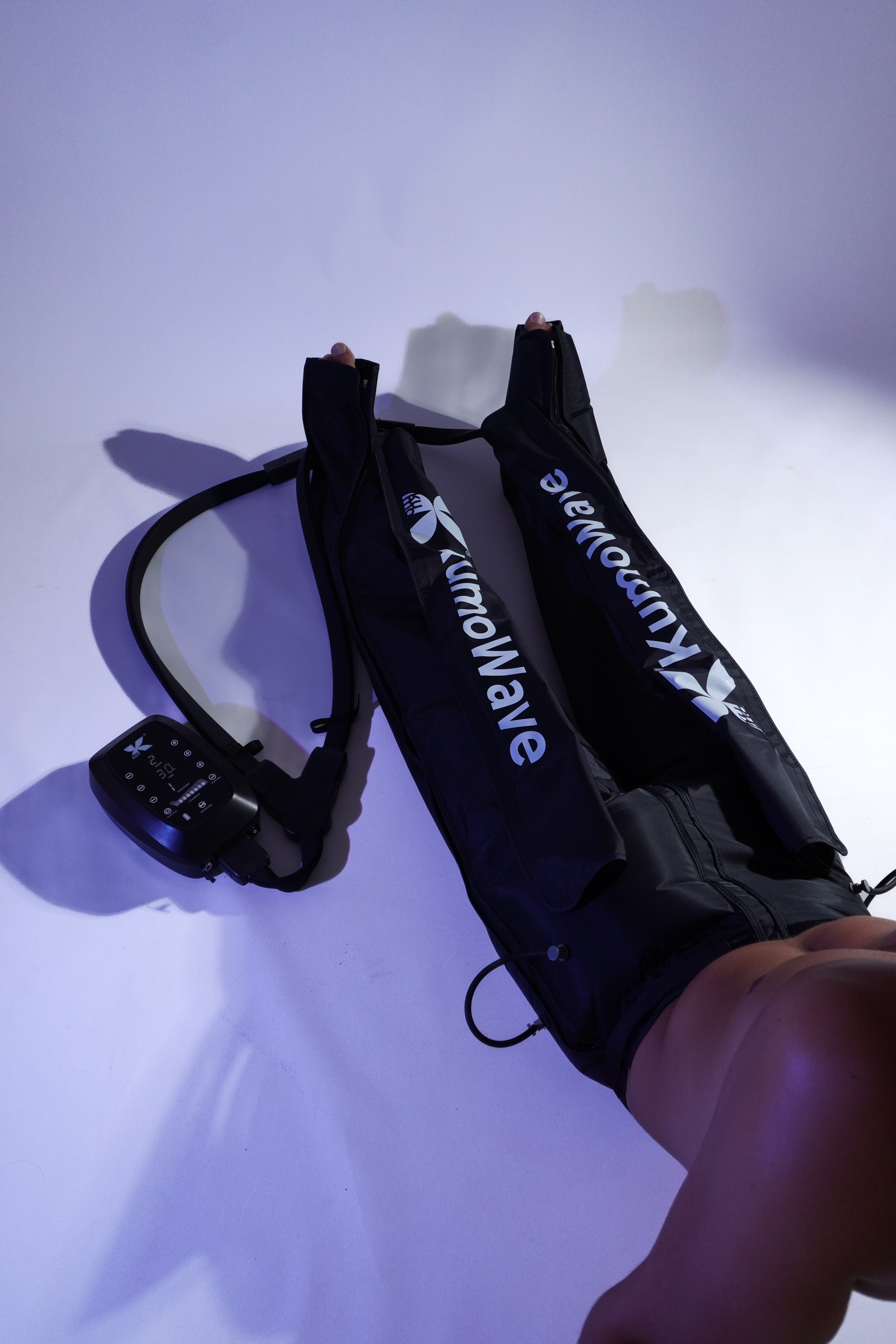
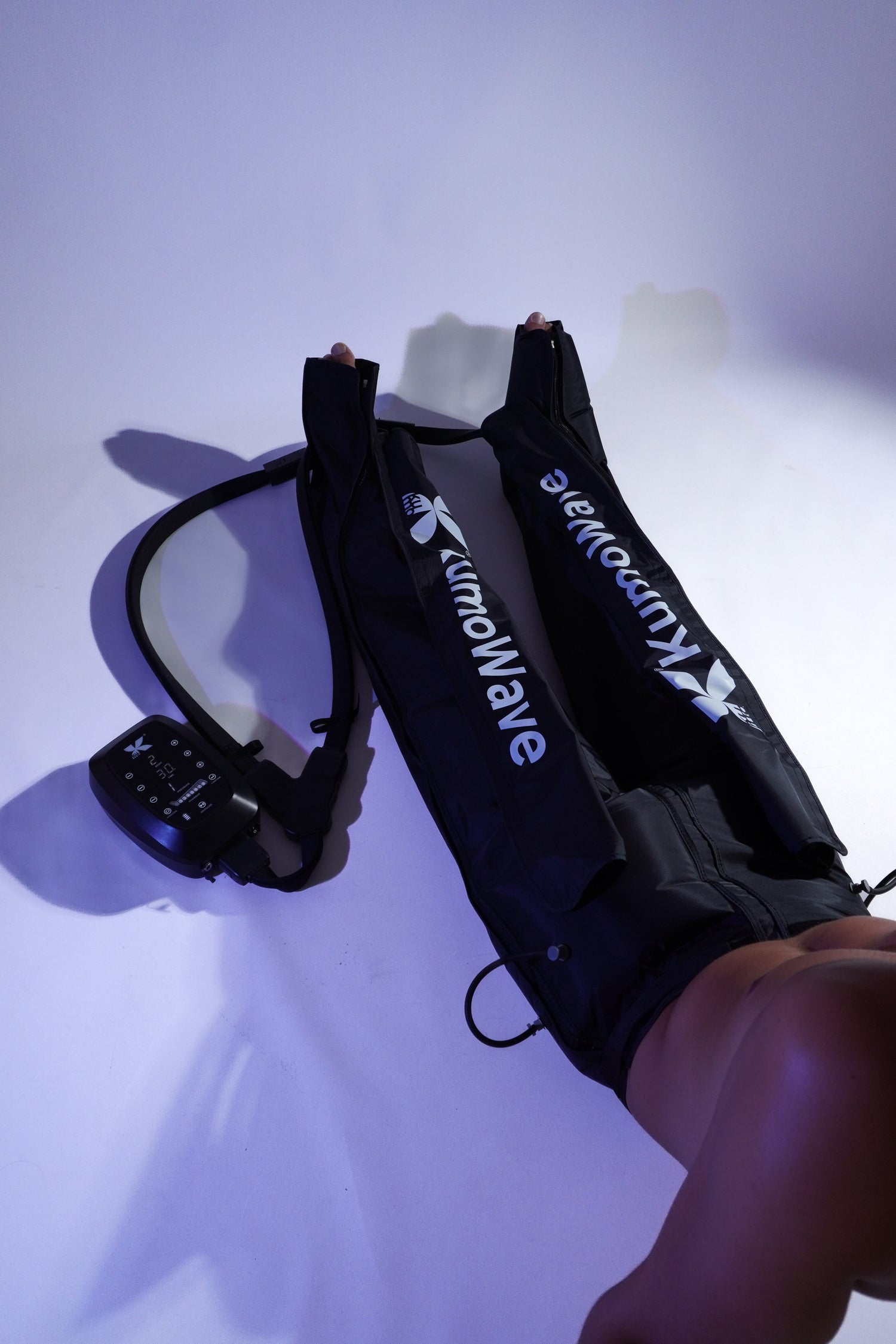
KumoWave pressotherapy boosts circulation and helps drain fluid with sequential compression, in 20-minute sessions at home.
- Boosts circulation and helps drain fluid
- Chamber-based compression, adjustable to you
- Sequential compression that mimics manual drainage
€799,00€999,00
−10% on your 1st order when you subscribe to the newsletter

In this guide you will discover exactly what lymphatic drainage is, how it relates to fluid retention, what the latest scientific evidence says, and how to safely integrate it into your wellness and recovery routine, combining it with healthy habits and, when appropriate, with recovery technologies such as pressotherapy or light therapy.
What is lymphatic drainage and how does it work?
Lymphatic drainage refers to any strategy that promotes the movement of lymph, the clear fluid that circulates through the lymphatic system . This system, which runs parallel to the circulatory system, helps to:
Personalized protocol · included with your purchase
Want us to tell you how to use it in your case?
With your purchase, our experts prepare a personalized usage protocol for your case: sport, circulation, fluid retention, pregnancy or lipedema.
Message us on WhatsAppOur experts reply · no obligation
- Remove excess fluid from the tissues.
- Transport proteins and waste products.
- Participate in the immune response.
When the lymphatic system becomes overloaded or damaged, lymphedema , a chronic form of swelling, can develop. Globally, it is estimated that between 140 and 250 million people will be living with lymphedema by 2025, according to recent epidemiological analyses combining data from research networks and the World Health Organization (WHO). ( lympheo.com )
The goal of lymphatic drainage (manual, pneumatic compression, or movement) is to facilitate the return of lymph to the chest, reduce swelling, and support the lymphatic system. It does not replace medical treatment when an underlying condition is present, but it can be part of a comprehensive edema management plan.
Fluid retention: common causes in 2025
Fluid retention is not a disease in itself, but a symptom . Swelling in the legs, ankles, or hands can be due to many causes: ( mayoclinic.org )
on your first order when you join the newsletter
We send you the code instantly. No spam.
- Sedentary lifestyle and sustained postures : spending hours sitting or standing without moving promotes fluid accumulation in the lower extremities.
- Excess salt in the diet and an unbalanced diet.
- Pregnancy and hormonal changes (premenstrual phase).
- Chronic venous insufficiency , varicose veins, and weakness of the valves in the veins of the legs.
- Heart, kidney or liver diseases that make it difficult to manage body fluids.
- Medications such as some antihypertensives, anti-inflammatories, corticosteroids, or hormones. ( mayoclinic.org )
- Lymphatic system disorders following lymph node dissection surgeries, radiotherapy, chronic infections, or rare diseases.
Therefore, before opting for lymphatic drainage for fluid retention, it is essential that a health professional rule out serious causes (decompensated heart failure, deep vein thrombosis, advanced kidney disease, etc.).
Main types of lymphatic drainage
Manual lymphatic drainage (MLD)
Manual lymphatic drainage is a very gentle, rhythmic, and specific massage technique applied by physiotherapists or trained professionals. It involves following the path of the lymphatic vessels and nodes, using maneuvers designed to "push" the lymph towards areas where it can be more easily reabsorbed.
The scientific literature shows mixed results. Some systematic reviews find that manual lymphatic drainage (MLD) can help reduce edema and pain after certain musculoskeletal injuries, and improve mobility and patient satisfaction. ( pubmed.ncbi.nlm.nih.gov ) However, other analyses of lymphedema associated with breast cancer do not observe a clear benefit in terms of preventing or reducing volume in all patient groups, although they do in specific subgroups (e.g., those under 60 years of age or those undergoing intensive one-month interventions). ( pubmed.ncbi.nlm.nih.gov )
Practical conclusion: Manual lymphatic drainage (MLD) can be useful within a broader program (exercise, self-care, compression, weight control), but its isolated impact is neither miraculous nor uniform for everyone.
Pressotherapy or intermittent pneumatic compression
Pressotherapy , also called intermittent pneumatic compression, uses boots or sleeves that inflate and deflate sequentially using an air pump. This pressure pattern promotes venous and lymphatic return, helping to mobilize fluid accumulated in the limbs.
Clinical trials in people with leg edema and reduced mobility have observed that one month of treatment with pneumatic compression devices can significantly decrease leg volume, improve ankle range of motion, and quality of life compared to control groups. ( pubmed.ncbi.nlm.nih.gov ) Studies in venous ulcers and stasis dermatitis also suggest that this therapy can improve edema when combined with other care. ( cochrane.org )
The new generation of pressotherapy boots allows this technology to be brought into the home under professional guidance, integrating it into a recovery routine for tired and heavy legs after long days of work, travel or demanding training.
Movement, breathing, and self-care that stimulate the lymphatic system
The lymphatic system doesn't have a "pump" like the heart, so it relies largely on muscle contraction and diaphragmatic breathing. That's why many recommendations for edema include: ( mayoclinic.org )
- Regular, gentle physical activity (walking, stationary cycling, gentle swimming).
- Pumping exercises for ankles and knees, especially if you spend many hours sitting.
- Elevate your legs above heart level several times a day.
- Deep diaphragmatic breathing , which acts as a pump on the thoracic duct.
- Use of compression stockings or garments when indicated by the doctor.
These strategies, although simple, are an essential foundation for both manual lymphatic drainage and pressotherapy to have a longer-lasting effect.
Comparative table of lymphatic drainage methods and edema management
| Method | Who is it usually indicated for? | Potential advantages | Limitations / precautions |
|---|---|---|---|
| Manual lymphatic drainage (MLD) | People with mild-to-moderate lymphedema or post-surgical edema, under medical supervision. | Gentle technique, well tolerated; can reduce volume in some cases and improve the feeling of heaviness. | Heterogeneous evidence; requires trained professionals; does not replace understanding or treating the underlying cause. ( pubmed.ncbi.nlm.nih.gov ) |
| Pressotherapy (intermittent pneumatic compression) | Leg edema due to venous insufficiency or low mobility, always indicated by a professional. | It promotes venous and lymphatic return; it can reduce leg circumference and improve mobility and quality of life. ( pubmed.ncbi.nlm.nih.gov ) | Contraindicated in acute venous thrombosis, active skin infections, decompensated heart failure; requires adjustment of pressure and times. |
| Exercise + elevation + breathing | Almost everyone with mild edema or a tendency to swell. | Improves overall circulation, low cost, integrates into daily life; benefits beyond edema (cardiovascular, metabolic). ( mayoclinic.org ) | Gradual results; requires adherence; in complex pathologies, it should be adapted with a professional. |
| Compression stockings | Venous insufficiency, prevention of edema on long journeys, some forms of lymphedema. | Strong evidence for reducing edema and preventing venous complications when properly fitted. ( pubmed.ncbi.nlm.nih.gov ) | Initial discomfort, heat; choosing the right size, pressure and model is key; not suitable for everyone. |
| Diuretics (medication) | Edema due to cardiac, renal or hepatic causes, always prescribed by a doctor. | They can rapidly reduce excess systemic fluid in certain clinical conditions. ( mayoclinic.org ) | Side effects; improper use may aggravate problems; should never be taken without a prescription. |
Benefits and limitations of lymphatic drainage for fluid retention
In the context of mild to moderate fluid retention (tired legs, slight swelling after flights, feeling of heaviness at the end of the day), lymphatic drainage may provide: ( pubmed.ncbi.nlm.nih.gov )
- Temporary decrease in volume in the treated area.
- Relief from the feeling of heaviness and skin tension.
- Improved comfort when walking or standing.
- General relaxation and subjective improvement of well-being.
However, its limits are equally important:
- It does not "cure" underlying diseases such as heart failure, cirrhosis, or kidney failure.
- In advanced chronic lymphedema, it is usually only one part of a broader approach (compression, exercise, weight control, skin care).
- The effects are usually temporary if not accompanied by lifestyle changes and, where appropriate, medical treatment.
The key is to view lymphatic drainage as a complementary tool , never as a substitute for medical evaluation or treatments indicated for the cause of the edema.
Safety and contraindications of lymphatic drainage
Although lymphatic drainage techniques are generally gentle and well-tolerated, there are situations in which they may be contraindicated or require extreme caution. These include: ( mayoclinic.org )
- Decompensated heart failure or acute pulmonary edema.
- Recent or suspected deep vein thrombosis .
- Active skin infections (cellulitis, erysipelas) in the area to be treated.
- Active cancer that is not stabilized without an express indication from the oncologist.
- Severe renal or hepatic insufficiency without close monitoring.
- High-risk pregnancy , in which all types of physical therapy must be individualized.
In these cases, mobilizing large volumes of fluid or applying intense compression can be dangerous. Therefore, before starting any intensive lymphatic drainage or pressotherapy program, it is advisable to consult your doctor or a specialized physiotherapist.
How to integrate lymphatic drainage into your recovery routine
1. Professional assessment before starting
If you notice persistent swelling, pain, shortness of breath, or rapid weight gain, the first step is not massage, but a medical consultation . A professional can perform a physical examination and, if necessary, order blood tests or imaging studies to identify the cause of the fluid retention. ( mayoclinic.org )
2. Basic weekly routine to support the lymphatic system
In the absence of contraindications and with your doctor's approval, a realistic routine could include:
- Daily movement : 30–45 minutes of light walking or gentle aerobic exercise most days.
- Leg elevation 2–3 times a day for 10–15 minutes.
- Gentle self-massage following the guidelines of a physiotherapist, avoiding deep pressure on veins or painful areas.
- Pressotherapy sessions at home several days a week, if recommended for your case and without exceeding the indicated times or pressures.
- Skin care to prevent cracking and infections, especially in chronic lymphedema.
3. Recovery technology as a complement
In addition to manual techniques, there are recovery devices designed to facilitate home care, always as a complement to the recommendations of the healthcare team:
- Pressotherapy boots : such as those in the KUMO pressotherapy collection , which apply sequential pneumatic compression to promote venous and lymphatic return in tired legs.
- Percussive massage : a massage gun like KUMOPULSE Air helps to relax muscles in depth, which can improve the feeling of stiffness and allow circulation to work more efficiently after exercise.
- Red and LED light therapy : KUMO's LED light therapy is used to support muscle recovery and sleep quality, key components of an organism that better regulates its fluid balance.
These technologies do not replace manual lymphatic drainage or prescribed pressotherapy in complex pathologies, but they can make recovery and self-care a more easily maintained daily habit.
Frequently asked questions about lymphatic drainage and fluid retention
How many lymphatic drainage sessions do I need to notice less fluid retention?
The number of sessions depends largely on the cause of the edema, its intensity, and whether it is combined with other measures (compression, exercise, weight management, salt reduction). In cases of mild fluid retention linked to a sedentary lifestyle or long periods of standing, some people experience relief after 2–3 sessions, especially from the feeling of heavy legs. In chronic lymphedema or edema associated with systemic diseases, longer and more sustained courses of treatment are usually recommended, often in conjunction with compression therapy and stockings. A specialized physiotherapist can adjust the frequency to your specific situation.
Does lymphatic drainage help you lose weight or just eliminate fluid?
Lymphatic drainage is not a treatment for sustained fat or weight loss. Its main effect is to mobilize interstitial fluid and accumulated lymph, which can result in a temporary reduction in measurements (for example, leg circumference) and a feeling of lightness. A slight weight loss is sometimes seen on the scale, linked to the decrease in fluid, but if it is not accompanied by changes in diet, physical activity, and addressing the underlying cause of the fluid retention, this effect is usually temporary. Long-term, healthy lifestyle habits are essential for losing body fat.
Can I do lymphatic drainage at home for swollen legs?
There are self-massage techniques and simple routines (leg raises, ankle exercises, diaphragmatic breathing) that can help relieve mild swelling at home. However, professional manual lymphatic drainage requires specific training to respect the direction of lymphatic flow and adjust the pressure accordingly. Therefore, it's ideal to first receive personalized guidance from a physiotherapist or qualified professional. If there are no contraindications, home compression boots, such as those from KUMO, can be incorporated into your self-care routine, always following the recommendations on pressure, duration, and frequency established by your specialist.
Is lymphatic drainage recommended during pregnancy?
Pregnancy is frequently associated with swelling in the legs and ankles due to hormonal changes and the pressure of the uterus on the major blood vessels. In many cases, measures such as elevating the legs, walking daily, wearing comfortable shoes, and moderating salt intake already provide significant improvement. Some women may benefit from gentle manual lymphatic drainage techniques performed by professionals trained in pregnancy therapy. However, there are pregnancies considered high-risk in which any physical therapy should be individualized. Before starting lymphatic drainage or compression therapy during pregnancy, it is essential to consult with the gynecologist or midwife responsible for prenatal care.
What is the difference between lymphatic drainage and pressotherapy?
Manual lymphatic drainage (MLD) is a massage performed with the hands, using very gentle and precise movements on the skin, while pressotherapy uses mechanical devices (boots or sleeves) that apply cycles of air pressure. Both aim to promote the return of lymph and venous blood, but they do so in different ways. MLD allows for highly precise adaptation of the treatment to specific areas or complex situations, while pressotherapy is especially practical for treating the legs or entire arms uniformly and can be performed at home with equipment designed for domestic use. They are often used together in rehabilitation programs.
So what now?
If you suffer from fluid retention or tired legs, the first step is to understand the underlying cause and seek professional evaluation. From there, lymphatic drainage, compression therapy, regular exercise, and attention to sleep and muscle health can become a long-term wellness routine. At KUMO , you'll find recovery technologies designed to integrate these habits into your daily life, from compression boots to LED light therapy devices and percussive massage. If you need further guidance or have questions about which solution is best for you, you can contact us through the KUMO contact page for personalized advice.
KumoWave pressotherapy
Choose your at-home pressotherapy
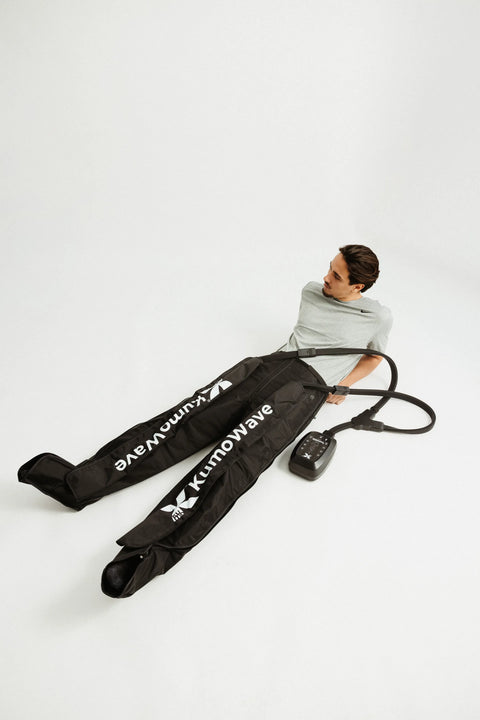
KumoWave Elite – Pressotherapy Pants
Full-coverage trousers. Ideal for lipedema, fluid retention and intensive use.
€799,00 €999,00
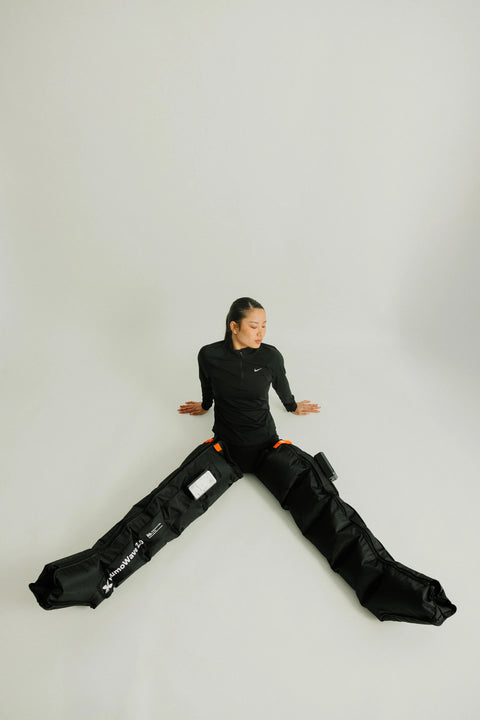
KumoWave 2.0 - Wireless Pressotherapy
Wireless, lightweight boots. Perfect for daily use and recovery.
€499,00 €599,00