

They are not the same. Lipedema is a disorder of adipose tissue with disproportionate distribution, pain, and easy bruising; obesity, on the other hand, is defined by excess adiposity usually measured by BMI, and both conditions can coexist.
Understanding this difference matters because it changes how symptoms are interpreted, the treatment approach, and how to avoid incomplete diagnoses. The 2024 S2k guideline on lipedema specifically emphasizes diagnostic criteria, differential diagnoses, and coexisting conditions.
Pressotherapy at home
End the day with light legs
★★★★★ 4,8/5 · rated by verified customers
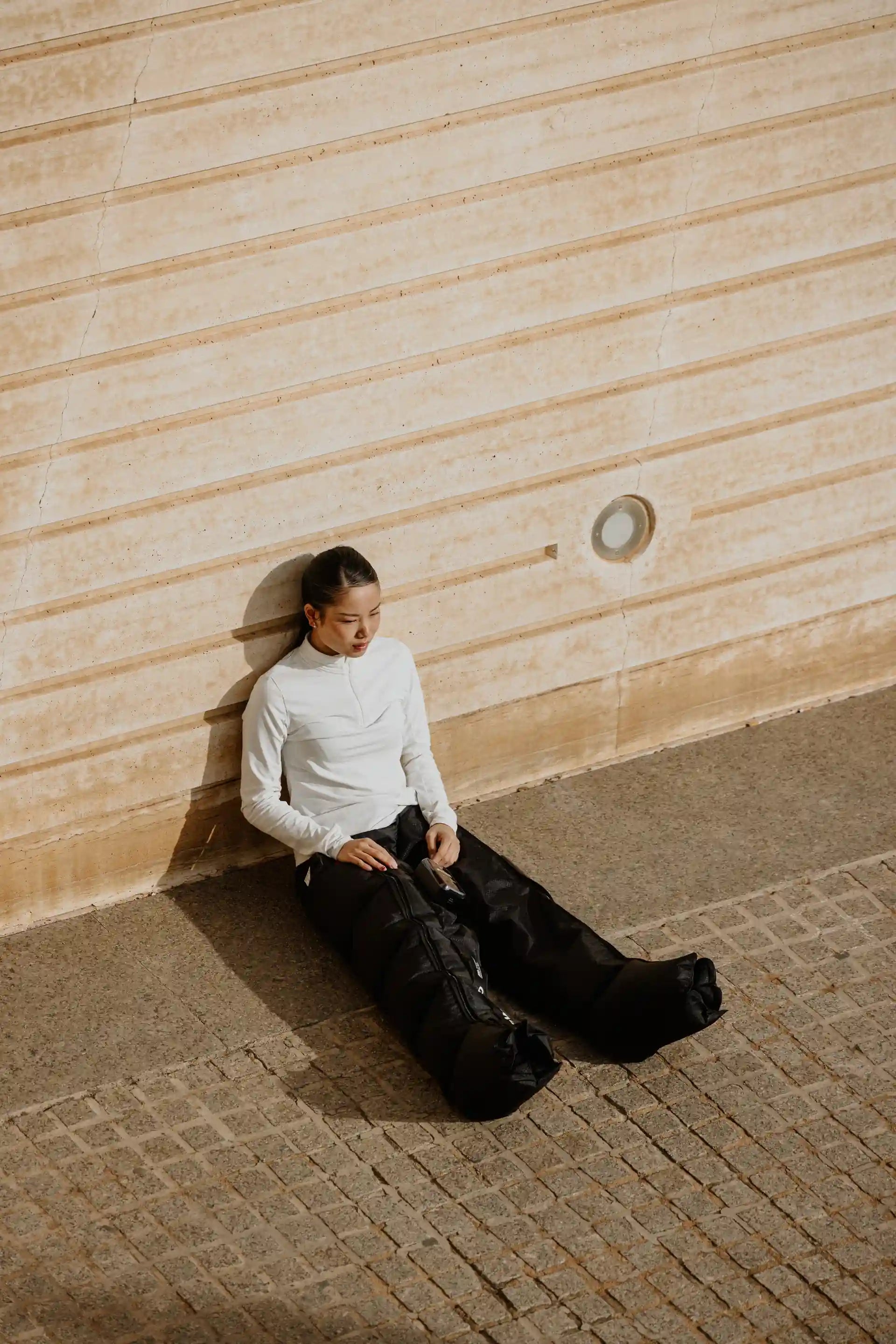
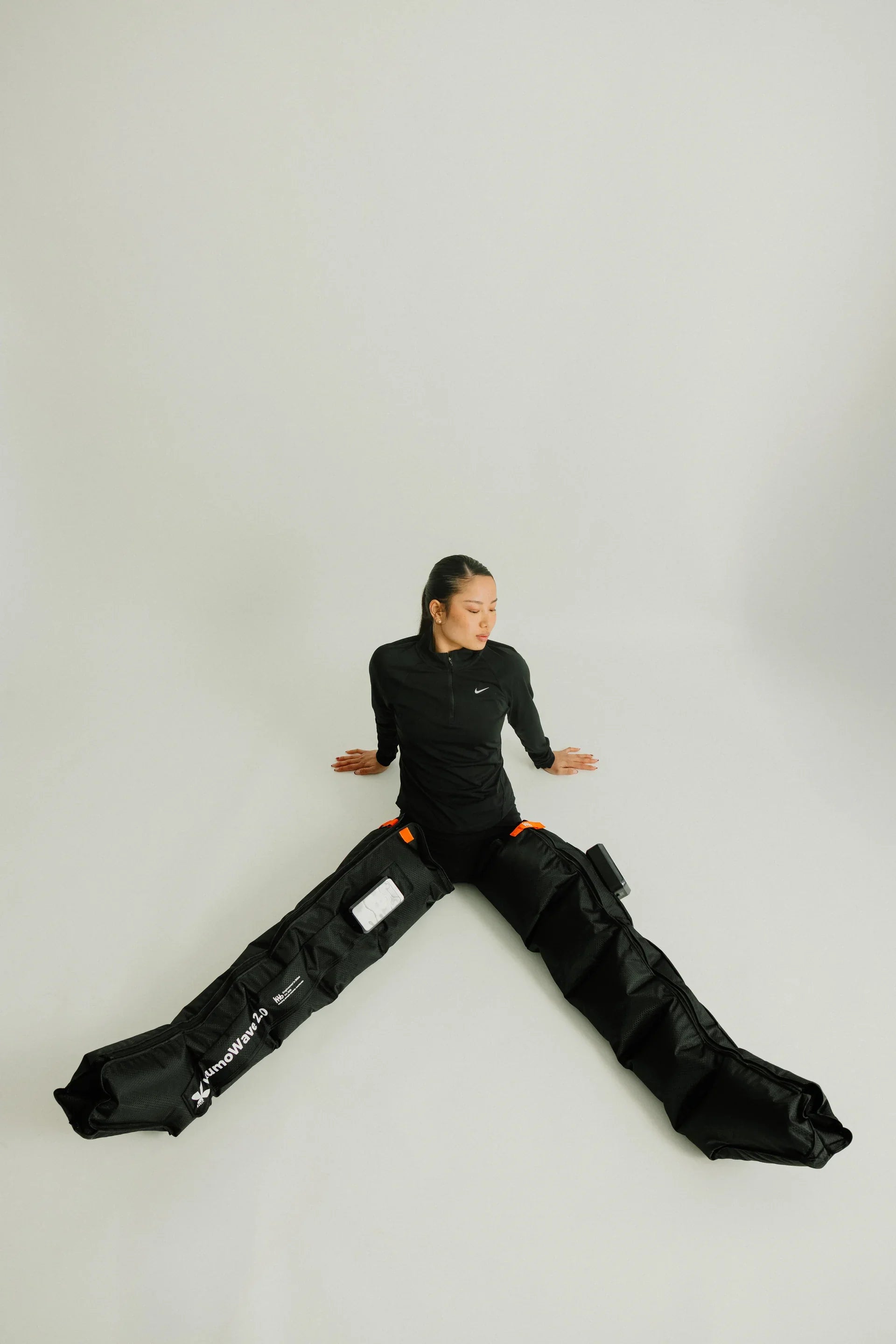
KumoWave pressotherapy boosts circulation and helps drain fluid with sequential compression, in 20-minute sessions at home.
- Boosts circulation and helps drain fluid
- Chamber-based compression, adjustable to you
- Sequential compression that mimics manual drainage
€799,00€999,00
−10% on your 1st order when you subscribe to the newsletter

Key differences between lipedema and obesity
The most useful way to differentiate them is not just to look at the scale, but to observe body pattern, pain, response to lifestyle, and volume distribution. Obesity is usually assessed with BMI; remember that the NHLBI explains how obesity is diagnosed and that the NIDDK summarizes adult BMI ranges. In lipedema, the key finding is a disproportionate and painful accumulation of fatty tissue, especially in the lower limbs.
Essential comparative table
| Aspect | Lipedema | Obesity | If coexisting |
|---|---|---|---|
| Basis of diagnosis | Adipose tissue disorder with a disproportionate and painful pattern. | Excess adiposity usually assessed with BMI. | Both can be present at the same time, so BMI alone is not enough. |
| Fat distribution | Often affects legs, hips, buttocks, and sometimes arms, bilaterally and symmetrically. | Usually more generalized, though it varies greatly among individuals. | Total volume may increase, but part of the pattern remains clearly disproportionate. (pubmed.ncbi.nlm.nih.gov) |
| Pain and tenderness | Pain, tenderness to the touch, and heaviness are common. | No specific symptoms on their own. | If volume is accompanied by pain and tenderness, consider lipedema in addition to obesity. |
| Feet and hands | Often spared in early stages. | There is no selective pattern of distal "sparing." | When the feet don't match the rest of the leg, the pattern points more to lipedema or a combined condition. |
| Response to diet and exercise | Lipedematous tissue often responds poorly to traditional weight loss. | Weight loss and physical activity are part of standard treatment. | Can improve overall health, but not completely erase the lipedema pattern. |
| Diagnostic approach | Based on clinical presentation, symmetry, pain, and hormonal or family context. | Based on BMI, medical history, and assessment of associated risks. | When both conditions occur together, clinical interpretation must separate metabolic risk from local symptomatology. |
For a more practical view of the body pattern, you can review how to recognize it early; it will help you move from theory to the signals that truly matter.
Personalized protocol · included with your purchase
Want us to tell you how to use it in your case?
With your purchase, our experts prepare a personalized usage protocol for your case: sport, circulation, fluid retention, pregnancy or lipedema.
Message us on WhatsAppOur experts reply · no obligation
Signs that point more to lipedema than obesity
In clinical practice, lipedema is suspected when the increase in volume is not homogeneous and "tissue" symptoms also appear: pain, bruising, and heaviness. A prospective cohort study in 2022 found a high frequency of bilaterality, unaffected feet, pain, easy bruising, spider veins, and disproportion between the upper and lower body.
- Bilateral and symmetrical increase in legs, hips, or arms, with a disproportionate silhouette relative to the trunk.
- Pain, tenderness to the touch, or a feeling of heaviness and tension in the legs.
- Easy bruising or appearance of hematomas with minimal bumps.
- Feet generally spared in early stages, which helps differentiate it from other edema conditions.
- Difficulty reducing the volume in these areas even if the rest of the body changes with diet or activity.
To expand on this point more visually, it may also be helpful to read the 10 signs of lipedema you shouldn't ignore.
When lipedema and obesity coexist
Coexistence is real, and clinical literature considers it a common scenario, not a rarity. The 2021 American consensus describes lipedema as a connective tissue disease that appears during times of hormonal change, but also points out that non-lipedema obesity can coexist with it.
on your first order when you join the newsletter
We send you the code instantly. No spam.
This matters because obesity can elevate BMI and make the condition appear "just overweight," while lipedema maintains its painful and disproportionate pattern. That's why BMI should not be interpreted in isolation: it serves as a screening tool for obesity, but it doesn't distinguish between generally distributed fat and pathological fat in specific areas.
In other words, a person may need two goals simultaneously: to reduce the cardiometabolic risk associated with obesity and, at the same time, to manage the pain, heaviness, and functional edema linked to lipedema. The 2024 S2k guideline and the 2021 consensus specifically underscore this need to consider coexisting diagnoses.
If you are interested in seeing the management options in more detail, you can review lipedema treatment: real options and what really works.
Genetic and hormonal factors: why it doesn't always appear "out of nowhere"
Lipedema primarily affects women and often begins or worsens during times of hormonal change such as puberty, pregnancy, or menopause. Recent research also links it to genetic, hormonal, and microvascular factors, while obesity remains a clinically defined entity by excess adiposity and its associated risks.
Family history can increase suspicion but does not alone confirm the diagnosis. What is useful is to put the data together: distribution, pain, easy bruising, partial or no response to weight loss, and hormonal context. This combination usually provides better guidance than a single isolated figure. (pubmed.ncbi.nlm.nih.gov)
What helps in management and what not to expect
Conservative management typically combines compression, exercise, skin care, physical activity, and therapeutic education. The 2021 consensus publication on the standard of care and graduated compression in a 2022 randomized trial support the use of conservative strategies that can improve pain and circumference in some patients. (pubmed.ncbi.nlm.nih.gov)
However, it is important to adjust expectations: in lipedema, the goal is not to "cure fat" with a single recipe, but to reduce symptoms, improve mobility, and prevent the problem from becoming more debilitating. In obesity, on the other hand, weight loss is part of the central goal. Therefore, when both conditions coexist, the plan must be twofold and not confusing.
If your concern is about how to move without worsening discomfort, this guide on exercise for lipedema: what activities help and what to avoid can give you a realistic starting point.
And if you're looking for mechanical support for heavy legs within a cautious approach, the article on presotherapy to treat lipedema at home explains how this type of compression fits into a broader plan.
FAQ
What are the key differences between lipedema and obesity and how do they affect diagnosis?
The main difference lies in the pattern. Obesity is typically defined by BMI and has no specific symptoms on its own; lipedema, on the other hand, usually causes pain, tenderness, easy bruising, and disproportionate accumulation in the legs or arms. This changes the diagnosis because a high BMI does not automatically explain all body volume. The 2024 S2k guideline emphasizes differential diagnoses to avoid confusion.
How do lipedema and obesity present when they coexist in the same person, and what is the impact on treatment?
When they coexist, an elevated BMI may be seen along with disproportionate, painful, and easily bruised legs. The impact is significant because two distinct layers need to be treated: the metabolic risk associated with obesity and the local symptoms of lipedema. The 2021 consensus explains that non-lipedema obesity can coexist with lipedema, and that lipedematous tissue does not respond the same way to diet, exercise, or bariatric surgery.
Does lipedema respond to diet and exercise in the same way as obesity, or are there significant differences?
There are significant differences. In obesity, diet and physical activity are central to treatment. In lipedema, these measures can improve general health, mobility, and well-being, but lipedematous tissue is often more resistant to traditional weight changes. Therefore, a poor aesthetic response should not be interpreted as "lack of effort." The realistic goal is to reduce symptoms and improve function, not to expect everything to disappear as if it were common fat.
What symptoms distinguish lipedema from obesity in the legs and in body fat distribution?
The symptoms most indicative of lipedema are symmetrical bilaterality, pain to the touch, a feeling of heaviness, easy bruising, and relative sparing of the feet and, initially, the hands. In obesity, there may be a general increase in body volume, but not such a selective pattern or such a marked painful component. The 2022 prospective cohort study found precisely these signs as the most frequent in lipedema.
What genetic or hormonal factors could influence the onset of lipedema versus obesity and their coexistence?
Lipedema usually appears in women and is often related to puberty, pregnancy, or menopause, which points to a clear hormonal influence. Recent literature also mentions genetic and microvascular factors. In obesity, on the other hand, the diagnosis does not depend on these triggers, but on excess adiposity and its impact on health. Therefore, family history and hormonal changes guide, but do not replace, clinical evaluation.
What now?
If you recognize several of these signs, start with Kumo Balance and then explore the real treatment options for lipedema to organize the information and decide on the next step more clearly.
KumoWave pressotherapy
Choose your at-home pressotherapy
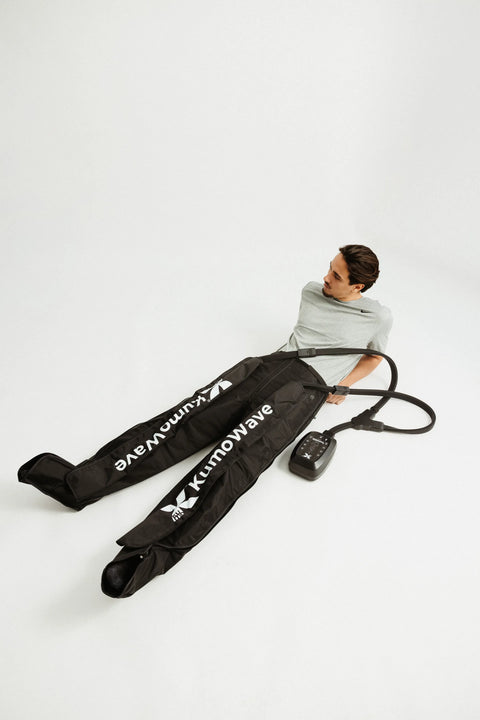
KumoWave Elite – Pressotherapy Pants
Full-coverage trousers. Ideal for lipedema, fluid retention and intensive use.
€799,00 €999,00
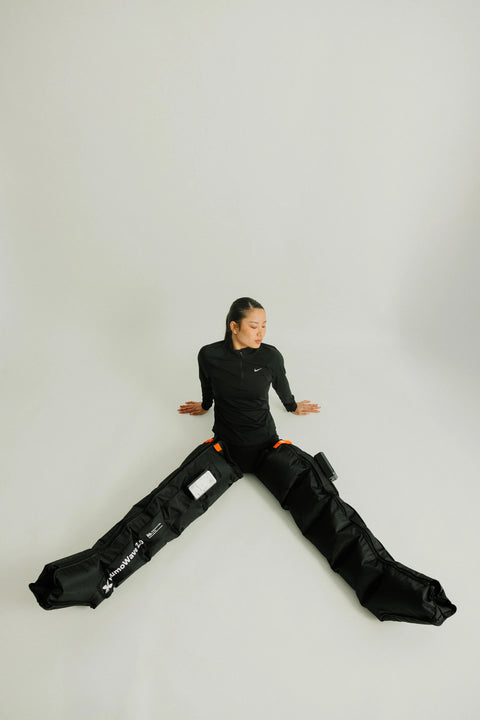
KumoWave 2.0 - Wireless Pressotherapy
Wireless, lightweight boots. Perfect for daily use and recovery.
€499,00 €599,00