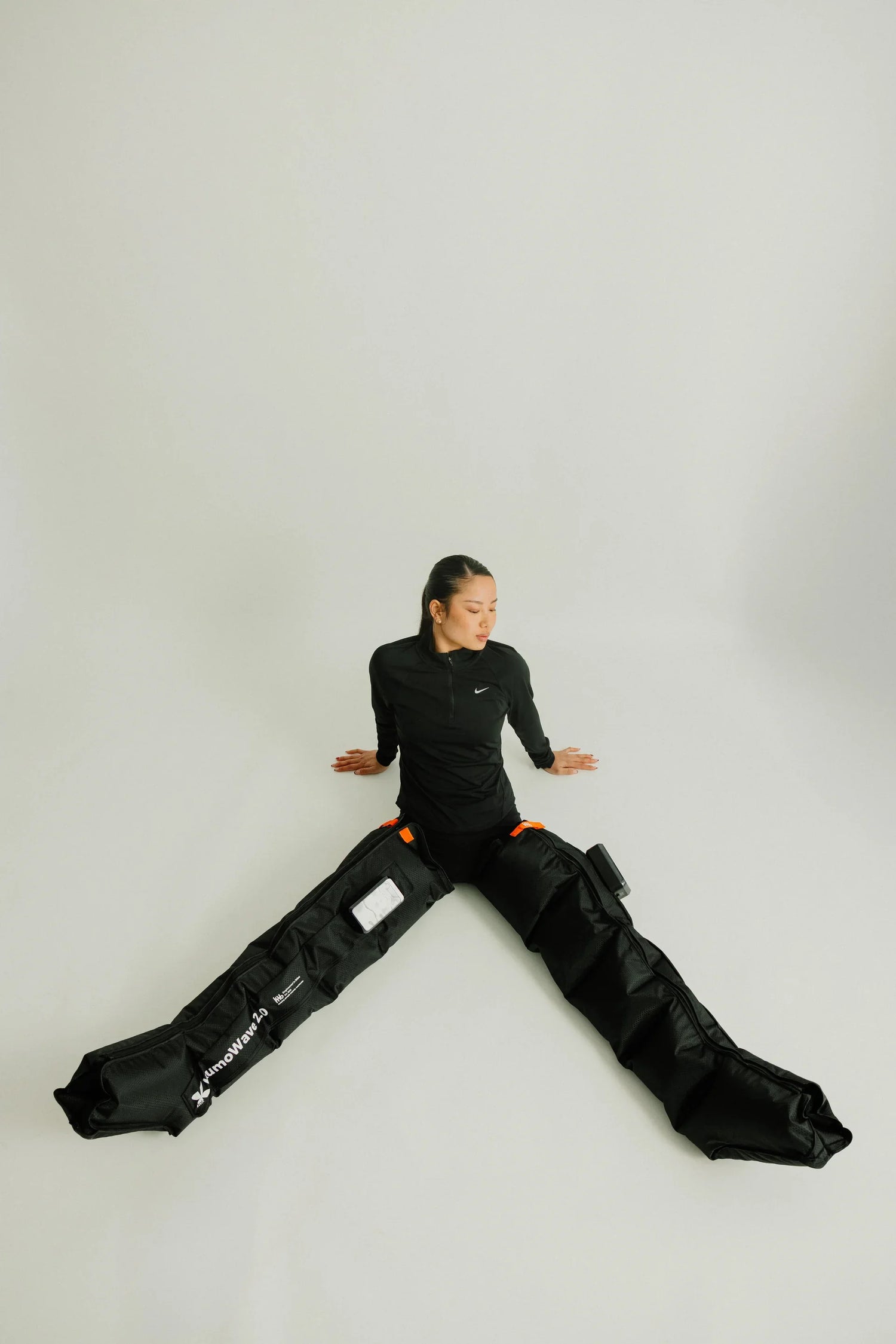

A lipedema diagnosis also hurts inside.
Receiving it can affect body image, confidence, and daily routine, especially when the process has been long, confusing, or minimized. Lipedema is a chronic and progressive disease, often underdiagnosed, which can be confused with obesity or lymphedema, delaying proper care. (pubmed.ncbi.nlm.nih.gov)
Pressotherapy at home
End the day with light legs
★★★★★ 4,8/5 · rated by verified customers
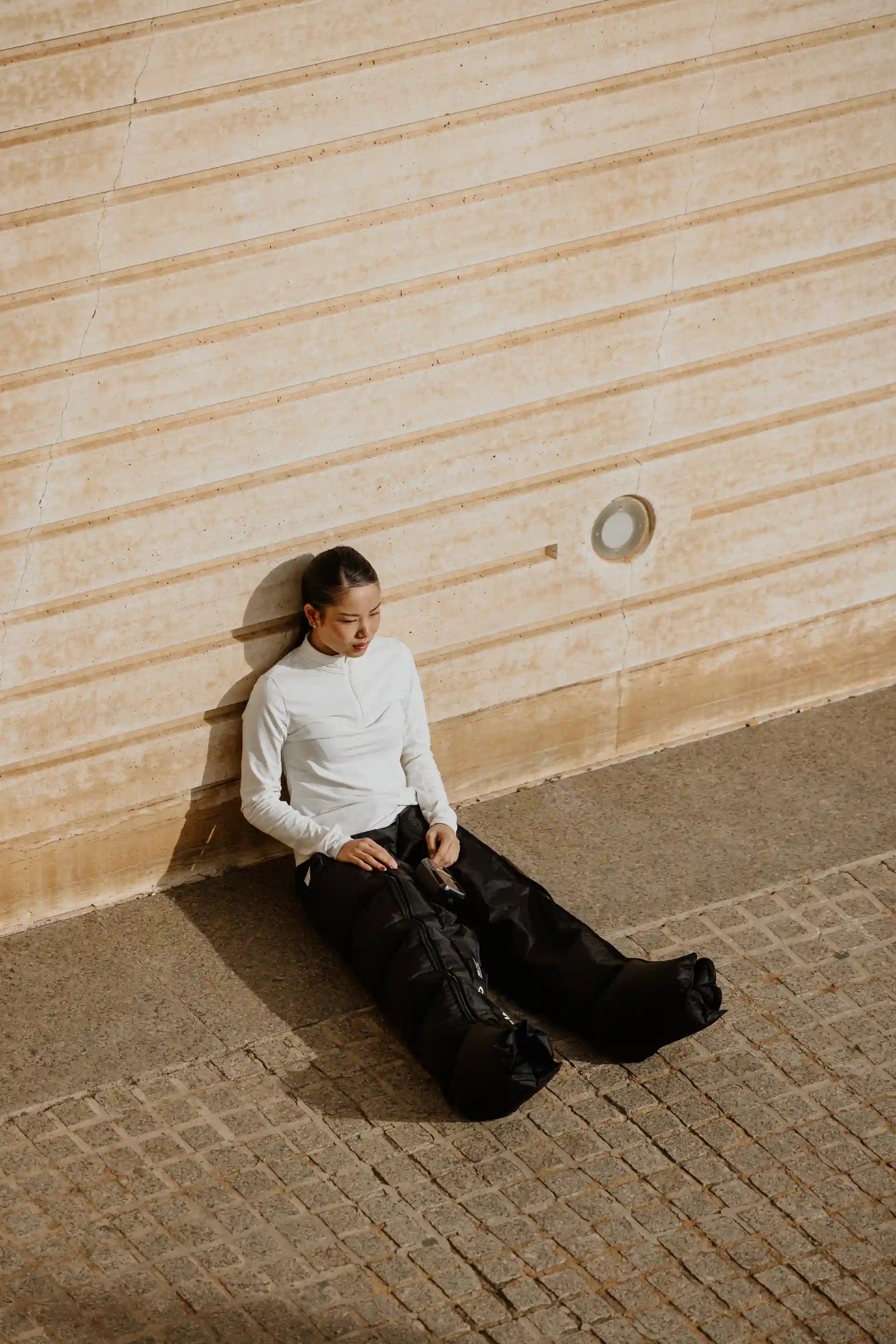
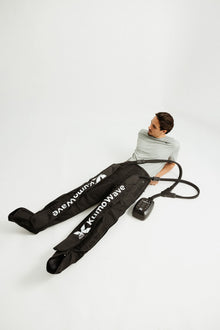
KumoWave pressotherapy boosts circulation and helps drain fluid with sequential compression, in 20-minute sessions at home.
- Boosts circulation and helps drain fluid
- Chamber-based compression, adjustable to you
- Sequential compression that mimics manual drainage
€799,00€999,00
−10% on your 1st order when you subscribe to the newsletter

If you want to better understand the context before moving on to the emotional aspect, you can review what lipedema is and how to recognize it early and the signs of lipedema you shouldn't ignore. This will make it easier to understand why the body and mind often react simultaneously. (pubmed.ncbi.nlm.nih.gov)
Why the diagnosis hits so hard
The emotional impact does not appear because of "being sensitive." When a condition causes pain, heaviness, swelling, functional limitation, and diagnostic doubts for a long time, the mental burden grows. A 2025 meta-analysis on quality of life in lipedema, with 14 studies and 3,851 participants, found significant deterioration in physical functioning, pain, social functioning, emotional well-being, and energy/fatigue.
Personalized protocol · included with your purchase
Want us to tell you how to use it in your case?
With your purchase, our experts prepare a personalized usage protocol for your case: sport, circulation, fluid retention, pregnancy or lipedema.
Message us on WhatsAppOur experts reply · no obligation
“Dealing with lipoedema can be a lonely and confusing journey.”
The German S2k guideline insists that psychosocial factors must be considered within the biopsychosocial approach. It also notes that catastrophic thoughts, fear of movement, loss of control, and hopelessness can intensify pain, while body acceptance and adequate support help cushion part of the burden.
Common emotional signs after diagnosis
What usually happens and how to respond
| Emotional sign | How it may appear | What helps first |
|---|---|---|
| Body shame | Avoiding short clothes, beaches, photos, or situations where the body is highly exposed. | Validate your feelings, reduce self-imposed demands, and seek support to work on body image and self-blame. |
| Frustration from previous diagnoses | Tiredness, anger, or distrust after years of hearing contradictory explanations. | Requesting a complete clinical evaluation and organizing symptoms helps break the cycle of doubt. |
| Anxiety about pain and the future | Anticipating worsening, dwelling on progression, or feeling afraid of movement. | A clear plan for pain, activity, and follow-up reduces the feeling of being out of control. |
| Social isolation | Stopping socializing, avoiding group exercise, or isolating oneself due to emotional exhaustion. | Sharing what's happening with a trusted person or a support group can lighten the load. |
The NHS clinical leaflet on lipoedema summarizes this experience well: the process can feel lonely and confusing, and the problem can be accompanied by low self-esteem or eating disorders. In a Polish study, 59.2% of the women evaluated also showed elevated depressive symptoms, and the severity of symptoms was associated with a poorer quality of life.
on your first order when you join the newsletter
We send you the code instantly. No spam.
How to cope with the diagnosis step by step
If part of the process has involved hesitating between lipedema and obesity, or receiving contradictory answers, it's worth organizing the information. Lipedema and obesity: key differences and how they coexist can help you prepare for a clearer consultation, because the distinction is not always obvious and the assessment must be clinical.
- Name what you feel. Write down if fear, anger, sadness, or tiredness predominates, because naming the emotion helps separate real discomfort from automatic guilt.
- Record your symptoms and history. Note pain, bruises, swelling, heaviness, and how it affects your daily life; this will give you a clearer basis for discussing with the clinical team and deciding the next steps.
- Request a complete clinical evaluation. The S2k guideline reminds that lipedema is diagnosed clinically and there is no single test to confirm it, so history and examination carry a lot of weight.
- Build a realistic plan. If you need to understand what options exist and what goals are reasonable, review real treatment options and prioritize what alleviates symptoms without adding more mental pressure.
- Integrate physical and emotional support. When indicated, adapted movement and compression can be part of the management; if you want guidance on this step, check adapted exercise for lipedema and how to choose compression garments for lipedema.
You don't need to solve everything in a week. The first goal is to break free from the cycle of confusion and feel that your body's story is finally being read with insight.
What psychological support usually helps
The German S2k guideline on lipedema insists on looking at the problem from a biopsychosocial approach: when assessing pain, psychological factors must also be considered, and management may include psychoeducation, cognitive-behavioral therapy, acceptance and commitment therapy, EMDR, support from the close network and, when necessary, psychotherapy.
- Psychoeducation. Understanding why pain and emotion feed each other reduces the feeling of "failing" and facilitates making calmer decisions.
- Cognitive-behavioral therapy. Can be useful if catastrophizing, fear of movement, guilt, or very harsh thoughts about the body appear.
- Acceptance and commitment therapy. Helps gain psychological flexibility to live with discomfort without it dominating everything.
- Support from the close network. The guideline recommends relying on a partner, family, self-help group, or trusted people, because not all the burden should fall on one person.
Furthermore, recent literature shows that lipedema does not only affect the legs or arms: it also conditions the experience of mental health and the relationship with healthcare. In the study on physical, mental health, and healthcare at different stages of lipedema, the authors highlighted that differences between stages also reflect variations in psychological symptoms and the way the healthcare system is experienced.
Habits that sustain mind and body
When the goal is to feel more stable, it helps to think about small, sustainable habits: controlling pain, moving without punishing yourself, and reducing the feeling of chaos. Conservative measures such as compression and aquatic exercise can relieve pain and swelling, although they do not replace a medical assessment or emotional therapy if you need it.
- Move in an adapted way. Walking, swimming, or gentle activity with progression is usually more helpful than demanding performance; if you want practical guidance, review adapted exercise for lipedema.
- Use compression when indicated. A well-chosen garment can help reduce the feeling of heaviness, but it must adapt to your tolerance and your daily life; that's why it's advisable to read how to choose compression garments for lipedema.
- Don't turn diet into punishment. The guideline reminds that the approach should support self-management, not increase frustration, and that rigidity usually damages the relationship with the body and food more.
- Observe patterns between pain and mood. Keeping a simple log of symptoms, sleep, energy, and emotional state can help you detect what feels good and what overburdens you. (bmcwomenshealth.biomedcentral.com)
When to seek professional help
In a reference Swiss cohort, depression and anxiety were frequent comorbidities, and the authors recommended referral to specialized support when necessary. This recommendation aligns with what the NHS describes: if hopelessness, low self-esteem, or eating disorders appear, it is not advisable to normalize it or wait for it to pass on its own. (journals.plos.org)
- Seek help if sadness or anxiety become constant. When discomfort is no longer occasional and starts to interfere with your routine, it deserves attention.
- Look for support if your sleep or eating habits change. The NHS and the S2k guideline point out that eating problems, emotional exhaustion, and loss of energy can appear.
- Don't let it go if you're increasingly isolating yourself. Withdrawing from plans, physical activity, or relationships can be a sign that you need additional support.
- Seek help as soon as possible if thoughts of harming yourself appear. In that case, professional help is not optional; it is the priority.
Frequently asked questions
Can lipedema affect self-esteem, and what emotional support approaches can help?
Yes. Lipedema can greatly affect self-esteem because it combines pain, visible body changes, fatigue, and often years of misunderstanding. This can lead to shame, social avoidance, and self-criticism. It usually helps to work with psychoeducation, therapy focused on body image, support from a trusted person, and, if possible, a group of women who are experiencing something similar. Validation is as important as physical treatment, because feeling believed lessens part of the emotional burden.
What type of psychological support is available for people with lipedema?
The S2k guideline recommends a biopsychosocial approach. In practice, this can translate into cognitive-behavioral therapy for fear and guilt, acceptance and commitment therapy to gain psychological flexibility, EMDR in selected cases, and psychotherapy if there is depression, significant anxiety, eating disorders, or trauma. Support from a partner, family, or close network can also be helpful. It's not about choosing just one tool, but about combining those that best fit your current situation.
How do I know if emotional distress needs professional help?
When sadness, anxiety, or hopelessness begin to affect sleep, eating, work, relationships, or the desire to leave the house, it's advisable to seek help. It's also a clear sign if you notice increasing isolation, high irritability, or thoughts of being unable to cope. The NHS and the reference Swiss cohort emphasize that anxiety and depression are common and that early referral improves overall care. Seeking support does not dramatize the problem; it prevents it from getting worse.
Is it normal to feel anger or grief upon receiving the diagnosis?
Yes, it is normal. Many people arrive at the diagnosis after years of doubts, contradictory answers, or feeling unheard. Anger and grief appear because the diagnosis changes the explanation of what is happening to you, but also because it forces you to reorganize expectations and care. Taking your time, seeking a second opinion if necessary, and relying on reliable information can make this phase less lonely. You don't have to "accept everything" on the first day.
What can I do if I find it difficult to talk about it with my family or partner?
Start with a brief and specific explanation: what lipedema is, what symptoms affect you most, and what kind of help you need right now. If talking about it directly blocks you, write a message or a note. The S2k guideline recommends relying on your close network and, when necessary, organizing practical help instead of carrying everything yourself. Sometimes family members don't know how to react; giving them a clear framework avoids misunderstandings and reduces the feeling of asking for too much.
What now?
If you have just received the diagnosis, start by organizing the information, reducing the noise, and moving forward step by step. Then, return to the Kumo Balance homepage to continue building a clearer, more humane, and sustainable plan.
KumoWave pressotherapy
Choose your at-home pressotherapy
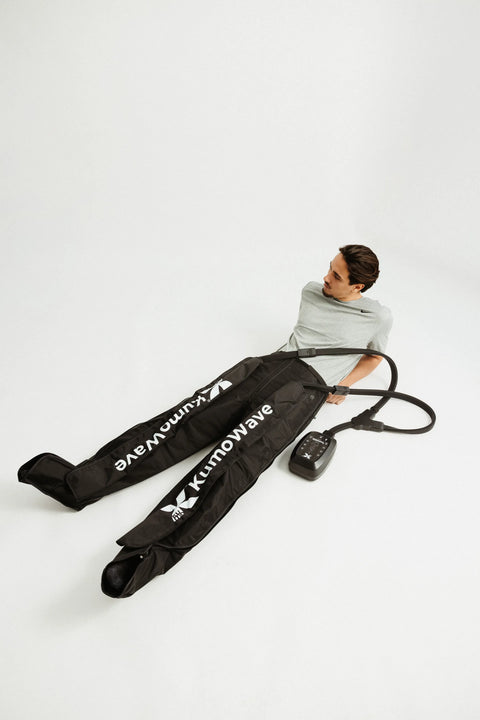
KumoWave Elite – Pressotherapy Pants
Full-coverage trousers. Ideal for lipedema, fluid retention and intensive use.
€799,00 €999,00
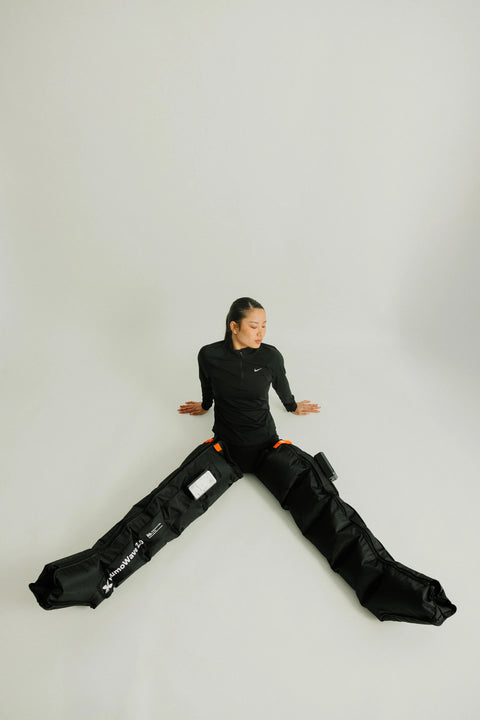
KumoWave 2.0 - Wireless Pressotherapy
Wireless, lightweight boots. Perfect for daily use and recovery.
€499,00 €599,00