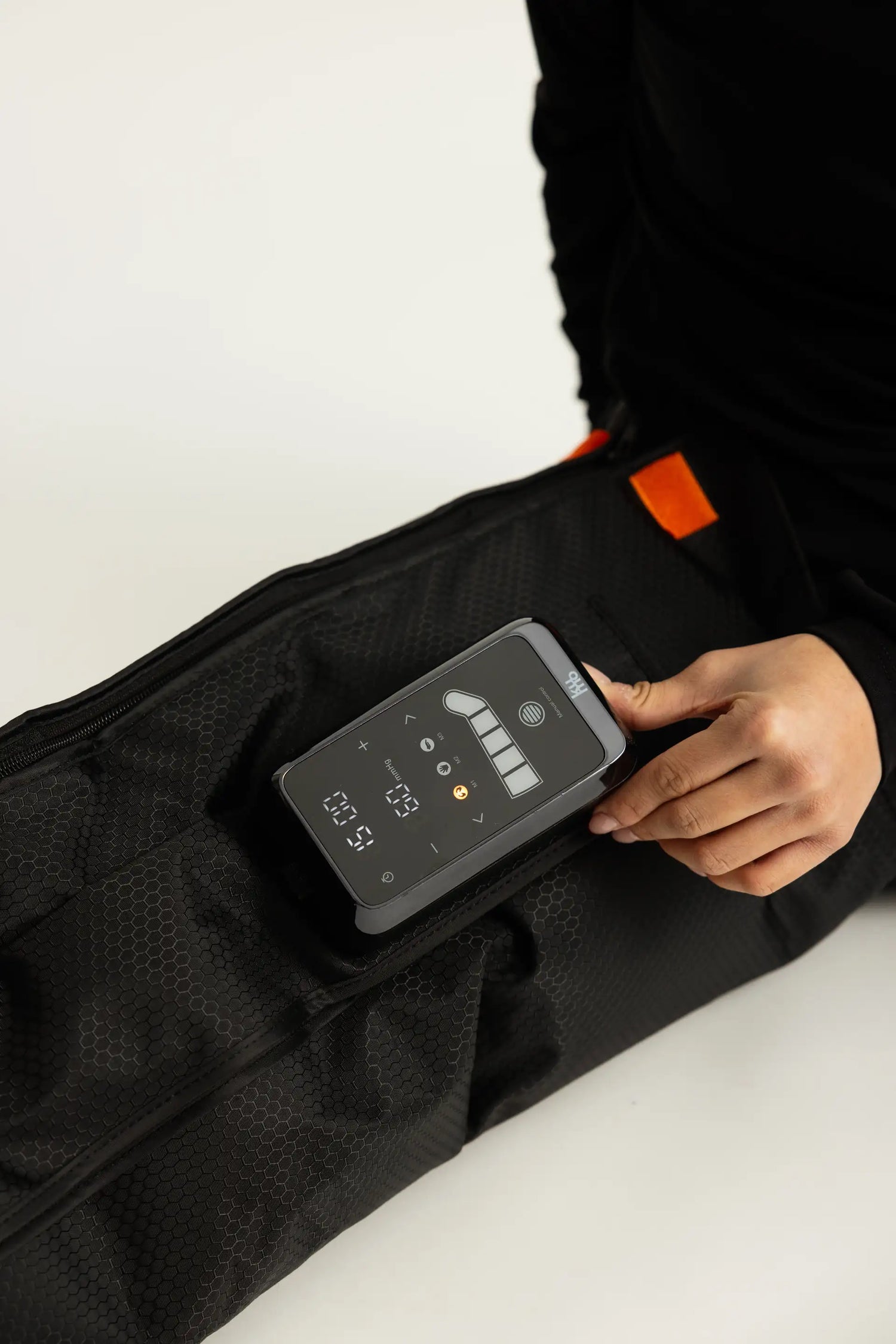
Lipedema leaves very clear signs. It's not just "accumulating fat": it often causes pain, bruising, heaviness, and a disproportionate distribution of tissue, especially in the legs and sometimes in the arms. According to the NHS clinical guideline on lipoedema and the Cleveland Clinic medical factsheet, the intensity can range from mild to debilitating and often worsens with hormonal changes such as puberty, pregnancy, or menopause. If you are also looking for recovery and wellness resources, Kumo Balance recovery technology focuses on non-invasive support for wellness routines. (nhs.uk)
What is lipedema and why is it so often confused?
Lipedema is a chronic condition that causes an abnormal accumulation of fat in the lower body; it frequently affects the buttocks, thighs, and calves, and in some cases also the arms. An important clue is that it usually spares the hands and feet, which helps differentiate it from other causes of increased volume. Both Cleveland Clinic and the NHS point out that it is a distinct condition from obesity and lymphedema, although they can coexist. (my.clevelandclinic.org)
Pressotherapy at home
End the day with light legs
★★★★★ 4,8/5 · rated by verified customers
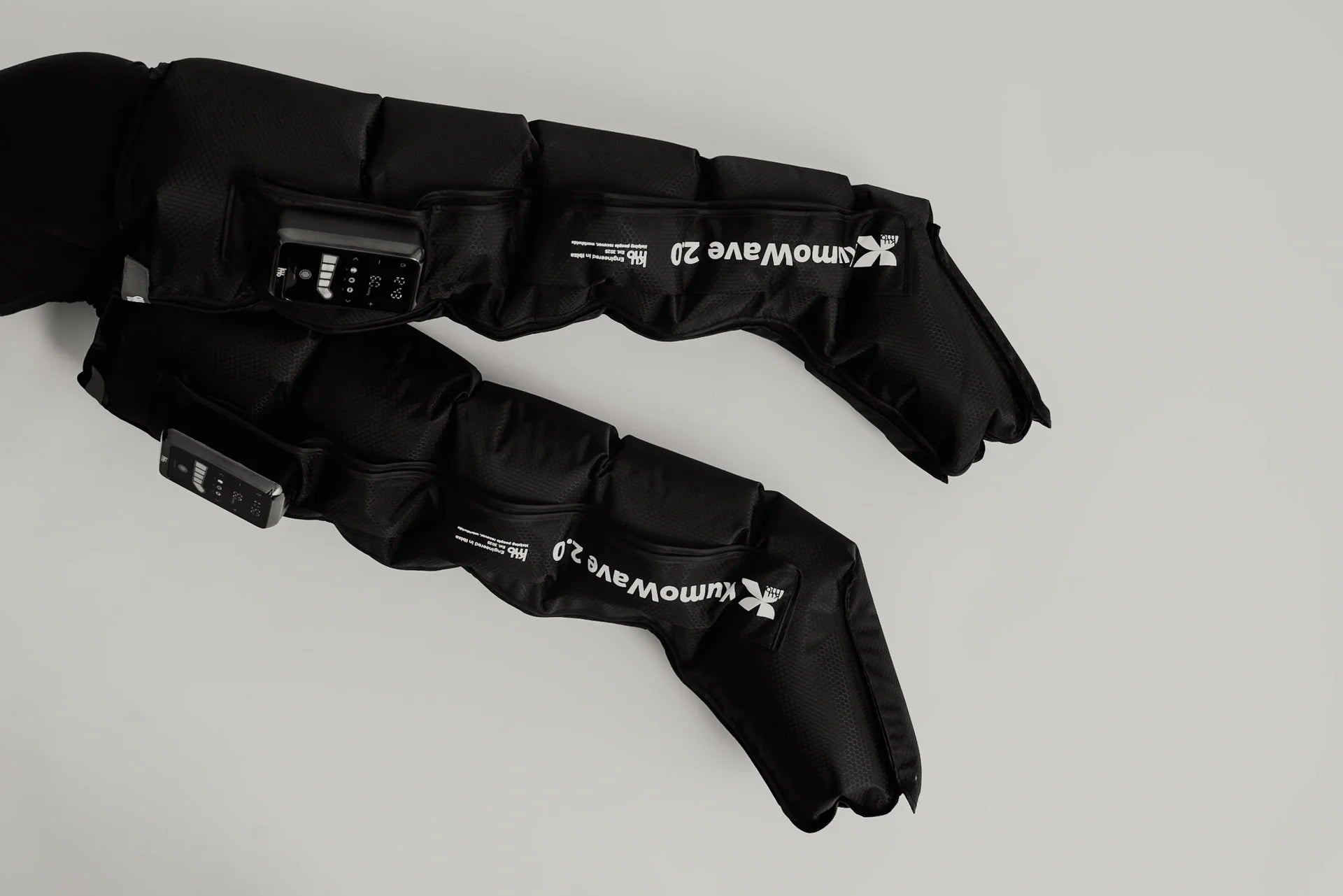
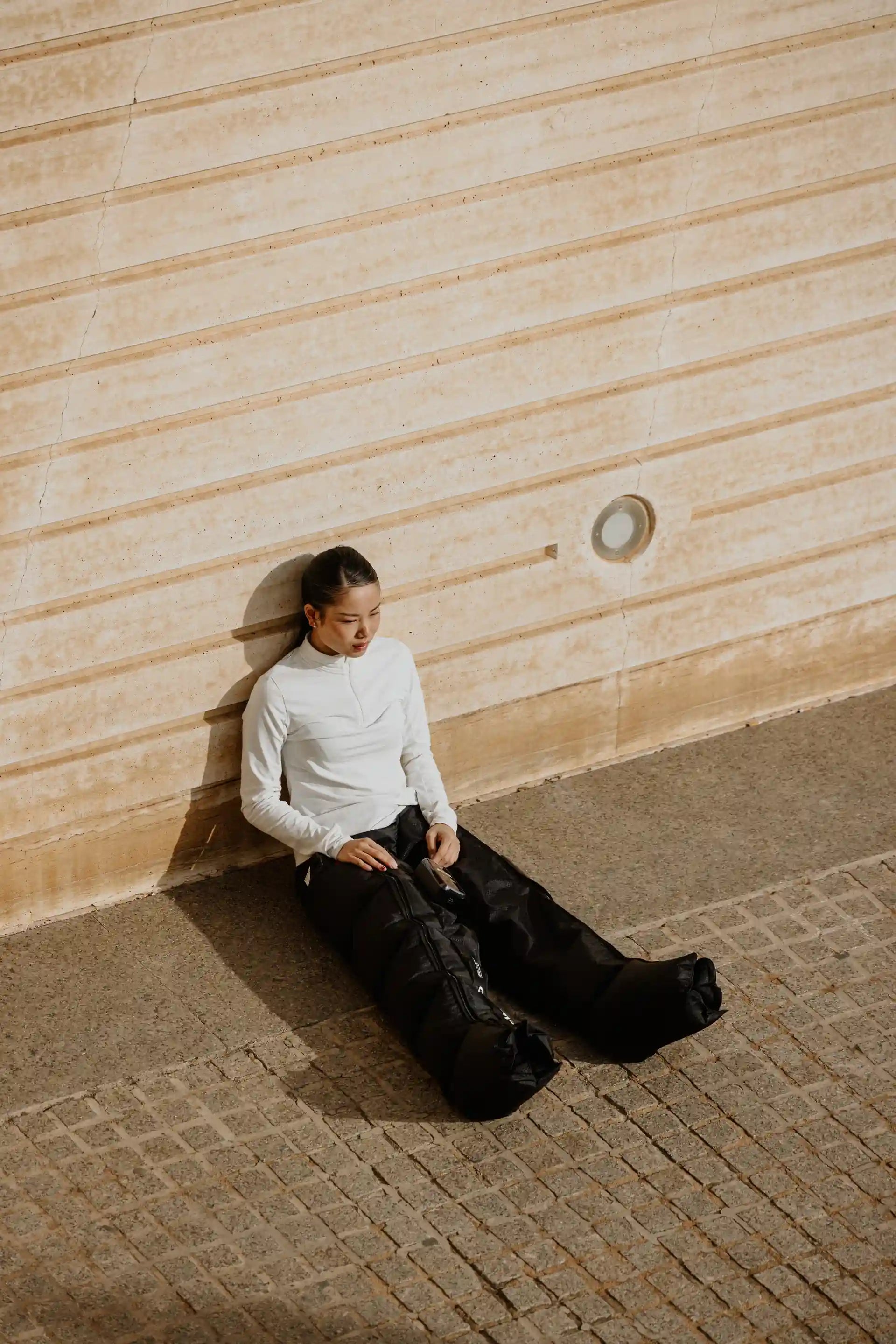
KumoWave pressotherapy boosts circulation and helps drain fluid with sequential compression, in 20-minute sessions at home.
- Boosts circulation and helps drain fluid
- Chamber-based compression, adjustable to you
- Sequential compression that mimics manual drainage
€799,00€999,00
−10% on your 1st order when you subscribe to the newsletter

Diagnosis is not based on a single test. Cleveland Clinic explains that there is no "gold standard" test to confirm it, and that the professional usually relies on medical history, physical examination, and, when necessary, imaging tests to rule out other problems. The NCBI Bookshelf clinical synthesis and the Lipedema Foundation add that criteria may vary between countries and specialists. (my.clevelandclinic.org)
The combination of pain, easy bruising, and spared feet is much more indicative of lipedema than a simple weight gain. A marked deformity is not always necessary to suspect it. (my.clevelandclinic.org)
Personalized protocol · included with your purchase
Want us to tell you how to use it in your case?
With your purchase, our experts prepare a personalized usage protocol for your case: sport, circulation, fluid retention, pregnancy or lipedema.
Message us on WhatsAppOur experts reply · no obligation
The 10 signs of lipedema you shouldn't ignore
A national study published in 2024 and conducted on 707 women with a lipedema phenotype found more edema in heat, easy bruising, altered gait, cold skin, varicose veins, and fatigue than in controls. The following table summarizes the most useful signs for recognizing the pattern. If you notice that the volume is concentrated mainly in your legs, the guide on lipedema in legs may help you. (journals.sagepub.com)
Quick summary of the 10 signs
| Sign | How it usually feels | Why it suggests lipedema |
|---|---|---|
| 1. Pain or tenderness to the touch | Legs hurt when pressed or when clothing rubs against them. | Pain is one of the most frequently reported clinical characteristics. (my.clevelandclinic.org) |
| 2. Easy bruising | Bruises appear with slight bumps or even without a clear impact. | This is a commonly described feature in lipedema and is not consistent with simple obesity. (ncbi.nlm.nih.gov) |
| 3. Leg heaviness | The sensation is of heavy, tight, or “too heavy” legs. | Heaviness frequently appears alongside pain and swelling. (my.clevelandclinic.org) |
| 4. Bilateral and disproportionate increase | The lower body grows more than the upper body. | Symmetrical and disproportionate distribution is a key diagnostic clue. (my.clevelandclinic.org) |
| 5. Spared feet and hands | The ankle changes shape, but the foot remains relatively free. | The preservation of feet and hands helps distinguish it from other diseases. (my.clevelandclinic.org) |
| 6. Nodules or irregular texture under the skin | The skin feels “granular,” with bumps or texture. | This is typical of early and middle stages of lipedema. (my.clevelandclinic.org) |
| 7. Worsens with heat or at the end of the day | Legs swell more with heat or after many hours of standing. | In the 2024 study, edema with heat was especially frequent. (journals.sagepub.com) |
| 8. Cold skin to the touch | Extremities feel cold or strikingly cold. | Cold skin was much more common in women with lipedema. (journals.sagepub.com) |
| 9. Fatigue or altered gait | Walking is harder, you change the way you step, or you get tired faster. | The 2024 national study linked lipedema with fatigue and altered gait. (journals.sagepub.com) |
| 10. Varicose veins or visible spider veins | Marked veins, spider veins, or a sensation of venous congestion are visible. | Varicose veins appear more frequently in the studied lipedema profiles. (journals.sagepub.com) |
1. Pain or tenderness to the touch
Pain is not a minor detail: in lipedema, the tissue can hurt when pressed, when clothing rubs against it, or at the end of the day. Cleveland Clinic includes it among the central symptoms, and the 2024 national study observed more pain, fatigue, and altered gait in women with lipedema phenotype than in controls. If you feel like your "fat hurts," don't normalize it. (my.clevelandclinic.org)
2. Easy bruising
If you bruise easily with small bumps or even without remembering a clear impact, it deserves attention. The ease of bruising is one of the most frequently reported signs in lipedema and does not fit well with isolated obesity. The NCBI Bookshelf also describes it as a useful feature when differentiating between the two conditions. (ncbi.nlm.nih.gov)
on your first order when you join the newsletter
We send you the code instantly. No spam.
3. Sensation of heaviness in the legs
Many people don't start by saying "it hurts," but rather "my legs feel heavy all day." This heaviness usually worsens when standing for long periods or in hot weather. Cleveland Clinic points to it as a common symptom, and in the 2024 study it appeared alongside edema with heat and fatigue. (my.clevelandclinic.org)
4. Symmetrical increase and body disproportion
One of the most important clues is the pattern: the upper body can remain relatively stable while the lower body increases in volume symmetrically. This causes clothing to fit very unevenly between the waist and legs. The 2025 study on differentiation between lipedema and lymphedema also found disproportion between the upper and lower trunk to be more frequent in lipedema. (my.clevelandclinic.org)
5. Spared feet and hands
When the volume changes, but the feet still look relatively normal, the pattern points more to lipedema than to lymphedema. Clinically, the "cuff" or cut at the ankle is very indicative. Cleveland Clinic insists that lipedema does not usually affect the hands or feet, and the 2025 CART study reinforced that unswollen feet appear much more frequently in lipedema than in lymphedema. (my.clevelandclinic.org)
6. Nodules or irregular texture under the skin
In early stages, the skin may appear almost normal, but when touched, small bumps are noticeable, as if there were "pebbles" under the surface. Later, irregularities, dimples, or more visible folds may appear. Cleveland Clinic and StatPearls describe this texture as part of the progression of lipedema. (my.clevelandclinic.org)
7. Worsens with heat or at the end of the day
If you notice that the volume in your legs increases in summer, in hot environments, or after many hours of sitting or standing, it's not a trivial detail. In the 2024 national survey, edema with heat was one of the most prominent signs. This alone does not confirm the diagnosis, but it reinforces the suspicion when combined with pain and bruising. (journals.sagepub.com)
8. Cold skin to the touch
The sensation of coldness in the legs or in specific areas also frequently appears. The 2024 study observed that cold skin was much more common in women with lipedema than in controls. If there is also heaviness, sensitivity to touch, and a change in contour, the pattern gains clinical strength. (journals.sagepub.com)
9. Fatigue or altered gait
Lipedema not only changes the shape of the legs: it can also change how you move. Some people walk slower, widen their base of support, or notice that their steps become unstable. The 2024 national study found a clear association with fatigue and altered gait, which helps to understand why it is not just about aesthetics. (journals.sagepub.com)
10. Varicose veins or visible spider veins
Varicose veins and telangiectasias do not diagnose lipedema on their own, but they do accompany it more frequently than expected. In the 2024 study, they appeared among the most repeated manifestations, and in clinical practice they can be added to heaviness, the sensation of congestion, and pain. If there is also a family history, suspicion increases. (journals.sagepub.com)
How to differentiate lipedema from obesity, cellulite, and lymphedema
Confusion with obesity and lymphedema is very common. StatPearls explains that, in obesity, diet and exercise usually change the body pattern more globally, while in lipedema, the disproportion between the upper and lower trunk, pain on palpation, and easy bruising point more towards a diagnosis of lipedema. If you want to delve deeper into the topic, the guide on lipedema or cellulite can help you avoid confusing different concepts. (ncbi.nlm.nih.gov)
A 2025 study with 138 patients with lipedema and 111 with lymphedema found that symmetry, body disproportion, spared feet, bruising, visible veins, family history, and pain were much more frequent in lipedema. In contrast, Stemmer's sign, episodes of lymphangitis, pitting edema, and fibrosis were more associated with lymphedema. This does not replace a medical consultation, but it does clarify where clinical reasoning begins. (pubmed.ncbi.nlm.nih.gov)
- Lipedema vs. obesity: in lipedema there is pain, sensitivity and easy bruising; in isolated obesity these features are not common. (ncbi.nlm.nih.gov)
- Lipedema vs. lymphedema: in lipedema, the feet are usually spared, while lymphedema affects the dorsum of the foot more and may show a positive Stemmer's sign. (pubmed.ncbi.nlm.nih.gov)
- Lipedema vs. aesthetic cellulite: dimpled skin can appear in both cases, but lipedema adds pain, bruising and a disproportionate bilateral pattern. (my.clevelandclinic.org)
When to see a doctor and what tests they may order
If you recognize several of these signs, the next step is a medical evaluation. The NHS recommends consulting if you have symptoms of lipoedema or if swelling in your legs, ankles, or feet does not improve within a few days. Cleveland Clinic explains that, in addition to a physical examination, the professional may order ultrasound, DEXA, MRI, or CT scans to rule out other problems or identify associated diseases. (nhs.uk)
Consult urgently if one leg becomes red, hot, very painful, and is accompanied by fever or flu-like symptoms. The NHS warns that this may correspond to infectious cellulitis and requires prompt medical attention. (nhs.uk)
- Note when symptoms began and if they coincide with puberty, pregnancy, or menopause. (my.clevelandclinic.org)
- Describe if the pain appears on touch, when walking, or only at certain times of the day. (my.clevelandclinic.org)
- Observe if the feet are spared and if the increase in volume is symmetrical. (my.clevelandclinic.org)
- Ask if imaging is needed to rule out lymphedema or other causes of edema. (my.clevelandclinic.org)
The guide on lipedema without surgery can help you understand what habits usually accompany clinical follow-up, but the diagnostic and therapeutic decision must always remain in the hands of a professional. (nhs.uk)
What can help in daily life
There is no definitive cure, but there are strategies that can alleviate symptoms. Cleveland Clinic and the NHS point out that low-impact exercise, compression, skin care, and, in some cases, drainage therapy or pneumatic compression can help manage the condition. If you want to understand how compression technology fits into this context, the home pressotherapy guide explains its role as a wellness support, not as a substitute for medical evaluation. (my.clevelandclinic.org)
- Move regularly: walking, swimming, or cycling is usually better tolerated than intense impact. (my.clevelandclinic.org)
- Use compression if prescribed: the NHS indicates that compression stockings or bandages can reduce pain and facilitate walking. (nhs.uk)
- Take care of your skin: keeping the skin hydrated helps prevent dryness and irritation. (nhs.uk)
- Review real options critically: if you want a broader view of interventions and limitations, the article on real treatment options for lipedema will help you manage expectations. (nhs.uk)
Frequently asked questions about lipedema symptoms
What are the symptoms of lipedema?
The most typical symptoms are pain or tenderness to the touch, easy bruising, leg heaviness, symmetrical increase in volume in the legs or arms, relatively spared feet, and an irregular texture under the skin. Some people also notice cold skin, fatigue, varicose veins, or that swelling worsens with heat. The intensity varies greatly: there are mild cases and others that limit walking or standing for prolonged periods. (my.clevelandclinic.org)
How to differentiate lipedema from obesity or lymphedema in the legs?
In obesity, weight change is usually more global and responds better to diet and exercise. In lipedema, however, the pattern is disproportionate, symmetrical, and painful, with easy bruising and spared feet. Compared to lymphedema, lipedema usually has less foot involvement and fewer signs such as positive Stemmer's sign or episodes of lymphangitis. When there are doubts, clinical examination and, if necessary, imaging help clarify it. (ncbi.nlm.nih.gov)
Are pain and bruising signs of lipedema that are overlooked?
Yes, and that's precisely why many people take so long to receive an adequate evaluation. Pain to the touch and easy bruising are two of the most useful clues for suspecting lipedema, but they are often erroneously attributed to "water retention" or an aesthetic problem. If you also notice heaviness, spared feet, or worsening with heat, suspicion increases. The overall pattern matters more than an isolated symptom. (my.clevelandclinic.org)
How to identify lipedema without making a mistake?
It is not advisable to self-diagnose with a single photo or a single symptom. The most useful thing is to observe the complete pattern: progressive onset, pain, bruising, symmetry, disproportion between the upper and lower trunk, and spared feet. Then, note when it started, if it worsens with heat or hormonal changes, and if there is a family history. With this information, a professional can make a more precise assessment and decide if imaging is needed to rule out other causes. (my.clevelandclinic.org)
What now?
If you have recognized yourself in several signs, don't just go by intuition. Organize your symptoms, note when they appeared, and seek a professional evaluation. To delve deeper, you can review the guide on lipedema treatment and, if you are interested in a broader view of the non-surgical approach, reading about lipedema without surgery will help you understand what expectations are realistic and what habits usually accompany follow-up. (nhs.uk)
KumoWave pressotherapy
Choose your at-home pressotherapy
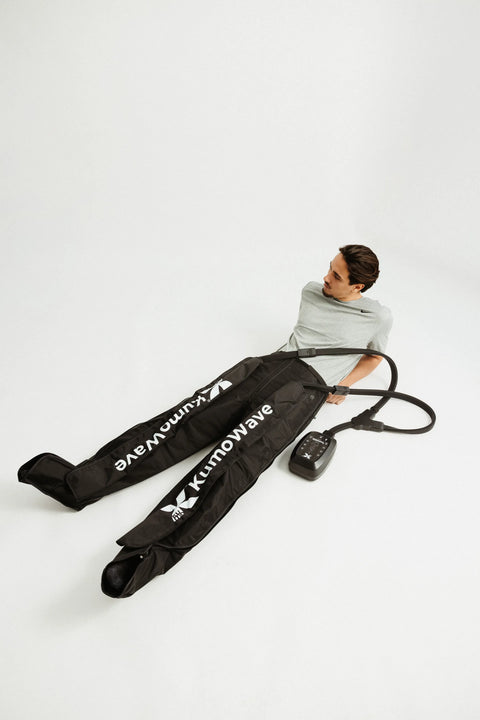
KumoWave Elite – Pressotherapy Pants
Full-coverage trousers. Ideal for lipedema, fluid retention and intensive use.
€799,00 €999,00
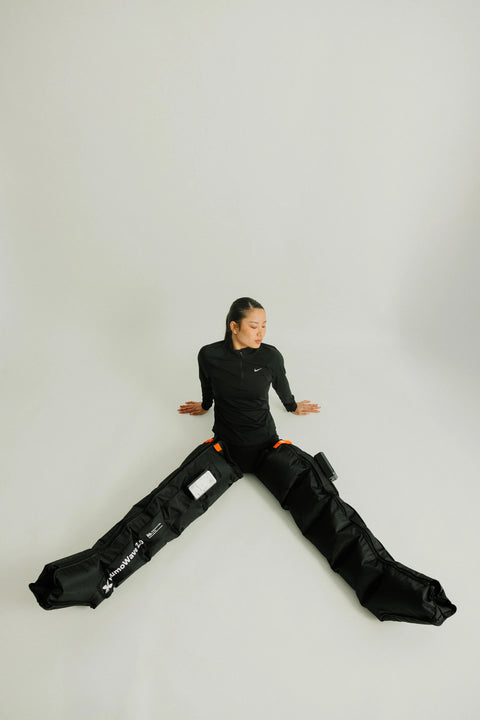
KumoWave 2.0 - Wireless Pressotherapy
Wireless, lightweight boots. Perfect for daily use and recovery.
€499,00 €599,00