
Cellulite doesn't disappear overnight. It's a very common aesthetic alteration, and while it doesn't vanish completely, its appearance can be lessened with a consistent routine that combines pressotherapy, movement, and well-chosen habits. MedlinePlus describes it as a normal finding in many women and some men, and Mayo Clinic reminds us that treatment results are often variable and not always long-lasting. MedlinePlus medical overview of cellulite and Mayo Clinic's explanation of causes and symptoms. (medlineplus.gov)
What you can expect from a realistic anti-cellulite routine
The goal is not perfection, but to improve the visible texture of the skin and reduce factors that make cellulite more evident, such as a sedentary lifestyle, loss of muscle tone, or fluid retention. The American Academy of Dermatology points out that losing fat, gaining muscle, and using some treatments can make it less visible, but with generally temporary results; Cleveland Clinic adds that it cannot be completely eliminated. (aad.org)
Pressotherapy at home
End the day with light legs
★★★★★ 4,8/5 · rated by verified customers
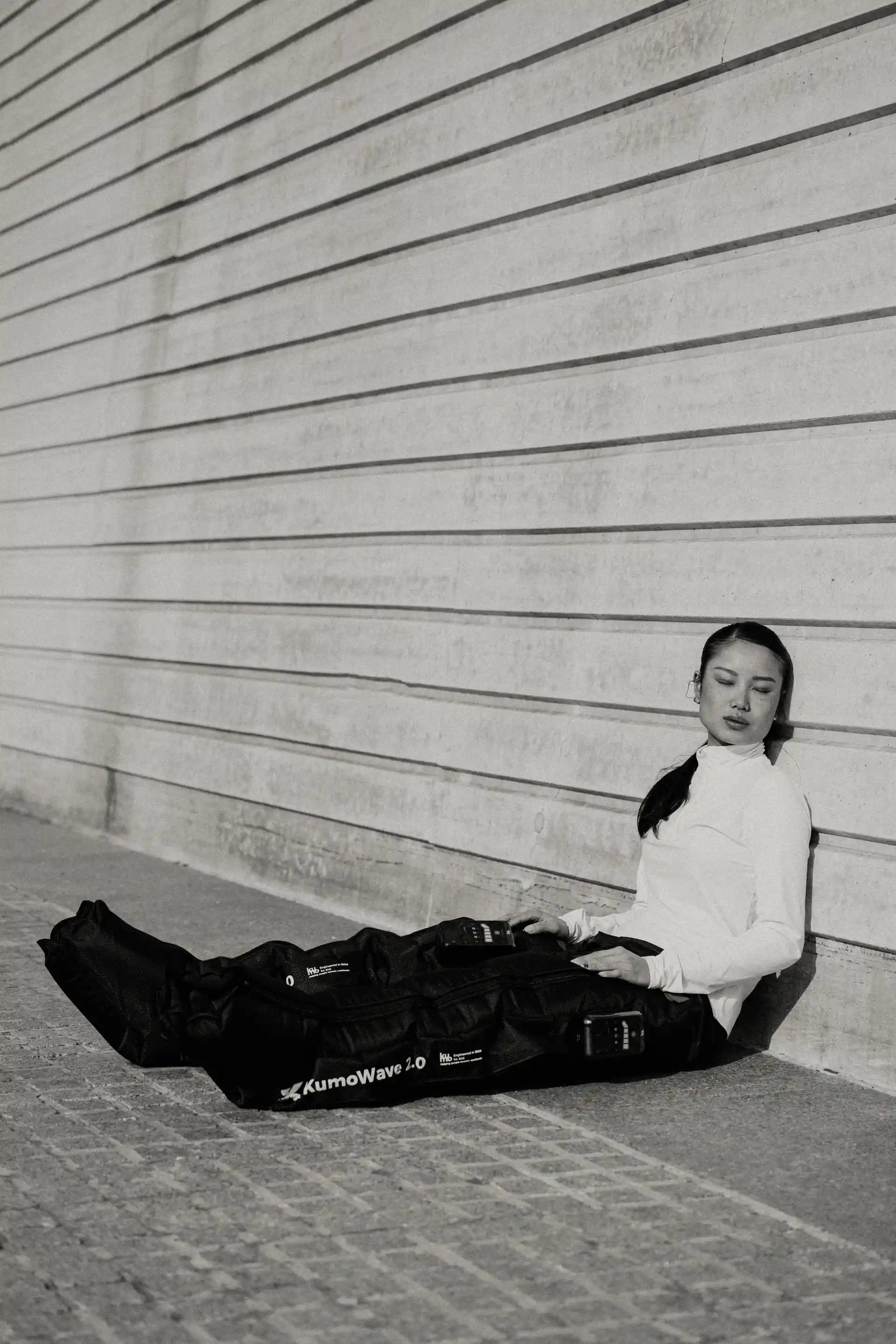
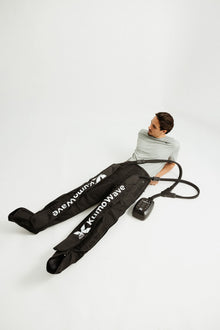
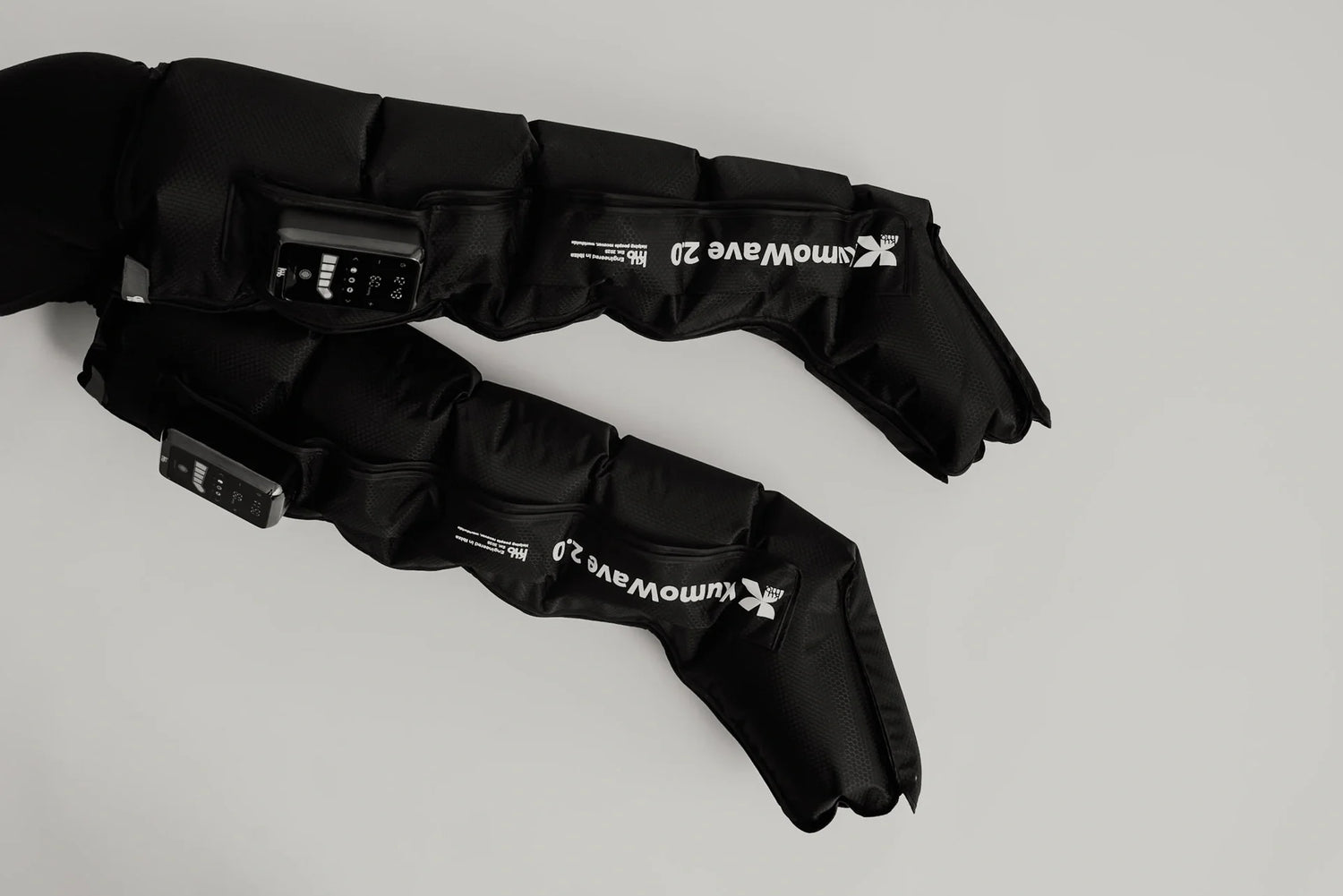
KumoWave pressotherapy boosts circulation and helps drain fluid with sequential compression, in 20-minute sessions at home.
- Boosts circulation and helps drain fluid
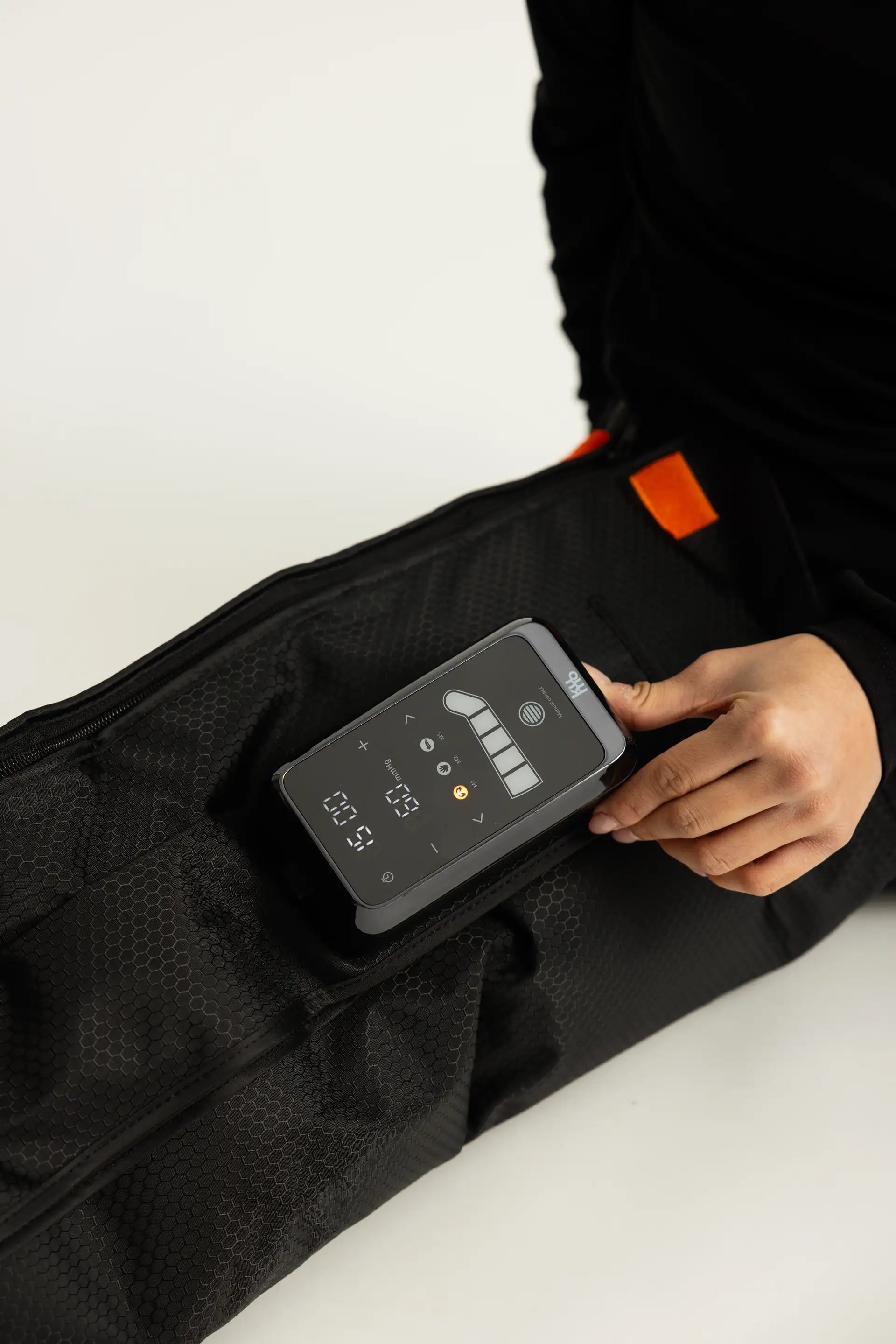
- Chamber-based compression, adjustable to you
- Sequential compression that mimics manual drainage
€799,00€999,00
−10% on your 1st order when you subscribe to the newsletter

The best strategy is not to seek a miraculous "before and after," but a routine that helps the skin look firmer and the legs feel less heavy.
If you're already working on a routine at home, reviewing a complete guide to starting with pressotherapy at home and approaching it as a wellness habit, not a magic solution, can also help you. (aad.org)
Personalized protocol · included with your purchase
Want us to tell you how to use it in your case?
With your purchase, our experts prepare a personalized usage protocol for your case: sport, circulation, fluid retention, pregnancy or lipedema.
Message us on WhatsAppOur experts reply · no obligation
How pressotherapy fits into an anti-cellulite routine
At-home pressotherapy uses sequential compression to promote fluid return and alleviate the feeling of tired legs. It's not a treatment that "removes" cellulite on its own, but it can improve the context in which skin appears more or less swollen. In studies of pneumatic compression in people with tired legs, edema, and venous problems, improvements in pain, leg circumference, and fluid management were observed; in lymphedema, reviews and trials show volume reduction and sustained improvement with repeated use. study on leg pain and swelling after long hours of standing. (pubmed.ncbi.nlm.nih.gov)
Therefore, if your goal is a more complete home routine, pressotherapy can become the central block of the plan along with exercise and daily habits. If you want to see it applied to the context of cellulite, you can follow the at-home pressotherapy against cellulite approach and adapt the practice to your actual consistency. (my.clevelandclinic.org)
Realistic benefit: less heaviness, more continuity
When cellulite is mixed with fluid retention or a feeling of heavy legs, compression can provide visible relief in terms of comfort. This idea is supported by studies on venous symptoms and edema, although it does not mean that pressotherapy is a definitive aesthetic cure. In practice, its value lies in adding consistency, lightness, and better adherence to the routine. (pubmed.ncbi.nlm.nih.gov)
on your first order when you join the newsletter
We send you the code instantly. No spam.
Complete step-by-step home routine
The best routine is one you can repeat without excessive effort. If you're just starting out, accompany pressotherapy with a simple guideline compatible with your daily life. The idea is that the treatment doesn't drain your energy, but rather helps you maintain it. If you want a more detailed sequence, the step-by-step guide to using pressotherapy at home can serve as a base. (mayoclinic.org)
1. Activate your body before sitting down
Before the session, take a few minutes to walk, move your ankles, and do gentle knee bends. Regular physical activity improves general health, helps reduce a sedentary lifestyle, and, according to the WHO, adults should accumulate at least 150 minutes of moderate activity per week and 2 or more days of muscle strengthening. official WHO recommendations on physical activity. (who.int)
2. Use pressotherapy consistently
Sequential compression works best when integrated into a stable and reasonable routine. Always follow the device's instructions, start progressively, and avoid turning the session into an endurance test. If you notice your legs feel lighter after using it, the goal is precisely to consolidate that feeling over the weeks. To choose a system designed for home use, you can review the pressotherapy boots collection. (pubmed.ncbi.nlm.nih.gov)
3. Supplement with strength and cardio
Cellulite often appears more prominent when there is less muscle tone. The AAD emphasizes that more muscle can make the skin look smoother and firmer, and the WHO recommends strength training twice a week in addition to regular aerobic exercise. At home, this can translate into squats, glute bridges, lunges, step-ups, and brisk walks. AAD guide on what really works. (aad.org)
4. Finish with hydration, rest, and routine
Skin doesn't improve solely due to a device. The CDC recommends adults get 7 or more hours of sleep, and the NHS reminds us that water and sugar-free drinks are part of daily fluid intake. In an anti-cellulite routine, this matters because rest and hydration facilitate general recovery and help sustain good habits. CDC guide to healthy sleep and NHS guidelines on hydration. (cdc.gov)
Routine summary table
| Block | What to do | Real objective | Approximate frequency |
|---|---|---|---|
| Activation | Walk for a few minutes, move ankles, and activate glutes and legs. | Prepare circulation and avoid starting the session "cold." (who.int) | Before pressotherapy or when you've been sitting for a long time. |
| Pressotherapy | Use sequential compression according to the device manual. | Support drainage and reduce the feeling of leg heaviness. (pubmed.ncbi.nlm.nih.gov) | Regularly and progressively, without forcing. |
| Training | Combine cardio and strength with special attention to legs and glutes. | Improve muscle tone and make skin visually firmer. (aad.org) | 150 minutes of moderate activity per week and strength 2 or more days. (who.int) |
| Recovery | Stay well-hydrated and get enough sleep. | Maintain consistency and promote overall recovery. (cdc.gov) | Every day. |
Key habits that most impact the appearance of cellulite
- Move every day. Walking, climbing stairs, or taking active breaks helps break up a sedentary lifestyle and makes the routine more effective. (who.int)
- Strength train two or more days a week. Greater muscle tone usually makes the skin look smoother and firmer, especially in the thighs and glutes. (aad.org)
- Avoid spending many hours immobile. Compression and movement are best understood as allies against heavy legs and swelling associated with prolonged standing or sitting. (pubmed.ncbi.nlm.nih.gov)
- Maintain a stable weight. Excess weight can make cellulite more visible, although thin people can also have it. (aad.org)
- Respect sleep and hydration. Getting 7 or more hours of sleep and drinking enough fluids are part of a more favorable bodily environment for sustaining healthy habits. (cdc.gov)
If you also want to add recovery resources for your legs, you might be interested in how at-home pressotherapy helps with tired legs, especially when your routine includes many hours of sitting or standing. (pubmed.ncbi.nlm.nih.gov)
What can help and what not to expect
Support that can make a difference
The AAD indicates that some creams and lotions with caffeine or 0.3% retinol can slightly reduce the visibility of cellulite, although they require daily consistency and, in the case of retinol, several months of use. It also explains that deep massages can provide temporary, but not permanent, changes. AAD dermatological review of cellulite treatments. (aad.org)
What not to overestimate
There is no home solution that completely eliminates cellulite. Treatments can improve its appearance, but they are usually partial or temporary, and supplements have not shown efficacy. Therefore, at home, it is advisable to think about a smart combination of compression, exercise, muscle mass, and habits, not a single miracle product. (my.clevelandclinic.org)
If you like to combine compression with other techniques, you can review how to combine pressotherapy and percussion massage to integrate it logically into your recovery routine. (aad.org)
Common mistakes when trying to reduce cellulite at home
- Expecting immediate change. Visual improvement usually requires weeks of consistency, not just one session. (mayoclinic.org)
- Relying solely on a cream. Topical products can help, but their effect is limited and requires daily maintenance. (aad.org)
- Using pressotherapy as a substitute for exercise. Compression adds benefits, but muscle tone and movement remain the basis of visible change. (aad.org)
- Ignoring the daily routine. Lack of sleep, little movement, and insufficient hydration reduce the impact of any home protocol. (cdc.gov)
FAQ on anti-cellulite routine, pressotherapy, and key habits
Does pressotherapy eliminate cellulite?
It does not eliminate it completely. Pressotherapy can help reduce the feeling of heavy legs and support fluid drainage, which sometimes visually improves the appearance of the skin. However, cellulite has a structural basis related to connective tissue, fat, and skin elasticity, so the realistic change is usually partial. The most effective approach is to view it as part of a broader routine that includes strength, movement, and daily habits. (my.clevelandclinic.org)
Can I have cellulite even if I am thin?
Yes. Cleveland Clinic and Mayo Clinic point out that even very thin people can have cellulite. Weight influences how visible it becomes, but it is not the only factor. Genetics, age, fat distribution, and skin quality also play a role. Therefore, if your goal is to improve its appearance, simply "losing weight" is not enough: it is advisable to work on muscle tone, physical activity, and recovery. (my.clevelandclinic.org)
What habits enhance the results the most?
The habits that usually contribute the most are daily movement, strength training, sedentary lifestyle control, hydration, and sufficient sleep. The WHO recommends 150 minutes of moderate activity per week and 2 or more days of muscle strengthening, while the CDC advises adults to sleep 7 or more hours. If you also spend many hours standing or sitting, compression can be a useful aid for the feeling of heaviness. (who.int)
Can pressotherapy be combined with exercise or massage?
Yes, and in fact, it often makes more sense when it is part of a combination. Exercise provides muscle tone and improves body composition, while compression aids comfort and fluid management. Massage can be a complement, but it should not replace strength or consistency. If you want to organize this combination practically, the pressotherapy plus massage approach can fit well into a home recovery routine. (aad.org)
What's next?
If you want to start a realistic routine today, begin with the basics: daily movement, a stable pressotherapy routine, and habits you can sustain. To take the first step, you can explore at-home recovery technology and review home pressotherapy options that best suit your way of training, resting, and taking care of yourself. (my.clevelandclinic.org)
KumoWave pressotherapy
Choose your at-home pressotherapy
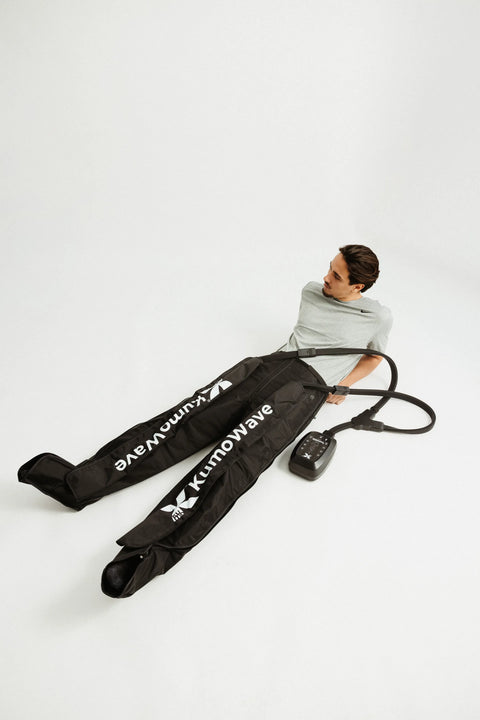
KumoWave Elite – Pressotherapy Pants
Full-coverage trousers. Ideal for lipedema, fluid retention and intensive use.
€799,00 €999,00
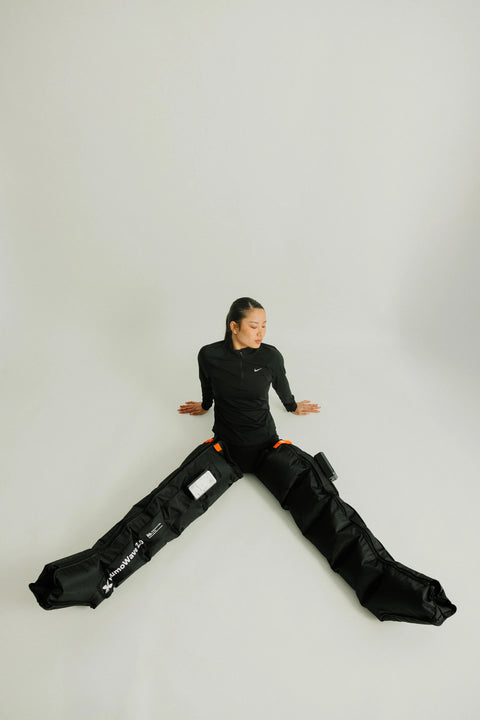
KumoWave 2.0 - Wireless Pressotherapy
Wireless, lightweight boots. Perfect for daily use and recovery.
€499,00 €599,00