
They hurt and wake you up suddenly.
Night cramps (especially in calves and feet) can ruin sleep even when “everything seems fine.” In this guide, I explain how to use presotherapy safely as part of a nighttime routine—with a cautious approach, no miracle promises—and how to integrate it with the best-supported measures (like stretching before bed). You’ll also see when to consult a professional to rule out medical causes.
Pressotherapy at home
End the day with light legs
★★★★★ 4,8/5 · rated by verified customers
KumoWave pressotherapy boosts circulation and helps drain fluid with sequential compression, in 20-minute sessions at home.
- Boosts circulation and helps drain fluid
- Chamber-based compression, adjustable to you
- Sequential compression that mimics manual drainage
€799,00€999,00
−10% on your 1st order when you subscribe to the newsletter

Night cramps: what they are and why they appear
What is considered a “night cramp”?
A night cramp is an involuntary, painful muscle contraction that appears at rest (often in bed), lasts from seconds to several minutes, and can leave residual tenderness. In practice, it usually affects the calves and the sole of the foot.
Are they common?
Yes. In primary care, they are described as a very common problem: the clinical article from the American Academy of Family Physicians (2012) states that up to 60% of adults have experienced night cramps. In a US population analysis based on NHANES (2005–2008), it was estimated that frequent night cramps (more than 5 episodes per month) affect approximately 6% of the adult population, increasing with age and associated with poorer sleep and general health.
Personalized protocol · included with your purchase
Want us to tell you how to use it in your case?
With your purchase, our experts prepare a personalized usage protocol for your case: sport, circulation, fluid retention, pregnancy or lipedema.
Message us on WhatsAppOur experts reply · no obligation
Causes and associated factors (the important stuff, without obsessing over “electrolytes”)
There is no single cause. They are often considered idiopathic, but are associated with muscle fatigue and nerve dysfunction rather than electrolyte disturbances. When lying down, the foot can fall into plantar flexion and shorten the calf muscles, facilitating the onset of cramps. In addition, associations have been described with vascular disease, lumbar canal stenosis, cirrhosis, hemodialysis, and pregnancy, among other conditions. Some medications have also been linked to cramps (e.g., IV iron sucrose, conjugated estrogens, raloxifene, naproxen, teriparatide), although this does not mean they are the cause in every person.
(aafp.org)Quick chart: do not confuse night cramps with other problems
Properly identifying “what it is” helps choose the best strategy (and avoid delaying a consultation when it’s needed).
| Problem | How it feels | What triggers it | What usually helps | Signs to consult |
|---|---|---|---|---|
| Night cramp | Intense pain, muscle "knot," stiffness | Rest/sleep, sometimes after activity or certain postures | Stretching and dorsiflexing the foot, walking, heat | High frequency, weakness, skin changes, swelling or numbness |
| Restless Legs Syndrome (RLS) | Discomfort/"tingling" with an urge to move | Rest; improves with movement | Moving legs, checking iron/causes with a professional | Persistent insomnia, daily symptoms |
| Claudication | Pain when walking that subsides with rest | Exercise/walking | Vascular evaluation and targeted treatment | Pain with exertion, coldness, abnormal coloration |
| Possible Thrombosis (DVT) | Pain + unilateral swelling, warmth, redness | Does not "depend" on sleep; can appear at any time | Emergency (do not self-treat) | Unilateral swelling/warmth/pain or respiratory symptoms |
What is presotherapy (intermittent pneumatic compression) and what can it offer?
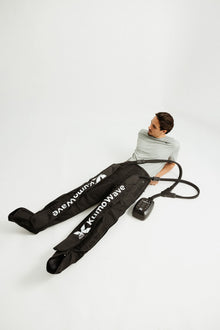
Presotherapy, also known as intermittent pneumatic compression, uses boots or sleeves that inflate and deflate in cycles. In clinical settings, it is used, among other objectives, to promote venous return and help prevent thrombosis in immobilized individuals; it is also used in edema/lymphedema protocols as medically indicated.
on your first order when you join the newsletter
We send you the code instantly. No spam.
From a physiological point of view, cyclical compression “pushes” blood upwards and can temporarily increase the velocity of venous flow; for example, studies on venous insufficiency have described hemodynamic changes with pressures around 40 mmHg and increased velocity in the femoral vein. This does not mean that it is a direct treatment for nocturnal cramps, but it does help to understand why many people perceive it as support for the sensation of heavy legs and recovery.
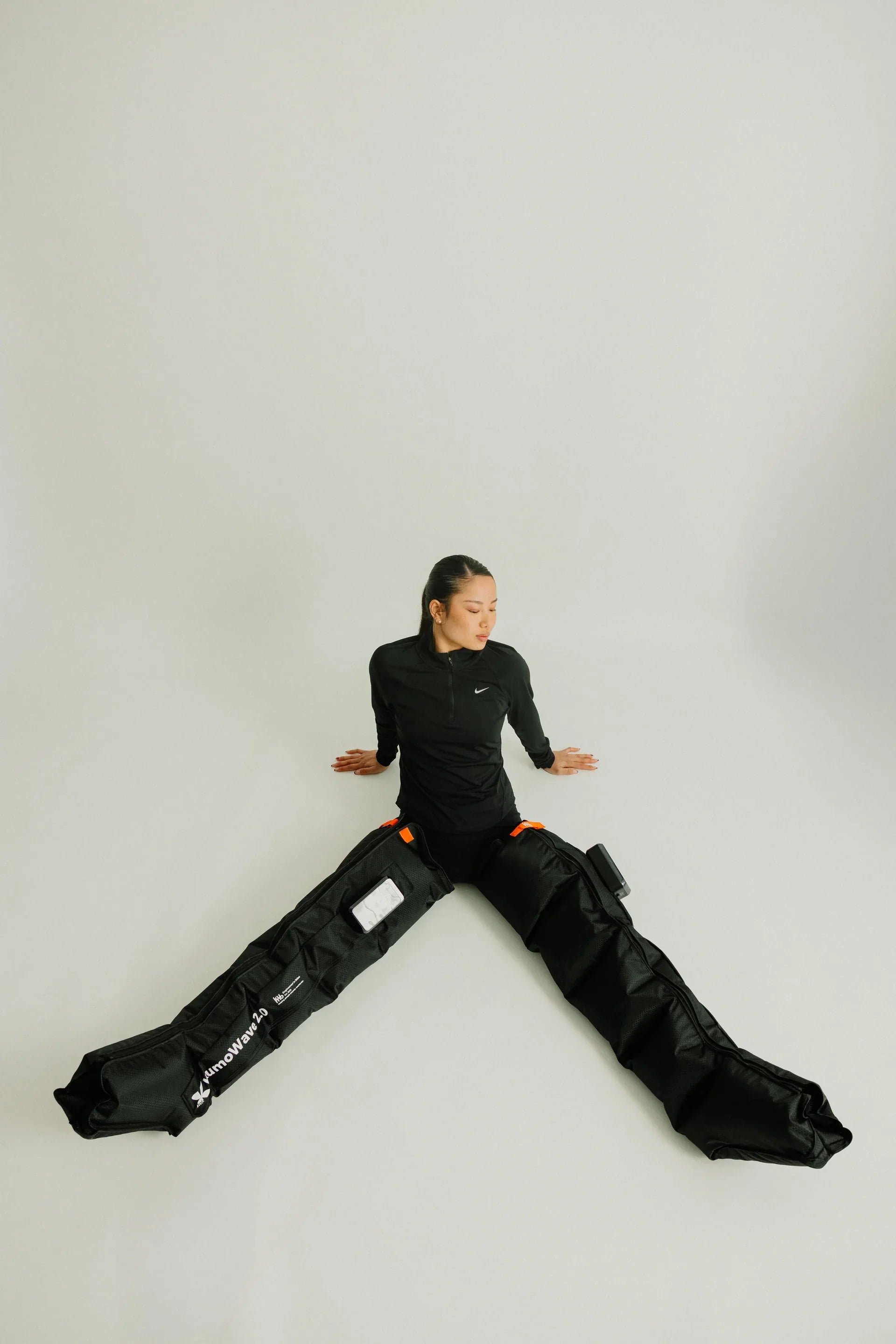
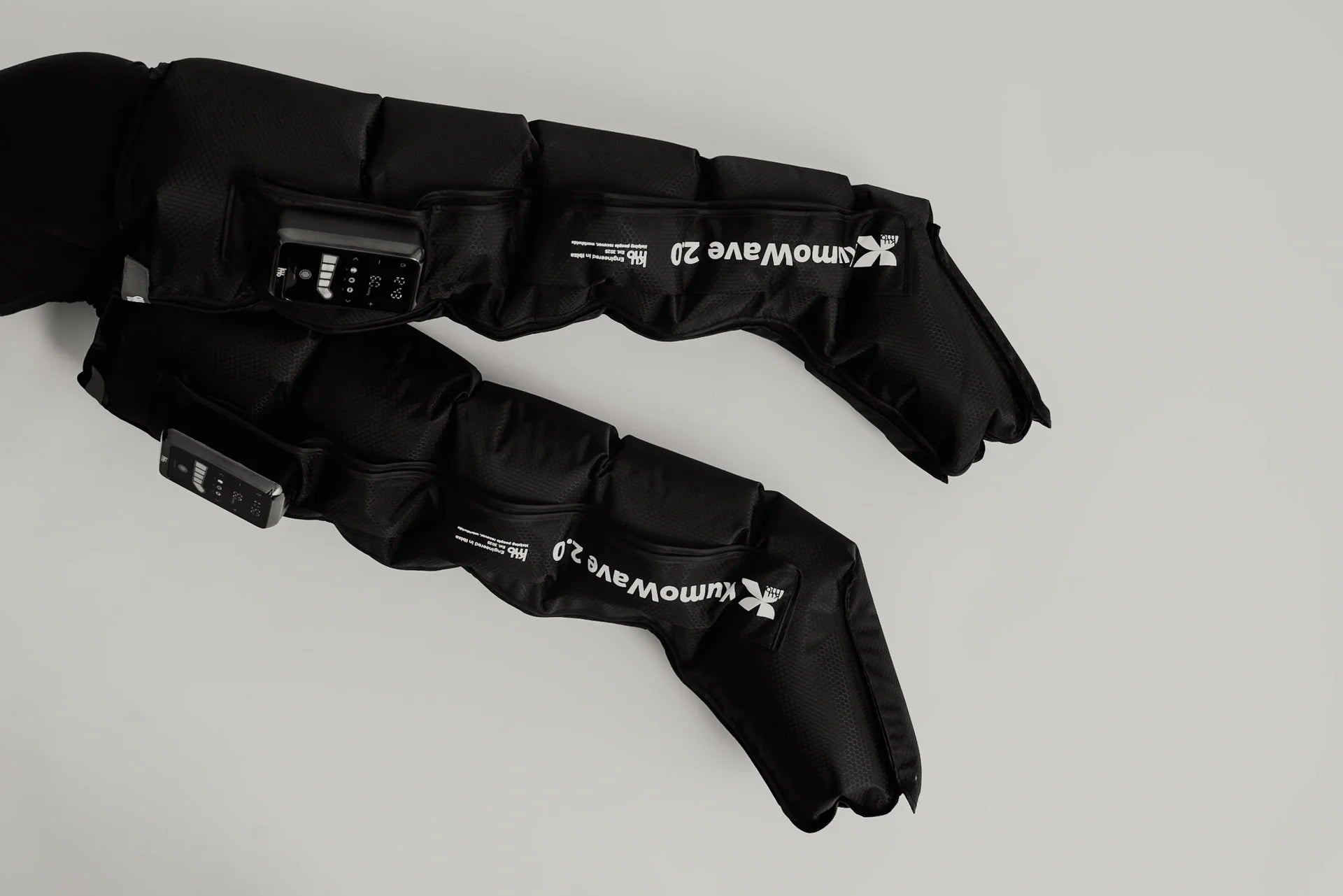
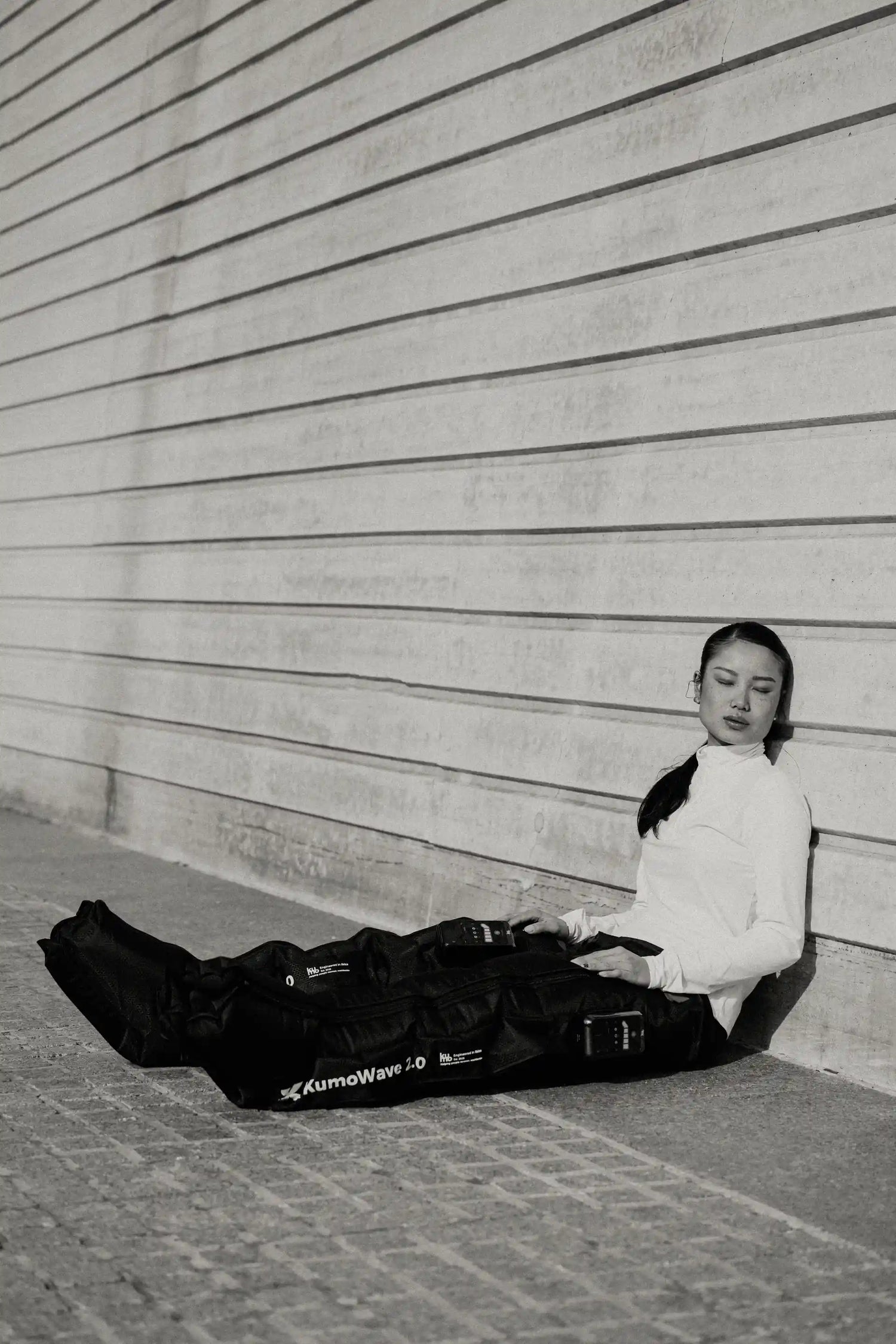
(pmc.ncbi.nlm.nih.gov)At Kumo, we approach recovery as a habit: technology, well-being, and performance in daily life. If you want to see options from the brand, you can explore Kumo presotherapy boots and understand them as one more piece within a coherent nighttime routine (mobility, rest, habits).
Safe Kumo presotherapy routine before sleep (step-by-step)
Realistic goal: reduce daily accumulated tension, improve leg sensation, and go to bed with fewer mechanical “triggers” (stiffness, shortened calf, discomfort). The strongest evidence for preventing night cramps remains stretching before bed; presotherapy is used here as a complement.
Step 0 (30 seconds): mini safety check
- No unusual pain, marked swelling, or warmth in one leg.
- Intact skin where the boot goes (no open wounds or significant irritation).
- Normal sensation (no marked numbness/neuropathy).
- If you have a relevant vascular disease, heart failure, history of thrombosis, leg infection, or are on anticoagulant treatment: prioritize professional approval before using compression.
Step 1 (3–6 minutes): evidence-based “anti-cramp” stretching
A randomized trial (2012) in adults >55 years found that stretching calves and hamstrings just before sleep for 6 weeks reduced the frequency and intensity of night cramps.
(pubmed.ncbi.nlm.nih.gov)- Calf (wall): foot back, heel on the ground, knee straight; hold 20–30 s. Repeat 2 times per leg.
- Soleus (wall): same, but with the back knee slightly bent; 20–30 s. Repeat 2 times per leg.
- Hamstrings (gentle): sitting, one leg extended, lean from the hip without “pulling” on the back; 20–30 s. Repeat 2 times per leg.
Step 2 (10–20 minutes): presotherapy session (pleasant sensation, not “therapeutic pain”)
For a wellness routine, the idea is to go for less: moderate pressure, comfortable cycles, and progressive adjustment. In home pneumatic compression protocols (clinical context), ranges of 30–50 mmHg are described as low to moderate compression in certain profiles, emphasizing the principle of testing and adjusting according to tolerance and response.
(lymphaticnetwork.org)- Placement: it should be snug but not painful; avoid folds. (In health education, it is noted that it should feel "tight" but not painful, and that the correct size matters to avoid skin problems.)
- Program: if your device allows sequences (foot to calf), this is usually the most comfortable before sleep.
- Intensity: start at the lowest or “gentle” level for the first few days.
- Golden rule: if you notice tingling, numbness, sharp pain, or worsening pain, stop the session.
Step 3 (1–3 minutes): “slow” exit and to bed
- When finished, do 20–30 ankle movements (point-flex) per leg.
- If it feels good, elevate your legs for 1–2 minutes with a cushion under your calves.
- Avoid strong stretching “just in case” when you get into bed: gentle, without bouncing.
Important note: unless explicitly indicated by the manufacturer, do not turn presotherapy into a “device to sleep with.” Safety is based on controlled sessions, skin checks, and normal sensations.
What to do when a cramp wakes you up (60–180 second protocol)
When the cramp is already there, the most effective approach is usually to change the foot's position and restore length to the muscle.
- Stretch and dorsiflex: straighten your leg and pull the top of your foot towards your face.
- Walk 20–30 steps or place your foot on the floor to “reset” the muscle pattern.
- Heat or a warm shower directed at the muscle, if needed.
- Gentle massage (or localized cold) when the peak pain subsides.
Complementary habits that usually make a difference
1) Review sleeping posture and mechanical “triggers”
- If you tend to sleep with your foot pointed (plantar flexion), try to keep your ankle more neutral.
- Some self-care recommendations include loosening bedsheets at your feet to prevent them from pulling on your ankle.
2) Daytime movement + “calf pump”
The calf acts as a pump for venous return. Alternating between sitting and standing, walking, and working on ankle mobility can reduce accumulated stiffness. If your job is at a desk, a simple habit is to do 2–3 sets of 20 heel raises and 20 ankle flexion-extensions daily.
(ncbi.nlm.nih.gov)3) Hydration, alcohol, and caffeine: common sense, without oversimplification
Many self-care guides advise drinking enough fluids and limiting alcohol/caffeine if you notice your symptoms worsen. Still, clinical literature also points out that night cramps are not usually explained solely by dehydration or electrolytes. If drinking some water and improving the “timing” of caffeine/alcohol works for you, great; just avoid falling into the idea that “everything is magnesium/potassium.”
(mayoclinic.org)4) Supplements: what we know (2020–2024)
- Magnesium: a Cochrane review (2020) concludes that magnesium is unlikely to provide clinically relevant improvement in cramps in older adults. Furthermore, a clinical trial with magnesium oxide found no significant differences compared to placebo.
- Vitamin K2: a randomized clinical trial (published in 2024, population ≥65 years) observed a reduction in the frequency, duration, and intensity of cramps with MK-7 (180 μg/day) for 8 weeks. This is a promising result, but it is not “for everyone” (for example, it is not recommended for people taking vitamin K antagonists like warfarin without medical supervision).
5) Avoid the dangerous “quick fix”: quinine
Quinine was used for years for night cramps, but health agencies have warned of serious risks (including serious hematological disorders and reports of deaths in adverse event notifications) and an unfavorable risk-benefit balance for a generally benign condition. If someone suggests it to you (or you are “recommended tonic water with quinine” as a remedy), it’s a good idea to discuss it with your doctor.
(fda.gov)Safety: contraindications and precautions before using presotherapy
When NOT to use pneumatic compression (or when to get medical clearance)
Regulatory and clinical use documents for compression devices describe situations where compression may be not advisable or directly contraindicated, such as:
- Acute deep vein thrombosis (or suspicion thereof).
- Congestive heart failure (especially decompensated) or pulmonary edema.
- Significant peripheral arterial disease / arteriosclerosis (depending on severity and clinical judgment).
- Active infections in the limb (e.g., cellulitis without adequate antibiotic coverage).
- Significant skin problems (open wounds, recent grafts, severe dermatitis), or limbs insensitive to pain (marked neuropathy).
Possible adverse effects (rare, but real)
When used incorrectly (wrong size, excessive pressure, too long, fragile skin), discomfort, sweating, irritation, or pressure injuries can occur. Health education also mentions the rare risk of nerve damage or pressure injury, hence the importance of the session being comfortable and checking the skin.
(hopkinsmedicine.org)When to consult for cramps (even if you're following a routine)
It is advisable to seek evaluation if cramps are very frequent, if they prevent you from sleeping, if there is weakness or muscle mass loss, or if they appear along with swelling, numbness, or skin changes. Seek urgent attention if there is persistent severe pain or signs consistent with thrombosis (e.g., marked unilateral swelling, warmth/redness).
(mayoclinic.org)What does the evidence say about presotherapy and night cramps?
For nocturnal cramps, the treatment with the best practical and direct support is stretching before sleep (randomized trial with reduction in frequency and intensity). In contrast, presotherapy has very strong evidence for other objectives (for example, promoting venous return and preventing thrombosis in at-risk patients), but it is not as specifically studied as a primary intervention for idiopathic nocturnal cramps.
(pubmed.ncbi.nlm.nih.gov)So, why use it? Because, when used correctly and by suitable individuals, it can be a comfort aid and a way to "unload" the legs that fits very well into a nighttime routine: less heaviness, more relaxation, and better predisposition to rest. The key is to maintain realistic expectations and measure your response.
How to tell if it's working (without deceiving yourself)
Keep it simple: track for 14 days. Note:
- Number of cramps per night (0, 1, 2…).
- Intensity (0–10).
- Approximate duration.
- What you did that day (sports, long hours sitting, alcohol/caffeine late, hydration, stress).
- If you did stretches + presotherapy (yes/no) and how you felt.
If after 2–3 weeks there's clear and sustained improvement, keep it up. If nothing changes or it worsens, revert to the "minimum effective" (stretches + sleep hygiene) and consult if the frequency is high.
Frequently asked questions about Kumo and night cramps
Can I use Kumo presotherapy boots if I have cramps every night?
Whether you can depends on the context. If your cramps are very frequent, the first step is to ensure they are indeed night cramps (and not another condition) and that there are no alarm signs like swelling, discoloration, or numbness. If there are no red flags, you can use Kumo presotherapy as a complement: a gentle session before bed + stretches. If there is a history of thrombosis, peripheral arterial disease, heart failure, leg infection, or loss of sensation, seek medical authorization before using compression.
(accessdata.fda.gov)What pressure and how long is “safe” with Kumo for a nighttime routine?
Safety is based more on tolerance and control than on "squeezing hard." Start at the gentlest level and with short sessions, and only increase if it remains comfortable. In clinical home pneumatic compression protocols, low to moderate compression ranges are described (e.g., 30–50 mmHg in certain profiles), but in wellness, the practical rule is: no pain, no tingling, no numbness, and checking the skin afterward. If your device allows adjusting cycles/programs, prioritize the most comfortable ones.
(lymphaticnetwork.org)Does Kumo presotherapy replace stretching before bed?
It should not. Stretching before bed has direct evidence: a randomized trial (2012) showed a reduction in frequency and intensity when stretching calves and hamstrings just before bedtime. Presotherapy fits better as an "extra layer" to improve leg sensation and relaxation, but if your time is limited, prioritize 5–6 minutes of gentle and consistent stretching. The ideal is to combine: brief stretching + gentle presotherapy.
(pubmed.ncbi.nlm.nih.gov)Can Kumo presotherapy be used during pregnancy if I have night cramps?
Cramps are common during pregnancy, but compression (even gentle) should be individualized. Consult your midwife or doctor if you have pregnancy-induced hypertension, significant varicose veins, marked swelling, unilateral pain, or any suspicion of thrombosis. If approved, keep sessions short, pressure low, and pay maximum attention to comfort and skin. And remember: gentle stretching before sleep and daytime movement are usually the safest foundation.
(aafp.org)What should I do if I feel tingling, numbness, or pain when using Kumo boots?
Stop the session and remove the boots. Check your skin for persistent redness, localized pain, or altered sensation. These sensations are not the goal of a wellness routine. Resume only if you can lower the intensity, adjust the placement better, and maintain a pleasant sensation. If the problem recurs, if you have neuropathy, if wounds/irritation appear, or if there is swelling and warmth in one leg, do not insist: consult a healthcare professional to rule out causes and avoid complications.
(hopkinsmedicine.org)What now?
If you want to turn recovery into a habit, you can start with a simple routine: stretches + gentle presotherapy. Explore the Kumo universe from the homepage and, if you're interested, visit the presotherapy collection. To complete your nighttime "ritual," you can also integrate sleep/recovery technology like LED light therapy or targeted muscle work with the KumoPulse Air massage gun. If you need guidance on use or safety in your specific case, contact us here: contact page.
KumoWave pressotherapy
Choose your at-home pressotherapy
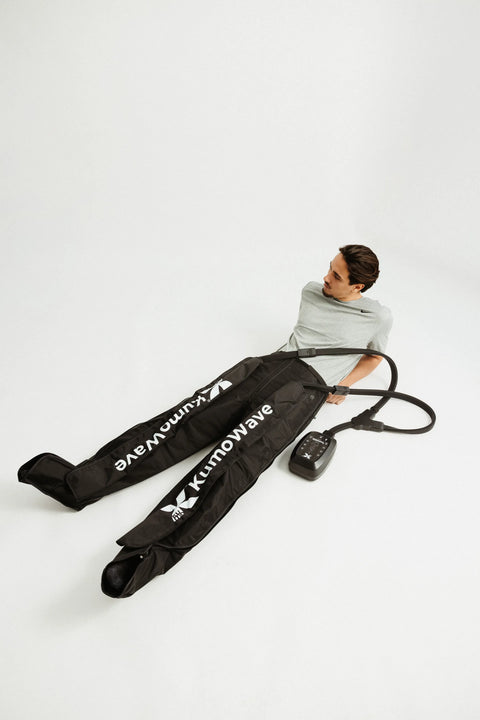
KumoWave Elite – Pressotherapy Pants
Full-coverage trousers. Ideal for lipedema, fluid retention and intensive use.
€799,00 €999,00
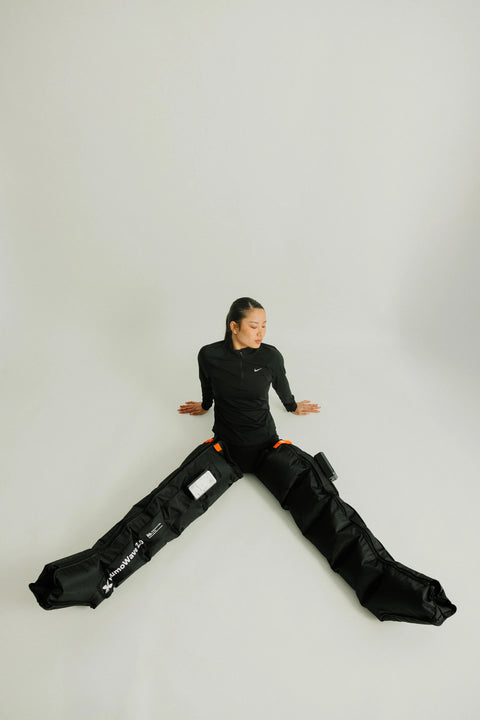
KumoWave 2.0 - Wireless Pressotherapy
Wireless, lightweight boots. Perfect for daily use and recovery.
€499,00 €599,00