
Yes, cellulite can also appear on the abdomen. It is a very common aesthetic alteration that often looks like dimples, undulations, or orange peel skin on the lower abdomen, as well as on the thighs, hips, and buttocks. Mayo Clinic explains that it is not usually a serious health problem and is more common in women. If you want to understand if your case is mild or more pronounced, the guides on types of cellulite and cellulite grades can help. (mayoclinic.org)
Note: this is not the same as the skin infection called cellulitis, which does require medical evaluation. The key to addressing abdominal cellulite effectively is to understand why it appears, what can improve it, and what results are realistic. (mayoclinic.org)
Pressotherapy at home
End the day with light legs
★★★★★ 4,8/5 · rated by verified customers
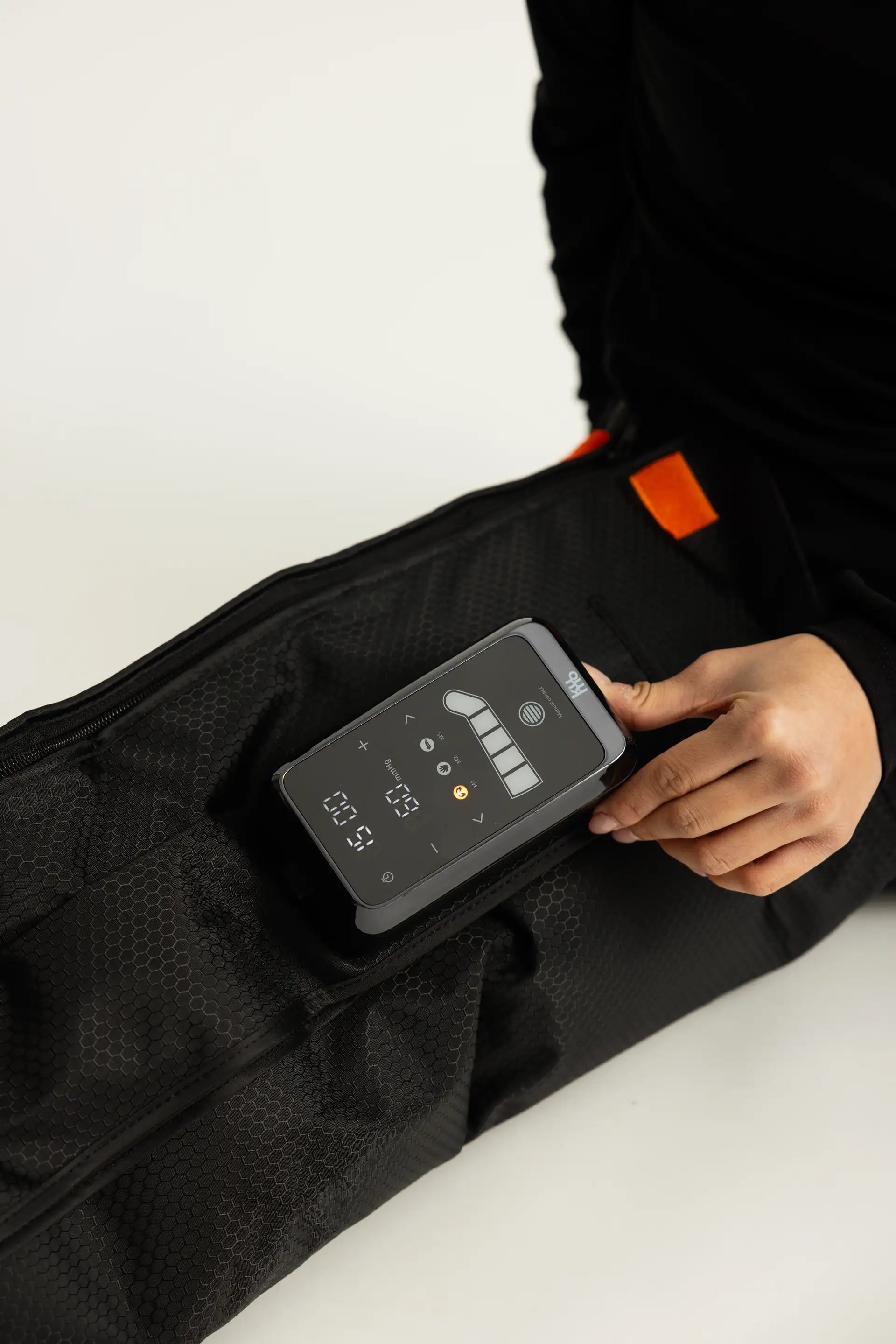
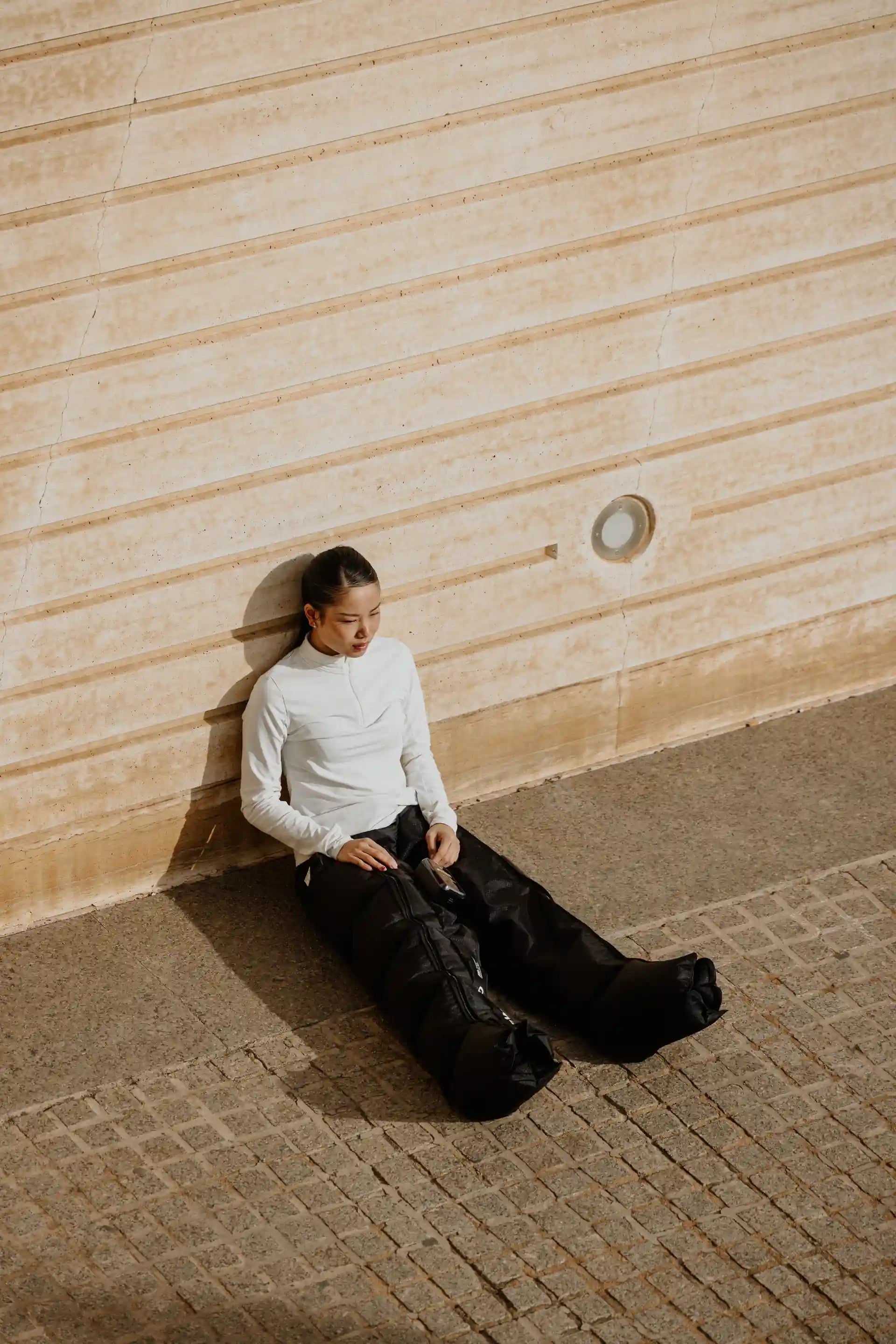
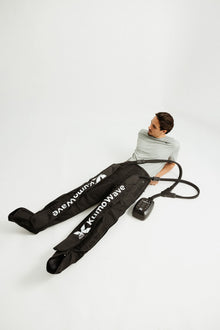
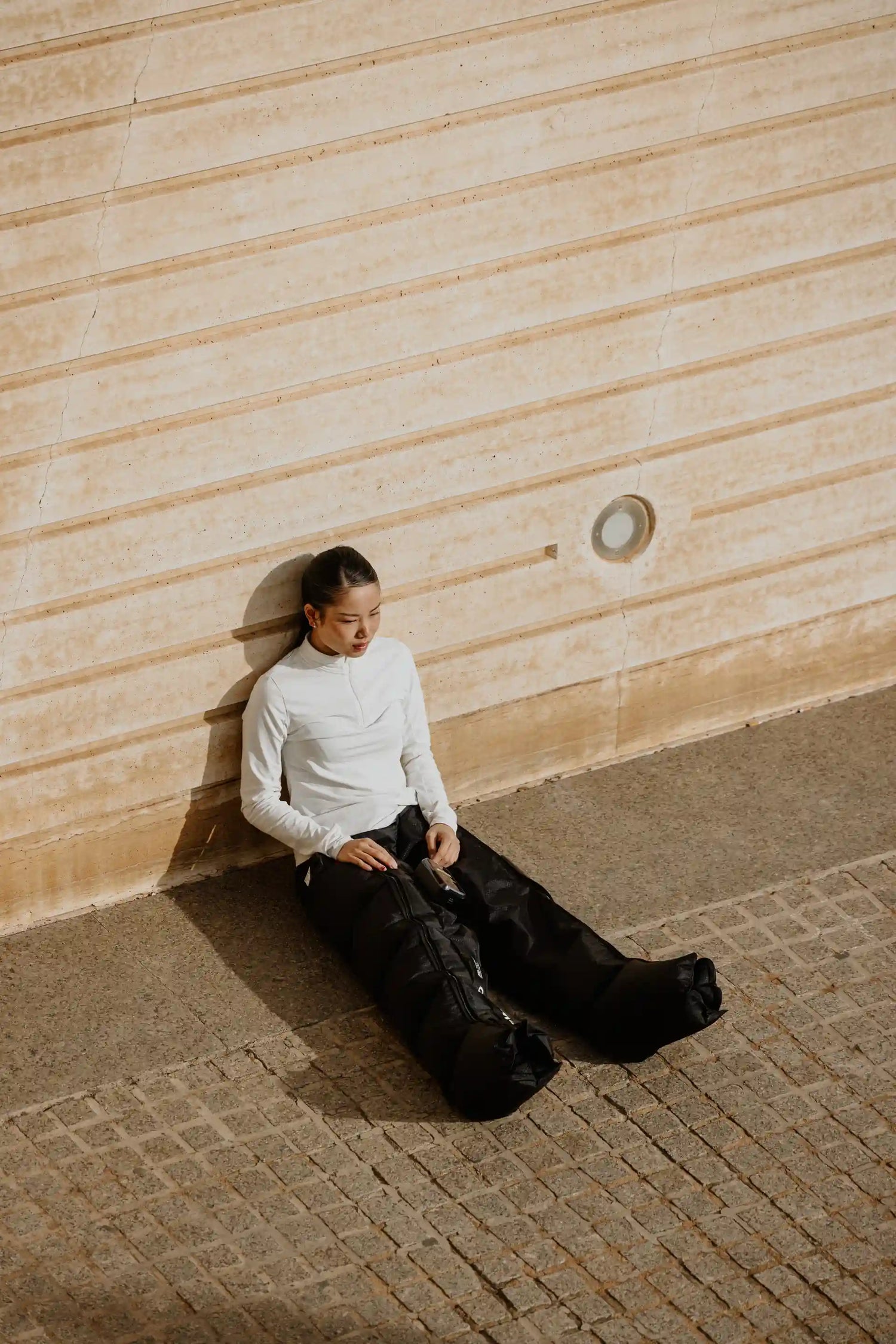
KumoWave pressotherapy boosts circulation and helps drain fluid with sequential compression, in 20-minute sessions at home.
- Boosts circulation and helps drain fluid
- Chamber-based compression, adjustable to you
- Sequential compression that mimics manual drainage
€799,00€999,00
−10% on your 1st order when you subscribe to the newsletter

The realistic goal is not to promise total disappearance, but to reduce the visibility of dimples with consistent habits and well-chosen treatments. (my.clevelandclinic.org)
What is abdominal cellulite?
Aesthetic cellulite appears when fat cells push the skin upwards while connective tissue cords pull it downwards. This contrast creates the uneven surface we associate with "orange peel skin." Mayo Clinic and Cleveland Clinic agree that this structure can be seen in the lower abdomen, and that even thin or very active people can have it. (mayoclinic.org)
Therefore, cellulite should not be confused with simply "having too much fat." Tissue composition, skin elasticity, hormones, and genetics greatly influence how the abdomen looks. (mayoclinic.org)
Personalized protocol · included with your purchase
Want us to tell you how to use it in your case?
With your purchase, our experts prepare a personalized usage protocol for your case: sport, circulation, fluid retention, pregnancy or lipedema.
Message us on WhatsAppOur experts reply · no obligation
Why does cellulite appear on the abdomen?
There is no single cause. Usually, several factors combine at the same time, which is why abdominal cellulite can appear even in people who manage their weight. (mayoclinic.org)
- Genetics and hormones: they influence skin structure and how body fat is distributed, which is why some people are more prone to it than others. (mayoclinic.org)
- Age and loss of elasticity: over time, the skin becomes less firm and the unevenness becomes more visible. (mayoclinic.org)
- Pregnancy and weight changes: these can make the abdomen look more irregular or make cellulite more noticeable. (mayoclinic.org)
- Sedentary lifestyle and low muscle tone: these are not the sole cause, but they can worsen the skin's appearance. (aad.org)
If you notice that your abdominal tissue changes easily, it's advisable to observe the overall pattern and not just an isolated area. Sometimes, the unevenness is closely related to the skin's condition, muscle tone, and perceived fluid retention, not a specific "failure." (mayoclinic.org)
How to distinguish it from fat, lipedema, or an infection
Aesthetic cellulite is usually a cosmetic issue, not a disease. However, it should not be confused with other situations that do require attention, such as lipedema or the skin infection called cellulitis. If you want to refine the difference, the guide on lipedema or cellulite can be helpful. (mayoclinic.org)
on your first order when you join the newsletter
We send you the code instantly. No spam.
- Aesthetic cellulite: appears as wavy or dimpled skin; it usually does not hurt and does not pose a medical risk on its own. (mayoclinic.org)
- Lipedema: often accompanied by pain, heaviness, easy bruising, and more persistent volume increase. The NHS on lipoedema precisely describes these symptoms. (nhs.uk)
- Skin infection: if the skin is red, hot, painful, or fever appears, we are no longer talking about aesthetic cellulite, but a possible infection that needs professional evaluation. (mayoclinic.org)
How to reduce its appearance without surgery
There is no guaranteed way to eliminate it forever. Mayo Clinic and Cleveland Clinic note that results are often variable and, in many cases, temporary. Therefore, the most sensible approach is to combine sustainable habits with treatments that have real backing. The Cleveland Clinic guide summarizes this approach well: exercise, a reasonable diet, and realistic expectations. (mayoclinic.org)
Habits that do help
If you want a practical roadmap, the complete anti-cellulite routine at home can help you organize simple and sustainable steps. The key is not to make extreme changes, but to repeat them long enough to see results. (my.clevelandclinic.org)
- Exercise regularly: strength training helps build muscle, which can make the skin look firmer and smoother. Cleveland Clinic adds that exercise usually takes at least a few weeks to show results. (aad.org)
- Maintain a stable weight: losing weight can help in some cases, but if skin laxity appears, it can also make cellulite more visible. (aad.org)
- Reduce ultra-processed foods: Cleveland Clinic recommends limiting foods high in fats, refined sugars, salt, and preservatives. (my.clevelandclinic.org)
- Think in months, not days: it's not uncommon for visible changes to take time, so consistency matters more than occasional intensity. (my.clevelandclinic.org)
It is also wise to be cautious with very popular methods that promise a lot. Cleveland Clinic points out that dry brushing and rollers have not been shown to improve appearance long-term, and the AAD reminds us that some effects disappear if treatment is stopped. (my.clevelandclinic.org)
Treatments with better backing
If you compare a professional approach with a home one, the guide on in-office vs. at-home cellulite treatments can help you decide what to expect from each option. The AAD on cellulite treatments summarizes which procedures have better backing and which offer more modest results. (aad.org)
| Option | What it can provide | Main limitation |
|---|---|---|
| Acoustic waves | Can smooth the appearance after several sessions. (aad.org) | Improvement is usually partial and not permanent. (aad.org) |
| Laser | Can help break fibrous bands and improve texture. (aad.org) | Results vary, and some dimpling may return. (aad.org) |
| Subcision | Releases tight bands under the skin that cause cellulite. (aad.org) | This is a medical procedure and depends heavily on the individual case. (aad.org) |
| Radiofrequency | Can lead to slight improvement in appearance. (aad.org) | Usually requires several sessions, and the effect may be short-lived. (aad.org) |
| Creams with caffeine or retinol | May make it less visible in some cases. (aad.org) | The change is usually modest and requires months of consistency. (aad.org) |
The AAD also points out that liposuction is not intended to remove cellulite, as it can make dimpling more apparent, and that cryolipolysis, mesotherapy, and supplements are not reliable solutions for this goal. (aad.org)
When to seek medical evaluation
If the skin on your abdomen is red, hot, painful, or you have a fever, do not attribute it to aesthetic cellulite: it could be a skin infection called cellulitis. Mayo Clinic on the skin infection called cellulitis indicates that treatment usually includes antibiotics. (mayoclinic.org)
A review is also warranted if you notice heaviness, pain, or easy bruising, as this pattern aligns better with a condition like lipedema than with simple aesthetic cellulite. In that case, do not delay consulting a professional. (nhs.uk)
Frequently asked questions about abdominal cellulite
Why does cellulite appear on the abdomen and what factors cause it?
The exact cause is not fully understood, but connective tissue structure, hormones, genetics, age, weight, and skin elasticity all play a role. Mayo Clinic explains that cellulite can be seen on the lower abdomen and that even very thin people can have it. It is not usually a serious medical problem, although it can become more visible with pregnancy, a sedentary lifestyle, or weight gain. (mayoclinic.org)
How to eliminate abdominal cellulite without surgery and which methods are most effective?
Without surgery, the most effective approach is to manage expectations: no technique erases it forever. The most sensible habits are regular exercise, a reasonable diet, and maintaining a stable weight. For treatments, the AAD highlights acoustic waves, laser, subcision, and radiofrequency, but warns that results usually require several sessions and may be temporary. Creams with retinol or caffeine can help a little, but not replace a procedure. (aad.org)
Is cellulite on the abdomen a sign of poor circulation or health risks?
It is not usually a sign of a serious problem on its own. However, if the abdomen or affected area is accompanied by pain, heaviness, marked swelling, or easy bruising, it is advisable to consider other causes such as lipedema. The NHS describes lipedema as a painful fat accumulation with a tendency to bruising and a feeling of heaviness. If the skin is red, hot, and painful, we are no longer talking about aesthetic cellulite but a possible infection. (nhs.uk)
Can diet and exercise help reduce abdominal cellulite, and what habits are recommended?
Yes. Diet and exercise do not eliminate cellulite on their own, but they can diminish its appearance. Mayo Clinic and Cleveland Clinic note that losing or stabilizing weight can make it less visible, while exercise helps build muscle and improve skin appearance. The most helpful approach is to be consistent with strength and cardio, reduce ultra-processed foods, and not expect immediate changes: results usually appear in the medium term. (mayoclinic.org)
What medical treatments exist to reduce abdominal cellulite and what results can be expected?
The treatments with the best backing are usually procedures that act on fibrous bands or improve skin texture, such as subcision, laser, radiofrequency, and acoustic waves. The AAD explains that they can improve appearance, but results vary by individual and, in many cases, do not last forever. In contrast, liposuction is not designed for this purpose and can make the unevenness more visible. (aad.org)
What now?
If you want to start with a realistic plan, go back to the Kumo Balance homepage to see the recovery and wellness proposal, and complete your reading with edematous cellulite if you want to delve deeper into another common variant. The key remains the same: consistency, sound judgment, and honest expectations.
KumoWave pressotherapy
Choose your at-home pressotherapy
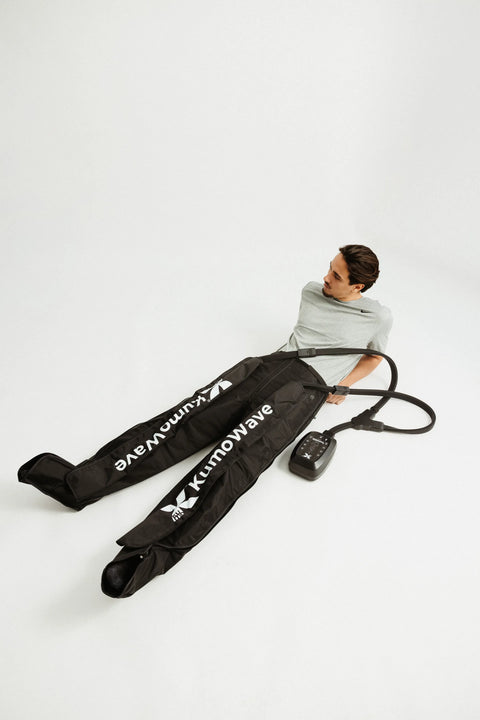
KumoWave Elite – Pressotherapy Pants
Full-coverage trousers. Ideal for lipedema, fluid retention and intensive use.
€799,00 €999,00
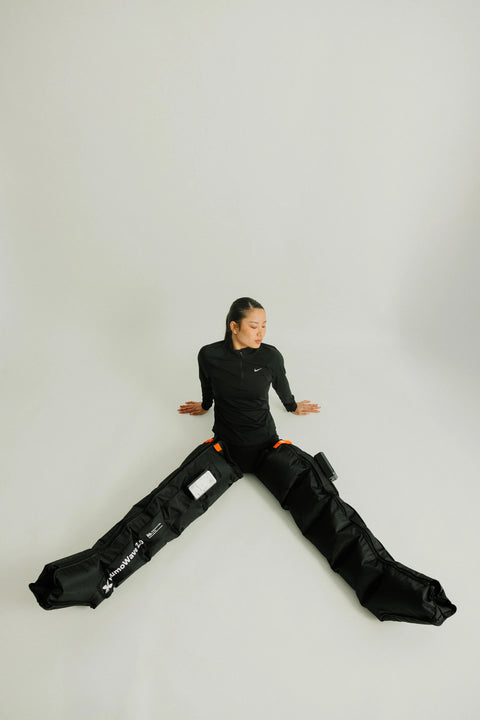
KumoWave 2.0 - Wireless Pressotherapy
Wireless, lightweight boots. Perfect for daily use and recovery.
€499,00 €599,00