Heavy legs have an explanation.
If, at the end of the day, you feel a sensation of heaviness, swelling, or tiredness in your legs, the most common causes are a problem with venous return, edema, or spending too many hours immobile. In some cases, it can also be a vascular warning sign that should be checked in good time.
Pressotherapy at home
End the day with light legs
★★★★★ 4,8/5 · rated by verified customers
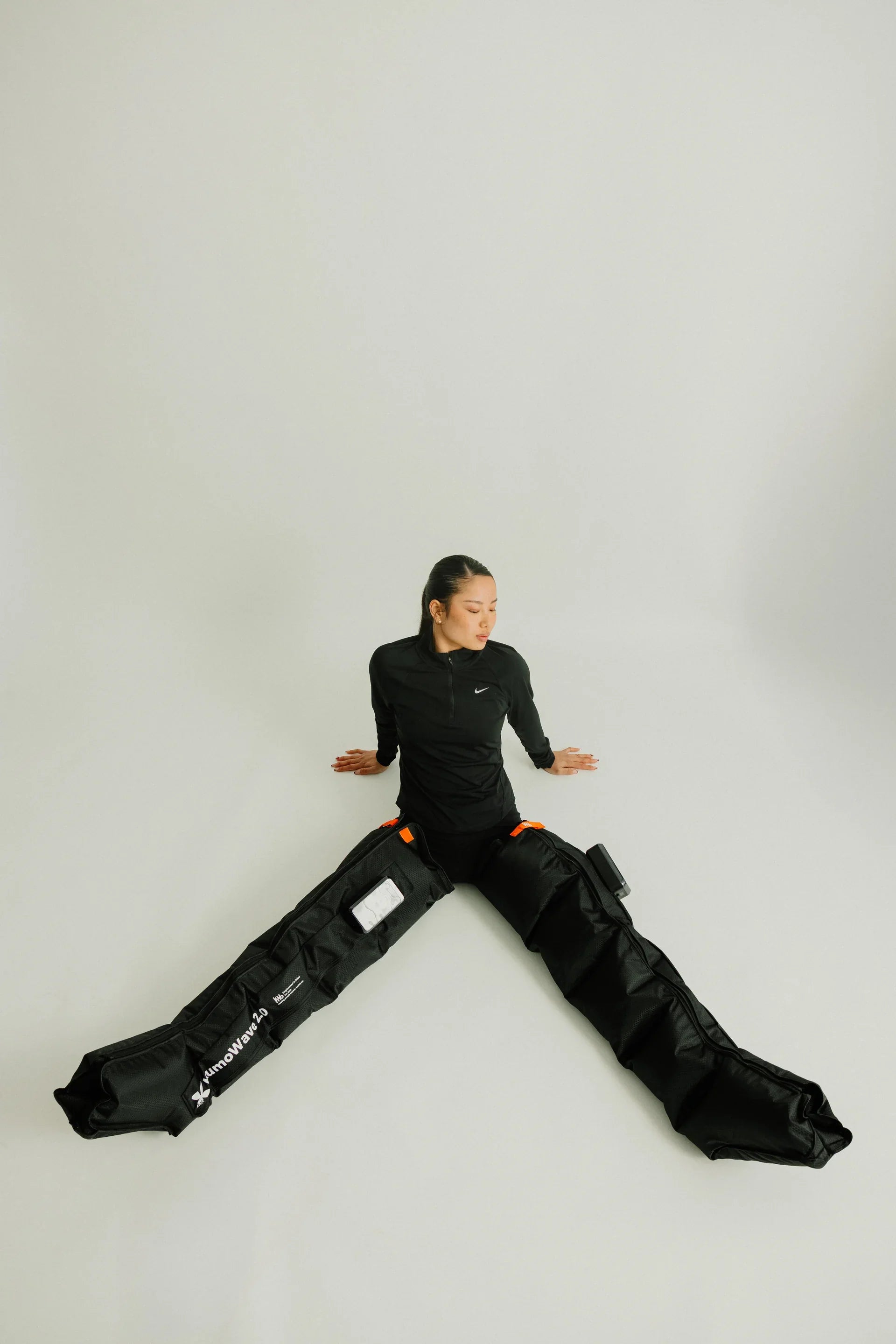
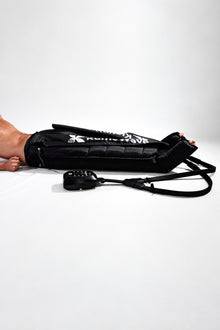
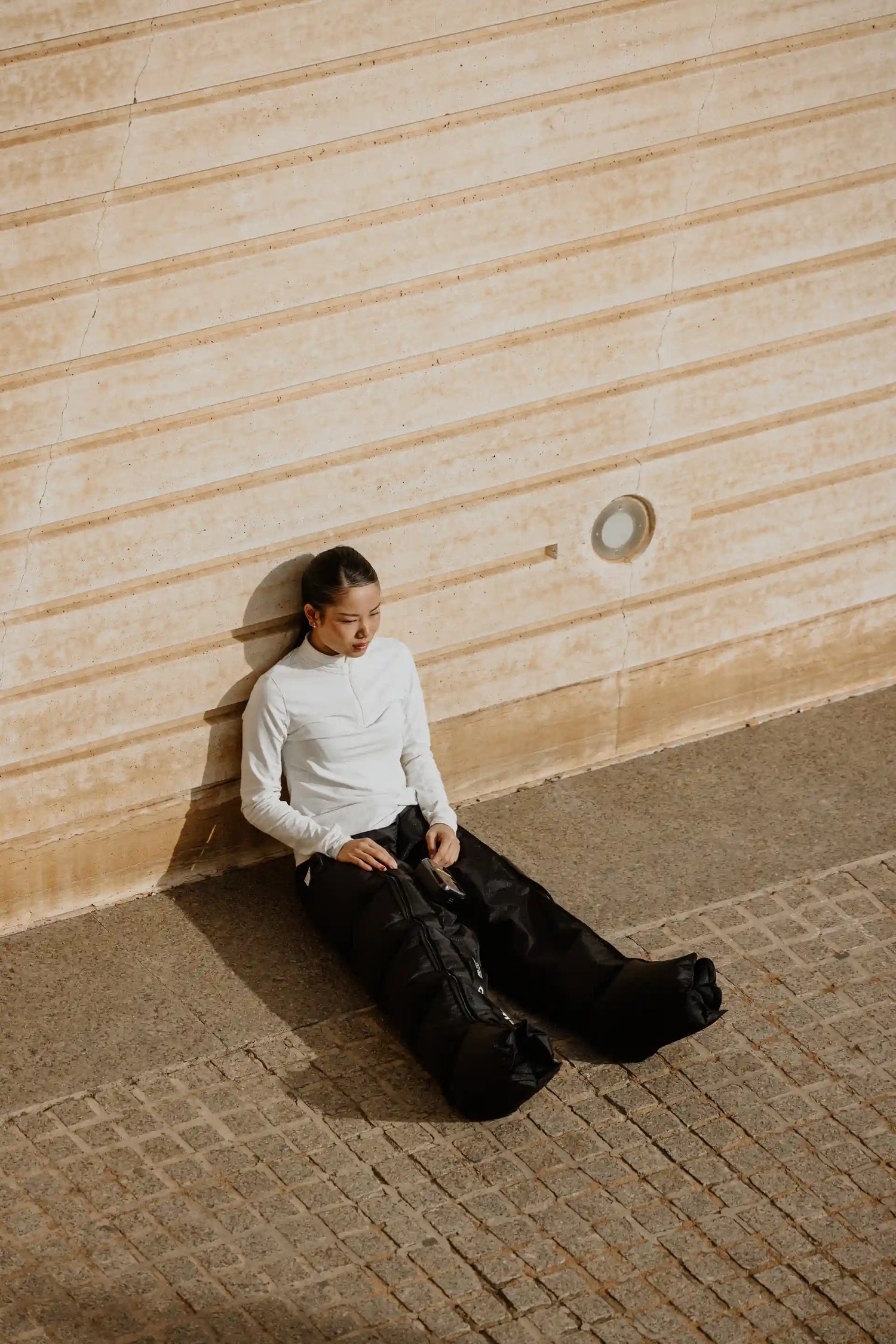
KumoWave pressotherapy boosts circulation and helps drain fluid with sequential compression, in 20-minute sessions at home.
- Boosts circulation and helps drain fluid
- Chamber-based compression, adjustable to you
- Sequential compression that mimics manual drainage
€799,00€999,00
−10% on your 1st order when you subscribe to the newsletter

Why do your legs feel heavy?
The veins in the legs rely on valves that push blood towards the heart. When these valves fail or venous pressure rises, blood accumulates, and heaviness appears. This mechanism is well explained in MedlinePlus and in the NHLBI summary on varicose veins.
A 2023 review on chronic venous insufficiency estimates that over 25 million adults in the U.S. suffer from it, and about six million have advanced forms. This figure helps to understand why this symptom is so common and why it deserves attention when it recurs.
Personalized protocol · included with your purchase
Want us to tell you how to use it in your case?
With your purchase, our experts prepare a personalized usage protocol for your case: sport, circulation, fluid retention, pregnancy or lipedema.
Message us on WhatsAppOur experts reply · no obligation
If you want to expand your understanding of the most common triggers, the content on main causes of tired legs and how to relieve them effectively summarizes it practically.
Most frequent causes
Venous insufficiency and varicose veins
This is the classic cause. When venous valves do not close properly, blood stays longer in the legs, leading to heaviness, varicose veins, discomfort at the end of the day, and sometimes nocturnal cramps. It usually worsens when standing or sitting for long periods and improves when elevating the legs, as the NHLBI reminds us.
- Advanced age favors the wear and tear of venous valves.
- Pregnancy and overweight increase pressure within the veins.
- Spending many hours sitting or standing worsens blood return.
- Family history increases the likelihood of developing varicose veins.
If you also notice visible veins, itching, skin discoloration, or swollen ankles, the likelihood of a venous origin increases significantly.
on your first order when you join the newsletter
We send you the code instantly. No spam.
Fluid retention and edema
When the main problem is fluid accumulation, the sensation is usually more diffuse: "swollen" legs, tightness, sock marks, and heaviness at the end of the day. Cleveland Clinic explains that edema can appear due to long periods of standing or sitting, pregnancy, excess salt, circulatory problems, or side effects of some medications.
In this case, walking for a few minutes, elevating the legs, and reducing sodium usually helps more than it seems.
Prolonged hours standing or sitting
Immobility promotes venous stagnation. If you work sitting for many hours, or on the contrary, spend all day standing, circulation suffers, and the sensation of tired legs can appear even without an underlying illness. Changing posture, walking, and moving your ankles helps break this cycle.
When to consider something more serious vascularly
Not all heaviness is benign. If fatigue appears when walking and improves with rest, it may suggest peripheral arterial disease, described by MedlinePlus. On the other hand, if a single leg suddenly swells, turns red or warm, and is painful to the touch, one should consider deep vein thrombosis and consult without delay.
Quick summary: cause, clue, and first step
| Probable Cause | Common Clues | What usually helps first | When to consult |
|---|---|---|---|
| Venous insufficiency or varicose veins | Heaviness at the end of the day, swollen ankles, visible varicose veins | Walking, elevating legs, considering compression | If it is frequent or causes skin changes |
| Fluid retention / edema | Swelling, tightness, sock marks | Less salt, more movement and elevation | If swelling is sudden or affects only one leg |
| Hours sitting or standing | Heaviness at the end of the day, stiffness, tiredness | Active breaks, postural changes, and short walks | If it doesn't improve despite moving legs more |
| Peripheral arterial disease | Pain or fatigue when walking, cold feet, pale skin | Medical evaluation | If pain appears with exertion or worsens over time |
| Deep vein thrombosis | Unilateral swelling, warmth, redness, pain | Emergency room | Immediately, due to risk of complications |
If the heaviness changes with posture, improves when elevating the legs, and worsens with immobility, the venous component is usually significant.
What you can do to relieve them daily
Most discomfort improves when you combine movement, postural changes, and simple habits. You don't have to do everything perfectly; the important thing is to repeat small actions that activate circulation and reduce congestion at the end of the day.
- Stand up every 45 or 60 minutes and walk a few steps to reactivate the calf muscle pump.
- Move your ankles and calves while sitting, following some gentle exercises to activate circulation.
- Elevate your legs for a few minutes at the end of the day, ideally above heart level.
- Reduce excess salt if you notice swelling or sock marks.
- If you need a fixed sequence, follow a daily self-care routine at home to relieve heaviness.
Move in short blocks
The best antidote to heaviness is not to let blood stay still for too long. Frequent micro-breaks, short walks, and some ankle movements are enough to feel less heavy at the end of the day. If you work many hours sitting or standing, this is the most cost-effective measure.
Elevate your legs and change your posture
Elevating the legs reduces pressure within the veins and promotes fluid return. It is also advisable to avoid crossing legs for too long, alternate positions, and, when possible, lie down for a few minutes with feet elevated. This strategy is consistent with what the NHLBI and Cleveland Clinic recommend for heaviness and edema.
Compression or pressotherapy as support
Graduated compression can relieve pain, swelling, and heaviness in people who spend many hours sitting or standing. In the same vein, pressotherapy for legs can be a wellness complement when the goal is to promote a feeling of lightness, always as support and not as a substitute for a medical evaluation.
When to consult a doctor
Consult if the heaviness becomes daily, worsens over weeks, or appears with varicose veins, persistent swelling, or skin changes. An evaluation is also advisable if pain appears when walking and subsides with rest, or if you notice cold feet, paleness, or wounds that take time to heal. These are clues that point to a vascular problem that warrants study.
Seek prompt attention if a single leg suddenly swells, turns red or warm, becomes very painful, or is accompanied by shortness of breath. In that scenario, don't wait for it to "pass on its own."
Frequently asked questions
What are the most common causes of heavy legs at the end of the day?
The most common causes are venous insufficiency, varicose veins, fluid retention, and spending many hours sitting or standing. Pregnancy, overweight, age, and family history also play a role. If the heaviness improves when elevating the legs and worsens at the end of the day, the pattern is usually venous, as described by the NHLBI. If the symptom is repetitive, it's worth observing whether it appears with swelling, cramps, or skin changes.
What home remedies can help relieve the sensation of tired legs?
The most useful actions are usually walking for a few minutes, moving ankles and calves, elevating the legs, and avoiding immobility for too long. Reducing excess salt also helps if you notice swelling, as does following a simple daily routine. Home remedies work best when applied consistently, not just when discomfort is already intense. If heaviness appears daily, a fixed self-care sequence can make a real difference.
Can fluid retention cause heavy legs? How can it be prevented and treated?
Yes. Edema can cause heaviness, tightness, and sock marks, especially if you spend many hours sitting or standing. To prevent it, it's advisable to move frequently, elevate the legs, moderate salt intake, and maintain a healthy weight. Cleveland Clinic also reminds us that swelling should be evaluated if it appears suddenly, affects only one leg, or is accompanied by severe pain, fever, or shortness of breath. In such cases, do not treat it as simple tiredness.
How do I know if heavy legs are a sign of a vascular disease like venous insufficiency or peripheral arterial disease?
There are two very distinct patterns. Venous insufficiency usually causes heaviness at the end of the day, varicose veins, swelling, and relief when elevating the legs. Peripheral arterial disease, on the other hand, usually causes pain, fatigue, or discomfort when walking, and improves with rest; in advanced cases, it can even hurt when elevating the leg. If a leg also suddenly becomes red, warm, or swollen, deep vein thrombosis should be considered, and medical help sought as soon as possible.
What now?
If heaviness is part of your routine, start by adjusting habits and observe what worsens it. And if you want to integrate sequential compression into a more complete routine, return to Kumo Balance and explore the home pressotherapy collection with KumoWave and lymphatic drainage to see how it fits into your daily life.
KumoWave pressotherapy
Choose your at-home pressotherapy
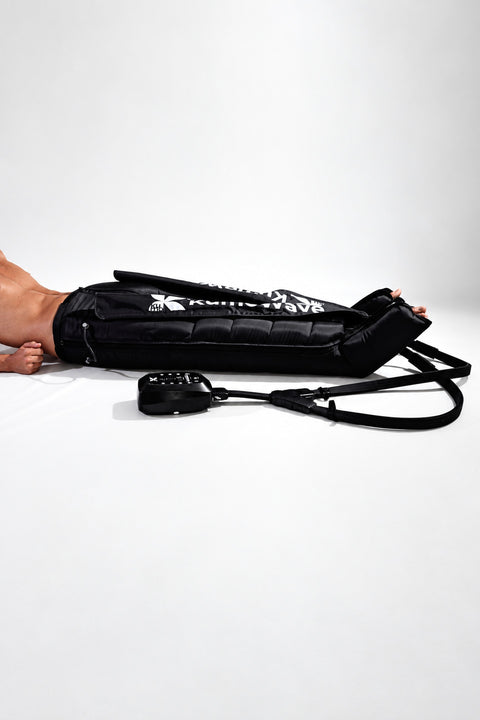
KumoWave Elite – Pressotherapy Pants
Full-coverage trousers. Ideal for lipedema, fluid retention and intensive use.
€799,00 €999,00
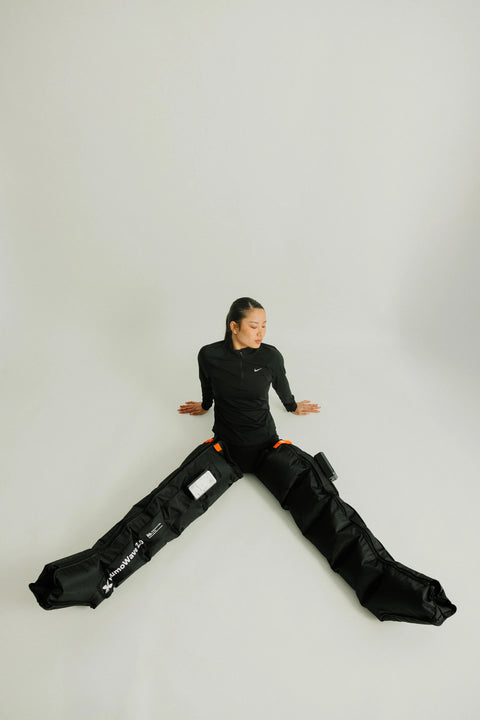
KumoWave 2.0 - Wireless Pressotherapy
Wireless, lightweight boots. Perfect for daily use and recovery.
€499,00 €599,00