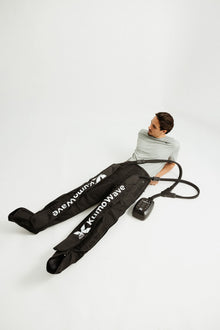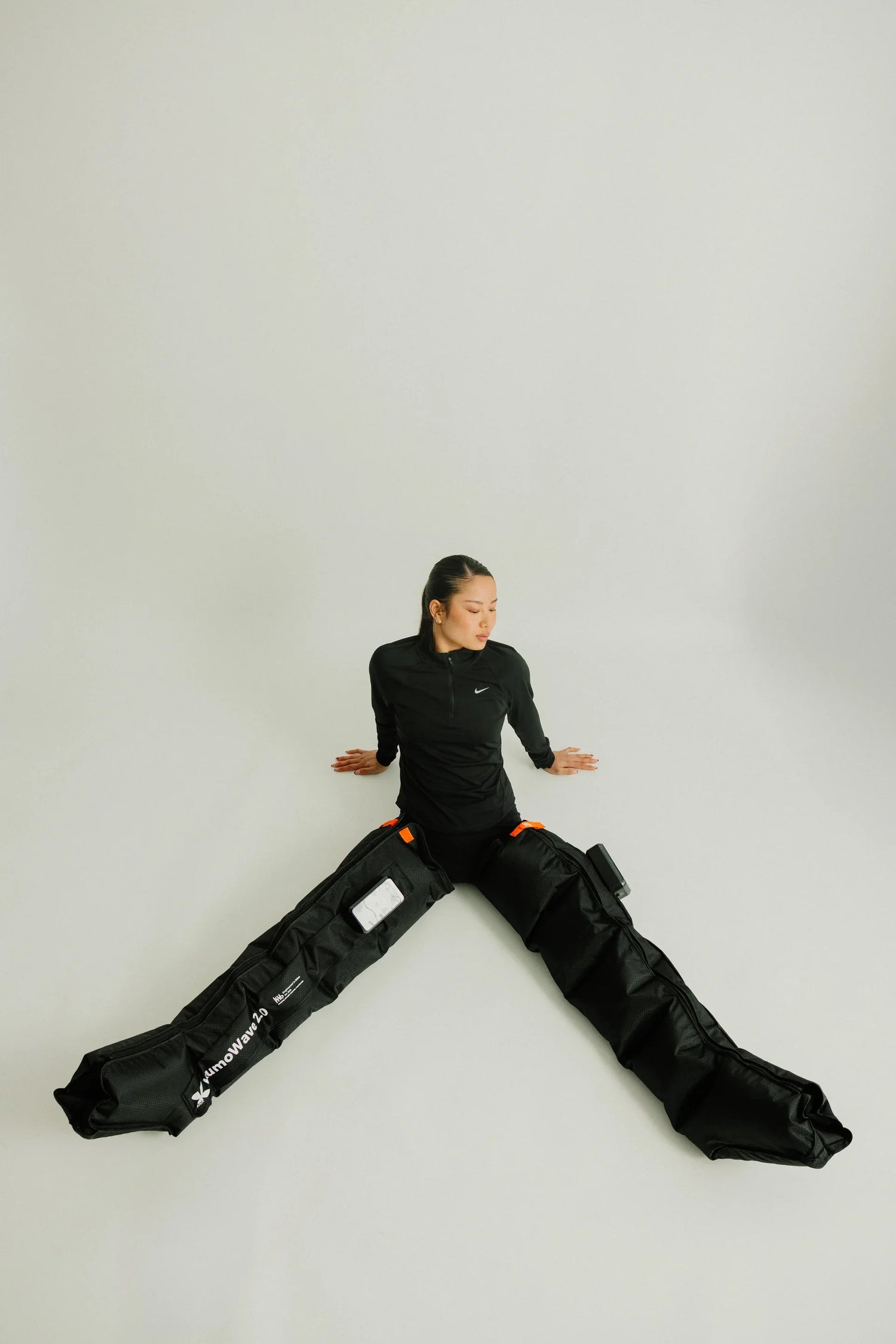
Heavy legs at the end of the day: you don't have to put up with it.
The sensation of heaviness, swelling, or “tired legs” often appears after many hours of sitting, standing, or after a particularly active day. A well-planned presotherapy (intermittent pneumatic compression) routine can help you “reset” your circulation and regain a feeling of lightness before sleep, especially if you integrate it with simple habits (movement, elevation, and rest).
Pressotherapy at home
End the day with light legs
★★★★★ 4,8/5 · rated by verified customers
KumoWave pressotherapy boosts circulation and helps drain fluid with sequential compression, in 20-minute sessions at home.
- Boosts circulation and helps drain fluid
- Chamber-based compression, adjustable to you
- Sequential compression that mimics manual drainage
€799,00€999,00
−10% on your 1st order when you subscribe to the newsletter

In this practical guide, I explain how to use presotherapy at night, what to expect from it, when to avoid it, and how to integrate it into a recovery ritual with wellness technologies like those from Kumo.
Why legs feel heavy at the end of the day
Gravity, venous return, and fluid accumulation
In the legs, blood and interstitial fluid "fight" against gravity to return to the trunk. When you spend many hours without moving your ankles and calves (desk, travel, working on your feet), it's easier for mild edema (swelling), tightness, or heaviness to appear.
Personalized protocol · included with your purchase
Want us to tell you how to use it in your case?
With your purchase, our experts prepare a personalized usage protocol for your case: sport, circulation, fluid retention, pregnancy or lipedema.
Message us on WhatsAppOur experts reply · no obligation
Additionally, if there is venous insufficiency (venous valves that do not close properly), these symptoms can be more evident and worsen at the end of the day. Clinical institutions describe ankle/leg swelling after standing and a feeling of heaviness as typical.
The "muscle pump" (and why walking changes everything)
The calves act as a muscle pump: by contracting, they help push blood back upwards. Training material from the NHS (Oxford Health, 2025) reminds us that deep veins contribute a large part of venous return thanks to the action of this muscle pump (90% is cited in that document). This explains why, often, 10 minutes of gentle walking at the end of the afternoon already makes a difference in the feeling of lightness.
Warning signs: when it's not "just tiredness"
Occasional heaviness can be common, but it's worth paying attention if you experience:
on your first order when you join the newsletter
We send you the code instantly. No spam.
- Significant swelling in only one leg, localized pain, warmth, or redness.
- Sudden worsening of pain/swelling.
- Shortness of breath or chest pain (emergency).
Deep vein thrombosis and venous thromboembolism (VTE) are serious problems. The CDC estimates that up to 900,000 people in the US are affected by VTE each year (the exact number may vary depending on estimation methods). If you have doubts, prioritize a healthcare evaluation before using at-home compression.
What presotherapy is and how it can help
Intermittent pneumatic compression: the principle
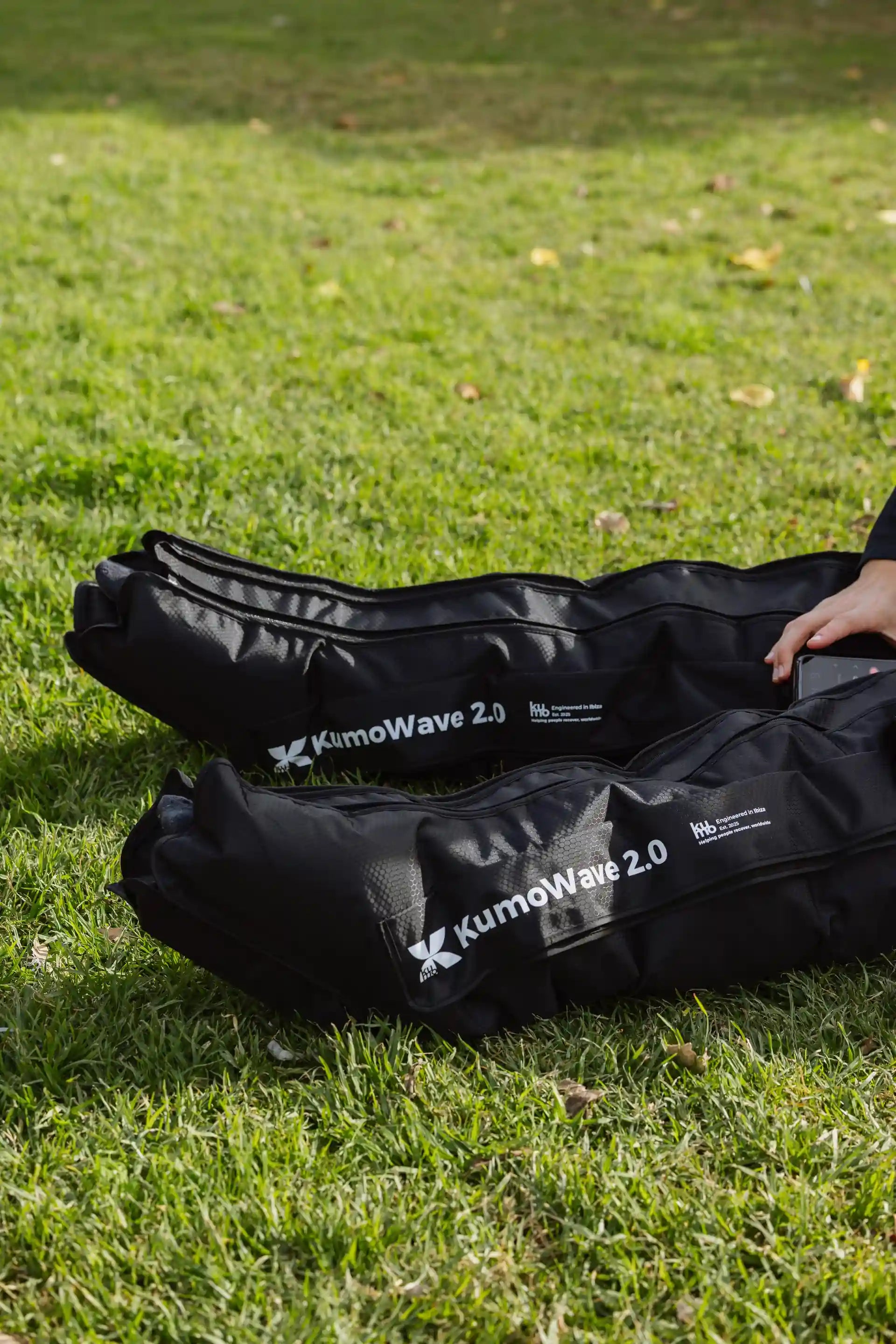
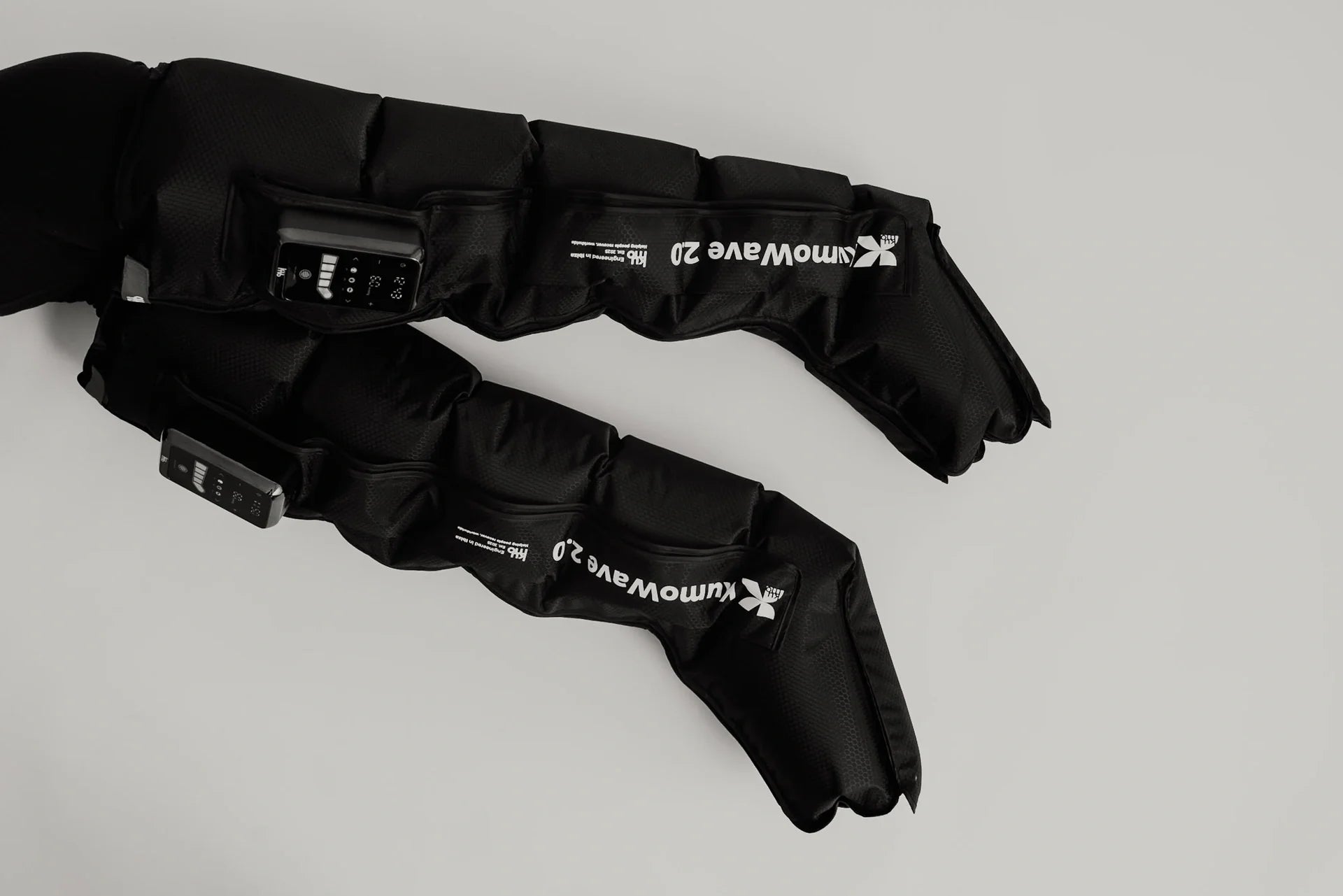
Presotherapy (also called intermittent pneumatic compression) uses air chambers that inflate and deflate cyclically — often in a distal to proximal sequence (from feet/ankles towards thighs) — to promote venous and lymphatic return.
In clinical settings, these devices are used in various contexts (for example, thrombosis prevention in at-risk patients or management of certain edemas), but in the wellness field, many people integrate them as support for tired legs after a long day.
Expected benefits (and what it doesn't promise)
In practical terms, a good session can contribute to:
- Reducing the subjective sensation of heaviness and "heavy legs."
- Promoting fluid mobilization in people prone to mild swelling.
- Creating a transitional ritual towards rest (winding down at the end of the day).
What should not be promised: presotherapy does not replace the diagnosis or treatment of venous insufficiency, lymphedema, or other medical causes of edema; nor does it "cure" varicose veins or replace habits like moving and sleeping well. If you suspect a venous problem, seek professional evaluation.
(ama-assn.org)"Signs include leg heaviness or pain at the end of the day, especially with standing or desk jobs." American Medical Association
At-home nightly presotherapy routine (15–30 min)
The key is not “stronger,” but more consistent and well-integrated into your day. In clinical research on pneumatic compression dosage (especially for lymphedema), pressure ranges of 30–60 mmHg and sessions often lasting 45–60 minutes appear, although there is variability between protocols and objectives. For wellness and tired legs, many people prefer to start with shorter, more comfortable sessions, always respecting the device manual and your tolerance.
Recommended routine table (guideline) for heavy legs
| Situation | Duration | Intensity / pressure | Program | Objective | Safety notes |
|---|---|---|---|---|---|
| First 3–5 uses | 15–20 min | Low to medium (prioritize comfort) | Sequential (distal → proximal) | Adaptation and relaxation | No pain, no persistent tingling; stop if intense discomfort occurs |
| Long day (office or standing) | 20–30 min | Medium (if well tolerated) | Sequential + sufficient pause between cycles | Relief of heaviness and mild swelling | Avoid use if thrombosis or active infection is suspected |
| Post-gentle workout | 15–25 min | Low to medium | Sequential | Recovery and “light legs” | Hydrate and add a brief walk before or after |
Step by step: before, during, and after
-
1) Take a "break" with 3–5 minutes of movement
Before putting on the boots, walk around the house, stand on your tiptoes, or do ankle flexions and extensions. The idea is to reactivate the muscle pump and not go directly from "chair mode" to the session.
-
2) Prepare the environment (and reduce stimuli)
Find a comfortable position, preferably lying down or semi-reclined. If possible, elevate your legs slightly. Elevation is often recommended for managing swelling associated with venous problems, and staying still without elevation can worsen swelling in venous contexts.
-
3) Adjust intensity: "comfort first"
Start with low/medium pressure. In clinical literature on dosing for pneumatic compression (e.g., in lymphedema), pressure ranges frequently between 30 and 60 mmHg in sequential programs are described, but your starting point should be the most comfortable that allows you to relax. If you feel pain, numbness, or uncomfortable throbbing, lower the intensity or stop the session.
-
4) Practical duration for night time
As an "end-of-day" routine, 15–30 minutes are usually manageable and easy to sustain. If you are aiming for a clinical objective (significant edema, lymphedema, etc.), the duration and pressure should be guided by a professional: clinical reviews report sessions between 0.5 and 2 hours depending on the indication.
-
5) Close: capture the effect with 2 habits
When finished, do 1–2 minutes of slow breathing and then walk gently for 2–5 minutes or perform ankle mobility exercises. If your professional has recommended compression (stockings), putting them on afterwards can help maintain the feeling of lightness for longer.
Adjustments according to your day (3 specific examples)
- If you've been sitting for 8–10 hours: 20 min + low/medium intensity. Add a 5-min walk before dinner.
- If you've been working on your feet: 25–30 min + slight elevation during the session. Finish with 60–90 seconds of calf and soleus stretch.
- If you've just worked out: 15–25 min + low/medium intensity. Prioritize hydration and dinner with sufficient protein and carbohydrates according to your needs.
How to integrate Kumo into a complete recovery ritual
Kumo is a brand specializing in high-end recovery technologies to make wellness a daily habit: presotherapy boots, LED light therapy, and massage guns, among other solutions.
Presotherapy boots: consistency and comfort
If your goal is to wake up with lighter legs, the most effective approach is usually to make it easy: a short, repeatable, and enjoyable routine. You can explore Kumo's presotherapy collection to integrate this technology into your nightly ritual without complicating it.
Combine with red light and massage (without overdoing it)
Two simple combinations, depending on how you feel:
- Heavy legs + muscle tension: presotherapy + 2–5 minutes of localized massage (calf, quadriceps) with a KumoPulse Air massage gun (always avoiding painful or inflamed areas).
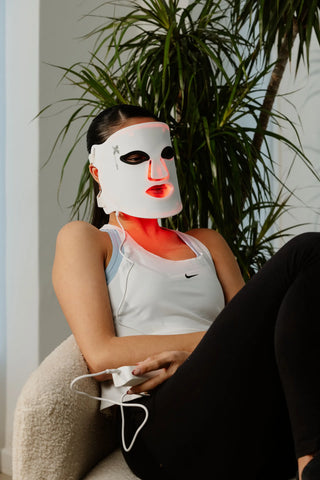
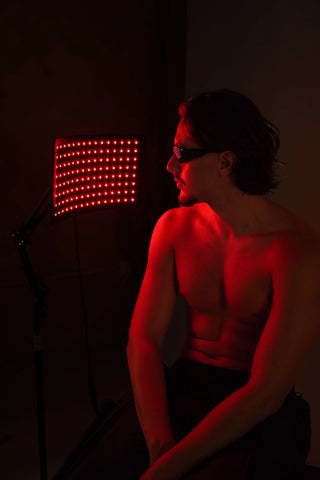
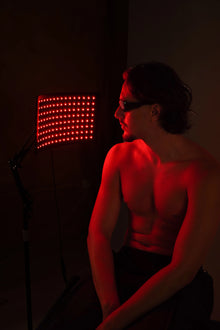
- Overall recovery and rest: presotherapy + a brief relaxation block with LED light therapy oriented to your wellness routine (for example, skin or rest, depending on your habits).
The idea is to add, not compete: if you're short on time one day, stick with just one tool and maintain consistency.
Extra tips for the effect to last until the next day
Circulation micro-habits (especially if you work sitting down)
Presotherapy helps, but if you go back to being immobile for many hours during the day, the "reset" is quickly lost. Try these micro-habits:
- Every 45–60 minutes: 60 seconds of movement (ankles, tiptoes, mini squats).
- During calls: walk around the house or office.
- In the late afternoon: 10–20 minutes of gentle walking.
As a general health reference, the WHO recommends that adults accumulate at least 150–300 minutes of moderate activity per week (or equivalent). If you spend a lot of time sitting, moving more helps to compensate for the effects of a sedentary lifestyle.
Elevation and compression: the basics still work
For venous problems, strategies such as elevating the legs and using compression garments indicated by professionals are frequently recommended. For example, the NHS and clinical centers point out that sitting/standing without elevation can worsen swelling in venous contexts, and that compression is used to promote blood flow back to the heart.
Contraindications and precautions (essential reading)
When to avoid presotherapy
Although presotherapy is a widespread tool, there are situations where pneumatic compression should not be used without medical approval. Various sources (including regulatory documentation and clinical policies) mention the following as common precautions/contraindications: deep vein thrombosis or suspected clot, congestive heart failure (especially decompensated), local infection/cellulitis or active phlebitis, and severe peripheral arterial disease.
If you experience severe pain, marked discoloration changes, loss of sensation, significant wounds, or have doubts about your arterial/venous circulation, stop use and seek medical advice.
If you have medical doubts: how to decide safely
A simple rule: tired legs doesn't always mean the same thing. Venous insufficiency, cardiac/renal problems, certain drugs, or a thrombotic event can manifest with swelling. MedlinePlus describes venous insufficiency and its symptoms (heaviness, cramps, dull pain) and advises consulting if there is a sudden increase in pain/swelling, fever, redness, or ulcers. If you fit that profile, the priority is to clarify the cause before automating a home routine.
Frequently Asked Questions (FAQ) about Kumo, presotherapy, and heavy legs
Can I use Kumo presotherapy boots every day if I have heavy legs in the afternoon?
For tired legs related to a sedentary lifestyle or many hours on your feet, it's common to integrate presotherapy as a frequent routine. Even so, the best practice is to start with short sessions (e.g., 15–20 minutes), comfortable intensity, and observe how your legs respond over 7–10 days. If you notice pain, numbness, increased swelling, or "unusual" symptoms, reduce intensity or stop. And if there's a history of thrombosis, heart failure, active infection, or arterial disease, consult first: these are situations where pneumatic compression may not be appropriate.
What intensity (mmHg) is appropriate for at-home presotherapy?
There is no single universal number, as it depends on the device, the program, and your tolerance. In clinical studies and reviews (especially in lymphedema protocols), pressure ranges frequently between 30 and 60 mmHg in sequential programs, with variable durations. For wellness, the safest reference is: comfort first. You should feel firm compression, but without pain, without persistent tingling, and without an uncomfortable "throbbing" sensation. If your equipment allows for zone adjustments, avoid excessive pressure in the ankle if it's your sensitive spot.
Does presotherapy replace compression stockings?
Not necessarily. Compression stockings (when indicated) are used to maintain continuous pressure for hours, especially in venous cases. Presotherapy is usually a short block of time with intermittent compression. In many routines, they can complement each other: presotherapy in the evening/night and stockings during the day, provided a professional has recommended it and there is no contraindication. If your goal is "light legs," think of presotherapy as a boost and daytime compression as a maintenance strategy.
What can I combine with Kumo presotherapy to notice more relief at the end of the day?
- presotherapy + a gentle 5–10 minute walk to activate the muscle pump, and (
- presotherapy + relaxation and rest (less screen time, slow breathing) to promote a more restorative end to the day. If you also notice muscle tension, a short massage with a tool like KumoPulse Air can complement the ritual. And if you want a more global recovery approach, you can explore LED light therapy as part of your wellness routine
Now what?
If you want to make recovery a habit (without overcomplicating it), start with a simple and sustainable nightly routine. You can discover Kumo's presotherapy boots and combine them with other wellness technologies from the brand according to your needs. And if you have questions about which solution best suits your case or routine, contact the team from the contact page.
KumoWave pressotherapy
Choose your at-home pressotherapy
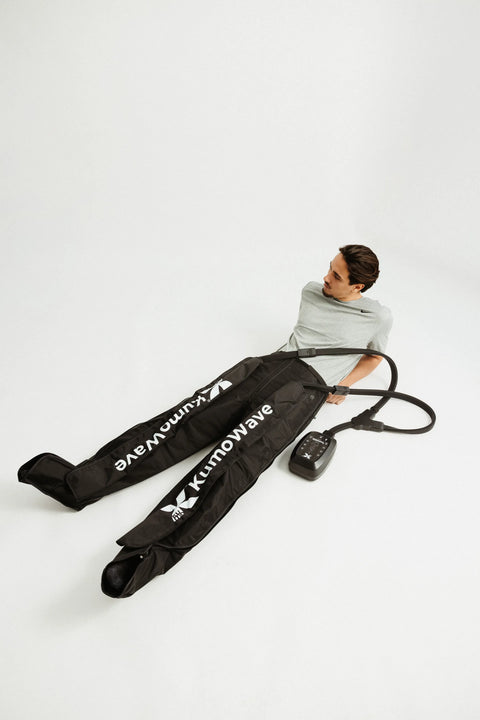
KumoWave Elite – Pressotherapy Pants
Full-coverage trousers. Ideal for lipedema, fluid retention and intensive use.
€799,00 €999,00
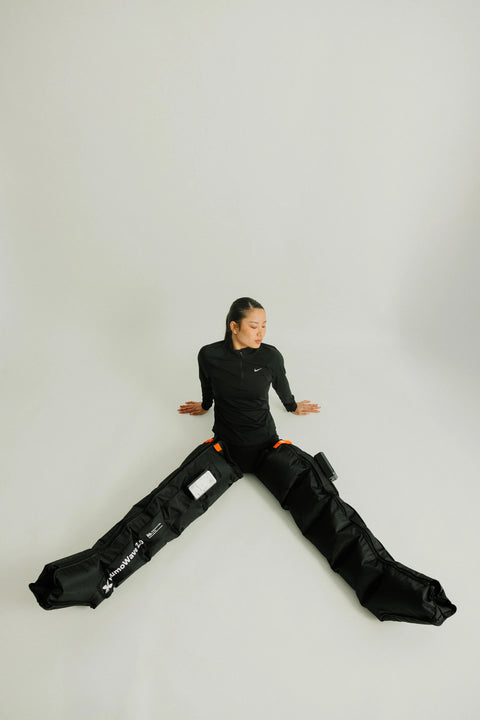
KumoWave 2.0 - Wireless Pressotherapy
Wireless, lightweight boots. Perfect for daily use and recovery.
€499,00 €599,00