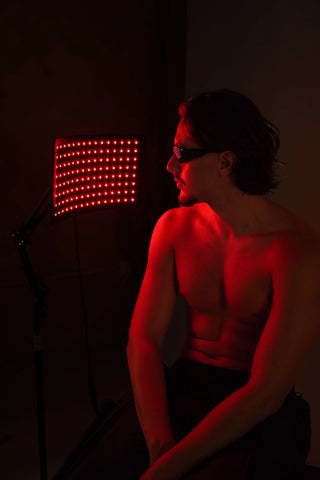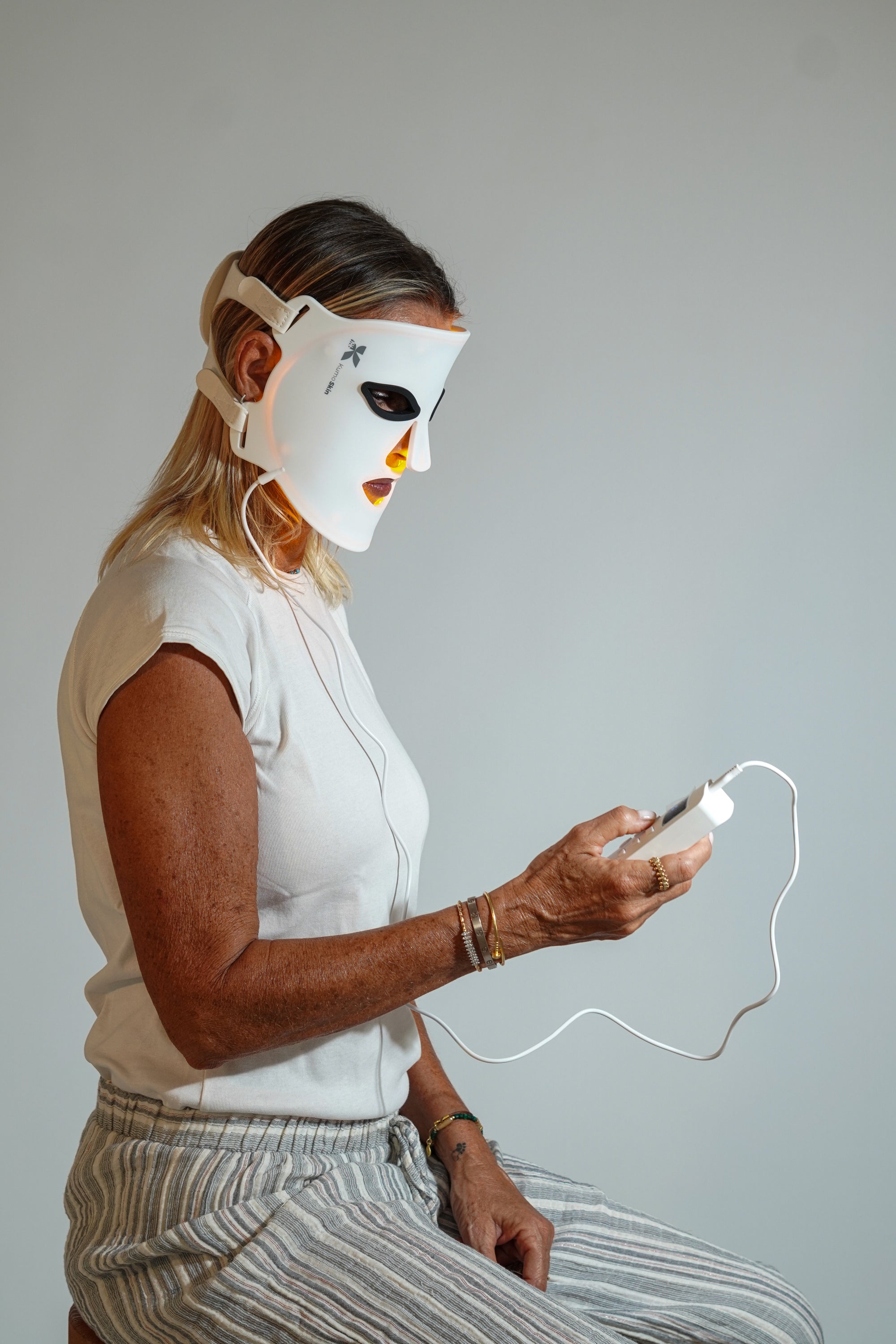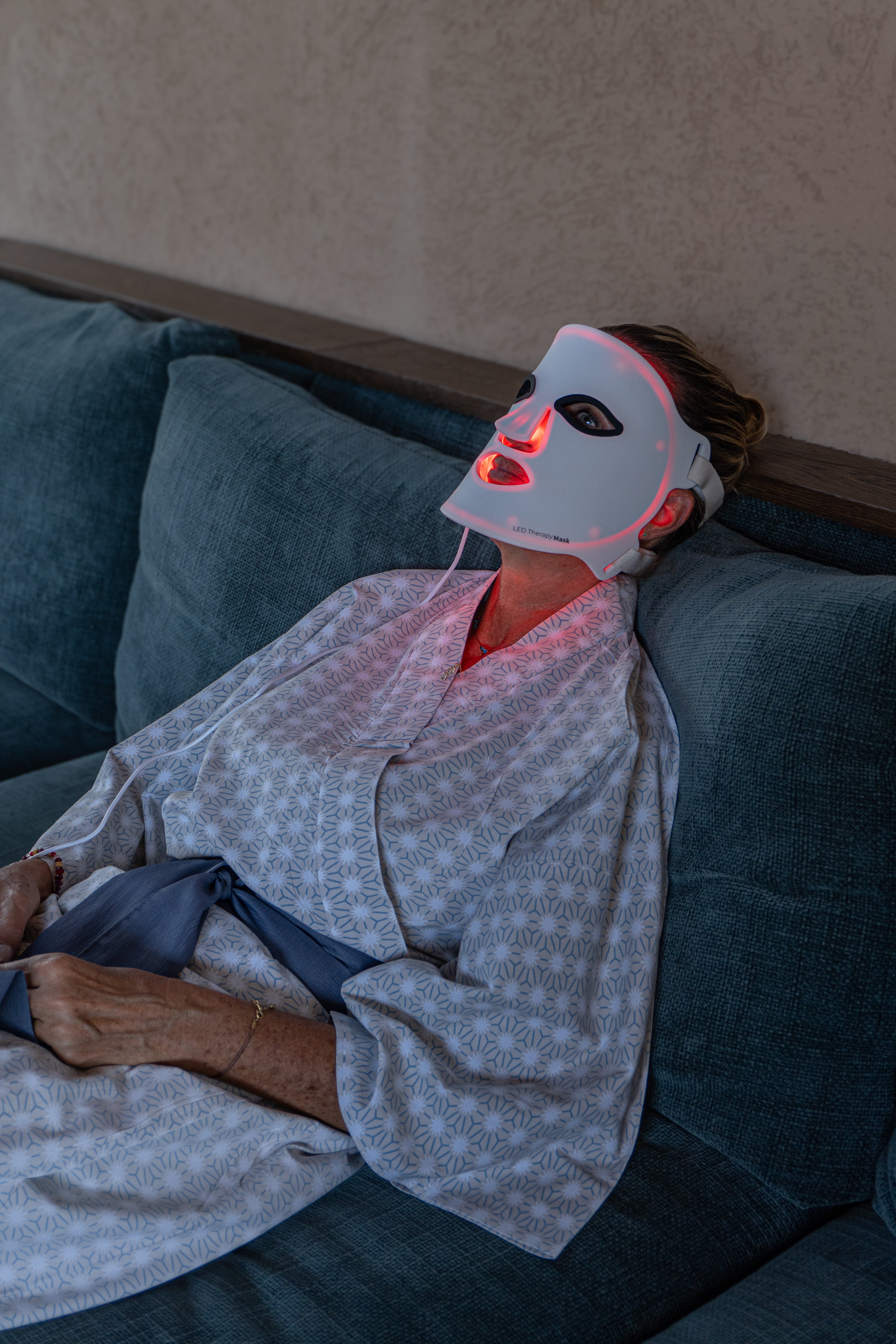

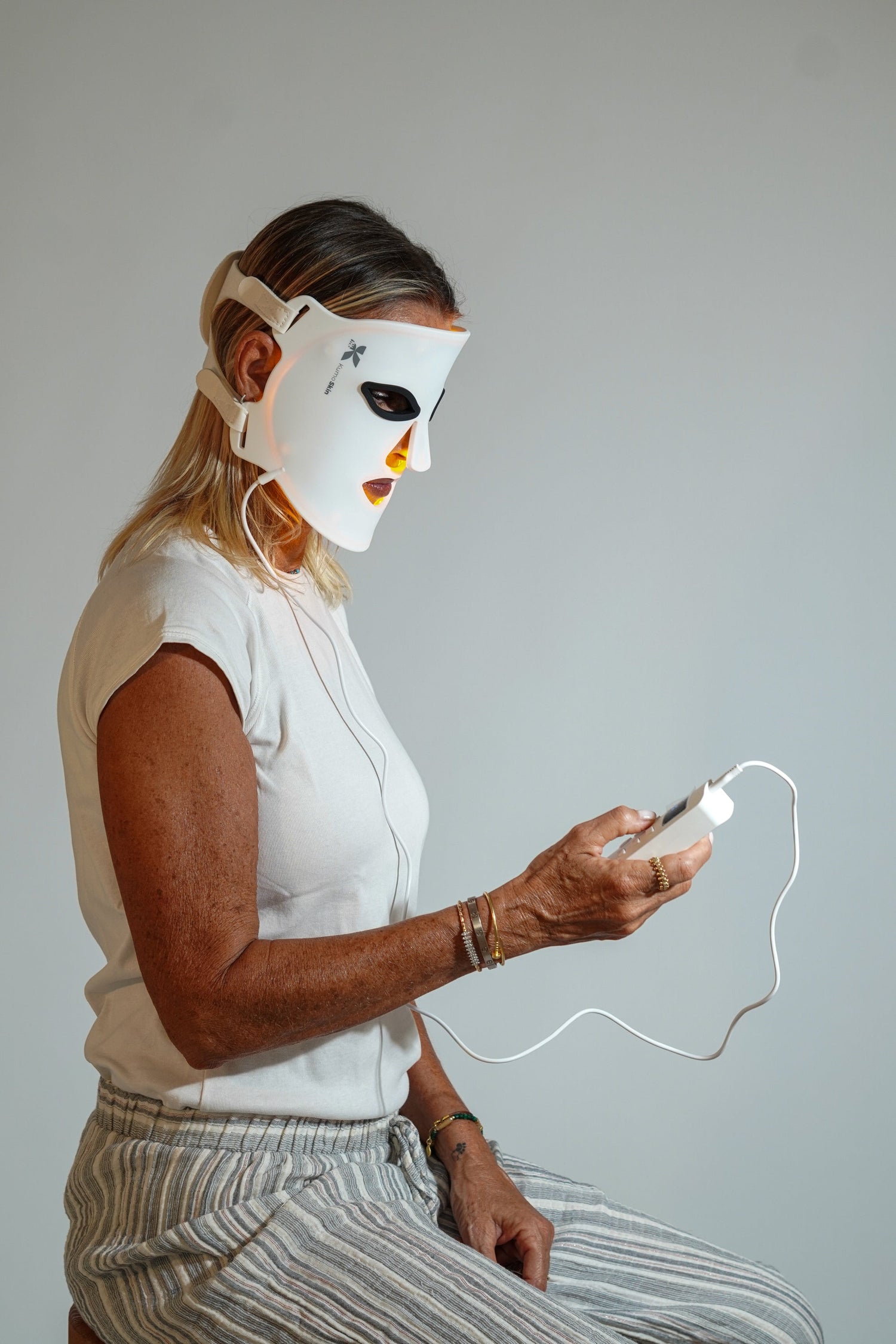
LED masks are not for everyone.
When used correctly, they are typically a non-invasive tool; when indicated incorrectly, they can irritate the skin, bother the eyes, or worsen existing problems. The good news is that, according to the AAD's guide to red light therapy and Cleveland Clinic's explanation of facial LED, short-term use is generally considered safe if instructions and eye protection are followed.
Facial red light
Bring your skin back to life
★★★★★ 4,8/5 · rated by verified customers
The KumoSkin LED mask helps repair and calm your skin in short sessions at home.
- 250 LEDs in flexible medical silicone
- Red light to boost collagen and glow
- 4 lights: red, infrared, blue and yellow
€299,00€429,00
−10% on your 1st order when you subscribe to the newsletter

Generally, red light and facial LED therapy do not use UV radiation, and the adverse effects described are usually mild and temporary. However, long-term evidence remains limited, and there are cases where it is advisable to review medical history, medication, and light sensitivity before starting.
What is a LED mask and why is it generally considered safe?
Facial LED therapy is a non-invasive treatment that exposes the skin to specific light, usually red or other wavelengths, for aesthetic or skin care purposes. Cleveland Clinic notes that it does not use ultraviolet light, so it does not cause the same type of damage or burning as UV radiation, and adverse reactions are rare. At home, the key is not "more intensity" but more consistency and better use.
Personalized protocol · included with your purchase
Want us to tell you how to use it in your case?
With your purchase, our experts prepare the ideal LED protocol for your skin type and goal (acne, wrinkles, dark spots...).
Message us on WhatsAppOur experts reply · no obligation
If you want to better understand how this treatment fits into a facial routine, you can read LED facial mask: how it works and what results to expect, because knowing realistic expectations also helps to use it more safely.
Contraindications and situations where it is advisable to stop or consult
Before using an LED mask, it is advisable to review three things: whether your skin is photosensitive, whether you are taking medication that increases light sensitivity, and whether you have a relevant ocular or skin history. In photosensitive conditions, light exposure can trigger reactions; in cutaneous porphyria, for example, the skin can react to light with pain, blisters, or skin changes. (my.clevelandclinic.org)
Skin prone to hyperpigmentation also deserves attention. The AAD explains that people with darker skin tones may be more sensitive to visible light and develop more intense or long-lasting spots. This does not mean that the LED mask is forbidden, but it may require a more cautious protocol and prior professional evaluation.
on your first order when you join the newsletter
We send you the code instantly. No spam.
Situations that require prior review
| Situation | What can happen | What to do |
|---|---|---|
| Photosensitivity, lupus, or porphyria | Light can trigger skin worsening, redness, or discomfort. | Avoid using without medical evaluation and check if your case falls under a photosensitive condition. |
| Photosensitizing medications | Some drugs make the skin react worse to light. | If you take isotretinoin, lithium, or other similar treatments, consult before starting. |
| History or eye diseases | Eyes can be damaged if not protected correctly. | Always use the recommended eye protection and seek review if you have a pre-existing eye condition. |
| History of skin cancer | The priority is not to confuse an aesthetic lesion with a lesion that needs diagnosis. | Have the area evaluated by dermatology before using the mask. |
| Pregnancy or lactation | It is not always a prohibition, but a situation that should be individualized. | Review with a professional before starting any light therapy at home. (my.clevelandclinic.org) |
If you are looking for a more practical insight into precautions and warning signs, the article on contraindications and care for facial LED masks expands on these points very directly.
If during a session you notice intense burning, persistent irritation, or eye discomfort, stop using it and review the protocol. The AAD and Cleveland Clinic agree that misuse can affect the skin or eyes, although the described side effects are generally mild.
How to use an LED mask more safely at home
The best way to reduce risks is to follow the device manual and not improvise times, distances, or frequency. If you need an operational reference, the step-by-step guide to using the LED mask will help you organize the protocol before starting.
- Choose a device designed for your intended purpose and, if indicated by the manufacturer, prefer one with clear regulatory authorization or review. Not all devices offer the same level of safety or the same type of result.
- Wash your face and remove makeup, sunscreen, or cosmetics before the session. Starting with clean skin helps reduce irritation and better follow the usage pattern.
- Protect your eyes with the goggles or eye system indicated by the manufacturer. Sunglasses do not replace the recommended protection for this type of device.
- Respect the exact duration and frequency in the manual. Using it longer does not accelerate results and can increase discomfort or irritation.
- Do not combine it on your own with treatments or medications that increase light sensitivity. If you use isotretinoin, lithium, or other photosensitizing products, seek medical validation.
- After the session, protect your skin from the sun and do not forget sunscreen if you go outside. Cleveland Clinic recommends avoiding the sun for several days after the session.
If your goal is specifically acne, the approach changes slightly. In that case, reviewing LED mask for acne: protocol and results can help you better understand what type of use makes the most sense depending on the lesion and available consistency.
What results to expect realistically
Home LED masks can help, but they rarely produce dramatic changes on their own. Cleveland Clinic indicates that home devices usually offer subtle improvements and that, to see clear benefits, consistency for several weeks is usually necessary. The AAD also reminds us that not everyone responds the same and that long-term effects are still not fully defined.
Therefore, if you are considering a purchase or a change in routine, it is advisable to combine safety, realistic expectations, and a simple protocol. To choose more wisely, you can consult the complete guide to choosing well in 2026.
FAQ about contraindications and safety of the LED mask
What are the contraindications for the LED mask for the skin and for what cases is it not recommended?
The main contraindication is photosensitivity, either due to a disease such as lupus or a skin disorder that reacts poorly to light. It is also advisable to avoid it or discuss it with a doctor if you are taking photosensitizing medications, have a history of skin cancer, or have eye diseases that increase the risk of light damage. In higher phototypes, the AAD adds that there may be a higher risk of hyperpigmentation.
Is LED mask therapy safe at home and what precautions should I follow to avoid damage or irritation?
In general, yes, it can be safe if used for a short time and following the instructions. The key is not to improvise: clean the skin first, use the recommended eye protection, do not substitute sunglasses for goggles, and respect the frequency indicated by the manufacturer. The AAD and Cleveland Clinic agree that side effects are usually mild, but misuse can irritate the skin or affect the eyes.
Which patient profiles should avoid using an LED mask or consult a specialist before using it?
People with lupus, porphyria, photosensitive dermatitis, a history of skin cancer, hereditary eye disease, or treatment with drugs that increase light sensitivity, such as isotretinoin or lithium, should consult before using it. In light therapies, Cleveland Clinic also recommends reviewing situations such as pregnancy or lactation with a professional, to individualize the decision. If you have doubts, a dermatologist is the best reference to assess whether the device is suitable for your case.
What common side effects can occur when using an LED mask and how can their likelihood be reduced?
The most common effects are mild irritation, a sensation of heat, or temporary discomfort in the skin; in some phototypes, hyperpigmentation may also appear. To reduce the likelihood, start with short sessions, do not exceed the recommended time, use adequate eye protection, and stop using the device if you notice that your skin becomes redder than usual or your eyes become irritated. Consistency helps more than intensity.
What signs indicate that I should stop using the LED mask immediately and seek medical attention?
You should stop if you experience eye pain, blurred vision, a feeling of eye damage, intense burning, redness that does not subside, or a skin reaction clearly worse than expected. Cleveland Clinic warns that misuse can damage the skin or eyes, so any significant symptom warrants review. If the discomfort persists or worsens, seek medical attention and do not use the device again until the cause is clarified.
What now?
If you are going to start, do so wisely: first review the contraindications, then the protocol, and finally the objective you are looking for. You can return to the Kumo Balance website to see how LED therapy fits into a broader recovery and care routine, and complete your reading with the guide to contraindications and safety if you want an even more practical version of the topic.

Facial red light
KumoSkin Mask – LED Facial Mask
★★★★★ 4,8/5 · rated by verified customers
- 250 LEDs in flexible medical silicone
- Red light to boost collagen and glow
- 4 lights: red, infrared, blue and yellow
€299,00€429,00· pay in installments with seQura or Klarna