

Low-grade inflammation does not show its face.
It is a persistent, low-intensity inflammatory state that can last for months or years without the classic signs of acute inflammation. That is why it can go unnoticed and, at the same time, influence metabolic and cardiovascular processes if it keeps going.
Red & infrared light
Recover faster, at home
★★★★★ 4,8/5 · rated by verified customers
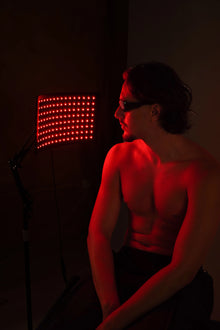
The KumoLux panel supports muscle recovery with full-body red and infrared light.
- 660 nm red + 850 nm infrared light
- Full-body muscle recovery
- Clinically validated biohacking protocols
€399,00€499,00
−10% on your 1st order when you subscribe to the newsletter

What silent inflammation actually is
Acute inflammation shows up as a fast defense against an injury or an infection. Chronic low-grade inflammation, by contrast, keeps certain immune signals active in a discreet and more systemic way, without the obvious picture of local inflammation.
In other words, it is not a single disease but a biological terrain that can accompany other problems and raise cardiometabolic risk when it persists.
Personalized protocol · included with your purchase
Want us to tell you how to use it in your case?
With your purchase, our experts set up your red and infrared light sessions for your sport and goal.
Message us on WhatsAppOur experts reply · no obligation
Why it can go unnoticed
The key is that it is usually subclinical. The 2024 review on chronic low-grade inflammation describes precisely this absence of clear symptoms in many people, which forces you to look at context, habits and biomarkers.
So do not look for one magic symptom to confirm it. Fatigue, irregular sleep or general malaise can appear, but they also show up in many other disorders, so the diagnosis always needs a global assessment. (my.clevelandclinic.org)
What favors it and how to start bringing it down
The most useful evidence points to several small levers that work better together. When the goal is to lower the inflammatory load, consistency, context and the overall pattern weigh more than any isolated measure.
on your first order when you join the newsletter
We send you the code instantly. No spam.
Quick table of strategies and first steps
| Strategy | What the evidence says | First practical step |
|---|---|---|
| Mediterranean pattern | A 2024 umbrella review found it was the most effective dietary pattern for reducing CRP among those analyzed, although the overall quality of the evidence was weak. | Start with vegetables, legumes, fruit, olive oil, nuts and oily fish. |
| Regular physical activity | The WHO recommends that adults get between 150 and 300 minutes per week of moderate to vigorous aerobic activity. | Walk, build up active time little by little and cut down accumulated sedentary time. If you have a chronic condition, ask for guidance to adapt the dose. (iris.who.int) |
| Enough, stable sleep | Partial sleep deprivation over several nights was associated with increases in IL-6 and CRP in a meta-analysis of human studies. | Make sleep more predictable, with regular hours and fewer screens at night. |
| Quitting smoking | Tobacco and exposure to pollutants can raise CRP and encourage a persistent inflammatory state. | If you smoke, ask for support to quit as soon as you can. |
| Chronic stress and daily overload | The literature links chronic inflammation to lifestyle factors such as inactivity, poor diet, psychological stress and environmental toxins. | Set aside real breaks, reduce the overload and look for help if stress becomes chronic. |
Key idea: do not chase a miracle solution. The most effective approach is usually to combine food, movement, sleep and less tobacco or stress, because that attacks the problem on several fronts at once.
Three simple steps to start this week
- Fill half your plate with vegetables, fruit and a quality protein source, because the Mediterranean pattern was the one that lowered CRP the most in the 2024 review.
- Walk or move your body every day to get closer to the 150 to 300 weekly minutes of moderate or vigorous activity the WHO recommends.
- Make sleep more predictable and cut nighttime screen exposure, since sleep restriction raised inflammatory markers in the 2025 meta-analysis.
- If you smoke, ask for support to quit, because tobacco and pollutants can raise CRP.
- Set aside breaks and clear limits to bring down chronic stress, which the literature links to systemic inflammation along with inactivity and poor diet.
Physical support and recovery
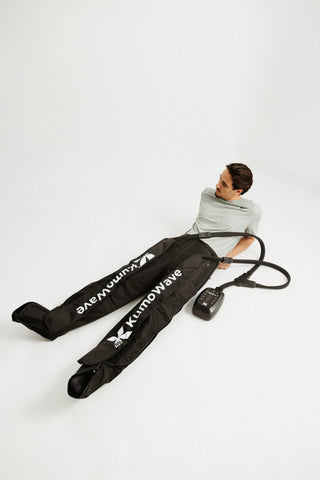
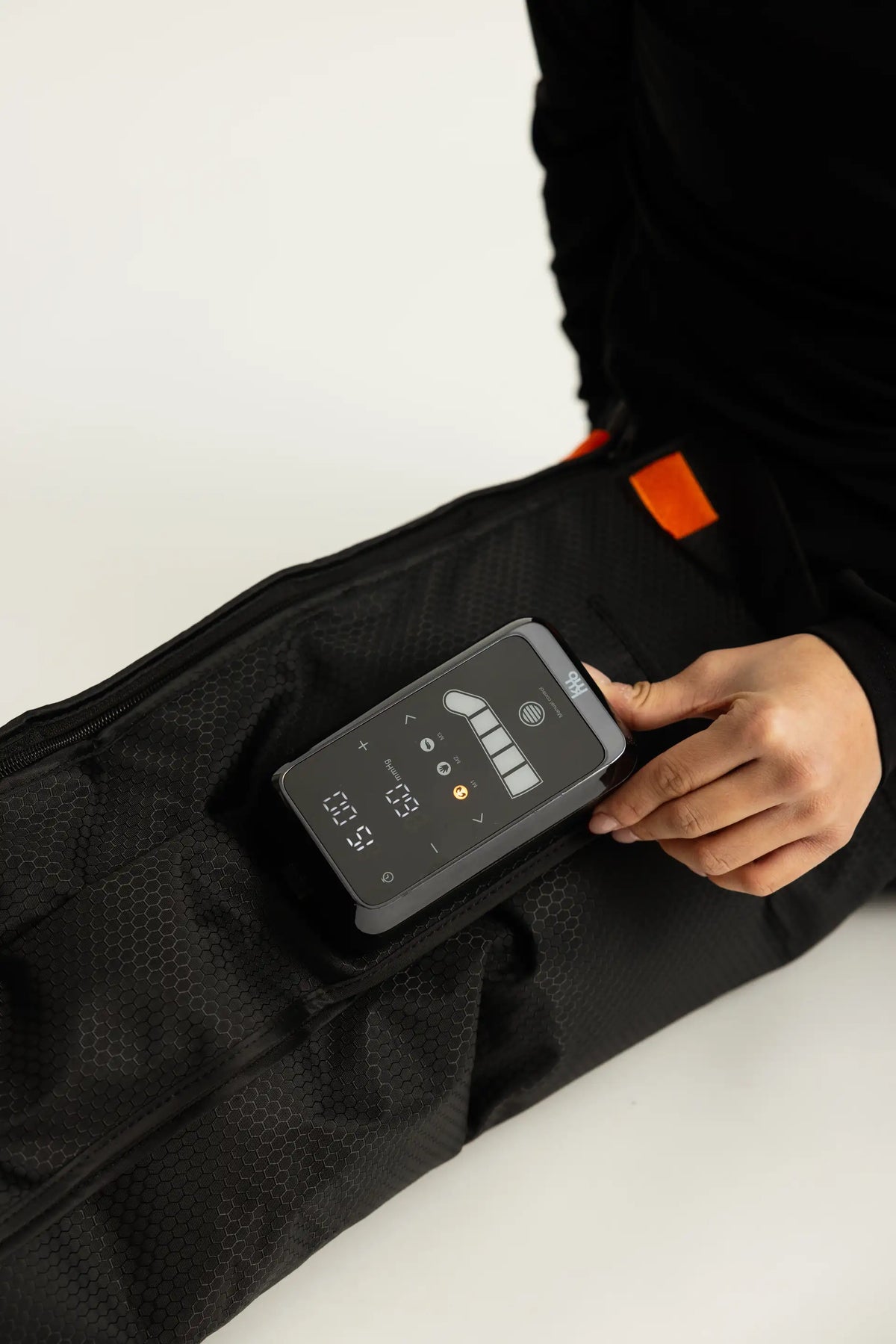
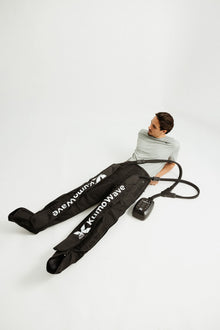
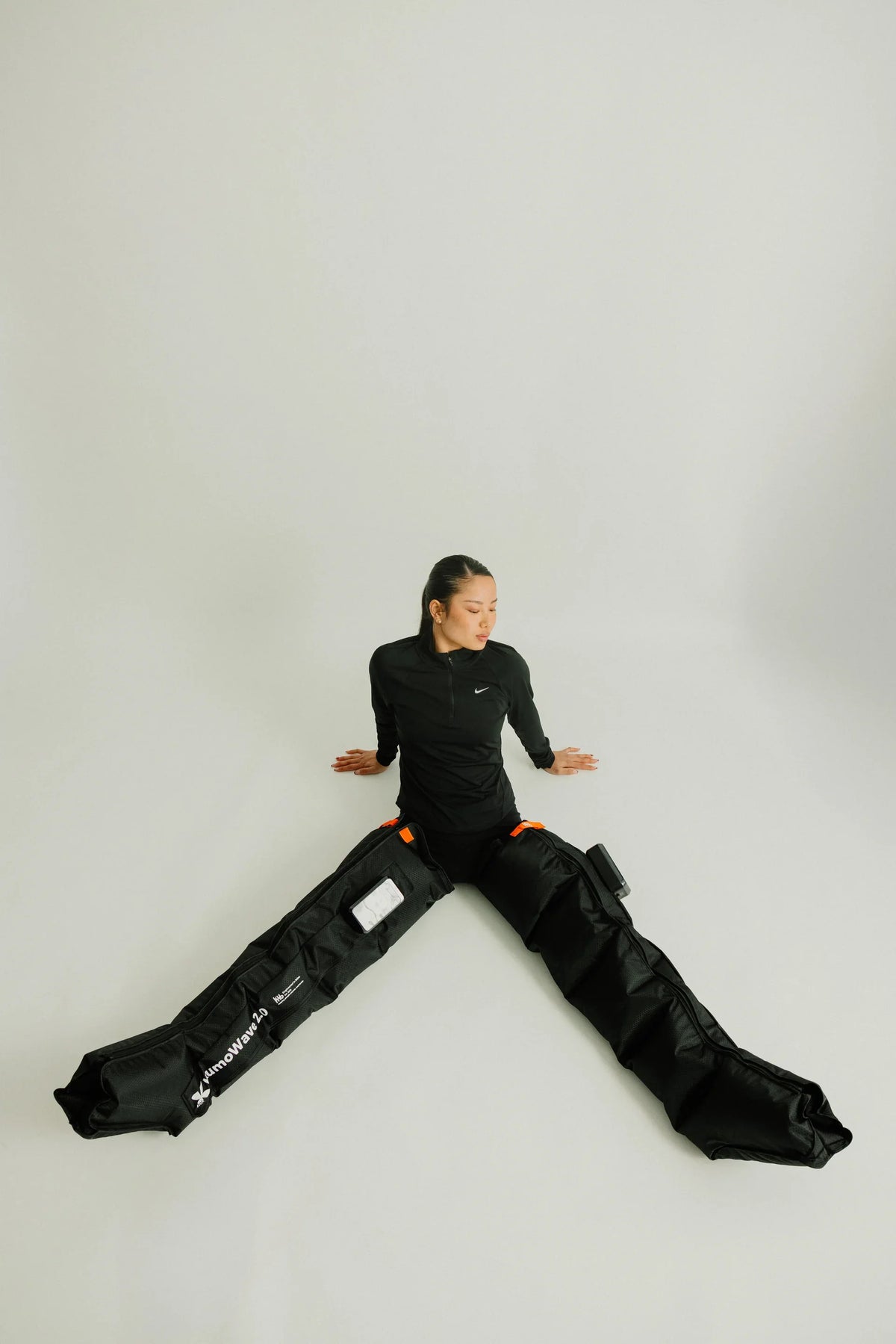
If you want to widen the physical side of recovery, you can read about pressotherapy as wellness support and about lymphatic drainage at home. They are complementary reads within a self-care routine and, when a medical condition exists, the indication has to be individualized. (pmc.ncbi.nlm.nih.gov)
And if the light and muscle recovery side interests you, carry on with red light therapy and muscle inflammation and with photobiomodulation and sports recovery.
How it is measured in practice
CRP and hs-CRP in practice
To measure inflammation, the MedlinePlus guide to CRP explains that C-reactive protein reports how much inflammation there is in the body, but does not point to the cause or the exact place. The AHA explanation of hs-CRP adds sensitivity for estimating cardiovascular risk.
hs-CRP is best interpreted when there is no acute infection or other obvious cause of recent inflammation. If it comes back high, the professional usually confirms the finding and looks for other explanations before drawing conclusions. (heart.org)
On top of that, CRP can rise for very different reasons, such as tobacco or exposure to pollutants, so an isolated value is never read as a closed diagnosis.
Important precautions
Compression therapies: when to check first
Compression is not something to improvise. The international consensus on compression therapy and the clinical reviews on lymphatic drainage recommend avoiding it or individualizing it when there is deep vein thrombosis, acute infection or decompensated heart failure. If one of those possibilities exists, medical assessment comes first.
FAQ
What is chronic low-grade inflammation and why is it called silent?
Chronic low-grade inflammation is a sustained activation of the immune system at a discreet intensity. It is called silent because it is usually subclinical, without the classic signs of acute inflammation, and it can persist without setting off any obvious alarm. Over time, that state is associated with higher cardiometabolic risk.
What are the most common signs and how do you tell them apart from other complaints?
The signs, when they exist, tend to be nonspecific: persistent fatigue, irregular sleep or a general sense of not being at one hundred percent. The problem is that those clues also appear in anemia, sleep disorders, anxiety and other health problems. That is why silent inflammation is not diagnosed from an isolated symptom, but from the combination of context, lab work and clinical assessment.
How is low-grade inflammation measured with a blood test?
CRP measures general inflammation and hs-CRP helps fine-tune cardiovascular risk. Neither of them locates the origin. If the doctor suspects a specific cause, they can order other tests depending on the clinical history and the associated symptoms.
Which habits help the most to reduce it?
The most useful are usually a Mediterranean pattern, regular movement, stable sleep and quitting tobacco. The 2024 review on dietary patterns found the largest CRP reduction with the Mediterranean diet among the plans analyzed, the WHO recommends 150 to 300 minutes per week of moderate to vigorous aerobic activity, and the 2025 meta-analysis on sleep found increases in IL-6 and CRP after several nights of restriction.
When should you see a doctor before changing routines or using compression?
It is worth seeing a doctor before changing routines if you have a chronic illness, if you want to start exercising without knowing what intensity suits you, or if you are thinking about using compression. The WHO notes that people with chronic conditions can benefit from professional guidance to adapt activity, and the international consensus on compression recommends individualizing it in deep vein thrombosis, acute infection or decompensated heart failure.
What now?
If your symptoms persist or you have a medical condition, look for professional assessment before changing your routine. If you already have clinical clearance and want to keep learning calmly, start with the Kumo Balance home page and with the basic guide to photobiomodulation.

Red & infrared light
KumoLux Panel – Red and Infrared LED Panel
★★★★★ 4,8/5 · rated by verified customers
- 660 nm red + 850 nm infrared light
- Full-body muscle recovery
- Clinically validated biohacking protocols
€399,00€499,00· pay in installments with seQura or Klarna