

The calf drives blood upward.
When the gastrocnemius and soleus contract, they squeeze the deep veins of the leg and help blood rise toward the heart; the venous valves keep it from flowing back down. That natural pump is key to venous return, especially when you spend long stretches sitting or standing.
Pressotherapy at home
End the day with light legs
★★★★★ 4,8/5 · rated by verified customers
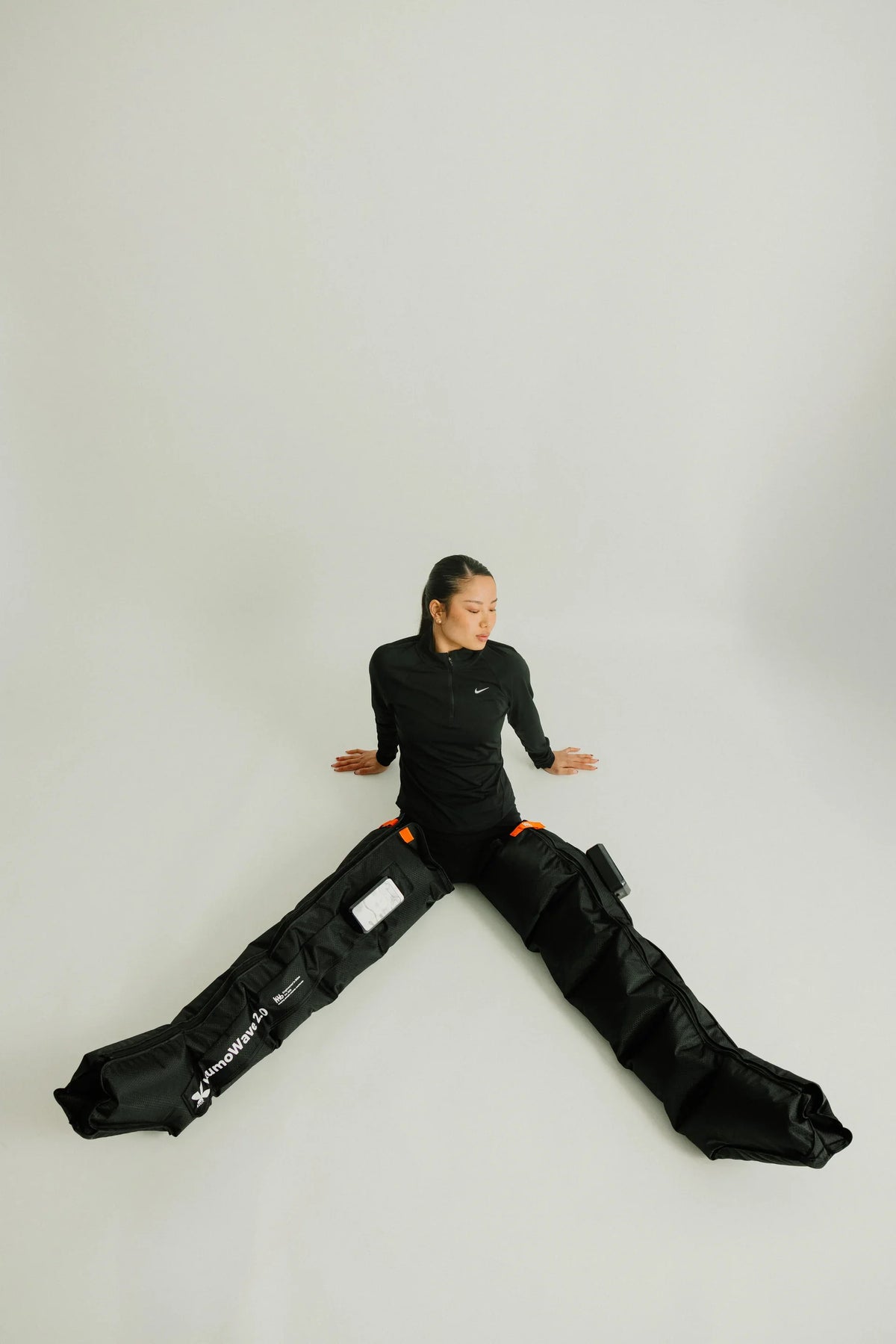
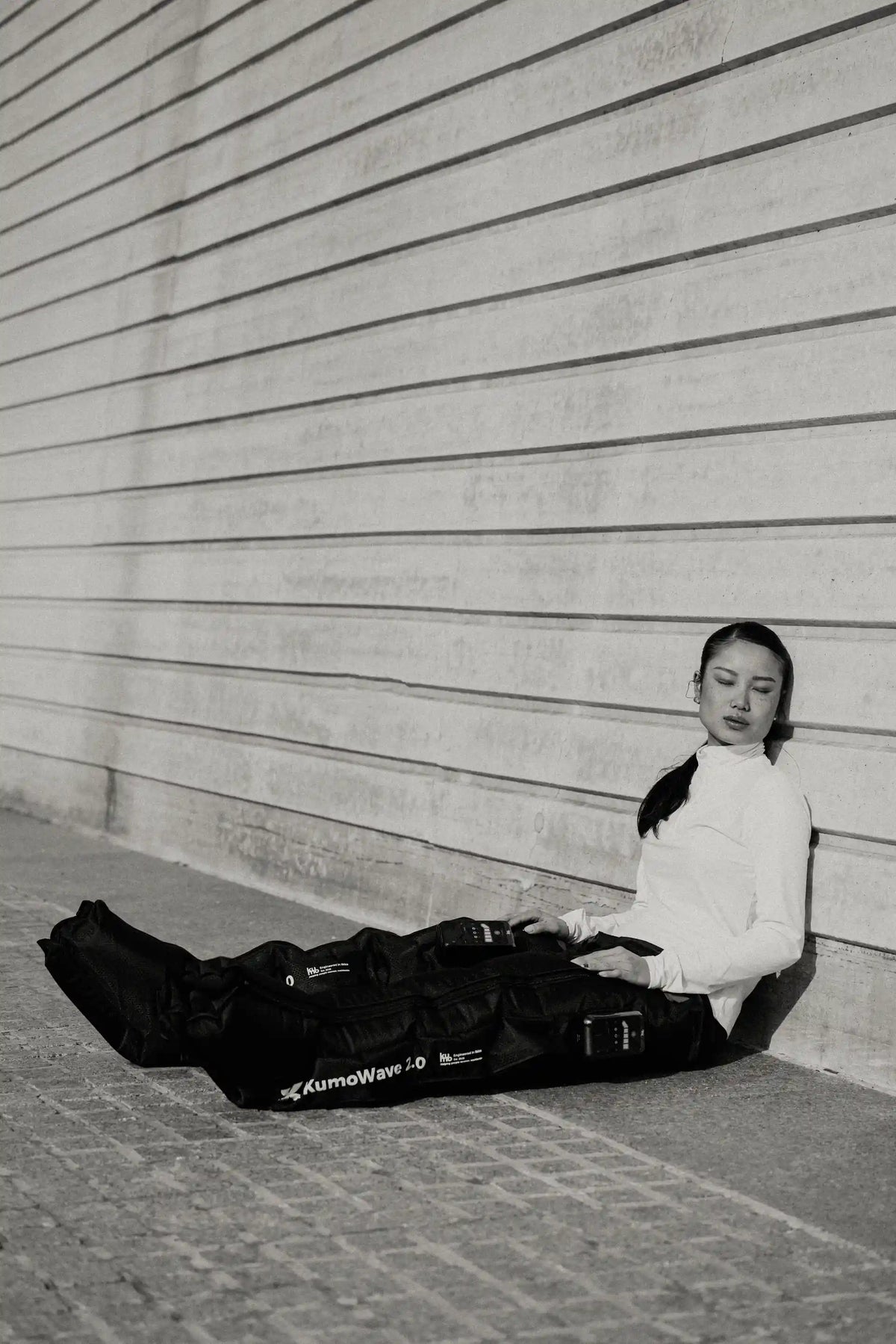
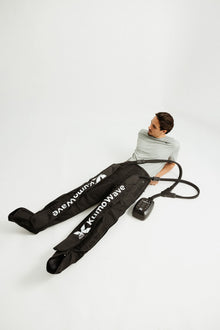
KumoWave pressotherapy boosts circulation and helps drain fluid with sequential compression, in 20-minute sessions at home.
- Boosts circulation and helps drain fluid
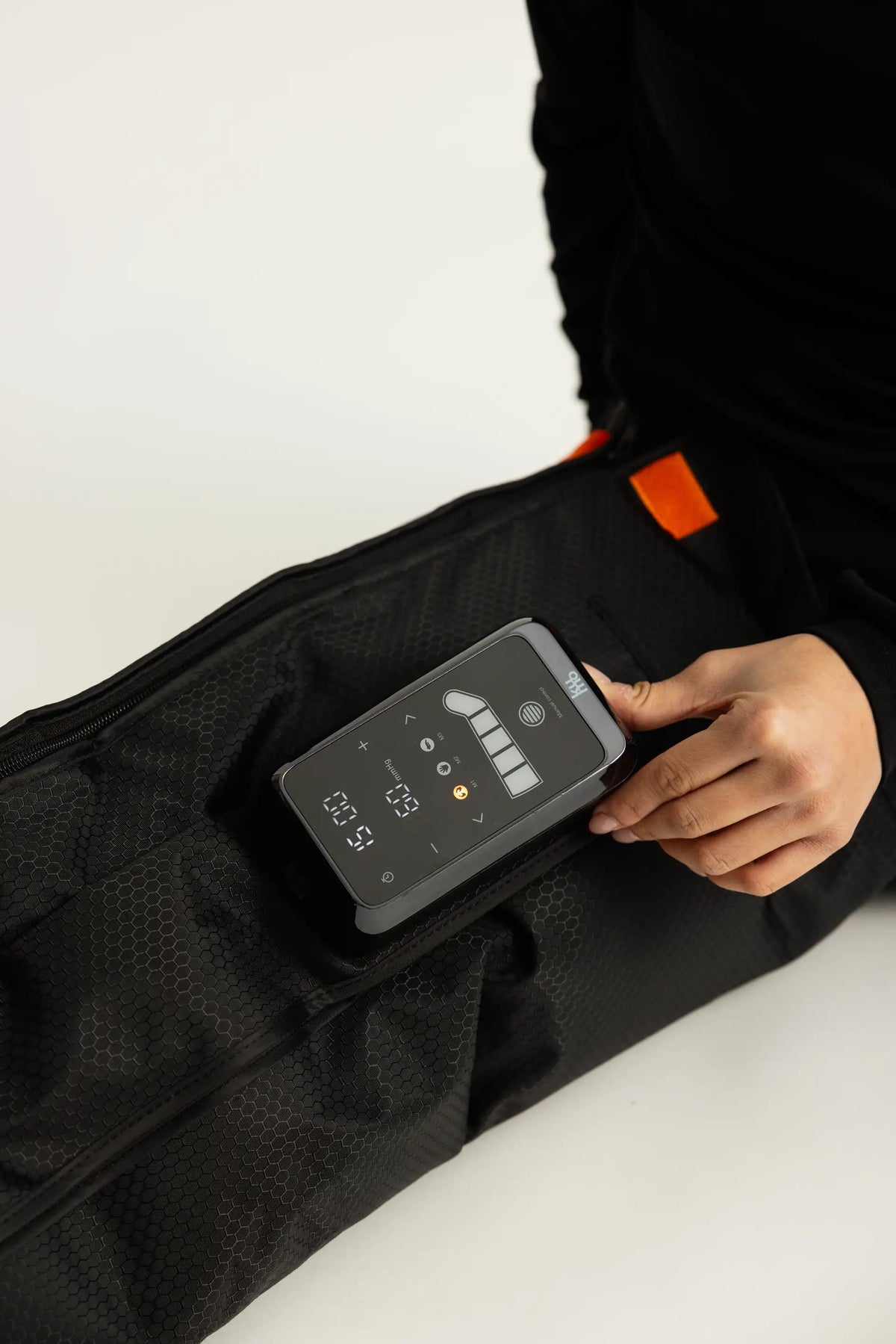
- Chamber-based compression, adjustable to you
- Sequential compression that mimics manual drainage
€799,00€999,00
−10% on your 1st order when you subscribe to the newsletter

What the calf muscle pump is
The idea is simple: every time you walk, rise onto your toes or lift your heels, the calf muscles act as natural compression on the veins. PubMed anatomical research on the venomuscular pumps of the lower limb describes the calf pump as the most powerful in the leg, and the PubMed review on the calf muscle pump highlights its role in chronic venous disease.
In 2024, a position paper reinforced the idea that activating this pump can improve calf function and venous return in healthy people as well as in patients with venous disease.
Personalized protocol · included with your purchase
Want us to tell you how to use it in your case?
With your purchase, our experts prepare a personalized usage protocol for your case: sport, circulation, fluid retention, pregnancy or lipedema.
Message us on WhatsAppOur experts reply · no obligation
- Muscle contraction squeezes the deep veins and helps empty them upward.
- The venous valves work as a one-way route and reduce blood flowing backward.
- The foot pump starts venous return and the calf pump reinforces it with every step.
Why it is called the second heart
It is not a heart in the literal sense, but it is decisive support. Harvard Health explains that the calf muscles help squeeze the veins and send blood back to the heart when you walk. The image of the "second heart" is a reminder that everyday movement is not a detail but a basic part of circulation.
What happens when the pump works less
The pump becomes less efficient when you spend many hours sitting or standing, when a sedentary routine dominates the day, or when a venous condition already exists. the Mayo Clinic guide to varicose veins links prolonged postures with poorer circulation and recommends moving, elevating the legs and exercising to support venous flow.
Common situations and a useful response
| Situation | What can happen | What helps |
|---|---|---|
| Long stretches sitting. | The pump is activated less and blood can pool in the lower part of the leg. | Stand up, move your ankles and walk for a few minutes. (cdc.gov) |
| Many hours standing. | Gravity favors blood pooling and increases the feeling of heaviness. | Change posture, flex your ankles and rest with your legs elevated whenever you can. |
| Long trips or immobility. | The risk of venous stasis rises if you barely move. | The CDC recommend walking every 1 to 2 hours and doing seated foot and leg exercises. |
| Pain or swelling in one leg only. | It can be a sign of deep vein thrombosis, and waiting is not advisable. | Seek prompt medical assessment. (nhs.uk) |
If shortness of breath also appears, the NHS and the CDC insist on seeking urgent medical care, because it may be a clot.
on your first order when you join the newsletter
We send you the code instantly. No spam.
Which exercises really activate the calves
You do not need a complicated routine. The CDC, the NHS and the MedlinePlus self-care suggestions agree that moving ankles, heels and legs often helps push blood back to the heart and reduce venous pooling.
- Raise and lower your heels while seated, keeping your toes on the floor.
- Raise and lower your toes with your heels on the floor while seated.
- Do heel raises on a step, with gentle, controlled repetitions if there is no pain. (medlineplus.gov)
- Walk at an easy pace several times a day, because the repeated movement activates the calf.
- Cycle or swim regularly if your physical condition allows it.
If you are pregnant, recovering from surgery or living with a known vascular condition, it is best to tailor the routine with a healthcare professional before increasing activity or using any compression system.
How to support circulation when you sit for hours
The CDC recommend standing up and walking every 1 to 2 hours during trips or long seated stretches, and the NHS advises against keeping the same posture for too long. It also helps to move ankles and toes, lift your heels or point your feet while you stay in the chair.
If you want to go deeper into the logic of external compression, our clinical technology sums up the approach to pneumatic compression, LED therapy and percussive massage that Kumo Balance presents.
If the lymphatic system context interests you, understanding what lymphatic drainage is and how it works helps explain why mobility and compression are usually discussed together.
And if you are looking for a practical reference on responsible use, the timing and frequency of use of compression boots serve as complementary reading for building a sensible routine.
How the muscle pump, lymphatic drainage and compression relate
The calf pump is natural, automatic and depends on movement. External compression can be a support in certain contexts, but it does not replace walking, working the calves or a medical assessment when warning signs appear. In people at risk of thrombosis, the CDC include frequent mobility and, in some cases, graduated compression as part of prevention. The underlying idea is simple: movement and compression work best when they are used with clinical judgment.
Frequently asked questions
How does the calf muscle pump help venous blood return?
When the gastrocnemius and soleus contract, they squeeze the deep veins and push blood upward, while the venous valves prevent backflow. The foot pump starts venous return and the calf pump reinforces it with every step, which is why walking or lifting your heels helps so much. The anatomical evidence and the PubMed review on this pump show that its role in leg circulation is central.
Why are the calves considered the body's "second heart"?
It is a useful metaphor, not a new organ. The heart drives blood from the center of the body, but the calf helps it return to the heart from below. Harvard Health explains that the calf muscles help squeeze the veins and send blood back to the heart while you walk. Calling it the "second heart" is a reminder that daily movement has a real effect on circulation.
Which exercises stimulate the calf muscle pump and improve circulation?
Heel raises, ankle flexions, walking, cycling and swimming work very well. MedlinePlus recommends, for example, raising your heels on a step and walking regularly, while the CDC suggest moving heels and toes even while seated. What matters is repeating the movement several times a day and avoiding long stretches with the leg immobile.
How can I prevent venous disorders if I sit for many hours?
Stand up often, change posture, avoid crossing your legs for long periods and move your ankles and toes even while seated. The CDC advise walking every 1 to 2 hours and the NHS recommends not staying still for too long. If there is pain in one leg, marked swelling, warmth, redness or shortness of breath, seek medical care. During pregnancy or after surgery, tailor the routine with a healthcare professional.
What now?
If you notice one-sided pain, marked swelling, warmth, redness or shortness of breath, medical assessment comes first. If you then want to keep reading at your own pace, you can open the guide to lymphatic drainage at home and return to Kumo Balance to see the project's general approach.
To go further: Red light therapy and muscle recovery, Red light therapy for muscle recovery and Pressotherapy for calf overload: post-run routine.
KumoWave pressotherapy
Choose your at-home pressotherapy
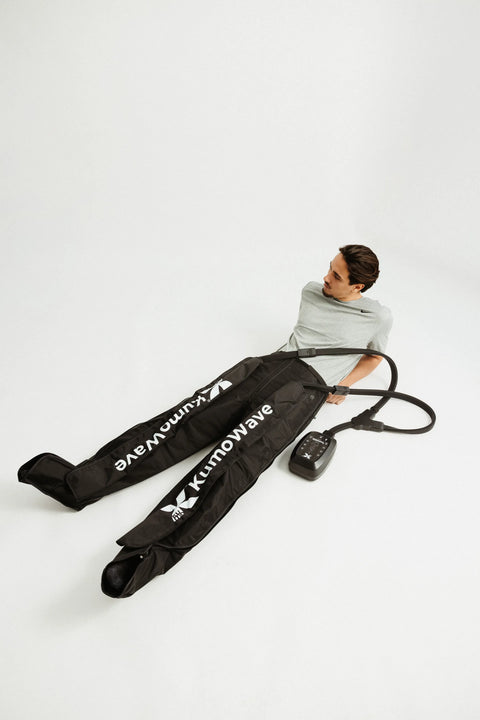
KumoWave Elite – Pressotherapy Pants
Full-coverage trousers. Ideal for lipedema, fluid retention and intensive use.
€799,00 €999,00
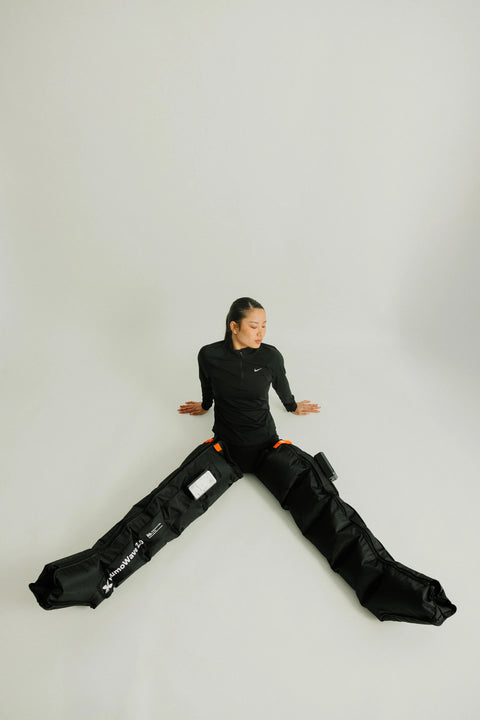
KumoWave 2.0 - Wireless Pressotherapy
Wireless, lightweight boots. Perfect for daily use and recovery.
€499,00 €599,00