


They are not the same thing: lymphedema and lipedema are frequently confused. The first affects the lymphatic system; the second is a disproportionate buildup of subcutaneous fat that usually comes with pain and a bilateral distribution. Telling them apart changes how you examine, how you read the symptoms and which tests are needed.
The difference matters because lymphedema can get worse over time and lipedema often goes unnoticed when it is read as excess weight, cellulite or simple water retention. A correct diagnosis avoids delays and helps point the next step more precisely. (nhs.uk)
Pressotherapy at home
End the day with light legs
★★★★★ 4,8/5 · rated by verified customers
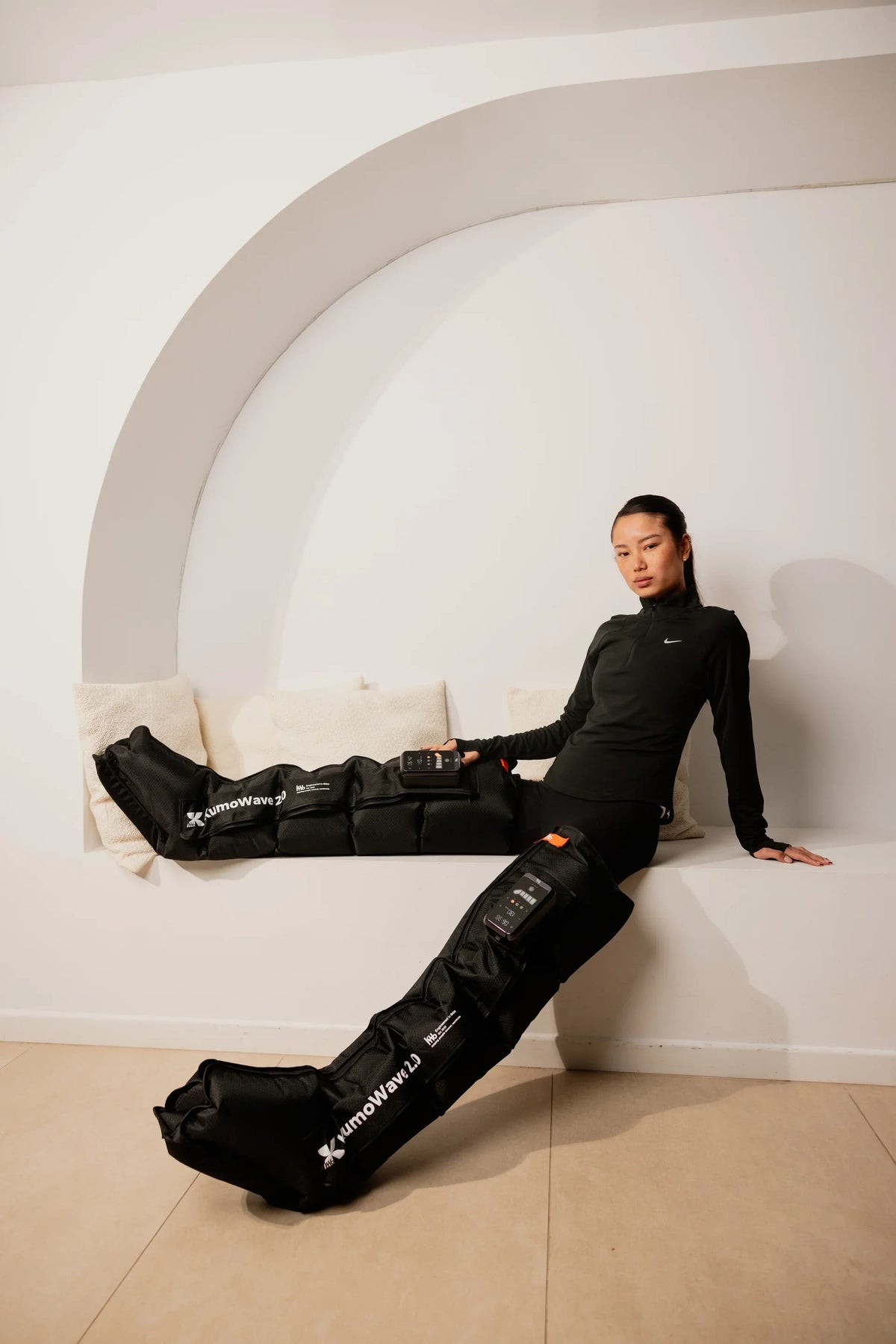
KumoWave pressotherapy boosts circulation and helps drain fluid with sequential compression, in 20-minute sessions at home.
- Boosts circulation and helps drain fluid
- Chamber-based compression, adjustable to you
- Sequential compression that mimics manual drainage
€799,00€999,00
−10% on your 1st order when you subscribe to the newsletter

If you want to get your bearings before comparing symptoms, you can review what lipedema is and how to recognize it in time and what lymphedema is, why it appears and how to recognize it in time.
What each one is and why they get confused
Lipedema
Lipedema is an abnormal buildup of subcutaneous fat, almost always bilateral and symmetrical, usually painful, tender to the touch and prone to bruising. The feet and hands are generally spared, so the contour stops at the ankles or wrists. The NHS guide on lipoedema and clinical reviews agree that the diagnosis is above all clinical.
Personalized protocol · included with your purchase
Want us to tell you how to use it in your case?
With your purchase, our experts prepare a personalized usage protocol for your case: sport, circulation, fluid retention, pregnancy or lipedema.
Message us on WhatsAppOur experts reply · no obligation
Lymphedema
Lymphedema is swelling caused by failure of lymphatic drainage. It can be primary or secondary, appear after surgery, radiotherapy, infection or injury to the lymphatic system, and at first leave a pit when pressed. Over time, harder, thickened skin and repeated episodes of infection can appear. If you want to go deeper on this point, the guide on lymphedema on the site helps put the picture in context.
Clinical signs that steer the diagnosis
Clues that favor lipedema
- Pain and tenderness to the touch: lipedema usually hurts under pressure and is more bothersome than lymphatic edema at the start.
- Easy bruising: bruises appearing after minimal knocks point more toward lipedema.
- Relatively spared feet: if volume increases in the legs or arms but the feet and hands stay almost untouched, suspicion of lipedema rises sharply. (aafp.org)
Clues that favor lymphedema
- Feet and toes affected: if the swelling reaches the top of the foot or the toes, suspicion of lymphedema increases.
- Stemmer sign and thickened skin: not being able to pinch the skin of the second toe points strongly toward advanced lymphedema, especially when the skin is harder or tighter.
- Clear lymphatic history: a history of surgery, radiotherapy, infection or injury to the lymphatic system favors secondary lymphedema. (nhs.uk)
When redness, local heat or skin pain are the main issue, it is better not to mix up different problems. In that case, this guide on lipedema and cellulite without mistakes can help. (nhs.uk)
Short table of useful differences
The table below sums up the patterns that are most useful in consultation. It does not replace a medical examination, but it does organize the initial suspicion.
on your first order when you join the newsletter
We send you the code instantly. No spam.
| Aspect | More consistent with lipedema | More consistent with lymphedema |
|---|---|---|
| Pain and tenderness | There is usually pain, heaviness and tenderness under pressure. | At the start it can be less painful, and later tightness dominates. |
| Feet and hands | Often spared, with a visible change at the ankles or wrists. | Feet and toes are usually affected, especially as the picture progresses. |
| Distribution | Usually bilateral and fairly symmetrical. | Can be unilateral or asymmetrical, and symmetry is not required. |
| Skin and accompanying signs | Bruises and a disproportion of fatty tissue are common. | The Stemmer sign, thickened skin and repeated infections point more toward lymphedema. |
| History | There is usually no clear lymphatic trigger, although it can coexist with another cause. (pmc.ncbi.nlm.nih.gov) | Surgery, radiotherapy, infection or lymphatic injury steer the diagnosis strongly. |
If both patterns appear at once, a combination of lipedema and lymphedema may exist, so specialist assessment becomes even more important.
What tests the doctor uses when there is doubt
Clinical examination and measurements
When the clinical picture is not enough, the doctor combines history, examination and measurements. The NHS explains on its lymphoedema diagnosis page that, if there is uncertainty, imaging tests can be added to rule out other causes or clarify the degree of involvement.
- History taking and physical examination remain the starting point, because the pattern of the edema already provides a lot of information.
- Measuring the circumference or volume of the limb, and in some settings bioimpedance, help to objectify change over time.
- Ultrasound, lymphoscintigraphy, magnetic resonance imaging or computed tomography are reserved for doubtful cases, follow-up or ruling out other causes.
- If coexistence of lipedema and lymphedema is suspected, it may be necessary to study lymphatic function in more detail.
Imaging and additional tests
In addition, a 2024 systematic review gathered 32 studies and 1,154 patients with lipedema, and showed that ultrasound, lymphoscintigraphy, computed tomography, magnetic resonance imaging and magnetic resonance lymphangiography are used as diagnostic support. This reinforces a key idea: imaging helps, but it does not replace the clinical examination.
If home management includes compression, improvising is not a good idea. Also review lymphedema and compression at home: precautions before you start, before deciding anything on your own.
Why the diagnosis really matters
In lymphedema, arriving late favors progression and skin infections. In lipedema, a wrong diagnosis can translate into years of frustration and measures of little use. When both conditions coexist, the plan has to adapt to the lymphatic component and the fatty component.
The practical idea is simple: when the clinical pattern does not fit, examination and supporting tests help avoid a wrong diagnosis.
Warning signs you should not monitor at home
- Sudden swelling of a single leg or a single arm with no clear cause. (nhs.uk)
- Red, hot or painful skin, especially if there is fever or general malaise.
- Shortness of breath or chest pain, which require urgent attention.
If any of these signs appear, seek medical attention immediately. Medical compression has indications and contraindications, and an active skin infection needs clinical assessment, not guesswork.
Frequently asked questions
Are lymphedema and lipedema told apart only by the swelling?
No. Swelling matters, but it is not enough to tell them apart. In lipedema, pain, tenderness under pressure, easy bruising and the relative sparing of feet and hands carry a lot of weight. In lymphedema, by contrast, a history of surgery, radiotherapy or lymphatic injury, involvement of the feet and toes, the Stemmer sign and skin changes steer things more. That is why the correct diagnosis depends on the whole pattern, not on a single symptom.
Which clinical signs make it possible to distinguish lipedema and lymphedema day to day?
Day to day, lipedema usually produces painful, heavy legs that bruise easily, with fairly symmetrical volume and relatively spared feet. Lymphedema, by contrast, tends to affect the feet or toes, can leave a mark when pressed at the start, and over time makes the skin harder or tighter. If there are also repeated infections or a history of surgery and radiotherapy, suspicion of lymphedema rises considerably. Even so, medical assessment is always needed.
Which imaging tests and studies are used to differentiate these two conditions?
The first step is usually clinical, with examination and measurements. If there is doubt, bioimpedance, ultrasound, lymphoscintigraphy, magnetic resonance imaging or computed tomography can be used, depending on the case. A 2024 systematic review, with 32 studies and 1,154 patients, showed that imaging is useful as support but does not replace clinical evaluation. Choosing one test or another depends on the specific suspicion and on the specialist's judgment.
Why does it matter to differentiate lipedema and lymphedema from the diagnosis onward?
Because the approach changes a lot. Lymphedema needs to be detected early to slow worsening and reduce infections, while lipedema usually calls for a strategy centered on symptoms, mobility and clinical follow-up. If they are confused, a person can spend years with measures of little use or with explanations that do not fit. Besides, both conditions can coexist, so telling them apart properly makes it possible to decide which component weighs more and what monitoring each case needs.
So what now?
If you recognize yourself in these signs, ask for a medical assessment and write down when the swelling started, whether it affects the feet or toes and whether there is pain or bruising. If you then want to go back to the site, the Kumo Balance home page is here.
KumoWave pressotherapy
Choose your at-home pressotherapy
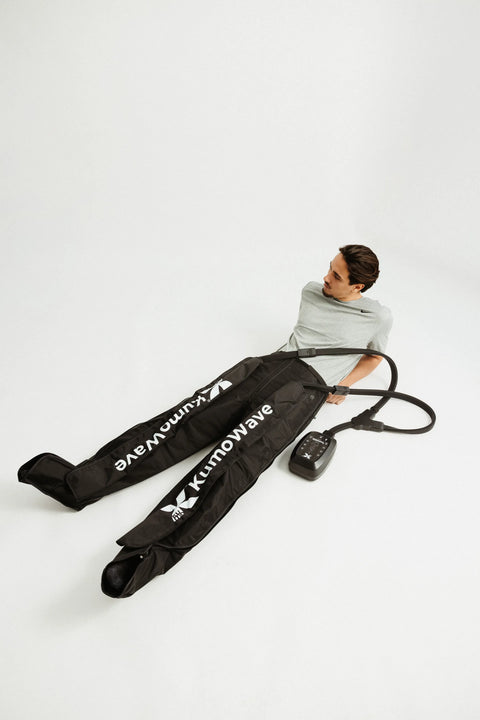
KumoWave Elite – Pressotherapy Pants
Full-coverage trousers. Ideal for lipedema, fluid retention and intensive use.
€799,00 €999,00
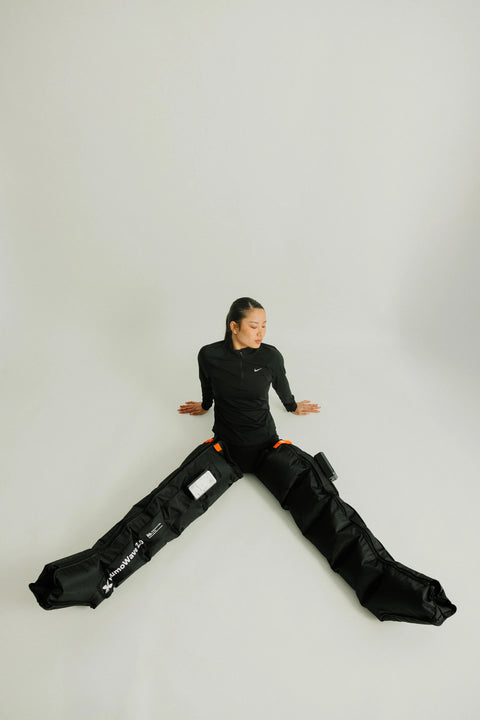
KumoWave 2.0 - Wireless Pressotherapy
Wireless, lightweight boots. Perfect for daily use and recovery.
€499,00 €599,00