

Lymphedema is not just ordinary swelling.
It is a chronic buildup of fluid that happens when the lymphatic system can no longer drain lymph properly; catching it early helps tell it apart from other kinds of edema and keeps it from progressing.
Pressotherapy at home
End the day with light legs
★★★★★ 4,8/5 · rated by verified customers
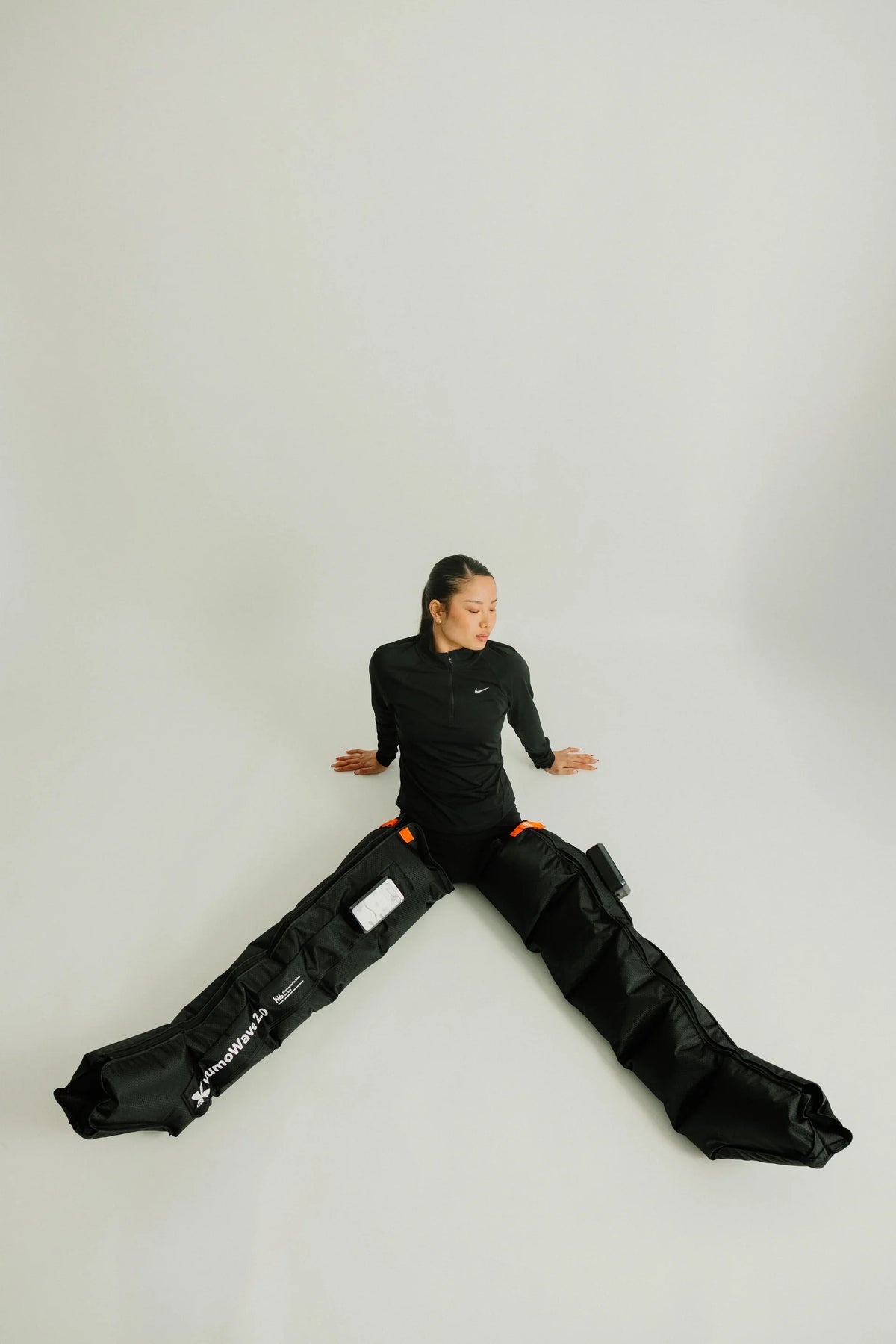
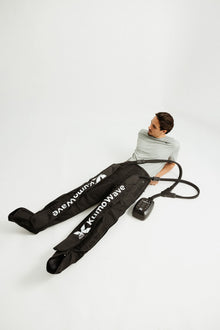
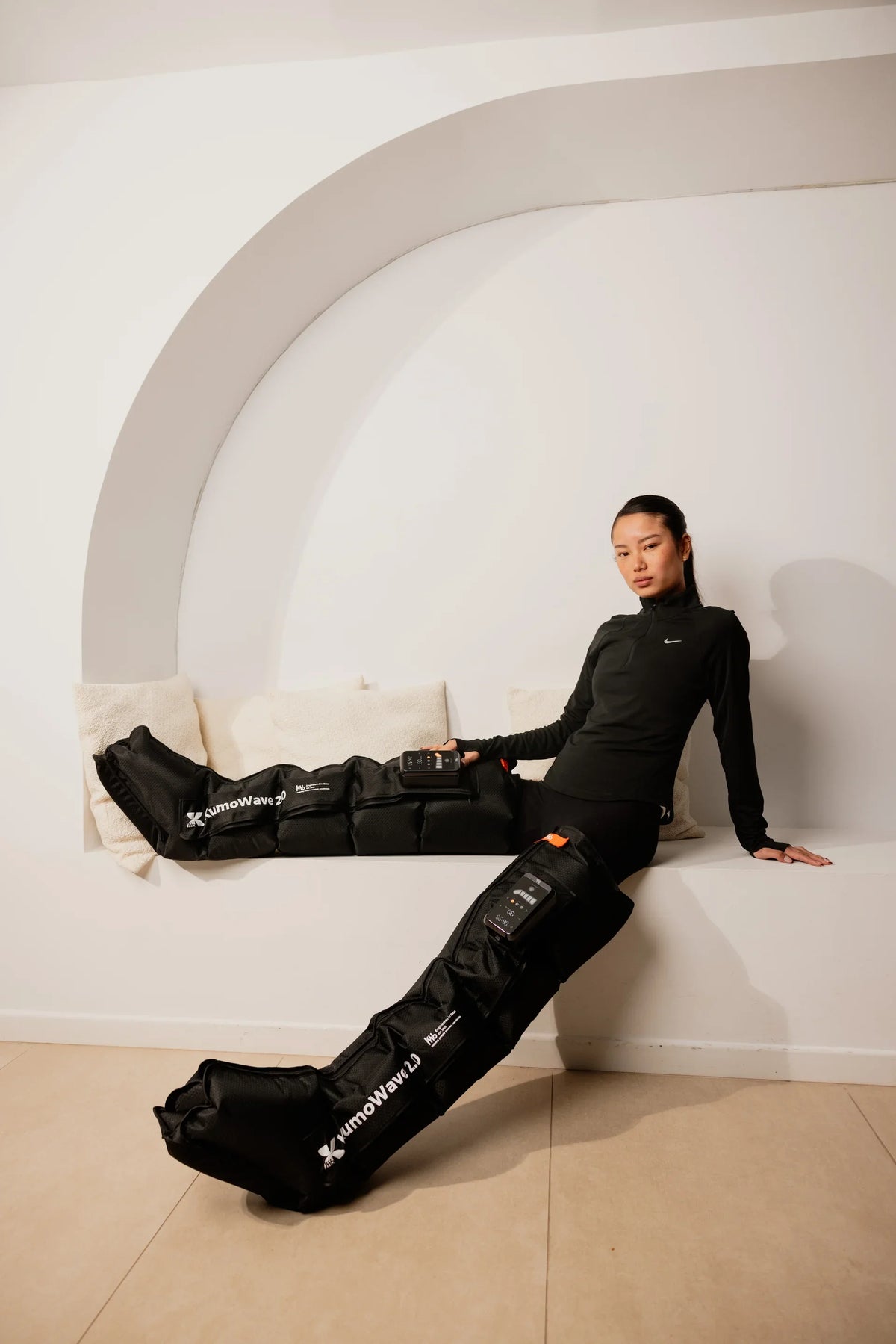
KumoWave pressotherapy boosts circulation and helps drain fluid with sequential compression, in 20-minute sessions at home.
- Boosts circulation and helps drain fluid
- Chamber-based compression, adjustable to you
- Sequential compression that mimics manual drainage
€799,00€999,00
−10% on your 1st order when you subscribe to the newsletter

What lymphedema is
Lymphedema appears when lymph builds up in the tissues because the network of lymphatic vessels and nodes is damaged or blocked. It can affect the arms or legs, but also areas such as the neck, the face, the trunk or the genitals. The NCI explains this process in its guide to lymphedema and cancer, and the NHS describes it as a chronic condition of the lymphatic system.
Not every swelling is lymphedema. There is edema caused by venous insufficiency, infections, injuries, kidney or heart problems, and it is the clinical context that allows a proper assessment. (mayoclinic.org)
Personalized protocol · included with your purchase
Want us to tell you how to use it in your case?
With your purchase, our experts prepare a personalized usage protocol for your case: sport, circulation, fluid retention, pregnancy or lipedema.
Message us on WhatsAppOur experts reply · no obligation
Primary and secondary
Primary lymphedema is linked to genetic or developmental changes in the lymphatic system. Secondary lymphedema, on the other hand, appears when the system is damaged or blocked by surgery, radiation therapy, infections, trauma, inflammation or reduced mobility. You can read more on this point in the causes of lymphedema according to the NHS.
Why it appears and who is most at risk
After surgery or radiation therapy
One of the most common causes is cancer treatment, especially when lymph nodes are removed or damaged. The risk can show up months or even years after the procedure, so monitoring should not be limited to the period right after surgery.
Other triggers
Infections, injuries, persistent inflammation, obesity, blockage by tumors, venous problems and reduced mobility of the affected limb can also play a part. When the lymphatic system works under pressure for a long time, fluid buildup becomes more likely.
on your first order when you join the newsletter
We send you the code instantly. No spam.
The sooner lymphedema is recognized, the easier it usually is to control and the lower the risk of complications.
How to recognize it early
Early signs
The first signals are often subtle: a feeling of heaviness, tightness, fullness or dull pain; clothes, rings or shoes that start to feel snug; swelling that may come and go at first; or a mark that stays behind when you press on the area. Firmer skin, changes in the skin folds and repeated infections can also appear. (cuh.nhs.uk)
If you want to better understand how the lymphatic system works before thinking about symptoms, this explanation of what lymphatic drainage is and how it works can serve as a conceptual starting point.
Ordinary edema or lymphedema
Ordinary edema can change with rest, posture or whatever is causing it. Lymphedema, by contrast, tends to be more persistent, is frequently one-sided and often affects the fingers or toes as well. And if you are also unsure between lymphatic buildup and lipedema, the guide on how to tell lymphedema and lipedema apart can help you sort out the information, although it does not replace a medical assessment.
A quick table to orient yourself
This table sums up signals that can help you orient yourself, not diagnose yourself. If one or several match your case, ask for a medical assessment.
| Signal | What it may indicate | What to do |
|---|---|---|
| Swelling in only one arm or one leg, with the fingers or toes affected too | A pattern consistent with lymphedema, especially if there is a history of surgery or radiation therapy. | Ask for a medical assessment as soon as possible. |
| A feeling of heaviness, tightness or clothes that fit more snugly | This can be an early stage, even before the swelling is clearly visible. | Do not brush it off and watch whether it progresses. |
| Firmer skin, new skin folds or repeated infections | This may suggest the condition is progressing and a higher risk of skin complications. (nhs.uk) | Ask for professional follow-up. |
When to ask for a medical assessment
See a professional if the swelling is new, if it shows up on only one side, if it leaves a mark when pressed or if it limits movement. It is also worth checking soon if there is redness, warmth, significant pain or fever, because an infection or another urgent cause would need to be ruled out.
How it is diagnosed and managed
How it is diagnosed
Diagnosis usually rests on the symptoms, the physical examination and the medical history. If the origin is unclear, the professional may request imaging tests to review the lymphatic system. Mayo Clinic’s diagnosis page sums up this approach well.
- The medical history looks for surgeries, radiation therapy, infections, injuries and a history of cancer.
- The physical examination makes it possible to assess how the swelling is distributed, the skin and mobility.
- If needed, measurements, ultrasound, MRI, CT or lymphoscintigraphy may be requested.
How it is managed
Standard care does not aim to cure lymphedema, but to control it. It usually combines decongestive therapy, compression, guided exercise, skin care and, in some cases, manual lymphatic drainage or supervised sequential pneumatic compression. The NHS covers this in its lymphedema treatment guide, and the NCI agrees that compression and self-care are part of the management plan.
If your care team considers it appropriate, drainage and compression can be useful within an individualized plan. To go deeper into the general context of lymphatic care, you can also read this summary of the benefits of lymphatic drainage.
What you should not do without medical advice
- Do not attempt manual lymphatic drainage if there is a skin infection, blood clots or active cancer in the affected area.
- Do not use compression garments or systems without a check-up if you have arterial problems in your legs.
- Do not assume that a wellness technique works for every case, because the indication depends on the cause, the stage and the possible contraindications.
Frequently asked questions
What is lymphedema and what are its main causes?
Lymphedema is chronic swelling caused by insufficient drainage of lymph. It usually appears when the lymphatic system is damaged, blocked or did not develop properly. The most common causes are cancer surgery and radiation therapy, but infections, trauma, venous problems, chronic inflammation or congenital changes can also play a part. Not every swelling is lymphedema, so the clinical context matters a great deal.
How can you recognize the early signs of lymphedema and tell it apart from normal edema?
Early signs are usually heaviness, tightness, a feeling of fullness, mild swelling that comes and goes, or clothes and accessories that feel tighter than usual. Normal edema tends to improve more clearly with rest or once its cause is resolved, whereas lymphedema tends to be persistent and sometimes one-sided. If you also notice firmer skin, new skin folds or repeated infections, it is worth asking for a medical assessment.
Why does lymphedema often appear after cancer-related lymph node surgery?
Because surgery and, often, radiation therapy can damage or remove lymph nodes and vessels, which are responsible for draining fluid from the tissues. When that circuit is disrupted, lymph builds up more easily. The risk is not always visible right away, since it can appear months or years after treatment. That is why oncology teams usually insist on monitoring changes on an ongoing basis.
How is lymphedema diagnosed and managed from the first symptoms?
Diagnosis relies on the symptoms, the physical examination and the medical history. If needed, imaging tests or measurements are requested to clarify the origin. Early care usually combines compression, guided exercise, skin care, supervised manual drainage and, in some cases, other specialized therapies. The key is to individualize, because there are contraindications and not every strategy suits every patient.
What now?
If you suspect lymphedema, make a medical assessment your first step before trying techniques on your own. And if you want to keep reading with a clear, cautious perspective, you can start with the Kumo Balance website and with the basic explanation of what lymphatic drainage is and how it works.
KumoWave pressotherapy
Choose your at-home pressotherapy
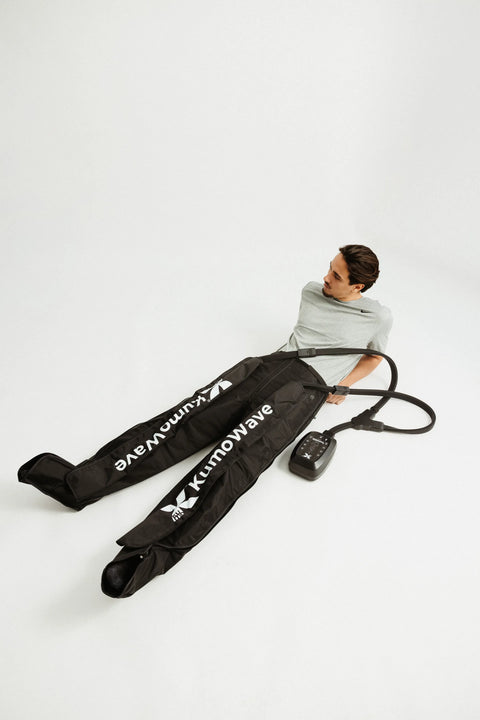
KumoWave Elite – Pressotherapy Pants
Full-coverage trousers. Ideal for lipedema, fluid retention and intensive use.
€799,00 €999,00
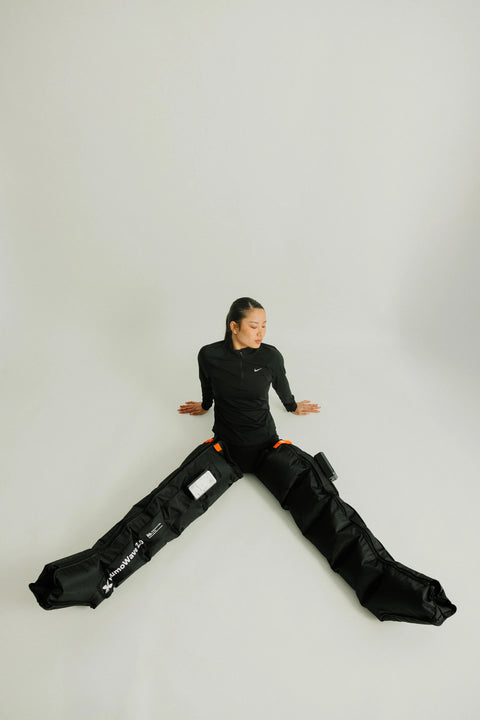
KumoWave 2.0 - Wireless Pressotherapy
Wireless, lightweight boots. Perfect for daily use and recovery.
€499,00 €599,00