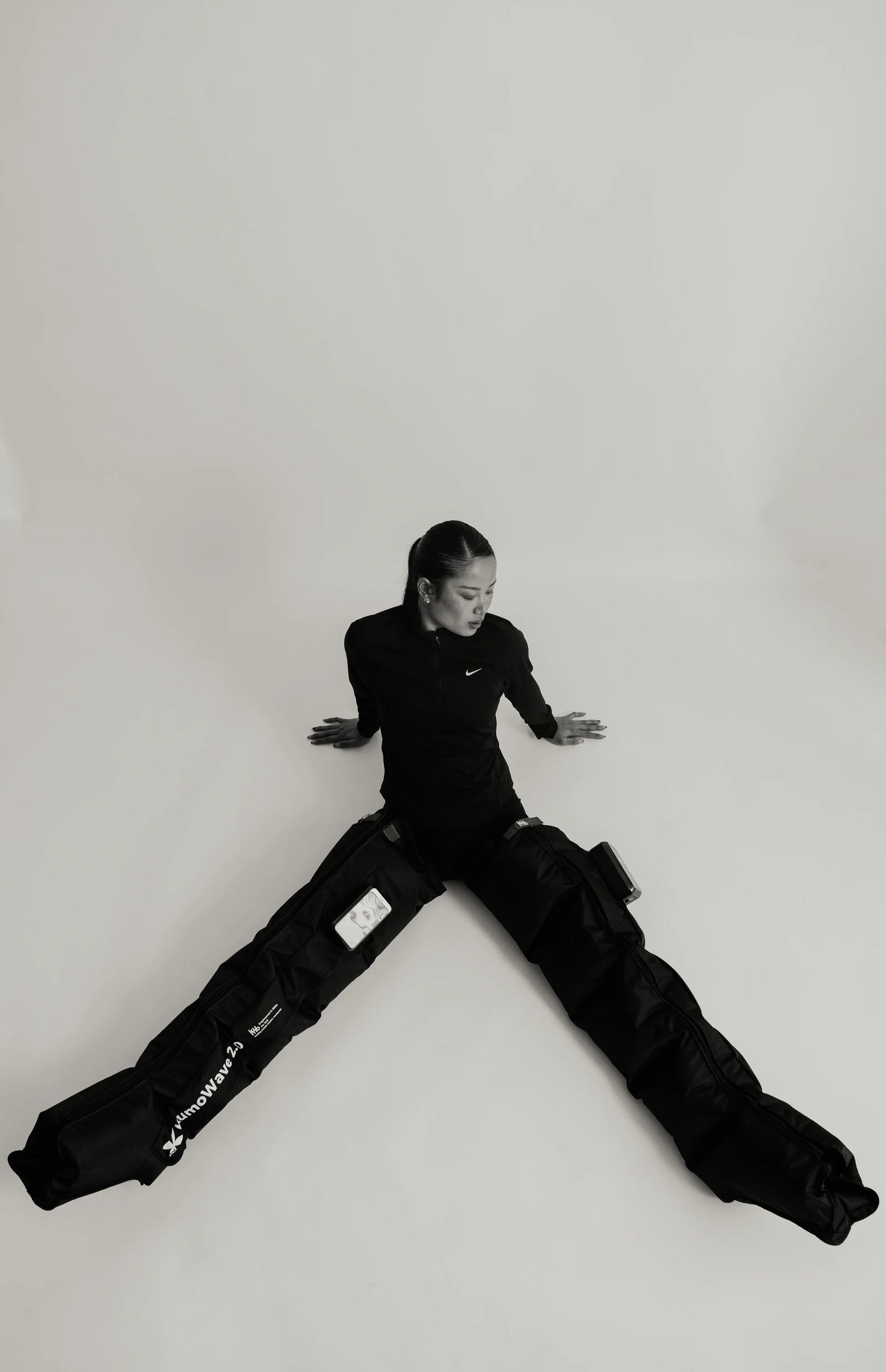
Yes, you can perform lymphatic drainage at home. The key is to use very light pressure, follow a logical order, and respect warning signs to avoid turning a useful routine into an overly aggressive massage.
When done correctly, self-drainage should feel gentle, slow, and painless. If infection, significant redness, fever, suspected clot, or new and prominent swelling appears, it is not advisable to improvise at home. (sharedfiles.mayoclinic.org)
Pressotherapy at home
End the day with light legs
★★★★★ 4,8/5 · rated by verified customers
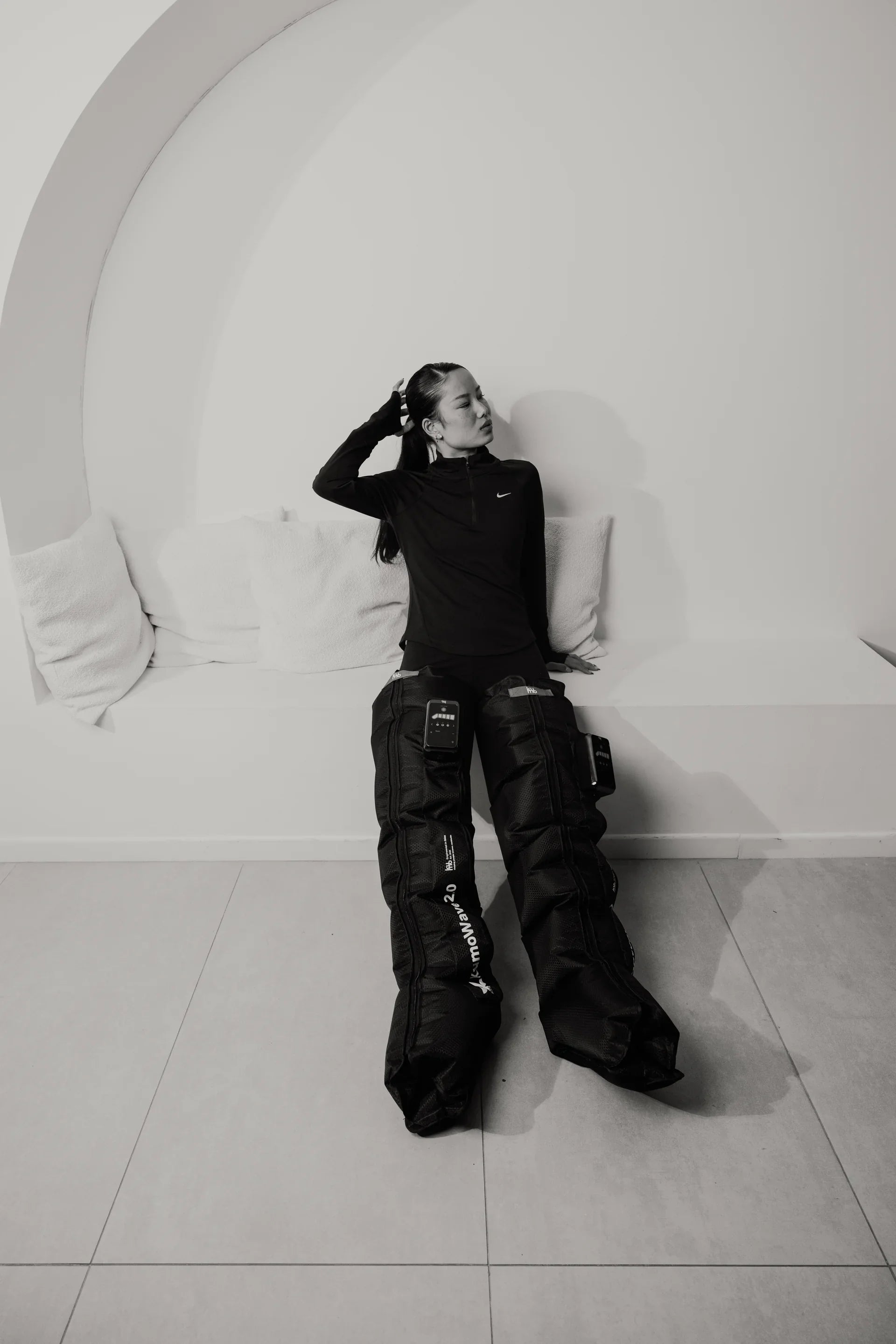
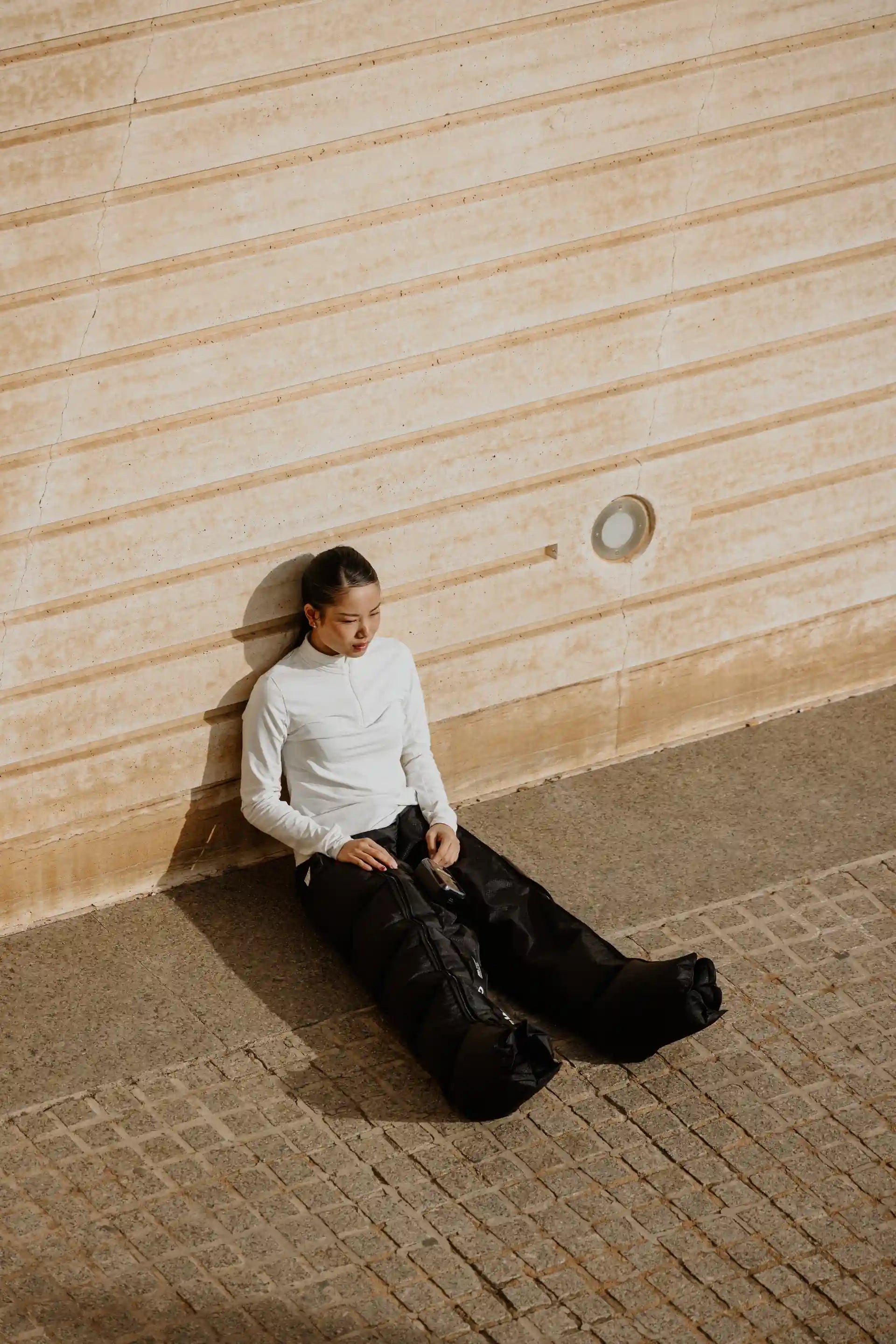
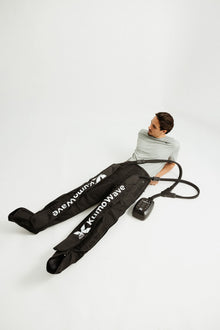
KumoWave pressotherapy boosts circulation and helps drain fluid with sequential compression, in 20-minute sessions at home.
- Boosts circulation and helps drain fluid
- Chamber-based compression, adjustable to you
- Sequential compression that mimics manual drainage
€799,00€999,00
−10% on your 1st order when you subscribe to the newsletter

What is lymphatic drainage and when does it make sense to do it?
The Cleveland Clinic's clinical guide to lymphatic drainage describes it as a gentle technique to move excess fluid into vessels and lymph nodes that are still functioning; the NCI reminds us that when lymphatic flow is disrupted, lymphedema can occur. In other words, it's not about "squeezing," but about helping the lymphatic system better move accumulated fluid.
This can be useful when you notice heavy legs, swollen ankles, a feeling of facial congestion, or mild fluid retention, but it does not replace a diagnosis if the edema is persistent, unilateral, or appears after surgery, oncological treatment, or an injury.
Personalized protocol · included with your purchase
Want us to tell you how to use it in your case?
With your purchase, our experts prepare a personalized usage protocol for your case: sport, circulation, fluid retention, pregnancy or lipedema.
Message us on WhatsAppOur experts reply · no obligation
Quick table to understand the home routine
| Area | Basic sequence | Approximate time |
|---|---|---|
| Face and neck | Breathing, collarbones, neck, and very gentle strokes from chin, mouth, and nose towards the ears and neck. (royaldevon.nhs.uk) | The consulted NHS guide proposes a routine of about 20 minutes, always without excessive pressure. (royaldevon.nhs.uk) |
| Legs | Breathing, groin area, thigh, knee, ankle, and foot, with upward and very slow movements. | A 2025 hospital guide places it at about 15 minutes; another NHS sheet estimates it at around 20 minutes. |
| Signs to stop | Pain, heat, redness, fever, infection, open wound, suspected clot, or unexplained changes. | Do not continue if these signs appear. |
Before you start: safety and contraindications
If you have doubts about whether your case is suitable for self-massage, first review the contraindications and precautions of lymphatic drainage. Mayo Clinic advises consulting before any massage when there is deep vein thrombosis, infection, wounds, unhealed fractures, recent surgery, or medical problems that require caution. The NCI also points out that in case of sudden pain with swelling, a warm area to the touch, shortness of breath, or inability to empty the bladder, urgent evaluation is needed.
- Do not perform drainage on an area with cellulitis, fever, or active infection. (hey.nhs.uk)
- Do not massage a leg or arm if you suspect a clot or if the swelling appeared suddenly and painfully.
- Do not apply it to open, irritated, or recently radiation-treated skin.
- Do not use deep pressure to "speed up" the result, because lymphatic drainage works best with gentle, rhythmic movements.
- Do not expect it to replace compression, exercise, or professional monitoring when confirmed lymphedema exists. (cancer.gov)
Lymphatic drainage at home step by step
The logic is always the same: first you "open" the exit areas near the trunk, then you move the fluid from the most congested area, and finish with gentle breathing. The consulted hospital guides agree that the movement should be slow, painless, and without leaving marks on the skin.
Basic sequence for any area
- Sit or lie in a comfortable position, relax your shoulders, and take several slow, deep breaths to prepare your body.
- Start with the drainage areas near the trunk, such as collarbones, neck, armpits, or groin, depending on the body part you are going to treat.
- Use your flat palm or fingers with minimal pressure, without dragging or rubbing the skin hard. (royaldevon.nhs.uk)
- Make slow, repeated movements in the direction of drainage, always looking for the area that "receives" the fluid, not the one that hurts the most.
- In a home routine, repeat each section several times and finish with gentle breathing to conclude the session. (royaldevon.nhs.uk)
- Stop the session if you notice pain, warm skin, redness, or general discomfort.
Facial lymphatic drainage at home
If your goal is to reduce facial or neck swelling, you can rely on the simple lymphatic drainage routine for head and neck. That NHS sheet recommends working with very gentle movements, without excessive pressure, and reminds us that the complete session usually lasts about 20 minutes. (royaldevon.nhs.uk)
on your first order when you join the newsletter
We send you the code instantly. No spam.
If you are unsure whether to choose a facial or body approach, you can compare it with when to choose facial or body drainage. The main difference is in the exit areas and the direction of movement, not in "applying more force."
Gentle facial routine step by step
- Start with slow abdominal breaths to relax the neck and prepare for the session. (royaldevon.nhs.uk)
- First work the collarbone area with minimal pressure and gentle opening movements. (royaldevon.nhs.uk)
- Slide the skin of the neck from below the ears towards the collarbones, always with a slow and constant rhythm. (royaldevon.nhs.uk)
- On the face, move from the chin towards the ears, then from the mouth area, and then from the nose level, always finishing towards the neck and armpits. (royaldevon.nhs.uk)
- If an area is painful, abnormally inflamed, or shows a new change, do not persist and seek medical evaluation. (royaldevon.nhs.uk)
For congested faces or those with a feeling of mild swelling, the gentle approach can help improve comfort and the sensation of heaviness, but it should not be sold as a miracle cure or as a substitute for a diagnosis if symptoms are persistent.
Lymphatic drainage in legs: home routine
For heavy legs or swollen ankles, the Gateshead Health guide to simple drainage for legs proposes a daily routine of about 15 minutes, with breathing, order, and very gentle movements. The West Suffolk Hospitals sheet and another NHS sheet insist that the work should be done without pain, without oils, and without insisting if you feel unwell or have an infection.
If you want a version more focused on heaviness, swelling, or leg fatigue, this lymphatic drainage routine for legs may be useful. In a well-done routine, the movement always goes towards the lymphatic exit and does not leave the skin red.
Home routine for swollen legs
- First, take slow abdominal breaths to activate the gentle pumping of the trunk. (wsh.nhs.uk)
- Apply very gentle movements in the groin area to facilitate fluid outflow before working the leg.
- Slide your hand over the thigh and knee in an upward direction, repeating the gesture several times without marking the skin.
- Continue towards the ankle, foot, and toes with light movements, and add ankle flexion and extension to accompany the drainage.
- If both legs are swollen, repeat the sequence on both sides; if only one is affected, focus on that leg and follow your professional's criteria.
- Finish with another round of gentle breathing and a light walk if comfortable. (cancer.gov)
The idea is not to "empty" the leg suddenly, but to accompany the fluid return with minimal physiological pressure. When combined with compression, movement, and consistent habits, the result is usually more realistic and stable.
Common mistakes to avoid
If you are looking for a summarized version of what not to do, you can review safe steps and common mistakes. Many routines fail due to excessive force, skipping breathing, or trying to treat an area that should be evaluated in a consultation first.
- Pressing too hard, because lymphatic drainage is not like a deep tissue massage.
- Massaging over infection, cellulitis, fever, or a very painful area.
- Using oils or creams when the guide indicates working on dry skin without unnecessary friction.
- Forgetting to breathe and perform proximal opening before going to the swollen area. (royaldevon.nhs.uk)
- Continuing even if warning signs appear, such as heat, redness, shortness of breath, or sudden swelling.
Expected benefits and realistic limits
When clinically appropriate, manual lymphatic drainage can help move fluid, reduce the sensation of swelling, and make areas like legs, ankles, hands, or face more manageable. The NCI explains that manual drainage is part of complex decongestive therapy for lymphedema, and Cleveland Clinic notes that the technique can relieve inflammation and swelling. (cancer.gov)
However, not all swellings are the same. The NCI itself differentiates between peripheral edema and lymphedema, and warns that the first step is always to identify the cause if the problem persists or worsens. Therefore, if you notice new, unilateral, painful swelling or swelling accompanied by other symptoms, home treatment should not be the only answer.
FAQ
How to perform lymphatic drainage at home step by step for swollen legs?
Start with slow abdominal breathing and a comfortable posture. Then, open the proximal area, especially the groin, and work the leg with gentle, upward movements from the thigh, knee, ankle, and foot, without causing pain or redness. The consulted NHS guides recommend a daily routine of about 15 to 20 minutes and emphasize that oils or strong pressure should not be used. If the swelling is new, very marked, or painful, medical evaluation is advisable.
Is it safe to perform lymphatic drainage at home without professional supervision?
It can be safe in mild cases and when you already know the technique, but it is not a good idea to improvise if you have a fever, cellulitis, wounds, suspected thrombosis, recent surgery, or a complex medical condition. Mayo Clinic and the NCI recommend consulting before massaging in the presence of clots, infection, or warning symptoms. Additionally, if the goal is confirmed lymphedema, the technique is usually part of a broader plan with compression, exercise, and skin care.
What are the benefits of facial lymphatic drainage at home and how to do it?
On the face, the main utility is usually to reduce the feeling of heaviness or mild swelling and improve comfort. The NHS guide for head and neck indicates very gentle movements from the collarbones and neck towards the face and then towards the drainage pathways. Cleveland Clinic adds that facial drainage can help reduce swelling and improve local circulation. The key is not to press too hard, not to work on pain, or on inflamed skin. (royaldevon.nhs.uk)
What movements or techniques should be avoided in lymphatic drainage at home?
Deep pressure, rapid kneading movements, working on intense pain, and any maneuver on an area with infection, cellulitis, fever, wounds, or suspected clot should be avoided. It is also advisable not to skip breathing or start directly on the most swollen part without having first opened the nearby exit areas. NHS and Mayo Clinic guides insist that drainage should be gentle, without marks on the skin, and without forcing.
How long does it take to see fluid retention reduced with lymphatic drainage at home?
There is no single timeframe. Some people notice lightness the same day, but visible change depends on the cause of the swelling, consistency, and whether it is combined with compression, movement, and professional monitoring when needed. Cleveland Clinic indicates that results are not always immediate and that if there is no improvement after several sessions, the approach should be re-evaluated. Therefore, rather than looking for a "magic timeframe," it is important to assess whether heaviness decreases and whether swelling remains controlled over time.
What now?
If you want to turn this routine into a useful and safe habit, go back to the Kumo Balance home page and continue exploring resources such as the basic guide to lymphatic drainage at home or the page on contraindications and precautions to adapt the technique to your case. If your legs are the main problem, you can also rely on the routine focused on heavy legs to organize more specific sessions.
KumoWave pressotherapy
Choose your at-home pressotherapy
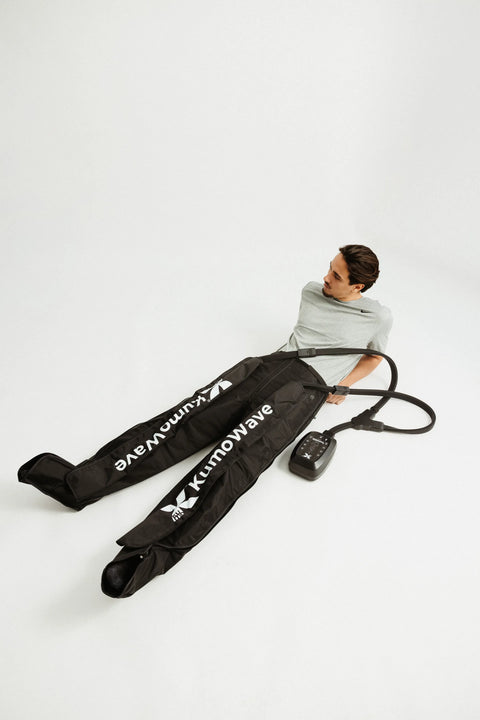
KumoWave Elite – Pressotherapy Pants
Full-coverage trousers. Ideal for lipedema, fluid retention and intensive use.
€799,00 €999,00
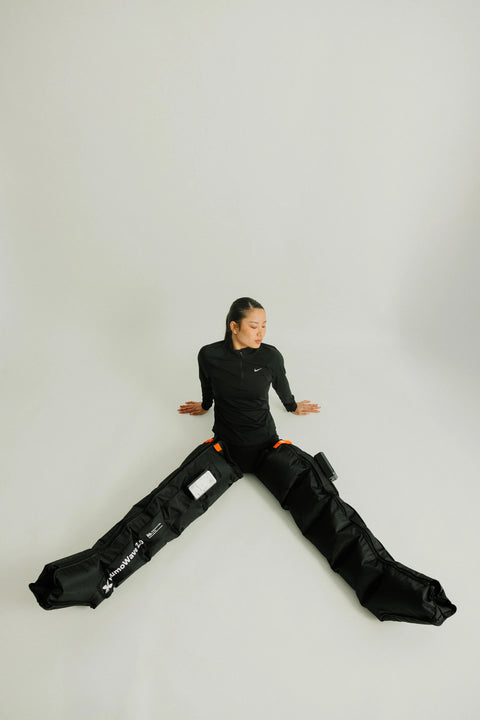
KumoWave 2.0 - Wireless Pressotherapy
Wireless, lightweight boots. Perfect for daily use and recovery.
€499,00 €599,00