
Heavy legs do have a solution. When venous and lymphatic return slows down, lymphatic drainage can help reduce swelling and tightness.
It doesn't work the same in all cases: varicose veins, chronic venous insufficiency, pregnancy, or lymphedema are not addressed in the same way, and the key is usually to combine it with movement, leg elevation, and, when appropriate, compression.
Pressotherapy at home
End the day with light legs
★★★★★ 4,8/5 · rated by verified customers
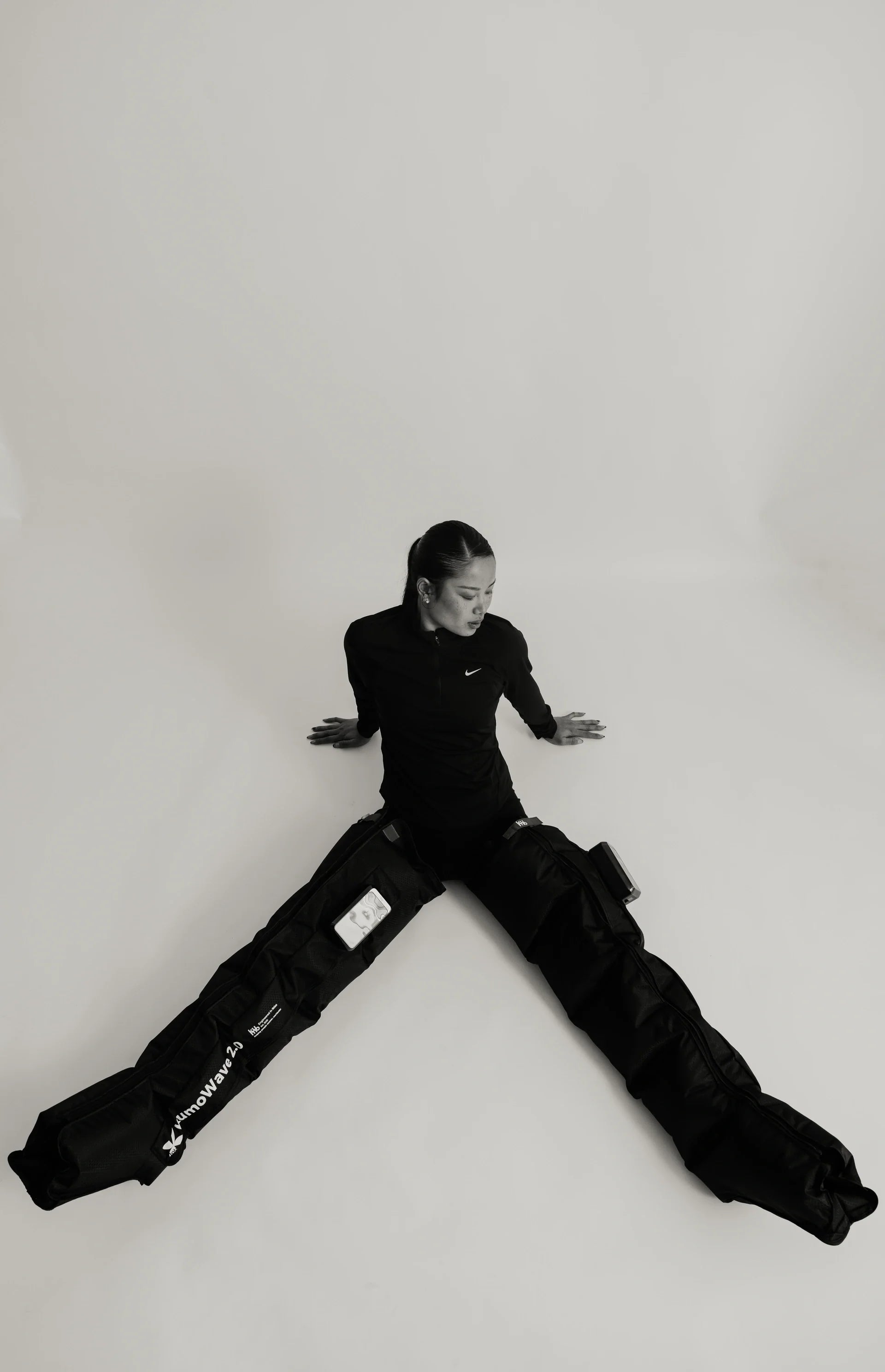
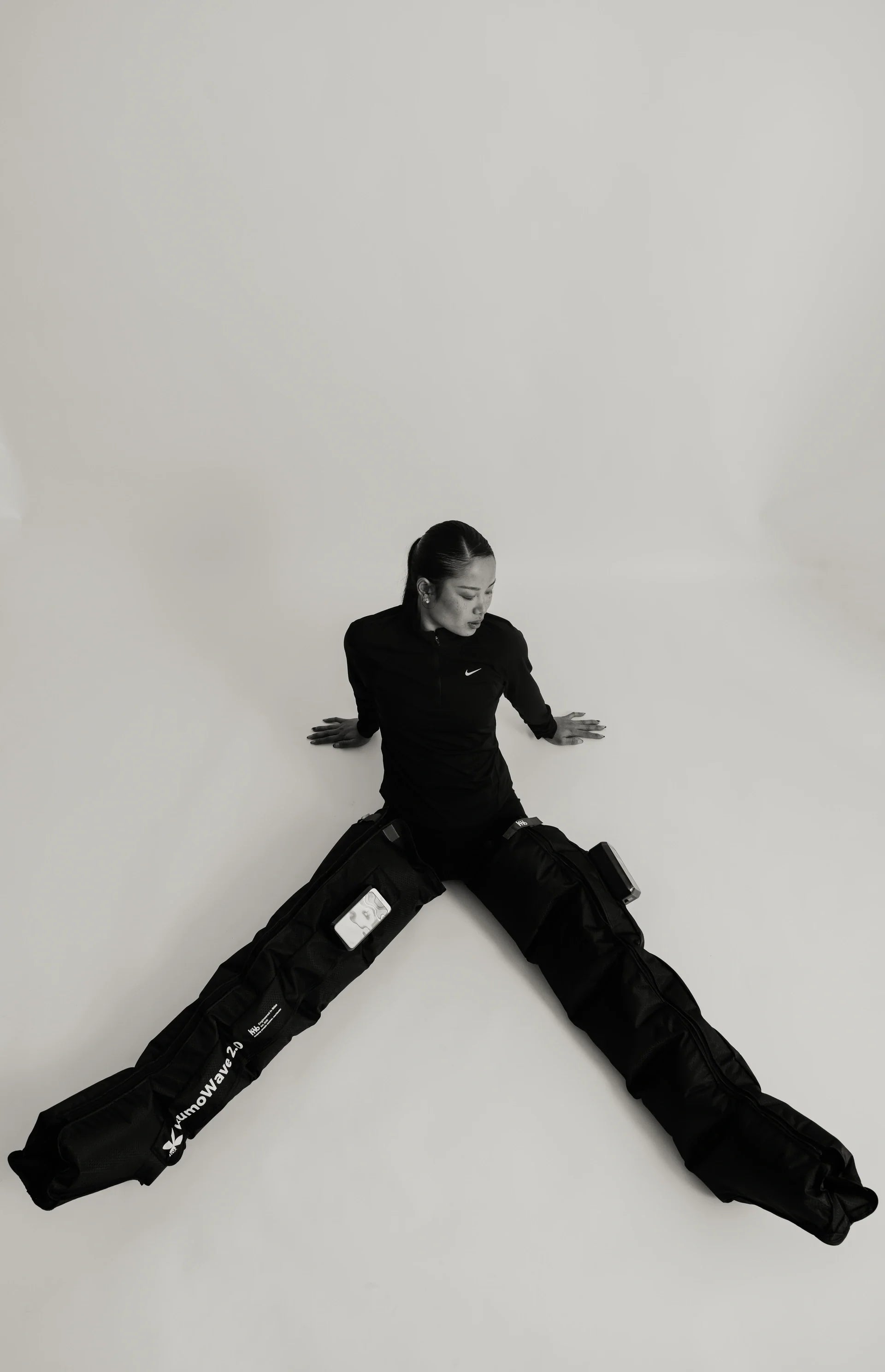
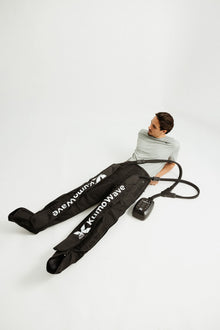
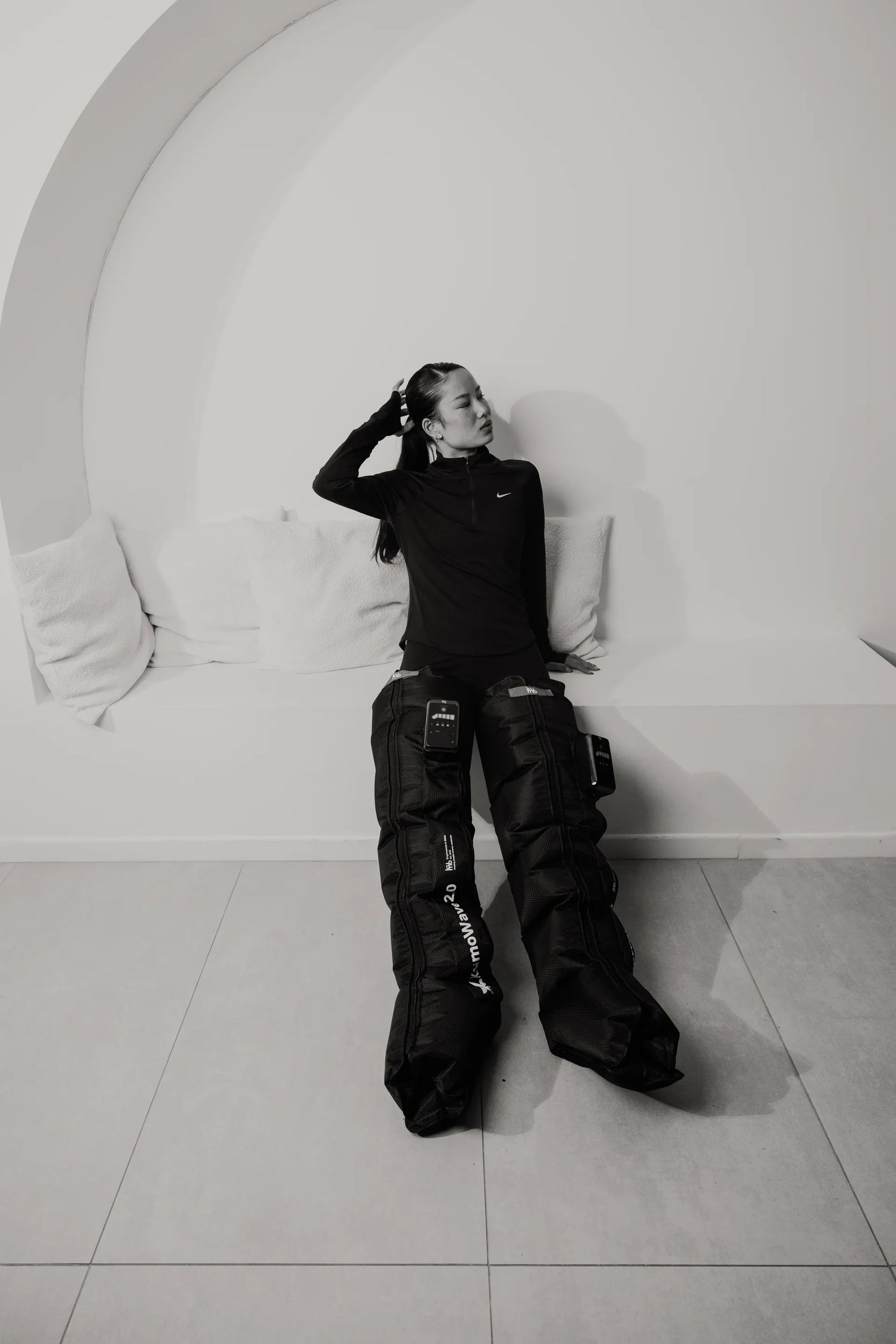
KumoWave pressotherapy boosts circulation and helps drain fluid with sequential compression, in 20-minute sessions at home.
- Boosts circulation and helps drain fluid
- Chamber-based compression, adjustable to you
- Sequential compression that mimics manual drainage
€799,00€999,00
−10% on your 1st order when you subscribe to the newsletter

Why legs feel heavy
In chronic venous insufficiency, the valves in the leg veins fail and blood accumulates, which increases venous pressure and can lead to swelling, pain, skin changes, and a sensation of heaviness. Mayo Clinic adds that prolonged standing or sitting, excess weight, and lack of activity also contribute to this condition. Mayo Clinic's explanation of chronic venous insufficiency
During pregnancy, swelling in the ankles and legs is common and usually worsens at the end of the day; the NHS indicates that gradual swelling is normally not dangerous, but a sudden increase does warrant attention. Varicose veins are also common during gestation and can be relieved with simple measures such as elevating the legs, walking, and using compression if recommended. NHS recommendations for swelling in pregnancy
Personalized protocol · included with your purchase
Want us to tell you how to use it in your case?
With your purchase, our experts prepare a personalized usage protocol for your case: sport, circulation, fluid retention, pregnancy or lipedema.
Message us on WhatsAppOur experts reply · no obligation
How lymphatic drainage can help
Manual lymphatic drainage is a gentle technique that uses light maneuvers to move excess fluid to areas where the lymphatic system can reabsorb it. Cleveland Clinic primarily describes it for lymphedema, although it also mentions it as support for chronic venous insufficiency and other conditions with edema. Cleveland Clinic's guide to lymphatic drainage
In practical terms, the goal is not to miraculously "empty" a leg, but to reduce fluid accumulation, relieve tightness, and facilitate circulation. MedlinePlus summarizes lymphedema management with exercise, compression, skin care, and massage. MedlinePlus fact sheet on lymphedema
If you want to understand it better, lymphatic drainage: what it is, benefits, and when to do it helps distinguish when this technique fits as support and when other measures should be prioritized.
on your first order when you join the newsletter
We send you the code instantly. No spam.
Practical summary of approaches
What each contributes
| Approach | What it does | When it usually fits |
|---|---|---|
| Manual lymphatic drainage | Uses very gentle pressure to mobilize fluid and relieve tension; usually works best as part of a broader plan. | When there is edema, a sensation of congestion, or lymphedema, as long as there are no warning signs. |
| Pressotherapy | Based on sleeves or boots that inflate in cycles to promote the return of blood and fluids. | When mechanical support is sought for heavy legs, fluid retention, or recovery. |
| Elastic compression | Helps prevent fluid accumulation and improve flow in the lower leg. (nhsinform.scot) | Very useful in venous insufficiency, varicose veins, edema, and management of heaviness. |
| Movement and elevation | Walking, ankle movements, and leg elevation activate the calf muscle pump. | As a daily basis to reduce venous pressure and edema. |
If you want to combine the manual approach with the mechanical one, how manual drainage and pressotherapy complement each other will help you understand why many plans use both as support and not as competitors. In this sense, pressotherapy is similar to the intermittent pneumatic compression described by Mayo Clinic: a sleeve that compresses in cycles and aids fluid return.
How to integrate it at home safely
If you prefer a home routine, the key is gentleness. Cleveland Clinic recommends light pressure and suggests consulting before practicing drainage on your own, especially if there is lymphedema or another underlying condition. a step-by-step guide to doing it at home
- Walk or perform small ankle movements several times a day to activate circulation.
- Elevate your legs when resting; Mayo Clinic even suggests doing so for periods of about 30 minutes, several times a day, if possible.
- Avoid spending long periods standing or sitting without changing position, as this promotes fluid accumulation.
- Use compression stockings or garments if a professional recommends them, as they help improve flow and reduce swelling.
And if you're wondering how long it takes to notice changes, keep in mind that results are not always immediate. Cleveland Clinic explains that several sessions may be necessary and that if you don't notice improvement, it's worth reviewing the strategy. frequency, duration, and results of lymphatic drainage
When to consult
It's advisable to stop and seek evaluation if the swelling is sudden, mainly affects only one leg, is accompanied by redness, warmth, significant pain, or shortness of breath. These signs may suggest deep vein thrombosis or an emergency related to pregnancy. (hey.nhs.uk)
- One leg swells suddenly or changes color.
- There is pain, local warmth, or redness.
- Shortness of breath, chest tightness, or general discomfort appears.
Before starting on your own, also review the most important contraindications and precautions: Cleveland Clinic advises against lymphatic drainage in cases of blood clots, infection, fever, heart failure, kidney failure, or cellulitis.
FAQ
Is lymphatic drainage in the legs effective for heaviness caused by chronic venous insufficiency?
Yes, it can help as support, but it should not be the only measure. In chronic venous insufficiency, the best sustainable results usually come from combining drainage, compression, exercise, and leg elevation. Mayo Clinic notes that slow venous return can cause swelling and a sensation of heaviness, and Cleveland Clinic indicates that drainage can be useful in CVI, although it does not replace the rest of the plan.
How many lymphatic drainage sessions are recommended to reduce swelling and heaviness in the legs?
There is no universal number. The answer depends on the cause, how much edema there is, and whether it is combined with other measures. Cleveland Clinic explains that some people do not notice immediate changes and that if several sessions do not bring improvement, it is worth rethinking the approach. In practice, the protocol is usually individualized and adjusted according to the evolution of symptoms and the professional's recommendation.
Is lymphatic drainage safe during pregnancy to relieve leg heaviness?
Pregnancy often causes swelling in the legs and ankles, and the NHS recommends measures such as resting with elevated legs, walking, and using compression if indicated. Lymphatic drainage can be considered, but it should not be improvised, as swelling can also indicate preeclampsia or thrombosis if it appears suddenly or with pain, redness, or shortness of breath. It is prudent to speak with your midwife or doctor first.
What are the differences between manual lymphatic drainage and pressotherapy to relieve leg heaviness?
Manual drainage uses hands and very gentle pressure to move fluid in a targeted way, while pressotherapy uses boots or sleeves that inflate in cycles to promote fluid return. Cleveland Clinic describes the former as a useful technique in lymphedema and CVI, and Mayo Clinic explains intermittent pneumatic compression as a mechanical system that aids blood and fluid return. Therefore, they are often seen as complementary.
What now?
If you want to start with a simple routine and maintain it at home, you can return to Kumo Balance's recovery proposal and delve deeper with a specific approach for heavy legs. If the heaviness becomes persistent, skin changes appear, or it does not improve with compression and elevation, it is advisable to seek professional evaluation.
KumoWave pressotherapy
Choose your at-home pressotherapy
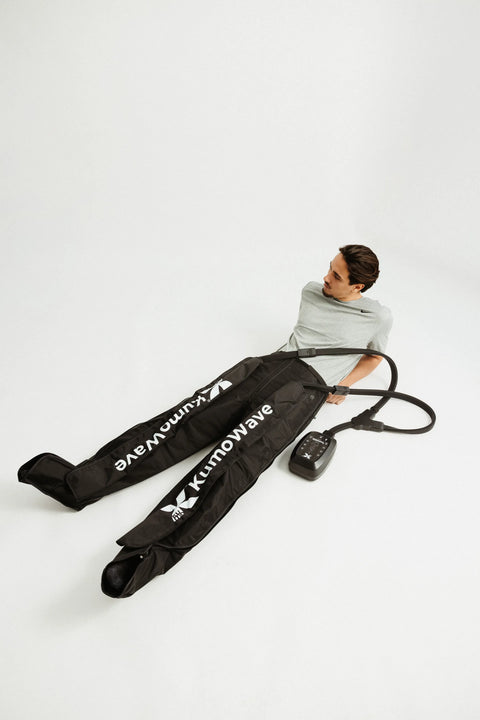
KumoWave Elite – Pressotherapy Pants
Full-coverage trousers. Ideal for lipedema, fluid retention and intensive use.
€799,00 €999,00
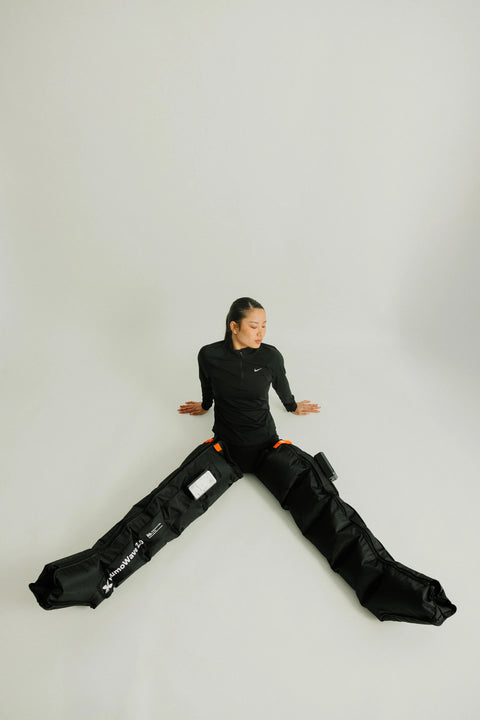
KumoWave 2.0 - Wireless Pressotherapy
Wireless, lightweight boots. Perfect for daily use and recovery.
€499,00 €599,00