
Facial lymphatic drainage does have a method. When performed with light pressure and in the correct direction, it can help move retained fluid, reduce swelling, and give the face a feeling of lightness.
The key is not to confuse it with a deep massage: the lymphatic system returns excess fluid and proteins to circulation, and effective maneuvers are superficial, slow, and orderly. This is why its usefulness is usually clearer when there is real edema or post-surgical recovery than when a “miraculous” aesthetic change is promised. (ncbi.nlm.nih.gov)
Pressotherapy at home
End the day with light legs
★★★★★ 4,8/5 · rated by verified customers
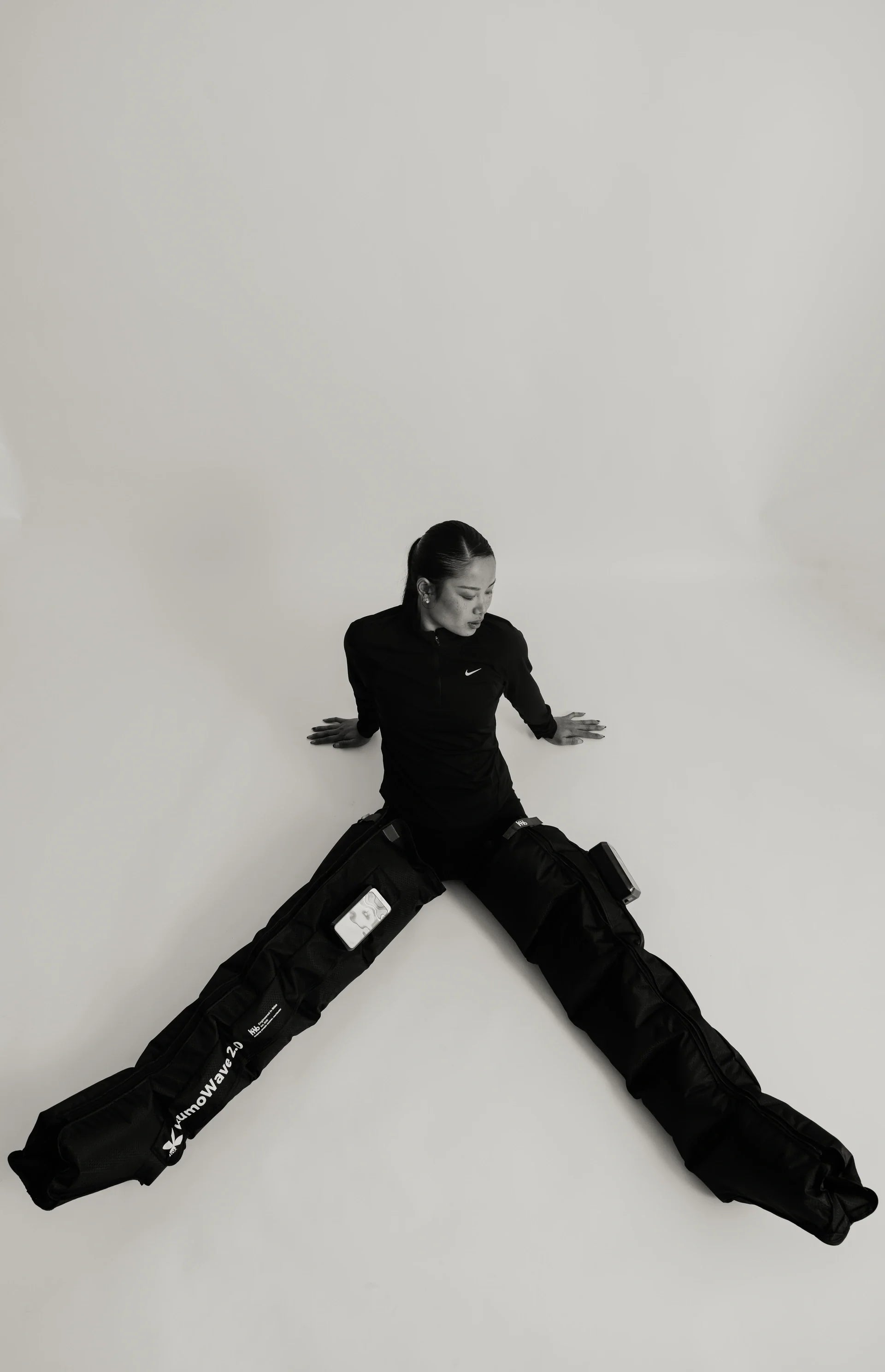
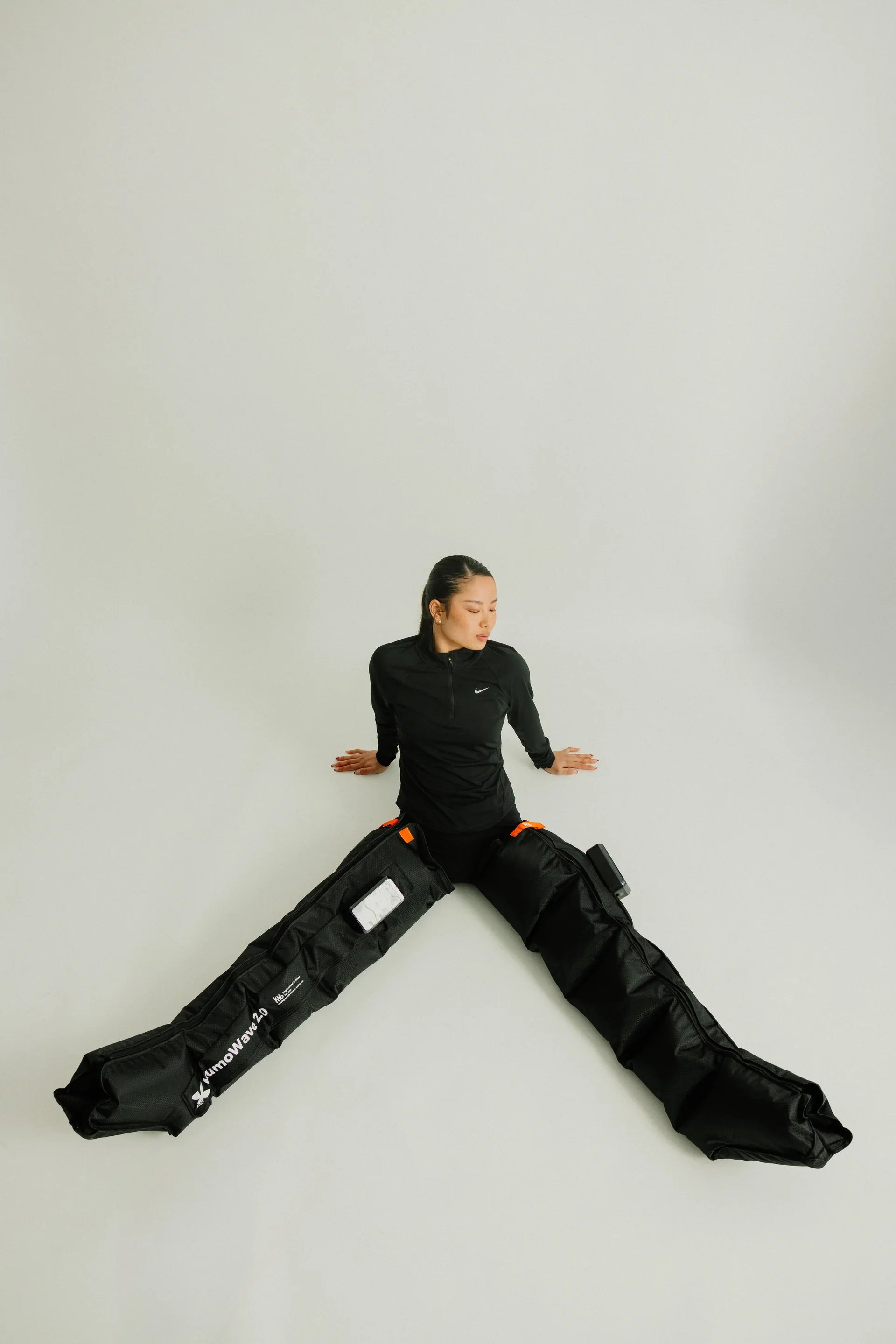
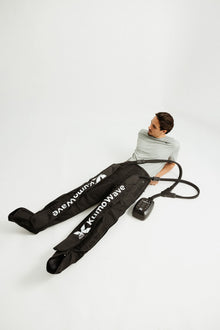
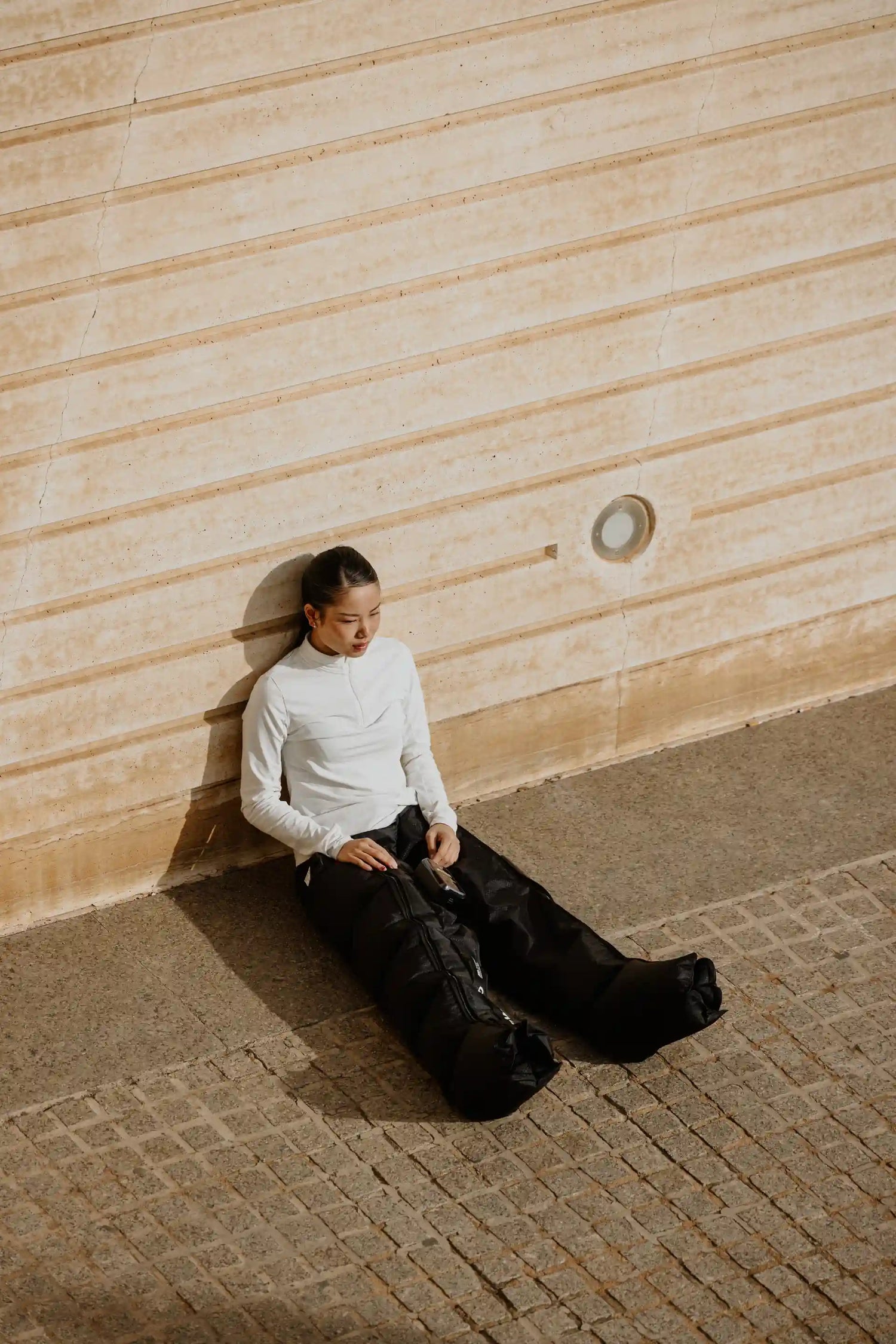
KumoWave pressotherapy boosts circulation and helps drain fluid with sequential compression, in 20-minute sessions at home.
- Boosts circulation and helps drain fluid
- Chamber-based compression, adjustable to you
- Sequential compression that mimics manual drainage
€799,00€999,00
−10% on your 1st order when you subscribe to the newsletter

What is facial lymphatic drainage
If you need a broad overview of the technique, the guide on what it is, what benefits it provides, and when to do it fits very well as a general framework.
As the Cleveland Clinic guide on lymphatic drainage massage explains, the technique uses light pressure and strategic maneuvers to promote lymph movement; it does not involve squeezing the skin or kneading the tissue. The lymphatic system also participates in fluid balance and immune defense, so when the facial area becomes congested, swelling can become very visible.
Personalized protocol · included with your purchase
Want us to tell you how to use it in your case?
With your purchase, our experts prepare a personalized usage protocol for your case: sport, circulation, fluid retention, pregnancy or lipedema.
Message us on WhatsAppOur experts reply · no obligation
How the method works
A practical guide from NHS Gateshead on simple lymphatic drainage describes a very slow routine, about 20 minutes long, involving breathing, neck, and clavicles before working on the congested area. It also emphasizes not pressing too hard and avoiding the technique if active cellulitis is present.
Basic sequence of a facial session
- Start with slow breathing and relaxation of the shoulders and jaw to prepare the body.
- Activate the neck and clavicle area with very gentle movements, as many of the exit pathways "open" there.
- Work the face with superficial, slow strokes, always without dragging or pressing the skin.
- Finish by returning to the neck and calm breathing to close the session in an orderly manner and without irritating the area.
Practical summary of the method
| Phase | What is done | What it seeks | Expected sensation |
|---|---|---|---|
| Opening | Breathing and neck. | Prepare the lymph for drainage before working on the face. | Gentle relaxation, without pain or redness. |
| Face | Superficial and slow strokes. | Move retained fluid with minimal pressure. | Lightness, less tension, and delicate touch. |
| Closing | Return to neck and final breathing. | Complete the sequence without overloading the skin. | Calm and a progressive "deflated" feeling. |
Real benefits of facial lymphatic drainage
The most consistent benefit is the effect on swelling when fluid is retained. If your face feels heavy in the morning, if there is edema after a procedure, or if you notice the periorbital area feels heavier, drainage can help fluid move better. To understand why this matters, you can also read how facial drainage reduces swelling and dark circles.
Clinical evidence is stronger in medical contexts than for purely aesthetic goals. In a randomized controlled trial in orthognathic surgery, 30 patients received manual drainage from the second postoperative day, and the treated group showed faster and greater regression of facial edema than the placebo group, although it did not clearly change perceived pain. In another small study on head and neck edema after orofacial tumor surgery, 11 patients completed 10 sessions, and a significant remission was observed at 6 weeks, with sustained improvement in 8 of them at 12±3 weeks.
on your first order when you join the newsletter
We send you the code instantly. No spam.
- It can reduce the sensation of a heavy face when the main problem is fluid retention.
- It can help in post-surgical recovery, always within professional guidelines.
- It can improve the appearance of under-eye bags if these are due to swelling, not pigmentation. (mayoclinic.org)
- It can provide an immediate feeling of lightness and facial relaxation.
Overall, these data suggest that facial drainage works best when there is real edema and a specific cause, rather than when a uniform change in wrinkles, pigmentation, or contour structure is expected. This difference is important to avoid attributing results that do not correspond to it.
How it differs from body drainage
Facial and body drainage share the logic of working with lymph using gentle maneuvers, but they are not applied in the same way: the face requires shorter paths, less pressure, and a different interpretation of the exit areas. The classic approach popularized by Emil Vodder is based on gentle circular movements and orderly sequences; therefore, it may be useful to read the article on the original Vodder method and on the differences between facial and body drainage. (pmc.ncbi.nlm.nih.gov)
In other words, it's not about "doing the same thing higher up," but about respecting the anatomy of the face and the sensitivity of the skin. That's one of the reasons why the correct technique matters as much as consistency.
When to avoid it and what precautions to take
If you want to delve deeper into cases where it's best to stop, the summary of contraindications and precautions will serve as a quick reference.
The general recommendation is clear: lymphatic drainage should not be performed as a matter of course in every situation. Cleveland Clinic indicates that it should be avoided with blood clots, deep vein thrombosis, fever, infection, cellulitis, heart disease, kidney failure, or stroke; furthermore, it should not be applied directly to radiation-damaged tissue or areas with active pathology.
- Do not do it if you have an active infection, fever, or cellulitis.
- Avoid it if you have thrombosis, blood clots, or significant cardiovascular disease without medical authorization.
- With rosacea or very reactive skin, use minimal friction and prioritize a gentle dermatological routine.
- If you have a history of lymphedema or a complex medical problem, only do it with professional guidance. (nhs.uk)
The American Academy of Dermatology reminds us that rosacea can worsen with triggers such as heat, certain products, or friction, and recommends very gentle skin care. This idea fits well with facial drainage: if the technique irritates, it is not well adjusted to your case.
Frequently asked questions
Does facial lymphatic drainage reduce under-eye bags and dark circles, or only facial swelling?
Yes, it can help, but especially when under-eye bags have a component of retained fluid or mild edema. Mayo Clinic explains that dark circles and the infraorbital area can be due to fatigue, genetics, dermatitis, dehydration, age, or even shadows created by swollen eyelids and contour depressions. Therefore, drainage improves "heaviness" or swelling more than pigmented dark circles or structural bags. If the cause is prolapsed fat, very thin skin, or pigmentation, you will need a different strategy.
Is it safe to practice facial lymphatic drainage if I have sensitive skin, rosacea, or a history of lymphedema?
It can be safe if the pressure is very light and the skin tolerates it, but caution is necessary. Cleveland Clinic and the AAD emphasize avoiding friction, active infection, and situations that could worsen inflammation. If you have rosacea, the ideal is for the routine to be extremely gentle and to monitor triggers. And if there is a history of lymphedema, drainage should be adapted to your case by a professional, as not all inflammations are treated the same way.
How long does it take to notice the effect of facial lymphatic drainage?
It depends a lot on the cause. Some people notice their face feeling lighter at the end of the session, especially when fluid retention is mild. But in clinical studies on post-surgical edema, objective improvement is measured in days or weeks, not minutes. In orthognathic surgery, for example, manual drainage accelerated the regression of facial edema, and in the orofacial tumor study, significant improvement appeared after several weeks of sessions. Therefore, it is advisable to think about consistency, not an instant universal effect.
Can I do facial lymphatic drainage correctly at home?
Yes, if you understand it as a gentle routine and not a strong massage. Guides on simple lymphatic drainage recommend breathing, preparing the neck and clavicles, and performing slow, delicate movements for about 15 to 20 minutes. Still, learning the sequence with a physiotherapist or lymphatic therapist is the best way to adapt it to your skin and your goal. If pain, increased redness, or a worsening sensation appears, you should stop and review the technique.
What now?
If you want to delve deeper, start with the general guide on what it is, its benefits and indications, review the contraindications and precautions, and return to Kumo Balance when you want to integrate facial recovery into a simple and realistic routine.
KumoWave pressotherapy
Choose your at-home pressotherapy
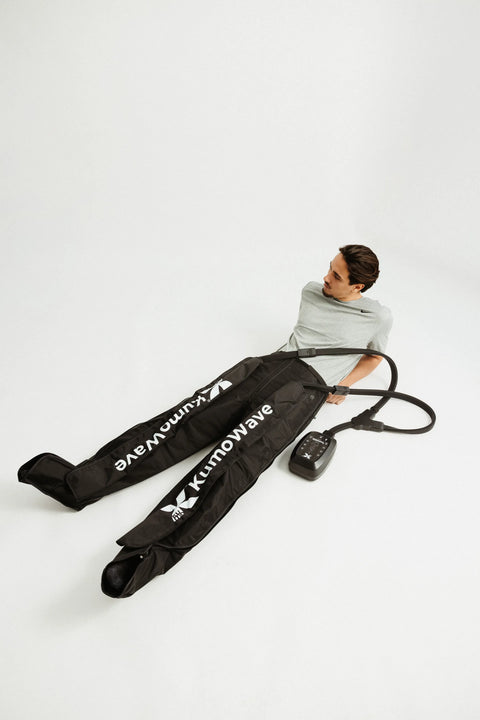
KumoWave Elite – Pressotherapy Pants
Full-coverage trousers. Ideal for lipedema, fluid retention and intensive use.
€799,00 €999,00
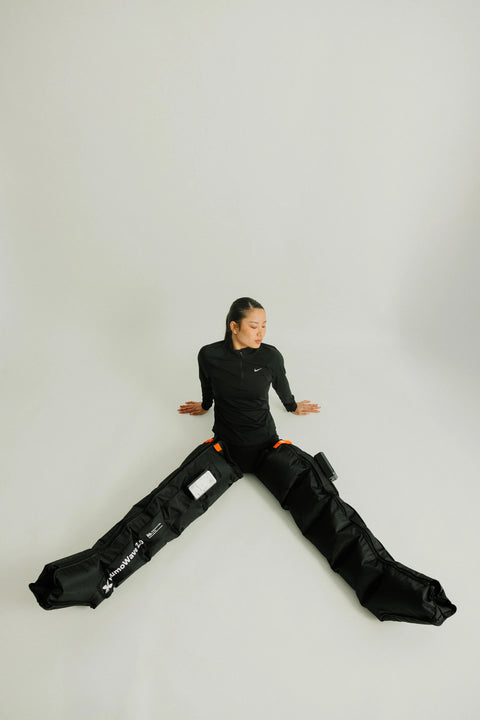
KumoWave 2.0 - Wireless Pressotherapy
Wireless, lightweight boots. Perfect for daily use and recovery.
€499,00 €599,00