
Manual lymphatic drainage is gentle and precise. It is a technique of light, rhythmic maneuvers that helps move lymphatic fluid when there is edema or lymphedema, and it is usually part of a broader approach rather than functioning as an isolated solution.
In practice, its value lies in accompanying specific problems such as persistent swelling, heaviness, or recovery after certain treatments; therefore, before considering "doing it for aesthetics," it is advisable to understand the technique, its steps, and its limits well.
Pressotherapy at home
End the day with light legs
★★★★★ 4,8/5 · rated by verified customers
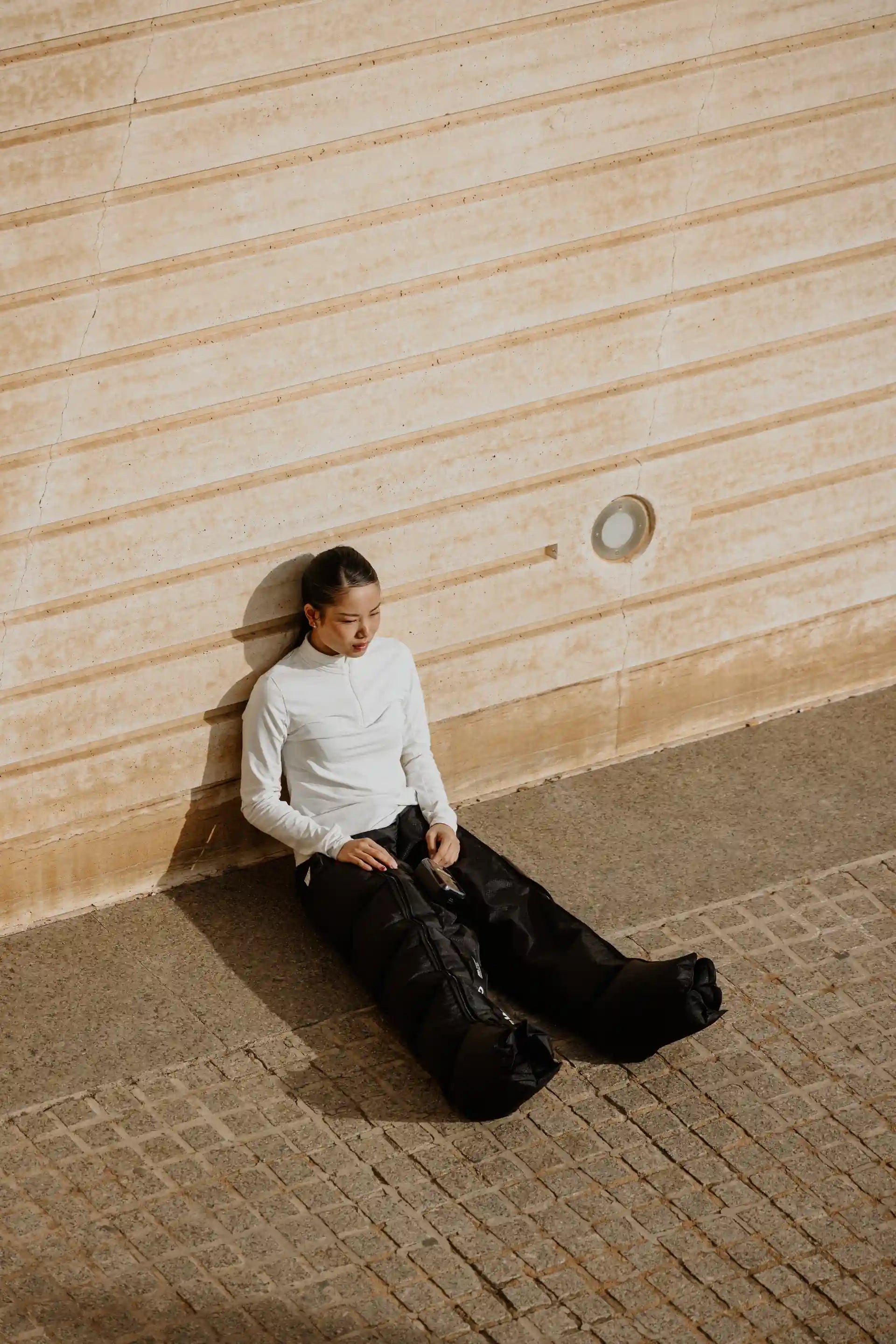
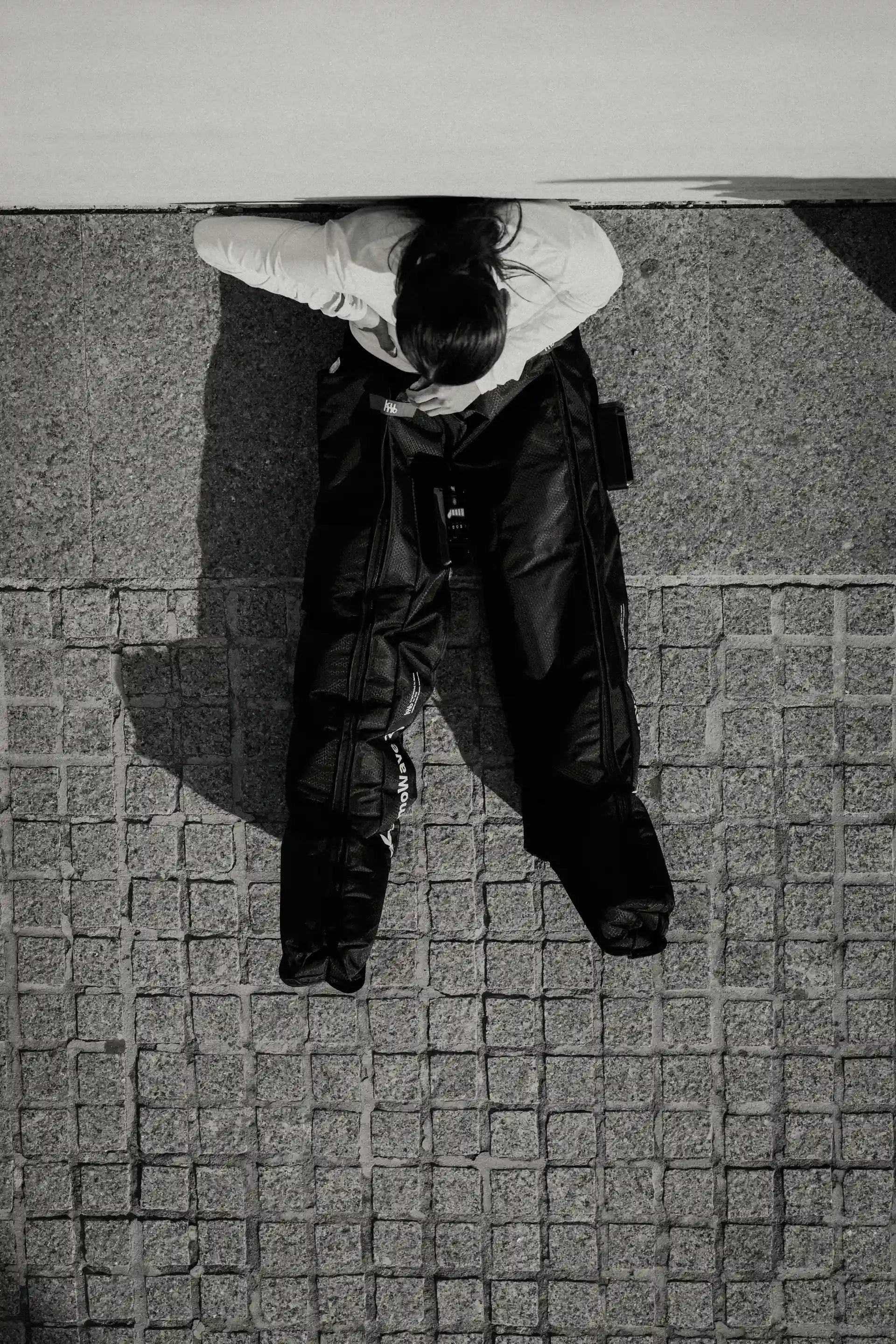
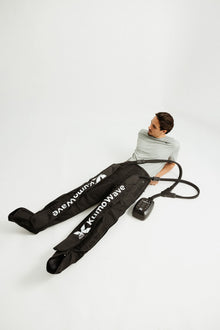
KumoWave pressotherapy boosts circulation and helps drain fluid with sequential compression, in 20-minute sessions at home.
- Boosts circulation and helps drain fluid
- Chamber-based compression, adjustable to you
- Sequential compression that mimics manual drainage
€799,00€999,00
−10% on your 1st order when you subscribe to the newsletter

If you want a broader view of when it makes sense and when it doesn't, the complete 2025 practical guide to manual lymphatic drainage complements this approach very well.
What is manual lymphatic drainage?
According to the National Cancer Institute, manual lymphatic drainage is a gentle massage that helps move lymph fluid through the body and, in many cases, is integrated into complete decongestive therapy along with bandaging, exercise, and skin care.
Personalized protocol · included with your purchase
Want us to tell you how to use it in your case?
With your purchase, our experts prepare a personalized usage protocol for your case: sport, circulation, fluid retention, pregnancy or lipedema.
Message us on WhatsAppOur experts reply · no obligation
It is not a deep tissue or muscle release massage: the logic is to direct the skin and superficial tissues with minimal pressure to promote existing or compensatory drainage pathways. The Oncology Nursing Society guide defines it as a sequence of rhythmic, light touches, and warns that strong work can worsen edema.
How the technique works
The central idea is very simple: first, the "exit zones" are prepared, and then the fluid is guided from congested areas towards territories that drain better. The Cleveland Clinic clinical explanation summarizes this order: neck, armpits, or groin are usually activated before working on the affected area.
Basic principles of the technique
| Principle | What it means in practice | Technical key |
|---|---|---|
| Gentle pressure | Work on the skin, not the muscle. | Strong friction does not provide more drainage and can irritate tissues. |
| Ordered sequence | First, proximal areas are activated, then the congested area. | Neck, armpits, or groin are usually opened before moving on. |
| Slow and repetitive movement | Gently stretch the skin, release, and repeat. | Several home protocols repeat each maneuver 10 times. (sanfordhealth.org) |
| No pain | The sensation should be comfortable and superficial. | If it hurts or the skin turns red, the pressure is excessive. |
This logic also appears in hospital self-help protocols: open hand, relaxed fingers, gentle skin stretching, a small pause, and release before repeating. If this pattern is respected, the session is much more useful than a more aggressive massage.
on your first order when you join the newsletter
We send you the code instantly. No spam.
Basic step-by-step sequence
- Start by assessing whether there is clear, recent, or asymmetric swelling, as manual drainage should not be improvised on undiagnosed edema.
- First, activate the exit zones, such as the neck, armpits, or groin, to create drainage space before treating the congested area.
- Place your open hand or flat fingers on the skin and perform a very gentle stretch in the desired direction, without strong friction.
- Maintain the pressure for a few seconds and then release completely so that the skin returns to its relaxed state.
- Repeat the maneuver several times in the same area before moving to the next section, especially when following a guided home routine.
- Finish by observing the body's response: less tension, more lightness, or a sense of relief; if pain, unusual fatigue, or nausea appears, stop.
If you are looking for a home version oriented to legs, arms or face, the step-by-step home version develops safe variants and recalls the same idea: little pressure, ordered sequence and zero pain.
Real benefits and in which cases it makes the most sense
Manual lymphatic drainage usually makes the most sense when there is edema or lymphedema, for example after oncological treatments, in chronic venous insufficiency, lipedema, injuries, or certain inflammatory conditions. Cleveland Clinic and the NCI place it mainly in this clinical domain.
- It can help reduce swelling and the feeling of heaviness because it promotes the return of lymph to areas that drain well.
- It is part of more comprehensive strategies for lymphedema, along with compression, exercise, and skin care.
- Its usefulness is clearer as support within an integral plan than as an isolated technique. A 2021 systematic review found positive results in some studies, but also an absence of additional benefit in other contexts. (pubmed.ncbi.nlm.nih.gov)
- When there is no real edema, the results are usually much more discreet, so it is advisable to adjust expectations.
If you are interested in expanding the map of options, how to combine lymphatic drainage and pressotherapy offers complementary reading.
Precautions and contraindications
Although it is usually a safe technique when indicated and applied by a trained professional, it should not be improvised if there is fever, active infection, deep vein thrombosis, cellulitis, relevant heart disease, kidney failure, or significant skin lesions. Cleveland Clinic also recommends avoiding direct work on cancerous tissue or skin damaged by radiation therapy.
Furthermore, the pressure should not be painful or leave the area red. The educational material from the Ohio State University Wexner Medical Center emphasizes using the flat surface of the fingers, not the fingertips, and maintaining very gentle friction.
- Stop the session if you notice pain, dizziness, unusual fatigue, or persistent nausea.
- Consult first if you have an oncological diagnosis, new edema, or swelling that changes rapidly.
- Do not use the technique as a substitute for a medical plan when confirmed lymphedema exists.
Vodder and other techniques: what really changes?
The best-known schools are Vodder, Földi, Leduc, and Casley-Smith; they share the central idea of mobilizing the skin with gentle pressure, but they differ in the sequence, some types of maneuvers, and how the protocol is taught. Technical descriptions in various works and reviews agree that there is no single universally dominant version for all cases. (pmc.ncbi.nlm.nih.gov)
A comparative study published in 2022 on cellulitis after thigh liposuction found improvement in both groups, but no significant difference between Vodder and Casley-Smith. This does not mean that all techniques are identical; it does suggest that training, indication, and consistency weigh much more than the name of the school itself. (pubmed.ncbi.nlm.nih.gov)
- Vodder is often associated with very ordered sequences and extremely gentle manual work.
- Földi and Leduc adjust the sequence and clinical approach, especially when there is persistent edema.
- Casley-Smith appears in several comparative studies and shares the basis of superficial and directional work.
- In practice, the correct choice depends more on the clinical objective, the area to be treated, and the therapist's training than on the name of the technique.
FAQ
Does manual lymphatic drainage hurt or is it painful?
It should not hurt. Manual lymphatic drainage is performed with very light pressure, almost always superficial, and the correct sensation is a gentle stretching of the skin, not muscle kneading. If pain appears, it is a sign that the intensity is excessive or that the technique is not being applied correctly. Clinical guidelines for oncology nursing and hospital education specifically emphasize avoiding redness and strong friction.
What benefits does manual lymphatic drainage have for fluid retention?
It can help when that "retention" is actually edema or lymphedema, because it facilitates the return of fluid to areas that drain better. This can translate into less swelling, less heaviness, and more comfort. However, it is not a universal shortcut for everyone with a feeling of "being swollen": the evidence is stronger in specific clinical contexts and as part of a complete plan with compression, exercise, and skin care.
What is manual lymphatic drainage and what exactly is it for?
It is a manual technique that uses rhythmic and very gentle maneuvers to move lymph and decompress areas with fluid accumulation. The NCI describes it as part of lymphedema management, and the Oncology Nursing Society integrates it into complete decongestive therapy. In summary, it is primarily used to treat or accompany edema problems, not to replace a diagnosis or medical treatment when there is an underlying cause.
What are the differences between the Vodder technique and other manual lymphatic drainage techniques?
Vodder, Földi, Leduc, and Casley-Smith share the same basis: very gentle pressure, superficial work, and directional sequence. What changes is the training school, some specific gestures, and the order of certain maneuvers. In comparative studies, a clear superiority of one technique over another does not always appear; therefore, the quality of the indication and the therapist's expertise usually matter more than the method's label.
Can manual lymphatic drainage be done at home?
Yes, but only in some cases and with clear instructions. Cleveland Clinic points out that it can be done at home if the professional explains how to do it well and if the clinical situation allows it. Home protocols from hospitals like Sanford Health and Ohio State repeat the same logic: minimal pressure, ordered sequence, gentle repetition, and no pain. If the swelling is new, unilateral, or suspicious, the correct thing to do is to seek evaluation before starting.
What now?
If you want to continue with a clear foundation, start with the key indications page, continue with the guide for doing it at home, and return to Kumo Balance to continue exploring the blog content.
KumoWave pressotherapy
Choose your at-home pressotherapy
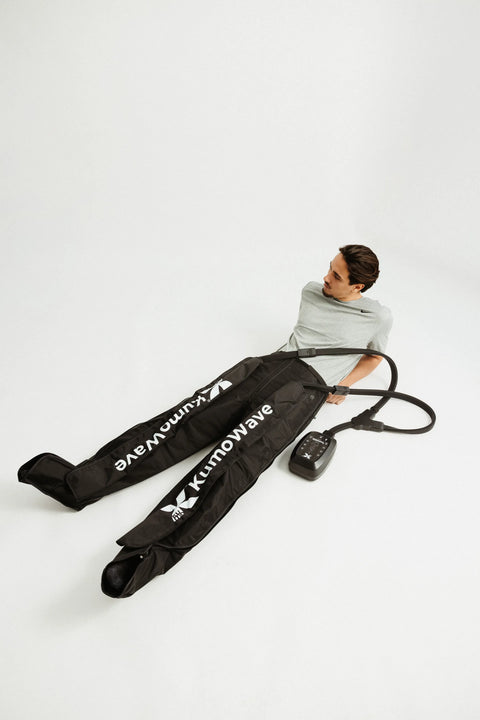
KumoWave Elite – Pressotherapy Pants
Full-coverage trousers. Ideal for lipedema, fluid retention and intensive use.
€799,00 €999,00
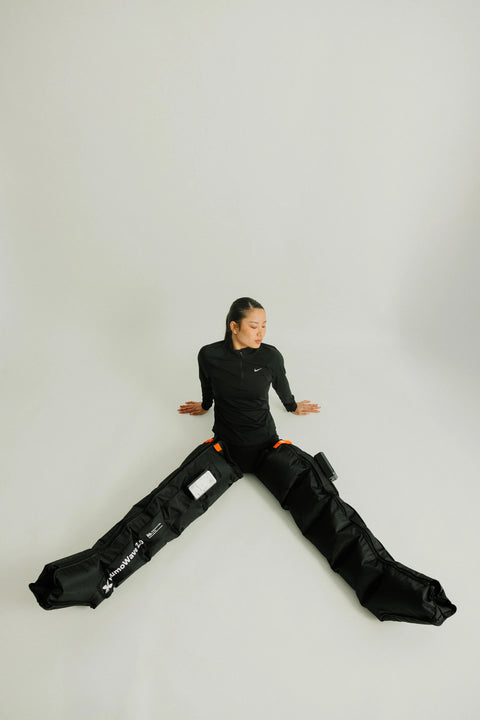
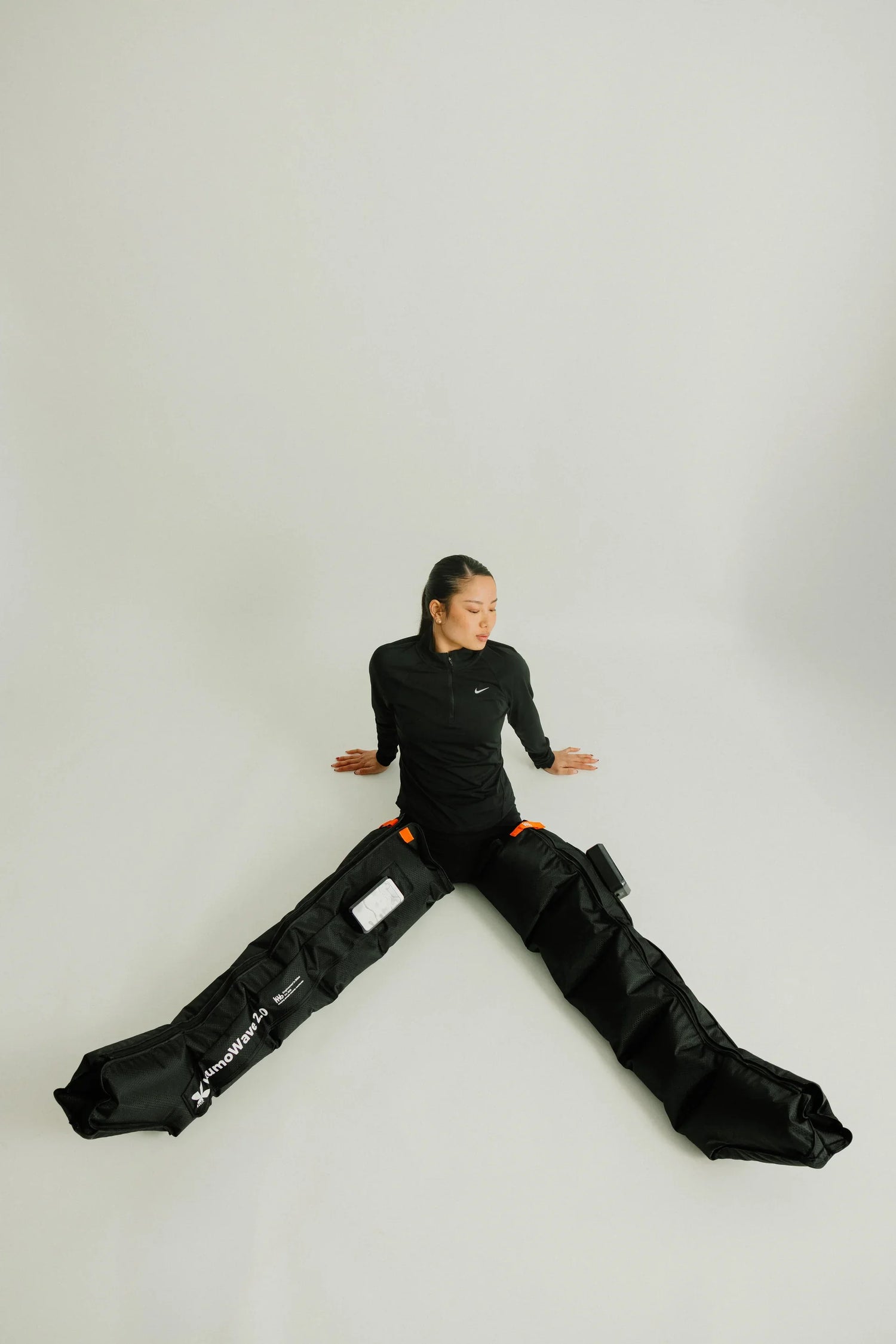
KumoWave 2.0 - Wireless Pressotherapy
Wireless, lightweight boots. Perfect for daily use and recovery.
€499,00 €599,00