
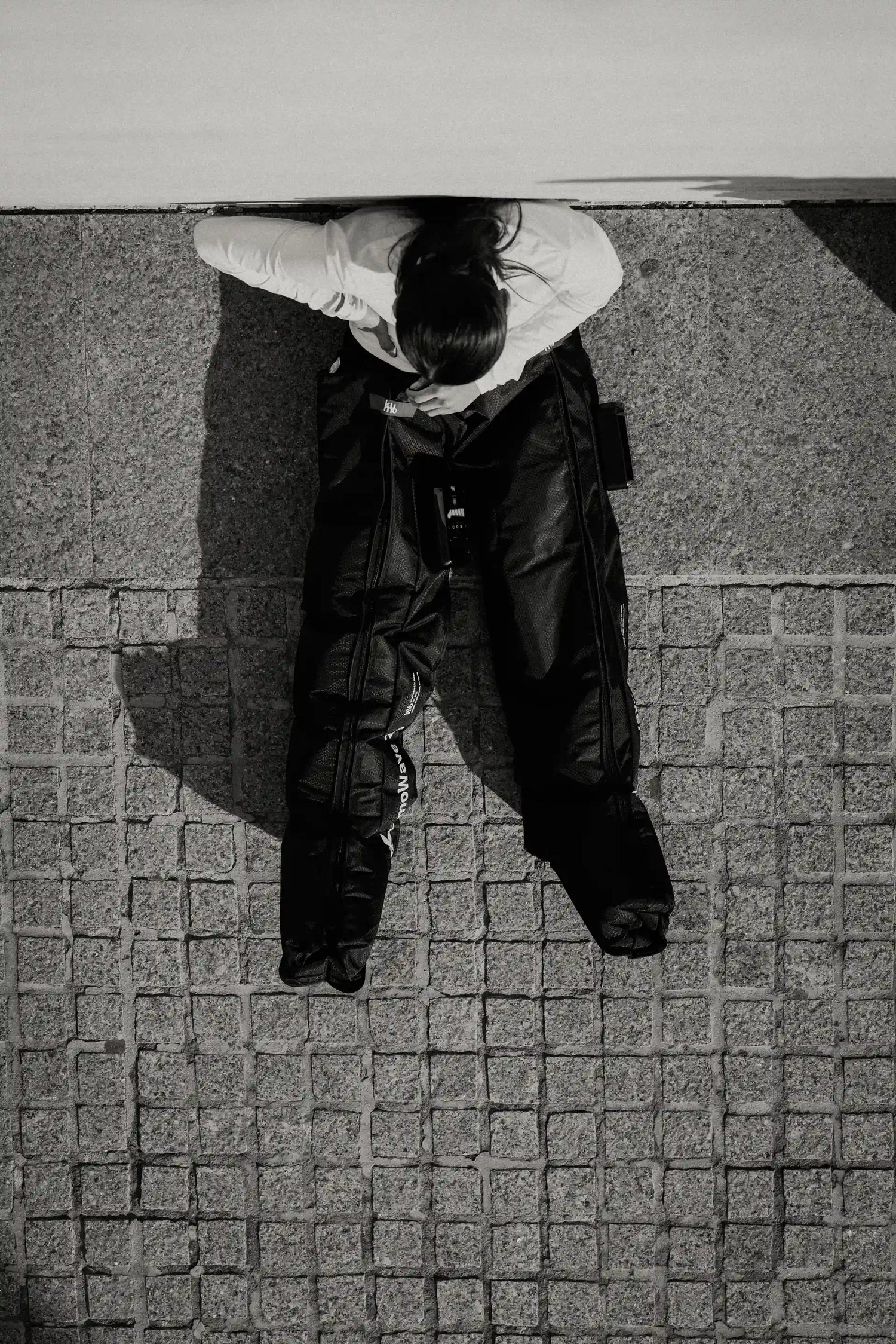
Yes, but it's not done at just any time. Post-operative lymphatic drainage can help mobilize fluid and relieve swelling, but only when the wound is stable and the surgical team authorizes it. (my.clevelandclinic.org)
Post-operatively, edema, bruising, and stiffness vary greatly depending on the technique: studies on liposuction and lipoabdominoplasty suggest potential improvements, while other reviews in orthopedic surgery show more modest or variable results. (pubmed.ncbi.nlm.nih.gov)
Pressotherapy at home
End the day with light legs
★★★★★ 4,8/5 · rated by verified customers
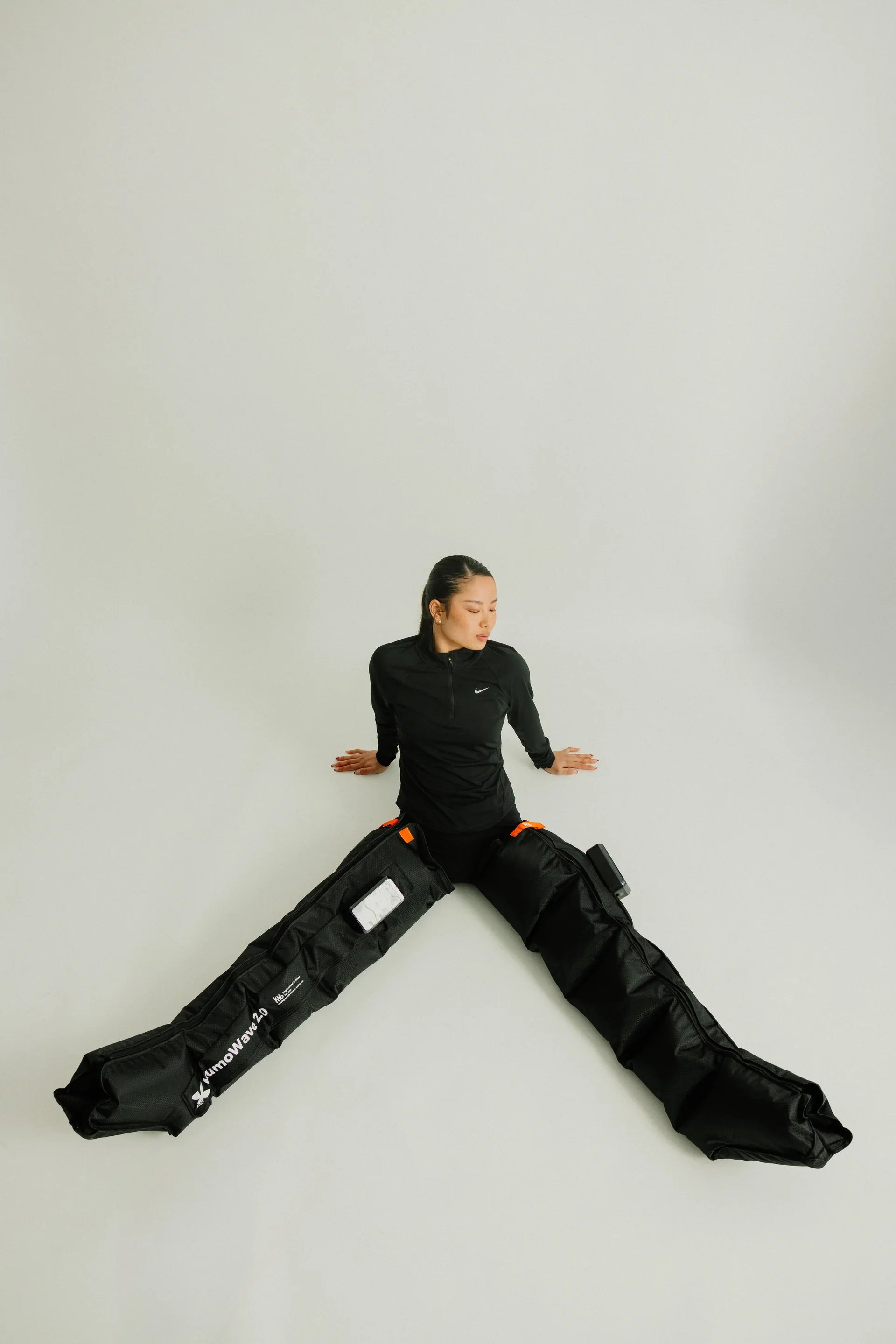
KumoWave pressotherapy boosts circulation and helps drain fluid with sequential compression, in 20-minute sessions at home.
- Boosts circulation and helps drain fluid
- Chamber-based compression, adjustable to you
- Sequential compression that mimics manual drainage
€799,00€999,00
−10% on your 1st order when you subscribe to the newsletter

What is post-operative lymphatic drainage?
If you want to review the physiological basis, the basis of lymphatic drainage explains how lymph moves through the body. Clinically, the NCI describes manual lymphatic drainage as a gentle massage to move lymph, and Cleveland Clinic presents it as a light pressure technique aimed at reducing swelling.
“gentle massage that helps move lymph fluid”
Personalized protocol · included with your purchase
Want us to tell you how to use it in your case?
With your purchase, our experts prepare a personalized usage protocol for your case: sport, circulation, fluid retention, pregnancy or lipedema.
Message us on WhatsAppOur experts reply · no obligation
In a serious post-surgical plan, manual drainage is usually accompanied by compression, gentle exercises, elevation when appropriate, and skin care; the ACS includes it as part of complete decongestive therapy. (cancer.org)
When to start according to the type of surgery?
There is no universal start day. The literature shows very different protocols, and in post-operative surgery, the decision depends on wound closure, whether drains are present, the presence of bleeding or infection, and the surgeon's discretion. (pmc.ncbi.nlm.nih.gov)
Indicative timelines described in the literature
| Type of surgery | Published example | Practical takeaway |
|---|---|---|
| Breast surgery / lymphedema | In one study, intervention began 48 hours after surgery. (journals.plos.org) | This is an early start reference, not a rule for all cases. |
| Total knee arthroplasty | A systematic review recorded protocols between post-operative days 2 and 6. (pmc.ncbi.nlm.nih.gov) | The timeline can be very early when the wound and clinical team allow. |
| Abdominoplasty with liposuction | In one study, therapy started at 6 weeks and was performed twice a week for 3 weeks. abdominoplasty with liposuction study | In body contouring, some teams wait longer to protect healing and treat fibrosis. |
| General rule | There is no universal guideline and the literature shows a lack of standardization. | It is prudent to start only with medical authorization and without alarm signs. |
The key idea is simple: if there are fresh dressings, active drains, unusual pain, or suspected infection, the session should not be forced. The MSD Manual on post-operative care reminds us that sterile dressings are usually kept on for 24-48 hours and that drains should be removed as soon as possible; furthermore, the lack of standardization in the literature necessitates individualization.
on your first order when you join the newsletter
We send you the code instantly. No spam.
How is a session performed?
Before booking a session, confirm with your surgeon that the wound is closed and that drains no longer affect the area. If you are looking for practical guidance for low-risk home care, these safe at-home techniques help distinguish gentle support from aggressive massage.
Before the session
The starting point should be clinical, not aesthetic: disproportionate pain, fever, progressive redness, discharge, or bleeding are reasons to postpone the session and consult. It is also advisable to confirm if there are open incisions or if the surgeon has indicated specific compression. (cdc.gov)
During the session
The technique should be gentle, rhythmic, and superficial. Cleveland Clinic explains that the therapist usually starts with areas containing lymph nodes, such as the neck, armpits, or groin, and then guides the fluid from the edematous tissue towards these drainage areas. It is not a deep massage and should not cause pain.
After the session
Afterward, gentle movement, hydration, and prescribed compression, if applicable, are usually recommended. After body contouring surgery, Cleveland Clinic indicates that early walking helps reduce the risk of clots and that swelling can take weeks to visibly subside. (my.clevelandclinic.org)
Possible benefits and real limitations
The evidence is not identical across all surgeries. In a 2024 meta-analysis on total knee arthroplasty, no significant advantage was observed in post-operative pain; however, small studies on liposuction and lipoabdominoplasty did describe less edema, pain, and fibrosis, albeit with small samples and no universal guideline.
- It can help reduce the feeling of heaviness and tightness in inflamed tissues.
- It can complement compression and gentle mobilization, which are part of complete decongestive therapy.
- It does not replace medical monitoring if there are drains, fever, redness, or discharge.
- It should not be done with more force to "speed up" results, because the correct technique is light.
If your case involves persistent edema or lymphedema and not just a simple aesthetic discomfort, the NCI and ACS place MLD within a global approach that also includes exercise, compression, and skin care.
Indications and contraindications
As a general rule, it is considered most useful when there is post-surgical edema, tightness, initial fibrosis, or a feeling of heaviness, and should be avoided if there is active infection, suspected deep vein thrombosis, bleeding, or decompensated heart disease. A review of contraindications in sports physiotherapy also mentions hemorrhage, thrombosis or venous obstruction, and major cardiac pathology. (pmc.ncbi.nlm.nih.gov)
- It can be a good option when the surgeon confirms that the wound is closed and the healing process is progressing normally.
- It can make sense for soft post-surgical edema, especially if combined with compression and gentle movement.
- It should not be applied if there is fever, pus, localized heat, or redness spreading around the incision.
- It should not be applied if there is unilateral leg swelling, calf pain, chest pain, or shortness of breath, because a blood clot must be ruled out. (cdc.gov)
- After oncological or lymph node surgery, it should be coordinated with the medical team monitoring the patient.
To expand on the general framework, the 2025 post-operative lymphatic drainage guide summarizes these criteria practically.
Warning signs during drainage
- Fever, chills, or new general malaise after surgery.
- Yellow, green, thick, or foul-smelling discharge from the wound or drain. (my.clevelandclinic.org)
- Expanding redness, localized heat, or increasing pain in the operated area. (hopkinsmedicine.org)
- Sudden swelling in one leg, calf pain, chest pain, or shortness of breath.
- Bleeding that reappears or changes to a bright red color after having been lighter.
Do not try to "drain" a complication yourself. If your body is signaling, the correct course of action is to stop, check the wound, and contact the medical team.
FAQ
When to start post-operative lymphatic drainage after liposuction or other cosmetic surgery and what guidelines to follow?
It is safest to start only when authorized by the surgeon. In the first 24-48 hours, wound stability, observation for bleeding, and drain management are usually prioritized, so it is not advisable to proceed on your own. There are very different protocols in the literature: some start earlier in breast surgery or arthroplasty, while others wait longer in body contouring. The practical indication is clear: closed wound, no infection, and medical clearance.
How is a post-operative lymphatic drainage session performed, and how many sessions are usually necessary for proper recovery?
The session should be gentle, superficial, and rhythmic, without pain or deep maneuvers. The therapist usually works first on the drainage areas near lymph nodes and then guides the fluid from the inflamed area. Regarding the number of sessions, there is no universal number: in one study after abdominoplasty with liposuction, two sessions per week were performed for 3 weeks, starting at 6 weeks, but other protocols are very different depending on the surgery and evolution.
What are the indications and contraindications for post-operative lymphatic drainage according to the type of intervention?
It can be useful for post-surgical edema, tightness, or a feeling of heaviness, especially if integrated with compression, gentle mobility, and skin care. In contrast, it should be avoided in cases of active infection, fever, open wounds, bleeding, suspected deep vein thrombosis, or decompensated heart disease. After oncological or lymph node surgery, coordination with the treating team is especially important. The key is to adapt the indication to the type of intervention, not to apply a single rule for all.
When is it too early to start lymphatic drainage after cosmetic surgery, and what post-operative signs should alert the doctor?
It is too early when the incision is not closed, when dressings that need to remain intact are still present, or when drainage is still active and with significant volume. It is also too early if there is increasing pain, fever, progressive redness, or abnormal discharge. In such cases, one should not "insist" with more sessions, but rather stop and seek medical review. The goal of drainage is not to force recovery, but to support it without interfering with healing.
What warning signs during post-operative lymphatic drainage require immediate medical attention?
Seek immediate attention if you experience shortness of breath, chest pain, unilateral leg swelling, calf pain, fever, chills, or a wound that starts to ooze or smell bad. Also concerning is if the drainage becomes bright red again or if the pain increases instead of improving. These are signs of possible infection, bleeding, or thrombosis, and should not wait for the next session.
What now?
If you want to continue exploring the topic, return to the Kumo Balance homepage or open the essential guide to post-operative lymphatic drainage to delve deeper into care, steps, and frequent questions.
KumoWave pressotherapy
Choose your at-home pressotherapy
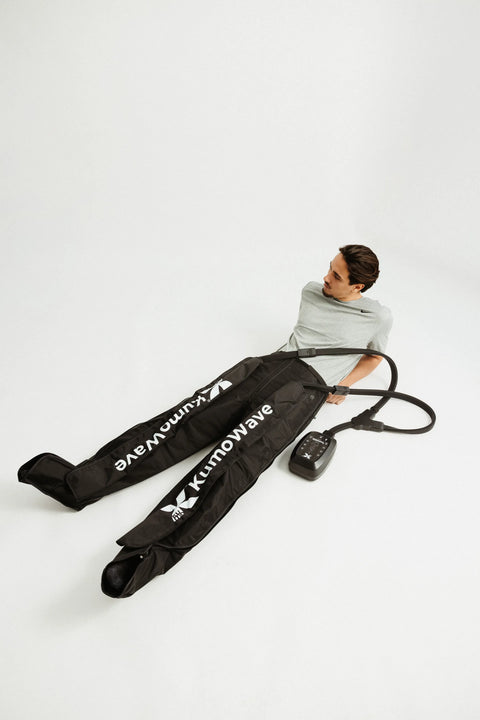
KumoWave Elite – Pressotherapy Pants
Full-coverage trousers. Ideal for lipedema, fluid retention and intensive use.
€799,00 €999,00
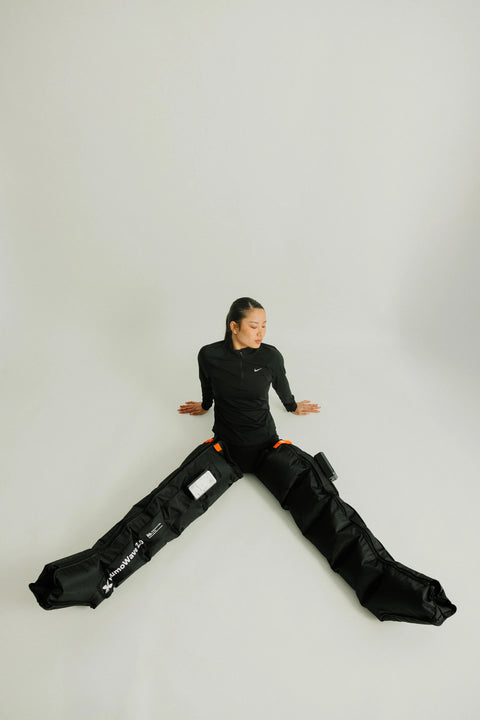
KumoWave 2.0 - Wireless Pressotherapy
Wireless, lightweight boots. Perfect for daily use and recovery.
€499,00 €599,00