
Stage 1 lipedema can go unnoticed. At this stage, the skin may still look almost normal, but subcutaneous nodules, tenderness to the touch, and a tendency to bruise are already present, so early detection makes a big difference. (ncbi.nlm.nih.gov)
The clue is not only in the external appearance: leg symmetry, sparing of the feet and hands, and the hormonal context in which it appears or worsens, such as puberty, pregnancy, or menopause, also matter. (ncbi.nlm.nih.gov)
Pressotherapy at home
End the day with light legs
★★★★★ 4,8/5 · rated by verified customers
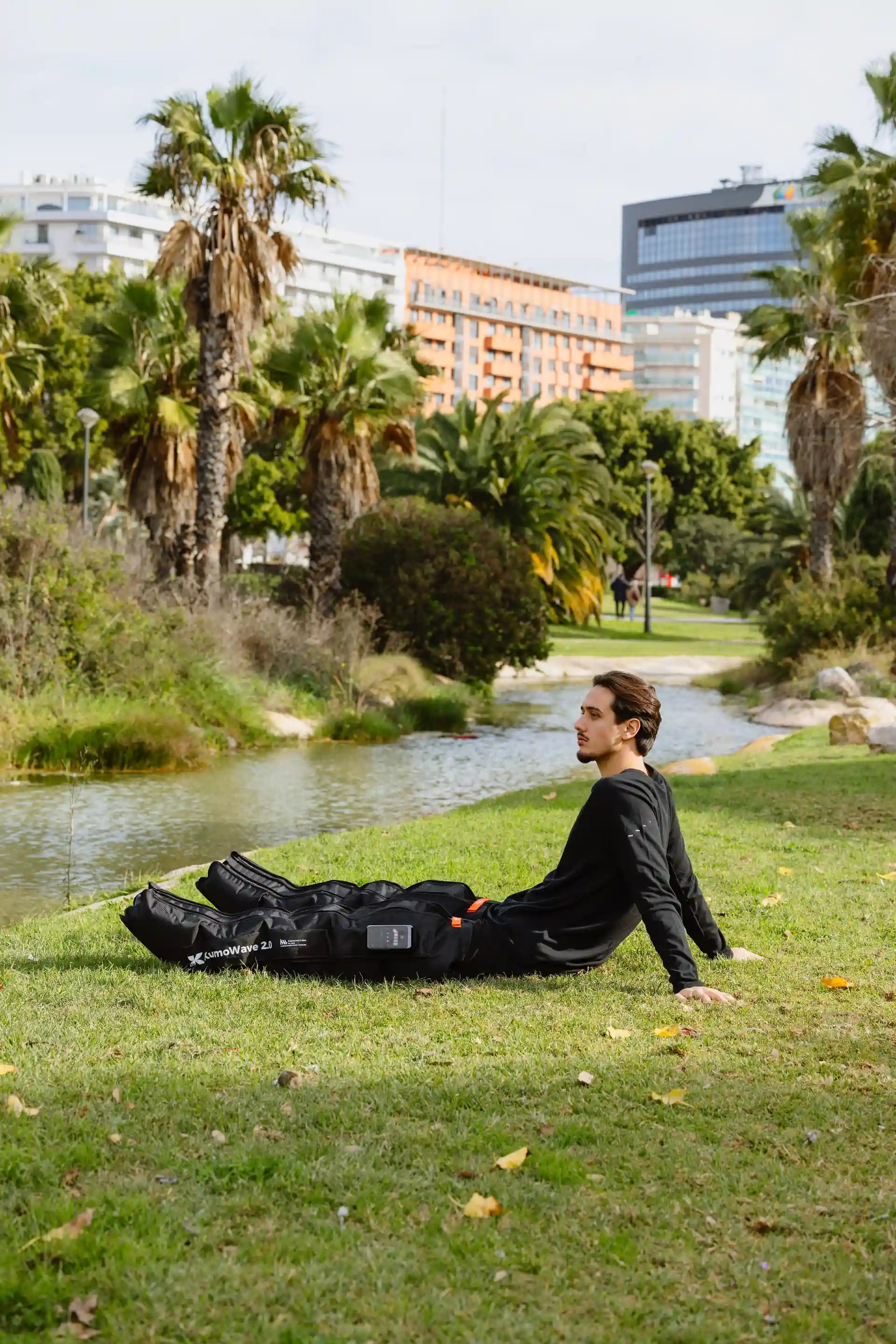
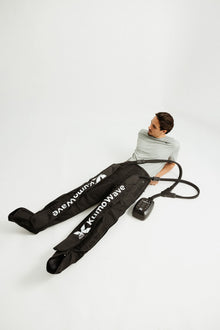
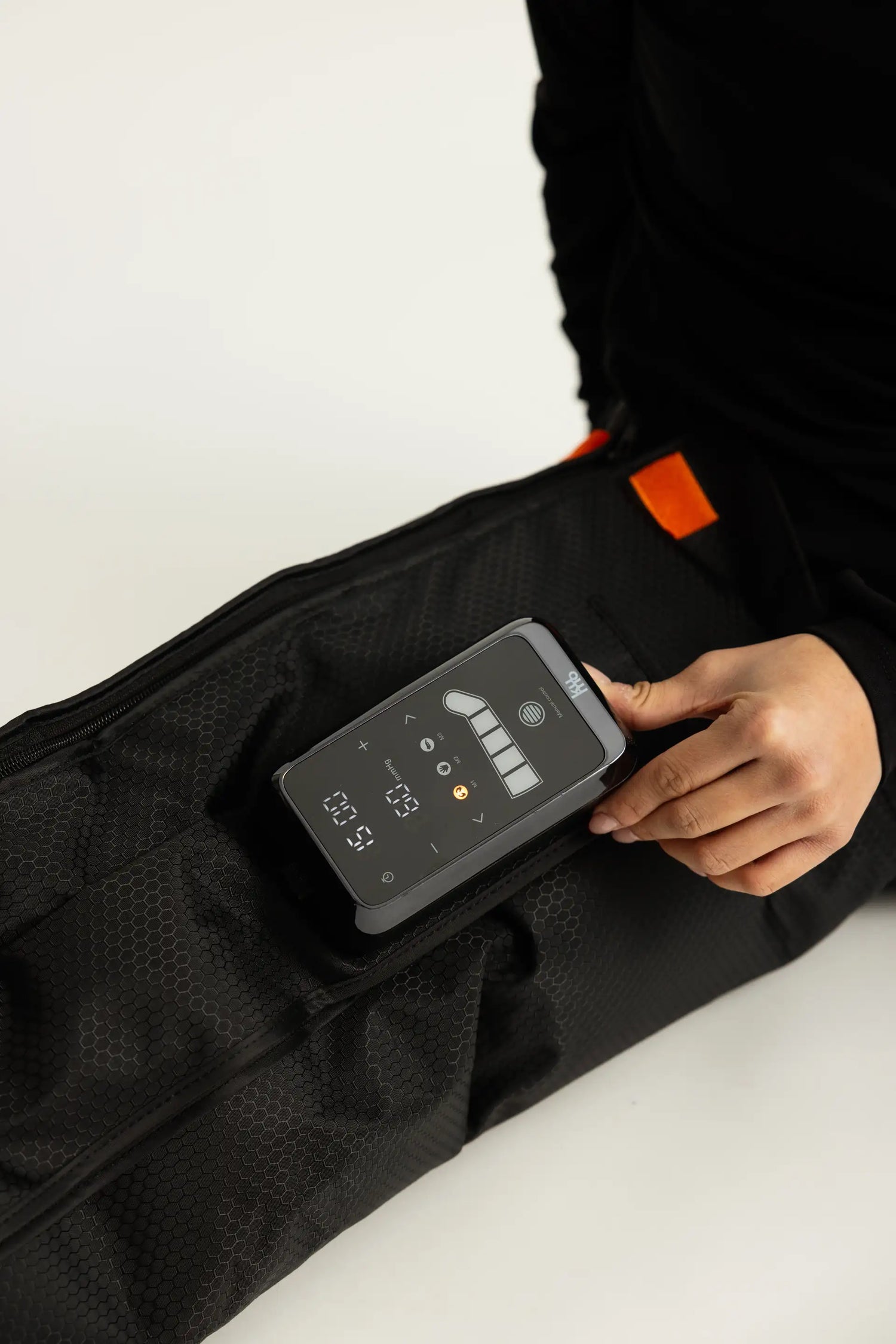
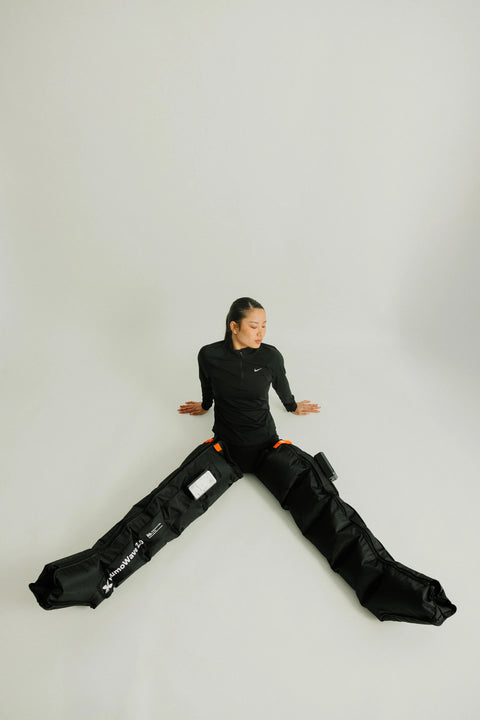
KumoWave pressotherapy boosts circulation and helps drain fluid with sequential compression, in 20-minute sessions at home.
- Boosts circulation and helps drain fluid
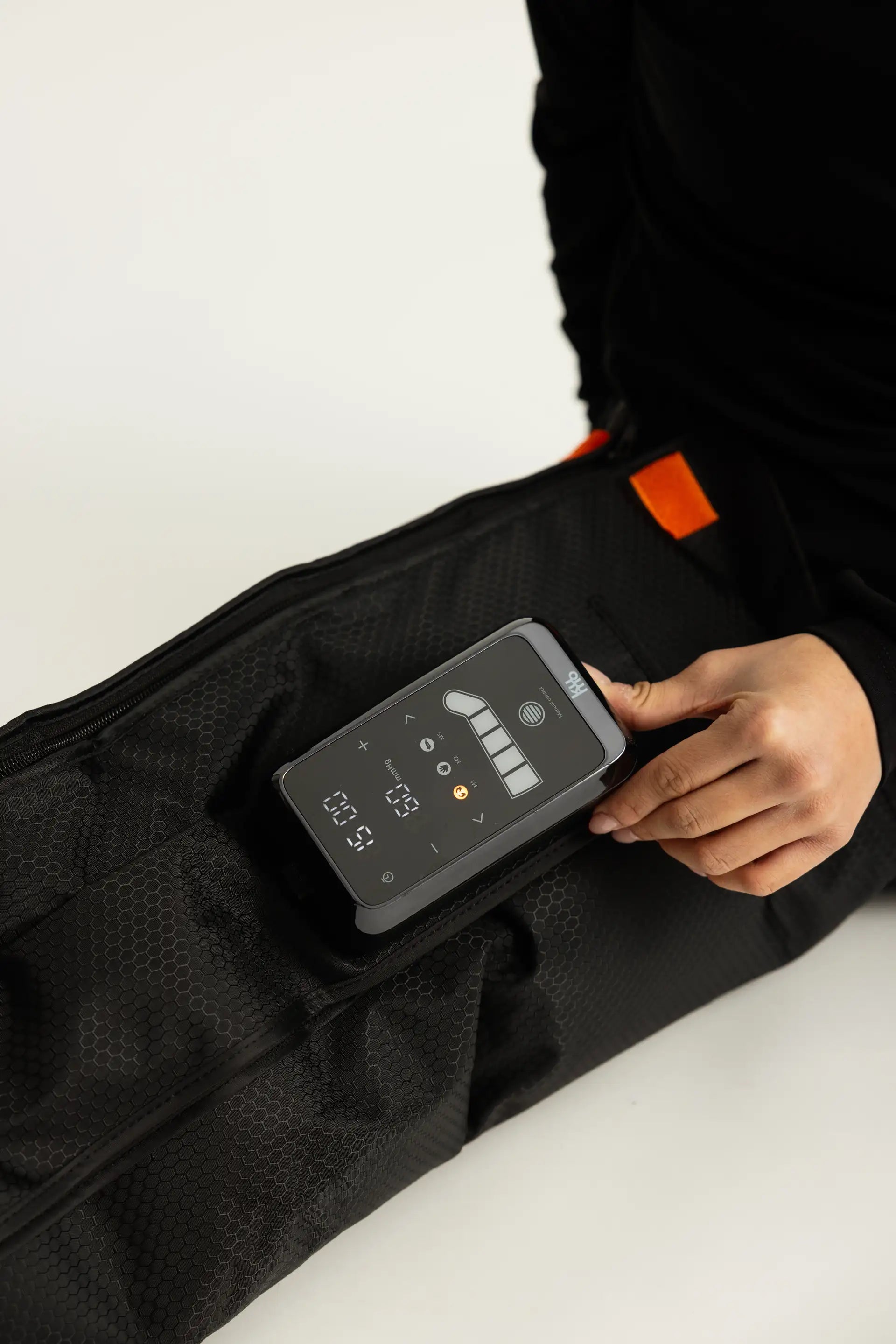
- Chamber-based compression, adjustable to you
- Sequential compression that mimics manual drainage
€799,00€999,00
−10% on your 1st order when you subscribe to the newsletter

If you want a broader understanding of the disorder, what lipedema is and how to recognize it early will help you get a better grasp before diving into stage 1.
What exactly happens in stage 1
In stage 1, lipedema usually does not yet show major visible deformities, but the fatty tissue is already altered. The skin surface may still be smooth, while palpation reveals small irregularities or nodules, and there may be pain or easy bruising. This is precisely one of the reasons why it is confused with simple cellulite or common weight gain.
Personalized protocol · included with your purchase
Want us to tell you how to use it in your case?
With your purchase, our experts prepare a personalized usage protocol for your case: sport, circulation, fluid retention, pregnancy or lipedema.
Message us on WhatsAppOur experts reply · no obligation
In stage 1, the skin may appear normal to the naked eye, but underneath there is already denser, nodular, and sensitive tissue.
Early signs to watch for at home
- The skin looks relatively smooth, but when you run your hand over it, you notice small bumps or a "gritty" texture under the skin.
- Legs feel heavier than usual at the end of the day or after standing for many hours. Heaviness is a common complaint in lipedema. (pubmed.ncbi.nlm.nih.gov)
- Rubbing, pressure, or a small bump can hurt more than expected, even if the skin looks healthy.
- Bruises appear easily, without remembering a hard knock. The tendency to bruise is one of the most useful clinical clues.
- The legs look disproportionate to the trunk, but the feet remain relatively spared; this pattern is more indicative of lipedema than other causes of edema.
- There is a family history or the change started during a hormonal stage, which increases clinical suspicion. (pubmed.ncbi.nlm.nih.gov)
In practice, a person may "look fine" in clothes, but notice pain to the touch, heaviness, and easy bruising. This contrast between external appearance and internal symptoms is one of the features that most delays diagnosis.
How to differentiate it from cellulite, obesity, and lymphedema
The problem is not only identifying lipedema; it's also not confusing it with other very common conditions. Diagnosis remains clinical and relies on history, physical examination, and the exclusion of other causes of increased leg volume. (pubmed.ncbi.nlm.nih.gov)
on your first order when you join the newsletter
We send you the code instantly. No spam.
Practical comparison
| Situation | What is usually seen | What suggests lipedema |
|---|---|---|
| Cellulite | Irregular texture or "orange peel skin," especially visible when pinched or in certain light. | If there is also pain, easy bruising, and symmetrical leg distribution, suspicion of lipedema increases. |
| Obesity | More generalized increase in volume. | Lipedema is usually disproportionate, mainly affects the limbs, and does not respond to diet or exercise in the same way as regular fat. |
| Lymphedema | Edema with clearer involvement of the feet or hands, sometimes with a positive Stemmer's sign. | If the feet are spared and there is no pitting edema, it is more consistent with lipedema than lymphedema. |
| Stage 1 lipedema | Smooth skin surface, but nodular subcutaneous tissue on palpation, with pain or easy bruising. | This is the most indicative combination when there are no major visible deformities yet. |
The table helps, but does not replace a clinical evaluation. If you also want to see how the legs evolve over time, lipedema in legs: symptoms, phases and how to relieve it offers a useful read to understand the progression.
How to diagnose it without falling into errors
Currently, there is no single test that can confirm lipedema on its own. Recent evidence continues to point to a primarily clinical diagnosis, without biomarkers or imaging techniques reliable enough to identify it in isolation. In other words: examination is key, and complementary tests are mainly used to rule out other causes.
Therefore, during the consultation, the symmetry of the increased volume, tenderness to the touch, tendency to bruise, sparing of the feet and hands, family history, and the hormonal moment when symptoms began are usually reviewed. Tests may also be requested to rule out venous, renal, hepatic, thyroid problems, or other causes of leg swelling.
In doubtful cases, the assessment of a specialist is important because early lipedema can appear as "just cellulite," while other diseases can partially imitate it. The key is to gather symptoms, physical examination, and temporal evolution, not an isolated photo.
What you can do starting from stage 1
The good news is that stage 1 is the best time to intervene. Recent literature suggests that conservative therapies can reduce pain and swelling, although the evidence is still limited: a systematic review in 2026 analyzed 339 articles and only 61 met the inclusion criteria, reflecting that solid studies are still lacking. Even so, compression, adapted exercise, and other measures can alleviate symptoms.
The conservative bases described in the S1 guideline and subsequent reviews include compression, exercise, skin care, manual therapy, and, when necessary, nutritional support and global weight management strategies if obesity coexists. It is not about "curing" lipedema with habits, but about reducing burden, functional inflammation, and a feeling of heaviness. (pubmed.ncbi.nlm.nih.gov)
- Well-chosen compression can help control the feeling of heaviness and functional edema. If you want to delve deeper into this point, compression stockings for lipedema: how to choose them correctly develops the topic in a practical way. (ncbi.nlm.nih.gov)
- Low-impact exercise is usually a useful part of conservative management, especially if it adapts to your symptoms and your tolerance for exertion. exercise for lipedema: what activities help and what to avoid can serve as a starting guide.
- Daily skin care and observing changes in texture or pain help detect early progression.
- If volume or heaviness significantly limits you, it is advisable to review a broader plan; lipedema treatment: real options and what really works helps you put into context what to expect from each approach.
It is also important to understand that lipedema tissue does not respond in the same way as common fat to diet, exercise, or even bariatric surgery, so it is advisable to adjust expectations from the outset. In practice, this means that the initial goal is usually to control symptoms and functionality, not to pursue rapid aesthetic change. (pubmed.ncbi.nlm.nih.gov)
Frequently asked questions about stage 1 lipedema
How to recognize stage 1 lipedema in the legs?
Think of a combination of three clues: legs disproportionate to the trunk, skin still quite smooth to the naked eye, and, to the touch, subcutaneous tissue with small nodules or an irregular appearance. If you also notice pain on pressure or easy bruising, suspicion increases. In stage 1, appearance can be misleading, which is why manual examination and symptom history weigh more than a simple photo.
What symptoms does stage 1 lipedema present and how to differentiate them from cellulite?
Stage 1 can cause tenderness to the touch, heaviness, easy bruising, and a "nodular" texture under the skin. Cellulite, on the other hand, usually mainly explains superficial changes in relief. When the skin changes externally, but there is also pain, marked symmetry, and a tendency to bruise, it is no longer appropriate to stick only to the cellulite label. The hormonal and family context also helps differentiate.
What are the warning signs to prevent lipedema from progressing from stage 1?
The most useful signs are a progressive increase in heaviness, more pain with friction or pressure, increased frequency of bruising, and increasingly obvious textural changes. Attention should also be paid if the volume begins to affect mobility or if signs appear that no longer fit with typical stage 1, such as clear swelling of the feet or hands. The sooner this change is detected, the easier it is to adjust conservative management.
Is it possible to prevent the progression of lipedema from stage 1 with conservative treatments?
It cannot be promised that progression will stop completely, because the evidence is still limited and evolution varies between individuals. What reviews do show is that compression, adapted exercise, drainage or manual therapy, and other conservative care can improve pain, swelling, and functionality. Starting early is usually better than waiting for more marked changes to appear. In stage 1, the realistic goal is to control symptoms and delay functional progression.
What now?
If you suspect stage 1 lipedema, the next step is simple: observe your symptoms critically, seek a well-oriented clinical evaluation, and start a realistic conservative routine. To continue learning, you can read the symptoms of lipedema you shouldn't ignore and return to the Kumo Balance website to explore the site's focus on recovery, compression, and daily well-being.
KumoWave pressotherapy
Choose your at-home pressotherapy
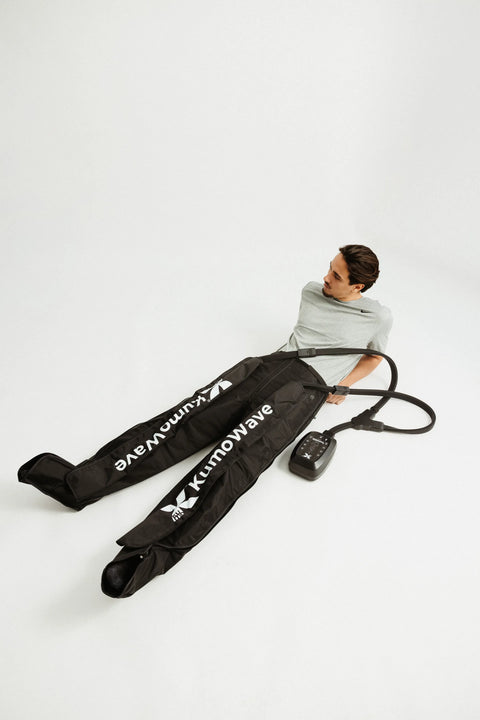
KumoWave Elite – Pressotherapy Pants
Full-coverage trousers. Ideal for lipedema, fluid retention and intensive use.
€799,00 €999,00
KumoWave 2.0 - Wireless Pressotherapy
Wireless, lightweight boots. Perfect for daily use and recovery.
€499,00 €599,00