


Lipedema can appear in adolescence. It is usually noticed as a body change that does not fit with "normal" puberty: symmetrically growing legs, pain to the touch, a feeling of heaviness, and easy bruising. Early recognition is important because it is a chronic and progressive disorder, not just a cosmetic issue.
The key is not to wait for it to "go away with age." When fat distribution, skin sensitivity, and response to diet or exercise all point in the same direction, a clinical evaluation should be sought.
Pressotherapy at home
End the day with light legs
★★★★★ 4,8/5 · rated by verified customers
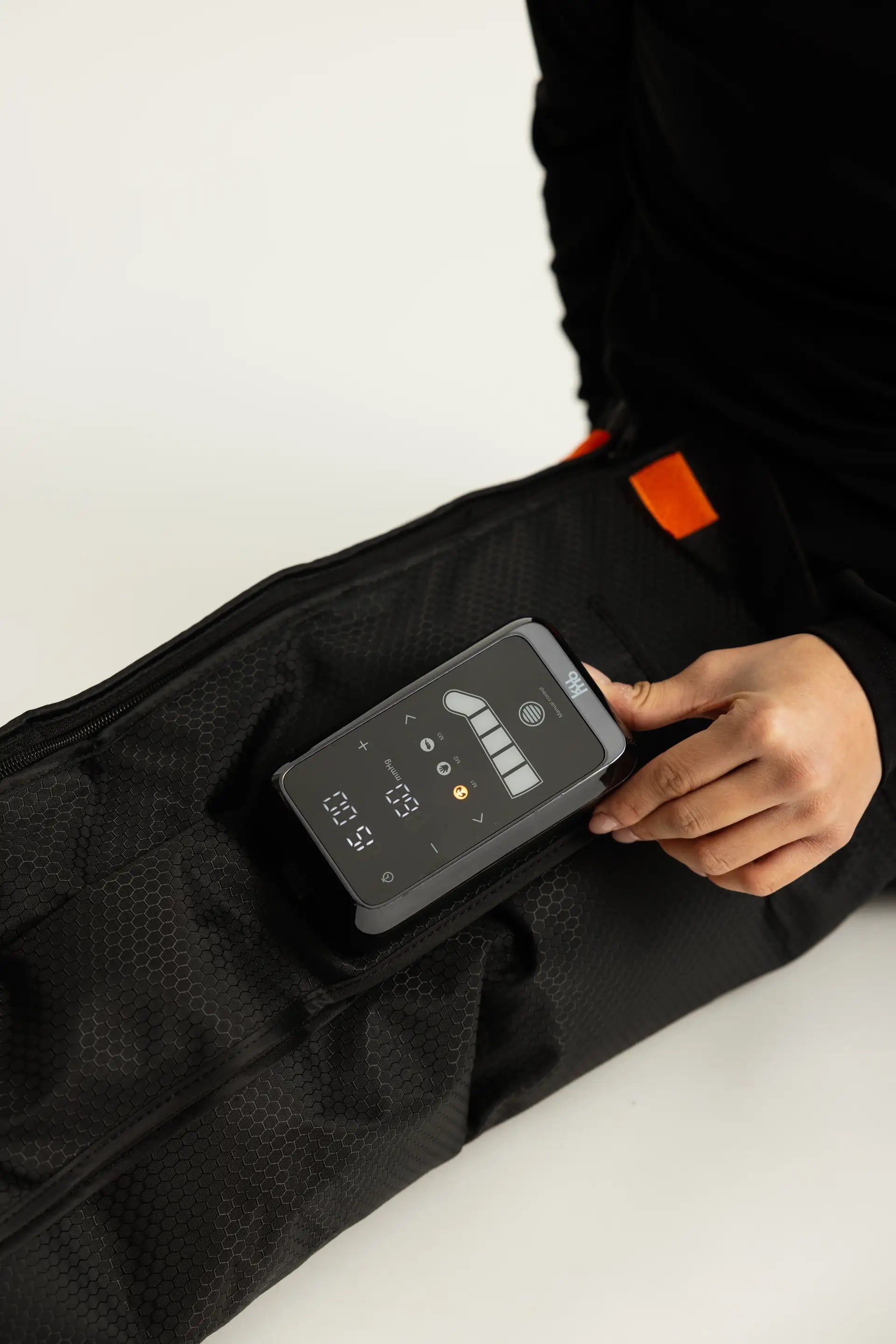
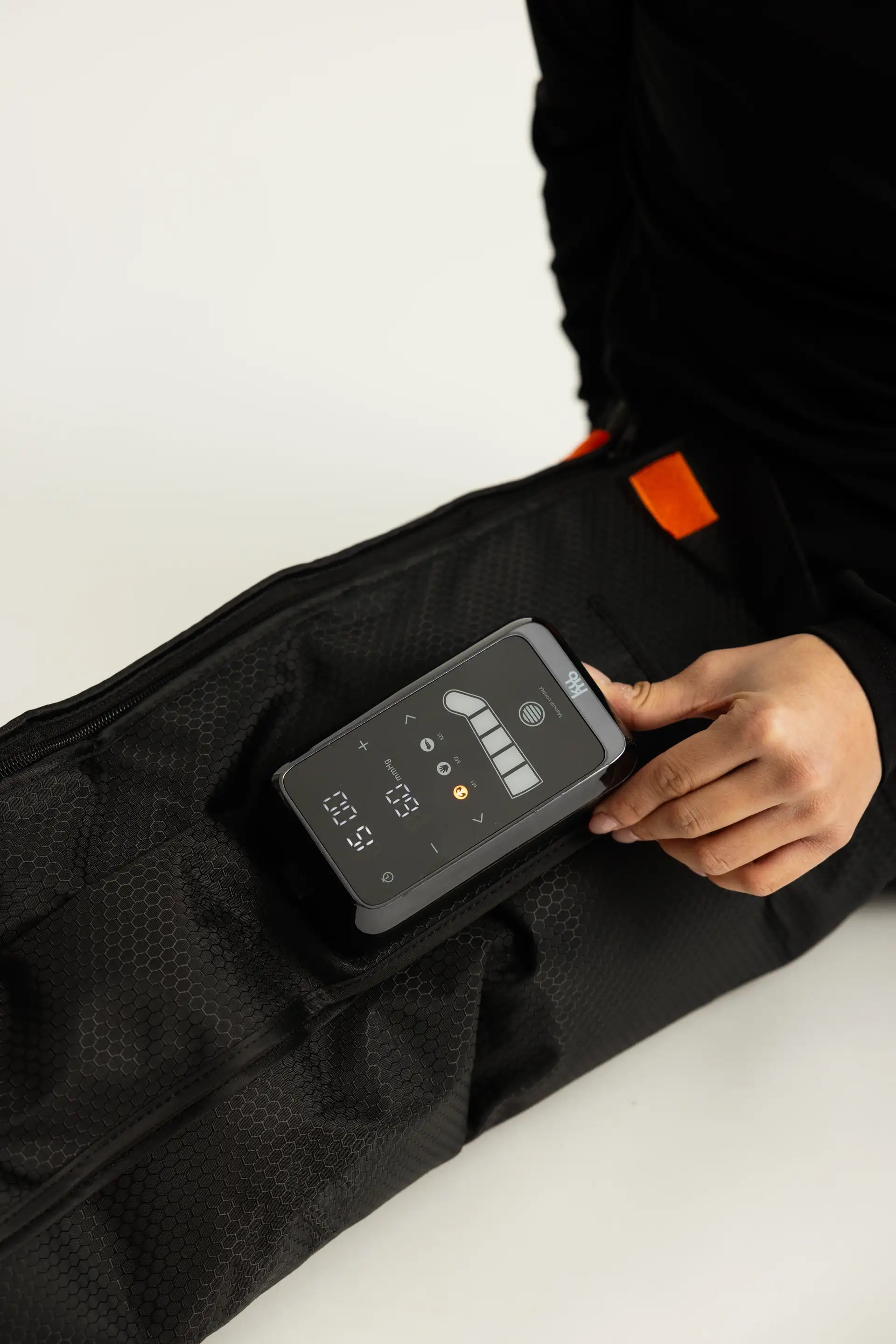
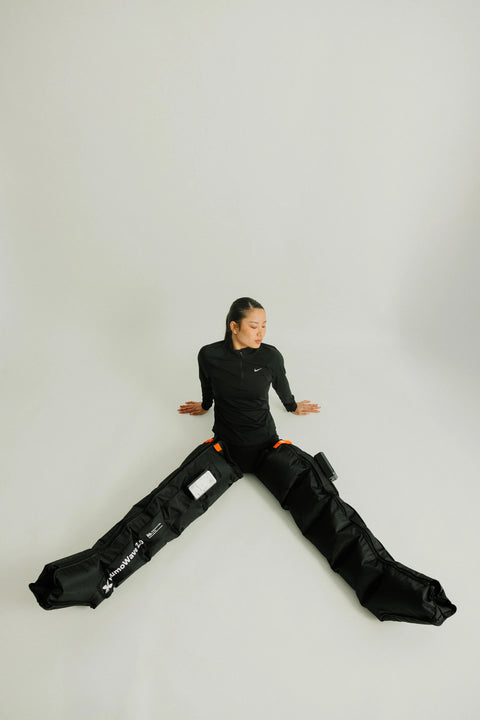
KumoWave pressotherapy boosts circulation and helps drain fluid with sequential compression, in 20-minute sessions at home.
- Boosts circulation and helps drain fluid
- Chamber-based compression, adjustable to you
- Sequential compression that mimics manual drainage
€799,00€999,00
−10% on your 1st order when you subscribe to the newsletter

What is lipedema and why it can start in puberty
A clear way to understand it is to read UChicago Medicine's clinical summary on lipedema: it describes an accumulation of fat primarily in the legs, sometimes in the arms, with pain, swelling, and a tendency to bruise. The exact cause is not clear, but it is frequently observed during periods of hormonal change and can recur in several women in the family.
In adolescents, this usually translates into a very specific pattern: the torso may change less than the legs, and the feet often remain relatively unaffected. Therefore, the problem is not well identified if only total weight or body mass index is considered. If you want to broaden the general context, you may also find it helpful to read what lipedema is and how to recognize it early.
Personalized protocol · included with your purchase
Want us to tell you how to use it in your case?
With your purchase, our experts prepare a personalized usage protocol for your case: sport, circulation, fluid retention, pregnancy or lipedema.
Message us on WhatsAppOur experts reply · no obligation
First signs in adolescents
According to a systematic review published in 2026, early recognition remains crucial and conservative measures can alleviate some of the pain and swelling. In practice, the first clues are usually visual and tactile: disproportionate volume change, sensitivity to pressure, and the appearance of bruises without significant trauma.
Most guiding clinical signs
| Sign | How it typically appears | Why it matters | Clinical support |
|---|---|---|---|
| Symmetrical distribution | Both legs increase in size similarly; feet are often thinner. | This is one of the most useful clues to suspect lipedema and not another cause of swelling. | |
| Pain or tenderness | The teenager complains of pain to the touch, heaviness, or discomfort at the end of the day. | Pain is not typical of a simple weight gain and points to an adipose tissue disorder. | |
| Easy bruising | Bruises appear with minor bumps or even without recalling the bump. | A tendency to bruise is a frequent feature of the condition. | |
| Resistance to diet and exercise | General condition improves, but leg volume changes little. | Helps differentiate it from isolated obesity and avoids unfair blame. | |
| Onset around puberty | The change is noticed shortly after pubertal development or a hormonal surge. | Puberty is a classic time of onset or worsening. | (pubmed.ncbi.nlm.nih.gov) |
If you recognize yourself in several of these clues, a useful complementary reading is 10 signs you shouldn't ignore, because it helps to organize symptoms without confusing them with simple weight changes.
How it differs from obesity, lymphedema, and cellulite
The difference with obesity is important: in lipedema, the distribution is disproportionate, it is usually painful, and it does not respond solely to diet or exercise. The article on lipedema and obesity: key differences and how they coexist can help you see it more clearly.
on your first order when you join the newsletter
We send you the code instantly. No spam.
It is also confused with lymphedema or cellulite. Clinical evaluation precisely seeks to distinguish the bilateral pattern, the tendency to pain, and the relative preservation of feet and hands from other swelling conditions.
Early intervention: what to do if you suspect lipedema
The 2024 S2k guideline emphasizes that diagnosis is based on clinical history and physical examination, with tests aimed at ruling out other causes when necessary. In adolescents, this means reviewing when the change began, if there is a family history, and if the body pattern fits with lipedema. (pubmed.ncbi.nlm.nih.gov)
A 2024 review in PMC summarizes the current approach well: careful clinical history, recognition of the characteristic distribution, and conservative symptom-oriented treatment, with compression and rehabilitation as frequent pillars.
- Seek specialized medical evaluation. A professional with experience in venous, lymphatic, or adipose tissue disorders can order the evaluation and avoid years of doubt.
- Document symptoms and changes. Note when the pain appeared, in which areas volume accumulates, if there are bruises, and if menstruation or puberty coincided with the onset. (pmc.ncbi.nlm.nih.gov)
- Use personalized support measures. The 2021 consensus and 2026 review include compression, exercise, skin care, and, in some cases, conservative therapies to reduce discomfort.
- Avoid simplistic interpretations. A "eat less and move more" does not by itself explain a condition that hurts, is symmetrically distributed, and worsens with hormonal changes.
When deemed appropriate by a professional, compression may be part of the plan; if you want to better understand this home approach, review the guide on pressotherapy for lipedema at home.
Supportive habits that can help
Balanced eating and movement are still helpful, but they usually do not reduce lipedema fat on their own. Even so, they improve general health, circulation, and exercise tolerance, and help prevent other weight problems from arising.
- Low-impact movement. Walking, swimming, gentle cycling, or water exercise may be more tolerable than repeated impacts.
- Well-indicated compression. Compression garments can help control the feeling of heaviness and edema, always fitted to the patient.
- Skin care. Keeping the skin hydrated and protected is part of the conservative management recommended in the consensuses.
- Continuous monitoring. In adolescents, reviewing evolution periodically helps adjust support according to growth and hormonal changes.
FAQ
What is lipedema and how is it distinguished from obesity in adolescents?
Lipedema is a chronic disorder of fat distribution that usually affects the legs and sometimes the arms, with pain, tenderness, and easy bruising. In obesity, weight gain is usually more global and responds better to diet and exercise; in lipedema, the disproportion between the trunk and limbs persists and the feet are usually spared. However, both conditions can coexist, which is why clinical examination is important.
What are the first signs of lipedema in adolescents and when do they appear?
The first signs are often subtle: symmetrically more voluminous legs, pain to the touch, heaviness, easy bruising, and a poor response to diet or exercise. They frequently appear during puberty or shortly after significant hormonal changes. Not all signs are always visible at once, so it is important to look at the complete pattern and not an isolated detail.
How is lipedema in adolescents addressed early to prevent its progression?
Early intervention begins by confirming the diagnosis with clinical history and physical examination, and by ruling out other problems that may resemble it. Afterwards, management is usually conservative: compression, adapted physical activity, skin care, and, if necessary, multidisciplinary support. The idea is not to promise a quick cure, but to reduce symptoms, protect mobility, and avoid years of frustration due to a delayed diagnosis.
Is lipedema hereditary and what role do hormones play during puberty?
Available evidence suggests a significant family component, although a single causal gene is not yet known. In addition, many cases are detected or worsen during puberty, pregnancy, or menopause, which supports the idea of a strong relationship with hormonal changes. In practice, this means that a family history of similar legs, pain, or bruising warrants early clinical attention.
What early care options can help an adolescent with lipedema?
Early options are usually supportive: well-fitted compression, low-impact exercise, clinical monitoring, hygiene and skin care, and education to understand that it is not due to lack of effort. In some cases, the medical team may consider additional resources within an individualized plan. The most useful approach is to combine realistic and sustainable measures, not to try extreme solutions that end up increasing discomfort.
What now?
If you suspect lipedema in an adolescent, the next useful step is to observe the pattern, record symptoms, and calmly seek a clinical evaluation. To delve deeper, start with the Kumo Balance homepage and the guide on stage 1 lipedema, where you will find a practical approach to detect the problem before it progresses.
KumoWave pressotherapy
Choose your at-home pressotherapy
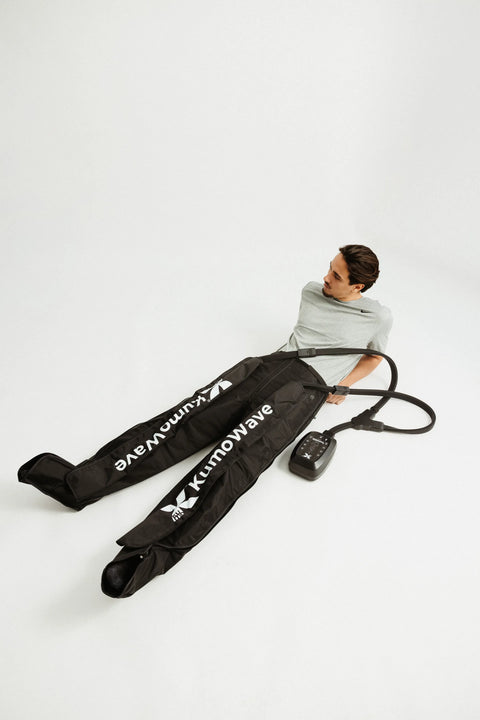
KumoWave Elite – Pressotherapy Pants
Full-coverage trousers. Ideal for lipedema, fluid retention and intensive use.
€799,00 €999,00
KumoWave 2.0 - Wireless Pressotherapy
Wireless, lightweight boots. Perfect for daily use and recovery.
€499,00 €599,00