
The frequency of lymphatic drainage matters. It's not the same for everyone.
In practice, the plan can range from daily sessions in an intensive phase to weekly visits or maintenance guidelines. The National Cancer Institute's Physician Data Query (PDQ®) on Lymphedema describes a reduction phase with daily treatment for an average of 15 days, followed by maintenance as needed.
Pressotherapy at home
End the day with light legs
★★★★★ 4,8/5 · rated by verified customers
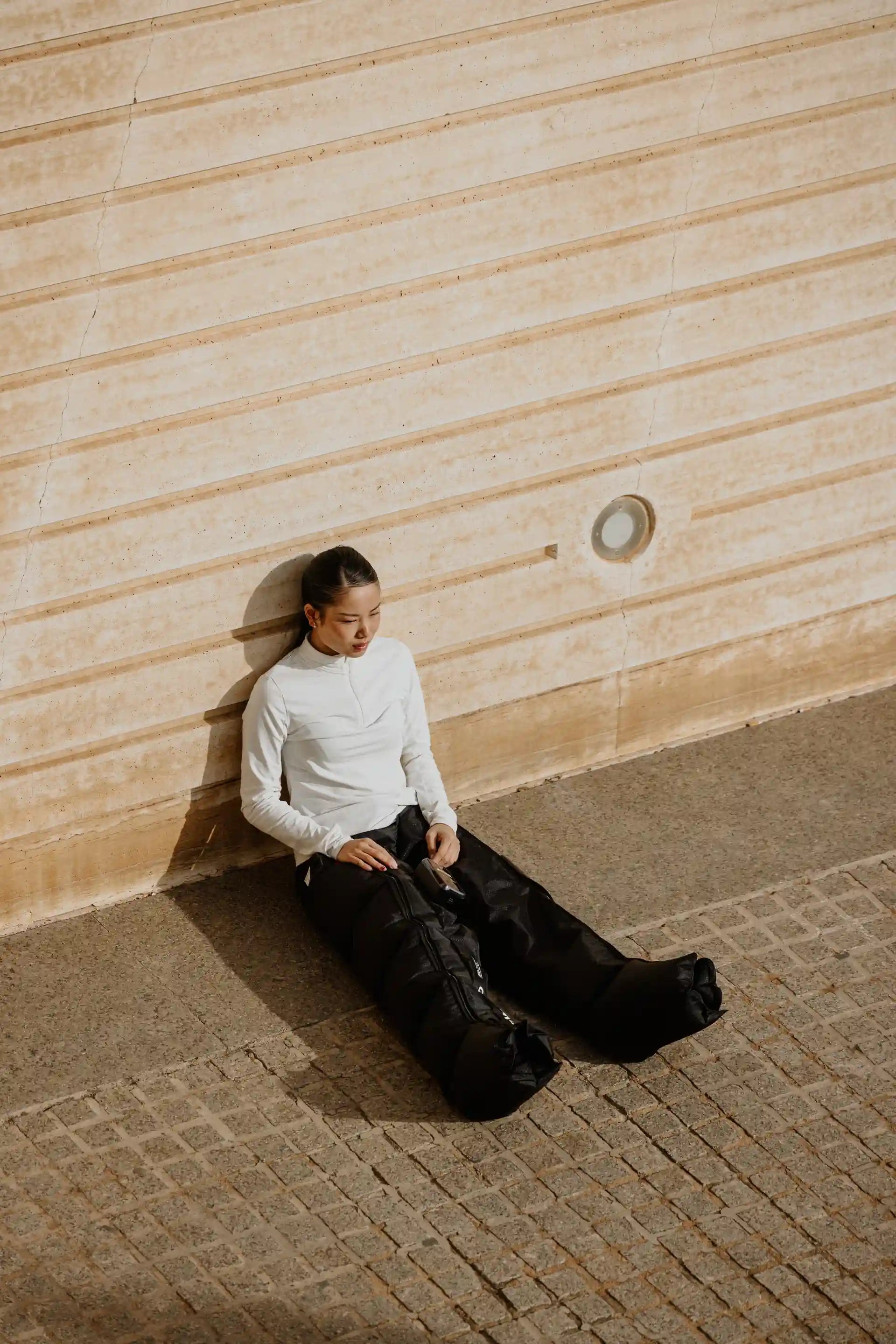
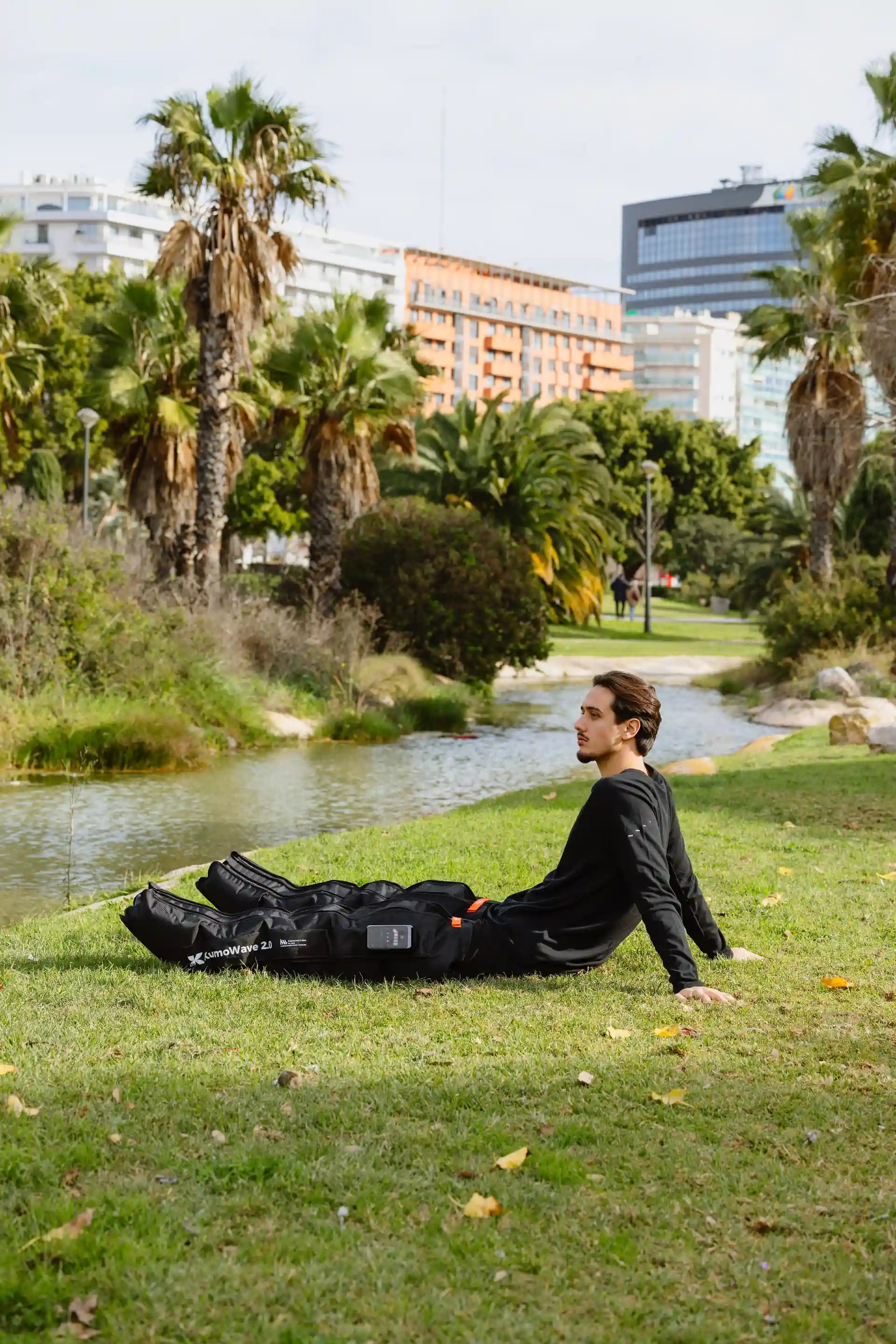
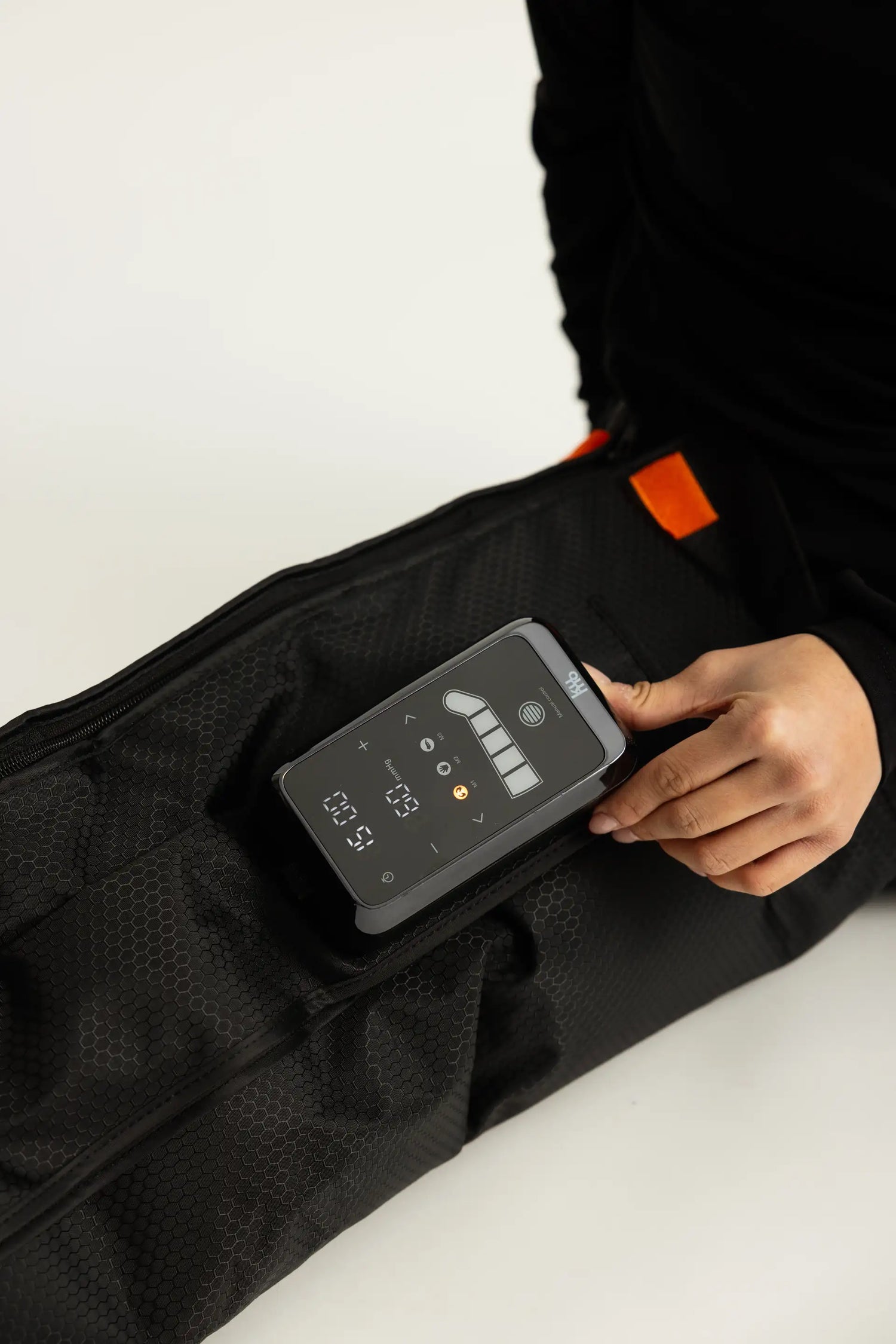
KumoWave pressotherapy boosts circulation and helps drain fluid with sequential compression, in 20-minute sessions at home.
- Boosts circulation and helps drain fluid
- Chamber-based compression, adjustable to you
- Sequential compression that mimics manual drainage
€799,00€999,00
−10% on your 1st order when you subscribe to the newsletter

If you're still unclear about what the technique involves, it's worth reviewing what lymphatic drainage is and its key benefits first.
What influences the ideal frequency
Manual lymphatic drainage is not like a deep tissue massage. The Oncology Nursing Society's guide on manual lymph drainage reminds us that it involves light, rhythmic maneuvers, as part of a complex decongestive approach, and that the optimal frequency remains individualized. (ons.org)
Personalized protocol · included with your purchase
Want us to tell you how to use it in your case?
With your purchase, our experts prepare a personalized usage protocol for your case: sport, circulation, fluid retention, pregnancy or lipedema.
Message us on WhatsAppOur experts reply · no obligation
- If there is recent edema or a feeling of heaviness, it usually starts with more frequency and then sessions are spaced out according to the response. (health.osu.edu)
- If lymphedema is diagnosed, the reduction phase may be daily and then transition to maintenance as needed.
- If the goal is postoperative, the schedule depends on the type of surgery, healing, and medical authorization.
- If you are already in maintenance, MLD is used more on an as-needed basis and is accompanied by compression, exercise, and skin care.
For reference, the Ohio State guide published in 2023 sets a typical session at about 45 minutes, while some hospital services publish 30-minute treatments. If you want to delve deeper into how frequency and duration fit together, you can cross-reference it with lymphatic drainage frequency, duration, and results.
Indicative frequency depending on the case
Important: The following table is a practical guideline, not a fixed prescription. Capital Health's hospital information describes postoperative protocols that can begin within 24 hours with medical authorization, while the NCI and Ohio State emphasize adapting the intensive phase to each person's response.
Quick reference table
| Case | Indicative frequency | Usual duration | What usually accompanies it |
|---|---|---|---|
| Recent edema or heavy legs | 2 or 3 sessions per week; in the intensive phase, it can be daily. | About 45 minutes. | Compression, exercise, and skin care. |
| Recent postoperative | In some protocols, 2 or 3 initial treatments; sometimes it can start within 24 hours with medical authorization. | Between 30 and 45 minutes, depending on the area and sensitivity. | No direct pressure on incisions and with surgeon's follow-up. |
| Diagnosed lymphedema | Daily during the reduction phase, with an average of 15 days; then, maintenance as needed. | About 45 minutes; the entire episode can last several weeks. | Compression, exercise, and self-care. |
| Maintenance and relapse prevention | On demand, when swelling or heaviness reappears. | Variable. | Self-massage, compression, movement, and skin care. |
In breast surgery or after reconstruction with lymphatic involvement, the schedule may be more cautious. Memorial Sloan Kettering indicates that, in a lymphovenous bypass protocol, the therapist is not visited for the first two weeks, MLD can resume from the second week without massaging the incisions, and work on the area is reintroduced from the fourth week. The Memorial Sloan Kettering post-surgical guide is a good example of why the exact timing should be individualized.
on your first order when you join the newsletter
We send you the code instantly. No spam.
When indicated by the professional, pneumatic compression can be added to the plan to support drainage, but it does not replace clinical evaluation or manual drainage. That's why it's worth understanding how pressotherapy and lymphatic drainage complement each other if you're addressing edema or leg heaviness from home.
To sustain results between visits, a professional can teach you self-massage, daytime or nighttime compression, exercise, and skin care. If you want to start with a basic and safe routine at home, review lymphatic drainage at home step by step.
When to space out or request a review
- Space out when swelling consistently decreases and rebound between sessions disappears.
- Review the plan when heaviness returns before the next appointment.
- Suspend the session if there is a fever or active infection, or if the area is too sensitive.
Watch out for warning signs: MedlinePlus, reviewed in 2024, reminds us that lymphedema can begin 6 to 8 weeks after surgery or radiation therapy and that you should consult if fever, redness, pain, or swelling that lasts more than 1 or 2 weeks appears. Its sheet on lymphedema self-care also emphasizes monitoring the skin and avoiding excessive pressure.
FAQ about lymphatic drainage frequency
How often should manual lymphatic drainage be done to reduce edema after cosmetic or reconstructive surgery?
It depends on the type of surgery and healing. In some postoperative protocols, drainage or MLD can start within 24 hours with medical authorization, and 2 or 3 initial sessions are usually planned; in others, the window is more conservative. If there are sensitive incisions, they should not be worked on until the surgeon allows it. The priority is not to rush, but to avoid excessive pressure and respect the tissue.
How many lymphatic drainage sessions are necessary to obtain visible results and how much time should pass between sessions?
There is no universal number. For lymphedema, the NCI describes a daily reduction phase for an average of 15 days; Ohio State talks about 2 or 3 visits per week in Phase I and sessions of about 45 minutes. If you want to see results, regularity usually outweighs a single long session.
What is the ideal frequency of lymphatic drainage according to the objective: edema reduction, postoperative recovery, or lymphedema management?
For edema or heaviness, an initial, more frequent phase is usually used, and then it is spaced out. For lymphedema, the reduction phase can be daily, and maintenance becomes more punctual. For postoperative care, healing and medical authorization dictate the pace. The ONS reminds us that the optimal frequency is not fixed, so the actual criterion is the clinical response.
Is it safe to perform lymphatic drainage twice a week and how long should each session last to obtain benefits?
Yes, twice a week can be reasonable for maintenance or mild conditions, and a session usually lasts about 45 minutes. But if the edema is active, it may be insufficient; if there is fever or infection, it should not be done. MedlinePlus also recommends consulting if the swelling lasts more than 1 or 2 weeks or if signs of infection appear.
How does a professional determine the frequency of lymphatic drainage according to my case of post-mastectomy lymphedema or after breast surgery?
For post-mastectomy or breast surgery, the professional looks at the extent of the surgery, radiation therapy, the condition of the incisions, and how the swelling is evolving. The NCI lists lymph node dissection and radiation as risk factors; MedlinePlus reminds us that lymphedema can appear 6 to 8 weeks after surgery or radiation therapy. With this information, the frequency is adjusted, not with a fixed schedule.
In summary, the ideal frequency of lymphatic drainage is not measured by a magic number, but by the objective, the treatment phase, and the tissue's reaction. If the context is lymphedema, the intensive phase is usually daily; if it is postoperative or maintenance, the rhythm decreases and is personalized.
What now?
If you want to delve deeper, start with lymphatic drainage frequency, duration, and results and then move on to the postoperative lymphatic drainage guide. If your goal is to add compression with proper criteria, also review how pressotherapy and lymphatic drainage complement each other, and return to Kumo Balance for a comprehensive recovery approach.
KumoWave pressotherapy
Choose your at-home pressotherapy
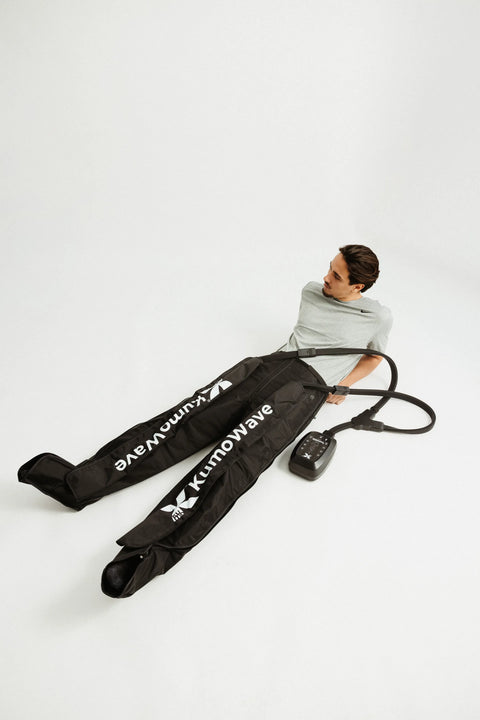
KumoWave Elite – Pressotherapy Pants
Full-coverage trousers. Ideal for lipedema, fluid retention and intensive use.
€799,00 €999,00

KumoWave 2.0 - Wireless Pressotherapy
Wireless, lightweight boots. Perfect for daily use and recovery.
€499,00 €599,00