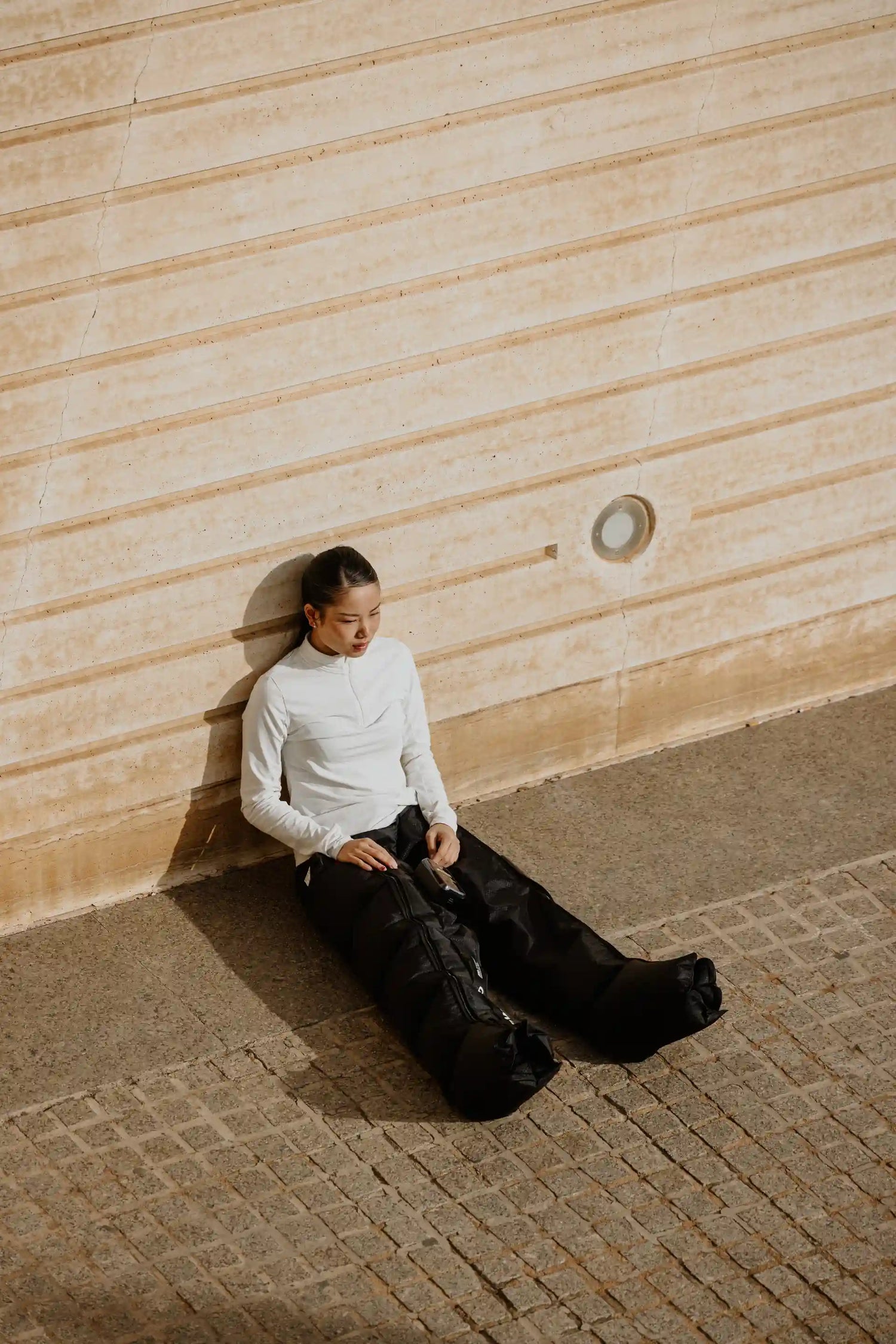

Yes: moving helps.
In lipedema, exercise typically doesn't cure or erase affected tissue, but it can reduce pain, heaviness, and functional limitation when chosen correctly. Recent evidence also points to greater benefits when training is accompanied by continuous compression.
Pressotherapy at home
End the day with light legs
★★★★★ 4,8/5 · rated by verified customers
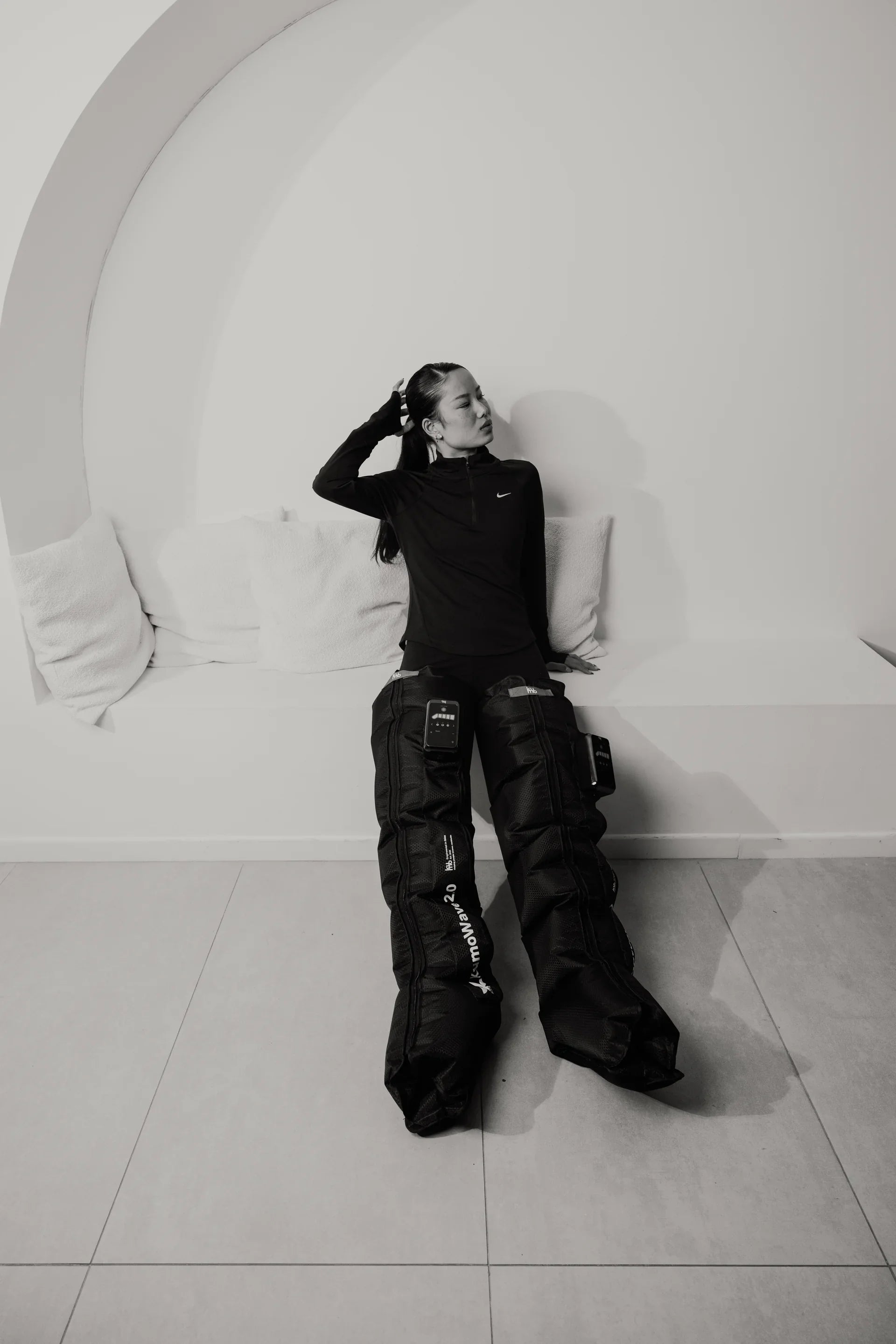
KumoWave pressotherapy boosts circulation and helps drain fluid with sequential compression, in 20-minute sessions at home.
- Boosts circulation and helps drain fluid
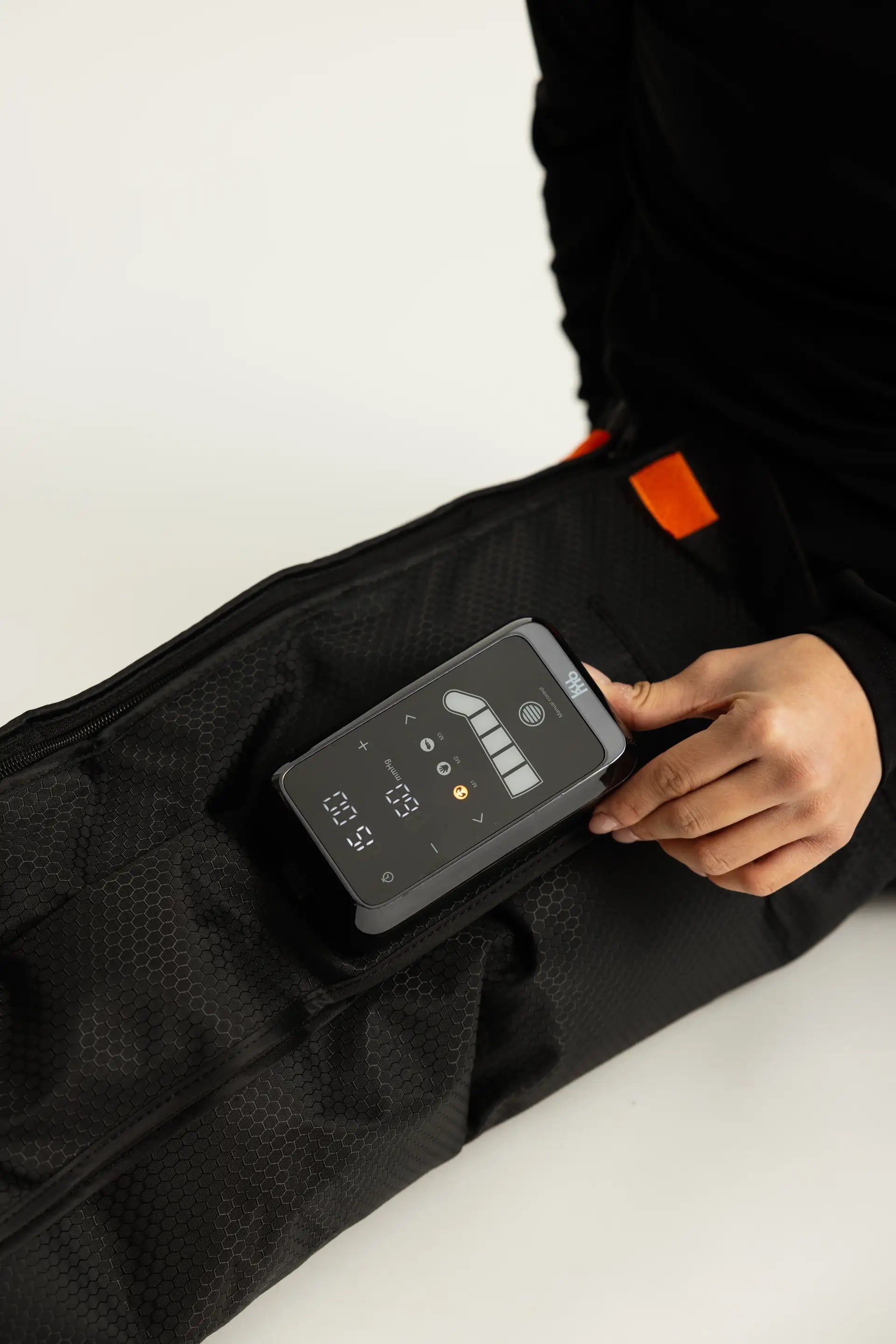
- Chamber-based compression, adjustable to you
- Sequential compression that mimics manual drainage
€799,00€999,00
−10% on your 1st order when you subscribe to the newsletter

Why exercise matters
Exercise has been part of conservative management for years. The 2024 Italian consensus highlights that physical activity can improve lymphatic function, inflammation, and quality of life, and the 2025 systematic review found improvements in pain, symptoms, perimeters, and functional capacity. If you still need to organize the clinical landscape, you can start with the complete guide to lipedema: symptoms and treatment in 2026. 2024 Italian consensus on exercise and lipedema and 2025 systematic review on training in women with lipedema.
The best strategy is usually one you can repeat: tolerable exercise, slow progression, and, when appropriate, compression.
Personalized protocol · included with your purchase
Want us to tell you how to use it in your case?
With your purchase, our experts prepare a personalized usage protocol for your case: sport, circulation, fluid retention, pregnancy or lipedema.
Message us on WhatsAppOur experts reply · no obligation
Which activities help the most
The key is not to train harder, but to train smarter. In general, low-impact approaches work best, dosed patiently and adapted to how your legs respond at the end of the day.
Walking, stationary bike, and elliptical
Walking at a comfortable pace, cycling on a stationary bike, and using an elliptical are often very useful options because they activate the muscle pump with little impact. The reference guide on conservative management of lipedema recommends individualized programs, slow initiation and progression according to tolerance, and includes these modalities among the most reasonable home options. Reference guide on conservative management of lipedema.
Water, swimming, and aquagym
Water activities are usually especially gentle on the legs because water reduces the load on the joints and adds gentle compression. The Italian consensus points to aquatic exercise as one of the most promising alternatives, and the 2025 systematic review associated this type of work with less pain and swelling.
on your first order when you join the newsletter
We send you the code instantly. No spam.
Moderate strength, core, and posture
Strength is not forbidden; on the contrary, when well adjusted, it helps with stability, gait, and body control. The U.S. guide includes posture exercises, core, strengthening, neuromuscular re-education, and diaphragmatic breathing as part of the approach, and a 2022 pilot study showed clinically relevant improvements in pain and quality of life with multimodal physical therapy in early lipedema. 2022 pilot study on multimodal physical therapy in early lipedema. (lipedema.net)
Yoga and Pilates
Yoga and Pilates usually fit well if adapted to the pain level and don't become sessions of enduring just to endure. The guides include them among the useful options for home, especially for their work on mobility, breathing, posture, and trunk control. If any posture compresses you too much or leaves you more inflamed, change the variation and reduce the range before forcing it.
Practical summary in a table
| Activity | What it usually provides | How to adapt it | When to adjust or avoid it |
|---|---|---|---|
| Gentle walking | Activates the muscle pump with little impact. | Comfortable pace, flat terrain, and breaks if discomfort appears. | Reduce load if heaviness or pain increases. |
| Stationary bike and elliptical | Improve aerobic capacity without jumping. | Start with low resistance and stable technique. | Adapt them if posture or saddle worsen symptoms. |
| Swimming and aquagym | Reduce joint load and favor work in water. | Prioritize regular and comfortable sessions. | Adapt them if cold, pool, or intensity don't feel good. |
| Strength, core, and posture | Support stability, gait, and body control. | Use moderate loads and controlled technique. | Avoid explosive sets if you end up more inflamed. |
What to avoid or adapt
There's no need to turn exercise into a list of prohibitions, but it's advisable to reduce the volume of high-impact or overly aggressive activities if they trigger pain, heaviness, or edema. The guidelines insist that the impact must be tolerable and sustainable, and that the program should adapt to the person, not the other way around.
- Running or jumping if you already know they cause pain or swelling. In that case, switch to gentler options until tolerance recovers.
- HIIT and explosive circuits without prior adaptation. The problem is not the name of the routine, but the peak impact and intensity.
- Long routines "through the pain". In lipedema, consistency outweighs heroism, so if the body protests, it's time to adjust. (lipedemacanada.org)
- Any exercise that worsens your actual response, even if it seems healthy in theory. Your symptom dictates more than the training trend.
When you feel you need a more refined plan, you can broaden your context with the real options for lipedema treatment to understand what to add and what not to expect from exercise.
Exercise, compression, and recovery
In many cases, the best results come when movement is combined with compression and, if appropriate, with drainage or physical therapy. The German guide indicates that manual lymphatic drainage has no evidence as an isolated therapy, while exercise with compression is part of the overall therapeutic concept; additionally, pneumatic compression at home can help with pain and swelling control.
A randomized trial on graduated compression and pneumatic compression devices in women with lipedema observed improvements in circumference, bioimpedance, and pain, so pressotherapy for lipedema at home makes sense as daily support, not as a substitute for movement.
FAQ about exercise and lipedema
What exercises are best for lipedema and why?
The most useful are usually walking, stationary biking, swimming, aquagym, elliptical, and gentle strength training. They are not "better" per se, but because they help move without excessively punishing sensitive tissues, improve function, and are usually easier to sustain. The 2025 systematic review and the 2024 consensus highlight this value, especially if the work is combined with continuous compression.
Does low-impact exercise help improve lipedema symptoms?
Yes, it usually helps, especially if the goal is to reduce heaviness, improve mobility, and better tolerate exertion. The important nuance is that "low impact" doesn't mean "anything goes": the intensity must be comfortable, progressive, and sustainable. If a session leaves you feeling worse for hours or the next day, it's advisable to reduce the load, change the modality, or shorten the duration.
What physical activities should be avoided if I have lipedema?
There is no universal list, but running, jumping, very explosive circuits, and HIIT without adaptation are usually less convenient, especially if they increase pain, edema, or fatigue. The guidelines prefer exercise to be tolerable and progressive, so the best practical criterion is to observe your actual response: if your body protests, it's time to adjust.
Does physiotherapy with manual lymphatic drainage plus exercise work for lipedema?
Yes, as part of a multimodal plan. The German guide indicates that manual lymphatic drainage has no evidence as an isolated therapy, but can be integrated with compression and exercise within the global approach. In addition, a 2022 pilot study found improvements in pain and quality of life with multimodal physical therapy in women with early lipedema.
Are yoga or Pilates suitable for lipedema, and what poses would you recommend?
Yes, they are usually suitable if well adapted. The guides include them among the useful options because they promote posture, mobility, breathing, and trunk control, and are also usually gentler than impact activities. It is prudent to avoid poses that compress too much or cause pain, and to work with simple variations before advancing.
What now?
Start with the modality you tolerate best, observe how your legs respond, and adjust without obsessing over intensity. If you want to continue advancing, return to the Kumo Balance website and complete your reading with the real options for lipedema treatment.
KumoWave pressotherapy
Choose your at-home pressotherapy
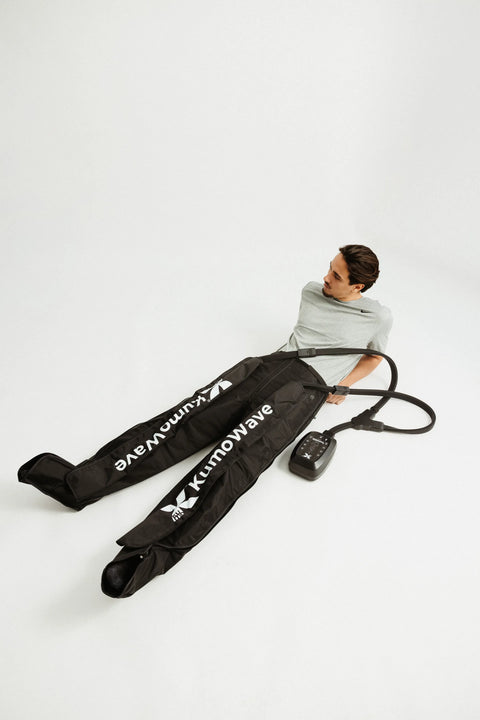
KumoWave Elite – Pressotherapy Pants
Full-coverage trousers. Ideal for lipedema, fluid retention and intensive use.
€799,00 €999,00
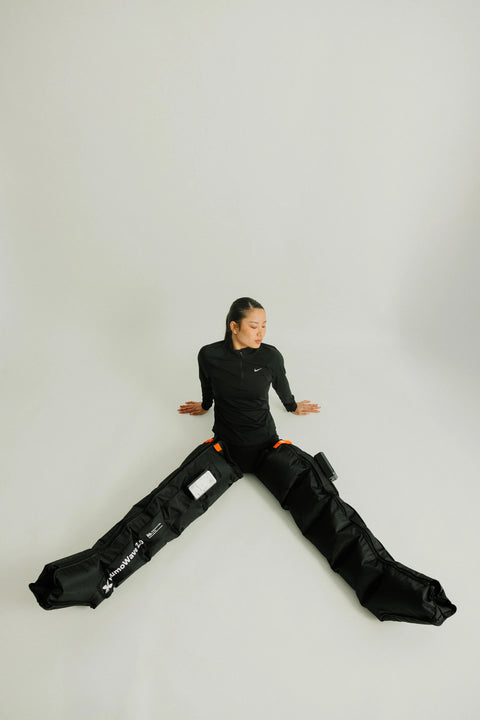
KumoWave 2.0 - Wireless Pressotherapy
Wireless, lightweight boots. Perfect for daily use and recovery.
€499,00 €599,00