
After a mastectomy, lymphatic drainage should not be improvised. It should only begin once the wound is stable and the medical team has given authorization, as the goal is to reduce the risk of lymphedema and not to strain an area that is still healing. (cancer.gov)
The U.S. National Cancer Institute explains that lymphedema occurs when lymphatic flow is disrupted after surgery or radiation therapy, while the American Cancer Society integrates it into a broader approach combining manual drainage, compression, exercises, and skin care.
Pressotherapy at home
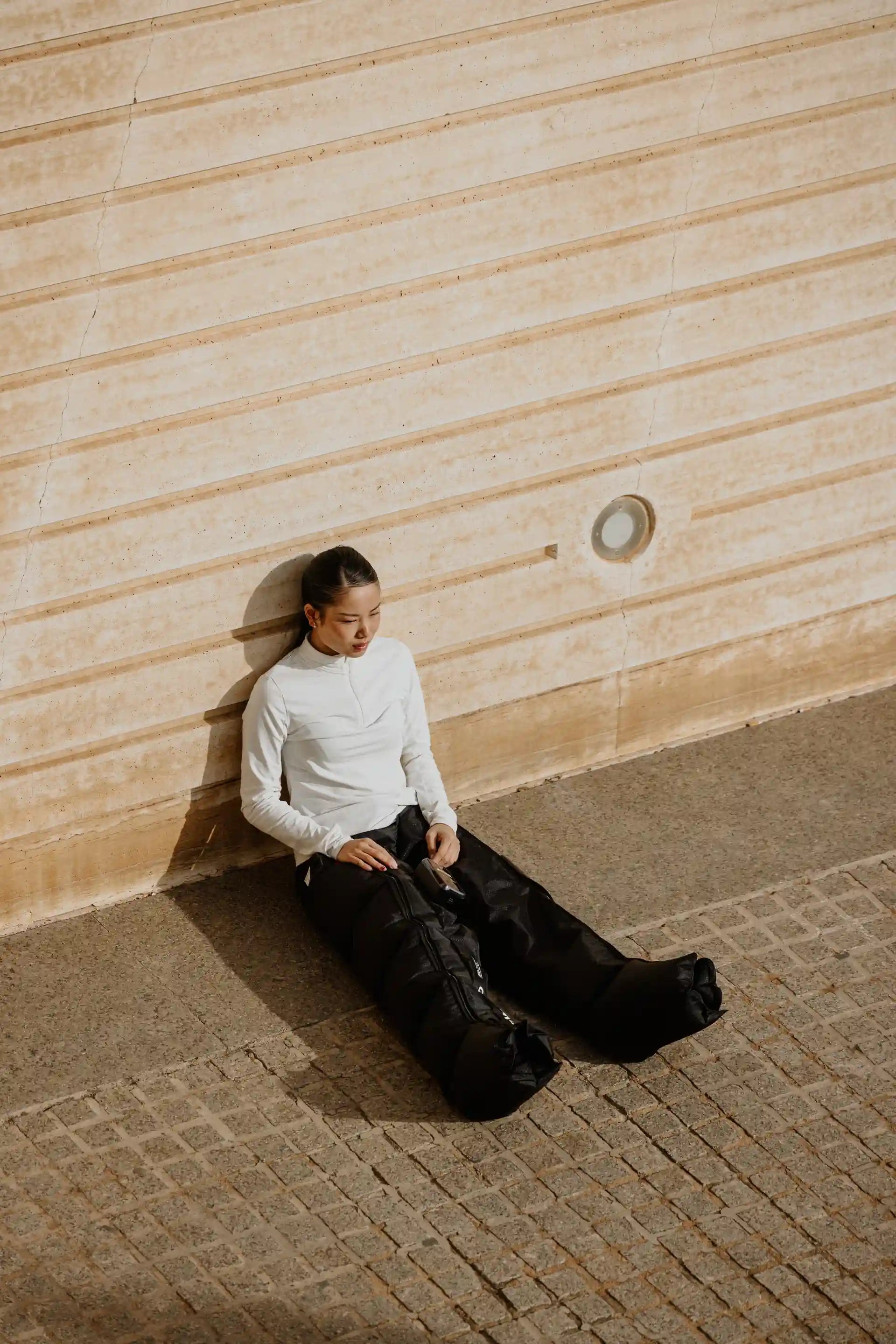
End the day with light legs
★★★★★ 4,8/5 · rated by verified customers
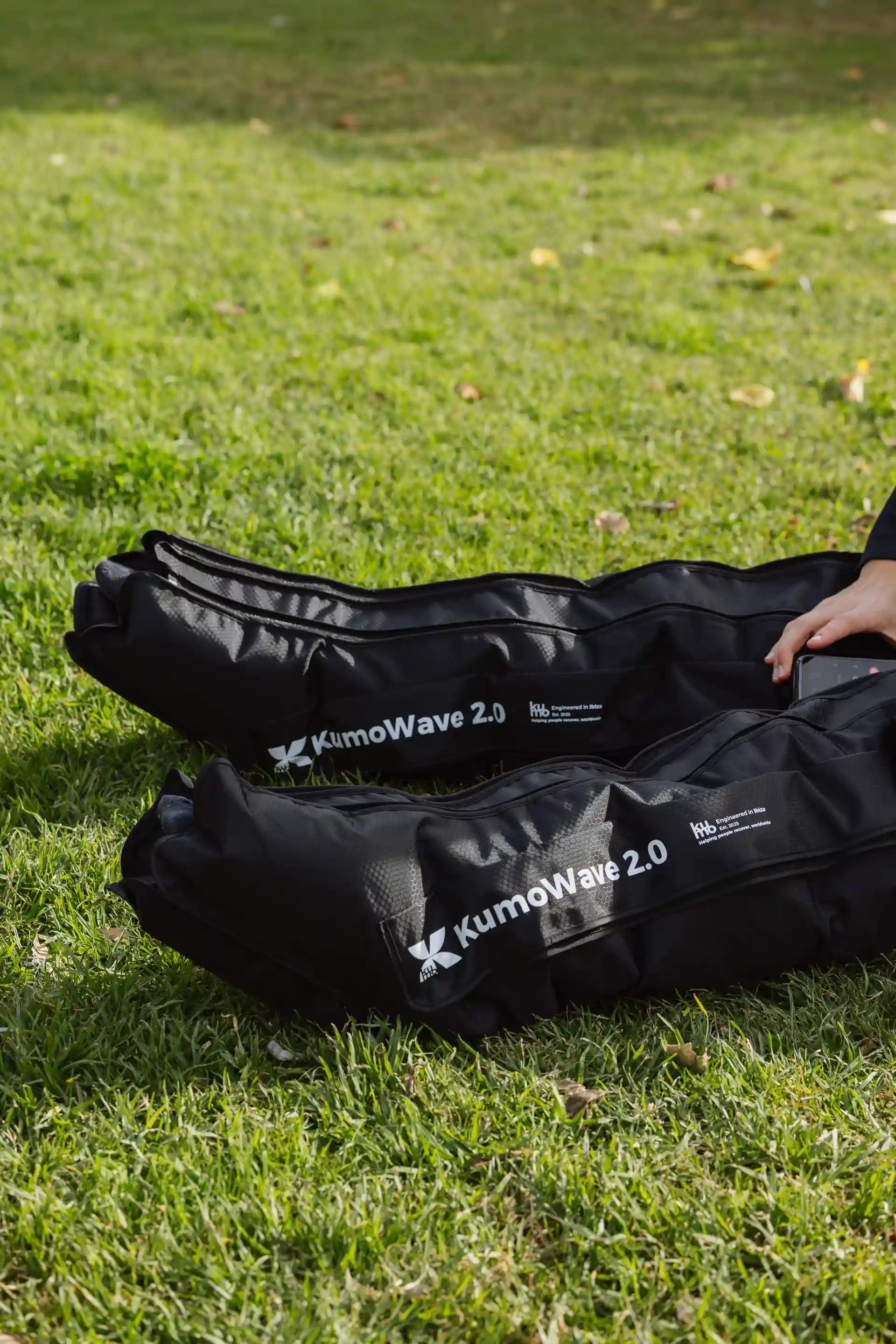
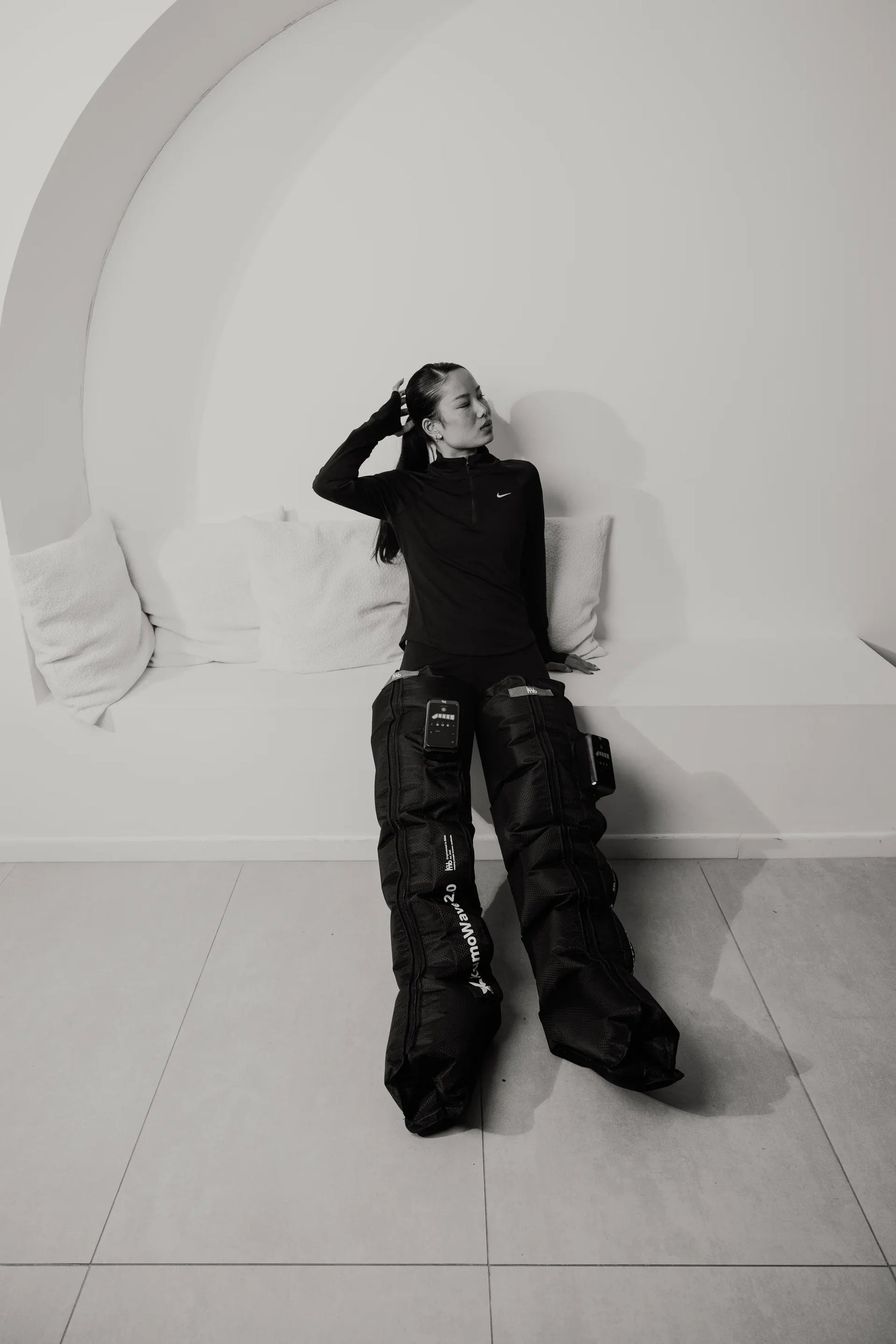
KumoWave pressotherapy boosts circulation and helps drain fluid with sequential compression, in 20-minute sessions at home.
- Boosts circulation and helps drain fluid
- Chamber-based compression, adjustable to you
- Sequential compression that mimics manual drainage
€799,00€999,00
−10% on your 1st order when you subscribe to the newsletter

Normal swelling, seroma, and lymphedema are not the same. Lymphedema can appear weeks, months, or even years later, so it's important to monitor the evolution of the arm, breast, or chest on the operated side.
What is lymphatic drainage and how does it relate to mastectomy?
Manual lymphatic drainage is a gentle maneuver that helps move lymphatic fluid; it is not equivalent to a deep massage. The NCI and ACS frame it within complete decongestive therapy, along with compression, skin care, exercise, and elevation. If you need a more general overview, you can start with how lymphatic drainage works.
Personalized protocol · included with your purchase
Want us to tell you how to use it in your case?
With your purchase, our experts prepare a personalized usage protocol for your case: sport, circulation, fluid retention, pregnancy or lipedema.
Message us on WhatsAppOur experts reply · no obligation
When does it make sense after surgery?
After a mastectomy, the timeline depends on wound healing, whether you have drains, and whether there was axillary dissection or radiation therapy. The ACS indicates that some gentle movements can begin within a few days with medical permission, while a RUH leaflet places more advanced arm routines from two weeks onwards, if the wound has already healed. To see it by phases, review when and how to resume postoperative drainage.
What not to do
It does not replace the surgeon's review or the follow-up of a physical therapist or lymphedema therapist. Furthermore, it should not be applied as intensive therapy on a painful, inflamed, or very recent area; in RUH postoperative care, deep massage is avoided, and particular care is taken with the wound. If you want specific criteria, here are key indications for manual lymphatic drainage.
Specific care after breast cancer: what helps most
Specific care after breast cancer focuses on protecting the scar, maintaining gentle mobility, and promptly detecting any signs of complications. When the treatment has affected lymph nodes or radiation therapy, the risk of chronic swelling increases, so the plan must be simple, consistent, and supervised.
on your first order when you join the newsletter
We send you the code instantly. No spam.
- Follow the wound care plan and do not manipulate the wound until it is closing well, as early care reduces the risk of complications.
- Move gently and progressively; exercise helps the lymphatic system, but it must be done without pain and without worsening swelling.
- Protect the skin on the operated side from cuts, burns, punctures, and infections, as infection can promote lymphedema.
- If you notice heaviness, tightness, or one arm being larger than the other, seek evaluation promptly: lymphedema is best managed when detected early.
- If compression is indicated, use it as part of a global plan and not as an isolated solution. (cancer.org)
Practical summary by phases
| Phase | What to do | What to avoid | Clinical basis |
|---|---|---|---|
| First few days | Prioritize wound care, relative rest, and very gentle shoulder and arm mobility if the surgeon allows. | Do not perform deep massage or force the operated area. | ACS, RUH, and NCI. |
| 1 to 2 weeks | If the wound has healed well, progressively reintroduce arm exercises. | Do not progress if the drain pulls, there is increasing pain, or the skin is irritated. | ACS and RUH. |
| 4 weeks or more | If the team approves, start working on the scar and consider more specific manual therapy. | Do not apply massage to an area that is still sensitive or open. | RUH and MSKCC. |
| Anytime | Consult if warning signs appear or if swelling progresses. | Do not wait for it to "go away on its own" if the arm, breast, or chest visibly changes shape. | NCI, MSKCC, and RUH. |
When to remove drains and how to care for the wound
Drain removal does not follow a single date. A current guide from Cambridge University Hospitals explains that they are removed when the daily volume is within the agreed threshold, and the Hull University Teaching Hospitals leaflet commonly uses 50 ml or less in 24 hours as a reference. The final decision always depends on the surgeon.
For the wound, the Royal United Hospitals Bath leaflet recommends washing with mild soap or just water for the first 6 weeks, avoiding immersion in the bath during that period, and patting dry. It also suggests starting to moisturize the scar around 4 weeks, if progress is good.
Warning signs not to ignore
- Redness, warmth, swelling, or rash around the wound.
- Fever, chills, or a general feeling of being unwell.
- New discharge, bad odor, or a seroma that is bothering or causing pressure.
If a seroma is drained, some guidelines recommend pausing arm exercises that day and resuming them the next, always according to individual progress.
Exercises and movement after mastectomy
The ACS guide to exercises after breast surgery recommends progressing slowly, performing diaphragmatic breathing, and stopping if heaviness, swelling, or pain increases.
- Open and close your hand several times to activate circulation and lymphatic return.
- Flex and extend your elbow without forcing the shoulder.
- Take deep breaths with your diaphragm several times a day.
- Elevate your arm only as far as it does not pull on the drains or cause pain.
The RUH leaflet, intended for use starting two weeks after the wound has healed, emphasizes maintaining a normal posture and reintroducing arm exercise frequently and gently.
It is also advisable to avoid, at least initially, intense heat, saunas, very hot baths, and deep tissue massage over the treated area.
If there is already lymphedema in the arm or chest wall
When lymphedema is already present, treatment is usually multidisciplinary. The ACS describes complete decongestive therapy as a combination of manual drainage, compression, skin care, exercise, and elevation, and the NCI adds that intermittent pneumatic compression may be incorporated in some cases.
In the MSKCC frequently asked questions, updated in 2021, the estimated risk is between 0 and 7 out of 100 after sentinel lymph node biopsy, and between 15 and 25 out of 100 after axillary dissection. The same guide notes that there are no approved medications to reduce swelling.
If your medical team later considers pneumatic compression or pressotherapy, it is important to understand how it integrates with the rest of the plan. Here is a practical explanation of how to combine lymphatic drainage and pressotherapy when there is a clinical indication.
Frequently Asked Questions
What is manual lymphatic drainage and how is it applied after a mastectomy to prevent lymphedema?
It is a very gentle massage technique that aims to facilitate the movement of lymphatic fluid. After a mastectomy, it is not applied "systematically": it is incorporated only when the wound is well and the medical team allows it. The goal is to support lymphatic circulation without irritating the scar or increasing inflammation. In practice, it is usually part of a broader plan that includes exercise, skin care, and, if necessary, compression.
What are the specific post-mastectomy lymphatic drainage cares for breast cancer?
The most important cares are to respect healing, start progressively, and monitor for warning signs. It is not advisable to apply deep pressure to a painful or recent area, nor to replace surgical follow-up with self-massage. It is also crucial to moisturize the skin when the team authorizes it, avoid infections, and seek evaluation if you notice heaviness, tightness, or increased volume. The most helpful therapy is one that fits your recovery phase, not the most intense.
When should drains be removed and how to care for the wound after a mastectomy?
The date depends on the volume coming out of the drain and the surgeon's criteria. Some guides use thresholds such as "agreed daily volume" or 50 ml in 24 hours, but there is no universal figure. For the wound, gentle washing, patting dry, not submerging the area for several weeks, and monitoring for redness, fever, or new discharge are usually recommended. If a seroma appears, the medical team will decide whether it should be drained and when to resume exercises.
Is it safe to have lymphatic drainage if I've had a mastectomy with lymphedema in the arm?
Yes, it can be safe, but only as part of a plan supervised by a lymphedema-trained professional. In general, treatment includes manual drainage, compression, exercise, and skin care. If there is infection, an open wound, significant pain, or sudden volume changes, you must stop and consult. The therapist will also decide if compression, a sleeve, or intermittent pneumatic compression are suitable for your case. The important thing is to personalize, not to copy generic protocols.
What lymphatic drainage exercises are recommended after a mastectomy to reduce swelling?
Gentle and progressive movements are usually recommended: opening and closing the hand, flexing and extending the elbow, raising the arm as far as it does not bother, and practicing diaphragmatic breathing. The ACS adds that some exercises can begin within a few days if the doctor authorizes it, and that you should stop if pain, heaviness, or swelling increases. If the arm pulls on the drain or the wound has not yet closed, the range should be reduced.
What now?
If you are organizing your recovery, you can start with the essential guide to postoperative lymphatic drainage, review the key indications for manual lymphatic drainage, and return to the Kumo Balance homepage to continue browsing calmly.
KumoWave pressotherapy
Choose your at-home pressotherapy
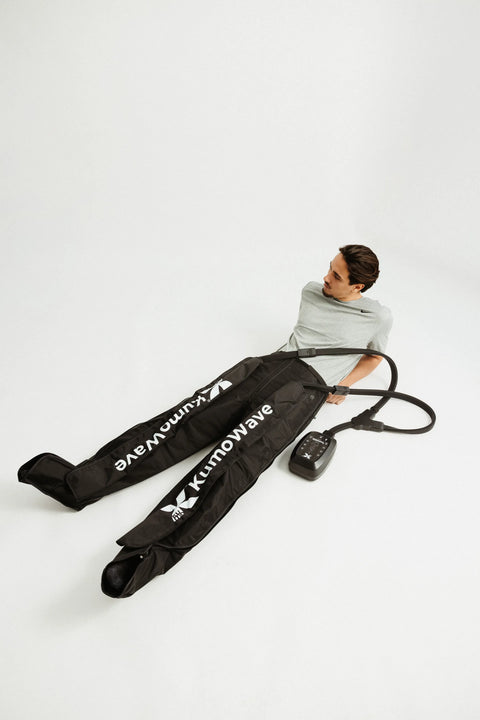
KumoWave Elite – Pressotherapy Pants
Full-coverage trousers. Ideal for lipedema, fluid retention and intensive use.
€799,00 €999,00
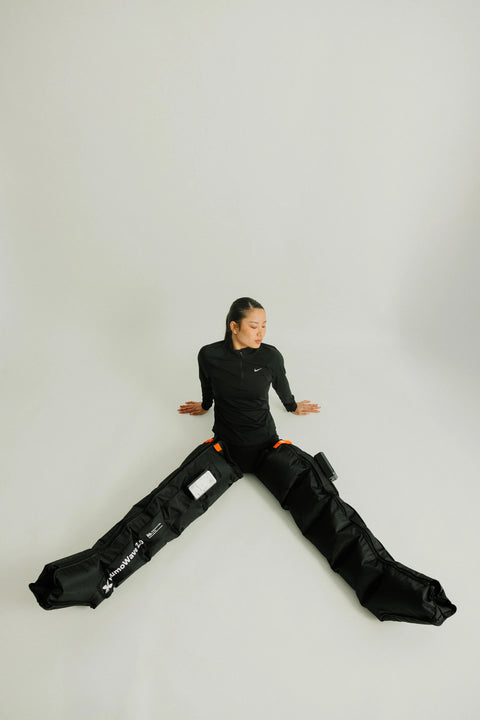
KumoWave 2.0 - Wireless Pressotherapy
Wireless, lightweight boots. Perfect for daily use and recovery.
€499,00 €599,00