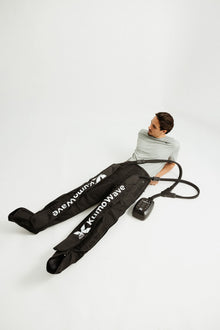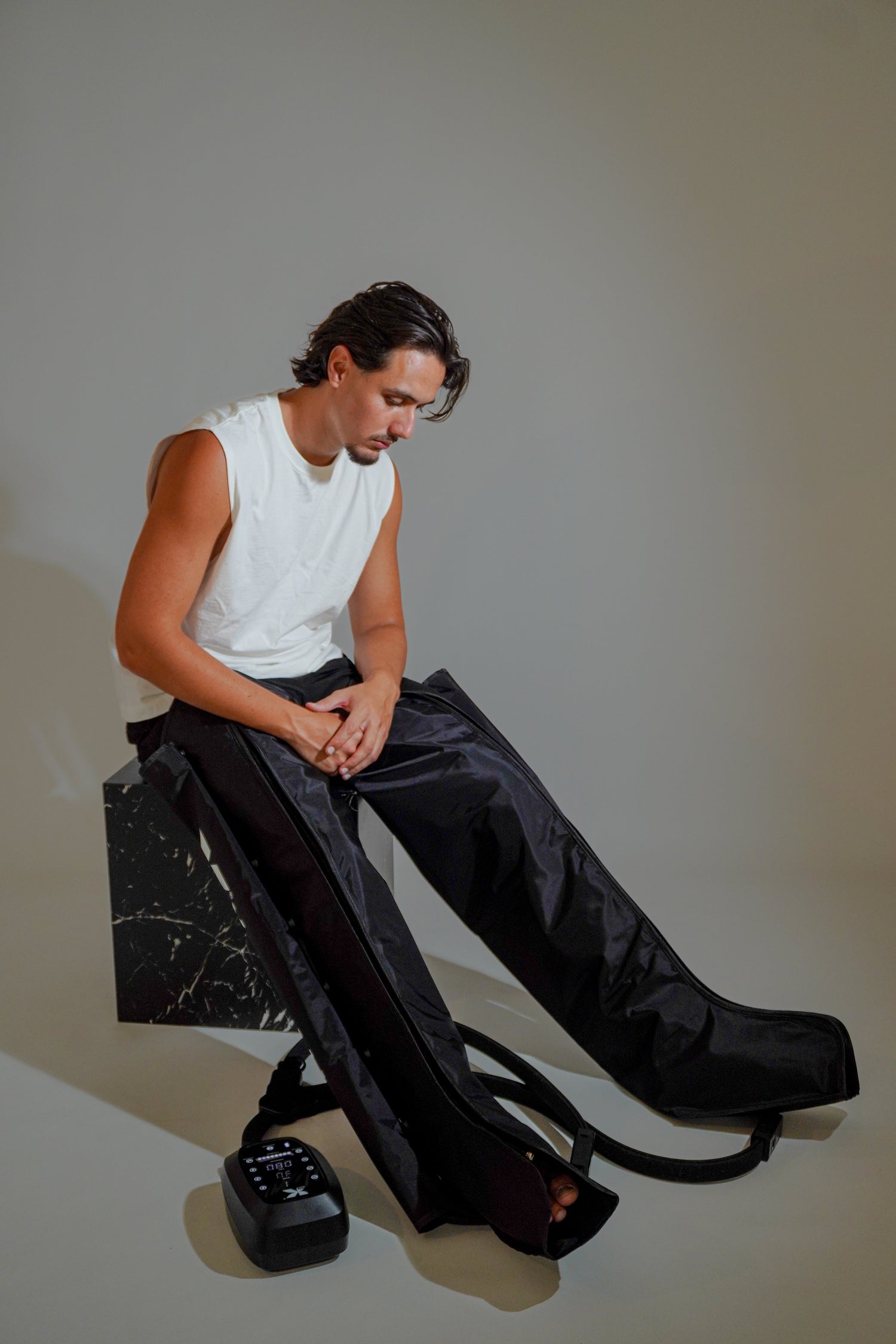
Lymphatic drainage and pressotherapy enhance each other when done correctly. In this practical guide, you will learn how to combine them safely: order of application, timing, frequency, signs to watch for, and real-life scenarios (sports, heavy legs, or general well-being), supported by clinical sources and prudent recommendations.
The goal is clear: to help you design an effective routine to stimulate the lymphatic system, reduce heaviness, and promote recovery, without replacing the assessment of a healthcare professional. If you're looking to incorporate compression technology into your self-care, here's a realistic and easy-to-follow plan.
Pressotherapy at home
End the day with light legs
★★★★★ 4,8/5 · rated by verified customers
KumoWave pressotherapy boosts circulation and helps drain fluid with sequential compression, in 20-minute sessions at home.
- Boosts circulation and helps drain fluid
- Chamber-based compression, adjustable to you
- Sequential compression that mimics manual drainage
€799,00€999,00
−10% on your 1st order when you subscribe to the newsletter

In a little while
- First, do a gentle drainage massage and then pressotherapy to "open" pathways and then boost return.
- Typical sessions: 10–20 min massage + 20–45 min pneumatic compression, 2–4 times/week, depending on tolerance.
- Moderate pressure and intensity, progressing gradually and prioritizing comfort.
- Avoid if you have venous thrombosis, acute infection, decompensated heart failure, or medical doubts.
- Hydrate, breathe deeply and observe your body: comfort is key.
What each technique is and how they work
Manual lymphatic drainage: gentle stimulation of the lymphatic system
Manual lymphatic drainage (MLD) is a very light and rhythmic massage that aims to promote the movement of lymph towards the lymph nodes and drainage areas. It is used in clinical decongestion protocols and also for wellness purposes to relieve swelling or tired legs. It is based on the anatomy of the lymphatic system and techniques that respect the pathways and direction of lymphatic flow.
- A practical guide to manual lymphatic drainage (MLD) for self-care in clinical settings: Memorial Sloan Kettering
- Lymphatic System Concepts: National Cancer Institute (NCI)
Pressotherapy or intermittent pneumatic compression: sequential “push”
Pressotherapy uses boots or sleeves that inflate and deflate sequentially to promote venous and lymphatic return. Clinically known as intermittent pneumatic compression (IPC), it is used as an adjunct to lymphedema or venous insufficiency, and increasingly in recovery and wellness routines.
Personalized protocol · included with your purchase
Want us to tell you how to use it in your case?
With your purchase, our experts prepare a personalized usage protocol for your case: sport, circulation, fluid retention, pregnancy or lipedema.
Message us on WhatsAppOur experts reply · no obligation
- What is a pneumatic compression device and how do you use it? - Cleveland Clinic
- Lymphedema treatment and the role of compression: NHS (UK)
Why combine them safely
Using a gentle lymphatic drainage massage first can "prepare" pathways and activate lymph nodes, and subsequent compression therapy provides a more comprehensive and consistent mechanical stimulus. Overall, many people report:
- Less feeling of heaviness and tension in the legs after long days or trips.
- Faster subjective recovery after light to moderate exertion.
- Relaxation and better rest due to the parasympathetic effect of gentle touch.
In clinical practice, consensus documents recommend complex decongestive therapy (manual lymphatic drainage, compression bandaging, exercise, and skin care) for lymphedema, tailored by professionals (ISL Consensus, 2020) PubMed . For home use focused on well-being, the combination should be moderate and guided by comfort, and should never replace medical advice.
Quick tip: Practice diaphragmatic breathing for 3–5 minutes before starting. The respiratory “pump” is one of the most powerful drivers of lymphatic return.
−10%on your first order when you join the newsletter
We send you the code instantly. No spam.
How to combine them: order, timing and intensity
Recommended order of a session
- Preparation (2–3 min): diaphragmatic breathing and gentle neck and shoulder movement.
- Gentle lymphatic drainage (10–20 min): light maneuvers towards key lymph nodes (groin/armpit), without pain.
- Pressotherapy (20–45 min): comfortable sequential program, starting with low-medium intensities.
- Recovery (2–3 min): Leg elevation and small sips of water.
Clinical reference for home IPC durations: 30–60 min per session in specific medical plans, according to Cleveland Clinic. Adjust to your wellness goals and tolerance.
Duration, pressure, and intensity
- Suggested total duration: 30–60 min.
- Intensity/Pressure: prioritize comfort; avoid discomfort, numbness, or lasting marks.
- Programs: sequential or peristaltic, with gradual progression week by week.
The optimal intensity varies depending on the device and the individual. Always follow the manufacturer's instructions and, if you have a medical condition, the guidelines of your physiotherapist or doctor.
Weekly frequency and progression
- Start: 2 sessions/week for 2–3 weeks.
- Maintenance: 2–4 sessions/week depending on perceived effect.
- Sign of progress: lighter legs, with no signs of irritation or residual discomfort.
Warning signs
Stop the session and consult your doctor if you experience sharp pain, marked redness, increased swelling on one side, shortness of breath, fever, or persistent numbness. In a clinical setting, follow the healthcare team's guidance: NHS – Lymphedema Treatment .
Sample plan for one week
Title: Weekly plan to combine lymphatic drainage and pressotherapy (general wellness)
| Day | Aim | Technique | Duration | Intensity | Grades |
|---|---|---|---|---|---|
| Monday | Soft start | Drainage + Pressotherapy | 10–15' + 20–30' | Low | Focus on breathing and comfort |
| Wednesday | Moderate stimulus | Drainage + Pressotherapy | 15–20' + 30–40' | Low-medium | Elevate your legs for 5 minutes after the session. |
| Friday | Weekly Recovery | Drainage + Pressotherapy | 15–20' + 30–45' | Comfortable half-money | Stay hydrated and take a gentle 10-minute walk |
| Sunday | Optional relaxation | Pressotherapy or Drainage Only | 20–30' | Low | Adjust according to how you feel |
Note: This is a general example for wellness. In medical cases (e.g., lymphedema), the plan is defined by a professional according to the 2020 PubMed ISL consensus.
Use cases: sports, work, and travel
Recovery after light-to-moderate physical activity
After light running, indoor cycling, or moderate strength training, this combination can help reduce stiffness and promote relaxation. Avoid high-intensity workouts if there is significant muscle damage; prioritize comfort and breathing.
Office, teleworking and long trips
If you spend many hours sitting or standing, alternate days with shorter sessions. Elevating your legs and walking briefly enhances the effect. General information about the lymphatic system to understand why movement helps: NCI – Lymphatic System .
Post-operative care and lymphedema: always consult a doctor
In lymphedema or post-surgery, complex decongestive therapy and compression are protocolized and should be individualized by the clinical team (ISL 2020) PubMed . Reliable resources: NHS – Treatment and Cochrane review on manual lymphatic drainage in lymphedema associated with breast cancer (
Contraindications and safety
Avoid pressotherapy and lymphatic drainage massage if you:
- Deep vein thrombosis or suspected DVT.
- Active skin infection (cellulitis), unhealed wounds.
- Decompensated heart failure or uncontrolled cardiac edema.
- Active cancer without medical authorization in the treated area.
- Pregnancy: consult before using devices on lower limbs.
Guidelines and safety overview: Cleveland Clinic – Compression Device and MedlinePlus – Lymphedema .
Evidence and current limitations
- Manual lymphatic drainage (MLD) is part of complex decongestive therapy; the ISL 2020 consensus supports it as a component of a combined approach (compression, exercise, skin care) PubMed .
- A Cochrane review (2015) suggests that DLM may provide additional benefit in some clinical cases, although the evidence is heterogeneous and context-dependent. Cochrane Library .
- IPC has established use in lymphedema and venous pathology under NHS professional indication, and its adoption for well-being and perceived recovery is increasing, although evidence in sports performance continues to evolve.
- For home use, the rule is prudence, comfort and progression, with professional consultation if there are medical conditions.
If you are interested in integrating aesthetic and functional recovery technologies into your routine, discover the philosophy and proposals of KUMO: KUMO Balance – Home .
Frequently Asked Questions
Is it better to do pressotherapy or lymphatic drainage first?
For most people without a medical condition, it makes sense to start with gentle lymphatic drainage and finish with compression therapy. The light massage can "clear" pathways and activate lymph nodes, and the sequential compression then provides sustained stimulation that promotes drainage. In clinical settings, this sequence is part of broader protocols and is individualized. If you have a medical condition (e.g., lymphedema), follow the guidance of your physiotherapist or doctor and the safety recommendations from sources such as the NHS .
How many sessions per week are appropriate?
As a general guideline for well-being, 2–4 weekly sessions work for many people. Start with 2 sessions, assess how you feel (lightness, sleep quality, absence of discomfort), and adjust accordingly. In medical settings, there are more specific guidelines that may involve 30–60 minutes of IPC per session, once or twice a day, according to the Cleveland Clinic, always under professional guidance. The progression should be gradual and guided by comfort.
What pressure should I use in compression therapy boots?
There is no single "one-size-fits-all" pressure. It depends on the device, your tolerance, and your goal. For general well-being, start with low- to medium-intensity programs that feel comfortable without pain or numbness. Follow the manufacturer's instructions and avoid exceeding levels that could leave lasting marks. If you have vascular or lymphatic problems, consult a doctor beforehand and adjust the pressure under professional supervision. General resource on safety and use: Cleveland Clinic.
Can I train on the same day I have pressotherapy and lymphatic drainage?
Yes, but plan your schedule. Many people prefer to do this combination after exercise to promote relaxation and a feeling of light legs. If you do it beforehand, keep the intensity low to avoid "numbing" the tissue before your workout. Observe how you respond the next day and adjust the duration and intensity accordingly. Hydrating and taking a gentle walk after your session helps to consolidate the effect.
Who should not use pressotherapy or lymphatic drainage?
Avoid these techniques if you have deep vein thrombosis, an acute infection, decompensated heart failure, or open wounds. If you are pregnant or have active cancer, seek medical authorization. If you experience pain, marked redness, or worsening swelling, stop use and consult a doctor. To understand the clinical management of lymphedema and the role of compression, review the NHS guidelines and the 2020 ISL consensus ( PubMed ).
The essentials
- First gentle drainage; then pressotherapy with comfortable intensity.
- 30–60 minutes total per session, 2–4 times/week, progressing slowly.
- Signs of success: less heaviness, better rest, no discomfort the next day.
- Prioritize safety: know the contraindications and ask if you have any doubts.
- Incorporate breathing, hydration, and short walks to enhance the effect.
Ready to make recovery a pleasant and sustainable habit? Discover KUMO's technological wellness proposal here: KUMO Balance .
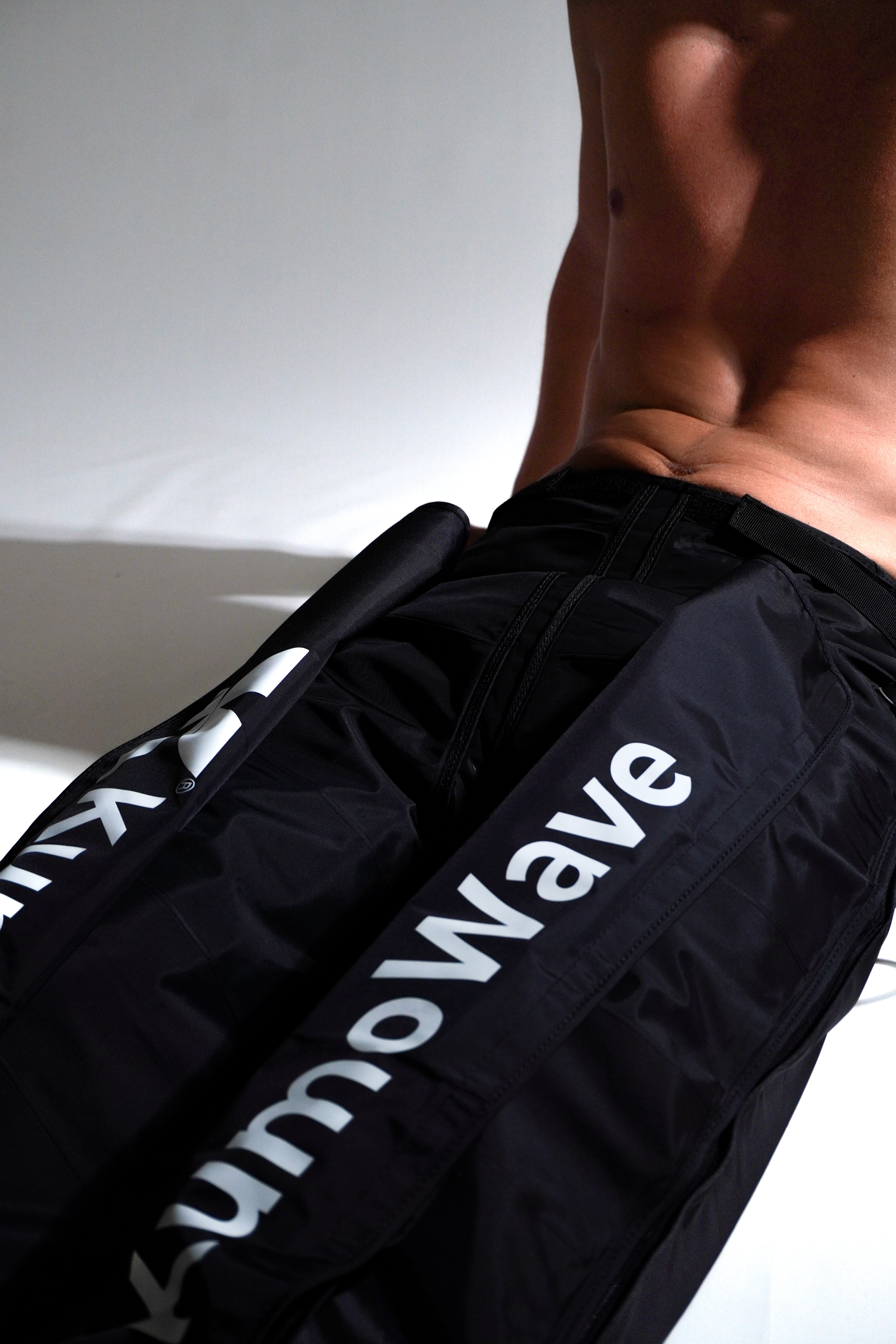
KumoWave pressotherapy
Choose your at-home pressotherapy
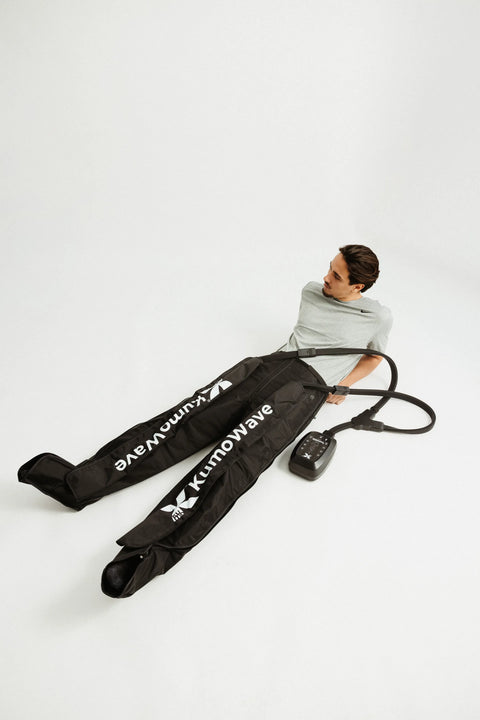
KumoWave Elite – Pressotherapy Pants
Full-coverage trousers. Ideal for lipedema, fluid retention and intensive use.
€799,00 €999,00
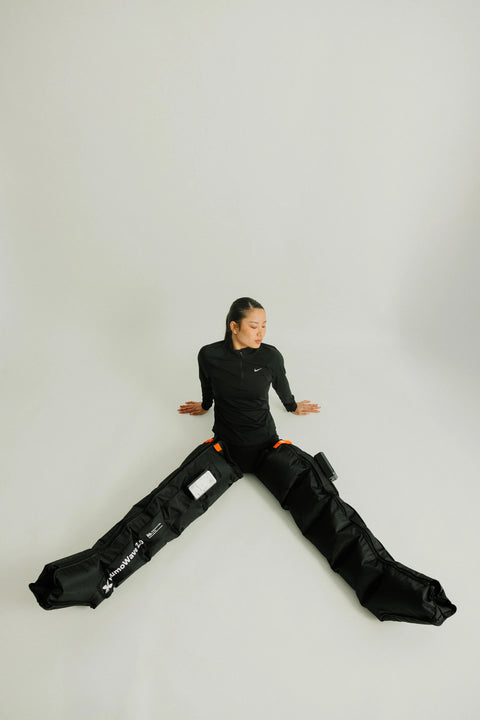
KumoWave 2.0 - Wireless Pressotherapy
Wireless, lightweight boots. Perfect for daily use and recovery.
€499,00 €599,00