
Manual lymphatic drainage is everywhere. But it's not always clear who it's actually helpful for and when it should be avoided.
In this article you will see what it is, how it works and, above all, what the key indications and contraindications are to use it safely, both in health and wellness and performance contexts.
Pressotherapy at home
End the day with light legs
★★★★★ 4,8/5 · rated by verified customers
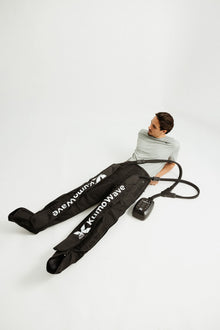
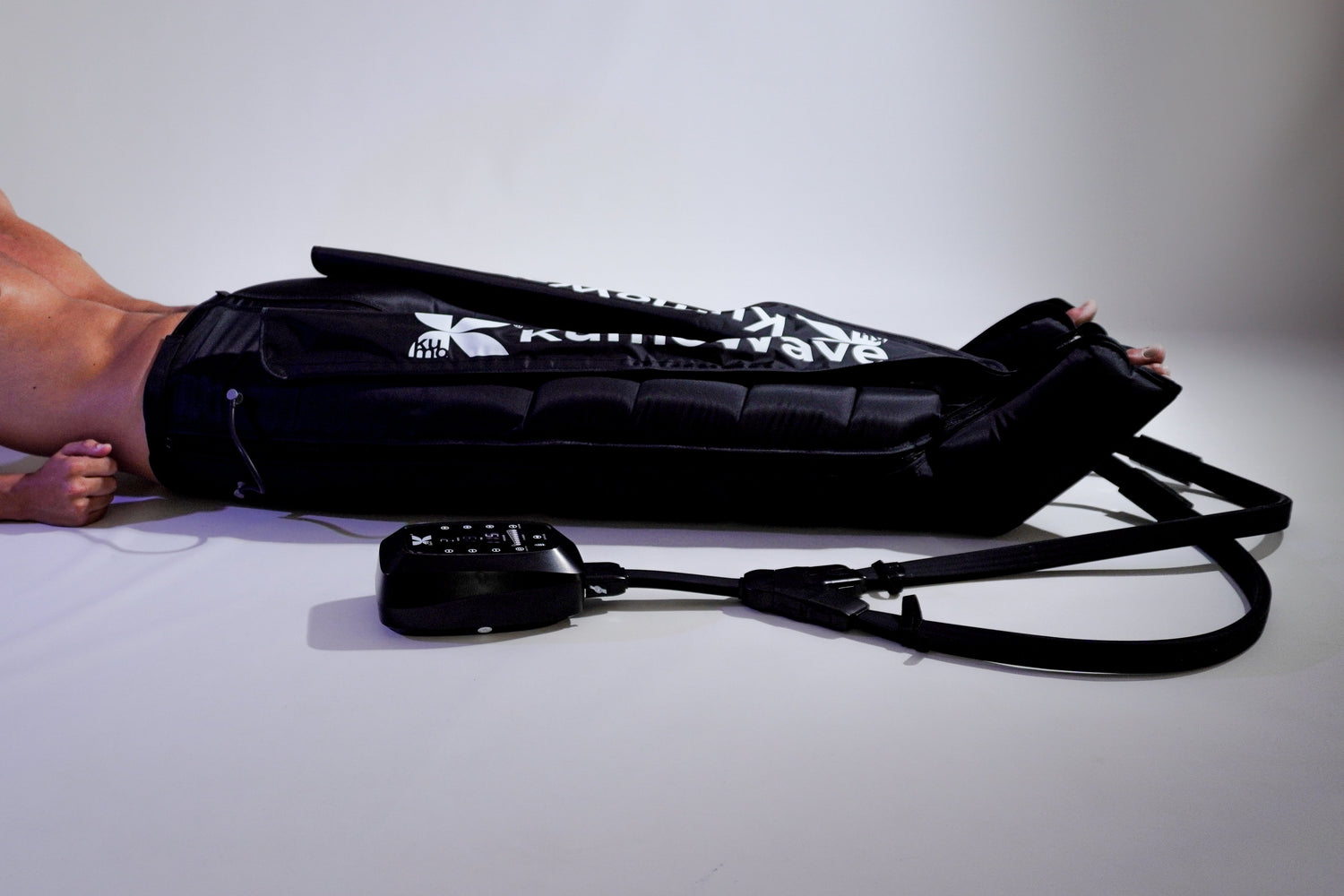
KumoWave pressotherapy boosts circulation and helps drain fluid with sequential compression, in 20-minute sessions at home.
- Boosts circulation and helps drain fluid
- Chamber-based compression, adjustable to you
- Sequential compression that mimics manual drainage
€799,00€999,00
−10% on your 1st order when you subscribe to the newsletter

What is manual lymphatic drainage and how does it work?
Manual lymphatic drainage (MLD) is a gentle, rhythmic massage technique designed to stimulate the lymphatic system, promoting the return of lymph to the venous system. It is performed with very light pressure, slow movements, and always in the direction of the lymph nodes.
Unlike a traditional massage, it doesn't aim to deeply relax muscles or "untangle knots," but rather to improve the transport of fluids, proteins, and waste products . This is why it's so widely used for edema, lymphedema, post-surgical recovery, and tired legs , as well as supporting aesthetic and sports programs.
Personalized protocol · included with your purchase
Want us to tell you how to use it in your case?
With your purchase, our experts prepare a personalized usage protocol for your case: sport, circulation, fluid retention, pregnancy or lipedema.
Message us on WhatsAppOur experts reply · no obligation
Key indications for manual lymphatic drainage
1. Edema and lymphedema
The most well-known use of lymphatic drainage is the treatment of edema (fluid accumulation in the tissues).
Frequent uses:
- Edema after trauma (sprains, bruises) when authorized by the doctor.
- Primary or secondary lymphedema (for example, after cancer surgery with lymph node removal).
- Chronic edema in legs due to venous or lymphatic insufficiency, as a complement to other therapies.
In these cases, manual lymphatic drainage (MLD) is usually integrated into a broader approach that includes external compression (bandages, stockings, or compression devices) and adapted exercise. Compression boots can be a useful tool for activating venous and lymphatic return at home; if you'd like to learn more about this technology, you can explore KUMO's compression collection .
on your first order when you join the newsletter
We send you the code instantly. No spam.
Whenever there is persistent or asymmetric edema, it is essential to have a prior medical diagnosis before starting any manual or device-based treatment.
2. Post-operative recovery (cosmetic and reconstructive surgeries)
Another great indication is recovery after surgery , especially:
- Liposuction and liposculpture
- Abdominoplasty
- Breast surgery (augmentation, reduction, reconstruction)
- Eyelid or facial surgery
In the postoperative phase, manual lymphatic drainage (MLD) can help to:
- Reduce inflammation and bruising.
- Improve tissue mobility.
- Accelerate the feeling of "lightness" in the treated area.
However, the timing, frequency, and intensity of the treatment should be determined by the surgeon or medical team. It should never be performed on open wounds, active infections, or in the presence of complications (severe pain, fever, marked redness).
3. Tired legs, heaviness and fluid retention
Many people turn to lymphatic drainage because of a feeling of heaviness in their legs , swollen ankles at the end of the day, or fluid retention associated with sedentary work, standing for long periods, or long journeys.
In this context, the DLM can:
- Provide symptomatic relief (less swelling, more lightness).
- Complement measures such as leg elevation, moderate physical activity and use of compression.
- Integrate with active recovery routines , using technologies such as pressotherapy or percussion massage.
For example, KUMO compression boots apply sequential pressure that mimics natural pumping, making them especially useful for people with tired legs after long days or demanding workouts.
4. Support in sports recovery
In athletes and active people, lymphatic drainage is used as a recovery tool between training sessions or competitions.
Desired benefits:
- Feeling of less stiffness and muscle congestion.
- Accelerated elimination of metabolites and waste products after intense exertion.
- General relaxation of the nervous system thanks to the gentle and rhythmic nature of the technique.
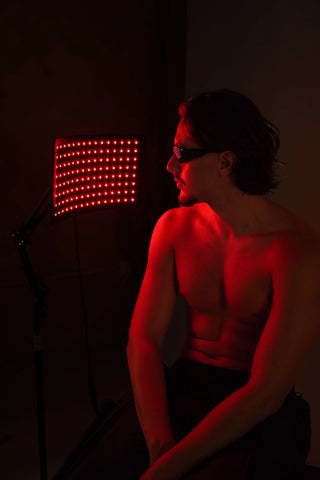
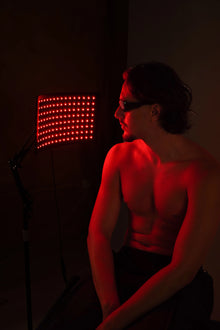
Combined with red light therapy and percussion massage technologies, it can be part of a comprehensive recovery strategy . If you're interested in better structuring your routines, you can find inspiration in KUMO's LED light therapy offerings and the use of massage guns like the KUMO Pulse Air .
5. General well-being, stress and sleep
Beyond its "medical" applications, manual lymphatic drainage has become popular as a wellness ritual :
- It promotes a state of calm due to its slow and repetitive rhythm.
- It can improve the perception of body lightness.
- It is often integrated into spa and holistic wellness programs.
Combined with techniques such as red light therapy , which is used to regulate circadian rhythms and improve the quality of rest, it contributes to a more complete daily recovery routine.
Indications in the aesthetic field
Cellulite and body remodeling
In aesthetics, lymphatic drainage is used as a complement , not as a sole solution.
Areas where it is usually applied:
- Anti-cellulite programs
- Treatments for cellulite
- Body remodeling protocols
Its main role is to improve microcirculation and fluid drainage , which can enhance the response to other treatments (radiofrequency, pressotherapy, exercise). It does not "break down fat" nor does it replace key habits such as healthy eating and regular exercise.
Facial care: bags, dark circles and dull skin
Facial lymphatic drainage is one of the most requested options:
- Helps reduce bags under the eyes and puffy face.
- It improves the appearance of tired skin or skin with signs of congestion.
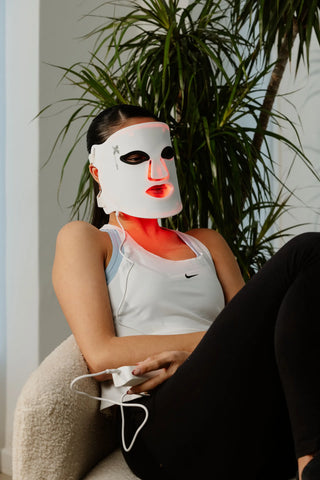
- It can be combined with face masks and LED devices to stimulate skin regeneration.
Integrating regular facial drainage sessions with the use of quality LED masks can enhance the appearance of the skin, promoting a better texture and a more even tone.
Important contraindications and precautions
Although manual lymphatic drainage is a gentle technique, it is not harmless or suitable for everyone .
Absolute contraindications (do not perform)
In general, manual lymphatic drainage should be avoided in cases of:
- Decompensated heart failure
- Acute infections (fever, infectious cellulitis, sepsis)
- Deep vein thrombosis or recent embolism
- Active cancer without specific medical authorization
- Edema of unknown origin without a clear diagnosis
In these situations, artificially mobilizing fluids can overload the cardiovascular system or spread infectious or thrombotic processes .
Relative contraindications (only under medical supervision)
There are cases where drainage may be considered, but only with medical approval and monitoring :
- Stable or remitting cancer
- Uncontrolled hypertension
- Chronic kidney or liver disease
- Pregnancy (especially in the first trimester)
If you fit into any of these scenarios, the priority is for your medical team to indicate if manual lymphatic drainage (MLD) is recommended, when, and with what limits.
Warning signs during a session
During or after a manual lymphatic drainage session, it is advisable to stop and consult a doctor if the following appear:
- Intense or unusual pain
- Difficulty breathing or shortness of breath
- Dizziness, nausea, palpitations
- Redness, local heat, or sudden worsening of edema
Manual vs. pressotherapy: what are the differences?
Comparative table: Manual lymphatic drainage and pressotherapy
Comparison between manual lymphatic drainage and pressotherapy boots
| Feature | Manual lymphatic drainage | Pressotherapy (pneumatic boots) |
|---|---|---|
| Type of stimulus | Gentle and rhythmic manual maneuvers | Controlled air pressure in sequential chambers |
| Personalization | Very high, it depends on the therapist | High, according to program, configurable pressure and duration |
| Human contact | Direct, with constant feedback | Indirect, through the compression chambers |
| Work areas | Localized, adapted to the anatomy | Primarily lower limbs, sometimes pelvis and abdomen depending on the team |
| Main objective | Move lymph towards lymph nodes, relieve edema | Improve venous and lymphatic return, relieve heavy legs |
| Context of use | Clinical, therapeutic, aesthetic | Clinical and home care (depending on equipment and protocols) |
| Ideal for… | Complex cases, scars, delicate areas | Maintenance, frequent recovery, tired legs and athletes |
Both approaches can be complementary . A person with heavy legs can benefit from occasional manual lymphatic drainage (MLD) sessions with a professional and, between sessions, use quality compression boots at home to maintain circulatory comfort.
How a lymphatic drainage session unfolds
Initial assessment and areas to be treated
Before starting, the professional should:
- Perform a detailed anamnesis (basic medical history, medication, previous surgeries).
- Assess the type of edema , location, temperature, and skin color.
- Identify any potential contraindications and, if necessary, refer to a doctor.
The better this assessment, the more tailored the treatment plan and the safer the procedure.
Technique and usual sensations
During the session:
- Very gentle, almost "caressing" maneuvers are applied in a proximal direction (towards the ganglia).
- It begins by opening the drainage areas (neck, armpits, groin), and then works from distal to proximal.
- The pressure should not be painful; the sensation is usually one of deep relaxation .
You may experience some increased urination in the hours that follow, as some of the mobilized fluid is eliminated through urine.
Frequency and duration: How many sessions are needed?
The ideal frequency depends on:
- The objective (medical, sports, aesthetic or wellness).
- The chronicity of edema.
- The combination with other therapies (pressotherapy, exercise, compression).
As a general guideline:
- Edema and lymphedema : usually require several weekly sessions at the beginning, then maintenance.
- Post-operative care : protocols adapted to the type of surgery and recovery phase.
- Tired legs and well-being : 1 weekly or bi-weekly session may be sufficient, combined with home care.
At home, technologies like pressotherapy, red light therapy, and massage guns allow you to increase the frequency of recovery stimuli without always relying on in-person appointments. Using devices like KUMOPulse Air can complement manual therapy with a deeper muscle massage at strategic times (after workouts, at the end of the day, etc.).
How to integrate lymphatic drainage into a modern recovery routine
Combination with recovery technologies
A current recovery strategy typically combines:
- Specialized manual work (DLM, physiotherapy, osteopathy).
- Home recovery technologies :
- Pressotherapy for legs and circulatory return.
- Red/LED light masks and panels for skin and circadian rhythm regulation.
- Massage guns to work on specific muscle tension points.
- Basic habits: quality sleep, hydration, daily movement.
If you are interested in structuring your own recovery ecosystem, you can start by selecting solutions on the KUMO homepage .
Importance of lifestyle
Lymphatic drainage alone cannot compensate for:
- A completely sedentary life.
- Lack of restorative rest.
- A very unbalanced diet.
Therefore, it is worth seeing it as one more piece of a lifestyle focused on health and performance , in which movement, stress management and daily recovery are key.
Frequently asked questions about manual lymphatic drainage
How often is it recommended to have lymphatic drainage?
The ideal frequency depends on your goal and your health status. For more pronounced edema or lymphedema , the practitioner may recommend several sessions per week initially, later reducing to regular maintenance. For tired legs, mild fluid retention, or general well-being , one session per week or every two weeks is usually sufficient. If you combine lymphatic drainage with at-home compression therapy and other recovery strategies , you can sometimes space out the in-person sessions, but it's always best to follow the individual recommendations of your therapist or doctor.
Does lymphatic drainage help with weight loss?
Lymphatic drainage is not a fat-loss treatment , so it shouldn't be marketed as a weight-loss method. What it can do is reduce volume associated with fluid retention and edema , improving the feeling of lightness and, in some cases, body contour. This can give the impression of having "gone down a size," but the effect is related to water retention, not fat. For sustainable weight loss, diet, exercise, and daily habits remain essential.
Is manual lymphatic drainage painful?
No. In fact, a key characteristic of manual lymphatic drainage is that it should be very gentle and not cause pain . The movements are slow, with light, rhythmic pressure, almost like deep caresses. If you experience significant discomfort, excessive pressure, or sharp pain during the session, it's advisable to inform the practitioner immediately and, if necessary, stop the session. The expected sensation is one of relaxation, relief, and well-being, rather than that of an intense or sports massage.
Can I have lymphatic drainage if I'm pregnant?
During pregnancy, many women experience fluid retention and swollen legs , so lymphatic drainage might seem like a good idea. However, it's especially important to be cautious at this stage. It's advisable to consult with a gynecologist or midwife first, who will assess for any risk factors (thrombosis, hypertension, obstetric complications). If approved, the drainage should be performed by a professional experienced in working with pregnant women, adapting the positions, areas treated, and session duration accordingly.
Is manual lymphatic drainage or pressotherapy better?
It's not so much a question of "better or worse," but rather of what it's for and in what context . Manual lymphatic drainage allows for very precise customization and is ideal for delicate areas, recent scars, or complex cases requiring clinical evaluation. Pressotherapy, on the other hand, offers comfort and frequency , making it perfect for maintenance, sports recovery, and tired legs at home. In many cases, combining manual sessions with a good home pressotherapy device offers the best balance between precision and consistency.
So what now?
If you want lymphatic drainage to become part of your health, recovery, or performance routine, the next step is to assess your specific situation with a professional (doctor, physiotherapist, or specialized therapist) and determine how to integrate it with other modern tools. At KUMO, you'll find solutions such as compression boots, LED devices, and massage guns designed to make recovery a daily habit. You can start by exploring the homepage or contact the team through the contact form to resolve any questions about which technology best suits your goals.
KumoWave pressotherapy
Choose your at-home pressotherapy
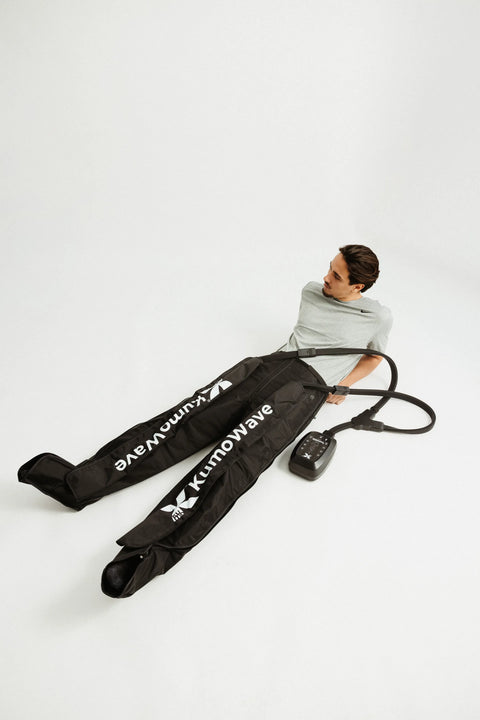
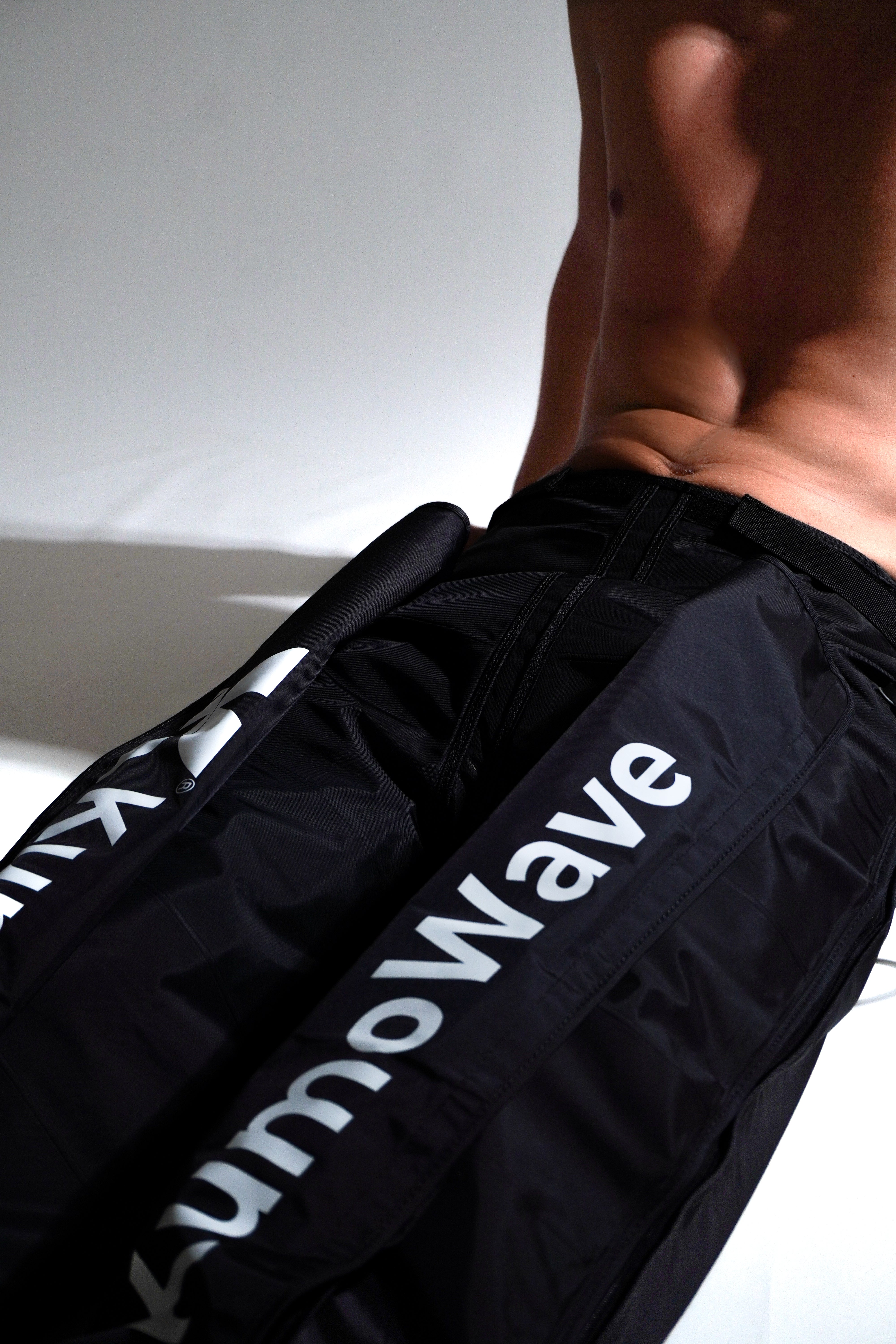
KumoWave Elite – Pressotherapy Pants
Full-coverage trousers. Ideal for lipedema, fluid retention and intensive use.
€799,00 €999,00
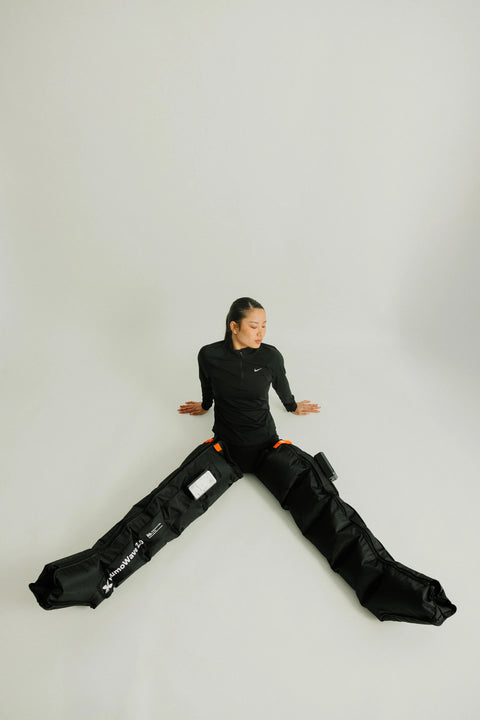
KumoWave 2.0 - Wireless Pressotherapy
Wireless, lightweight boots. Perfect for daily use and recovery.
€499,00 €599,00