
Lymphatic drainage at home is possible. And it can be safe and effective if you know how to do it step by step.
In this guide you will learn what lymphatic drainage is , what benefits it can provide, how to perform a lymphatic self-massage at home with your hands and how to support it with recovery technologies such as pressotherapy or red light, as well as knowing when it is best to consult a professional.
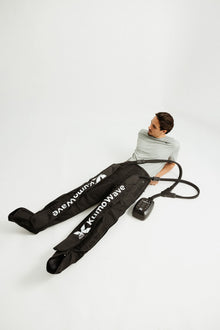
Pressotherapy at home
End the day with light legs
★★★★★ 4,8/5 · rated by verified customers
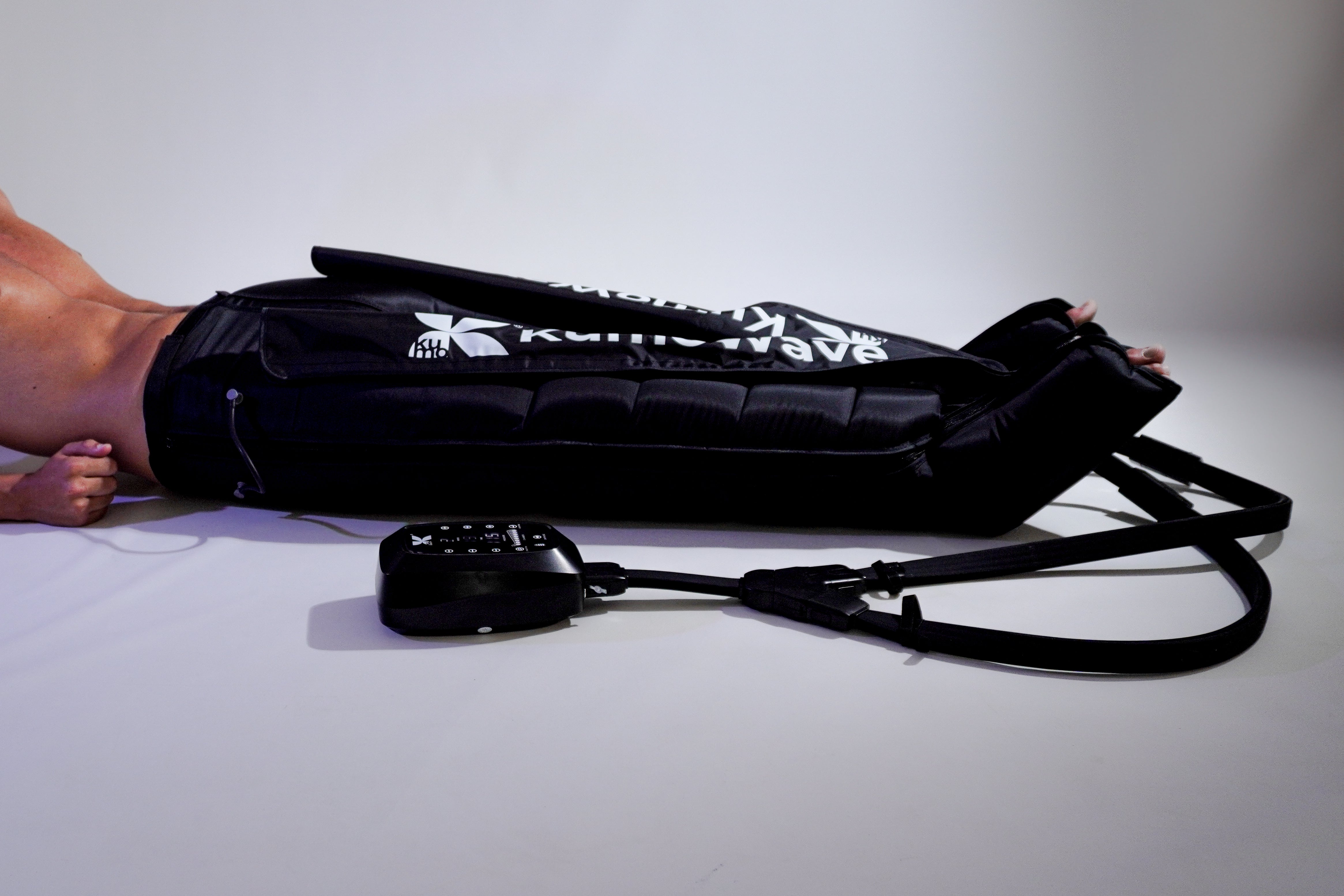
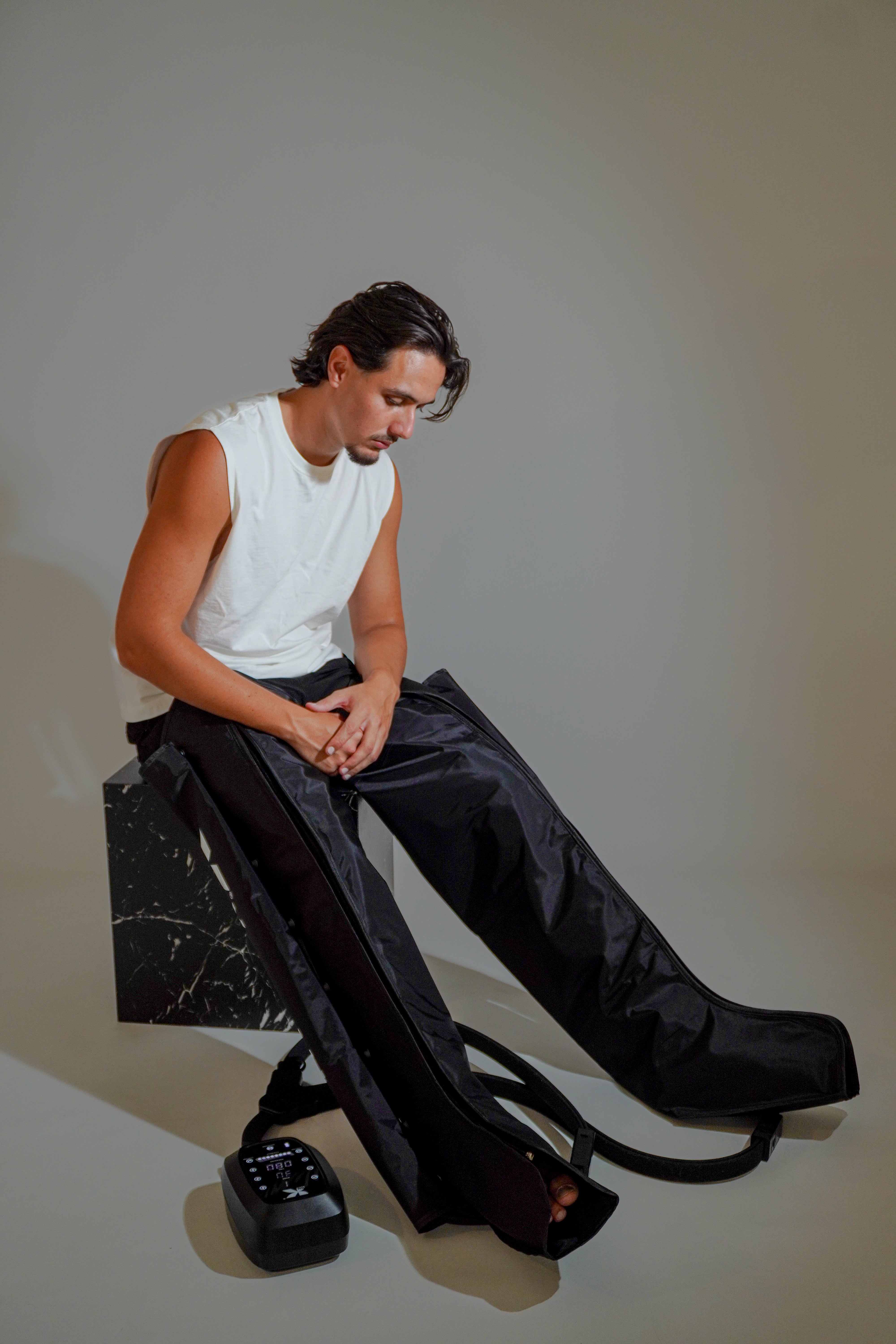
KumoWave pressotherapy boosts circulation and helps drain fluid with sequential compression, in 20-minute sessions at home.
- Boosts circulation and helps drain fluid
- Chamber-based compression, adjustable to you
- Sequential compression that mimics manual drainage
€799,00€999,00
−10% on your 1st order when you subscribe to the newsletter

What is lymphatic drainage and what is it used for?
Lymphatic drainage is a very gentle massage technique that seeks to stimulate the lymphatic system , that is, the network of vessels and nodes responsible for collecting waste, toxins and excess fluid from the body.
Unlike a deep tissue massage, lymphatic drainage:
Personalized protocol · included with your purchase
Want us to tell you how to use it in your case?
With your purchase, our experts prepare a personalized usage protocol for your case: sport, circulation, fluid retention, pregnancy or lipedema.
Message us on WhatsAppOur experts reply · no obligation
- Use light, rhythmic pressure
- It is always performed in the direction of the lymph nodes.
- Its aim is to promote lymphatic circulation , reduce swelling and improve the feeling of heaviness.
It is commonly used to relieve:
- Tired and swollen legs
- Slight fluid retention (due to heat, spending many hours standing or sitting, long journeys…)
- Feeling of inflammation after exercise or intense days
It does not replace medical treatments for lymphedema or other pathologies, but it can be an interesting wellness complement when there are no contraindications.
Potential benefits of lymphatic drainage at home
Although therapeutic lymphatic drainage should be performed by a professional, a gentle at-home routine can provide the following benefits:
on your first order when you join the newsletter
We send you the code instantly. No spam.
Less fluid retention and lighter legs
When you spend many hours sitting or standing, gravity makes it harder for fluids to return to your system. Manual lymphatic drainage and the use of compression boots can help:
- Reduce the volume and feeling of swelling in legs and feet
- Improve return circulation
- Relieve the feeling of “heavy legs” at the end of the day
For additional support, you can explore KUMO's pressotherapy collection , designed to stimulate venous and lymphatic return with guided sessions.
Support for muscle recovery
After exercise, metabolic waste products accumulate in the tissues. Combining:
- Gentle lymphatic self-massage
- Pressotherapy on legs
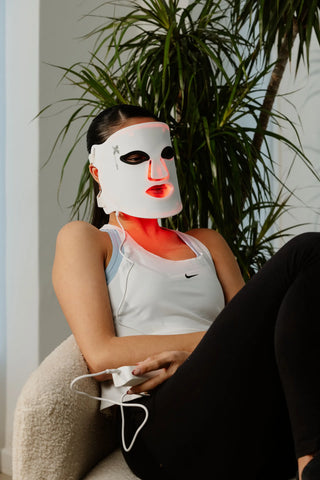
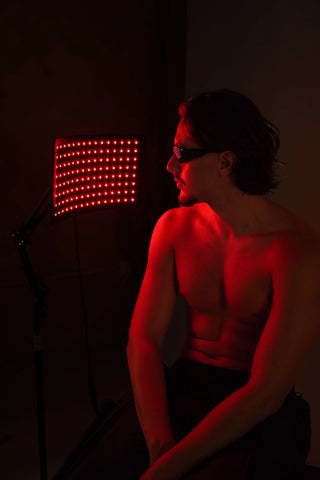
- Red light or near-infrared light therapy
You can create a more optimal environment for muscle recovery and a sense of rest. KUMO LED light therapy devices are specifically designed to support these regeneration and rest processes.
General well-being and relaxation
The slow, repetitive rhythm of manual lymphatic drainage has a strong component of relaxing the nervous system :
- It reduces superficial muscle tension.
- It promotes deeper breathing.
- It can help you unwind after work or before bed
Integrating it as a self-care ritual a few times a week reinforces your overall sense of well-being.
Precautions and contraindications before starting
Before applying lymphatic drainage at home, it's important to know when you shouldn't do it on your own or when you need the approval of a health professional.
When to avoid home lymphatic drainage
Do not perform lymphatic drainage (manual or with devices) without medical supervision if:
- You have been diagnosed with heart failure
- Do you suffer or have you recently suffered from deep vein thrombosis or blood clots?
- You have acute infections , fever, or severe inflammation (bacterial cellulitis, for example).
- You have active, uncontrolled cancer (always consult your oncologist)
- You are in the first trimester of pregnancy (or a high-risk pregnancy – consult your gynecologist)
If you have any doubts, speak first with your doctor or a physiotherapist specializing in lymphatic drainage. They can advise you on whether this technique is right for you.
Basic safety recommendations
- Start with very gentle pressure : if it hurts, you're going too far.
- Avoid massaging areas with wounds, recent scars, or significant bruising .
- If you experience dizziness, unusual pain, shortness of breath, or a clear worsening of symptoms, stop the session and consult a professional.
How to do lymphatic drainage at home: preparation
Before starting your manual lymphatic drainage routine, prepare your environment and your body to get the most out of it.
Environment and posture
- Find a quiet place where you can lie down or sit comfortably.
- The temperature should be comfortable; avoid getting cold during the massage.
- Have a towel handy and, if you wish, a light oil or cream to facilitate the glide of your hands (without overly strong perfumes).
Hydration and breathing
- Drink a glass of water before and another after the session to help your body manage fluids better .
- Practice deep breathing : inhale through your nose, fill your abdomen, and exhale slowly through your mouth.
- Maintain this type of breathing throughout the self-massage; it promotes lymphatic circulation in the thoracic and abdominal area.
Manual lymphatic drainage step by step
Here is a basic and gentle self-massage protocol you can do at home. Remember that this is a general wellness routine, not a medical treatment.
Key principle: always towards the lymph nodes
The lymphatic system is organized into drainage zones that lead to the lymph nodes:
- Neck: cervical lymph nodes
- Armpits: axillary lymph nodes
- English: inguinal lymph nodes
The general rule is to "bring" the liquids closer to those areas with gentle, repetitive movements.
Step 1: Activation of the neck area
- Sit upright or lie down with a small pillow under your head.
- Place your fingertips on both sides of your neck, just above your collarbones.
- Apply very gentle downward pressure towards the collarbone for 10–15 repetitions.
- Next, lightly slide your fingers from behind your ears to the front of your neck, repeating 10–15 times.
This phase opens the "great lymphatic collectors" of the thoracic area.
Step 2: Arm drainage (optional, but recommended)
- Slightly raise the arm you are going to work on and rest it on a cushion.
- With your other hand, circle the upper part of your arm (near the armpit).
- Perform gentle gliding movements from the elbow towards the armpit, always using very light pressure.
- Repeat 10-15 times.
- Continue with the forearm, from the wrist to the elbow, always in the direction of the heart.
Finish with gentle, circular movements in the armpit area to promote drainage.
Step 3: Gentle abdominal drainage
- Lie on your back with your knees slightly bent.
- Place both hands on your abdomen, below your navel.
- Perform large, slow, clockwise circular movements for 1–2 minutes.
- Next, slide your hands from the sides of your abdomen towards the center, and from there upwards, towards the sternum.
Maintain deep breathing, without ever pressing to the point of causing pain or discomfort.
Step 4: Leg drainage
This is the area where people most often seek relief from heaviness and swelling :
- Lie on your back and slightly raise your legs (with cushions or against the wall).
- Start at the top of the thigh: place both hands around the leg.
- Slide from the middle of the thigh towards the groin, with slow and smooth movements (10–20 repetitions).
- Continue from the knee towards the thigh, always in the direction of the groin.
- Finally, work from the ankle towards the knee, avoiding direct pressure on the bone area.
If you wish, you can complement this manual therapy with a short session of compression boots to enhance the feeling of lightness in your legs. Discover how they work in the compression therapy section of KUMO .
Recommended duration and frequency
- Approximate duration: 15–25 minutes for a complete routine.
- Frequency: 2–4 times per week depending on your sense of well-being and your level of physical activity.
Remember: lymphatic drainage is a technique of consistency and gentleness , not intensity.
Complement lymphatic drainage with recovery technology
Manual self-massage is the foundation, but nowadays you can rely on various devices designed to optimize circulation, muscle regeneration, and relaxation .
Pressotherapy: sequential compression to activate circulation
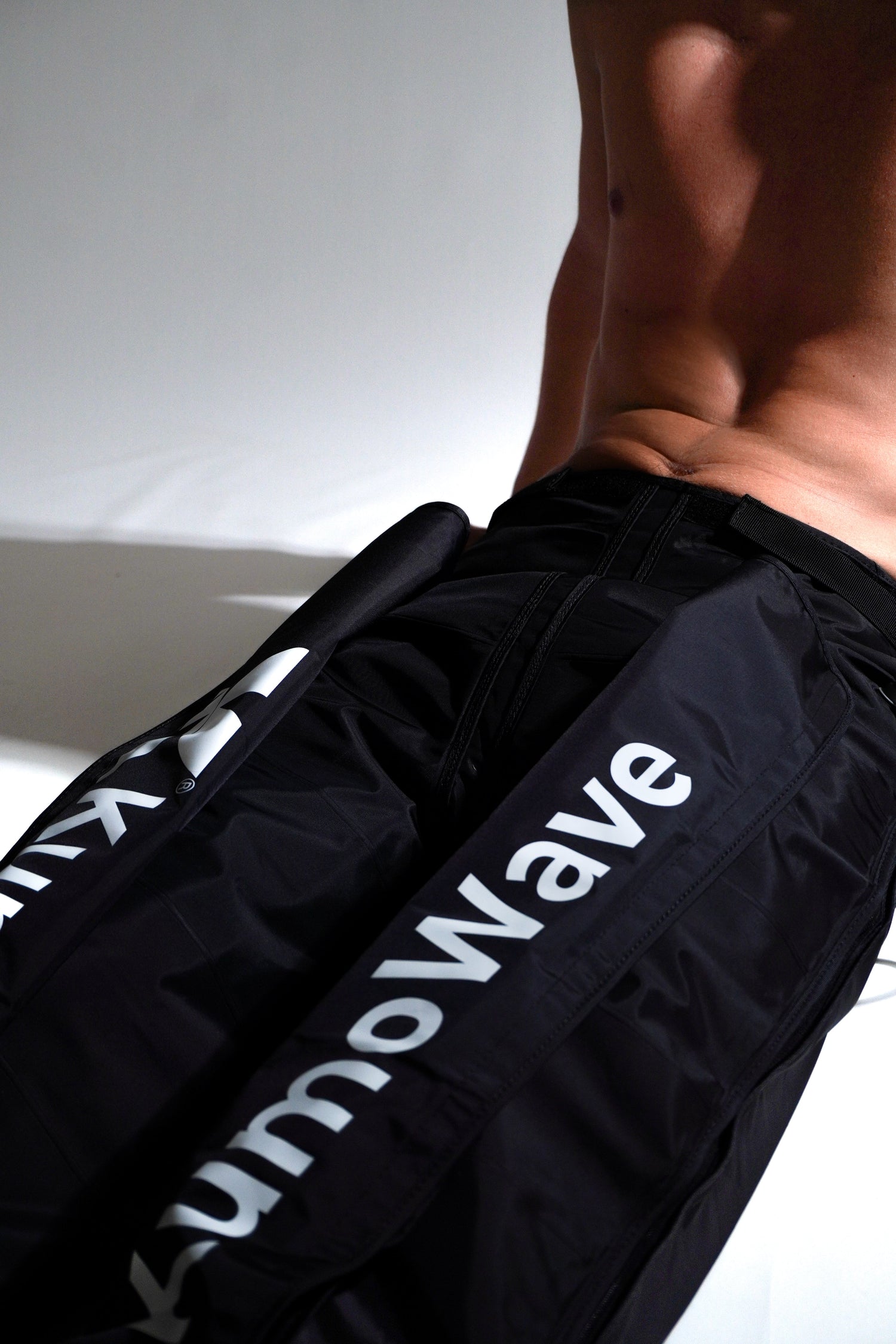
Compression therapy boots apply controlled, sequential air pressure along the legs. This can help to:
- Promote venous and lymphatic return
- Reduce the feeling of swelling after hours of standing or after intense workouts
- Accelerate the feeling of muscle recovery
At KUMO, the pressotherapy range is designed for advanced home use , with pre-configured programs, adjustable intensities and a comfortable design, so you can easily integrate it into your home lymphatic drainage routine.
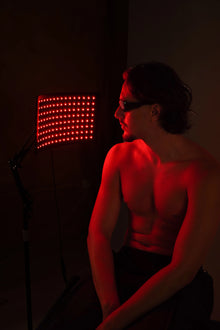
Red light and LED therapy: supporting regeneration
Red and near-infrared light has been investigated for years for its possible role in:
- Promote muscle recovery
- Support tissue regeneration
- Improve sleep quality when used at appropriate times and intensities
Combining a brief manual lymphatic drainage session with the application of LED light therapy devices can enhance the feeling of overall recovery, especially in athletes or people with high levels of physical stress.
Massage gun: when to use it and when not to.
Percussive massage guns (like the KUMOPulse Air ) are designed primarily for deep muscle tissue , not for classic lymphatic drainage.
How to integrate it without interfering:
- Use it before or at another time of day to release specific muscles (quadriceps, calves, glutes...).
- Avoid passing it directly over lymph nodes (groin, armpit, neck) or highly inflamed areas.
- Maintain moderate intensities and short sessions per muscle group.
Thus, percussive work is responsible for muscle release , while manual lymphatic drainage and pressotherapy work on fluid circulation .
Practical guide: weekly lymphatic drainage routine at home
Example of a plan to integrate lymphatic drainage into your week
| Day of the week | Session type | Approximate duration | Main focus | Recommended accessories |
|---|---|---|---|---|
| Monday | Complete manual drainage | 20 min | Tired legs after the weekend | Water + deep breathing |
| Tuesday | Leg pressotherapy | 15–20 min | Activate venous return after the workday | Short manual drainage of feet and ankles |
| Wednesday | Manual drainage of torso and arms | 15 min | Overall lightness and post-desktop decompression | Short red light session in the afternoon |
| Thursday | Rest or very light session | 10 min | Maintenance and relaxation | Gentle stretches |
| Friday | Pressotherapy + manual drainage | 25–30 min | Recovery after training or an intense week | Enhanced hydration |
| Saturday | Selective manual drainage | 15–20 min | Problem areas (legs, abdomen) | Muscle group massage gun |
| Sunday | Global relaxation session | 20 min | Prepare your body for the new week | LED light and diaphragmatic breathing |
This table is only a guideline example; adjust the frequency and duration according to your activity level, available time and how you feel.
Common mistakes when doing lymphatic drainage at home
Even with good intentions, it's easy to make small mistakes that reduce the effectiveness of self-massage.
Applying too much pressure
The lymphatic system is located very superficially, just under the skin. If you press firmly:
- You're working your muscles more than your lymphatic system.
- You can cause unnecessary inconvenience
- You lose the essence of lymphatic drainage, which is gentleness.
The right sensation is a light touch, like caressing a sponge full of water .
Not respecting the direction of lymph
Moving the liquid in the opposite direction may not be effective. Avoid:
- Make random, random movements, without order.
- Work on the feet first and leave the groin or torso area for last.
The general approach is to first open the central areas (neck, torso, groin) and then bring the fluids from the extremities towards those points.
Lack of consistency
Home lymphatic drainage is not a "quick fix." It's most effective when it becomes:
- A weekly self-care habit
- Part of your post-exercise recovery routine
- A ritual to mentally disconnect at the end of the day
It's better to have 3-4 short sessions a week than one very long session sporadically.
How to combine lymphatic drainage, exercise and rest
The lymphatic system does not have a "pump" like the heart; it moves thanks to:
- Muscle movement
- Breathing
- Pressure changes within the body
Therefore, to enhance your lymphatic drainage at home, massage alone is not enough.
Moderate physical activity
- Walk briskly for 20–30 minutes a day
- Take short active breaks if you work sitting down (climb stairs, move your ankles, knees and hips)
- Practice gentle exercises such as yoga or Pilates
All of this helps the lymph circulate better and reinforces the effects of your self-massage.
Rest and position of the legs
- Elevate your legs against the wall for 5–10 minutes at the end of the day
- Avoid sitting for many consecutive hours with your knees bent too far.
- Sleep with a thin pillow under your calves if you feel very heavy (as long as it's comfortable for your back)
Combined with regular at-home pressotherapy sessions , this approach can make a difference in your daily feeling of lightness.
FAQ: Frequently asked questions about lymphatic drainage at home
How many times a week can you do lymphatic drainage at home?
In healthy individuals with no medical contraindications, you can perform 2 to 4 sessions of gentle manual lymphatic drainage per week . The important thing is to listen to your body: if you notice increased fatigue, dizziness, or any unusual symptoms, reduce the frequency and consult a professional. For home lymphatic drainage, always follow the manufacturer's and your doctor's recommendations, and avoid excessively long or intense sessions, especially at the beginning, to allow your body to adapt gradually.
How long does it take to see the effects of lymphatic drainage?
Many people notice a feeling of lightness almost immediately after the session , especially in their legs and feet. However, the most noticeable changes are usually seen after several weeks of consistent practice, combining self-massage with movement, proper hydration, and, if desired, technologies such as pressotherapy or red light therapy. The speed of response depends on your overall health, your level of physical activity, and whether you have any underlying medical conditions, so individualized advice is always recommended.
Can I do lymphatic drainage at home if I have varicose veins?
With mild, diagnosed varicose veins, some people use very gentle manual lymphatic drainage to promote a feeling of relief, always under prior medical advice . It is essential to avoid direct pressure on prominent varicose veins, apply intense heat to the area, and carefully control the intensity of any compression device. In cases of advanced varicose veins, significant pain, inflammation, or a history of thrombosis, you should not perform home lymphatic drainage without the explicit approval of your vascular specialist or primary care physician.
Is manual lymphatic drainage or pressotherapy better?
It's not about "better" or "worse," but about goals and context . Manual lymphatic drainage at home is very accessible, requires no equipment, and allows you to connect with your body and your breath. Pressotherapy, on the other hand, offers more uniform and programmed compression, ideal for those looking to support muscle recovery or relieve heavy legs on a regular basis. In many cases, the most beneficial approach is to combine both , alternating manual sessions with sessions using compression boots, depending on your schedule and needs.
What should I do before and after a pressotherapy or lymphatic drainage session?
Before the session, it's recommended to hydrate well , avoid heavy meals, and take a few minutes to breathe deeply to prepare your body. During lymphatic drainage or pressotherapy, maintain a comfortable position and pay attention to your sensations. Afterward, drink water again, perform some gentle movements (ankle flexes, light stretches), and observe how your body responds in the following hours. If you use advanced devices at home, always follow the manufacturer's instructions and the guidance of your healthcare professional.
So what now? Integrate lymphatic drainage into your wellness routine
If you want lymphatic drainage at home to become more than just an occasional practice and instead become a wellness habit , choose a couple of fixed times each week and combine it with movement, rest, and proper hydration. To enhance your results, you can take advantage of KUMO's recovery technologies: from pressotherapy to LED light therapy or the KUMO Pulse Air massage gun . If you need further guidance or have any questions, you can contact the team through the contact page or explore more about our recovery philosophy on the KUMO website .
KumoWave pressotherapy
Choose your at-home pressotherapy
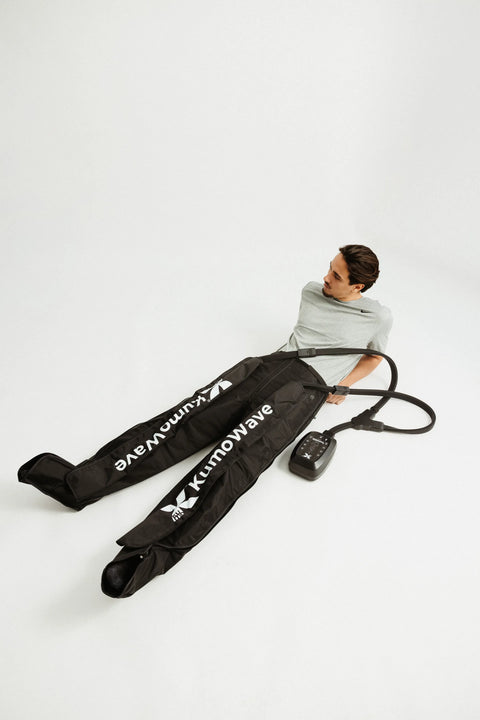
KumoWave Elite – Pressotherapy Pants
Full-coverage trousers. Ideal for lipedema, fluid retention and intensive use.
€799,00 €999,00
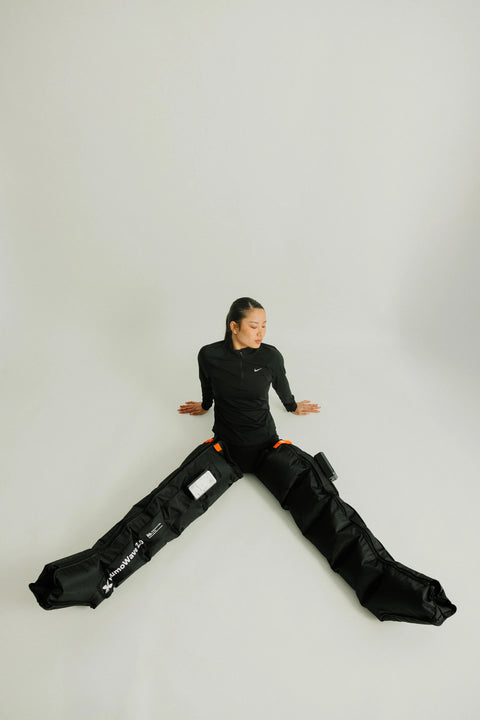
KumoWave 2.0 - Wireless Pressotherapy
Wireless, lightweight boots. Perfect for daily use and recovery.
€499,00 €599,00