
Lymphatic drainage can change your recovery as an athlete.
If you train hard, you accumulate fatigue, inflammation, and a feeling of "heavy legs." Lymphatic drainage—whether manual or using compression and light technologies—helps mobilize fluids, reduce swelling, and promote more efficient recovery between sessions. In this article, you'll learn what it is, how it works, its performance benefits, and how to safely integrate it into your training routine.
What is lymphatic drainage and why does it matter in sports?
Lymphatic drainage is a technique that aims to stimulate the lymphatic system to promote the elimination of fluids, metabolic waste, and toxins. Unlike the circulatory system, lymph does not have a "pump" like the heart; instead, it depends on muscle movement, respiration, and external pressure. Therefore, intense physical activity can benefit from additional stimuli that help move the lymph.
Pressotherapy at home
End the day with light legs
★★★★★ 4,8/5 · rated by verified customers
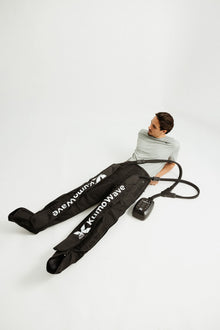
KumoWave pressotherapy boosts circulation and helps drain fluid with sequential compression, in 20-minute sessions at home.
- Boosts circulation and helps drain fluid
- Chamber-based compression, adjustable to you
- Sequential compression that mimics manual drainage
€799,00€999,00
−10% on your 1st order when you subscribe to the newsletter

In athletes, this type of massage or stimulation has a clear objective: to accelerate regeneration after exertion, reduce edema (swelling), and improve the feeling of lightness in muscles and joints. It does not replace training, rest, or nutrition, but it is integrated as another tool within the recovery plan.
The lymphatic system in simple terms
The lymphatic system is a network of vessels and nodes that transports lymph, a fluid rich in proteins, immune cells, and waste products. It is closely linked to the immune system and the regulation of fluids in the body. Organizations such as the National Cancer Institute explain its key role in the body's defense and fluid balance.
Personalized protocol · included with your purchase
Want us to tell you how to use it in your case?
With your purchase, our experts prepare a personalized usage protocol for your case: sport, circulation, fluid retention, pregnancy or lipedema.
Message us on WhatsAppOur experts reply · no obligation
When you engage in intense exercise, you experience micro-tears in your muscles, local inflammation, and a buildup of metabolites. A well-functioning lymphatic system helps to decongest tissues, resulting in less stiffness and heaviness.
Manual lymphatic drainage vs. technological methods
Traditionally, lymphatic drainage has been performed manually using gentle, rhythmic movements directed toward the lymph nodes. These techniques are used by physiotherapists and lymphotherapists, primarily in clinical settings.
In recent years, physical drainage methods have gained prominence, such as:
on your first order when you join the newsletter
We send you the code instantly. No spam.
- Pressotherapy (sequential pneumatic compression)
- Vibration or deep oscillation massage devices
- Photobiomodulation technologies (red and infrared light) as support for recovery
A study of mixed martial arts athletes showed that different physical methods of lymphatic drainage (manual, electrical devices, or deep oscillation) improved strength recovery, reduced muscle tension, and decreased lactate levels after intense exertion. ( pubmed.ncbi.nlm.nih.gov )
Benefits of lymphatic drainage for athletes
Muscle recovery and less muscle soreness
The most sought-after benefit for athletes is faster muscle recovery . Lymphatic drainage can help with:
- Reduce the sensation of delayed onset muscle soreness (DOMS)
- Reduce stiffness and tension in overused muscles
- Accelerate the elimination of fatigue metabolites
Scientific evidence is still limited, but some studies point to moderate improvements in markers such as regained strength, pain perception, and blood parameters after applying lymphatic drainage or compression techniques in a sports context. ( pubmed.ncbi.nlm.nih.gov )
It's important to understand that it's not a "magic wand": it works best as part of a comprehensive recovery strategy (sleep, nutrition, training planning).
Prevention of overload and swelling
In high-impact or high-volume sports (running, cycling, team sports), swelling in the legs and joints is common. Lymphatic drainage can:
- Reduce mild swelling after exertion or long journeys
- Promote better mobility the following day
- Helping legs feel less heavy
Pressotherapy and other pneumatic compression systems, when used with appropriate parameters, provide a mechanical stimulus that facilitates venous and lymphatic return, being especially appreciated by athletes who spend many hours standing or endurance training.
General well-being, sleep and a feeling of lightness
Beyond the purely physical aspects, many athletes describe the following after lymphatic drainage:
- Greater feeling of relaxation and calm
- Deeper sleep after the session
- Less background muscle “noise”
The combination of gentle stimulation on the skin, rhythmic pressure, and a relaxed environment promotes the activation of the parasympathetic nervous system, which fits perfectly with the idea of recovery as a lifestyle that KUMO promotes.
Lymphatic drainage methods for athletes
Manual techniques: physiotherapy and massage
Manual lymphatic drainage (MLD) is performed by professionals trained in specific techniques such as Vodder or Leduc. Its characteristics:
- Smooth, slow, and rhythmic maneuvers
- I work on key areas: neck, abdomen, limbs
- A more therapeutic approach, especially in cases of fluid retention or injury recovery
A review of the sports medicine literature found few high-quality clinical trials, but enough preliminary evidence to consider manual lymphatic drainage (MLD) as a useful adjunct, especially in injuries and edema. ( pubmed.ncbi.nlm.nih.gov )
For a healthy athlete, a weekly or bi-weekly session after high-load blocks can be a good strategy, always personalized by their physiotherapist.
Pressotherapy and pneumatic compression
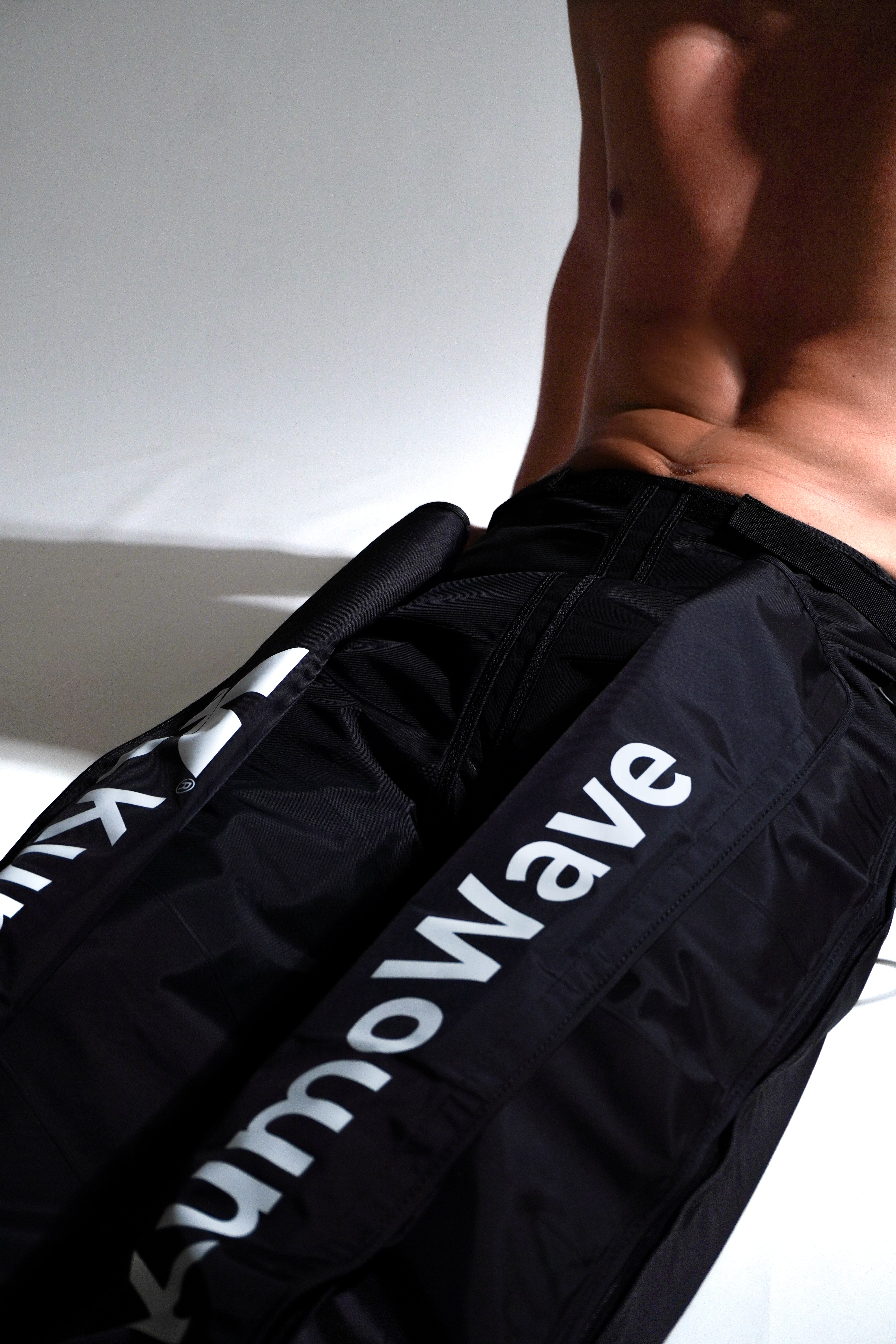
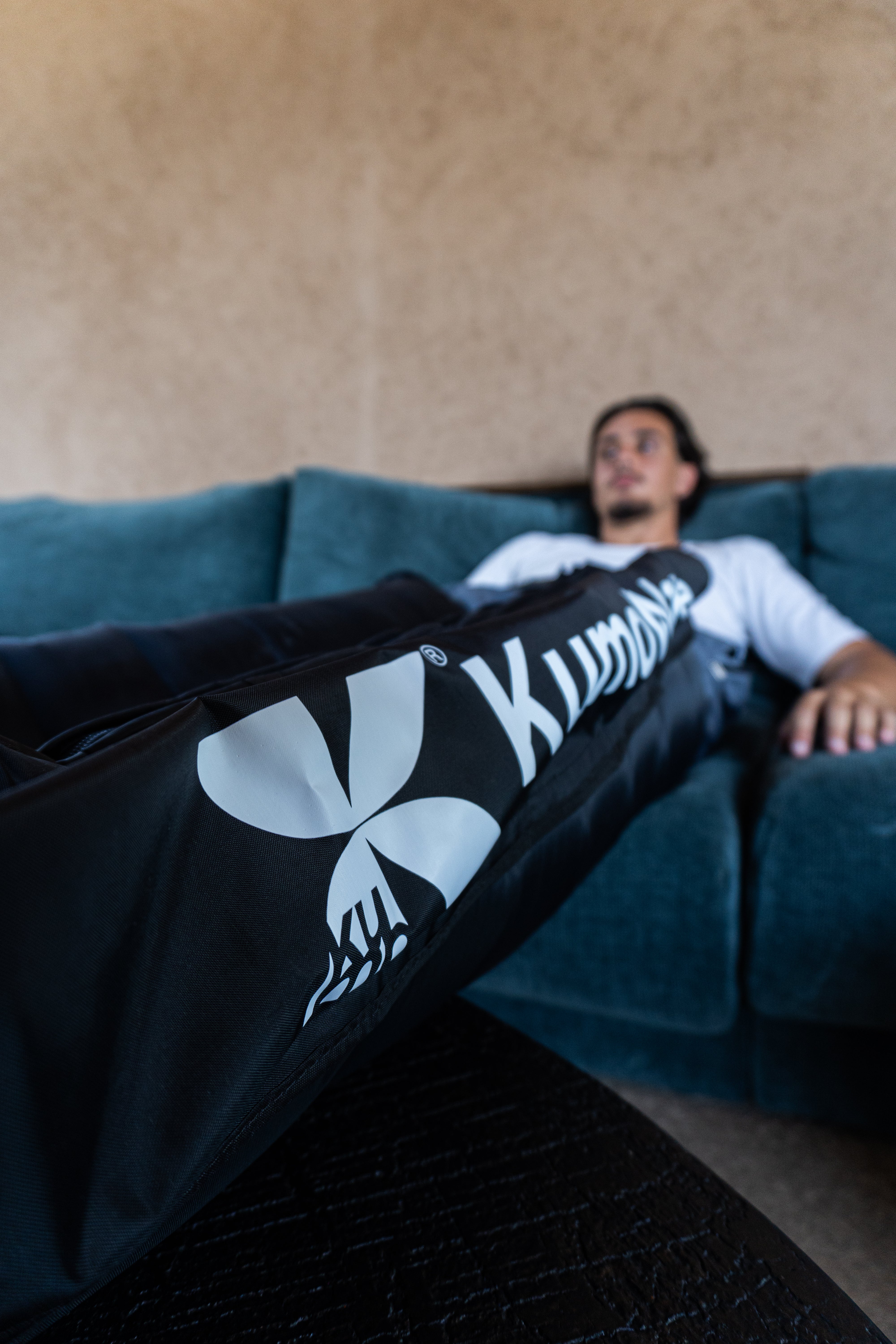
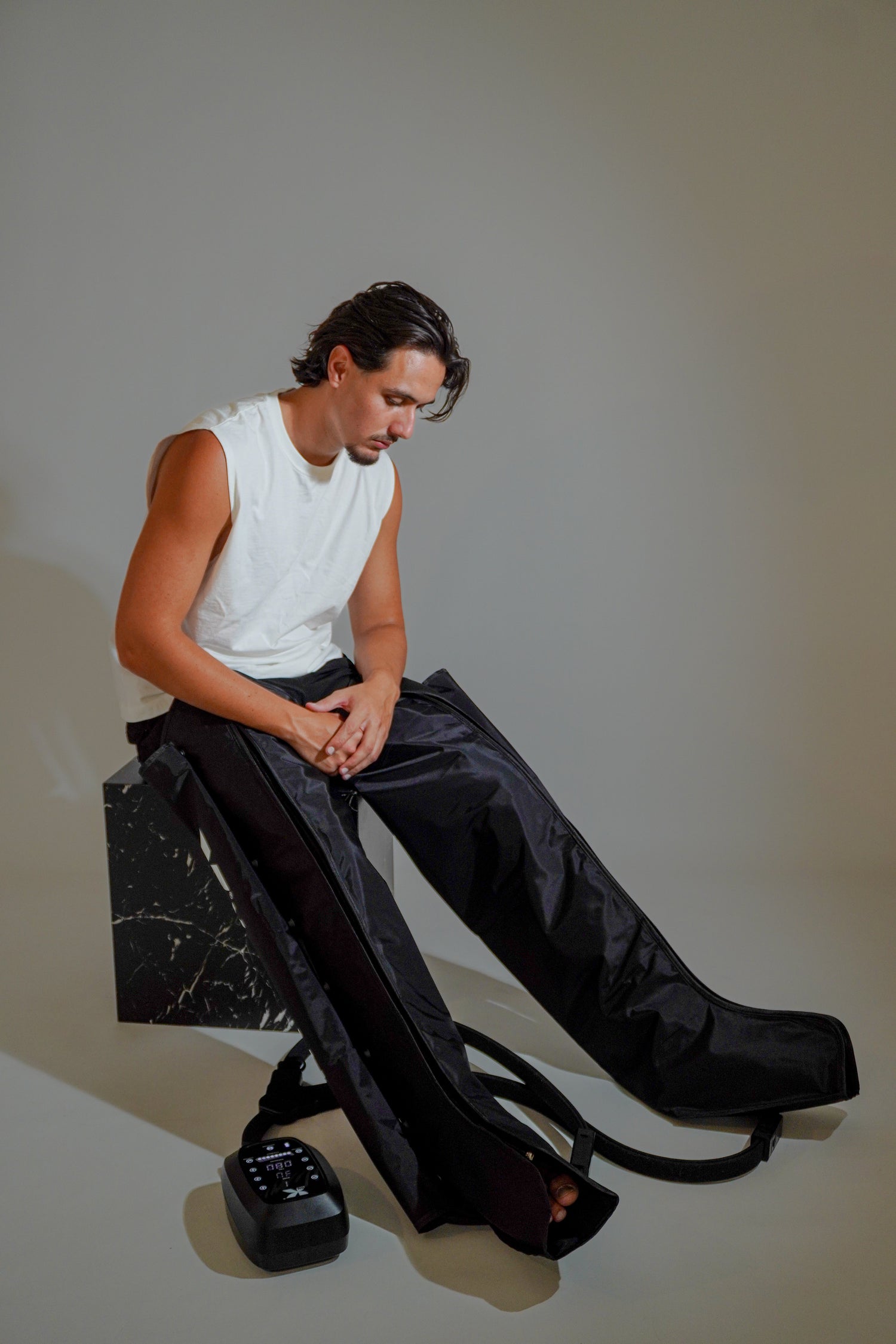
Pressotherapy uses boots or sleeves that inflate and deflate in programmed sequences to generate a compression wave from the periphery towards the torso. This:
- It facilitates venous and lymphatic return
- Reduces the feeling of heaviness and swelling in legs
- It's easy to integrate at home, at the club, or at training camps.
If you're interested in this type of technology, you can discover KUMO's compression boots in the dedicated compression therapy for recovery section. These solutions allow for 20–30 minute sessions while you read, work, or rest, making lymphatic drainage a daily part of your recovery routine.
Phototherapy and red light as support for recovery
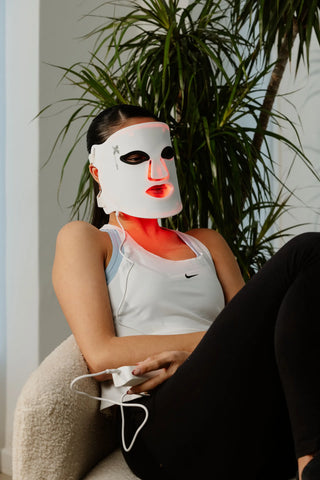
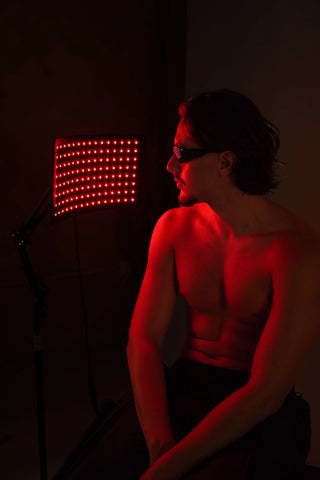
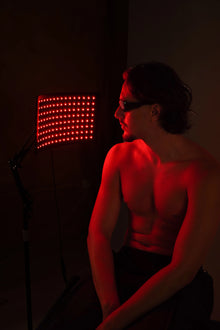
LED light therapy (photobiomodulation) with red and near-infrared wavelengths is not a direct lymphatic drainage, but it can support muscle recovery and modulate inflammation, which indirectly promotes the work of the lymphatic system.
Recent meta-analyses indicate that phototherapy applied around exercise can improve performance, reduce muscle damage, and accelerate recovery in different strength and endurance protocols. ( pubmed.ncbi.nlm.nih.gov )
At KUMO, this technology is integrated into LED light therapy devices designed for regular use, both in muscle recovery and skin care.
Comparative table of lymphatic drainage methods in athletes
Practical summary of lymphatic drainage options and recovery support
| Method | Type of stimulus | Ideal for… | Key advantages | Main considerations |
|---|---|---|---|---|
| Manual lymphatic drainage (MLD) | Gentle maneuvers performed by hand | Injuries, localized edema, guided recovery | High personalization, direct feedback from the therapist | Appointment required; cost per session depends on the professional. |
| Pressotherapy (boots) | Sequential pneumatic compression | Tired legs, endurance sports, travel | Comfortable, reproducible, can be used daily | Respect vascular and cardiac contraindications |
| Sports compression (stockings) | Static pressure | Prolonged training and post-competition | Easy to use during the day | Less "massage" component; gentler effect |
| Phototherapy (LED / red light) | Light stimulation in muscle tissue | Support muscle recovery and reduce discomfort | Non-invasive, combinable with other techniques | Parameters (dose, time) must be appropriate |
| Self-massage / massage gun | Vibration and localized pressure | Tension points, highly charged areas | Direct control of intensity and zones | It is not a substitute for medical therapy; avoid aggressive use. |
When and how to integrate lymphatic drainage into your routine
Before, during or after training
In most cases, lymphatic drainage is used after training or competition , when the main goal is recovery:
- Immediately after exertion: gentle pressotherapy or phototherapy
- Hours later: a session of manual lymphatic drainage (MLD) or light self-massage.
- Rest days: longer and more complete sessions
In some contexts (travel, tournaments with several events), it can also be used preventively , for example with a gentle pressotherapy session before a long trip to avoid swelling.
Recommended frequency according to the type of athlete
There is no single frequency that is valid for everyone, but some general guidelines may be:
-
Recreational athletes (3–4 training sessions/week)
1-2 lymphatic drainage or pressotherapy sessions per week, coinciding with the busiest days. -
Competitive athletes
Almost daily use of gentle methods (pressotherapy / LED light) in loading phases, and occasional manual sessions in high-demand blocks. -
Periods of injury
Always under professional supervision, adjusting intensity and type of technique according to the recovery phase.
The important thing is to listen to your body and assess, together with your health team, which combination brings you the most real benefit.
Self-care: self-massage and recovery devices
In addition to professional training, many athletes incorporate self-massage tools and recovery technologies at home:
- Foam rollers and massage balls
- Massage guns for heavily stressed areas
- Compression and light devices
A massage gun, like the KUMOPULSE AIR , allows you to work on tension points and improve local circulation around frequently used muscle groups (calves, quadriceps, glutes, back). While not "classic" lymphatic drainage, it helps keep tissues looser and more receptive to lymphatic flow.
Precautions and contraindications
Lymphatic drainage, whether manual or with devices, is generally safe, but it's not for everyone . You should exercise extreme caution or avoid it altogether if you have:
- Heart failure or uncontrolled cardiovascular problems
- Deep vein thrombosis or recent history of blood clots
- Acute infections, fever, or severe inflammation
- Active cancer or specific lymphatic pathologies, unless otherwise indicated by a doctor
- Severe kidney or liver failure
In these cases, always consult your doctor or physiotherapist before starting any drainage or pressotherapy protocol. And, of course, if dizziness, intense pain, or any other unusual symptoms appear during a session, stop using it and seek professional evaluation.
Frequently asked questions about lymphatic drainage in athletes
How often should an athlete have lymphatic drainage?
It depends on your training load, injury history, and how you feel. Many recreational athletes benefit from one weekly or bi-weekly session of manual lymphatic drainage or compression therapy during periods of higher training volume. In elite athletes, drainage can be integrated almost daily using gentle methods such as compression therapy or phototherapy, reserving deeper manual sessions for key moments of the season. Ideally, a professional (physiotherapist, sports medicine physician) should tailor the frequency to your specific situation.
Does lymphatic drainage hurt or can it worsen muscle soreness?
Lymphatic drainage shouldn't hurt. The manual techniques are gentle and use low pressure, and the compression therapy is adjusted to provide a pleasant, never painful, sensation. If you experience sharp pain, excessive pressure, or worsening discomfort, the intensity should be reduced or the session stopped. As for muscle soreness, most people notice relief and less stiffness, but in very rare cases, there may be some temporary fatigue if the stimulation was too intense.
Is manual lymphatic drainage or pressotherapy better?
There is no single "best" option, but rather options with different profiles. Manual lymphatic drainage offers a highly personalized approach, ideal for injuries, specific edema, or when you require clinical evaluation. Pressotherapy, on the other hand, is perfect for frequent use , repeatable sessions, and comprehensive work on the legs or arms, with the convenience of using it at home or at the gym. Many athletes combine both: regular manual sessions with a physiotherapist and regular use of pressotherapy boots for everyday activities.
Can I do lymphatic drainage at home without supervision?
You can use recovery support tools at home—such as compression therapy with safe settings, LED light therapy, or massage guns—provided you have no medical contraindications and follow the manufacturer's instructions. However, specific manual lymphatic drainage techniques require training and anatomical knowledge, so it's best to leave them to professionals. If you have pre-existing conditions (cardiac, vascular, renal, or oncological), always consult your doctor before starting any drainage or intensive compression protocol.
So what now?
If you want lymphatic drainage to become part of your routine, the next step is to intelligently integrate it with training, rest, and nutrition. At KUMO, you'll find recovery technologies such as compression boots , LED light therapy , and self-massage tools like the KUMOPULSE AIR , designed to make recovery a daily habit. If you have any questions about which solution is best for you, you can contact us through our contact page.
KumoWave pressotherapy
Choose your at-home pressotherapy
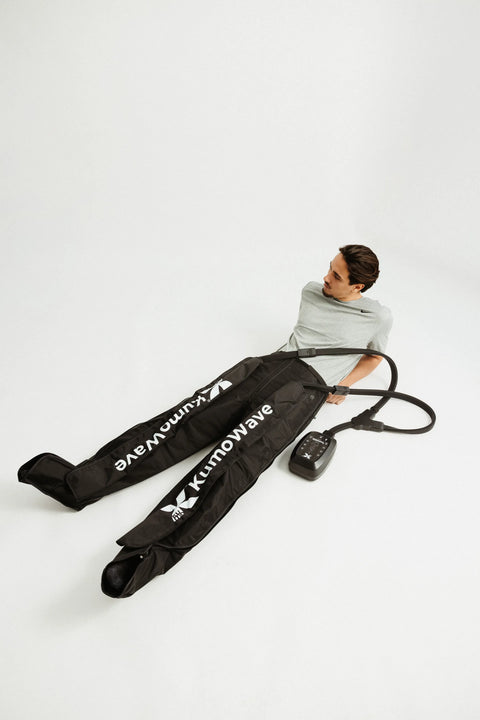
KumoWave Elite – Pressotherapy Pants
Full-coverage trousers. Ideal for lipedema, fluid retention and intensive use.
€799,00 €999,00
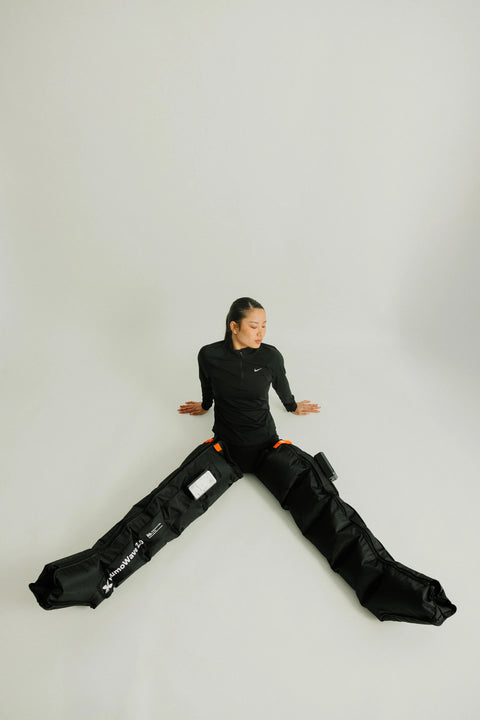
KumoWave 2.0 - Wireless Pressotherapy
Wireless, lightweight boots. Perfect for daily use and recovery.
€499,00 €599,00