
Tired legs are not "normal", they are a message from your body.
Lymphatic drainage can be one of the most effective and pleasant ways to relieve that heaviness, improve circulation, and speed up your daily recovery.
More and more people are describing sensations of heavy, swollen, and painful legs , especially those who spend many hours sitting, standing, or exercising intensely. International studies indicate that about 1 in 5 adults report symptoms of chronic venous disease such as tired, heavy, and uncomfortable legs. ( pubmed.ncbi.nlm.nih.gov )
Pressotherapy at home
End the day with light legs
★★★★★ 4,8/5 · rated by verified customers
KumoWave pressotherapy boosts circulation and helps drain fluid with sequential compression, in 20-minute sessions at home.
- Boosts circulation and helps drain fluid
- Chamber-based compression, adjustable to you
- Sequential compression that mimics manual drainage
€799,00€999,00
−10% on your 1st order when you subscribe to the newsletter

In this article you will see exactly what lymphatic drainage is , why it can relieve tired legs, what types of techniques exist (manual, pressotherapy, self-care), how to integrate it into your routine and in what cases you should seek medical advice.
What is lymphatic drainage and why do your legs get tired?
The lymphatic system and the feeling of heaviness
The lymphatic system is a network of vessels and nodes that collects excess fluid, proteins, and metabolic waste from tissues and returns them to the bloodstream. When this system slows down—due to a sedentary lifestyle, heat, hormones, intense exercise, or venous problems —fluid retention, swelling, and a feeling of heaviness can occur.
Personalized protocol · included with your purchase
Want us to tell you how to use it in your case?
With your purchase, our experts prepare a personalized usage protocol for your case: sport, circulation, fluid retention, pregnancy or lipedema.
Message us on WhatsAppOur experts reply · no obligation
Lymphatic drainage combines manual and mechanical techniques designed to stimulate lymph flow , helping excess fluid return to the bloodstream and be processed by the body. In the legs, the goal is clear: less swelling, improved lymphatic drainage, and a feeling of lightness .
Heavy legs can be simply functional (long hours on your feet, heat), but they can also be part of pathologies such as chronic venous insufficiency , where symptoms of heaviness, fatigue, and pain in the lower extremities are common. ( link.springer.com )
Lymphatic drainage vs. traditional massage
Although sometimes confused, lymphatic drainage is neither a deep tissue massage nor a sports massage :
on your first order when you join the newsletter
We send you the code instantly. No spam.
- Use very gentle and rhythmic pressure , following the path of the lymphatic vessels.
- The proximal area (groin, abdomen) is prioritized before working on the distal part (ankles, feet).
- The main objective is not to "break contractures", but to promote lymphatic movement and venous return .
Classic massage can be helpful for muscle tension, but if your legs feel heavy, swollen, or like they're "carrying lead," lymphatic drainage is usually more suitable.
Benefits of lymphatic drainage for heavy legs
Circulation, edema, and lightness
In the medical field, manual lymphatic drainage (MLD) is a well-established tool in the conservative treatment of lymphedema , especially after cancer surgery. A systematic review of 17 studies concludes that MLD can contribute to reducing volume, improving symptoms, and enhancing quality of life in certain contexts, although not all trials show the same level of benefit. ( pubmed.ncbi.nlm.nih.gov )
When applied to tired legs (without serious pathology), the most common benefits described by patients and professionals are:
- Reduction of swelling in ankles and calves.
- Less feeling of heaviness and "tightness" in the legs.
- Improved comfort at the end of the day (especially in standing or sedentary jobs).
- Support for the prevention of venous stasis along with other healthy habits.
In addition, compression methods (stockings, bandages, pneumatic compression) have been shown to improve venous flow, reduce pressure in the veins, and relieve heavy, aching legs in people with venous disorders. ( en.wikipedia.org )
Muscle recovery and sport
If you train intensely, your legs accumulate metabolites, inflammation, and muscle micro-damage . The combination of:
- Lymphatic drainage (manual or mechanical),
- Smooth movement,
- Quality sleep,
It can promote a faster recovery and a better subjective feeling.
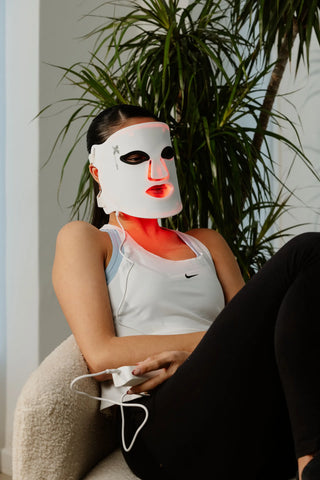
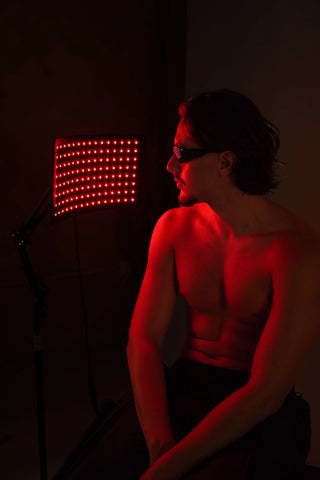
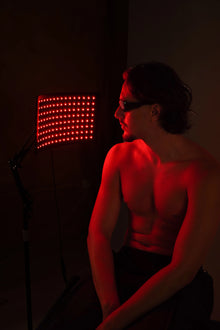
On the other hand, photobiomodulation (red and/or near-infrared light) used in LED therapy has shown, in several recent trials and meta-analyses, moderate improvements in muscle endurance and strength recovery , reducing markers of muscle damage such as creatine kinase after exercise. ( pubmed.ncbi.nlm.nih.gov )
This does not replace intelligent training or rest, but it does position technologies such as red light therapy as excellent allies to complement lymphatic drainage in global recovery protocols.
Main lymphatic drainage techniques for the legs
Manual lymphatic drainage (MLD)
Manual lymphatic drainage is performed by a physiotherapist or therapist trained in specific techniques (Vodder, Leduc, Földi, etc.). It is characterized by:
- Very gentle, circular or spiral maneuvers, without pain.
- Precise sequences that begin in proximal lymph nodes (inguinal, abdominal) and then descend to the legs and feet.
- Sessions of 30 to 60 minutes, depending on the case.
Typical reported benefits:
- Immediate feeling of lightness and relaxation.
- Smaller ankle and calf circumference at the end of the session.
- General well-being (sedative effect of the parasympathetic nervous system).
Properly applied lymphatic drainage should not hurt.
If you notice intense discomfort or excessive pressure, discuss it with your therapist.
Pressotherapy and pneumatic compression boots
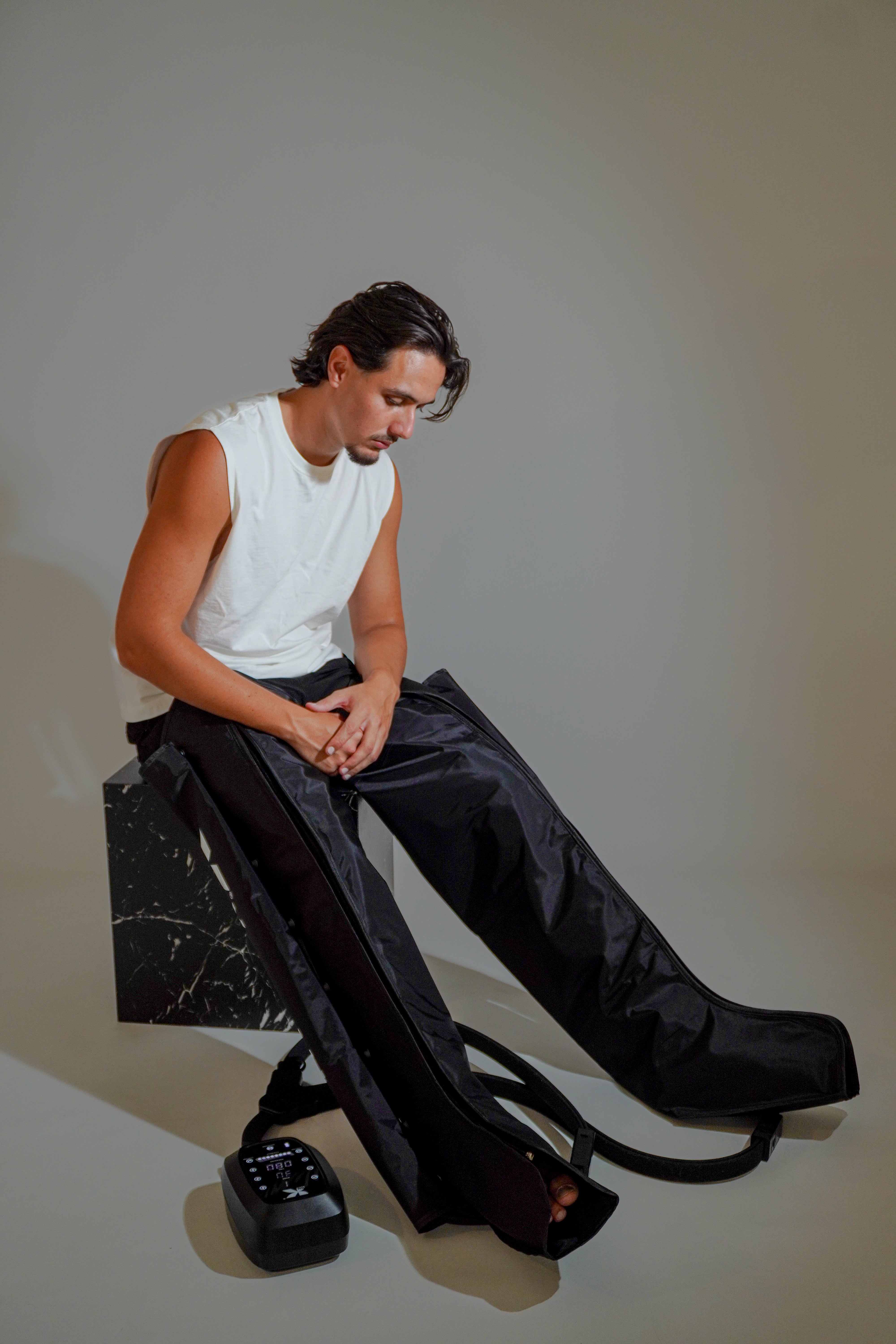
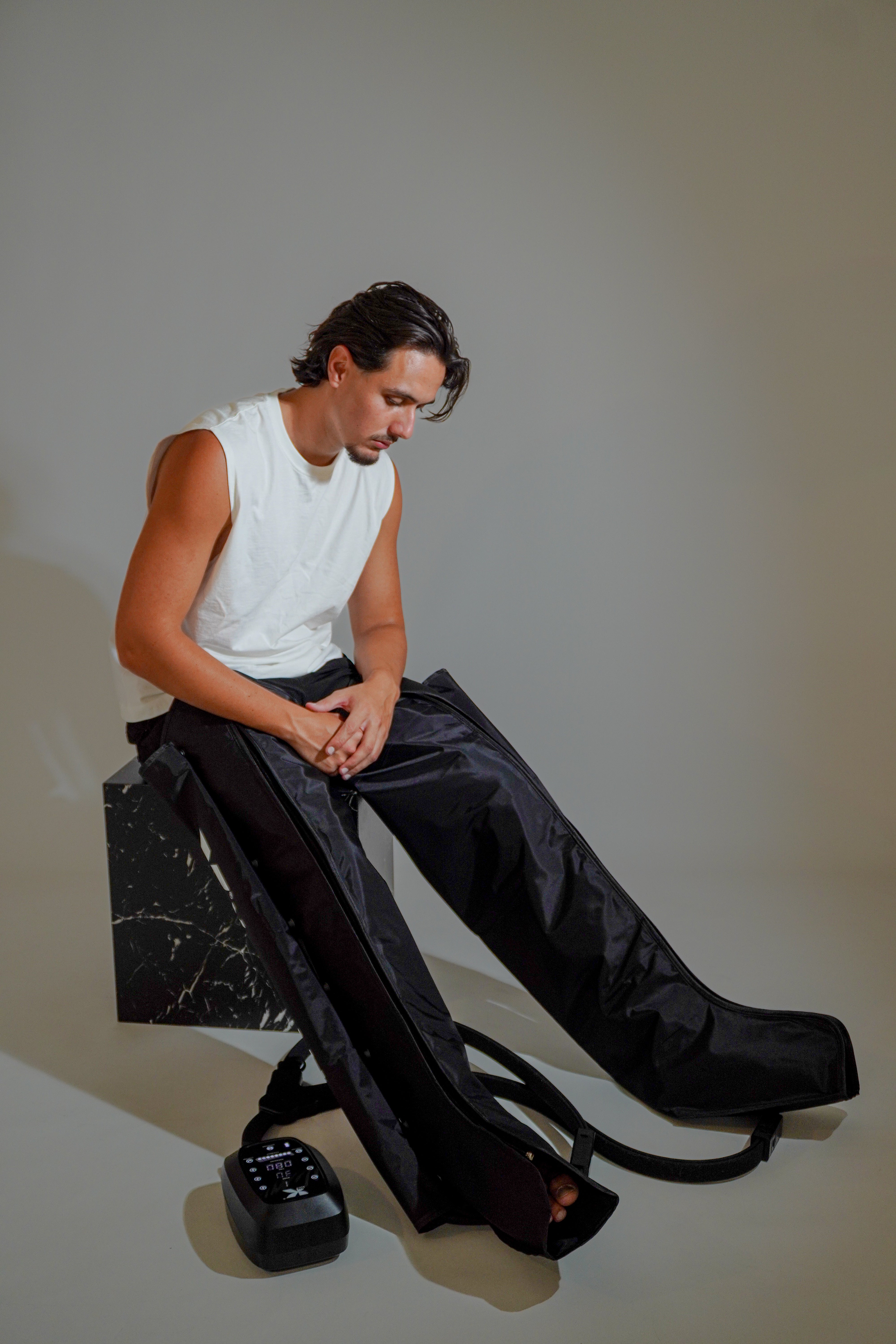
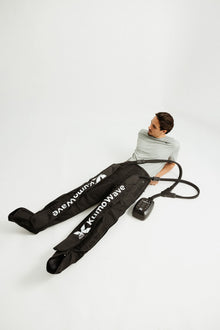
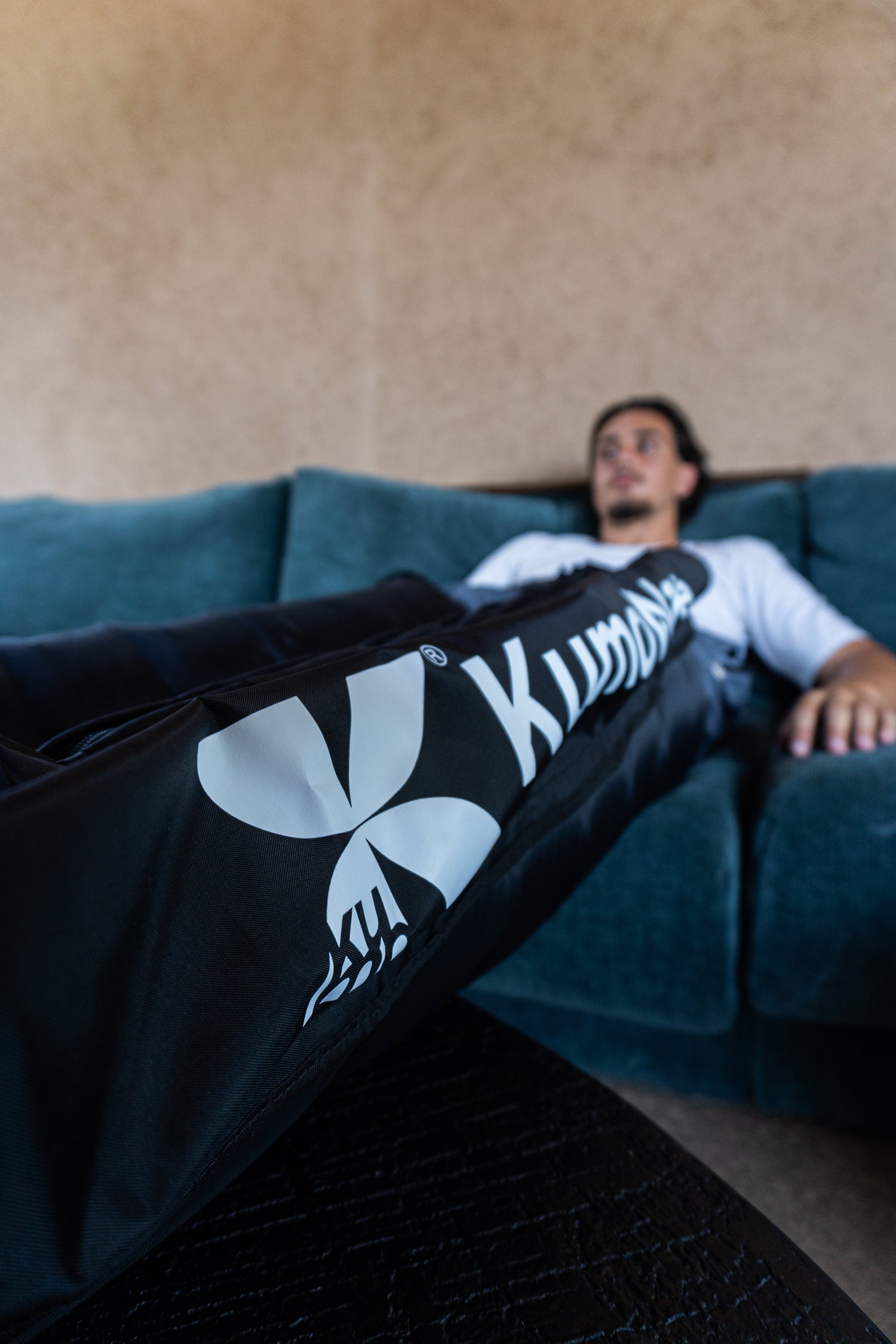
Pressotherapy uses boots that inflate and deflate sequentially, applying controlled pressure from the foot to the thigh. This technology is inspired by medical intermittent pneumatic compression systems, used in hospitals to improve circulation and help prevent edema and thrombosis in immobile patients. ( my.clevelandclinic.org )
How it affects your legs:
- The air chambers inflate sequentially, “pushing” the blood and lymph upwards .
- As they deflate, they allow fresh, oxygenated blood to enter the tissues.
- The cycle repeats, generating an effect similar to a passive muscle pump .
In the field of wellness and sports recovery, KUMO compression boots are designed to:
- Promote venous and lymphatic return after long days of standing or demanding training.
- To provide a deep but controlled massage sensation , highly appreciated by runners, cyclists and strength athletes.
- Integrate into a home recovery routine, with adjustable programs and pressures.
It is important to distinguish between:
- Hospital medical devices , intended to treat pathologies under supervision.
- Personal pressotherapy equipment, such as that from KUMO, is geared towards recovery, well-being and performance , not the diagnosis or treatment of diseases.
Self-massage and gentle techniques at home
In addition to seeing a professional or using pressotherapy, you can stimulate lymphatic drainage in your legs with simple habits:
- Gentle upward self-massage from the ankle to the thigh, with cream or light oil, without excessive pressure.
- Active mobilizations of ankles and knees (flexion-extension, circles) to activate the “muscle pump”.
- Elevate your legs above heart level for 10–15 minutes.
- Use a massage gun , such as the KumoPulse Air , in gentle mode on the muscles (not on lymph nodes), to relax overworked muscles and complement lymphatic work.
Comparison of methods to relieve tired legs
Common methods and who they are ideal for
| Method | What does it consist of? | Main advantages | Ideal for… |
|---|---|---|---|
| Manual lymphatic drainage (MLD) | Gentle maneuvers performed by a specialized professional | Very precise, adaptable to each case, great relaxing effect | People with great heaviness, mild-to-moderate edema, stress |
| Pressotherapy (boots) | Sequential pneumatic compression from foot to thigh | Full coverage of both legs, intense "pumping" effect | Athletes, standing work, recovery after long journeys |
| Compression stockings | Graduated elastic garment that compresses more at the ankle than at the thigh | Daily and discreet use, supports venous return | People with a tendency towards varicose veins or recurrent swelling |
| Self-massage and mobility | Gentle massage and ankle/knee exercises at home | It's free, can be done daily, and improves body awareness. | Anyone who wants to prevent or relieve minor discomfort |
| Red light therapy / LED | Application of red or infrared light for muscle photobiomodulation | Supports muscle recovery and post-exercise comfort | Athletes and active people with frequent overload |
How to integrate lymphatic drainage into your recovery routine
Indicative frequency and duration
The ideal frequency depends on your case, but as a general guide:
- Tired legs due to work or a sedentary lifestyle
- 1-2 lymphatic drainage sessions (manual or pressotherapy) per week for 3-4 weeks and then maintenance according to sensations.
- Athletes in training period
- Short sessions of pressotherapy or gentle drainage after very demanding workouts , combined with rest and proper nutrition.
- Long journeys or very intense specific days
- A session before or after the event can help reduce swelling and improve comfort .
Remember that lymphatic drainage does not replace:
- Daily movement (walking, climbing stairs, short active breaks).
- Proper hydration and weight control.
- Medical evaluation when there are worrying symptoms.
Habits that enhance lymphatic drainage
You can multiply the effect of lymphatic drainage with simple changes:
- Walk for 20–30 minutes a day or break it up into 5–10 minute blocks.
- Avoid sitting or standing still for more than 45–60 minutes at a time .
- Choose loose-fitting clothes around the waist and thighs.
- If your doctor recommends it, wear graduated compression stockings , which are very effective in reducing venous pressure and relieving heavy legs. ( en.wikipedia.org )
- Alternate between warm and cooler showers on your legs.
- Integrate red LED light therapy into your recovery routine: Recent studies show that photobiomodulation can improve muscle recovery and endurance , especially in sedentary individuals or athletes in intense training programs. ( pubmed.ncbi.nlm.nih.gov ) You can explore KUMO LED light therapy devices as part of this approach.
For a more holistic view of recovery and wellness, discover KUMO 's comprehensive approach, which combines technology, design, and performance to help you create a sustainable recovery routine .
Warning signs: when to see a doctor
Lymphatic drainage and pressotherapy are wellness tools, but they are not a substitute for medical evaluation . Consult a healthcare professional as a priority if:
- A leg suddenly swells, is hot, red, or very painful .
- You notice intense pain when walking , changes in skin color, or wounds that do not heal.
- You have a history of deep vein thrombosis, heart failure, kidney disease, or cancer under treatment: in these cases, any form of compression or drainage should be evaluated on a case-by-case basis. ( hopkinsmedicine.org )
In pathologies such as lymphedema or moderate-to-severe chronic venous insufficiency, lymphatic drainage should be part of a therapeutic plan prescribed by your doctor or specialized physiotherapist .
Frequently asked questions about lymphatic drainage in the legs
How often is it recommended to have lymphatic drainage on the legs?
There is no single frequency that works for everyone. For people with tired legs due to work or a sedentary lifestyle , many professionals recommend starting with 1–2 sessions per week for the first few weeks and then spacing them out according to how you feel and how you respond. For athletes, it can be incorporated into recovery days or after very demanding training sessions . If you have a diagnosed venous or lymphatic condition, the frequency should be determined by your doctor or physiotherapist, who will adjust the plan according to the degree of edema, pain, and lifestyle. The most important thing is consistency in the medium term , rather than "marathons" of isolated sessions.
How long does it take to notice relief from tired legs?
In many cases, a feeling of lightness is noticeable as early as the end of the first lymphatic drainage or pressotherapy session: skin tension is reduced and shoes may feel less tight. However, the cumulative effect is best seen after several consecutive sessions , combined with lifestyle changes (more movement, leg elevation, looser clothing). In cases of chronic venous insufficiency or lymphedema , the improvement is slower and requires longer programs, often in conjunction with compression stockings and other medical measures. ( en.wikipedia.org )
Does lymphatic drainage help with cellulite and fluid retention?
Cellulite is a complex phenomenon involving hormonal factors, connective tissue, microcirculation, and localized fat. Lymphatic drainage alone does not "eliminate" cellulite, but it can improve the skin's appearance by reducing fluid retention, bloating, and tissue congestion. In cases of functional fluid retention (due to heat, sedentary lifestyle, or hormonal cycles), manual lymphatic drainage, pressotherapy, and graduated compression can noticeably decrease swelling and discomfort when combined with moderate exercise and adequate hydration. ( pubmed.ncbi.nlm.nih.gov )
Can I do lymphatic drainage at home or do I always need a professional?
You can perform basic self-care techniques at home: gentle upward self-massage, ankle and knee exercises, leg elevations, and the use of devices such as compression boots or a massage gun on gentle settings. This is especially helpful for maintenance between professional sessions. However, when there is significant swelling, a history of thrombosis, recent surgery, cancer, a high-risk pregnancy, or doubts about the origin of your symptoms, it is advisable to consult a healthcare professional first . They will assess whether lymphatic drainage is appropriate, the appropriate intensity, and which techniques are best suited to your specific case. ( hopkinsmedicine.org )
What are the contraindications for lymphatic drainage in the legs?
Although it is a gentle technique, lymphatic drainage has relative and absolute contraindications . It is generally not recommended (or only under strict medical supervision) in cases of: acute leg infections , recent deep vein thrombosis, decompensated heart failure, certain kidney diseases, untreated tumors in the area, active phlebitis, or extensive open wounds. Intermittent pneumatic compression systems also require caution in patients with complex vascular problems or a high risk of thrombosis. ( my.clevelandclinic.org ) If you have any doubts, always consult your doctor before starting any intensive drainage or compression protocol.
So what now?
If you want your legs to stop feeling heavy at the end of the day, the next step is to make recovery a habit , not an exception. Lymphatic drainage—manual, using compression boots , combined with red light therapy , or with tools like the KumoPulse Air —can be the core of an effective and enjoyable routine.
At KUMO, you'll find high-end recovery technologies designed to seamlessly integrate into your daily life: from compression boots to LED devices for skin and muscle . And if you need guidance in choosing the right solution for your tired legs or your sport, simply contact us through our contact form ; we'd be delighted to help you design a personalized recovery strategy.
KumoWave pressotherapy
Choose your at-home pressotherapy
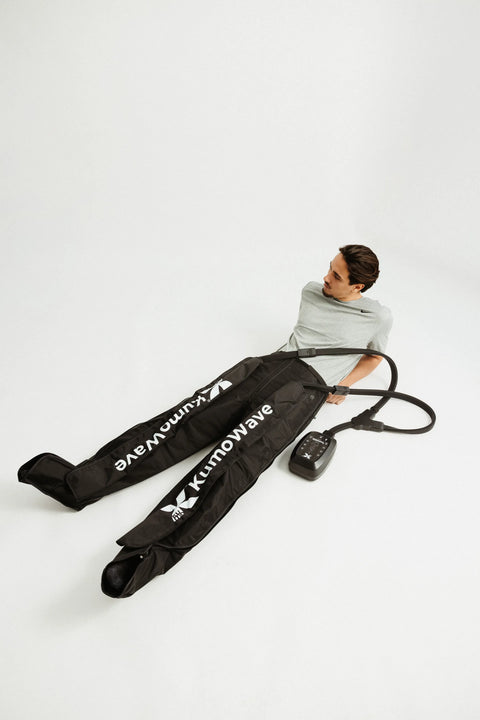
KumoWave Elite – Pressotherapy Pants
Full-coverage trousers. Ideal for lipedema, fluid retention and intensive use.
€799,00 €999,00
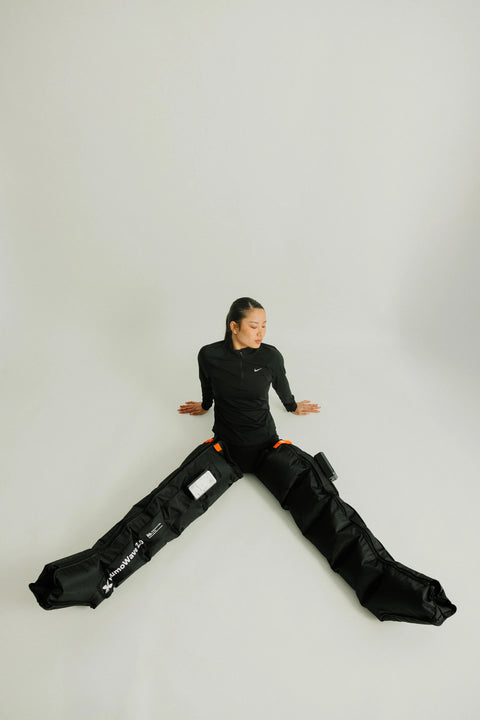
KumoWave 2.0 - Wireless Pressotherapy
Wireless, lightweight boots. Perfect for daily use and recovery.
€499,00 €599,00